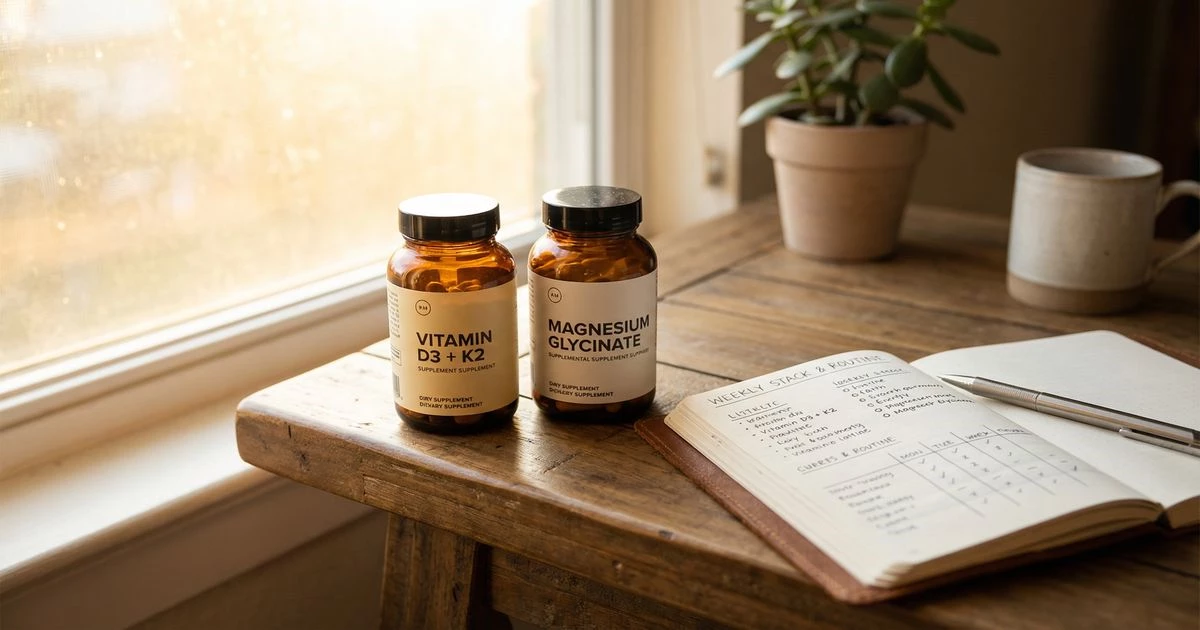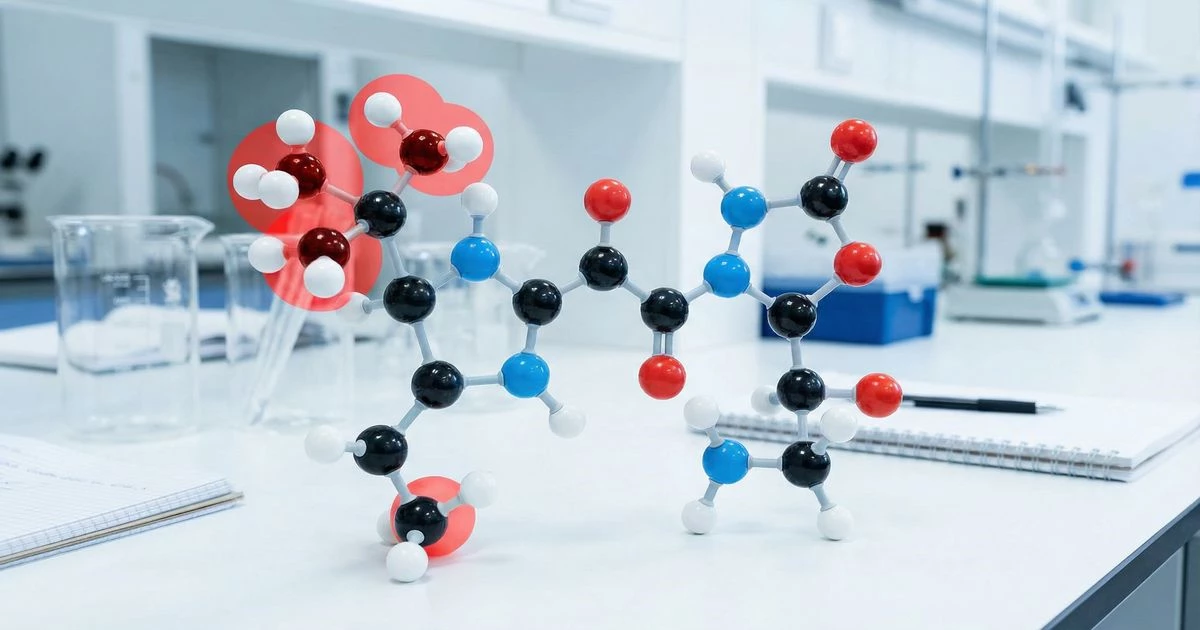

If you’ve been exploring the world of longevity supplements, you’ve probably come across nicotinamide mononucleotide nmn as one of the most talked-about compounds for supporting cellular health. But there’s a growing conversation among researchers and health enthusiasts alike about whether taking nmn alone is the complete picture—or whether adding trimethylglycine tmg to the mix makes sense.
The concept at the center of this discussion is something called methyl depletion. In simple terms, when your body processes NMN to boost NAD+ levels, it generates byproducts that need to be cleared out through methylation. This process consumes methyl groups—small molecular units your body uses for hundreds of critical functions. The body’s methylation processes are essential for maintaining overall health, and NMN supplementation can increase the demand on these processes, making it important to support them adequately.
This article dives into the science behind why some people choose to take nmn and tmg together. Dr. David Sinclair, a well-known researcher in the field of aging, includes TMG alongside NMN in his own supplement routine, reflecting a cautious approach and highlighting the ongoing scientific debate about the necessity of supporting methylation when using NMN. We’ll explore how NMN raises NAD+ levels, what the methylation process actually does, where TMG fits in, and what the research says about potential benefits. You’ll also find practical guidance on dosing, timing, and safety considerations. The goal here is to give you science-backed information—without making medical claims or overpromising results—so you can make informed decisions about your own supplementation strategy.
Whether you’re already on an nmn supplement regimen or just starting your longevity journey, understanding the relationship between NMN and methylation can help you optimize your approach.
NMN in a Nutshell: How It Raises NAD⁺ and Why That Matters
Nicotinamide mononucleotide is a nucleotide derived from ribose and nicotinamide. Think of it as a building block that your body converts into nicotinamide adenine dinucleotide, commonly known as NAD+. This coenzyme sits at the heart of cellular metabolism, playing essential roles in energy production, dna repair, and cellular stress responses.
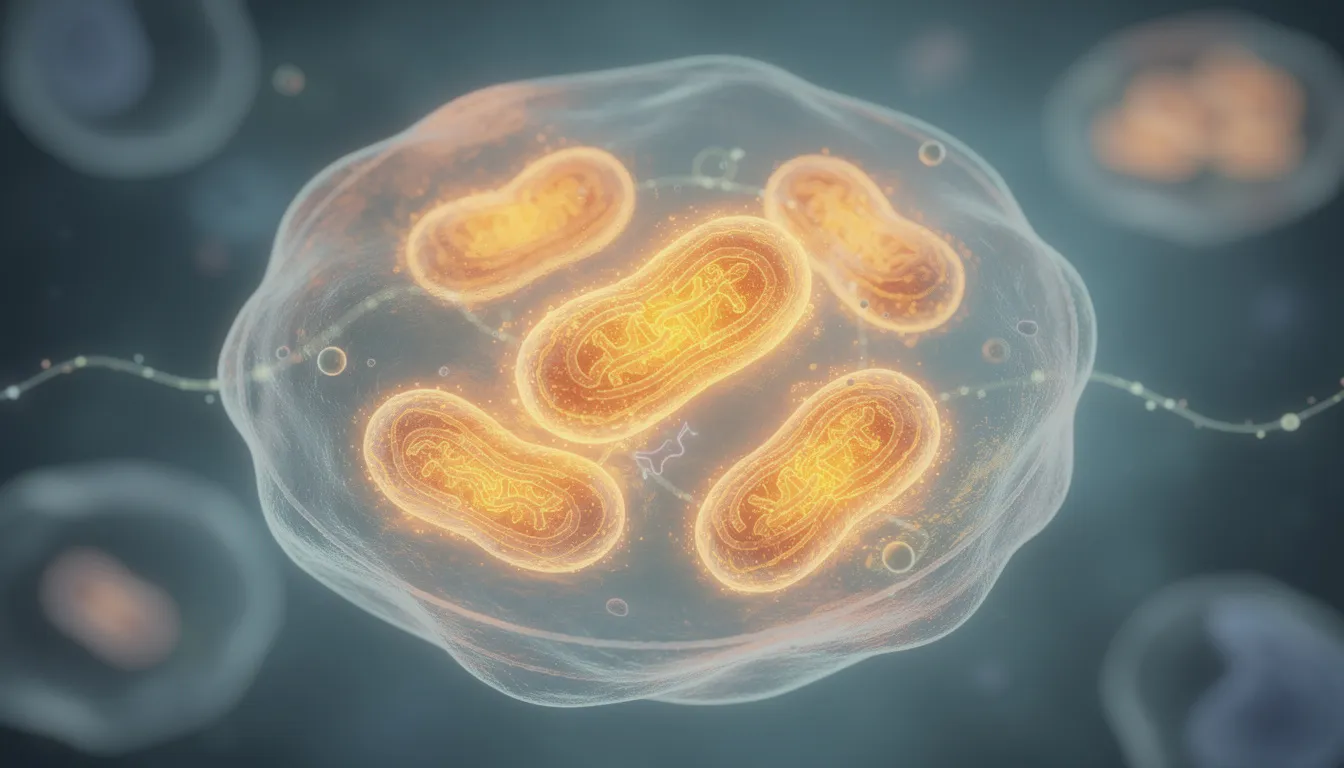
NAD+ does a lot of heavy lifting inside your cells. It’s required for mitochondrial function—the process by which your mitochondria convert nutrients into ATP, the energy currency your cells run on. It also activates sirtuins, a family of proteins involved in regulating inflammation, autophagy, and aging pathways. Additionally, NAD+ fuels PARP enzymes that repair damaged DNA and helps regulate your circadian rhythm.
Here’s the challenge: nad levels naturally decline as we age. Observational data in humans suggests that by midlife, NAD+ concentrations can drop significantly compared to younger years. This decline is associated with reduced cellular energy, slower recovery from stress, and increased vulnerability to age related diseases. As we age, NAD+ levels naturally decline, making NMN supplementation crucial for maintaining cellular health.
Preclinical research has provided encouraging signals about nmn supplementation. In rodent studies conducted from 2013 onward, NMN administration improved vascular function, enhanced insulin sensitivity, and supported physical performance. Mice receiving NMN showed better metabolic markers and appeared to age more gracefully than untreated controls.
Human trials have begun to emerge as well. Studies published between 2021 and 2023 found that participants taking NMN at doses around 250 to 600 mg per day showed improvements in measures like walking endurance and muscle insulin sensitivity. While these results are promising, researchers emphasize that larger, longer-term studies are needed to confirm benefits of nmn for humans. NMN is typically taken via oral administration—take 1 capsule of NMN daily with 8 ounces of water or your favorite beverage, which may be taken with or without food.
One important clarification: NMN itself doesn’t directly “use up” methyl groups. However, when NMN is metabolized and NAD+ turnover increases, the body produces more nicotinamide (NAM) as a byproduct. Clearing that NAM is where the methylation process comes into play—and where TMG enters the conversation.
What Is Methylation? The Biochemical Background You Need
Methylation is one of those biochemical processes that sounds complicated but is actually quite straightforward in concept. At its core, methylation involves transferring a methyl group—a small molecular unit consisting of one carbon and three hydrogen atoms (CH₃)—from one molecule to another. This simple transfer powers an enormous range of functions in your body.
The primary source of these methyl groups is S-adenosylmethionine, often abbreviated as SAMe. SAMe acts as the body’s methylation processes “currency,” donating methyl groups wherever they’re needed. Once SAMe gives up its methyl group, it becomes homocysteine, which then needs to be recycled back to methionine so the cycle can continue. This recycling depends on nutrients like folate, vitamin B12, choline, and betaine (which is another name for TMG).
Why does this matter? Methylation supports gene expression regulation through DNA methylation, helps synthesize and break down neurotransmitters affecting mood and cognitive function, builds phosphatidylcholine for cell membranes, produces creatine for muscle energy, and detoxifies homocysteine—a sulfur-containing amino acid that, when elevated, serves as a known risk factor for cardiovascular issues.
Some individuals have genetic variants, such as common MTHFR polymorphisms, that reduce their methylation capacity. Low dietary intake of folate, B12, or choline can also compromise the methylation process. Think of methylation as a tagging system your body uses constantly—if you run low on “tags,” many cellular processes can slow down.
Where NMN and Methylation Intersect: The NNMT–NAM Pathway
To understand why people consider taking tmg with NMN, we need to zoom in on what happens after NAD+ does its job. When NAD+-consuming enzymes like PARPs and sirtuins complete their work, they release nicotinamide (NAM) as a byproduct. This NAM needs to go somewhere.
Your body has two main options for handling NAM. The first is to recycle it back into NAD+ through what’s called the salvage pathway—an efficient process that keeps nad levels topped up. The second option involves clearing NAM through methylation-dependent routes.
This is where an enzyme called NNMT (nicotinamide N-methyltransferase) comes in. NNMT takes a methyl group from SAMe and attaches it to NAM, creating 1-methylnicotinamide (MeNAM). This methylated form can then be excreted from the body. The process is normal and necessary, but here’s the catch: it consumes methyl groups.
When you’re taking nmn and your NAD+ turnover increases, more NAM is produced. If NNMT activity ramps up to clear that extra NAM, more methyl groups get consumed. Over time—especially at higher NMN intakes—this could theoretically deplete your body’s methylation reserves if they aren’t adequately replenished.
It’s important to note that current evidence for clinically meaningful methyl depletion from NMN in humans is still limited. Much of the concern comes from mechanistic reasoning and animal studies rather than large human trials showing clear harm. However, the logic is sound enough that many researchers and longevity enthusiasts view TMG as a reasonable precaution.

TMG (Trimethylglycine): A Key Methyl Donor and Homocysteine Buffer
Trimethylglycine, commonly known as betaine anhydrous or simply betaine tmg, is a naturally occurring compound with three methyl groups attached to a glycine backbone. You’ll find it in foods like beets, spinach, quinoa, and wheat bran. As a dietary supplement, TMG has been studied for decades, primarily for its role in healthy methylation and homocysteine management.
TMG functions as a methyl donor through an enzyme called betaine-homocysteine methyltransferase (BHMT). In this reaction, tmg helps convert homocysteine back to methionine, which can then regenerate SAMe. This is significant because it provides an alternative pathway for methylation support that doesn’t rely solely on folate and B12.
Multiple human trials have demonstrated that TMG supplementation—typically at doses ranging from 1.5 to 6 grams per day—can measurably reduce plasma homocysteine levels. Lower homocysteine is generally considered favorable for cardiovascular health, though direct disease risk reduction hasn’t been definitively proven in randomized trials.
Beyond its methyl-donor role, TMG also serves as an osmoprotectant, helping cells maintain fluid balance under stress. However, for the purposes of pairing with NMN, its primary value lies in providing methylation support.
Typical supplemental tmg dosage in research ranges from 500 to 3,000 mg per day. When used as a “methyl buffer” alongside NMN, many people opt for the lower end of this range. TMG is cost-effective, stable, and has a solid safety profile, making it a practical choice among tmg supplements for those concerned about methyl depletion.

Why Some People Combine TMG with NMN
The practice of taking nmn and tmg together has gained traction among longevity enthusiasts and some researchers as a precautionary measure. The reasoning is straightforward: if NMN increases NAD+ turnover and generates more NAM requiring methylation for clearance, having extra methyl donors on board seems like a sensible buffer.
When you take nmn and tmg together, the TMG can help maintain SAMe levels by recycling homocysteine back to methionine. This supports overall methylation “reserve” and may prevent any potential bottleneck in methylation-dependent processes. For individuals with higher methylation demands—whether due to genetics, lifestyle, or simply higher NMN doses—this combination offers a safety net.
Some prominent aging researchers, including those who have publicly discussed their own supplement regimens, have mentioned using TMG alongside NMN as a cautious choice. While this doesn’t constitute medical advice, it reflects the thinking of scientists who understand the underlying biochemistry.
Main reasons people pair TMG with NMN:
Supporting SAMe regeneration and methylation capacity
Helping maintain healthy homocysteine levels
Providing extra methyl groups during periods of high NAD+ turnover
Offering a low-cost, low-risk precaution for long-term supplementation
That said, current human evidence doesn’t prove that everyone taking nmn experiences harmful methyl depletion. Many people use NMN without TMG and feel fine. The combination is best understood as a mechanistically reasonable strategy rather than an absolute requirement. Individual factors—including diet, genetics, and dosage—play significant roles in determining who might benefit most.
Potential Benefits of Taking TMG with NMN (Science-Informed, Not Hype)
Before exploring potential benefits, it’s worth emphasizing that the following are plausible advantages based on mechanisms and early data—not guaranteed outcomes. Both NMN and TMG have been studied individually, but research on their combination is still limited.
Regarding methylation balance, TMG may help preserve SAMe levels by diverting homocysteine back to methionine. This is particularly relevant under conditions of higher NAD+ turnover, where NNMT activity might otherwise draw down methyl reserves. By supporting the body’s methylation processes, TMG could help maintain efficient gene expression regulation, neurotransmitter synthesis, and other methylation-dependent functions.
For homocysteine management, the evidence is more robust. Clinical studies have consistently shown that TMG supplementation produces measurable reductions in plasma homocysteine levels. While homocysteine is a risk factor for cardiovascular issues, it’s important to note that lowering it through supplementation hasn’t been definitively proven to reduce heart disease risk in large trials. Still, keeping homocysteine in a healthy range is generally viewed favorably. NMN and TMG together may contribute to heart health by supporting cardiovascular well-being through improved NAD+ levels, mitochondrial health, and homocysteine reduction.
When it comes to cellular energy and physical performance, both compounds have shown promise independently. Animal studies demonstrate that NMN can improve endurance and aerobic capacity, while some human trials have shown benefits for muscle endurance and energy levels. TMG has been studied in sports nutrition contexts for supporting power output and training volume. TMG can also boost creatine synthesis for muscle power, while NMN’s cellular repair properties may help recovery after training. Combining these two supplements is a logical strategy for those seeking both cellular energy support and methylation support, though direct research on the combination remains limited. Jinfiniti’s Vitality ↑® NAD+ Booster Powder combines NMN with other compounds to support cellular energy.
For cognitive function and mood, the picture is more speculative. NAD+-dependent processes influence brain cells and neuronal health, while methylation is crucial for neurotransmitter pathways. Both NMN and TMG could theoretically support improving cognitive function and mental clarity, but robust clinical data specifically on NMN + TMG for cognition or mood are not yet available. Some users report enhanced focus and sleep quality, but these are anecdotal observations.
How Much TMG to Take with NMN? Ratios, Timing and Practical Tips
There’s no universally established clinical guideline for pairing NMN and TMG. Current practices are based on mechanistic reasoning, limited data, and the experiences of practitioners and enthusiasts. With that caveat in mind, here’s what’s commonly discussed.
Many people use a roughly 1:1 mg ratio of TMG to NMN as a starting point. For example, someone taking 250 mg of NMN might add 250 to 500 mg of TMG. Those using 500 to 1,000 mg of NMN often pair it with similar amounts of TMG. Some long-term users report ratios closer to 1:2 or even 1:3 (TMG to NMN), particularly at higher NMN doses.
| NMN Dose | Suggested TMG Range | Notes |
|---|---|---|
| 250 mg/day | 250–500 mg TMG | Lower end; dietary methyl donors may suffice |
| 500 mg/day | 500–750 mg TMG | Common moderate protocol |
| 750–1,000 mg/day | 750–1,500 mg TMG | Higher NMN doses may warrant more TMG |
| 1,000+ mg/day | 1,000–2,000 mg TMG | Consult healthcare provider at these levels |
Several factors can influence individual TMG needs. Your baseline diet matters—if you’re already consuming plenty of folate, B12, choline, and betaine from foods, you may need less supplemental TMG. Genetic variants like MTHFR or BHMT polymorphisms can affect methylation efficiency. Blood markers, particularly homocysteine levels measured by a clinician, can provide objective data to guide decisions. Overall health status and any medications you take should also factor in.
For timing, many people prefer taking nmn in the morning, as it may provide an energy boost that’s less desirable near bedtime. TMG can be taken alongside NMN or split between morning and early afternoon with meals. If you’re sensitive to stimulating supplements, avoiding late-day dosing of either compound is wise.
Some practical tips: Start at the lower end of dosing ranges and increase gradually over several weeks. Consider keeping a simple journal tracking energy levels, sleep quality, digestion, and mood during the first four to six weeks. Discuss any significant changes or lab testing with a healthcare provider who can help interpret results.
For enhanced absorption, some users opt for a liposomal nmn formula. The liposomal delivery method uses phospholipids sourced from natural sources to encapsulate the NMN, potentially improving bioavailability. Options like codeage liposomal nmn utilize a liposomal delivery matrix designed to support more efficient uptake. When evaluating any liposomal nmn formula features, look for products manufactured in the usa with transparent supplement facts.
Liposomal Delivery and Bioavailability: Getting the Most from Your Supplements
Liposomal delivery is revolutionizing the way we absorb and benefit from dietary supplements, especially when it comes to advanced longevity compounds like NMN and TMG. This innovative technology involves encapsulating active ingredients—such as nicotinamide mononucleotide and trimethylglycine TMG—within microscopic spheres made of phospholipids. These liposomes closely resemble the structure of your body’s own cell membranes, allowing for more efficient transport of nutrients across the gut lining and into your bloodstream.
Why does this matter for your NMN and TMG regimen? Traditional oral supplements can be partially broken down by stomach acid or digestive enzymes before they’re absorbed, which may limit their effectiveness. Liposomal NMN formulas, on the other hand, use a liposomal delivery matrix to shield these sensitive molecules, enhancing their stability and bioavailability. This means more of the active ingredients—whether it’s NMN for boosting nicotinamide adenine dinucleotide (NAD+) or TMG as a methyl donor—actually reach your cells where they’re needed most.
A standout example is Codeage Liposomal NMN, which combines nicotinamide mononucleotide and TMG in a formula designed for optimal absorption. The liposomal NMN formula features phospholipids sourced from non-GMO sunflower oil, providing a gentle and natural delivery system. This approach not only supports cellular energy and mitochondrial function but also helps maintain healthy methylation by ensuring a steady supply of methyl groups, reducing the risk of methyl depletion.
Safety, Side Effects and Who Should Be Cautious
Both NMN and TMG have been generally well tolerated in available human studies at commonly used doses. Most reported side effects are mild and digestive in nature—think occasional nausea, loose stools, or abdominal discomfort. These typically resolve with dose adjustment or by taking supplements with food rather than on an empty stomach.
However, long-term, large-scale human safety data for high-dose combinations of nmn and tmg together are still limited. A conservative approach is reasonable, particularly if you’re new to these supplements or planning to use them for extended periods.
Certain groups should exercise extra caution and consult a healthcare provider before use:
Pregnant or nursing mothers should avoid these supplements due to insufficient safety data
Individuals with significant liver or kidney disease
Those with major psychiatric conditions or taking psychiatric medications
People using antifolate drugs, certain anti-seizure medications, or high-dose methotrexate
Anyone with known methylation pathway issues or extremely high baseline homocysteine
Those with any serious medical condition requiring ongoing treatment
At very high TMG intakes—multiple grams per day used in some clinical trials—occasional side effects like body odor changes or gastrointestinal upset have been reported. These doses are higher than what most people pair with NMN for methylation support purposes.
It’s essential to remember that any dietary supplement, including NMN and TMG, is not a substitute for medical care, prescribed therapies, or a nutrient-dense diet. Never adjust medications based on supplement use without professional guidance. If you do not exceed recommended dose guidelines and monitor your response, these supplements can be a reasonable addition to an overall health strategy. For those using NMN and TMG long term, periodic check-ins with a clinician—potentially including lab work for B12, folate, and homocysteine—can help ensure everything stays on track.
Food Sources and Lifestyle Foundations for Healthy Methylation
Supplements like NMN and TMG work best when layered on top of solid lifestyle habits and a nutrient-dense diet that naturally supports methylation. Before focusing heavily on pills and powder filled capsules, it’s worth ensuring your foundation is strong.
Rich food sources of methyl donors include:
| Nutrient | Food Sources |
|---|---|
| Folate | Spinach, kale, lentils, chickpeas, asparagus |
| Vitamin B12 | Fish, eggs, dairy, fortified foods (vegans often need supplements) |
| Choline | Egg yolks, liver, soy, cruciferous vegetables |
| Betaine (TMG) | Beets, spinach, quinoa, wheat bran |
General lifestyle strategies can also reduce stress on your methylation and NAD+ systems. Prioritizing regular sleep—seven to nine hours for most adults—supports cellular repair and overall health. Moderate exercise benefits mitochondrial function and NAD+ metabolism. Avoiding smoking and limiting excessive alcohol intake reduces oxidative stress and methylation burden. Managing chronic psychological stress through evidence-based techniques like mindfulness, breathing exercises, or cognitive behavioral approaches can also help.

A few practical tips to get more methyl donors from your diet: Add a beet or spinach salad a few times per week. Include eggs at breakfast when possible—the yolks are choline-rich. Incorporate more legumes like lentils and chickpeas into soups and salads. If you’re vegan or vegetarian, pay special attention to B12 through fortified foods or supplements.
These dietary and lifestyle foundations support anti aging efforts and methylation regardless of whether you take supplements. Think of them as the baseline that makes everything else work better.
Putting It All Together: Is TMG with NMN Right for You?
Let’s recap what we’ve covered. NMN serves as a precursor to NAD+, supporting cellular energy, dna repair, and the activity of longevity-related proteins like sirtuins. Methylation is a fundamental biochemical process powered by SAMe, essential for gene expression, neurotransmitter balance, and homocysteine recycling. When NMN increases NAD+ turnover, more nicotinamide (NAM) is produced, which may be cleared via NNMT—a process that consumes methyl groups from SAMe. TMG, as a methyl donor, offers a practical way to support methylation and help maintain homocysteine levels in a healthy range.
Who might especially consider pairing these two supplements? Individuals using higher NMN doses over long periods may have greater methylation demands. Those with limited dietary methyl donors could benefit from the extra support TMG provides. People with known methylation-related polymorphisms or elevated homocysteine—ideally under professional supervision—might find the combination particularly relevant.
The decision to take tmg with NMN is individual and ideally informed by discussion with a healthcare provider. When available, lab data can help guide dosing decisions. Current evidence supports the plausibility and general tolerability of this combination, but definitive long-term outcome studies are still underway.
Approach your supplementation thoughtfully. Start with lower doses and monitor how you feel. Prioritize diet and lifestyle as your foundation. Keep an open, evidence-based mindset as new research on age related cognitive decline, cardiovascular health, and overall health continues to emerge. Your longevity journey is personal—let science guide you, but listen to your body along the way.
Further Reading
Explore more articles related to this topic:
- Why You Need TMG With Your NMN: The Truth About Methyl Depletion
- NMN and Intermittent Fasting: Should You Take Your Supplement During the Fast?
- NMN Dosage Chart: How Much Should You Take Based on Age and Weight?
- The 2026 Ultimate Guide to NMN: Everything You Need to Know Before Starting
- NMN: Everything You Need to Know in 2026