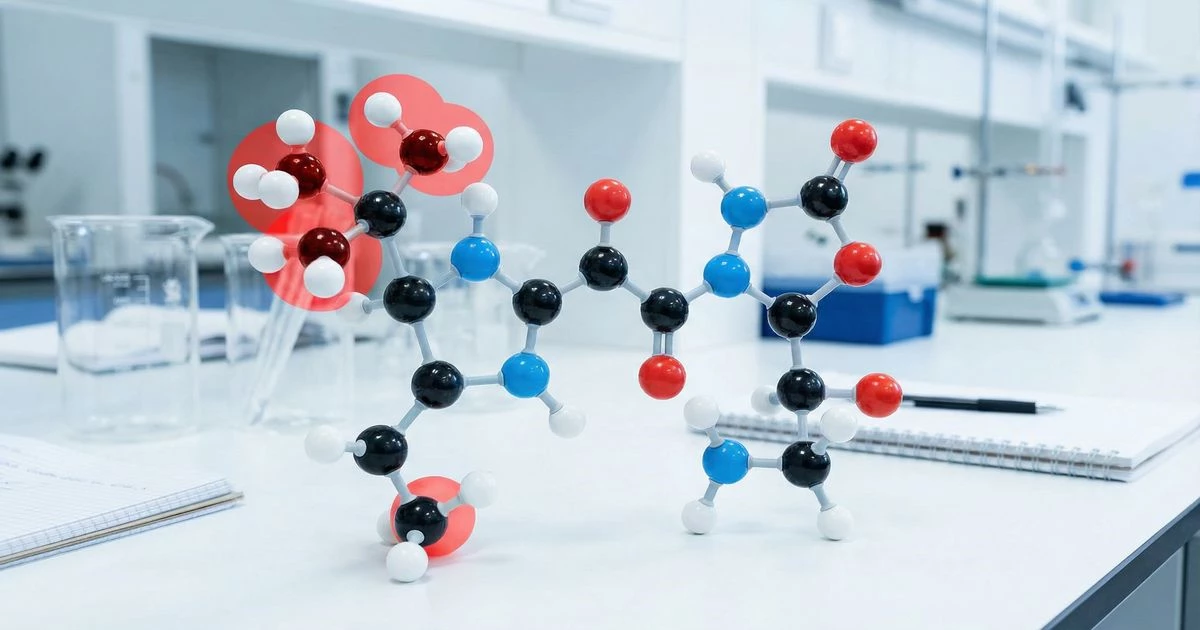

If you’ve been exploring the world of longevity supplements, you’ve likely encountered nicotinamide mononucleotide (NMN) as a popular way to boost NAD+ levels in your body. But there’s a growing conversation in the health and aging research community about whether you should pair NMN with another supplement: TMG (trimethylglycine). This article will explain the concept of methyl depletion and why understanding it is important when using NMN and TMG. The answer centers on a biochemical concept called methyl depletion.
Quick Answer: Do You Really Need TMG with NMN?
Here’s the straightforward explanation. When you take NMN, it gets converted into NAD+, a coenzyme critical for energy metabolism, DNA repair, and cellular health. However, when your cells use NAD+, they generate a byproduct called nicotinamide (NAM). Your body needs to clear or recycle this NAM, and one major pathway for doing so requires methyl groups—specifically from S-adenosylmethionine (SAM), your body’s universal methyl donor.
This is where methyl depletion enters the picture. If you’re consistently boosting NAD+ through NMN supplementation, you may be increasing the demand on your methylation system. TMG, also known as betaine, is a dietary methyl donor that can help support this methylation cycle by regenerating methionine (which then becomes SAM). Many longevity researchers and functional medicine practitioners consider pairing NMN with a methyl donor like TMG, folate, or B12 a prudent strategy to maintain metabolic balance.
That said, this isn’t an officially required medical standard. Current human research on NMN and methyl depletion is still evolving, and individual needs vary widely. Before adding any supplements to your routine, consult with a qualified healthcare professional—especially if you have existing medical conditions, take medications, or are pregnant or breastfeeding. In addition, certain factors such as pregnancy further increase the importance of proper methylation. Proper methylation is crucial for fetal growth and development; deficiencies can lead to miscarriage and neural tube defects.
What Is Methylation and Why Does It Matter?
Methylation is one of the most fundamental biochemical processes in your body. It involves attaching a methyl group (one carbon atom bonded to three hydrogen atoms) to molecules like DNA, proteins, and neurotransmitters. This process happens billions of times per second across every cell in your body and influences everything from how your genes are expressed to how efficiently you detoxify harmful substances.
What Methylation Does in Your Body
Here are some critical methylation-dependent processes:
Epigenetic regulation: Methylation of DNA and histones controls which genes get turned on or off
Neurotransmitter metabolism: Production and breakdown of serotonin, dopamine, and other brain chemicals
Homocysteine recycling: Converting potentially harmful homocysteine back to useful methionine
Phosphatidylcholine synthesis: Building cell membranes and supporting liver function
Creatine production: Important for muscle energy and athletic performance
Detoxification reactions: Processing and eliminating toxins from your blood and liver
The Key Players in Methylation
Understanding methylation requires knowing the core nutrients involved:
| Component | Role |
|---|---|
| Methionine | Essential amino acid that becomes SAM |
| SAM (S-adenosylmethionine) | Universal methyl donor |
| SAH (S-adenosylhomocysteine) | Byproduct after SAM donates methyl group |
| Homocysteine | Must be recycled back to methionine |
| Folate (5-MTHF) | Works with B12 to recycle homocysteine |
| Vitamin B12 | Essential cofactor for folate pathway |
| Choline | Precursor to TMG; supports liver methylation |
| TMG (Betaine) | Direct methyl donor for homocysteine recycling |
| The simplified methylation cycle looks like this: Methionine converts to SAM (which donates methyl groups), then becomes SAH, then homocysteine. Homocysteine can be recycled back to methionine through two pathways—one using folate and B12, another using TMG. |
Your methylation status depends on genetics (such as common MTHFR variants that affect folate processing), diet (intake of folate, B12, choline, and betaine-rich food sources), and your overall metabolic state.
What Is Methyl Depletion?
Methyl depletion refers to a functional state where the demand for methyl groups exceeds the supply. When cells need more SAM than they can produce or regenerate, the ratio of SAM to SAH drops, and methylation-dependent reactions become strained. This isn’t a formal medical diagnosis but rather a conceptual, mechanistic term used by researchers and practitioners to describe metabolic stress on one-carbon metabolism. Alterations in cell metab, especially disruptions in one-carbon metabolism, can significantly influence methylation patterns and epigenetic regulation, impacting histone methylation, DNA methylation, and chromatin organization. Chronic inflammation can deplete the body’s methyl pool, affecting various essential processes.
How Methyl Depletion Happens
Several situations can create high methyl demand:
Intensive DNA repair processes requiring methylation
High phosphatidylcholine synthesis (liver health, cell membranes)
Creatine production for muscle and brain energy
Influx of certain nutrients or compounds that require methylation for processing
When methyl donors become scarce, cells must adapt. Research published in the journal Molecular Cell in April 2020 provides fascinating insights into these adaptive mechanisms.
What the Research Shows
Key Study: Yu et al., “Methyl-Metabolite Depletion Elicits Adaptive Responses to Support Heterochromatin Stability and Epigenetic Persistence” (Molecular Cell, 2020)
Cells respond to SAM depletion in two phases: initial upregulation of certain histone marks (0-45 minutes), followed by broad decreases in di- and tri-methylation (90 minutes to 24 hours)
Cells preferentially maintain H3K9 mono-methylation at the expense of higher methylation states
Key methylation enzymes (EHMT1 and EHMT2) retain approximately 60% of their mono-methylation activity even during severe SAM depletion
This preservation strategy maintains heterochromatin stability and supports epigenetic recovery when methyl donors become available again
In simple terms, when methyl donors are scarce, your cells prioritize certain critical methylation marks to preserve the ability to return to normal function once the metabolic crisis passes. This illustrates just how tightly regulated methylation is—and why supporting it matters.
Animal models have shown that methionine restriction and altered methyl metabolite levels can influence epigenetic marks and metabolic health. However, extrapolating these findings directly to human supplement use requires caution and more clinical research.
Health Conditions Related to Methyl Depletion
Methyl depletion can have a significant impact on your overall health, often manifesting as fatigue, brain fog, and a noticeable decline in physical performance. Because methylation is deeply involved in regulating your body’s circadian rhythms, low methylation capacity may also lead to disrupted sleep quality, making it harder to feel rested and alert. These symptoms can slow your metabolism and affect how efficiently your brain and body function day to day.
Nicotinamide mononucleotide (NMN) supplementation is gaining attention for its ability to support cell metabolism and enhance methylation processes, which may help alleviate some of these issues. By promoting healthy methylation, NMN can contribute to improved energy levels, sharper cognitive function, and better sleep quality. However, it’s important to recognize that while NMN can be beneficial, it’s not a one-size-fits-all solution. The effects of methyl depletion can vary widely between individuals, and underlying health conditions may influence how your body responds to NMN and other methylation-supporting nutrients.
If you’re experiencing persistent fatigue, poor physical performance, or sleep disturbances, it’s wise to consider how methylation and metabolism might be playing a role. Addressing these factors with the right support can lead to meaningful improvements in your health and well-being.
How NMN and NAD+ Metabolism Interact with Methylation
To understand why NMN might affect your methylation status, you need to follow the metabolic trail.
NMN (nicotinamide mononucleotide) is a direct precursor to NAD+, a coenzyme essential for:
Energy production in mitochondria
DNA repair via PARP enzymes
Sirtuin activation (important for aging and cell metabolism)
Hundreds of other enzymatic reactions
The Nicotinamide Clearance Problem
When NAD+ gets used by sirtuins, PARPs, and other enzymes, it generates nicotinamide (NAM) as a byproduct. Your body has two main options for handling NAM: recycle it back into NAD+ (the salvage pathway) or clear it through methylation.
The clearance pathway works through an enzyme called nicotinamide N-methyltransferase (NNMT). Here’s what happens:
NAM + SAM → 1-methylnicotinamide (1-MNA) + SAH
This reaction consumes one methyl group from SAM for every molecule of nicotinamide that gets methylated. If you’re taking NMN and significantly boosting NAD+ turnover, you’re potentially generating more NAM, which means more NNMT activity, which means more SAM consumption.
Preclinical work has shown that NAD+ boosters (including nicotinamide riboside, a related compound) can alter methyl donor pools and methylated metabolites. Human NMN data on methyl depletion is still limited and evolving, but the biochemical logic is clear: higher NAD+ flux could mean higher methyl demand.
The extent of this effect depends on several factors, including your dose, how much NAD+ turnover increases, your baseline methyl donor status, and individual genetic variations.

TMG as a Methyl Donor: What It Is and What It Does
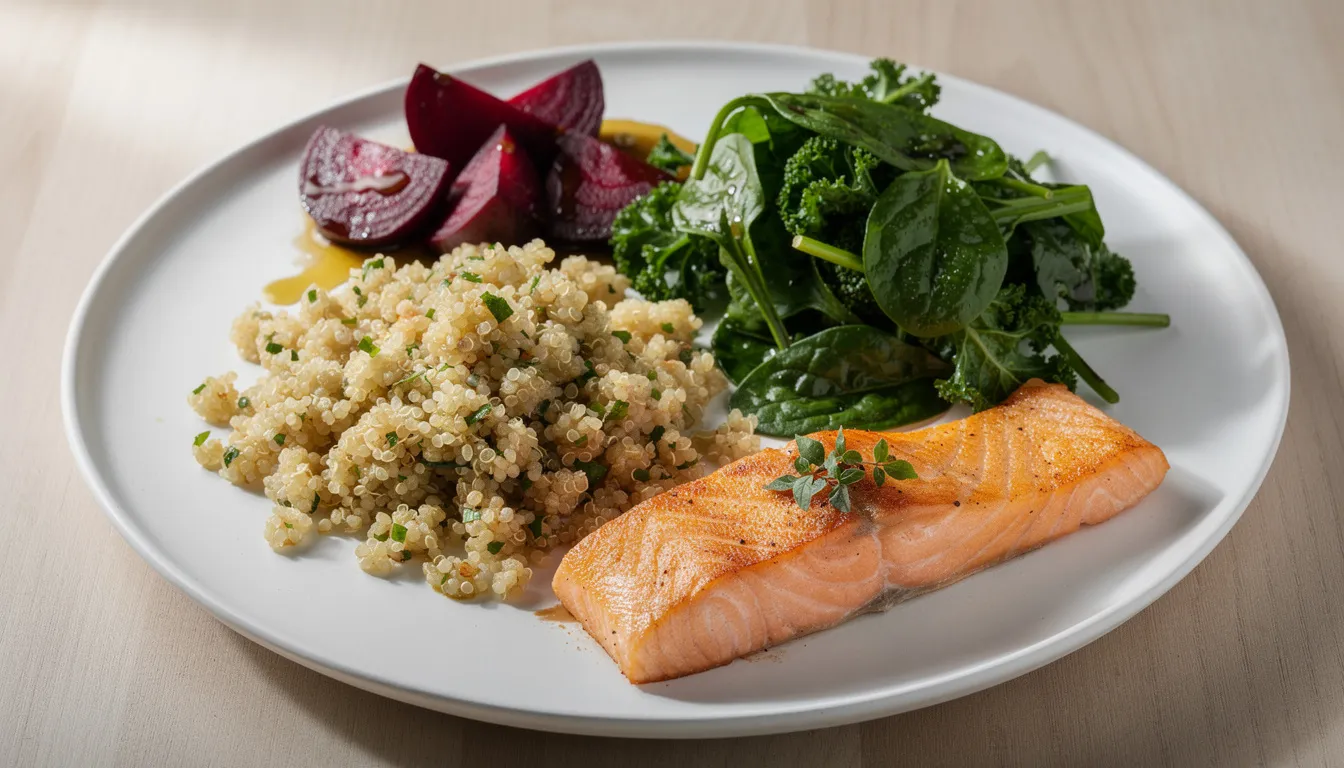
TMG stands for trimethylglycine, also commonly called betaine anhydrous. As the name suggests, it’s a glycine molecule with three methyl groups attached. You can find TMG naturally in food sources like beets, spinach, quinoa, and whole grains.
How TMG Supports Methylation
In your liver and kidneys, TMG participates in a crucial reaction via the enzyme betaine-homocysteine methyltransferase (BHMT):
TMG + Homocysteine → Dimethylglycine (DMG) + Methionine
This reaction directly converts homocysteine back to methionine, which can then be used to make SAM. By providing an alternative pathway for homocysteine recycling, TMG helps maintain methionine and SAM levels even when the folate/B12 pathway is under stress.
Comparing Methyl Donors
| Methyl Donor | Primary Role | Main Food Sources |
|---|---|---|
| Folate (5-MTHF) | Donates methyl to B12 for homocysteine recycling | Leafy greens, legumes, fortified grains |
| Vitamin B12 | Cofactor for methionine synthase | Meat, fish, eggs, dairy, fortified foods |
| Choline | Precursor to TMG; supports phosphatidylcholine | Eggs, liver, soybeans, beef |
| TMG (Betaine) | Direct homocysteine methylation via BHMT | Beets, spinach, quinoa, wheat germ |
| TMG is well-studied for its ability to lower homocysteine at higher doses, with clinical trials examining its effects in cardiovascular and liver health settings. Results have been mixed and context-dependent, but safety data is generally reassuring. TMG is considered safe at gram-level doses in human studies, though some people report minor GI upset, and high levels may affect LDL cholesterol in some individuals. |
In the context of NMN and NAD+ boosters, TMG’s practical role is to offer an additional pathway for recycling homocysteine back to methionine, indirectly supporting SAM availability when methyl demand increases.
Why Pairing NMN with TMG Can Make Sense
The mechanistic rationale for combining NMN with TMG follows a logical chain:
Increased NMN intake leads to increased NAD+ levels
Higher NAD+ turnover generates more nicotinamide (NAM)
Clearing NAM through NNMT requires methyl groups from SAM
Increased SAM consumption can strain methylation capacity
TMG provides an additional methyl donor pathway to help maintain methionine and SAM
By supplementing with TMG, you’re essentially adding backup support to your methylation system. This helps keep homocysteine levels in check and supports the regeneration of methionine and SAM when your body is processing more NAM than usual.
What Experts Say
Several longevity researchers and clinicians have publicly discussed the logic of pairing NAD+ precursors with methyl donors. This isn’t universal medical advice, but it reflects a cautious strategy to balance one-carbon metabolism when using supplements that may increase methyl demand.
When Extra Attention to Methyl Donors May Be Relevant
Consider paying closer attention to methyl support if you:
Take higher doses of NMN
Have a diet low in folate, B12, or choline-rich foods
Have known elevated homocysteine levels
Carry common genetic polymorphisms affecting folate metabolism (such as certain MTHFR variants)
Always discuss testing and supplementation strategies with a qualified healthcare professional before making changes.
It’s important to emphasize that current human data specifically linking NMN use to clinically meaningful methyl depletion is limited. This approach is about thoughtful risk management and metabolic support rather than responding to proven harm.
Practical Guidance on Using NMN and TMG Together
Important disclaimer: Any dosing decisions should be individualized and guided by a healthcare professional, especially for those with chronic conditions, pregnancy, or who take multiple medications.
Typical Dosage Ranges
NMN: Human studies to date have used doses ranging from approximately 250-600 mg per day, with some trials exploring up to 900-1200 mg. These are research contexts, not recommendations.
TMG: Studies examining homocysteine support often use 1.5-6 grams per day in divided doses. However, many practitioners use more conservative amounts (250-1000 mg daily) when pairing with NAD+ boosters. Robust long-term data on optimal pairing doses is still emerging.
What Some Researchers Do
Some experts, such as David Sinclair at Harvard, have publicly disclosed personal regimens of roughly 500-1000 mg NMN alongside a similar range of TMG per day. This is not a prescription or general recommendation—it’s simply an example of how one researcher approaches the practice.
Timing Considerations
No definitive timing data exists for NMN and TMG. Some people prefer taking both together in the morning, while others split the TMG dose across the day. Focus on consistency and tolerability rather than trying to optimize timing based on unproven theories.
Consider Periodic Testing
If you regularly use NAD+ precursors and methyl donors, consider working with your clinician on periodic lab testing:
Homocysteine levels
B12 and folate status
Basic liver function tests
General metabolic panel
Before starting, discuss with your clinician:
Current medications and supplements
Your homocysteine level
B12 and folate status
Kidney and liver function
Pregnancy or breastfeeding status
Interactions and Contraindications
While NMN and TMG can offer substantial benefits for methylation and overall health, it’s crucial to be aware of potential interactions and contraindications before starting supplementation. NMN may interact with certain medications, such as blood thinners, and could be problematic for individuals with high levels of homocysteine or those with phosphatidylcholine deficiency. Since methylation pathways are closely tied to liver function, anyone with liver or kidney disease should consult their healthcare professional before adding NMN or betaine (TMG) to their regimen.
Betaine is often used alongside NMN to support methylation, but taking more than the recommended dosage can lead to unwanted effects, especially if you have sensitivities or allergies. Some individuals may experience mild digestive discomfort, while others with specific health conditions may be at greater risk for adverse reactions. It’s also important to note that NMN supplementation may not be suitable for everyone, particularly those with a history of allergies or sensitivities to supplement ingredients.
To ensure your safety, always consult with a healthcare professional before starting NMN, TMG, or any new supplement—especially if you have existing health concerns, take prescription medications, or have a history of liver or kidney issues. Personalized advice can help you avoid complications and get the most benefit from your supplementation strategy.
Other Ways to Support Methylation While Using NMN
TMG is just one piece of the methylation puzzle. Supporting one-carbon metabolism works best as part of a comprehensive approach.
Food-Based Strategies
Building a methylation-friendly diet means emphasizing:
Leafy greens (spinach, kale, Swiss chard) for folate
Shellfish and animal products or fortified foods for vitamin B12
Eggs and liver for choline
Beets and spinach for naturally occurring TMG
Legumes and whole grains for complementary nutrients
Lifestyle Factors
Several lifestyle factors can strain methylation:
Excessive alcohol intake: Depletes B vitamins and stresses liver methylation
Smoking: Increases oxidative stress and B vitamin requirements
Chronic stress: May affect nutrient absorption and metabolism
Ultra-processed diets: Often low in folate, B12, choline, and other essential nutrients
Moderation and balance in these areas support overall metabolic health.
Micronutrient Synergy
Beyond the primary methyl donors, several other nutrients serve as cofactors in methylation-related pathways:
Vitamin B2 (riboflavin)
Vitamin B6
Zinc
Magnesium
Including diverse, nutrient-dense foods helps ensure adequate intake of these supporting players.
A Word of Caution
Avoid self-diagnosing “methylation problems” based solely on symptom lists you might read online. Some sources suggest that everything from allergies to fatigue indicates poor methylation, but these symptoms have many possible causes. If you’re concerned, pursue evidence-based evaluation with homocysteine testing and relevant B-vitamin panels under professional guidance.
Remember that supplements work best on top of a nutrient-dense diet, adequate sleep quality, regular physical performance activities, and effective stress management. These foundations matter more than any single pill.
Common Questions and Concerns About Supplementation
It’s natural to have questions and concerns when considering NMN supplementation. Many people wonder about its effectiveness, potential side effects, and how it might interact with other supplements or medications. If you prefer to consult with a healthcare professional before starting NMN, that’s a smart approach—especially if you’re aiming to support athletic performance or address specific health goals.
Current Research Gaps and What to Watch for Next
NMN and TMG research is active and evolving rapidly. Much of what we know about the mechanisms comes from cell and animal studies, while human data is still catching up.
Key Research Gaps
Lack of large, long-term RCTs: We don’t yet have extensive randomized controlled trials examining combined NMN + TMG use in humans over extended periods
Limited methylation marker tracking: Few NMN studies systematically measure SAM, SAH, homocysteine, or global DNA methylation patterns in participants
Individual variation: We don’t fully understand which individuals are most sensitive to changes in methyl load
What Future Research May Clarify
Which people benefit most from methyl donor support when using NAD+ precursors
Optimal dosing “windows” for both NMN and methyl donors
Long-term implications for cardiovascular, cognitive, and metabolic health
Whether observed effects in animal models translate meaningfully to humans
How to Stay Informed
Follow reputable sources for updates:
Peer-reviewed journals (Cell, Nature Aging, Molecular Cell, JAMA, NEJM)
Clinical trial registries like ClinicalTrials.gov
Academic institutions conducting aging research
When you read studies, look for:
Study design (randomized, controlled, blinded?)
Sample size (how many participants?)
Duration (weeks, months, years?)
Endpoints (what was actually measured?)
Conflict of interest disclosures
Importance of Healthcare Professional Guidance
When it comes to NMN supplementation, the guidance of a healthcare professional is invaluable—especially if you have pre-existing medical conditions, are taking medications, or are concerned about age-related changes in metabolism. A qualified professional can help you determine the right dosage and timing for NMN, assess your vitamin and methionine status, and monitor your overall health for any changes.
Healthcare professionals can also offer personalized recommendations based on your unique needs, taking into account factors like age, vitamin deficiencies, and your body’s ability to process methionine. They can help you design a comprehensive plan that includes not just supplements, but also a balanced diet, regular exercise, and strategies to improve sleep quality and overall well-being.
In the USA, it’s general practice to consult with a healthcare provider before starting any new supplement regimen, including NMN. This approach helps ensure that your supplementation is both safe and effective, minimizing the risk of adverse effects and maximizing the potential benefits for your health. By working with a professional, you can confidently navigate the world of NMN and TMG, knowing you have expert support every step of the way.
Key Takeaways
Pairing NMN with TMG is a plausible, science-informed strategy to support methylation when boosting NAD+ levels. The biochemical rationale is sound: more NAD+ turnover can mean more methyl demand, and TMG provides an additional pathway to keep the methylation cycle running smoothly.
However, this approach should be tailored to your individual situation, monitored with appropriate testing, and viewed as one component of a broader, evidence-based approach to healthy aging—not a standalone solution.
The research is still evolving, and what we know today may be refined by tomorrow’s studies. For now, if you choose to use NMN, considering methyl support through TMG, a nutrient-rich diet, and other methyl donors makes metabolic sense. Just remember to consult with your healthcare provider, get appropriate testing, and stay curious as the science continues to develop.
Further Reading
Explore more articles related to this topic:
- Why You Should Take TMG with NMN: Preventing Methyl Depletion Explained
- The 2026 Ultimate Guide to NMN: Everything You Need to Know Before Starting
- NMN: Everything You Need to Know in 2026
- Reviewing Dr. David Sinclair’s Supplement Regimen in 2026
- NMN and Intermittent Fasting: Should You Take Your Supplement During the Fast?