

If you’ve recently discovered nicotinamide mononucleotide or you’re already taking nmn supplements, you’ve probably wondered whether the time you take your dose actually matters. It’s a fair question—and one that doesn’t have a single definitive answer yet. What we do know is that your body’s internal clock influences how it processes nutrients and produces energy. This guide breaks down the current research, practical considerations, and real-world strategies to help you find the right time to take nmn for your lifestyle.
Quick Answer: When Should You Take NMN?
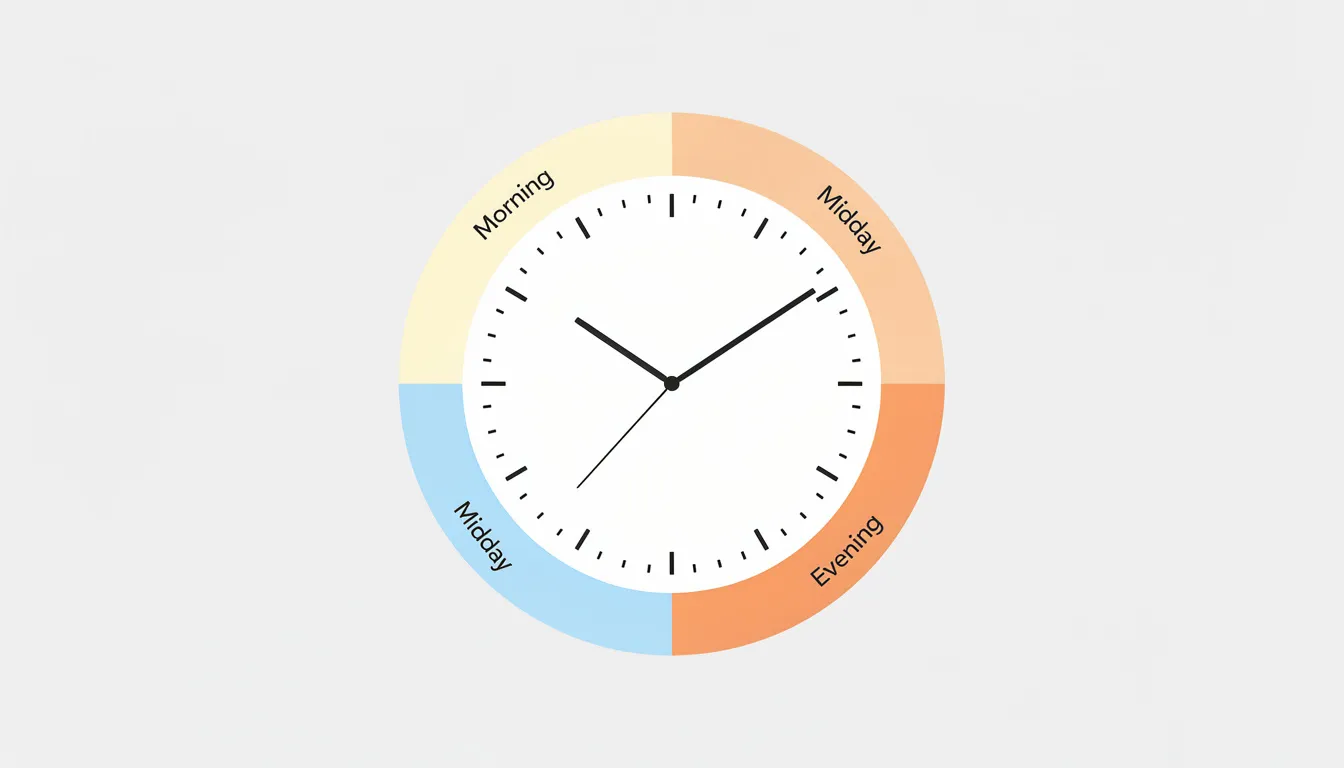
Based on current human research and our understanding of NAD+ circadian rhythms, many experts favor taking nmn in the morning, ideally within a few hours of waking. This timing aligns with your body’s natural upswing in NAD+ production and energy metabolism.
That said, nmn can also be taken at midday or early afternoon, and staying consistent with the same time every day matters more than chasing a theoretically “perfect” window. Some people prefer splitting their dose—morning plus early afternoon—to reduce digestive discomfort or maintain steadier NAD+ support throughout the day.
One caution worth noting: taking nmn very late in the evening or at bedtime may disrupt sleep quality in sensitive individuals due to its energizing effects on cellular function. However, the evidence here remains limited, so this is more of a practical observation than a hard rule.
What Is NMN and Why Does Timing Matter?
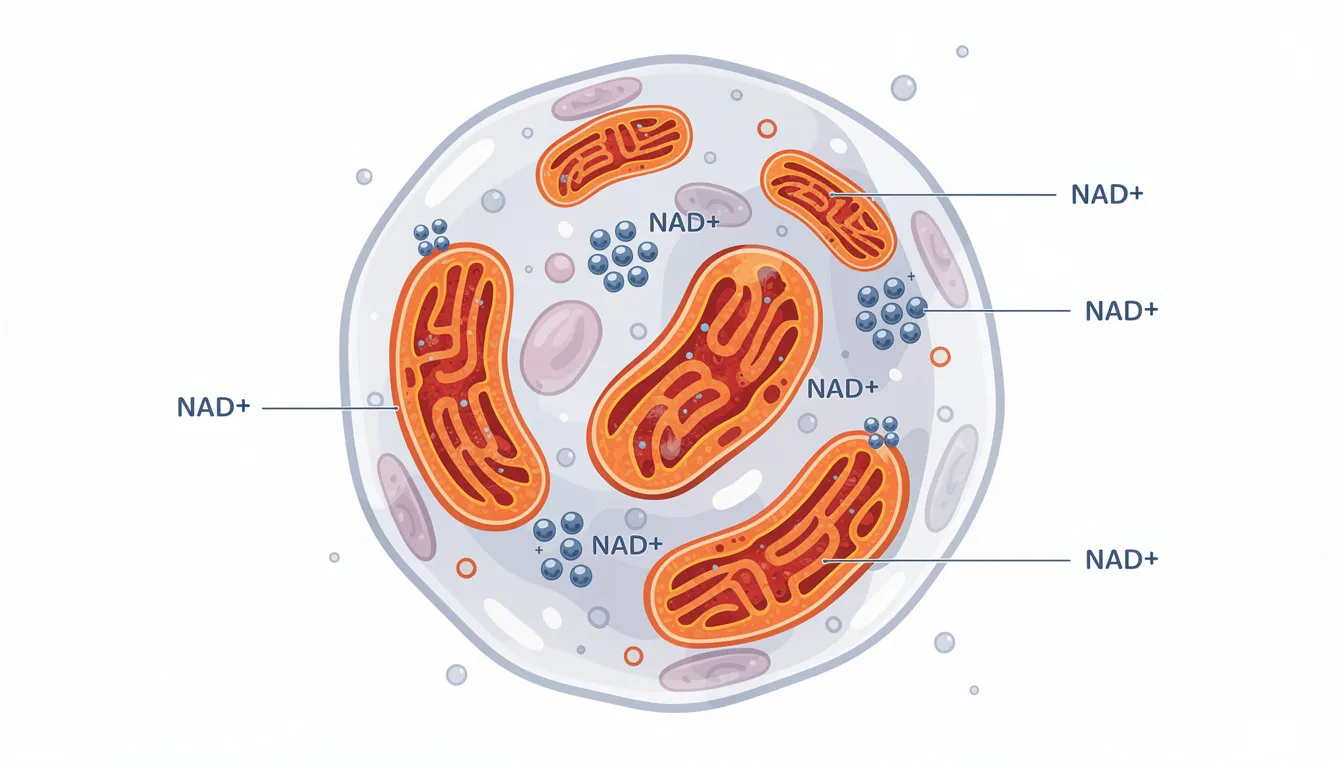
Nicotinamide mononucleotide is a compound your cells use as raw material to produce nicotinamide adenine dinucleotide, commonly known as NAD+. Think of nmn as a building block that helps maintain your cellular machinery.
NAD+ plays a central role in several critical processes:
Cellular energy production through mitochondrial function
DNA repair mechanisms that protect genetic integrity
Activating sirtuins, a family of proteins linked to longevity and metabolic health
Unfortunately, nad levels tend to decline as you age—sometimes by as much as 50% between young adulthood and older age. This decline is associated with various aspects of the aging process, including reduced physical performance and slower cellular repair.
Human studies conducted between 2019 and 2023 using nmn dosage ranges of 250–900 mg daily have demonstrated that nmn supplementation can raise NAD+ and related metabolites in blood and tissue. However, much of the research on optimal timing is still emerging.
Here’s where it gets interesting: NAD+ production and many metabolic processes follow a circadian rhythm. Your body doesn’t produce energy at a constant rate throughout the day—it ebbs and flows with your internal clock. This biological reality is why the time to take nmn may influence how effective it feels or how efficiently your body converts it.
How Your Body’s Clock (Circadian Rhythm) Affects NMN
Your circadian rhythm is essentially a 24-hour internal clock that regulates hormones, body temperature, alertness, and energy metabolism. It’s controlled by a master clock in your brain that responds to light and other environmental cues.
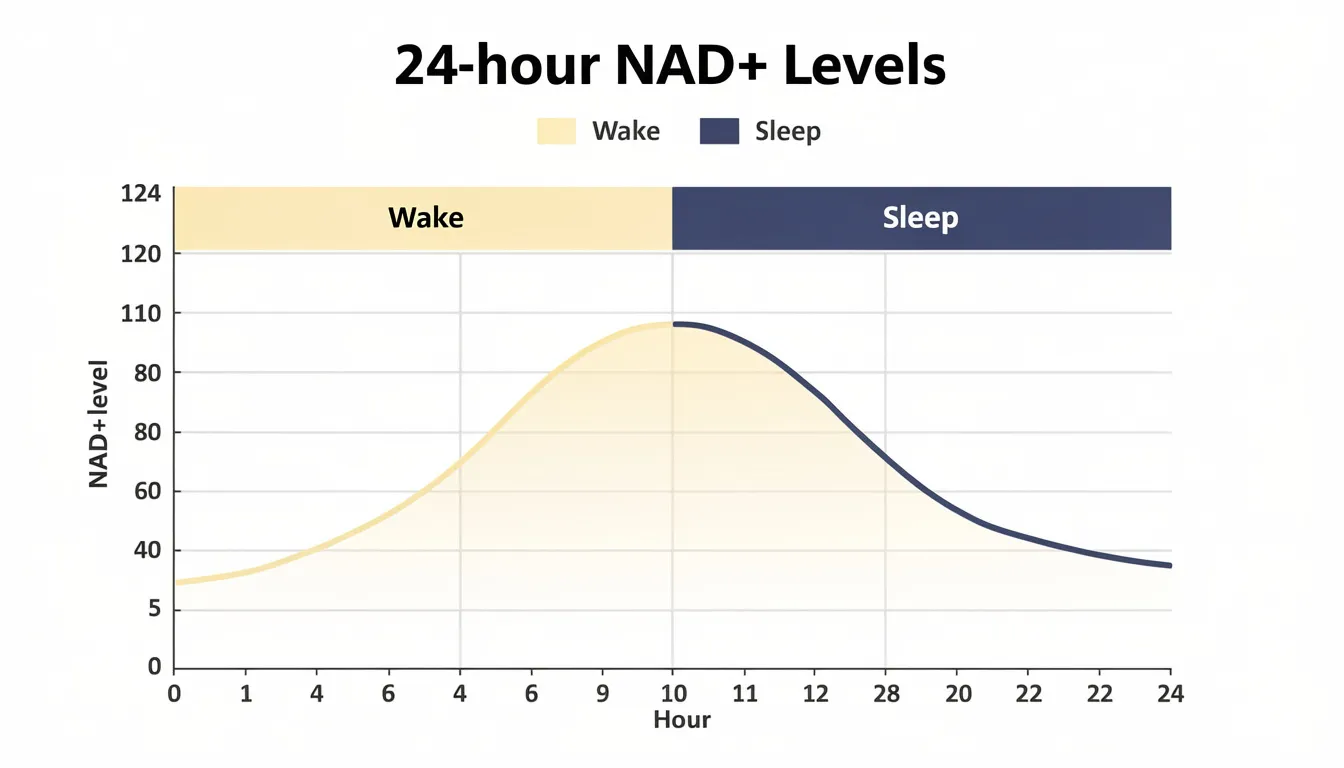
What does this have to do with nmn intake? The enzymes responsible for NAD+ synthesis—particularly NAMPT in the salvage pathway—show day-night fluctuations in both animal and human tissue studies. Research from chronobiology indicates that NAD+ tends to peak during your active phase (daytime for most people), coinciding with higher energy demand and metabolic activity.
This body’s natural nad cycle suggests that taking nmn during your biological “day” may better align with the natural upswing in NAD+ production. Research from the University of Waterloo’s Institute for Nanotechnology even indicates that optimal nmn timing may vary by age—younger individuals might see peak efficiency around six hours after waking, while older adults may benefit from slightly different timing due to shifts in their circadian patterns.
For night-shift workers or people with irregular sleep schedules, “morning” should be interpreted relative to their main wake period rather than literal clock time. Your personal circadian phase matters more than what the sun is doing outside.
Morning vs. Midday vs. Evening: Comparing NMN Timing
No single time has been proven universally superior in controlled human trials. However, different timing windows come with logical advantages and trade-offs based on what we understand about circadian biology and anecdotal reports.
Morning Intake
Morning aligns with when your body naturally ramps up NAD+ production and energy metabolism. Taking nmn within one to three hours of waking may support daytime energy levels and mental clarity throughout your most active hours.
Most clinical studies that administered nmn once daily did so in the morning, which means this timing has the most research precedent. Many practitioners, including the well-known researcher David Sinclair, reportedly take their nmn supplements in the morning as part of their daily routine. For most adults, this represents a reasonable starting point.
Midday or Early Afternoon Intake
A late-morning or lunchtime dose—roughly four to six hours after waking—may suit people who practice intermittent fasting and prefer not to take anything during their fasting window. Some individuals also find that very early morning intake feels overstimulating, and pushing the dose slightly later helps them avoid jitteriness.
This timing still falls within your active circadian phase, so you’re unlikely to lose much benefit compared to first-thing-in-the-morning dosing.
Evening or Night Intake
Some people anecdotally report that evening nmn helps with overnight recovery, particularly older adults whose NAD+ peaks may shift later in the day. However, others experience difficulty falling asleep, likely because nmn supports mitochondrial activity that can feel energizing.
Controlled data on evening dosing are sparse. If you’re curious about this approach, proceed cautiously and monitor your sleep quality. Avoiding intake after 4–6 PM is a common recommendation to prevent overlap with melatonin production and natural wind-down processes.

Should You Take NMN With Food or on an Empty Stomach?
NMN is water soluble, which means it doesn’t require dietary fat for absorption the way some supplements do. Human trials have administered nmn both with and without food, generally showing good tolerance either way.
Many practitioners prefer taking nmn on an empty stomach—first thing in the morning or about 30 minutes before breakfast—for potentially faster absorption. This approach is especially popular with nmn powder or sublingual forms, where the goal is rapid uptake without gastric interference.
However, if you have a sensitive stomach or experience nausea, reflux, or discomfort, taking nmn with a small meal or snack may improve tolerance. There’s no evidence that food significantly blocks absorption—it may just slow it down slightly.
Here’s a practical consideration: if you’re taking nmn alongside fat-soluble compounds like resveratrol, those other supplements absorb better with dietary fat. A mixed approach works well—take nmn in the morning with breakfast that includes healthy fats like olive oil, avocado, or nuts to optimize absorption of both.
Example day:
7:00 AM: Wake up
7:30 AM: Take 250 mg nmn with water on an empty stomach
8:00 AM: Eat breakfast with olive oil or avocado (add resveratrol here if using)
If the empty stomach approach causes any digestive discomfort, simply switch to taking nmn with your meal and monitor how your body responds.

How Much NMN to Take and How Timing Fits Into Dosage
This section provides general information only and is not a prescription or individualized medical advice.
Clinical studies in adults have commonly used daily doses between 250 mg and 600 mg, with some trials exploring up to approximately 1,200 mg for limited durations without serious adverse effects reported. The right nmn dosage depends on individual factors including age, health status, and health goals.
Many people start with a lower dose of 250–300 mg once daily in the morning, then gradually increase based on tolerance and discussion with a healthcare professional. Starting nmn at a modest dose allows you to gauge how your body responds before committing to higher amounts.
Two common dosing patterns:
Once-daily dosing: Take your full dose in the morning. This is the simplest approach and matches most clinical study protocols.
Split dosing: Take half in the morning and half in the early afternoon. This works well for those on higher doses (500 mg or more) or who prefer smoother, steadier effects throughout the day.
If you split your dose, avoid taking the second portion too late. Higher doses in the evening may increase the chance of feeling “wired” or having difficulty winding down. A reasonable cutoff is mid-afternoon—around 2:00 or 3:00 PM for most schedules.
Example schedules:
Single dose: 250 mg at 8:00 AM
Split dose: 250 mg at 8:00 AM + 250 mg at 2:00 PM
People with chronic conditions or those taking multiple medications should involve their healthcare provider in dose decisions to check for potential drug interactions and ensure nmn supplementation is appropriate.
Special Situations: Fasting, Exercise, Sleep, and Shift Work
Real-world routines—intermittent fasting, training schedules, work shifts—often dictate how people time their nmn. Here’s how to adapt based on common scenarios.
Fasting
Typical capsule or powder doses of nmn provide negligible calories and are unlikely to meaningfully affect most intermittent fasting protocols. Your fast probably remains intact from a metabolic standpoint. However, strict “water-only” fasters may prefer to wait until their eating window opens to take any supplements.
If you practice one-meal-a-day eating, taking nmn 30–60 minutes before your single meal works well and still allows for empty stomach absorption.
Exercise
Taking nmn 30–90 minutes before daytime exercise may align increased NAD+ availability with higher energy demand. Preliminary performance-oriented research suggests this could support endurance and boost energy during workouts, though data remain early and more research is needed.
For early-morning exercisers, taking nmn upon waking and then training 30–60 minutes later is a practical approach that many athletes report works well.
Sleep
A small study in older adults measured improvements like reduced daytime sleepiness with nmn supplementation. However, specific “bedtime dosing for sleep” has not been well tested. If your sleep quality is fragile, prioritize earlier-in-the-day use to avoid any stimulating effects that could interfere with falling asleep.
Shift Work
If you work nights, timing nmn with your main wake period makes the most sense. Your “morning” might be 6:00 PM when you wake for a night shift—that’s when you’d take your dose. The goal is matching nmn intake to your personal circadian phase rather than conventional daytime hours.
Scenario examples:
Early-morning exerciser: Take 300 mg nmn at 5:30 AM, train at 6:15 AM
One-meal-a-day faster: Take 250 mg nmn at 4:30 PM, eat dinner at 5:00 PM
Night-shift nurse: Take nmn upon waking at 5:00 PM before starting an overnight shift

Safety, Side Effects, and When to Avoid Certain NMN Timing
While nmn has shown a favorable short-term safety profile in controlled human studies, long-term safety data are still limited. This is an important distinction—most trials have lasted weeks to months, not years.
Commonly reported side effects (usually mild):
Transient nausea or digestive discomfort
Headache
Flushing
Feeling overstimulated or “wired”
These effects sometimes improve by lowering the dose or changing the time of day. For example, if nmn makes you feel jittery in the morning, trying a smaller dose or moving it to late morning may help.
Who should seek medical advice first:
People with significant liver, kidney, cardiovascular, or endocrine conditions
Those taking multiple prescription medications
Pregnant or breastfeeding individuals
Anyone under 18 years of age
These groups generally should not use nmn supplements unless enrolled in a clinical study or advised by a qualified clinician due to lack of safety data.
Timing-specific cautions:
Avoid taking your first dose right before an important event like a long drive or major presentation—you don’t know yet how your body responds
Don’t trial nmn for the first time late at night
Introduce nmn on a relatively quiet day so you can monitor effects without other variables
Consider keeping a brief log of timing, dose, and perceived effects for two to four weeks when starting nmn. This helps you identify patterns and make informed adjustments.
Legal and Regulatory Context Around NMN
In late 2022, the U.S. Food and Drug Administration concluded that nmn is being investigated as a pharmaceutical drug, which affects whether it can legally be sold as a dietary supplement under U.S. law. This determination has created some market uncertainty and product availability changes.
Regulatory positions differ globally. In some countries, nmn remains available as a dietary supplement; in others, its status is under review. Product labeling, health claims, and sales channels may change over time and vary by jurisdiction.
If you’re considering nmn supplementation:
Check the current regulatory status in your country through official government health websites
Choose products that provide transparent ingredient lists and third-party testing information
Be aware that the World Health Organization and other international bodies have not established formal recommendations on nmn supplementation
None of the timing or usage guidance in this article is intended to override local regulations, prescribing laws, or medical advice from your healthcare provider.
How to Build a Daily NMN Routine That Works for You
The best nmn routine is one you can maintain consistently and safely over months. Consistency matters more than perfection—taking nmn reliably at the same time each day supports steady nad levels better than sporadic, perfectly-timed doses.
A simple 4-step framework:
Choose a starting dose: Begin with 250 mg daily for most adults
Pick a realistic time: Morning works for most people; adjust based on your schedule
Track how you feel: Keep notes for at least 2–4 weeks on energy, sleep quality, and any side effects
Adjust cautiously: Change timing or dose gradually, ideally with input from a healthcare professional
Example routines:
Busy professional:
6:30 AM: Wake up, take 250 mg nmn with water
7:00 AM: Coffee and breakfast
Benefit: Increased energy and focus during peak work hours
Intermittent faster:
7:00 AM: Wake up, water only
11:30 AM: Take 300 mg nmn
12:00 PM: First meal of the day
Benefit: Supports nmn benefits while maintaining fasting window
Older adult with early bedtime:
6:00 AM: Wake up
6:30 AM: Take 500 mg nmn split as 250 mg now
1:00 PM: Take remaining 250 mg with lunch
8:30 PM: Bedtime
Benefit: Split dosing avoids evening stimulation while supporting healthy aging
Combine nmn supplementation with foundational habits that also support the anti aging benefits you’re seeking: regular physical activity, adequate sleep, stress resistance practices, and a balanced diet rich in whole foods. Supplements work best as part of a holistic approach to human health—they’re not a replacement for lifestyle fundamentals.
The nmn helps support cellular health and energy production, but taking nmn supplements won’t overcome poor sleep, chronic stress, or nutritional deficiencies. Think of nmn as one tool in a broader strategy for age related diseases prevention and vitality.

Timing your nmn intake can be personalized based on your schedule, preferences, and how your body responds. But if you’re looking for a reasonable starting point, morning intake—within a few hours of waking, potentially on an empty stomach—aligns with most expert recommendations and the majority of clinical study protocols. Start there, stay consistent, and adjust thoughtfully over time with guidance from a qualified healthcare provider. Your daily routine should serve your health goals, not add unnecessary complexity to your life.
Further Reading
Explore more articles related to this topic:
- Morning vs Night: When Is the Scientifically “Perfect” Time to Take NMN?
- How Long Does It Take to See Results NMN?
- NMN Dosage Chart: How Much Should You Take Based on Age and Weight?
- NMN and Intermittent Fasting: Should You Take Your Supplement During the Fast?
- NMN and Resveratrol Benefits: How They Work, What the Science Says, and Whether to Take Them Together