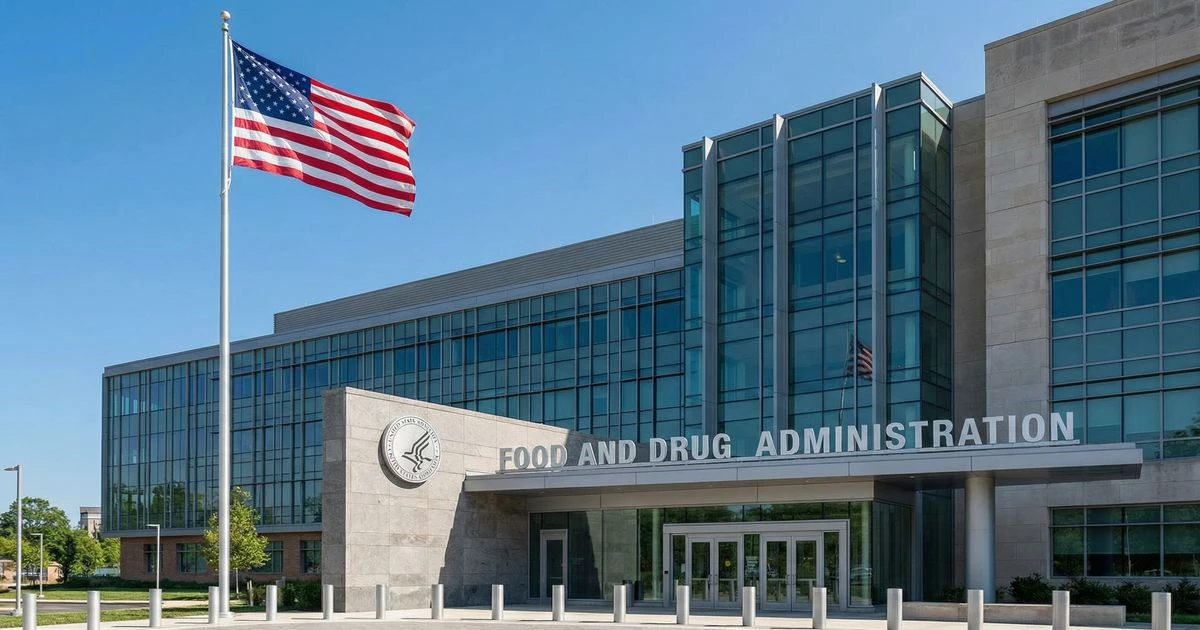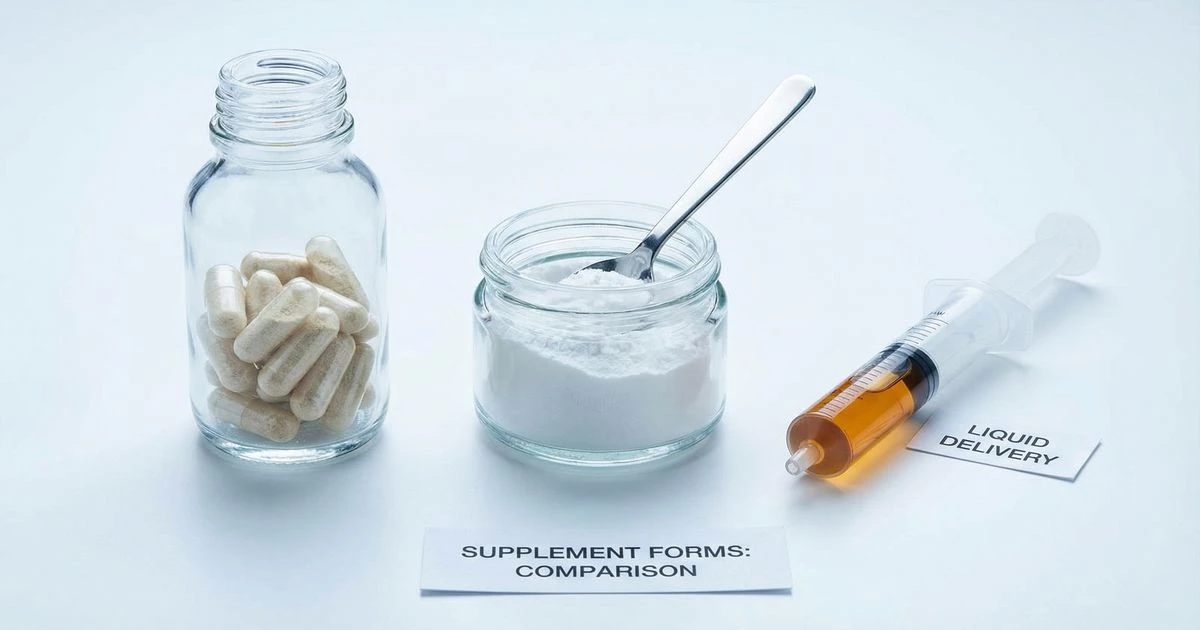
GRAS language can sound more reassuring than it really is, especially in supplement marketing. For NMN, the key is understanding what the label means, what it leaves unanswered, and how much consumers should infer from it.
Understanding the regulatory status of supplements can be complex. For Nicotinamide Mononucleotide (NMN), the term “GRAS” has been part of a larger, evolving discussion with the U.S. Food and Drug Administration (FDA). This discussion impacts how NMN products are marketed and sold in the United States. While NMN’s journey through FDA classifications has seen several turns, grasping the meaning of GRAS, its limitations, and what it doesn’t guarantee is crucial for consumers and industry participants alike. GRAS, or “Generally Recognized As Safe,” is a designation by the FDA that an ingredient is considered safe for its intended use in food. This recognition is based on scientific data and knowledge that is publicly available and generally accepted by qualified experts. It’s a specific regulatory pathway, distinct from drug approval, and it has particular implications for dietary supplements.
The GRAS Standard: A Foundation, Not a Free Pass
For an ingredient to achieve GRAS status, its safety must be demonstrated through either extensive history of use in food before 1958, or through scientific procedures. The latter typically involves submitting a GRAS notice to the FDA, detailing the substance’s identity, manufacturing process, estimated dietary exposure, and a summary of safety data. The FDA then evaluates this notice and issues a “no questions” letter if they agree with the GRAS determination, or they may respond with questions or objections. It’s important to understand that a GRAS determination is specific to the intended use and level of an ingredient in food. For example, an ingredient might be GRAS as a flavoring agent at low concentrations but not GRAS if used as a primary ingredient in a supplement at high dosages.
NMN’s Shifting FDA Landscape: From NDI to Exclusion
The regulatory path for NMN has been particularly dynamic. Initially, some NMN manufacturers pursued a different FDA pathway for dietary supplements: the New Dietary Ingredient (NDI) notification. An NDI is any dietary ingredient not marketed in the U.S. before October 15, 1994. Manufacturers must notify the FDA at least 75 days before marketing a product containing an NDI, providing evidence of its safety. In 2022, a significant development occurred. The FDA issued a letter stating that NMN could no longer be marketed as a dietary supplement because it had been authorized for investigation as a new drug. This decision effectively reversed earlier “no objection” letters the FDA had issued for NDI notifications for NMN. This is a critical point: once an ingredient is authorized for investigation as a new drug, it generally cannot be marketed as a dietary supplement, even if it previously had NDI status or a GRAS notification. This “drug exclusion rule” is designed to prevent companies from developing a substance as a drug while simultaneously selling it as a supplement without the same rigorous safety and efficacy review required for drugs.
Practical Implications of the Drug Exclusion Rule for NMN
- Market Availability: Despite the FDA’s stance, NMN products have largely remained available for sale in the U.S. market. This is partly due to the FDA’s enforcement priorities and the sheer volume of products. However, the legal basis for these sales is now tenuous.
- Manufacturer Risk: Companies continuing to sell NMN as a dietary supplement face potential enforcement actions from the FDA, including warning letters, product seizures, or injunctions.
- Consumer Uncertainty: The shifting regulatory status creates confusion for consumers regarding the legality and safety assurances of NMN supplements.
NMN Sales Continue After FDA Refuses Public Hearing
Following the FDA’s 2022 decision regarding NMN’s drug exclusion, several stakeholders, including supplement manufacturers and trade associations, requested a public hearing to discuss the regulatory status of NMN. They argued that NMN had a history of safe use as a dietary ingredient and that the drug exclusion rule was being misapplied or was unfairly impacting the market. The FDA, however, refused to grant a public hearing. Their stance remained that once a substance is authorized for investigation as a new drug, it falls under the drug exclusion provision, regardless of any prior supplement marketing or GRAS determinations. This refusal underscored the FDA’s firm interpretation of the drug exclusion rule and its application to NMN. This situation highlights a tension between the dietary supplement industry’s desire for market access and the FDA’s mandate to regulate drugs and supplements differently, ensuring consumer safety through distinct pathways. The continued availability of NMN products in the market, despite the FDA’s stated position, illustrates the complexities of enforcement in the vast supplement industry.
GRAS Notice 635: Nicotinamide Riboside Chloride – A Related Precedent
While the focus here is on NMN, it’s helpful to look at a related compound, Nicotinamide Riboside (NR), and its GRAS status to understand the process. Nicotinamide Riboside Chloride (NR-C, often marketed simply as NR) successfully obtained “no questions” letters from the FDA regarding its GRAS status for certain food uses. For example, GRAS Notice 635, submitted by ChromaDex, confirmed the GRAS status of NR-C for use as a nutrient in certain foods and beverages.
Key Differences Between NMN and NR’s Regulatory Paths
| Feature | Nicotinamide Mononucleotide (NMN) | Nicotinamide Riboside (NR) |
|---|---|---|
| Initial Approach | Some NDI notifications; some GRAS determinations. | Successful GRAS determinations for specific food uses. |
| Current FDA Stance | Subject to drug exclusion rule; not considered a lawful dietary ingredient. | GRAS for specific food uses; generally accepted as a dietary ingredient. |
| Market Status | Widely sold as a supplement, but under regulatory scrutiny. | Widely sold as a supplement and food ingredient without current drug exclusion issues. |
| Regulatory Hurdles | The “drug exclusion rule” is the primary challenge. | No significant current regulatory hurdles regarding drug exclusion. |
| This comparison illustrates that while NMN and NR are related compounds that both play roles in NAD+ metabolism, their regulatory journeys and current statuses with the FDA are distinct. NR’s clear GRAS status for food use and its acceptance as a dietary ingredient provide a contrast to NMN’s more contentious situation. |
USA: NMN Exclusion | FDA’s Proposed Changes to GRAS
The NMN situation has also brought attention to broader discussions about the FDA’s interpretation and application of the drug exclusion rule and, by extension, the GRAS process. Some in the industry argue that the FDA’s current approach to the drug exclusion rule is overly broad and can stifle innovation in the supplement space. There have been ongoing discussions and proposals for potential changes or clarifications to the FDA’s regulations concerning dietary ingredients, NDIs, and the drug exclusion rule. These discussions aim to provide more predictability and clarity for manufacturers while maintaining consumer safety. However, as of now, the FDA’s stance on NMN remains consistent with its drug exclusion interpretation. The NMN case serves as a prime example of the complexities and potential ambiguities within the existing regulatory framework for dietary supplements. It underscores the need for manufacturers to carefully navigate FDA rules and for consumers to be aware that “available on the market” does not always equate to a clear, unchallenged regulatory approval.
US FDA Confirms NMN Lawful in Dietary Supplements – A Complex Narrative
The statement “US FDA Confirms NMN Lawful in Dietary Supplements” requires significant context and a historical perspective to avoid misunderstanding. At one point, yes, the FDA had issued “no objection” letters regarding NDI notifications for NMN, which, in effect, allowed NMN to be marketed as a dietary supplement. These letters indicated that the FDA, at that time, did not have sufficient information to question the safety of NMN as a new dietary ingredient for its intended use. However, this earlier stance was superseded by the FDA’s later determination that NMN was authorized for investigation as a new drug. This change triggered the drug exclusion rule under the Federal Food, Drug, and Cosmetic Act (FD&C Act). Section 201(ff)(3)(B) of the FD&C Act states that a dietary ingredient cannot be marketed as a dietary supplement if it has been authorized for investigation as a new drug and certain public notification requirements have been met, unless it was marketed as a dietary supplement or as a food before such authorization. The FDA’s position is that NMN was authorized for investigation as a new drug before it was lawfully marketed as a dietary supplement. This is the crux of the current regulatory challenge for NMN. Therefore, while there was a period where NMN was considered “lawful” based on NDI notifications, that status has since been reversed by the FDA’s application of the drug exclusion rule.
What NMN GRAS (or NDI) Does NOT Guarantee
Even if NMN were to regain a clear GRAS or NDI status without the drug exclusion issue, it’s vital to understand what these classifications do not guarantee:
- Efficacy: GRAS or NDI status pertains to safety, not effectiveness. It does not mean the ingredient provides any specific health benefits or works as advertised.
- Quality: It does not guarantee the purity, potency, or consistent quality of the NMN product itself. Manufacturers are responsible for adhering to Good Manufacturing Practices (GMPs).
- Absence of Side Effects: “Generally Recognized As Safe” means that, under the specified conditions of use, qualified experts deem it safe. It does not mean there are no potential side effects for all individuals, especially at higher doses or for those with underlying health conditions.
- Drug Interactions: GRAS or NDI status does not assess potential interactions with prescription medications or other supplements.
- Reversal of Drug Exclusion: A GRAS determination for a specific food use would not automatically override the FDA’s drug exclusion ruling for NMN as a dietary supplement. The drug exclusion rule would still apply if the FDA maintains its position that NMN was authorized for drug investigation prior to its marketing as a supplement. In essence, while regulatory classifications like GRAS or NDI provide a baseline for safety, they are not endorsements of a product’s health claims or a guarantee of its overall quality or suitability for every individual. Consumers must still exercise due diligence, research manufacturers, and consult with healthcare professionals.
FAQ
Why did the FDA ban NMN?
The FDA did not issue an outright “ban” on NMN. Instead, it determined that NMN could no longer be marketed as a dietary supplement because it had been authorized for investigation as a new drug. This decision falls under the “drug exclusion rule” of the Federal Food, Drug, and Cosmetic Act. The rule states that if a substance is authorized for investigation as a new drug, it cannot be marketed as a dietary supplement unless it was marketed as a supplement or food before such authorization. The FDA’s position is that NMN met the criteria for drug investigation authorization before it was lawfully marketed as a supplement.
Is NAD+ GRAS?
Nicotinamide Adenine Dinucleotide (NAD+) itself, as a standalone ingredient, does not currently hold a broad GRAS status for direct addition to foods or supplements in the same way some of its precursors do. However, NAD+ is a fundamental molecule present in all living cells, and the body naturally synthesizes it. The regulatory focus for supplements has largely been on precursors like NMN and Nicotinamide Riboside (NR), which the body converts into NAD+. Some of these precursors (like NR) have achieved GRAS status for specific food uses, but this does not directly translate to NAD+ itself.
Conclusion
The journey of NMN through the FDA’s regulatory landscape is a complex case study in dietary supplement oversight. While “GRAS” suggests a level of safety recognition, for NMN, its relevance has been overshadowed by the FDA’s application of the drug exclusion rule. This means that despite some earlier NDI notifications, the FDA currently views NMN as a substance authorized for investigation as a new drug, thereby precluding its legal marketing as a dietary supplement. For curious readers seeking trustworthy information, the key takeaway is that the regulatory status of NMN is not settled in the way it is for many other dietary ingredients. Its continued presence on the market operates in a grey area, subject to ongoing discussion and potential enforcement. A GRAS determination, even if obtained for specific food uses, does not automatically clear NMN for supplement use, especially when the drug exclusion rule is in play. Consumers should remain informed, understand the limitations of regulatory classifications, and consult healthcare professionals when considering any supplement.
If you want the broader background first, see our science-based guide to NAD supplements, NMN, and related precursor forms.
References
This article has been editorially standardized to follow the same evidence-note pattern used across the NMN Labo knowledge base. For closely related background and adjacent context, start with:
- NAD Supplements: Uses, Benefits, Risks, and How to Choose
- How Long Does It Take for NAD Supplements to Work?
Further Reading
Explore more articles related to this topic:
- NAD Supplements: Uses, Benefits, Risks, and How to Choose
- How Long Does It Take for NAD Supplements to Work?
- How to Test NAD+ Levels at Home
- NMN During Pregnancy: What Safety Data Exists and What Experts Would Want You to Know
- Is 500 mg of NMN Enough? How Mid-Range Dosing Compares With 250 mg and 1000 mg