If you keep seeing NR in longevity discussions, the first step is understanding what it is before deciding whether it deserves a place in your routine. For the bigger NAD+ context, our guide to NAD supplements, NMN, and related precursor forms is a useful companion.
For broader context first, see our guide to NAD supplements, benefits, risks, and product forms.
Nicotinamide riboside (NR) is a form of vitamin B3 found in trace amounts in some foods. It’s gaining attention primarily because of its role as a precursor to nicotinamide adenine dinucleotide (NAD+), a coenzyme vital for numerous cellular processes, including energy metabolism and DNA repair. Understanding NR often means understanding its relationship with NAD+, as the primary interest in NR lies in its ability to potentially increase NAD+ levels within the body. For those new to the topic, the world of NAD+ precursors can seem complex. This guide aims to clarify what nicotinamide riboside is, how it functions, its potential uses, and what to consider if you’re exploring NR supplements.
Nicotinamide Riboside: A Gateway to NAD+
At its core, nicotinamide riboside is a pyridine-nucleoside. This biochemical classification tells us a bit about its structure, but its function is what truly matters. NR is one of several precursors the body can use to synthesize NAD+. Think of NAD+ as a crucial cellular currency, essential for enzymes that drive metabolic reactions. Without sufficient NAD+, cellular functions can slow down or become impaired. The body’s NAD+ levels naturally decline with age. This decline is linked to various aspects of aging and age-related conditions. The idea behind supplementing with NR is to provide the body with more raw material to produce NAD+, thereby potentially mitigating some effects of this age-related decline. Unlike other forms of vitamin B3, such as niacin (nicotinic acid) or nicotinamide, NR is thought to have a more direct and efficient pathway to NAD+ synthesis in some tissues. This efficiency is a key reason for its popularity as a supplement.
Practical Implications and Trade-offs
Choosing an NR supplement involves considering several factors:
- Purity: Reputable brands typically offer NR with high purity, often verified by third-party testing. Impurities can reduce efficacy or introduce unwanted compounds.
- Formulation: NR is generally stable, but some formulations might include other ingredients intended to enhance absorption or provide synergistic effects.
- Cost: NR supplements can be relatively expensive compared to other vitamin B supplements. This cost reflects the specialized manufacturing process and patent protections.
- Bioavailability: While NR is considered highly bioavailable, individual responses can vary. For example, a person looking to support general cellular health might opt for a standard NR supplement. Someone specifically interested in brain health might look for formulations that combine NR with other nootropic compounds, though the efficacy of such combinations requires careful evaluation. The trade-off often lies between cost, perceived benefit, and the robustness of scientific evidence for specific combined formulations.
The Emerging Role of Nicotinamide Riboside in Health
Research into nicotinamide riboside is a relatively recent but rapidly expanding field. Much of the initial excitement stemmed from animal studies that showed promising results in areas like metabolism, neuroprotection, and longevity. These studies often involved administering NR to mice, observing increases in NAD+ levels, and noting improvements in various health markers. The “emerging role” refers to the transition from these foundational animal studies to human clinical trials. Scientists are investigating whether the benefits observed in animal models translate effectively to humans. Early human trials have confirmed that NR can safely and effectively increase NAD+ levels in people. However, translating increased NAD+ levels into specific, observable health benefits in humans is a more complex and ongoing area of research.
Connecting NR to Broader Health Goals
The potential impact of NR is broad because NAD+ is fundamental to so many cellular processes. For instance:
- Metabolic Health: NAD+ is crucial for enzymes involved in converting food into energy. Research explores NR’s potential role in supporting healthy glucose metabolism and energy expenditure.
- Cellular Repair: NAD+ is a co-substrate for sirtuins, a family of proteins often called “longevity genes” due to their role in DNA repair and cellular stress response. By boosting NAD+, NR might indirectly support these repair mechanisms.
- Neurological Health: Brain cells have high energy demands, and NAD+ is vital for their function. Studies are looking into NR’s potential to support cognitive function and protect neurons. It’s important to differentiate between confirmed effects and areas of ongoing research. While NR consistently raises NAD+ levels, the clinical significance of these increases for specific health outcomes in humans is still being established through rigorous studies. Avoid interpreting preliminary findings as definitive health claims.
Nicotinamide Riboside: Benefits, Side Effects, and Dosage
When considering any supplement, understanding its potential benefits, known side effects, and appropriate dosage is crucial.
Potential Benefits
The primary “benefit” of NR is its ability to increase NAD+ levels. From this foundational effect, researchers hypothesize and investigate a range of downstream benefits:
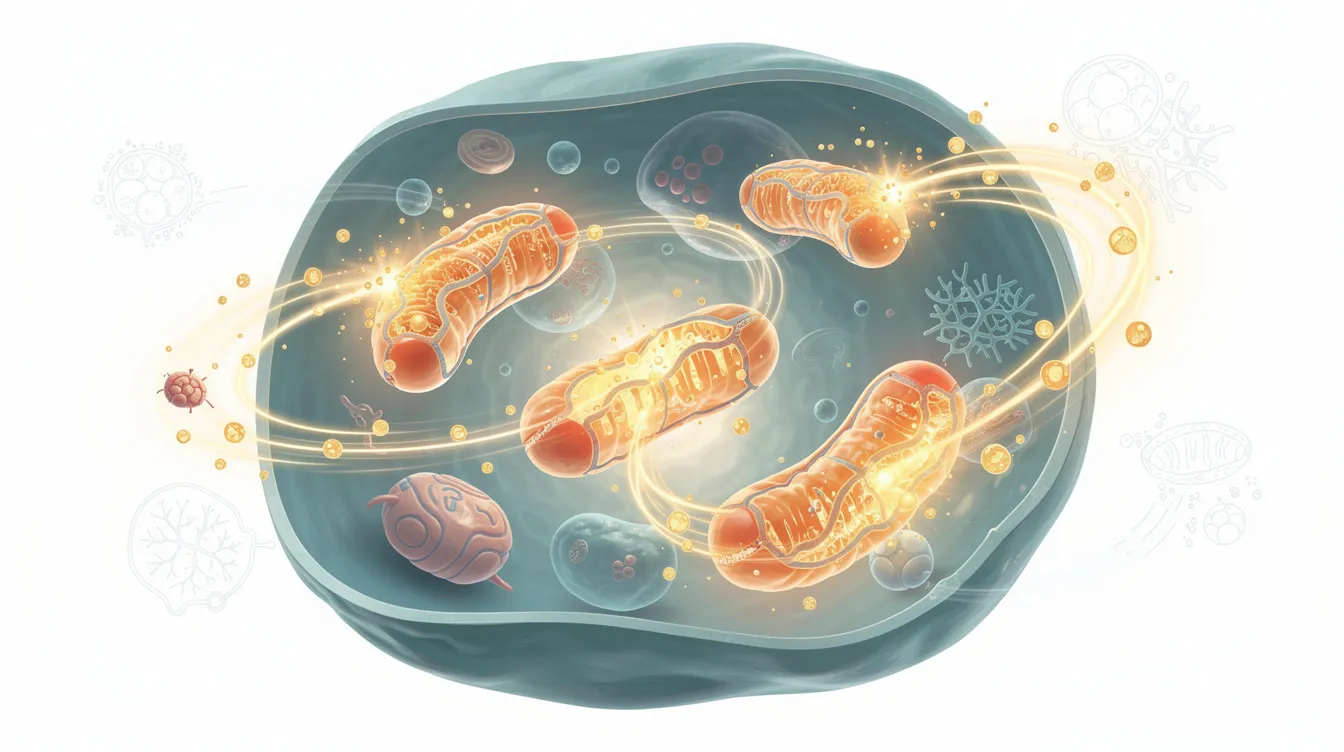
- Improved Cellular Energy: By supporting NAD+ production, NR may help optimize mitochondrial function, leading to better energy production at the cellular level. This is often framed as supporting overall vitality.
- Support for Healthy Aging: Given the decline in NAD+ with age, maintaining higher levels through NR supplementation is being explored for its potential to support various aspects of healthy aging, including metabolic function and cellular resilience.
- Enhanced Metabolic Function: Research suggests NR may play a role in regulating metabolism, potentially influencing fat storage and glucose utilization.
- Neuroprotection: The brain’s high energy demands make it susceptible to NAD+ depletion. NR is being studied for its potential to support brain health and cognitive function, particularly as we age. It’s critical to note that many of these benefits are still under investigation in human clinical trials. While the underlying mechanisms are sound, the extent to which these translate into noticeable, practical health improvements for the average person is an area of ongoing scientific inquiry.
Side Effects
Nicotinamide riboside is generally considered safe and well-tolerated at commonly studied dosages. In human clinical trials, side effects have been rare and typically mild. These might include:
- Digestive Upset: Some individuals have reported mild stomach discomfort, nausea, or diarrhea, particularly when starting supplementation or taking higher doses.
- Flushing: Unlike niacin (nicotinic acid), NR does not typically cause the “niacin flush” – a temporary redness, warmth, and itching of the skin. This is a significant advantage for many users.
- Other general mild symptoms: Headaches or fatigue have been reported in isolated cases but are not consistently linked to NR. It’s always advisable to start with a lower dose to assess tolerance and consult with a healthcare professional, especially if you have pre-existing health conditions or are taking other medications.
Dosage
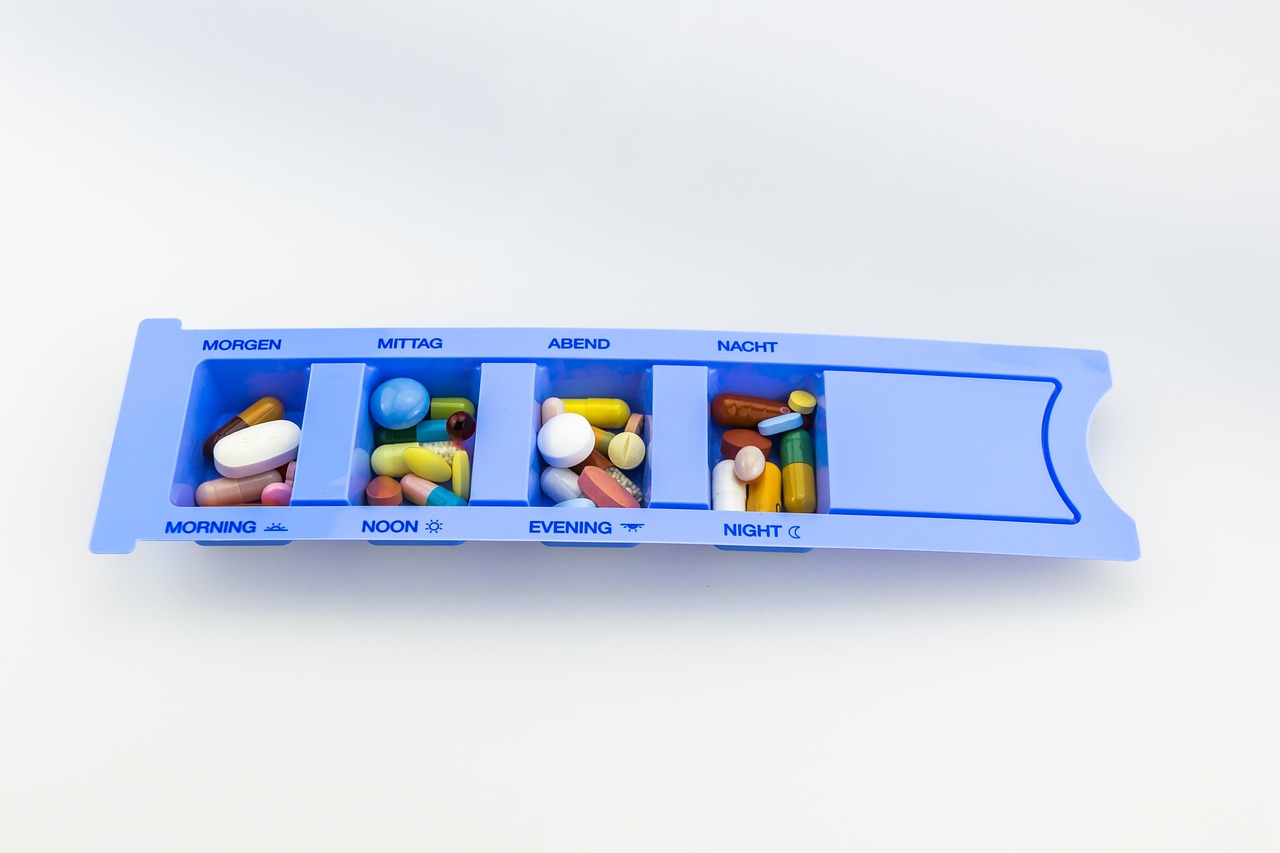
Standard dosages for nicotinamide riboside in human studies typically range from 100 mg to 1000 mg per day. Many commercial supplements offer doses in the range of 250 mg to 300 mg per capsule, often recommending one or two capsules daily.
- Typical Starting Dose: Many people begin with 250-300 mg per day to assess tolerance.
- Common Maintenance Dose: 500 mg per day is a frequently used and studied dose for consistent NAD+ elevation.
- Higher Doses: Some studies have used doses up to 1000 mg or even 2000 mg daily, particularly in specific research contexts. Higher doses do not necessarily translate to proportionally greater benefits and may increase the likelihood of mild side effects. There is no universally established “optimal” dose, as individual needs and responses can vary. The goal is to elevate NAD+ levels effectively without adverse effects.
Nicotinamide Riboside and Your Brain
The brain is one of the most metabolically active organs in the body, consuming a disproportionate amount of the body’s energy. This high energy demand makes it particularly sensitive to the availability of NAD+. NAD+ is not only crucial for energy production within neurons but also plays a role in various signaling pathways and the maintenance of neuronal integrity. The connection between NR and brain health stems from its ability to cross the blood-brain barrier and increase NAD+ levels within brain tissue. This allows for several potential mechanisms of action:
- Mitochondrial Support: By boosting NAD+, NR can support the health and function of mitochondria, the “powerhouses” of brain cells. Healthy mitochondria are essential for cognitive function, memory, and overall brain resilience.
- Neuroprotection: NAD+ is involved in DNA repair and antioxidant defense mechanisms. In the context of the brain, this could translate to protection against oxidative stress and damage that contributes to neurodegenerative processes.
- Plasticity and Synaptic Function: Some research suggests that NAD+ may influence synaptic plasticity – the brain’s ability to form and strengthen connections – which is fundamental to learning and memory.
Cognitive Vitality: The Research Picture
While promising, the research specifically on NR’s impact on human cognitive function is still in its early stages. Animal studies have shown improvements in cognitive measures and protection against neurodegeneration in models of Alzheimer’s and Parkinson’s disease. However, translating these findings directly to humans requires more extensive clinical trials. Current human studies have primarily focused on confirming NAD+ elevation in the brain and assessing safety. human evidence is still limited to determine if NR supplementation leads to significant, measurable improvements in:
- Memory
- Focus and attention
- Processing speed
- Overall cognitive decline in aging individuals It’s important to manage expectations and understand that while the theoretical basis for NR’s role in brain health is strong, definitive human evidence for widespread cognitive enhancement is still being gathered.
Nicotinamide Riboside: A Trace Nutrient and Vitamin B3 Form
Nicotinamide riboside is naturally present in trace amounts in certain foods. This fact underscores its biological relevance as a nutrient, even if not abundant in the average diet. As a member of the vitamin B3 family, it shares some characteristics with other B3 forms like niacin (nicotinic acid) and nicotinamide, but with distinct metabolic pathways and effects.
Where is NR Found Naturally?
While not as ubiquitous as some other vitamins, NR has been identified in:
- Milk: Dairy products, particularly cow’s milk, contain small quantities of NR.
- Yeast: Brewer’s yeast is another natural source.
- Beer: As a product of yeast fermentation, beer can also contain trace amounts of NR.
- Some Meats: Minor amounts have been detected in certain meats. The amounts found in these foods are generally very low, likely insufficient to significantly impact NAD+ levels in the way that concentrated supplements do. For example, you would need to consume a very large quantity of milk to get the equivalent of a typical NR supplement dose. This is why supplementation is often considered for those looking to actively increase their NAD+ levels.
NR vs. Other Vitamin B3 Forms
Understanding the differences between NR and other forms of vitamin B3 is key to appreciating its unique position:
| Feature | Nicotinamide Riboside (NR) | Niacin (Nicotinic Acid) | Nicotinamide (Niamide) |
|---|---|---|---|
| NAD+ Precursor | Yes, efficient pathway | Yes | Yes |
| “Niacin Flush” | No | Yes (common) | No |
| Primary Route | Salvage pathway | Preiss-Handler pathway | Salvage pathway |
| Food Sources | Trace in milk, yeast | Meat, fish, grains | Meat, fish, grains |
| Supplement Use | Primarily for NAD+ boost | Cholesterol management | General B3, skin health |
| The distinct advantage of NR and nicotinamide over niacin is the absence of the “niacin flush,” which can be uncomfortable and limit niacin’s use at higher doses. However, NR’s specific pathway to NAD+ is often highlighted as potentially more efficient or less metabolically demanding than that of nicotinamide, particularly in certain tissues or under specific conditions. This efficiency is a major driver behind the interest in NR as a supplement. |
What is Really Known About the Effects of Nicotinamide Riboside?
The scientific community has made significant progress in understanding nicotinamide riboside, but it’s crucial to distinguish between established facts and ongoing research.
Established Facts
- NAD+ Precursor: It is unequivocally established that NR is an effective precursor to NAD+ in various organisms, including humans. Supplementation with NR consistently leads to an increase in NAD+ levels in blood and tissues.
- Safety Profile: At commonly studied doses (up to 1000 mg/day), NR generally has a favorable safety profile in humans, with few and mild reported side effects.
- Absence of Niacin Flush: Unlike nicotinic acid, NR does not cause the uncomfortable flushing reaction.
- Bioavailability: NR is orally bioavailable, meaning it can be absorbed and utilized by the body when taken as a supplement.
Areas of Ongoing Research and Emerging Evidence
While NAD+ elevation is clear, the direct, clinically significant health benefits in humans are still being robustly investigated.
- Metabolic Syndrome: Some studies suggest NR may improve aspects of metabolic health, such as insulin sensitivity and lipid profiles, particularly in individuals with pre-existing metabolic challenges. However, results are not always consistent across all populations and study designs.
- Cardiovascular Health: Research is exploring NR’s potential to support cardiovascular function, possibly by improving endothelial function or reducing inflammation.
- Neurodegenerative Diseases: While animal models show promise, human trials are needed to confirm any therapeutic role of NR in conditions like Alzheimer’s or Parkinson’s disease.
- Muscle Function and Exercise Endurance: Some preliminary findings indicate NR might enhance muscle function or improve exercise capacity, particularly in older adults, but more extensive human data is required.
- Longevity: The idea that NR could extend human lifespan directly is highly speculative and currently lacks direct human evidence. Any “anti-aging” effects are inferred from its role in cellular health and animal studies. It’s important to approach claims about NR with a critical eye. While the science is exciting, avoid definitive conclusions where the evidence is still accumulating. The scientific process is iterative, and what is “really known” evolves as more data becomes available.
FAQ
Are there any dangers taking NAD supplements?
NAD+ precursors like nicotinamide riboside are generally considered safe at recommended dosages. However, as with any supplement, there’s always a potential for mild side effects (like digestive upset) or interactions with medications. For NAD+ supplements specifically, the primary concern is usually the lack of long-term human safety data at very high doses, as well as the limited understanding of their effects in specific populations (e.g., pregnant women, children, or those with certain medical conditions). It’s crucial to consult a healthcare professional before starting any new supplement, especially if you have underlying health issues or are taking prescription drugs.
Who should not take nicotinamide?
While nicotinamide (another form of vitamin B3) is generally safe, certain individuals should exercise caution or avoid it:
- Individuals with Liver Disease: High doses of nicotinamide can potentially affect liver function.
- People with Diabetes: Nicotinamide can sometimes affect blood sugar levels, requiring careful monitoring.
- Individuals with Peptic Ulcers or Gout: Nicotinamide might exacerbate these conditions in some cases.
- Pregnant or Breastfeeding Women: Due to limited research, it’s generally advised to avoid high-dose supplementation unless medically supervised. It’s important to distinguish between nicotinamide and nicotinamide riboside (NR). While both are forms of vitamin B3, their metabolic pathways and potential side effects can differ. NR is generally considered to have a more favorable side effect profile, particularly avoiding the “niacin flush” associated with nicotinic acid.
Is vitamin B3 the same as nicotinamide riboside?
Nicotinamide riboside (NR) is a form of vitamin B3, but it’s not synonymous with “vitamin B3” as a whole. Vitamin B3 is a broader term that encompasses several compounds, primarily:
- Niacin (Nicotinic Acid): Known for causing the “flush” at higher doses.
- Nicotinamide (Niacinamide): Does not cause a flush, often used in skincare.
- Nicotinamide Riboside (NR): A newer form, known for efficient NAD+ boosting without the flush. All these forms can be converted into NAD+ in the body, but they do so via different metabolic pathways and with varying efficiencies and side effects. So, while NR is a type of vitamin B3, it has distinct characteristics that set it apart from niacin and nicotinamide.
Conclusion
Nicotinamide riboside represents a compelling area of research in health and aging. As a direct precursor to NAD+, it offers a promising strategy for increasing cellular NAD+ levels, which naturally decline with age. While the ability of NR to elevate NAD+ is well-established, the full spectrum of its human health benefits is still under active investigation through ongoing clinical trials. For those considering an NR supplement, understanding its role as a vitamin B3 form, its generally favorable safety profile, and the distinction between confirmed effects and emerging research is essential. As with any supplement, consulting with a healthcare professional to determine suitability and appropriate dosage is a prudent first step. The journey of understanding NR is evolving, promising new insights into cellular health and the aging process.
For a broader overview of how NAD-focused products fit into longevity supplementation, start with NAD supplements: uses, benefits, risks, and how to choose.
References
This article has been editorially standardized to follow the same evidence-note pattern used across the NMN Labo knowledge base. For closely related background and adjacent context, start with:
- NAD Supplements: Uses, Benefits, Risks, and How to Choose
- How Long Does It Take for NAD Supplements to Work?
Further Reading
Explore more articles related to this topic:
- NAD Supplements: Uses, Benefits, Risks, and How to Choose
- How Long Does It Take for NAD Supplements to Work?
- How to Test NAD+ Levels at Home
- Can You Take NMN and NR Together? Benefits, Risks, and Who Should Skip the Combo
- Can You Take NMN and NAD Together? When the Combination Is Redundant and When It May Make Sense