NR does appear naturally in some foods, but the practical question is whether those amounts are nutritionally interesting or clinically meaningful. This guide keeps the answer realistic rather than promotional.
For broader context first, see our guide to NAD supplements, benefits, risks, and product forms.
Nicotinamide riboside (NR), a form of vitamin B3, acts as a precursor to nicotinamide adenine dinucleotide (NAD+), a coenzyme vital for cellular energy metabolism, DNA repair, and gene expression. While NR supplements are popular, many wonder about its natural presence in food. This article examines realistic food sources of nicotinamide riboside and the practical implications of trying to significantly boost NAD+ levels through diet alone.
The Reality of Nicotinamide Riboside in Food
The presence of nicotinamide riboside in common foods is generally quite low, making it challenging to obtain significant amounts through diet alone. Unlike other forms of vitamin B3 like niacin (nicotinic acid) and nicotinamide, which are abundant in various foods, NR is not as widely distributed or concentrated. Research into NR food sources is ongoing, but current findings suggest that while it exists, the quantities are often negligible compared to what’s found in supplements or what might be considered therapeutically relevant. This means that while some foods indeed contain NR, they are unlikely to be a primary driver of substantial NAD+ increases.
Trace Amounts: Where NR Has Been Detected
Despite the low concentrations, certain foods have been identified as containing trace amounts of nicotinamide riboside. These include:
- Milk: Dairy products, particularly cow’s milk, have been among the most consistent, albeit low-level, reported sources of NR. Studies have indicated that milk contains NR, though the exact concentration can vary.
- Yeast: Specifically, brewer’s yeast has been shown to contain NR. This is not surprising, as yeast is often used in the production of B vitamins.
- Beer: As a product of yeast fermentation, beer also contains very small quantities of NR.
- Certain Meats: Some red meats, like beef, have been reported to contain minimal amounts of NR.
- Fish: Similar to meats, certain types of fish may contain trace amounts. It’s important to differentiate between the presence of NR and its bioavailability or quantity necessary to elicit a noticeable biological effect. While these foods contain NR, the amount per serving is typically in the microgram range, far less than the milligram dosages common in supplements.
Practical Implications for Dietary Intake
For those seeking to significantly increase their NAD+ levels, relying solely on dietary NR from these sources presents a practical challenge. One would need to consume exceptionally large quantities of these foods daily to approach the doses found in typical NR supplements. For example, to get the equivalent of a 100 mg NR supplement, you would likely need to consume many liters of milk or many pounds of beef daily, which is neither practical nor nutritionally balanced. Therefore, while understanding these food sources is interesting from a scientific perspective, their contribution to a substantial increase in NAD+ precursors in the average diet is minimal. The primary benefit of these foods lies in their overall nutritional profile rather than their specific NR content.
Beyond Nicotinamide Riboside: Other NAD+ Precursors
While nicotinamide riboside is a direct NAD+ precursor, it’s not the only one. The body can also synthesize NAD+ from other forms of vitamin B3, primarily niacin (nicotinic acid) and nicotinamide (nicotinamide). These are far more common in the diet and are considered more significant dietary contributors to overall NAD+ pools.
Niacin and Nicotinamide: The More Common Dietary Precursors
- Niacin (Nicotinic Acid): Found in foods like meat, poultry, fish, nuts, legumes, and fortified grains. Niacin can be converted to NAD+ through a different metabolic pathway than NR.
- Nicotinamide: Also widely present in many of the same foods as niacin. It’s a key component of the salvage pathway for NAD+ synthesis, which recycles NAD+ breakdown products back into usable forms. These forms of B3 are generally present in much higher concentrations in common foods than NR. For instance, a serving of chicken breast can provide a substantial portion of the daily recommended intake of niacin, which then contributes to NAD+ synthesis.
Tryptophan: An Indirect NAD+ Booster
Beyond the direct B3 vitamins, the amino acid tryptophan can also be converted into NAD+ in the body through a complex pathway known as the kynurenine pathway. Tryptophan is an essential amino acid found in protein-rich foods such as:
- Poultry (especially turkey)
- Eggs
- Cheese
- Nuts and seeds
- Legumes While this pathway exists, it’s less efficient than using B3 vitamins directly, and a significant portion of dietary tryptophan is used for protein synthesis or conversion to other compounds like serotonin. Therefore, while tryptophan contributes to NAD+, it’s generally not considered the most direct or efficient dietary strategy for boosting NAD+ levels.
Healthy Lifestyle Recommendations: Do the Beneficial Effects of NAD+ Boosting Translate?
The interest in NAD+ precursors like nicotinamide riboside stems from research suggesting that higher NAD+ levels may support cellular health, energy metabolism, and potentially aspects of healthy aging. While supplements aim to directly increase NAD+ precursors, lifestyle factors also play a crucial role in maintaining optimal NAD+ levels and overall cellular health.
Lifestyle Factors Influencing NAD+
- Exercise: Regular physical activity, particularly endurance exercise, has been shown to increase NAD+ levels and activate NAD+-dependent enzymes in muscle tissue. This is one of the most robust and accessible ways to support NAD+ metabolism.
- Caloric Restriction/Intermittent Fasting: Studies suggest that reducing caloric intake or practicing intermittent fasting can upregulate NAD+ synthesis pathways and activate sirtuins, a family of proteins that depend on NAD+ for their function.
- Sleep: Adequate and quality sleep is vital for overall cellular repair and metabolic balance, which indirectly supports NAD+ homeostasis.
- Minimizing Chronic Stress: Chronic stress can deplete cellular resources and disrupt metabolic pathways, potentially impacting NAD+ levels.
- Balanced Diet Rich in Whole Foods: A diet rich in diverse whole foods provides not only the various forms of vitamin B3 (niacin, nicotinamide) but also antioxidants and other micronutrients that support cellular health and efficient metabolic function, indirectly benefiting NAD+ pathways. These lifestyle interventions are not about consuming specific “NAD-boosting foods” in isolation but rather about creating an environment within the body that supports NAD+ production, utilization, and recycling. They represent a holistic approach to cellular well-being that complements any potential dietary or supplemental strategies.
The Interplay of Diet, Lifestyle, and Supplements
For most people, a combination of a healthy lifestyle and a balanced diet rich in whole foods will provide sufficient NAD+ precursors for basic cellular function. The question of significant NAD+ “boosting” often arises in the context of specific health goals or aging research. If the goal is to achieve significantly elevated NAD+ levels, especially those observed in some research studies using supplemental NR, relying solely on dietary sources is generally not practical. The concentrations of NR in food are simply too low. However, a diet rich in other NAD+ precursors (niacin, nicotinamide, tryptophan) and supportive lifestyle choices can contribute positively to overall NAD+ metabolism.
Top NAD-Boosting Foods: A Broader Perspective
When discussions turn to “NAD-boosting foods,” it’s important to understand that this often refers to foods containing various NAD+ precursors or compounds that support NAD+ metabolism, not necessarily high concentrations of nicotinamide riboside itself. Here’s a breakdown of foods frequently mentioned in the context of NAD+ support, categorized by their primary contribution:
| Food Category | Primary NAD+ Contribution | Examples |
|---|---|---|
| B3-Rich Foods | Provide Niacin (Nicotinic Acid) and Nicotinamide, direct NAD+ precursors. | Chicken, Turkey, Beef, Tuna, Salmon, Peanuts, Mushrooms, Avocado, Brown Rice, Fortified Cereals, Legumes. |
| Tryptophan-Rich Foods | Provide the amino acid Tryptophan, which can be converted to NAD+ via the kynurenine pathway. | Turkey, Chicken, Eggs, Cheese (e.g., Parmesan, Cheddar), Tofu, Nuts (e.g., almonds, cashews), Seeds (e.g., pumpkin, sesame). |
| Foods with Trace NR | Contain very small, often negligible, amounts of Nicotinamide Riboside. | Cow’s Milk, Brewer’s Yeast, Beer (in small quantities), some Meats and Fish (very low levels). |
| Antioxidant-Rich Foods | Support overall cellular health and reduce oxidative stress, which can indirectly protect NAD+ levels. | Berries, Dark Leafy Greens, Green Tea, Dark Chocolate, Colorful Vegetables. |
| Magnesium-Rich Foods | Magnesium is a cofactor for many enzymes involved in NAD+ metabolism and energy production. | Almonds, Spinach, Avocados, Black Beans, Dark Chocolate, Whole Grains. |
| It’s crucial to recognize that “boosting” NAD+ through diet is more about providing the necessary building blocks and creating an optimal cellular environment rather than consuming specific foods with high concentrations of NR. The contribution of B3-rich foods (niacin, nicotinamide) and tryptophan-rich foods is generally more substantial than the trace amounts of NR found in milk or yeast. |
Determination of NAD+ Precursors: The Scientific View
Scientific research on NAD+ precursors, including nicotinamide riboside, often employs sophisticated analytical techniques to accurately measure their presence in various biological samples and food matrices. These studies are critical for understanding the metabolic pathways and potential dietary sources.
Analytical Challenges and Findings
Measuring NR in food is complex due to its low concentrations and the presence of other similar compounds. Techniques like liquid chromatography-mass spectrometry (LC-MS) are used to identify and quantify NR. These methods have confirmed the presence of NR in the foods mentioned earlier (milk, yeast, beer, some meats) but consistently show these levels to be in the microgram range per serving. For example, a study might report NR levels in milk ranging from 0.1 to 1.9 micrograms per milliliter. To put this in perspective, a typical 8-ounce glass of milk (about 240 ml) would contain roughly 24 to 456 micrograms (0.024 to 0.456 milligrams) of NR. This is significantly less than the 100-300 mg doses commonly found in NR supplements.
Research Focus on Bioavailability
Beyond just presence, scientists also study the bioavailability of NAD+ precursors from food. Bioavailability refers to the proportion of a nutrient that is absorbed from the diet and becomes available for use or storage in the body. While NR from food is presumed to be bioavailable, the low quantities mean its impact on systemic NAD+ levels is likely minimal compared to direct supplementation. Current research continues to explore new potential dietary sources and the factors that influence NAD+ metabolism, but the consensus remains that while NR is naturally occurring, its dietary abundance is not high.
Nicotinamide Riboside Benefits and Anti-Aging Properties: A Broader Context
The interest in nicotinamide riboside and its food sources largely stems from its potential role in supporting NAD+ levels, which in turn has implications for cellular health and aging. NAD+ is essential for the function of sirtuins, a class of proteins involved in regulating cellular processes linked to longevity and metabolic health.
The Role of NAD+ in Cellular Health
NAD+ participates in:
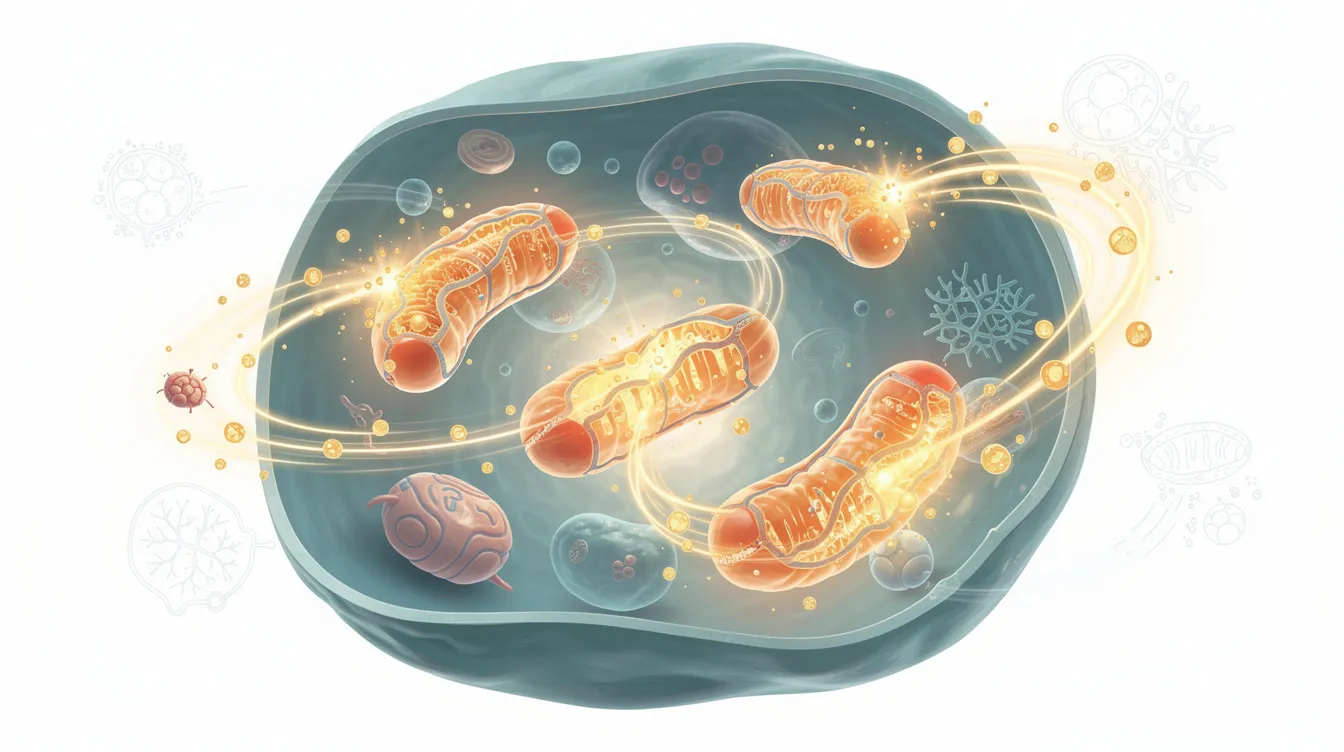
- Energy Production: It’s a key player in the electron transport chain, crucial for generating ATP (the cell’s energy currency).
- DNA Repair: NAD+ is consumed by PARPs (poly-ADP-ribose polymerases), enzymes that repair DNA damage.
- Gene Expression: Sirtuins, which regulate gene expression, require NAD+ to function. These proteins are involved in processes like inflammation, metabolism, and stress resistance.
- Mitochondrial Function: Healthy mitochondria are vital for energy production, and NAD+ plays a role in their optimal functioning. As we age, NAD+ levels tend to decline, which is hypothesized to contribute to various age-related cellular dysfunctions. This decline has led to significant research into strategies to maintain or increase NAD+ levels, including the use of precursors like NR.
Anti-Aging Properties: A Research Frontier
The “anti-aging” properties associated with NR and NAD+ are primarily explored in the context of supporting cellular resilience and mitigating age-related decline at a molecular level. This is not about reversing aging but rather about promoting healthy cellular function throughout life. It’s important to frame these benefits within the context of scientific research, which is still largely in preclinical stages or early human trials for many of these applications. While promising, the direct translation of lab findings to definitive anti-aging claims for humans requires more extensive and long-term studies. For those interested in supporting their NAD+ levels for these potential benefits, understanding the realistic contribution of food sources versus other strategies (like supplementation or lifestyle changes) is key to making informed decisions. The goal is to support overall cellular health through a combination of diet, lifestyle, and, if deemed appropriate, targeted supplementation, rather than relying on a few “superfoods” with trace amounts of NR.
FAQ
Which food has nicotinamide riboside?
Nicotinamide riboside (NR) is found in very small, trace amounts in foods such as cow’s milk, brewer’s yeast, and some meats and fish. However, the concentrations are generally too low to significantly impact NAD+ levels compared to supplemental forms.
What foods convert to NAD?
Foods don’t directly “convert” to NAD+. Instead, they contain precursors that the body uses to synthesize NAD+. These include:
- Niacin (nicotinic acid): Found in poultry, fish, meat, nuts, and fortified grains.
- Nicotinamide: Present in many of the same foods as niacin.
- Tryptophan: An amino acid found in protein-rich foods like turkey, eggs, and cheese, which can be converted to NAD+ through a metabolic pathway.
- Nicotinamide Riboside (NR): Found in trace amounts in milk and yeast.
What is the best source of NAD+?
NAD+ itself is not directly obtained from food. The “best source” refers to the most effective way to increase the body’s production of NAD+. From a dietary perspective, foods rich in niacin and nicotinamide (e.g., lean meats, fish, peanuts, mushrooms) are generally considered more significant contributors to NAD+ synthesis than the trace amounts of NR in certain foods. For more substantial increases, especially in research settings, nicotinamide riboside (NR) or nicotinamide mononucleotide (NMN) supplements are often used, as they deliver much higher doses of direct precursors than could be obtained from diet alone. Lifestyle factors like exercise and caloric restriction also effectively support endogenous NAD+ production.
Conclusion
While nicotinamide riboside (NR) is a fascinating compound with a crucial role in NAD+ metabolism, its presence in common foods is minimal. Foods like milk and yeast contain only trace amounts, making it impractical to rely on diet alone for a significant NR intake. Instead, a more realistic approach to supporting NAD+ levels through food involves consuming a balanced diet rich in other NAD+ precursors like niacin and nicotinamide, found abundantly in meats, fish, nuts, and fortified grains. Coupled with healthy lifestyle choices such as regular exercise and adequate sleep, these dietary strategies contribute to overall cellular health and can help maintain optimal NAD+ metabolism. For those seeking higher, more targeted increases in NAD+ precursors, supplementation may be considered, but it’s essential to understand that dietary NR alone is not a primary driver.
For a broader overview of how NAD-focused products fit into longevity supplementation, start with NAD supplements: uses, benefits, risks, and how to choose.
References
This article has been editorially standardized to follow the same evidence-note pattern used across the NMN Labo knowledge base. For closely related background and adjacent context, start with:
- NAD Supplements: Uses, Benefits, Risks, and How to Choose
- How Long Does It Take for NAD Supplements to Work?
Further Reading
Explore more articles related to this topic: