If you’ve been researching longevity supplements, you’ve probably encountered a confusing alphabet soup of acronyms: NAD, NAD+, NR, NMN, NADH. Understanding what these terms actually mean is essential before you spend money on products claiming to boost your cellular energy and support healthy aging.
For a wider orientation after the terminology overview, continue to our article on NAD supplements, benefits, risks, and product forms.
With a focus on specialized expertise and dedication to topics like nutrition, fitness, and human physiology, this guide breaks down exactly what “NAD supplement” stands for, explains the different forms available, and helps you make sense of the science behind these increasingly popular products.
Quick Answer: What Does “NAD Supplement” Stand For?
NAD stands for nicotinamide adenine dinucleotide, a coenzyme found in every cell in your body that plays a central role in metabolism and energy production. The term “NAD supplement” is actually a bit misleading because most commercial products don’t contain pure NAD itself. Instead, they contain NAD precursors—compounds that your body converts into NAD+.
These precursors include nicotinamide riboside, nicotinamide mononucleotide NMN, and various forms of vitamin B3 like niacin and nicotinamide. All of these are related to vitamin B3 biology and feed into the same cellular processes that produce NAD+.
Here’s a quick breakdown of the key acronyms you’ll encounter:
NAD – Nicotinamide adenine dinucleotide; the umbrella term for this coenzyme
NAD+ – The oxidized form of NAD; the “active” form involved in metabolism
NADH – The reduced form of NAD; carries high-energy electrons
NR – Nicotinamide riboside; a vitamin B3 form that converts to NAD+
NMN – Nicotinamide mononucleotide; another precursor that raises NAD levels
Understanding this distinction is critical because the efficacy and regulatory status of these different forms vary significantly.
What Is NAD? (Name, Structure & Basic Role)
Nicotinamide adenine dinucleotide—abbreviated as NAD—is a small but functionally critical molecule found in all living cells. The name describes its chemical structure: it’s a dinucleotide (two linked nucleotides) derived from vitamin B3.
Your human body produces NAD through multiple pathways. It can recycle NAD that has already been used, convert the amino acids from tryptophan into NAD precursors, or obtain vitamin B3 directly from food. These redundant systems ensure NAD production continues even if one pathway is impaired. The salvage pathway for NAD+ synthesis is essential in humans, as it recycles nicotinamide produced by enzymes utilizing NAD+, making it a primary source of NAD+ in most tissues.
NAD exists in two forms that constantly interconvert: NAD+ (oxidized) and NADH (reduced). Think of “oxidized” as ready to accept electrons and “reduced” as carrying electrons. This cycling is an essential process—NAD+ and NADH act like a shuttle moving electrons back and forth so your body can turn food into usable energy. NAD+ plays an important role in metabolism, cellular energy production, and overall biological processes.
Here’s what NAD does at the cellular level:
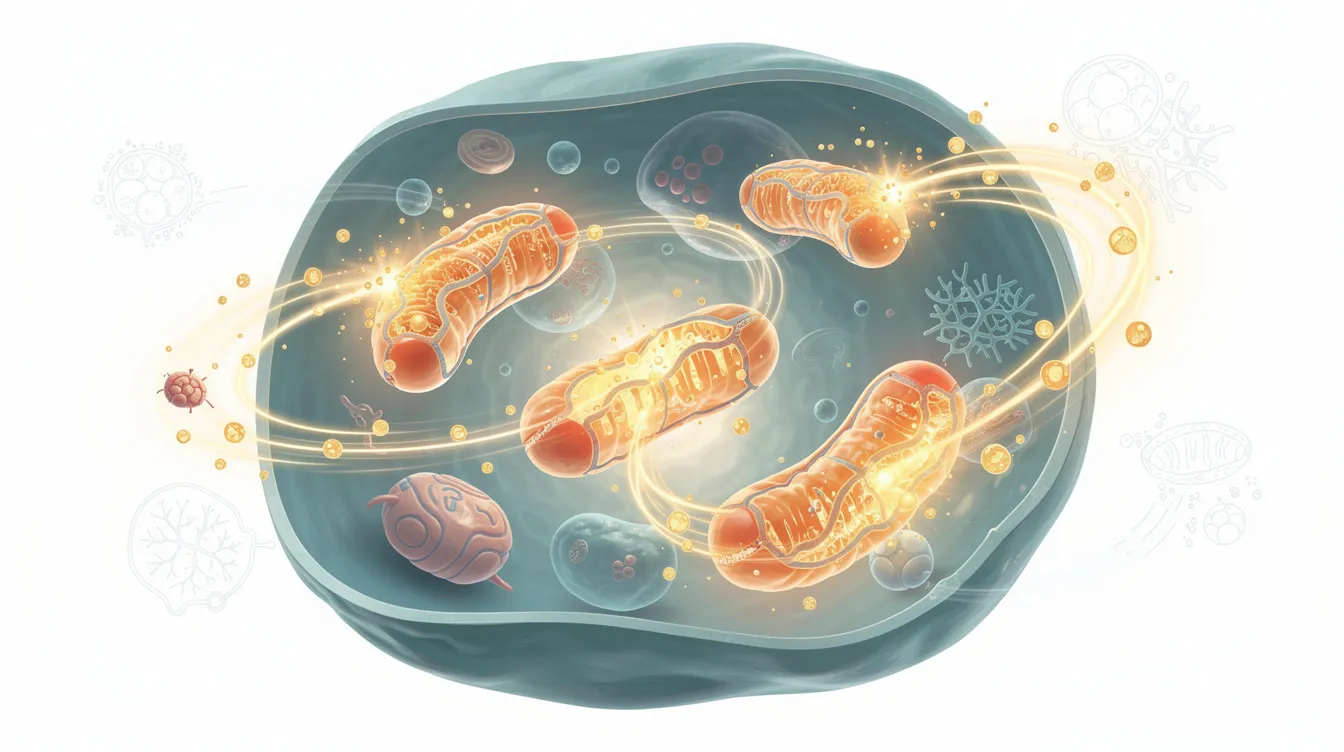
Energy production – Carries electrons during cellular metabolism, enabling mitochondria to produce ATP (the universal cellular energy currency)
DNA repair – NAD activates proteins such as PARPs (poly(ADP-ribose) polymerases) that repair DNA damage caused by factors like UV radiation and stress
Metabolism regulation – Participates in chemical reactions that break down nutrients from food
Cellular protection – Helps limit harmful byproducts that accumulate during cellular stress
Sirtuin activation – NAD is required to activate proteins called sirtuins, which regulate cellular health and aging processes
Supports vital organs – Essential for normal function of muscles, brain cells, heart cells, and bones
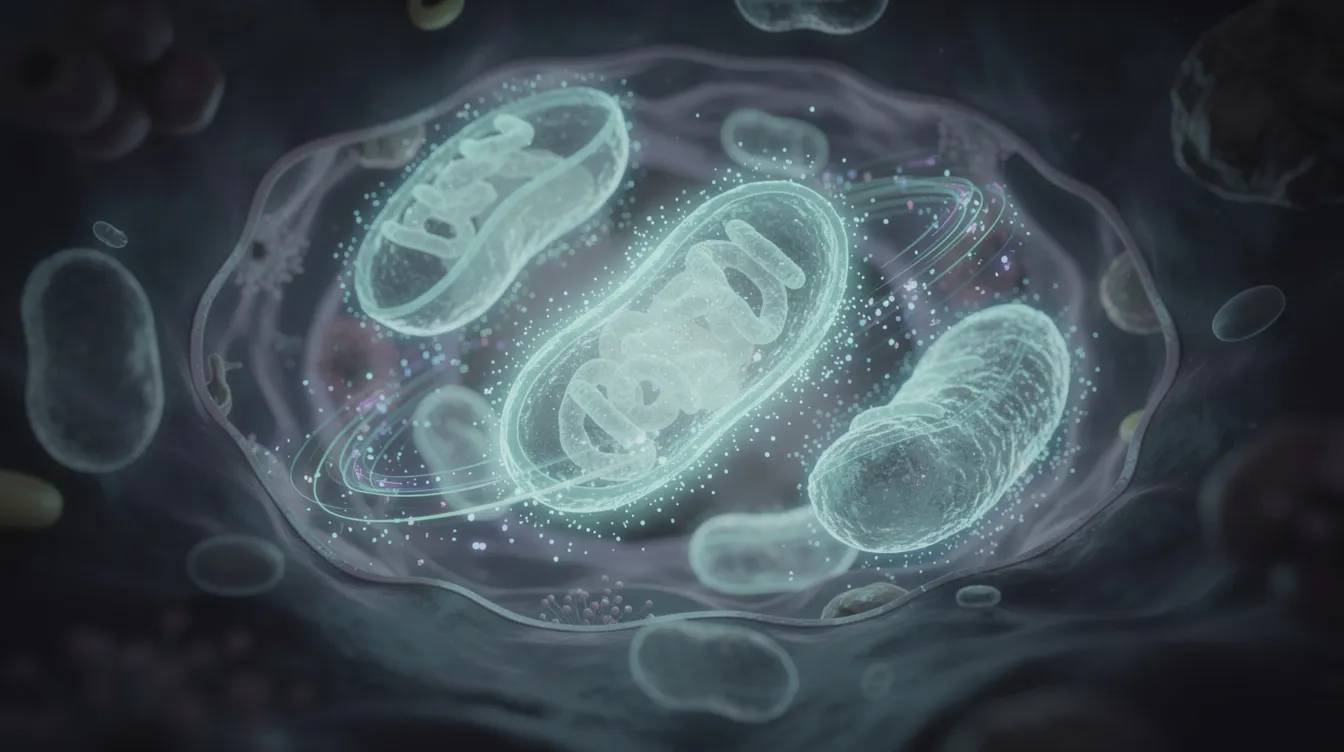
Most NAD is used in the mitochondria to help turn nutrients into ATP, the body’s primary energy source.
What Does NAD+ Specifically Stand For & How Is It Different From NADH?
NAD+ is simply the oxidized form of nicotinamide adenine dinucleotide. The “+” symbol refers to its positive electrical charge—not to any notion of “extra” or “enhanced” NAD. This is important because supplement marketing sometimes uses “NAD+” terminology in ways that suggest superiority when it’s purely chemical notation.
NADH is the reduced form of the same molecule, where “H” represents hydrogen. Specifically, NADH carries a pair of high-energy electrons and a hydrogen nucleus. In metabolic pathways, NAD+ functions as an electron acceptor while NADH functions as an electron donor.
Here’s a simple example: when you break down glucose for energy, NAD+ picks up electrons and becomes NADH. This NADH then donates electrons to the electron transport chain in your mitochondria, driving ATP production and converting back to NAD+.
Key differences between NAD+ and NADH:
NAD+ acts as an electron acceptor (oxidizing agent) in cellular processes
NADH acts as an electron donor and carries high-energy electrons to other molecules
The NAD+/NADH ratio indicates your cell’s redox state and metabolic health
Cells constantly convert between these two forms during normal cellular metabolism
When researchers discuss “boosting NAD+,” they mean increasing the total NAD pool available for cycling between both forms
The redox signal created by this NAD+/NADH balance influences which metabolic signaling pathways are active at any given time.
What Do NAD Supplements Usually Contain? (NAD+, NR, NMN, and Others)
Most commercial “NAD supplements” don’t actually contain NAD in a form your body can directly absorb. Instead, they contain NAD+ precursors—the building blocks that your cells recognize and convert into NAD+. These NAD+ precursors and supplements can lead to significant changes in NAD+ levels, which may have important health implications, both positive and negative, depending on individual health status and underlying conditions. This is a crucial distinction for understanding how these products work.
Here’s what each major form contains and how it relates to NAD+:
NAD+ (Nicotinamide Adenine Dinucleotide, Oxidized Form)
Sometimes sold in oral or IV forms
Large, polar molecule that doesn’t cross cell membranes easily
Oral bioavailability is questionable
IV “NAD drips” are marketed in wellness centers but not FDA-approved for aging
NR (Nicotinamide Riboside)
A patented form of vitamin B3 studied extensively in humans
Readily absorbed orally and efficiently converted to NAD+
Research shows it can increase NAD levels by 40-90% in the short term with minimal side effects, according to lab studies
Human trials typically use doses of 250-1000 mg per day
Currently available as a dietary supplement in the U.S.
NMN (Nicotinamide Mononucleotide)
Another vitamin B3-derived precursor that raises NAD+ in animals and humans
In lab studies, NMN can increase NAD+ levels by 40-90% in the short term with minimal side effects
Faces regulatory uncertainty in the U.S. since 2022
FDA determined it cannot be marketed as a dietary supplement
Still available in some countries and through specialized retailers
NAM (Nicotinamide) and NA (Nicotinic Acid/Niacin)
Classic vitamin B3 forms your body converts to NAD+
Recommended daily amount for adults: 14 mg of niacin equivalents
High-dose nicotinic acid may cause flushing
Inexpensive with long safety histories
NADH (Reduced Form)
Some supplements market NADH specifically for energy support
Evidence is more limited compared to NR and NMN
Bioavailability as an oral supplement is questionable
How Do NAD Supplements Work in the Body?
All NAD-boosting supplements ultimately feed into your body’s endogenous NAD synthesis and salvage pathways. The body doesn’t have a single pathway to make NAD—it has evolved multiple redundant systems to ensure the process of production continues.
The de novo pathway converts nicotinic acid into NAD through enzymatic steps known as the Preiss Handler pathway, first mapped in 1958. Additionally, the salvage pathway recycles NAD from smaller molecules. When you take a NAD precursor supplement, your body directs it through one or more of these established processes.
When precursors like NR or NMN are taken orally, they’re absorbed in the digestive tract and enter the bloodstream. Cells throughout the body—particularly in the liver—recognize these precursors and enzymatically convert them into NAD+. This conversion process typically takes hours to days, with NAD levels increasing measurably within 2-4 weeks of consistent supplementation.
NAD+ levels naturally decline with age, which may contribute to aging and age-related diseases. The decline in cellular concentrations of NAD+ during aging is linked to the aging process and the pathogenesis of chronic diseases associated with aging.
Once NAD+ levels increase, this enriched pool supports several interconnected mechanisms:
Cellular energy production – More oxidized NAD+ available for the citric acid cycle and electron transport chain increases ATP generation in mitochondria
DNA repair – Increased NAD+ acts as a substrate for PARP enzymes, enabling more robust DNA repair responses when cells face oxidative stress or environmental damage. During this process, ADP-ribose is produced as a byproduct of poly ADP-ribosylation, a key posttranslational modification involving NAD+ metabolism.
Sirtuin activity – NAD+ fuels sirtuins (often called “longevity enzymes”) involved in metabolism regulation, stress resistance, and maintaining cellular health
Inflammation response – NAD-dependent signaling cascades help cells sense and respond to nutrient availability, oxidative stress, and energy status
It’s important to note that simply raising NAD+ doesn’t automatically guarantee benefits. Tissue-specific effects, individual genetic differences, and other metabolic factors all influence outcomes.
Potential Benefits People Seek From NAD Supplements
The research evidence for NAD-boosting supplements is in an early to intermediate stage. There’s substantial evidence in animal models and cell culture studies, growing evidence in human trials, but most human studies have lasted only 8-12 weeks. Claims about benefits should be framed as potential rather than established.
Here are the main areas researchers are currently exploring:
Cellular Energy and Age-Related Fatigue
People seek NAD supplements hoping to improve cellular energy and reduce sluggishness that accompanies aging
NAD is essential for ATP production, and NAD levels do decline with age
Some studies show improvements in mitochondrial function markers, though findings aren’t universal
Healthy Aging and Longevity Markers
Based on observations that NAD declines with age and that NAD-dependent enzymes are involved in longevity mechanisms
Animal studies suggest potential benefits, but translating these to humans remains uncertain
Most evidence comes from short-term studies, making longevity claims speculative
Metabolic Benefits
Some research hints at beneficial effects on insulin sensitivity and blood sugar control
Studies in small populations have occasionally reported modest improvements in metabolic markers
Particularly relevant for people with metabolic disorders like Type 2 diabetes, though evidence is still developing
Brain and Nervous System Support
Preliminary animal research suggests NAD-dependent mechanisms might support brain health
Involves sirtuin and PARP activity in neurons and mitochondrial function in brain cells
Human data on cognition remain limited—this is an active area of research
Cardiovascular and Liver Health
Some early trials report improvements in blood pressure or arterial stiffness
Mechanisms likely involve improved mitochondrial function and reduced oxidative stress
Findings vary and are not yet universal across studies
Risks, Safety Questions & Who Should Be Cautious
NAD is a natural molecule essential to life, but this doesn’t mean boosting it chronically with high-dose supplements is automatically safe. The principle of toxicology states that the dose makes the poison, and long-term human research on NAD boosters is limited.
Most short-term studies of NR and NMN lasting up to 12 weeks at doses typically ≤1000 mg per day report these compounds are generally well tolerated. Mild side effects in some participants include nausea, flushing, and gastrointestinal discomfort—usually transient and not serious. However, no one has studied what happens when humans take these supplements continuously for years.
A more serious concern has emerged from animal studies: high-dose NAD boosters, particularly NR, have in some experimental contexts been associated with promoting more aggressive cancer growth. Cancer cells, like normal cells, rely heavily on NAD for energy production and DNA repair. In specific mouse studies, high-dose nicotinamide riboside was linked to more aggressive breast cancer phenotypes and increased brain metastasis.
This doesn’t prove NAD supplements cause cancer in humans—animal models often don’t translate directly—but it raises legitimate concerns.
Who should be particularly cautious:
People with known cancer history—consult an oncologist before using
Individuals with high hereditary cancer risk (e.g., BRCA mutations)
Pregnant and breastfeeding individuals—effects on development are unknown
Children and adolescents—should not use outside standard dietary vitamin B3
People on complex medication regimens—drug interactions aren’t well characterized
Those with severe metabolic dysfunction—use only under healthcare provider supervision
Regulation & Legal Status of NAD-Related Supplements
Supplement regulations vary significantly by country and can change, so readers should verify current local rules. Here’s the landscape as of early 2026:
United States Regulatory Status:
NAD+, NR, niacin, and nicotinamide are generally sold as dietary supplements under DSHEA (Dietary Supplement Health and Education Act)
Manufacturers must ensure products are safe and properly labeled, but pre-market FDA approval isn’t required
NMN faces different treatment – In 2022, FDA concluded NMN cannot be marketed as a dietary supplement because it was previously investigated as a drug candidate
This prompted major retailers to pull NMN supplements from shelves
NMN remains available through some online retailers, but regulatory status is ambiguous
IV “NAD Drips”:
Marketed in wellness clinics for aging, fatigue, and cognitive decline
Not FDA-approved for aging or most chronic disease indications
Quality and safety oversight may be limited compared to standard medical settings
When evaluating products:
Look for third-party testing certifications (USP, NSF, ConsumerLab)
Check for transparent ingredient labels listing specific forms and quantities
Avoid products making exaggerated claims like “stops aging” or “cures disease”
Recognize that regulations differ internationally
How to Choose and Use an NAD Supplement Wisely
Before considering any NAD supplement, recognize that lifestyle factors remain the most foundational interventions for maintaining healthy NAD levels. Regular exercise, adequate sleep, nutrient-dense food, and stress management naturally support NAD synthesis and should be prioritized first.
If supplementation seems appropriate, here’s practical guidance:
Clarify which form you’re purchasing – NR, NMN, NAD+, or traditional niacin all have different efficacy and regulatory profiles
Look for clinically relevant doses – Human trials typically use 250-1000 mg per day for NR
Start at the lower end – Begin with 250-500 mg daily and adjust only with healthcare guidance
Check for third-party certifications – USP, NSF, or ConsumerLab verification increases confidence in quality
Be consistent to maintain healthy NAD+ levels – Daily supplementation for at least 2-4 weeks is typically necessary before NAD levels increase measurably, and ongoing use helps maintain those levels over time
Take at a consistent time – Can be taken with or without food; consistency improves adherence
Track your response – Monitor how you feel, recognizing that subjective improvements can be influenced by placebo effects
Reassess periodically – After several months, evaluate whether benefits justify continued use and cost
Special considerations: Older adults should use NAD supplements under medical supervision. Anyone with cancer history or precancerous conditions should consult an oncologist. Researchers like Yaku K and others continue investigating these compounds, but science hasn’t yet answered all safety questions—a double blind placebo controlled clinical trial approach in future research will help clarify long-term effects.

Key Takeaways: What “NAD Supplement” Stands For and Why It Matters
NAD stands for nicotinamide adenine dinucleotide—a fundamental coenzyme involved in regulating cellular functions including energy production, DNA repair, and cellular resilience. Every cell in your body depends on NAD for basic metabolic processes, and NAD metabolism is central to human health.
When you see “NAD supplements” marketed, understand that these products usually provide vitamin B3-based NAD precursors (like nicotinamide riboside, NMN, or niacin) that your body converts into NAD+, not NAD itself. The mol metab research continues to evolve, and while boosting NAD+ shows promise for slower aging and metabolic benefits, long-term outcomes in humans aren’t fully established.
Core messages to remember:
NAD is essential for cellular energy, DNA repair, and healthy aging at the cellular level
Most “NAD supplements” contain precursors, not pure NAD—form matters for efficacy and legality
Short-term human studies are encouraging, but long-term benefits and risks need more research
Lifestyle habits (exercise, sleep, nutrition) should remain your foundation; supplements are optional add-ons
People with cancer history or other serious conditions should consult a healthcare provider before use
Understanding what NAD supplement products actually contain—and what the science does and doesn’t support—is the first step toward making informed decisions about whether these products belong in your health routine.