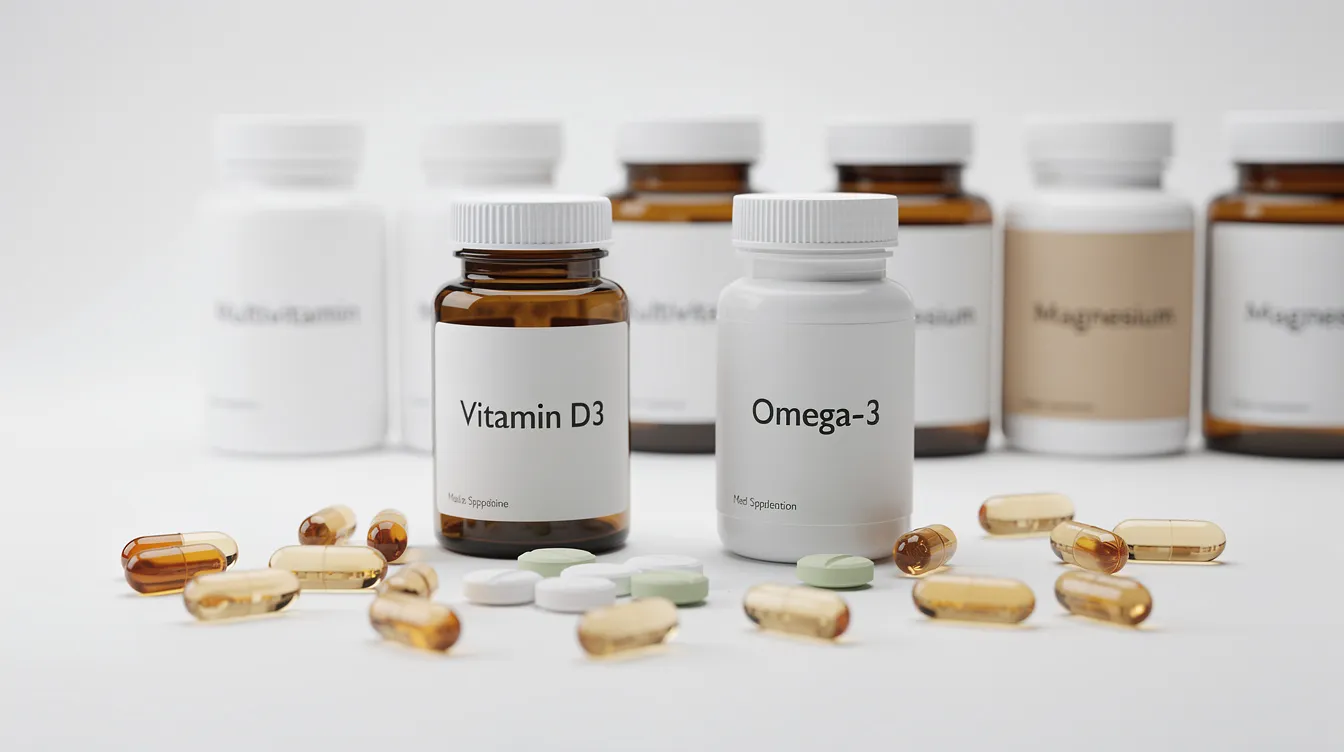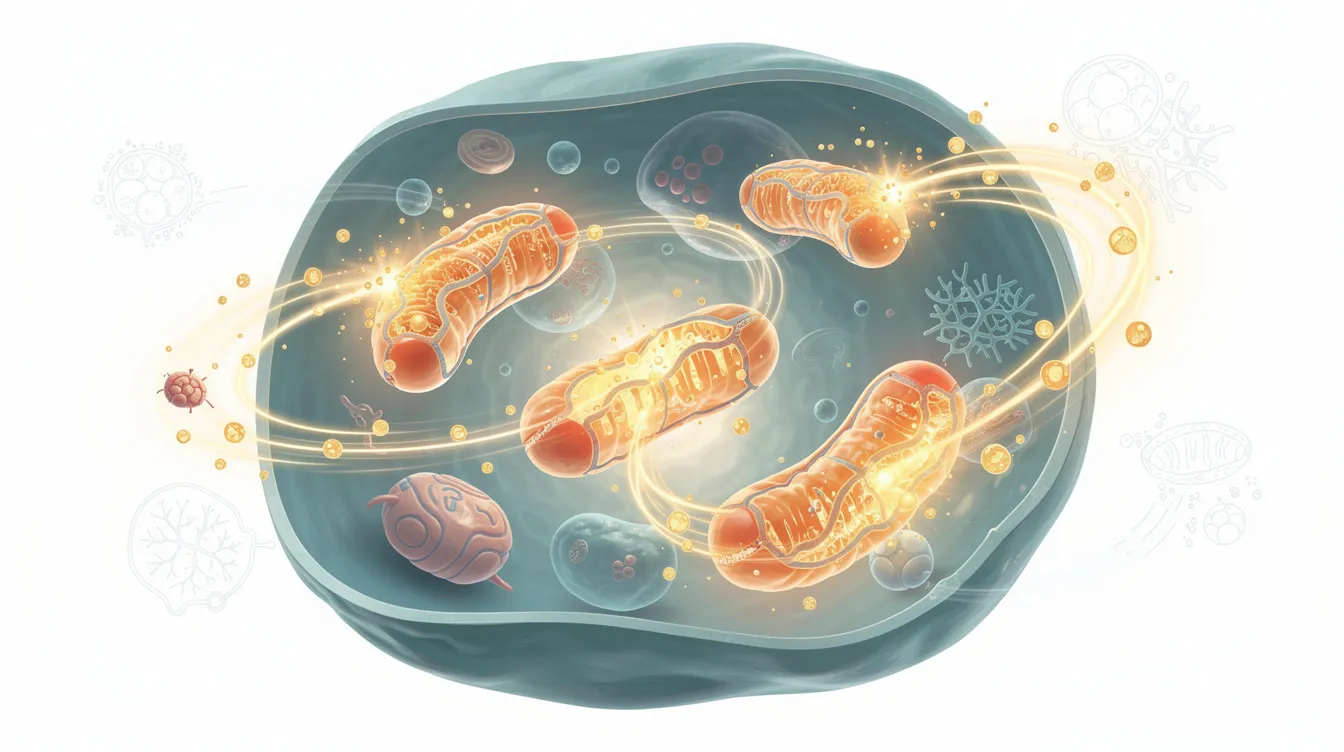
If you’ve been researching ways to boost your energy levels or support healthy aging, you’ve likely come across NAD. This molecule—full name nad nicotinamide adenine dinucleotide—is an essential coenzyme found in every living cell in your body. It’s central to cellular energy production, DNA repair, and dozens of metabolic processes that keep you functioning at your best.
For a larger overview of how different precursor forms are positioned, read our guide to NAD supplements and their main use cases.
In 2026, new supplements promising to raise nad levels are everywhere. Nicotinamide riboside, NMN, and other forms of vitamin B3 are marketed for everything from fighting the afternoon slump to promoting longevity. But here’s the reality: while these compounds reliably boost NAD in blood and tissues, strong human evidence for dramatic health benefits remains limited.
This article breaks down which vitamins feed NAD, how they work in your body, what current research actually shows, and who might benefit from supplementation. Before you spend money on the latest formula, you’ll understand what’s backed by science and what’s still speculation.
Key takeaways before we dive in:
Diet comes first—most people can support NAD through food rich in vitamin B3 and related nutrients
Supplements like nicotinamide riboside nr and NMN can raise NAD levels, but evidence for major performance or longevity gains in humans is still emerging
Lifestyle factors—exercise, sleep, and calorie restriction—strongly influence NAD metabolism
Always consult a healthcare provider before starting NAD-boosting supplements, especially if you have existing health conditions
What Is NAD and Why Is It So Important?
NAD works like a cellular shuttle bus. It picks up electrons during energy metabolism and drops them off where they’re needed—primarily in your mitochondria, where food gets converted into ATP, your body’s energy currency. Without adequate NAD, this entire system slows down.
The molecule exists in two main forms: NAD+ (the oxidized form that accepts electrons) and NADH (the reduced form that carries them). A related pair, NADP and NADPH, handles similar duties but focuses more on biosynthetic reactions and countering oxidative stress. Together, these redox pairs keep cellular metabolism humming.
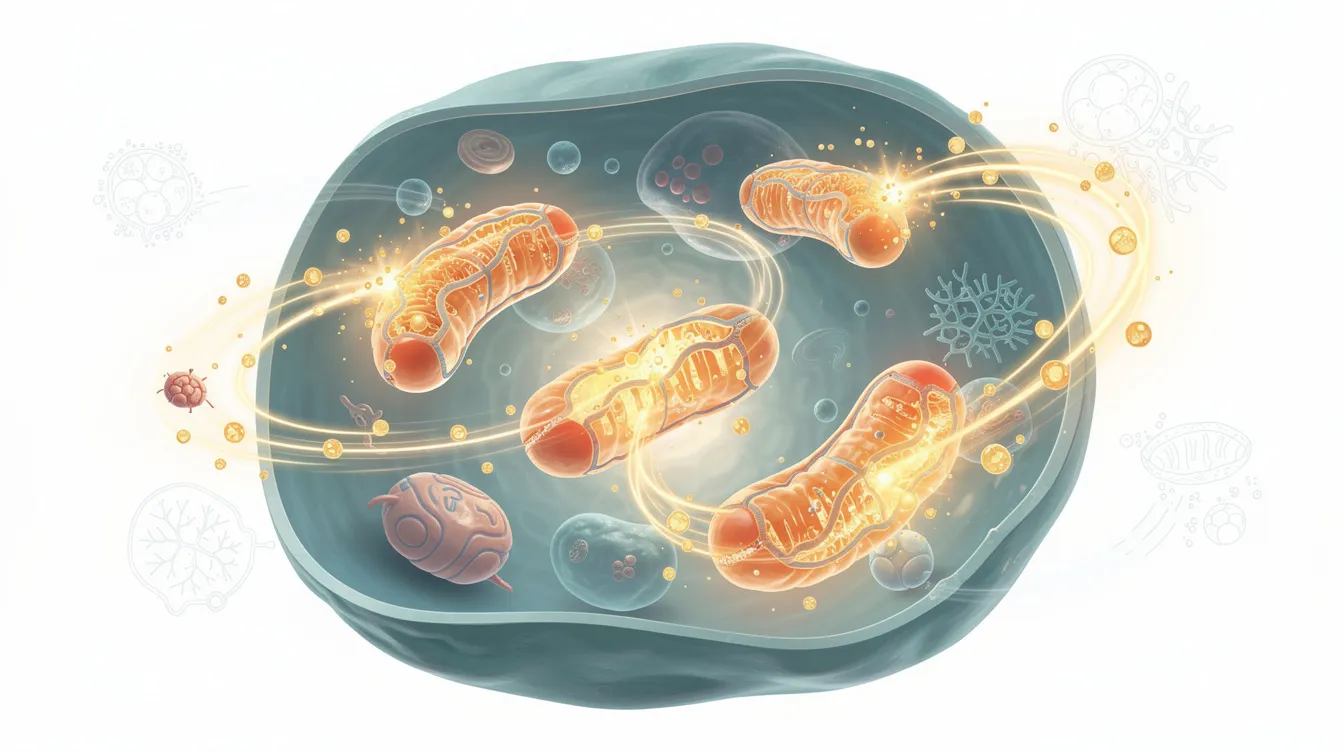
Why NAD matters across your body:
Cellular energy: NAD enables glycolysis, the tricarboxylic acid cycle, and beta-oxidation of fats—core processes that turn food into usable fuel
DNA repair: NAD activates enzymes called PARPs that patch damaged DNA, protecting against mutations and cellular dysfunction
Longevity signaling: NAD powers sirtuins, a family of proteins linked to stress resistance and healthy aging
Antioxidant defense: NADPH helps regenerate glutathione and other molecules that neutralize harmful reactive oxygen species
Here’s the challenge: NAD levels naturally decline with age. By around age 50, your NAD pool may drop by roughly 50% compared to younger years. This decline correlates with mitochondrial function issues, metabolic disorders like obesity, and increased inflammation. Conditions like metabolic disease and chronic stress can accelerate this drop further.
From Vitamin B3 to NAD: The Main Vitamin for NAD Production
When we talk about a vitamin for nad, we’re essentially talking about the vitamin B3 family. These compounds serve as direct precursors your body uses to manufacture NAD through several pathways.
Your body can synthesize NAD in three main ways. The de novo pathway starts from tryptophan (an amino acid), but it’s inefficient—requiring vitamin B6 and producing NAD at only about 1/60th the rate of B3 routes. The Preiss-Handler pathway converts nicotinic acid (classic niacin) into NAD through a two-step enzymatic process. The salvage pathway recycles nicotinamide from NAD breakdown and also processes NR and NMN directly into NAD.
NR and NMN have gained popularity because they enter the salvage pathway closer to NAD itself. This means they may raise NAD more efficiently and avoid the uncomfortable “niacin flush”—the skin flushing caused when high-dose nicotinic acid activates certain receptors.
Comparing the main vitamin B3 forms:
Nicotinic acid (niacin): The original vitamin B3; effective but causes flushing in about 70% of users at doses above 30mg; historically used to treat high cholesterol
Nicotinamide (niacinamide): Non-flushing form; supports NAD but may inhibit sirtuins at very high doses (above 1-2 grams daily)
Nicotinamide riboside (NR): Newer orally bioavailable form; enters salvage pathway efficiently; studied in humans since 2013 at doses of 100-500mg daily
Nicotinamide mononucleotide (NMN): One step closer to NAD than NR; typical supplement doses range 250-1000mg; regulatory status and human data still evolving
Dietary Sources of Vitamin B3 and Other Nutrients That Support NAD
Most adults in developed countries meet basic vitamin B3 needs through food. The RDA sits at 14-16mg niacin equivalents daily—a target easily reached with a balanced diet. However, heavy exercise, illness, or suboptimal eating patterns may increase demand beyond baseline.

Animal sources (approximate niacin per 100g):
Chicken breast: 12mg
Tuna: 10-22mg
Salmon: 8-10mg
Turkey: 10mg
Beef liver: 15-17mg
Plant sources:
Peanuts: 12mg per 100g
Brown rice: 4mg per 100g
Mushrooms: 4-7mg per 100g
Fortified foods:
Many breakfast cereals deliver 20% of the RDA per serving
Enriched breads and pastas contribute meaningful amounts
Tryptophan-rich foods—eggs, dairy, soy, and seeds—also support NAD indirectly through de novo synthesis, though this pathway contributes less than 15% of total NAD in well-nourished individuals.
Other nutrients matter too. Riboflavin (B2), vitamin B6, folate, and magnesium all support enzymes involved in NAD synthesis and energy metabolism. A deficiency in any of these can limit your body’s ability to maintain healthy NAD pools.
Vitamin B3, NAD, and Exercise Performance
During exercise, your muscles demand more NAD. As you burn glucose and fat for fuel, NADH/NAD+ ratios shift rapidly, and mitochondrial workload increases. This is where interest in NAD-boosting supplements for exercise performance originates.
Animal studies from 2011 onward paint an encouraging picture. Mice given NR or NMN showed extended treadmill endurance (50-100% improvements in some metrics), enhanced mitochondrial biogenesis, and better fat utilization. These findings in mice generated significant excitement about potential applications for humans.
Human evidence tells a more nuanced story. Small trials since 2016 confirm that NR supplementation can safely raise NAD+ in blood and skeletal muscle. A 2019 study giving runners 300mg NR twice daily for six weeks elevated muscle NAD+ by about 20%, but VO2max gains were modest (3-5%), and strength improvements were negligible in young, fit athletes.
What the research shows:
Findings in animals: Robust improvements in endurance, mitochondrial function, and metabolic markers at tissue level
Findings in humans: NAD+ levels rise reliably; performance benefits are smaller and inconsistent, especially in young healthy individuals
Practical implications: Older adults or those with lower baseline fitness appear to derive more benefit; fit young athletes may see minimal ergogenic effects
The pattern suggests NAD supplementation may help most where decline is greatest—in older adults experiencing age-related NAD depletion rather than in already-optimized young athletes.
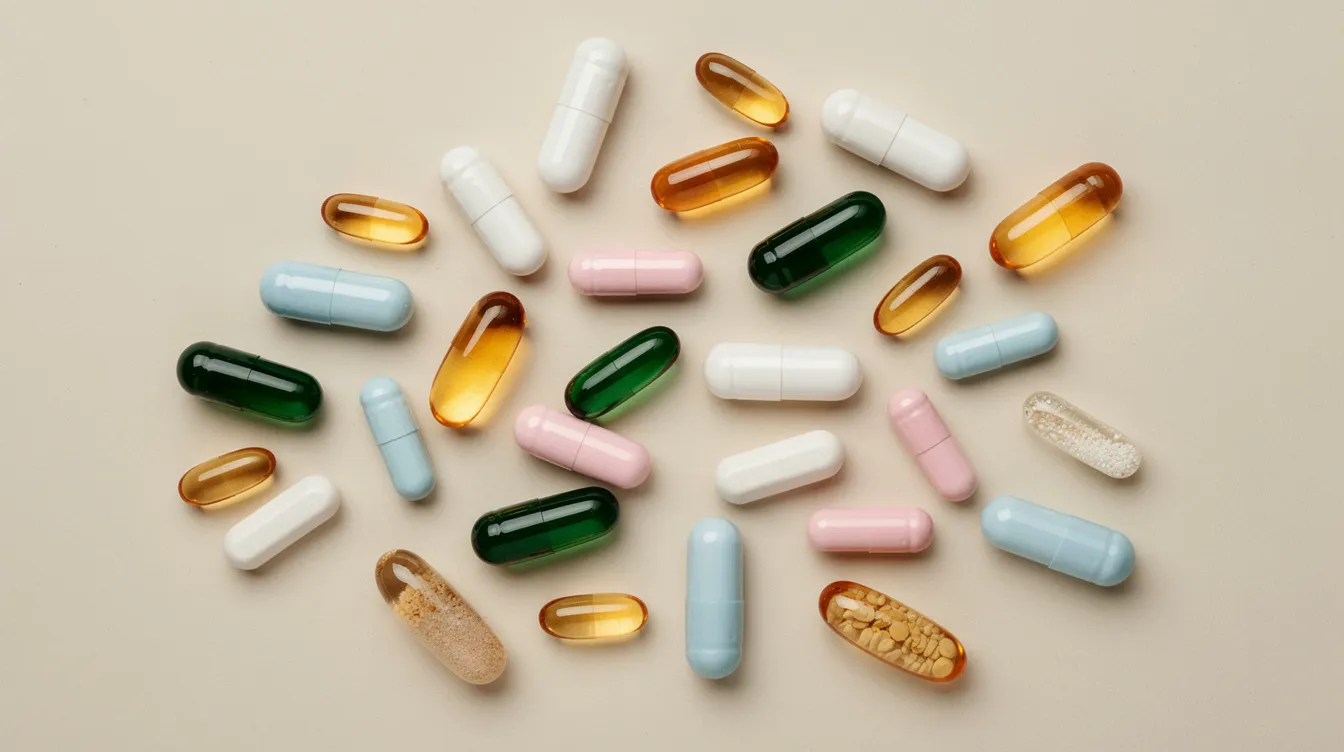
Types of NAD-Boosting Supplements: Niacin, NR, NMN, and Direct NAD+
Understanding your options helps you make informed decisions about which dietary supplement might suit your needs.
Niacin (Nicotinic Acid)
What it is: The classic vitamin B3, used since the 1930s to prevent pellagra
How it supports NAD: Converts through Preiss-Handler pathway
Typical doses: 50-500mg for NAD support; higher doses historically used for cholesterol
Pros/cons: Effective and inexpensive; causes flushing in most users above 30mg; possible liver and glucose effects at high doses
Nicotinamide (Niacinamide)
What it is: Non-flushing form of vitamin B3
How it supports NAD: Enters salvage pathway directly
Typical doses: 500-3000mg in supplements
Pros/cons: No flush; at very high doses may inhibit sirtuins and PARPs, potentially limiting some NAD benefits
Nicotinamide Riboside (NR)
What it is: Patented form (e.g., nicotinamide riboside chloride branded as Niagen) studied since 2013
How it supports NAD: Phosphorylated to NMN, then converted to NAD
Typical doses: 100-500mg daily; trials up to 2000mg showed safety
Pros/cons: GRAS-affirmed; mild GI upset in under 10% of users; raises blood NAD+ 40-60% in trials
Nicotinamide Mononucleotide (NMN)
What it is: NAD precursor one step closer than NR; surged in popularity post-2016
How it supports NAD: Converts directly to NAD via NMNAT enzymes
Typical doses: 250-1000mg daily
Pros/cons: Similar efficacy to NR in raising NAD; bioavailability improved in liposomal forms; regulatory status has fluctuated
Direct NAD+ Supplements
What they are: Oral NAD+ products marketed since the 2010s
Reality check: NAD+ largely breaks down in the gut to NAM and ribosides before absorption, making it functionally similar to other precursors rather than superior
Safety, Side Effects, and Who Should Be Careful
NAD-boosting supplements are generally well-tolerated, but side effects and interactions exist.
Classic niacin causes flushing and itching in most users at higher doses—a prostaglandin-mediated response that dilates skin blood vessels. NR and NMN typically cause only mild digestive upset in a small percentage of users. Some people report sweating or skin issues at higher doses.
NR supplements have been reported as “possibly safe” at doses up to about 300mg daily based on short term human trials. Pregnancy and breastfeeding data remain limited, so medical supervision is essential for these groups.
Summary of considerations:
Common side effects: Flushing (niacin), mild nausea or GI upset (NR/NMN), occasional skin reactions
Drug interactions of concern: Blood pressure medications (NAD precursors may lower BP by 5-10mmHg), diabetes drugs (possible glucose effects), liver-metabolized medications
When to talk to a clinician before use: If you have high blood pressure or take antihypertensives, liver disease, gout, uncontrolled diabetes, or if you’re on multiple prescriptions
These supplements are not FDA-approved to treat, cure, or prevent any disease. Claims about reversing Alzheimer’s, cardiovascular disease, or obesity are not supported by current evidence. Individual results vary, and customers should approach marketing claims critically.
How to Choose a Vitamin for NAD Supplement (If You Decide to Use One)
If you’ve decided nr supplementation or another NAD precursor fits your wellness goals, here’s a practical checklist:
Label checks:
Identify the exact form: nicotinamide riboside chloride, NMN, niacin, or nicotinamide
Note the dose per serving and servings per container
Check for additional active ingredients (resveratrol, quercetin, pterostilbene)
Look for non gmo and gluten free certifications if relevant to your needs
Quality verification:
Seek third-party testing from NSF, USP, Informed Choice, or independent lab reports
Verify purity, potency, and absence of heavy metals or contaminants
Be wary of products making disease treatment claims
Value assessment:
Calculate cost per day or per 100mg of active ingredient
Compare similar products without promoting specific brands
Consider that more expensive doesn’t always mean better
Practical use tips:
Start at the lower end of typical doses
Take with food if you experience digestive sensitivity
Monitor for changes in sleep, digestion, or blood pressure
Track your well being over 4-8 weeks before adjusting
Practical Lifestyle Strategies to Support Your Natural NAD Levels
Beyond any vitamin for nad supplement, lifestyle powerfully influences NAD metabolism and mitochondrial function.

Your body upregulates NAD synthesis in response to metabolic demands. This means lifestyle interventions can meaningfully support cellular wellness without pills.
Evidence-informed habits to support NAD:
Regular exercise: Both aerobic and resistance training boost NAD synthesis by 20-40% via AMPK activation; HIIT appears particularly effective
Maintain healthy body weight: Obesity correlates with accelerated NAD decline and metabolic dysfunction
Moderate alcohol intake: Excess alcohol consumes NAD as your body processes acetaldehyde
Prioritize sleep: Circadian rhythm alignment preserves NAMPT enzyme peaks that drive NAD synthesis
Consider time-restricted eating: Mild intermittent fasting may upregulate sirtuin activity through NAD-dependent mechanisms (personalize with medical guidance)
Eat whole foods: A diet rich in B vitamins, quality protein, and antioxidants provides the raw materials for NAD production
Focus on these foundations first. For most people pursuing a healthy lifestyle, diet and exercise deliver the majority of NAD-related health benefits. Supplements serve as adjuncts, not replacements.
Conclusion: Where the Science on Vitamins for NAD Stands Today
Vitamin B3 and its related compounds—niacin, nicotinamide, nicotinamide riboside, and nicotinamide mononucleotide—are the core vitamins for NAD. They’re essential for energy production at the cellular level, supporting everything from mitochondrial function to cognitive health and cognitive function.
The supplement landscape offers genuine options for raising NAD levels. NR supplements and NMN products reliably boost NAD in blood and sometimes tissues. However, translating elevated NAD into measurable improvements in exercise performance, anti aging outcomes, or disease prevention requires more studies and longer trials.
For now, the smart approach is food first, lifestyle first. Prioritize B vitamin-rich foods, regular physical activity, adequate sleep, and moderate calorie intake. If you’re an older adult, experiencing general fatigue, or have specific concerns about cellular health, discuss NAD-boosting supplements with your healthcare provider.
Key take-home messages:
Vitamin B3 forms are the primary dietary support for NAD, an essential coenzyme in every cell
NR and NMN supplements raise NAD levels effectively, but evidence for major health transformations in humans is still limited
Lifestyle interventions—exercise, sleep, diet quality—remain the foundation for supporting NAD and overall well being
Work with a healthcare professional before adding NAD supplements, especially if you have existing conditions or take medications
The field is moving fast. Stay informed, stay skeptical of miracle claims, and remember that cellular energy starts with the basics you control every day.