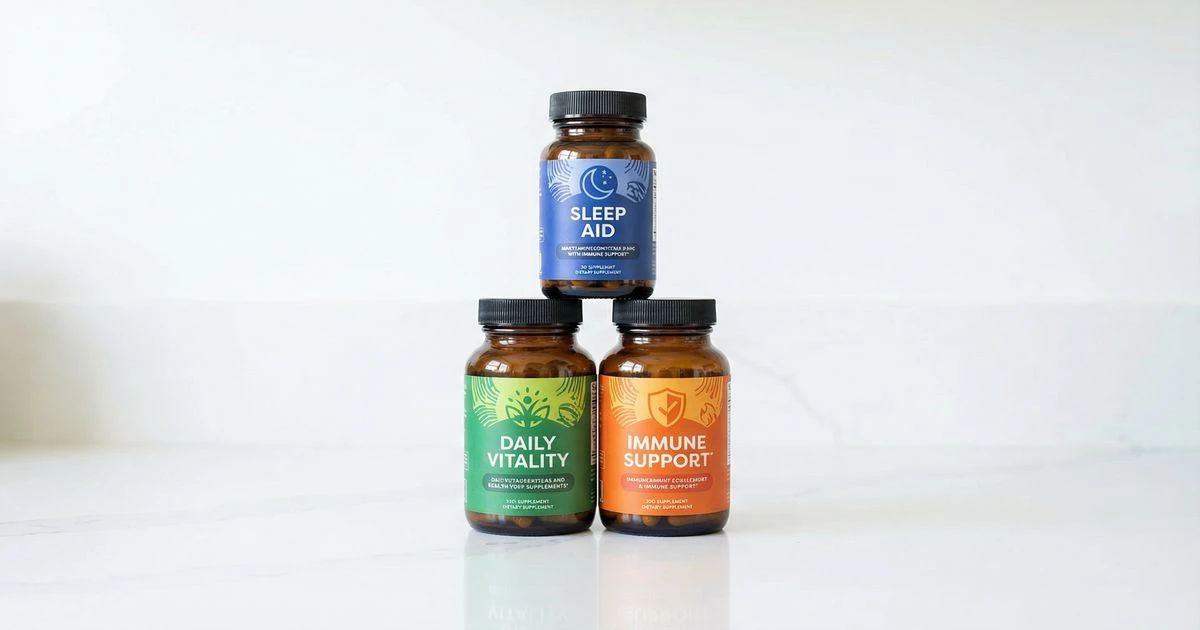

As of 2024-2025, few topics generate more buzz in longevity science than the strategic combination of three compounds: NMN, TMG, and spermidine. These molecules have emerged from research labs and into mainstream conversation, attracting attention from longevity enthusiasts, researchers, and anyone curious about healthy aging.
Nmn nicotinamide mononucleotide is a key longevity supplement, acting as a precursor to NAD+ and supporting DNA repair, mitochondrial health, and energy metabolism. Trimethylglycine (TMG) serves as a methyl donor, supporting the body’s methylation processes. Spermidine, a naturally occurring compound found in foods like wheat germ, cheese, and mushrooms, activates autophagy—your cells’ internal cleanup system. Spermidine is notable for mimicking the anti-aging benefits of calorie restriction. Due to its role in promoting cellular health, spermidine is included in various anti-aging supplement protocols.
Many anti-aging supplements, including those containing NMN and spermidine, are designed to support cellular health and longevity. Notably, Dr. David Sinclair includes NMN, TMG, and spermidine in his personal supplement regimen for longevity.
This article explores the science-backed mechanisms behind each compound, examines human and animal studies, and discusses how people think about stacking these three for cellular health support. Everything here is educational, not medical advice. Anyone considering supplementation should speak with a qualified healthcare professional before making changes to their routine.
The Biology of Aging: The Pathways This Stack Targets
Understanding why this longevity stack generates interest requires a brief look at what actually happens as we age at the cellular level. The landmark “Hallmarks of Aging” papers from 2013 and their 2023 updates identified key processes that drive the aging process—from genomic instability to mitochondrial dysfunction to loss of proteostasis.
Three pathways are particularly relevant to understanding how NMN, TMG, and spermidine might support healthy ageing:
NAD+ Decline and Cellular Energy
NAD+ (nicotinamide adenine dinucleotide) levels drop significantly with age—some research suggests over 50% decline by middle age
This cofactor is essential for energy metabolism, DNA repair, and activating sirtuins (proteins involved in cellular stress responses)
Lower NAD+ correlates with reduced mitochondrial function and increased vulnerability to age related diseases
Methylation Balance and Epigenetic Regulation
Methylation reactions regulate gene expression and are central to what researchers call “biological age” clocks
The body requires adequate methyl groups to maintain proper epigenetic patterns
Disrupted methylation is associated with accelerated aging markers and altered cellular function
Autophagy and Cellular Housekeeping
Autophagy is the process by which cells recycle damaged proteins, damaged cells, and dysfunctional organelles
This cleanup system becomes less efficient in older adults
Impaired autophagy contributes to accumulation of cellular debris and senescent cells
Much of this framework comes from peer-reviewed work by researchers like Carlos López-Otín and harvard professor David Sinclair, among others, without implying their endorsement of any specific supplement approach.
The conceptual appeal of stacking NMN, TMG, and spermidine lies in addressing these three pathways simultaneously—supporting cellular energy production, maintaining methylation capacity, and enhancing cellular cleanup mechanisms.
NMN: Supporting NAD+ and Cellular Energy
Nicotinamide mononucleotide NMN sits at the heart of this longevity stack. As a direct precursor in the NAD+ salvage pathway, NMN bypasses several enzymatic steps that other precursors like niacin require, making it potentially more efficient at raising NAD+ levels.
How NMN Works
NMN is converted to NAD+ through a single enzymatic step via nicotinamide mononucleotide adenylyltransferase. Once NAD+ levels rise, several downstream benefits may occur:
Enhanced sirtuin activity (SIRT1-7), proteins involved in DNA repair and stress responses
Improved mitochondrial health and cellular energy production
Support for PARP enzymes that repair DNA damage
Better overall metabolic function
What Human Research Shows
Recent research from 2020-2023 includes several randomized controlled trials examining NMN supplementation in middle-aged and older adults:
| Study Focus | Key Findings | Limitations |
|---|---|---|
| Insulin sensitivity | Improvements in some metabolic markers | Small sample sizes |
| Physical performance | Enhanced endurance measures in some participants | Short study duration |
| Fatigue scores | Subjective improvements reported | Limited long-term data |
| It’s important to note that some trials have shown mixed or modest results. Long-term safety and actual longevity benefits in humans remain unestablished—most compelling data comes from animal studies where NMN supplementation restored NAD+ to more youthful levels and improved vascular function in aged mice. |
Practical Considerations
Dosing patterns observed in research:
Clinical trials typically use 250-600 mg/day
Some longevity enthusiasts, including harvard scientist Dr David Sinclair, have publicly mentioned taking approximately 1g daily
Starting with a low dose and gradually increasing is commonly recommended
Forms and timing:
Available as capsules (often with vegetable cellulose or microcrystalline cellulose as capsule shell materials) and sublingual powders
Many users take NMN in the morning due to potential energizing effects
Some prefer taking it on an empty stomach, though this isn’t scientifically established as necessary
Most research supporting NAD+ increase is based on standard capsules; other mechanisms such as enteric coating or liposomal formulations are less studied and may affect dosage reliability and safety
Safety and regulatory context:
Short-term studies generally report good tolerability
Common mild side effects may include digestive upset
Regulatory status varies by country—NMN is pending novel food status in the EU while available in other regions
Other ingredients in supplements may include rice flour or similar fillers
Always check current local regulations before purchasing or importing NMN, as rules continue to evolve.
TMG: Methylation Support and Homocysteine Balance
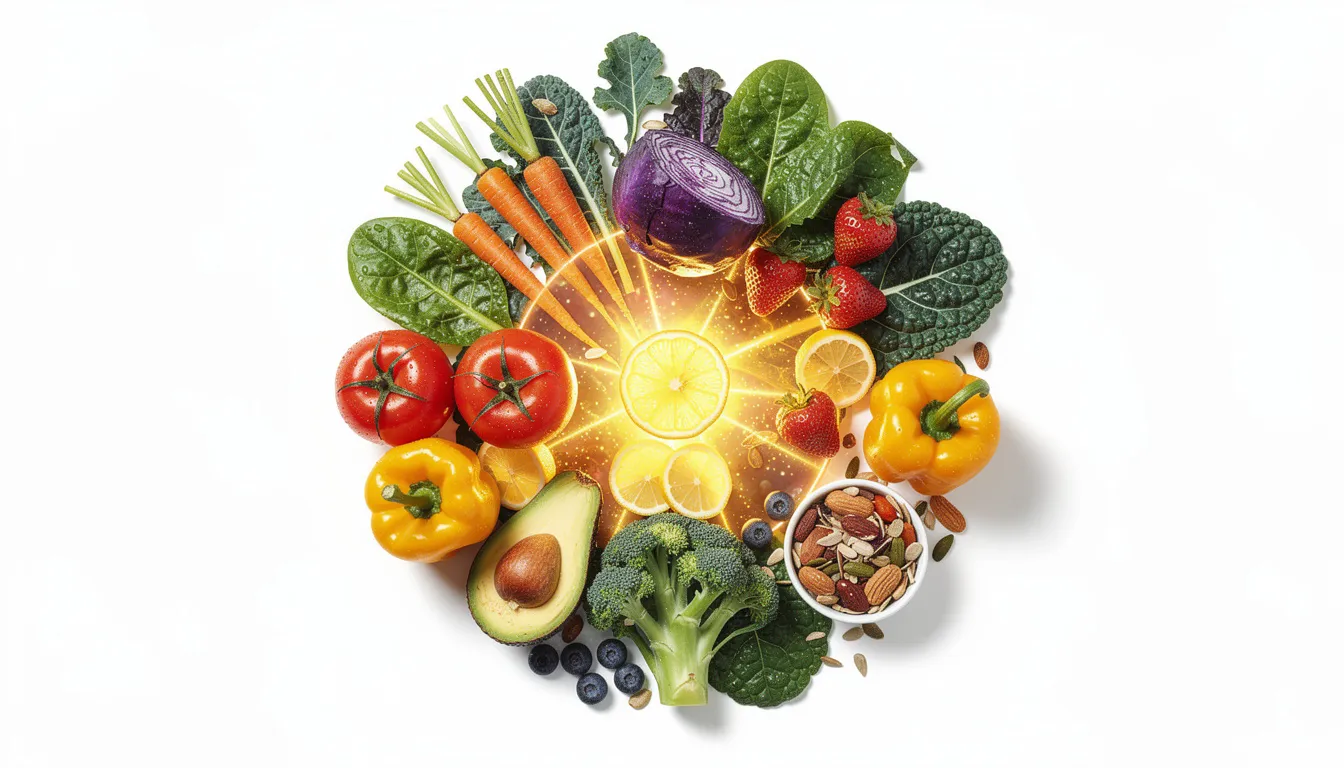
Trimethylglycine TMG, also known as betaine, is a naturally occurring compound found in foods like beets, spinach, and whole grains. As an amino acid derivative, it serves a crucial function in the body: donating methyl groups in the homocysteine-to-methionine conversion pathway.
Why TMG Matters in an NMN Stack
Here’s where the synergy becomes interesting. When you increase NAD+ precursor intake through NMN supplementation, your body produces more nicotinamide as a byproduct. This nicotinamide gets methylated for excretion via an enzyme called NNMT (nicotinamide N-methyltransferase).
This creates what some researchers call a “methyl sink”:
Excess nicotinamide from NMN metabolism requires methylation for clearance
This process consumes SAMe (S-adenosylmethionine), your body’s primary methyl donor
Depleted SAMe can disrupt homocysteine metabolism and other methylation-dependent processes
TMG helps replenish methyl groups, potentially compensating for increased demand
Some researchers and practitioners recommend pairing NMN with TMG at ratios like 500mg TMG to 700-1000mg NMN to maintain methylation balance. David Sinclair’s publicly discussed protocols from 2024-2025 include TMG alongside NMN at approximately 1g daily each.
Research on TMG
Human studies on TMG show:
Effective reduction of homocysteine levels in certain populations (elevated homocysteine is a cardiovascular risk marker)
Support for liver function and lipid metabolism
Potential benefits for exercise performance through osmotic regulation
However, TMG’s direct impact on longevity in humans is not established. The rationale for including it in a longevity stack is primarily based on mechanistic understanding and the need to support methylation when using NAD+ precursors.
Practical Guidance
Common supplemental ranges:
500-2,000 mg/day appears in literature and practice
Some formulations provide 500mg TMG alongside NMN in pre-made stacks
Safety considerations:
Generally well tolerated in healthy individuals
May not be appropriate for people with specific kidney issues
Those on certain medications should discuss with a clinician
Periodic lab monitoring (homocysteine, B12, folate) can help track methylation status
Spermidine: Autophagy and Cellular Housekeeping
Spermidine is a naturally occurring polyamine found throughout nature—in foods like wheat germ, aged cheese, soybeans, legumes, and fermented products. It’s also produced in human cells and plays essential roles in cellular function.
The Autophagy Connection
Spermidine’s primary claim to fame in longevity science is its ability to induce autophagy. In accessible terms, autophagy is your cells’ internal recycling system:
Damaged proteins and organelles get tagged for removal
These components are sequestered into structures called autophagosomes
The contents are broken down and recycled into building blocks for new cellular components
This “housekeeping” process helps maintain cellular health and reduce oxidative stress
Spermidine triggers autophagy through several mechanisms:
Upregulation of autophagy-related genes (Atg7, Atg15, Atg11)
Epigenetic changes including histone deacetylation
Modulation of AMPK signaling pathways
Reduced activity of mTOR, a nutrient-sensing pathway that inhibits autophagy when active
Evidence from Animal and Human Research
Animal studies show compelling results:
Lifespan extension of 15-30% in yeast, flies, and worms
Improved healthspan markers in mice
Protection of cardiac tissue from age-related decline
Enhanced mitochondrial membrane potential and DNA protection
Other animal studies demonstrate the effects of various longevity compounds, such as ginseng and rapamycin, on health, aging, and disease processes, highlighting the importance of preclinical research in understanding therapeutic effects. Spermidine has been shown to promote cardiovascular health and enhance immunity against cancer in animal studies. Additionally, spermidine has been linked to cardiovascular health benefits and may help counteract brain inflammation.
Human epidemiological data: A notable 20-year European cohort study following over 800 participants aged 45-84 found that higher dietary spermidine intake correlated with approximately 5.7 years longer lifespan and reduced all-cause mortality risk. Centenarians notably maintain spermidine levels similar to younger individuals, unlike typical age-related declines.
Association does not equal causation—these observational findings are promising but don’t prove supplementation extends life.
Emerging clinical trials: Small human trials have explored spermidine-rich extracts for cognitive function and cardiovascular markers. Results are preliminary, with modest sample sizes, but suggest potential benefits worth further investigation.
Practical Aspects
Supplementation:
Commercial products typically contain 1-15mg spermidine per serving size
Higher purity forms (≥99%) are available, often as spermidine trihydrochloride for improved bioavailability
Taking with food may improve tolerability
Dietary sources to consider:
Wheat germ (highest known food source)
Aged cheese
Soybeans and soy products
Legumes and mushrooms
Fermented foods
Safety profile:
Short-term studies and traditional dietary intake suggest good tolerability
High dose, long-term human data remain sparse
Individuals with cancer history or active malignancy should exercise extra caution due to theoretical interactions with cell growth pathways
Consulting an oncologist or specialist is advised for those with relevant medical conditions

Brain Aging and Longevity
Brain aging is one of the most significant challenges in the pursuit of healthy aging and longevity. As we grow older, our brain cells experience gradual changes that can impact cognitive function, memory, and overall quality of life. This decline is closely linked to reduced cellular energy production, increased oxidative stress, and diminished mitochondrial function—all hallmarks of the aging process at the cellular level.
A robust anti aging regimen that supports brain health often includes targeted anti aging supplements. Nicotinamide mononucleotide (NMN), an amino acid derivative, has gained attention among longevity enthusiasts and researchers for its ability to boost cellular energy and support cognitive function. NMN supplementation helps replenish nicotinamide adenine dinucleotide (NAD+) levels, a molecule essential for energy metabolism, DNA repair, and the activation of sirtuins—proteins that regulate cellular function and promote longevity benefits. By supporting NAD+ and mitochondrial health, NMN may help reduce oxidative stress and protect brain cells from age-related decline.
Resveratrol, a naturally occurring compound found in grapes and berries, is another supplement frequently included in anti aging protocols. Research suggests that resveratrol can reduce inflammation, promote the removal of damaged cells, and improve blood flow to the brain, all of which contribute to maintaining cognitive function and supporting healthy aging. Its ability to activate sirtuins further enhances its reputation as a longevity supplement.
Vitamin D is also crucial for overall health, playing a vital role in bone health, skin health, immune function, and even cognitive performance. As we age, vitamin D levels often decrease, increasing the risk of age related diseases such as osteoporosis and certain cancers. Leading longevity scientists, including Harvard scientist Dr. David Sinclair, have highlighted the importance of maintaining optimal vitamin D levels as part of a comprehensive anti aging regimen.
Other supplements, such as hyaluronic acid, alpha lipoic acid, and CoQ10, offer additional support for brain and cellular health. Hyaluronic acid is known for its benefits to skin health and its ability to reduce inflammation, while alpha lipoic acid acts as a powerful antioxidant, helping to reduce oxidative stress and support mitochondrial health. CoQ10, another naturally occurring compound, is essential for cellular energy production and has been shown to support both mitochondrial function and cognitive health.
Mitochondrial health is particularly important for the brain, as neurons are highly energy-dependent. As mitochondrial function declines with age, so does the brain’s ability to maintain optimal cellular energy and metabolism. By supporting NAD+ levels with NMN, enhancing mitochondrial support with CoQ10 and alpha lipoic acid, and reducing oxidative stress with resveratrol, individuals can help protect their brain cells and promote healthy aging at the cellular level.
In summary, supporting brain aging requires a multifaceted approach that addresses cellular energy, oxidative stress, and mitochondrial function. Incorporating supplements like NMN, resveratrol, vitamin D, hyaluronic acid, alpha lipoic acid, and CoQ10 into an anti aging regimen may offer longevity benefits, help maintain cognitive function, and reduce the risk of age related diseases. As always, it is essential to consult with a healthcare professional before starting any new supplement, especially if you have a medical condition or are taking other medications. By combining these targeted interventions with healthy lifestyle choices, you can help support your brain and overall health as you age.
Musculoskeletal Aging and Longevity
Musculoskeletal aging is a key aspect of the aging process, marked by the gradual loss of muscle mass, strength, and bone density. As we age, these changes can increase the risk of osteoporosis, fractures, and mobility challenges, ultimately impacting overall health and independence. Supporting musculoskeletal health is therefore a crucial component of any comprehensive anti aging regimen.
Longevity supplements play a significant role in maintaining musculoskeletal vitality. Vitamin D is essential for bone health, aiding in calcium absorption and helping to prevent age related diseases like osteoporosis. Adequate vitamin D levels are also linked to improved muscle function and reduced risk of falls in older adults. Alongside vitamin D, calcium remains a foundational nutrient for strong bones, while amino acid derivatives such as L-arginine and L-glutamine support muscle repair and cellular energy production.
Other supplements, including hyaluronic acid and glucosamine, are valued for their ability to support joint health and reduce inflammation. Hyaluronic acid, a naturally occurring compound in the body, helps maintain joint lubrication and skin health, while glucosamine is often used to promote cartilage resilience and comfort during movement.
The benefits of these nutrients and compounds extend to the cellular level. By enhancing cellular energy production and helping to reduce oxidative stress, they support the body’s ability to repair damaged cells and maintain healthy tissue. This is especially important as mitochondrial function declines with age, affecting both muscle and bone health.
Recent research and clinical trials continue to explore how these and other longevity supplements can be integrated into a holistic approach to healthy ageing. As always, it’s important to consult with a healthcare professional before starting any new supplement, especially if you have a medical condition or are taking other medications. By combining targeted supplementation with regular exercise and a nutrient-rich diet, you can help preserve musculoskeletal health and enjoy the longevity benefits of an active, independent lifestyle.
Why Stack NMN, TMG, and Spermidine Together?
The rationale for combining these three compounds centers on targeting complementary cellular mechanisms rather than seeking a single “silver bullet” solution. Each addresses different hallmarks of aging:
NMN targets:
NAD+-dependent cellular energy production
Sirtuin activation for DNA repair
Mitochondrial support and function
Overall energy metabolism
TMG supports:
Methylation capacity that may be increasingly taxed by NAD+ precursor turnover
Homocysteine regulation
Epigenetic maintenance through methyl group availability
Spermidine enables:
Cellular cleanup via autophagy activation
Removal of damaged proteins and organelles
Reduced accumulation of cellular debris
Potential protection against oxidative damage
The Synergy Concept and Longevity Benefits
When these compounds create their effects simultaneously, the theoretical benefits compound:
NMN raises NAD+ for energy and repair
TMG provides methyl groups to handle increased nicotinamide clearance
Spermidine activates autophagy to recycle cellular components more efficiently
This creates what some describe as a “cellular maintenance triangle” addressing energy, methylation, and cleanup.
Important Caveats
Robust, long-term human data on this exact three-supplement combination are currently lacking. Most insights are extrapolated from:
Separate studies on individual compounds
Mechanistic understanding of how pathways interact
Observational protocols from researchers and longevity enthusiasts
Some expert protocols, including those discussed publicly by researchers like David Sinclair, inform how enthusiasts build such stacks. Products on the market now offer combined formulations—for example, 700mg NMN with 500mg TMG and 15mg spermidine—reflecting market trends toward integrated approaches.
However, these remain experimental for individuals and are not standardized medical treatments. Other supplements sometimes included in comprehensive longevity protocols include resveratrol, alpha lipoic acid, reduced glutathione, hyaluronic acid for skin health, vitamin D for bone health and overall health, and low dose aspirin (under medical supervision).
From a risk-management perspective, stacking should start low and slow, adjusting one compound at a time, and be coordinated with a clinician aware of all medications and supplements.
Alternatives to Traditional Supplements
While anti aging supplements like NMN, TMG, and spermidine are popular among longevity enthusiasts, there are also effective alternatives to traditional supplementation that can support cellular health and healthy aging. Dietary changes are a powerful way to enhance cellular energy production and reduce oxidative stress. Increasing your intake of fruits, vegetables, and whole grains provides a wealth of vitamins, minerals, and naturally occurring compounds that nourish the body at the cellular level.
Lifestyle modifications are equally important in any anti aging regimen. Regular exercise, including both resistance training and cardiovascular activity, has been shown in animal studies and human research to improve mitochondrial function, support bone health, and promote overall health. Prioritizing quality sleep and managing stress are also critical, as both influence cellular function, cognitive function, and the body’s ability to repair DNA and damaged cells.
For those seeking natural alternatives, herbal remedies and plant-based products may offer additional longevity benefits. Compounds like resveratrol, found in grapes and berries, and alpha lipoic acid, a potent antioxidant, are examples of naturally occurring substances that support mitochondrial health and help reduce oxidative stress. However, it’s essential to approach these alternatives with the same caution as traditional supplements—consulting with a healthcare professional to ensure safety, especially if you have a medical condition or are taking other medications.
Ultimately, the most effective longevity stack is one that combines evidence-based supplements, a nutrient-dense diet, regular physical activity, and healthy lifestyle habits. By focusing on cellular health and supporting the body’s natural processes, you can optimize your anti aging regimen and enjoy the longevity benefits of a vibrant, healthy life.
Designing a Thoughtful NMN–TMG–Spermidine Routine
Creating an effective anti aging regimen with these three compounds requires personalization. Your age, current health status, medications, genetics, and lifestyle all influence whether and how you might use this longevity supplement trio.
Design Principles Over Prescriptive Protocols
Rather than following a rigid protocol, consider these principles:
Start with one compound:
Many begin with NMN as the foundational element
Track subjective markers (energy, sleep quality, cognitive function) for 2-4 weeks
If possible, obtain baseline labs before starting
Add TMG as methylation support:
After establishing NMN tolerance, consider adding TMG
Discuss appropriate dosing with a healthcare practitioner
Monitor for any changes in how you feel
Introduce spermidine last:
Once baseline tolerance is clear, spermidine can be added
Watch for digestive or other changes
Continue tracking subjective and objective markers
Timing and Sequencing Options
| Compound | Common Timing | Notes |
|---|---|---|
| NMN | Morning | Potential energizing effects; some take on empty stomach |
| TMG | Morning or mid-day | Often paired with NMN for convenience |
| Spermidine | With food | May improve tolerability; timing less established |
| Specific “optimal” timing rules aren’t scientifically established—individual experimentation within safe parameters is common practice. |
Record-Keeping Recommendations
Maintaining a simple log helps distinguish real effects from placebo or other variables:
Daily tracking: Energy levels, sleep quality, perceived recovery, cognitive clarity
Weekly review: Overall trends, any new symptoms or changes
Periodic labs: Discuss with clinician—may include homocysteine, B12, folate, kidney/liver panels, inflammatory markers
Integration with Lifestyle Interventions
Supplements should complement, not replace, foundational health practices. Evidence strongly supports:
Exercise: Resistance training and VO2-max-style cardiovascular training have robust data for healthspan
Nutrition: Mediterranean-style diets rich in vegetables, healthy fats, and moderate protein
Sleep: Quality sleep is essential for cellular repair and autophagy
Stress management: Chronic stress accelerates biological aging markers
Social connection: Strong relationships correlate with longevity in population studies
These lifestyle factors have stronger evidence for healthspan benefits than any supplement alone. Novos Core and similar comprehensive approaches often emphasize lifestyle alongside supplementation.

Evidence, Uncertainties, and Safety Considerations
Longevity research moves quickly, and enthusiasm must be tempered with awareness of what we don’t yet know. Many compelling findings currently stem from animal models and short-term human trials rather than definitive human longevity data.
Strengths of Current Evidence
The scientific foundation includes:
Multiple independent labs across the U.S., Europe, and Asia have demonstrated longevity benefits of NAD+ precursors and spermidine in model organisms
Human pilot trials show promising changes in specific biomarkers (insulin sensitivity, vascular function, fatigue scores)
Mechanistic understanding of how these pathways interact is well-established
Safety profiles in short-term studies appear favorable for healthy adults
Clear Limitations
Few large, multi-year randomized controlled trials focused on actual lifespan or healthspan endpoints in humans
Most human studies involve older adults over limited periods (weeks to months)
Potential publication bias—positive results may be more likely to be published
Commercial interests can influence perception of efficacy
Long-term safety of high dose supplementation remains unknown
Safety Questions for Professional Discussion
If you’re considering this stack, discuss these with a healthcare provider:
| Consideration | Why It Matters |
|---|---|
| Current medications | Potential interactions with diabetes drugs, blood pressure medications, anticoagulants |
| Cancer history | Autophagy modulation and cell growth pathways require specialist input |
| Pregnancy/breastfeeding | Insufficient safety data in these populations |
| Chronic disease | Kidney, liver, or other medical conditions may affect metabolism |
| Age | Adolescents and very elderly may have different risk profiles |
Finding Reliable Information
For those wanting primary data:
Peer-reviewed journals: Cell Metabolism, Nature Aging, The Journals of Gerontology Series A
Clinical trial registries: ClinicalTrials.gov tracks ongoing NMN, TMG, and spermidine studies
Researcher protocols: Peter Diamadis, David Sinclair, and other researchers sometimes share their approaches publicly, though these are personal experiments, not medical recommendations
The importance of involving a healthcare provider, ideally one familiar with integrative or longevity medicine, cannot be overstated before starting or stacking anti aging supplements.
Practical Tips for Getting Started (Without Overcomplicating It)
Sustainable progress beats chasing every new longevity trend. The goal is building habits that support healthy aging over decades, not optimizing every variable in the first month.
Foundation First
Before adding supplements:
Establish baseline health habits for at least several weeks
Exercise regularly—aim for both strength and cardiovascular work
Prioritize sleep—7-9 hours for most adults
Eat nutrient-dense whole foods—vegetables, quality proteins, healthy fats
Manage stress—whatever practices work for you
If Considering Supplements
Budget and quality:
Look for third-party testing and quality certifications
Simple formulations that clearly state NMN, TMG, and spermidine content
Be wary of products with excessive other ingredients or proprietary blends
Phased approach:
Month 1: Lifestyle foundations + possibly one supplement after medical approval
Months 2-3: Careful introduction of additional components if appropriate
Ongoing: Adjust based on tolerance, lab feedback, and subjective experience
Evaluating Subjective Benefits
Placebo effects are real and powerful. To better assess actual benefits:
Changes may appear over weeks, not days
Improved lifestyle often contributes to feeling better
Keep expectations realistic—subtle improvements in recovery or cognitive clarity are reasonable goals
Track consistently to spot real patterns versus noise
The Bigger Picture
The ultimate goal isn’t immortality or reversing aging entirely. It’s about improving the odds of spending more years in good function and independence—what researchers call “healthspan” rather than just lifespan.
These three compounds—NMN, TMG, and spermidine—represent promising tools in the growing field of longevity science. The evidence is compelling enough to warrant attention, but still evolving enough to require caution.
Informed, cautious experimentation with professional support remains the most responsible path forward. The longevity benefits we’re all hoping for will come not from supplements alone, but from the combination of smart science, consistent lifestyle choices, and patience as research continues to unfold.

Key Takeaways:
NMN, TMG, and spermidine target different but complementary aging pathways: NAD+ metabolism, methylation, and autophagy
Current evidence includes promising animal studies and early human trials, but long-term human data are limited
Stacking these compounds should be approached gradually, one at a time, with healthcare provider guidance
Lifestyle factors—exercise, nutrition, sleep, stress management—have stronger evidence for healthspan than any supplement
The science is exciting but still evolving; stay informed and maintain realistic expectations
Introduction to Longevity
Longevity is more than just living a long life—it’s about maximizing the years spent in good health and vitality. As we age, our bodies undergo changes at the cellular level that can impact overall health and wellbeing. Cellular health is at the heart of healthy aging, influencing everything from energy levels to resilience against age related diseases.
A growing body of research suggests that a comprehensive anti aging regimen—one that combines a nutrient-rich diet, regular exercise, and targeted anti aging supplements—can help support cellular health and promote longevity benefits. Harvard scientist David Sinclair, a leading figure in longevity science, has popularized the use of supplements such as nicotinamide mononucleotide (NMN), resveratrol, and metformin as part of his personal anti aging regimen. These compounds are believed to help maintain healthy aging by supporting DNA repair, cellular energy production, and overall cellular function.
By focusing on cellular health and integrating proven anti aging strategies, individuals can take proactive steps to support their health as they age. Whether through lifestyle choices or the use of anti aging supplements like NMN and resveratrol, the goal is to enhance both lifespan and healthspan—ensuring more years of vibrant, active living.
David Sinclair’s Approach to Longevity
David Sinclair’s approach to longevity is rooted in the belief that supporting cellular health is key to slowing the aging process and reducing the risk of age related diseases. He emphasizes the importance of maintaining optimal cellular energy and function, which can be achieved through a combination of lifestyle choices and anti aging supplements.
Central to Sinclair’s anti aging regimen is the use of nicotinamide mononucleotide (NMN), which has been shown to boost cellular energy production and help reduce oxidative stress. By increasing NAD+ levels, NMN supports vital processes like DNA repair and mitochondrial function, both of which are essential for healthy aging. Sinclair also advocates for a balanced diet, regular physical activity, adequate sleep, and effective stress management—all of which contribute to overall health and longevity.
By combining these lifestyle factors with targeted anti aging supplements, Sinclair’s regimen aims to optimize cellular function, support the body’s natural defenses against age related diseases, and potentially extend both lifespan and healthspan. This holistic approach underscores the importance of addressing aging at the cellular level to achieve lasting benefits for overall health and wellbeing.
Skin Aging and Longevity
Skin aging is a visible sign of the aging process, influenced by factors such as sun exposure, genetics, and lifestyle habits. While some degree of skin aging is inevitable, there are effective strategies to support skin health and promote healthy aging from within.
Anti aging supplements play a valuable role in maintaining youthful, resilient skin. Hyaluronic acid, a naturally occurring compound in the body, helps retain moisture and supports skin elasticity, reducing the appearance of fine lines and wrinkles. Vitamin D is another essential nutrient for skin health, contributing to cell renewal and helping to protect against age related diseases like osteoporosis.
By incorporating hyaluronic acid, vitamin D, and other anti aging supplements into a daily routine—alongside a balanced diet and regular exercise—individuals can help preserve skin health and slow the visible signs of aging. These interventions not only benefit the skin but also support overall health, making them a key part of any healthy aging strategy.
The Importance of Low Dose Aspirin
Low dose aspirin has gained attention for its potential role in promoting healthy aging and reducing the risk of age related diseases. By inhibiting the formation of blood clots, low dose aspirin can help lower the risk of heart disease and stroke—two of the most common health concerns as we age.
Emerging research also suggests that low dose aspirin may have anti aging effects, potentially reducing the risk of certain cancers and neurodegenerative conditions like dementia. However, it’s important to remember that aspirin is a medication and can have side effects or interact with other treatments. Consulting with a healthcare professional is essential before adding low dose aspirin to your anti aging regimen.
When used appropriately and under medical supervision, low dose aspirin can be a valuable addition to a comprehensive approach to healthy aging, supporting cardiovascular health and helping to protect against age related diseases as part of a broader strategy for longevity.
Further Reading
Explore more articles related to this topic:
- NMN with TMG: Benefits, Dosage and Risks
- Why You Should Take TMG with NMN: Preventing Methyl Depletion Explained
- The Sinclair Protocol: A Deep Dive into Dr. David Sinclair’s Personal Longevity Routine
- The 5 Best NMN Supplements of 2026: Safety and Efficacy for Longevity
- NMN and Intermittent Fasting: Should You Take Your Supplement During the Fast?
- NMN and Apigenin: The Science of CD38 Inhibition
- What Are Senolytics? A Beginner’s Guide to How Quercetin and Fisetin Clear “Zombie Cells”