Dr. David Sinclair has become one of the most recognizable voices in longevity science. As a professor of genetics at Harvard Medical School and co-director of the Paul F. Glenn Center for Biology of Aging Research, he’s dedicated decades to understanding why we age and what we might do about it. His 2019 book “Lifespan: Why We Age—and Why We Don’t Have To” brought his research to mainstream audiences.
What many call “the Sinclair Protocol” refers to his publicly shared longevity habits—a combination of supplements, prescription drugs, dietary practices, exercise routines, and biomarker tracking. This isn’t an official medical program but rather a personal regimen that Sinclair has discussed across podcasts, interviews, and scientific presentations over the years.
Some of the supplements and dietary strategies in Sinclair’s protocol, such as vitamin D3 and omega-3 fatty acids, are also being studied for their potential to reduce the risk of age-related cognitive decline, including Alzheimer’s disease. These nutrients may help support brain health and reduce inflammation, which are important factors in preventing or slowing the progression of Alzheimer’s disease.
His routine has evolved significantly from around 2018 to 2026, reflecting ongoing human and animal research on aging pathways including sirtuins, NAD+, mTOR, senolytics, and epigenetic changes. Sinclair states openly that his approach requires constant refinement as the latest research emerges.
Important: This article is purely informational and does not constitute medical advice. Sinclair himself repeatedly emphasizes personalization and working with healthcare professionals before making changes to supplements or medications. What works for a Harvard researcher with access to world-class labs may not be appropriate—or even safe—for everyone.
| Key Pillars of the Sinclair Protocol | Description |
|---|---|
| Supplements | NMN, resveratrol, spermidine, and additional compounds |
| Prescription Drugs | Metformin, statins, possible rapamycin use |
| Lifestyle | Diet, intermittent fasting, exercise, thermal stress |
| Testing | Regular bloodwork, biological age tests, CGMs |
| Tech Tools | Wearables, glucose monitors, sleep tracking |
| The focus of this article is a science-based deep dive into each component of his routine, along with practical tips on how readers can think about their own longevity habits safely. |
Core Scientific Ideas Behind Sinclair’s Approach
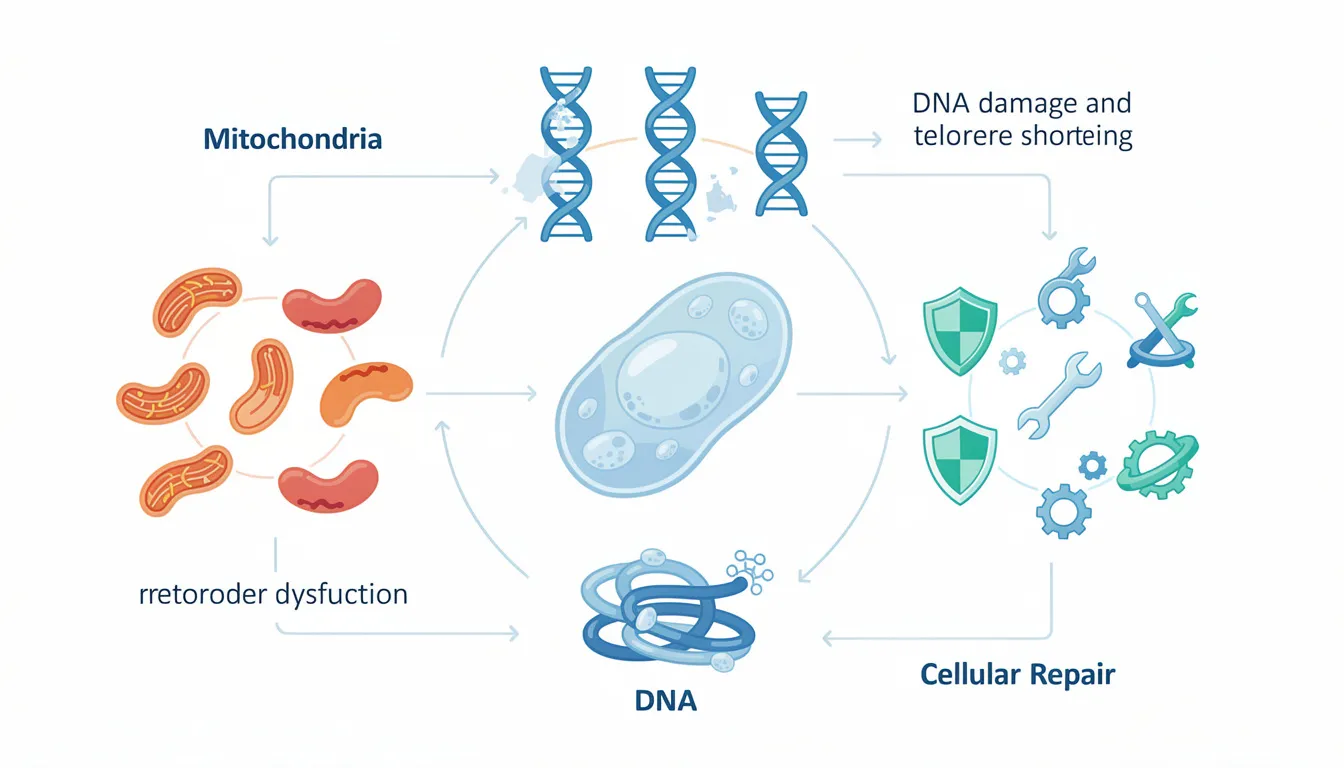
At the heart of Sinclair’s work lies his “Information Theory of Aging,” outlined in “Lifespan.” Rather than viewing aging primarily as accumulated DNA damage, Sinclair proposes that aging results from the gradual loss of epigenetic information—the instructions that tell cells which genes to turn on or off.
Think of DNA as a computer’s hardware and the epigenome as its software. Over time, this software becomes corrupted, leading cells to lose their identity and function. The biological processes that maintain cellular health become increasingly dysregulated.
Three central concepts underpin the interventions Sinclair explores:
Epigenetic Regulation
How genes are expressed changes with age
DNA methylation patterns shift, affecting cellular function
Methyl groups attached to DNA influence gene activity
These changes begin affecting longevity from early adulthood
Cellular Stress Responses and Repair
Sirtuins are proteins that regulate cellular health and repair DNA
AMPK is an enzyme that responds to energy stress
Both pathways can be activated through calorie restriction, exercise, and certain compounds
Longevity genes discovered by Sinclair’s lab show that manipulating these pathways extends lifespan in model organisms
Cellular Cleanup and Renewal
Autophagy is the body’s recycling system for damaged cellular components
Senescent cells accumulate with age and release inflammatory signals
Clearing these “zombie cells” may improve healthspan
Compounds like spermidine and senolytics target these processes
The role of NAD+ (nicotinamide adenine dinucleotide) is central to understanding Sinclair’s supplement choices. NAD+ is a coenzyme found in every cell, essential for mitochondrial health and energy production. Levels decline substantially with age—by middle age, NAD+ may be half of youthful levels. Since sirtuins depend on NAD+ to function, boosting NAD+ has become a major focus of aging research.
Similarly, mTOR (mechanistic target of rapamycin) regulates cell growth and autophagy. When mTOR is inhibited—through fasting or certain compounds—autophagy increases, allowing cells to clear damaged components. This mechanism explains interest in caloric restriction, intermittent fasting, and drugs like rapamycin in longevity science.
Key authority sources informing this field include:
Sinclair & Guarente, Cell 2014 (sirtuins and aging)
López-Otín et al., Cell 2013 (hallmarks of aging)
Matt Kaeberlein and colleagues on mTOR/rapamycin research
Sinclair’s “Big Three”: NMN, Resveratrol, and Spermidine
This trio forms what many consider the core of david sinclair supplements. In talks and podcast appearances through 2024-2025, Sinclair has consistently highlighted these three compounds while noting that his doses and choices may evolve with new data.
Each compound targets different aspects of the aging process, and each has varying levels of evidence supporting its use in humans.

NMN (Nicotinamide Mononucleotide) – Around 1 g/day
In multiple interviews and in “Lifespan,” Sinclair has mentioned that he takes nmn at approximately 1,000 mg (1 gram) in the morning. The exact product or brand has not been publicly disclosed.
What NMN Does:
Nicotinamide mononucleotide serves as a direct precursor to NAD+
Supports mitochondrial energy production and cellular level function
Activates longevity pathways like AMPK and sirtuins
Mimics some caloric restriction effects observed in animal studies
Human Research Status: Small clinical trials using 250-600 mg daily have shown:
Improvements in insulin sensitivity
Enhanced muscle function in older adults
Increased NAD+ levels in blood
| NMN Trial Summary | Details |
|---|---|
| Typical Study Doses | 250-600 mg/day |
| Study Duration | 8-12 weeks |
| Observed Effects | NAD+ elevation, insulin sensitivity |
| Long-term Safety Data | Limited |
| However, long-term safety and longevity benefits in humans remain unestablished. The FDA’s late-2022 move to classify NMN as an investigational new drug has created an evolving supplement market landscape in the U.S. |
Side effects reported in studies have been typically mild, but high daily doses combined with other supplements and underlying health conditions make medical supervision important.
Resveratrol – About 1 g with Food in the Morning
Sinclair has repeatedly stated he takes about 1,000 mg of resveratrol in the morning, mixed with homemade yogurt or coconut oil to improve absorption. Fat-solubility means taking it with food containing healthy fats enhances bioavailability.
What Resveratrol Is:
A polyphenol found in red wine, grapes, blueberries, and peanuts
Modulates sirtuin activity in laboratory settings
Shows anti-inflammatory properties in cell and animal studies
Gained fame from research suggesting it mimicked caloric restriction effects
The Evidence: Rodent studies showed impressive results—lifespan extension and metabolic improvements at high doses. Human research has been more modest, showing:
Effects on insulin sensitivity
Changes in inflammation markers
Improvements in vascular function at realistic doses
Controversies to Consider:
Rapid metabolism creates bioavailability challenges
Mixed evidence in human trials regarding meaningful health outcomes
Very high supplemental doses differ vastly from typical dietary intake
The concentration in red wine is far too low for therapeutic effects
Research Spotlight: Timmers et al., Cell Metabolism 2011, found that resveratrol improved metabolic markers in obese men, mimicking some effects of calorie restriction. However, these findings haven’t consistently replicated across larger populations.
Spermidine – Approx. 1–2 mg/day
Sinclair has indicated he includes spermidine at roughly 1-2 mg per day, emphasizing its autophagy-promoting properties.
What Spermidine Is:
A naturally occurring polyamine found throughout the body
Abundant in wheat germ, aged cheese, soy products, and legumes
Supports cellular renewal and autophagy processes
Levels decline with age in many tissues
Evidence Base:
Epidemiological studies link higher dietary spermidine intake with lower all-cause mortality
Animal research shows lifespan extension and improved cardiovascular markers
Human supplementation trials remain limited
Spermidine-Rich Foods:
Wheat germ (highest concentration)
Aged cheeses
Soybeans and fermented soy products
Various fruits and vegetables
While observational data are intriguing, they don’t prove cause-and-effect. Diversifying plant based foods in your diet may naturally support these pathways without supplementation.
Other Supplements in Sinclair’s Personal Stack
Beyond the “Big Three,” David Sinclair’s supplement regimen includes several additional compounds. The exact 2026 lineup and dosages shift with new research, but the following reflects what he has most consistently shared circa 2023-2025.
These are additional supplements in his protocol—not prescriptions, and evidence quality varies significantly by compound.
Senolytics: Fisetin (≈500 mg) and Quercetin (Currently Dropped)
Senolytics represent a frontier in aging research—compounds designed to help clear senescent cells that accumulate with age and drive inflammation.
Sinclair’s Approach:
Takes approximately 500 mg of fisetin daily
Has dropped quercetin from his recent protocol
Views people under 60 as potentially getting adequate quercetin from diet
The Science: Animal research shows fisetin reduced senescent cell burden and extended lifespan in mice. However, these remain mostly animal studies, not direct human longevity evidence.
Dietary sources of quercetin include onions, apples, capers, and berries—potentially sufficient for younger individuals without supplementation.
Caution: Senolytic strategies in humans, including high-dose fisetin cycles, remain experimental. Robust clinical trials are still needed before making strong recommendations.
Lipoic Acid – Around 300 mg
Sinclair’s interest in lipoic acid traces back to his Ph.D. research in the 1990s, partly inspired by Denham Harman’s pioneering work on aging. Harman himself reportedly took lipoic acid and lived to 98.
Functions:
Acts as both an antioxidant and mitochondrial cofactor
Can regenerate other antioxidants like vitamin C and glutathione
Supports mitochondrial health and energy production
| Lipoic Acid Research Areas | Notes |
|---|---|
| Neuropathy | Most established human evidence |
| Glucose metabolism | Modest effects on insulin sensitivity |
| Oxidative stress markers | Reduced in some studies |
| Lifespan extension | Not demonstrated in humans |
| Standard dosing in research ranges from 300 mg once or twice daily, typically on an empty stomach for better absorption. |
Fish Oil (EPA/DHA Omega-3s)
Sinclair added fish oil to his regimen around 2023, emphasizing omega-3 fatty acids for brain and cardiovascular resilience.
While exact doses haven’t been clearly specified, research contexts often discuss ranges around a few grams per day of combined EPA and DHA.
Evidence Base:
Meta-analyses support omega-3 intake for cardiovascular risk reduction
Associations exist with cognitive aging and inflammation markers
Supports immune function and cellular membrane health
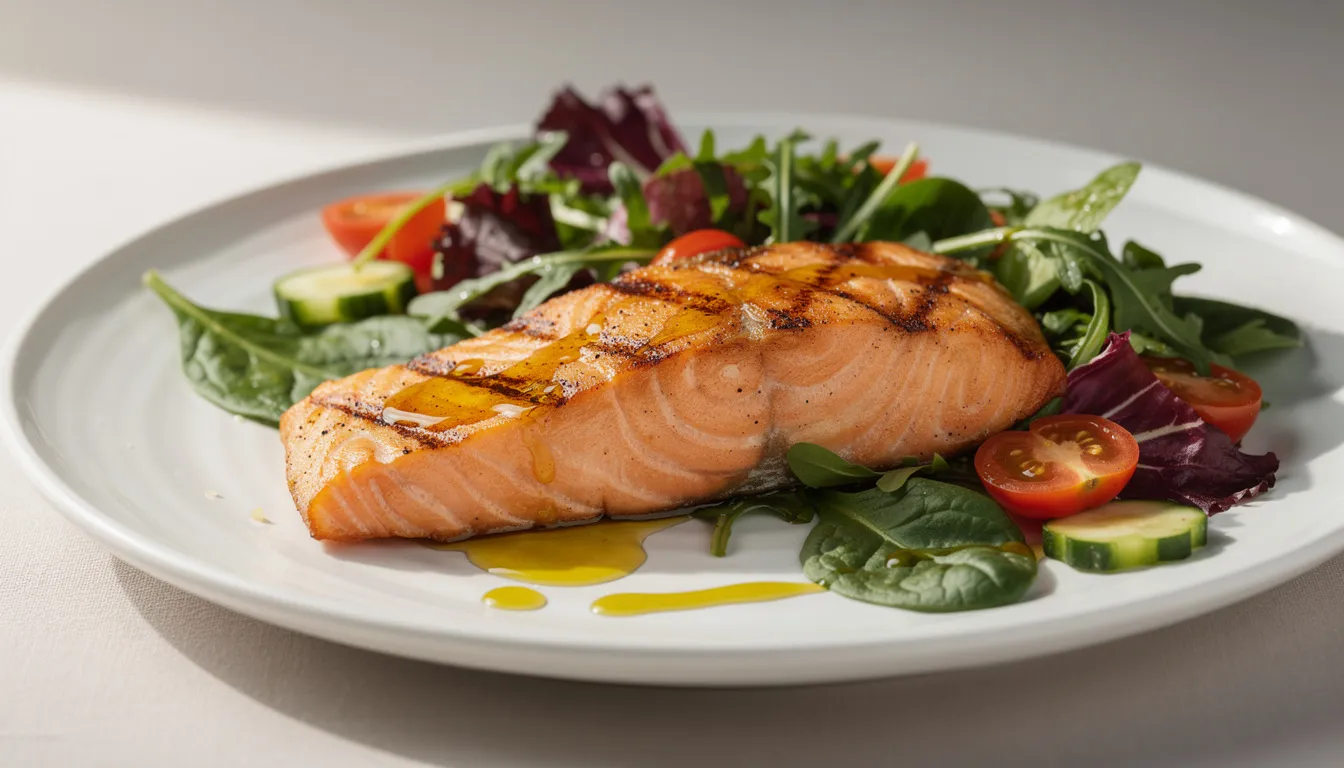
Food-First Approach: Fatty fish like salmon, sardines, and mackerel provide excellent omega-3s. Flax and chia offer plant-based ALA, though conversion to EPA/DHA is limited. Olive oil complements these healthy fats in a longevity diet.
L-Taurine – Around 2 g/day
Sinclair has mentioned taking roughly 2,000 mg of taurine daily, though he’s publicly questioned its interactions with mTOR signaling.
What Taurine Does:
Sulfur-containing amino acid important for mitochondrial function
Supports bile acid conjugation and osmoregulation
Found in meat, fish, and dairy; vegans may have lower levels
A notable 2023 Nature paper linked taurine supplementation to extended lifespan and improved health in multiple animal species. However, these findings haven’t yet been replicated in large human longevity trials.
Sinclair’s own caution is telling—he experiments openly but doesn’t present taurine as a settled anti aging regimen component.
Vitamin D3 (≈4,000–5,000 IU) and Vitamin K2 (≈180–360 mcg)
Sinclair has discussed using vitamin D in the range of 4,000-5,000 IU daily, paired with vitamin K2 at approximately 180-360 mcg.
Vitamin D3 Functions:
Calcium homeostasis and bone health
Immune modulation and muscle function
Many people in higher latitudes show insufficient levels
Vitamin K2 Functions:
Guides calcium toward bones and away from arteries
Activates matrix Gla protein
Often paired with D3 for comprehensive bone and vascular support
Testing Matters: Before using higher-dose vitamin D or K2, lab testing (25-OH vitamin D, coagulation status) and medication review are essential—especially for those on anticoagulants or with kidney disease.
Trimethylglycine (TMG) – About 500–1,000 mg
Sinclair takes approximately 500 mg of TMG daily as a “methyl donor” alongside NMN.
Why TMG?
Donates methyl groups in homocysteine-to-methionine conversion
Supports methylation balance potentially affected by increased nicotinamide turnover
Relates to folate and B-vitamin cycles
What is a Methyl Donor? Methylation is a fundamental biological process where methyl groups (CH3) are added to DNA, proteins, and other molecules. This affects gene expression, detoxification, and neurotransmitter production. TMG provides these methyl groups to support these reactions.
Sinclair frames TMG as a low-cost, precautionary addition rather than a proven anti-aging therapy.
Low-Dose Aspirin (≈81–83 mg) – A Controversial Choice
Sinclair has mentioned taking a “baby aspirin” dose around 81-83 mg daily, based on historical evidence for cardiovascular and possible cancer risk reduction.
The Evolving Evidence:
Earlier trials suggested benefits for secondary cardiovascular prevention
Newer studies (e.g., ASPREE) raised concerns about bleeding risks
Net benefit in healthy older adults without cardiovascular disease is unclear
Major guidelines have become more conservative about routine prophylactic low dose aspirin use. GI bleeding and hemorrhagic stroke risks require careful consideration.
This decision must be individualized with a physician. Neither endorsement nor condemnation is appropriate—only an honest discussion of trade-offs.
Prescription Drugs in the Sinclair Protocol: Metformin, Statins, Rapamycin
This section requires absolute clarity: these are prescription-only drugs that Sinclair uses under physician supervision. They are not general wellness supplements, and off-label use for longevity remains experimental.
Never start or stop prescription medications without guidance from a qualified healthcare provider.
Metformin – Around 800–1,000 mg/day
In “Lifespan,” Sinclair reported taking 1,000 mg of metformin daily, later noting he reduced to approximately 800 mg in divided doses with meals.
Primary Use: Metformin is approved for type 2 diabetes, working through AMPK activation and reducing hepatic glucose output.
Why It Interests Aging Research:
Observational studies show lower incidence of age related diseases in metformin users compared to other diabetic patients
The TAME (Targeting Aging with Metformin) trial explores whether it can delay multi-disease onset
May influence aging pathways beyond glucose control
Concerns:
GI side effects are common
Long-term use may cause B12 deficiency
Rare lactic acidosis in susceptible individuals
Evidence suggests taking metformin around exercise sessions may blunt training adaptations—Sinclair reportedly skips doses on workout days
Sinclair’s use reflects a personal risk-benefit calculation with his physicians. Copying this without expert medical guidance is inadvisable.
Statins for High Cholesterol
Sinclair has disclosed statin use since his late 20s after discovering very high LDL cholesterol through blood work.
How Statins Work:
Inhibit HMG-CoA reductase enzyme
Lower LDL cholesterol production
Robust evidence for reducing cardiovascular events in high-risk populations
Cardiovascular disease remains a leading cause of death, making aggressive lipid management logically part of a long-term health strategy. However, statins come with trade-offs: muscle aches, rare liver enzyme changes, and need for periodic monitoring.
Statins are targeted risk-management tools rather than “longevity pills”—decisions should be based on individual lipid profiles and physician advice.
Rapamycin – Dosing Unclear, Evidence Mostly in Animals
Sinclair discusses rapamycin (sirolimus) as one of the most promising longevity drugs in animals, yet he’s been more cautious and vague about his own use, if any, in public forums.
Mechanism:
mTOR inhibitor that mimics some caloric-restriction signaling
Enhances autophagy in multiple tissues
Shows striking lifespan extension in mice, even when started mid-life
Clinical Reality: In medicine, rapamycin is primarily an immunosuppressant for transplant recipients. Known risks include:
Mouth ulcers
Lipid changes
Increased infection risk
Potential insulin resistance
Off-label rapamycin use for longevity is experimental and should only occur in controlled studies or under tightly supervised medical conditions. This is not a DIY intervention.
Lifestyle Foundations of the Sinclair Protocol
Despite his supplement stack, Sinclair repeatedly emphasizes that lifestyle—nutrition, exercise, sleep, and stress modulation—forms the foundation of healthy longevity. Pills are secondary to these fundamentals.
For most people, these behaviors are more evidence-backed and accessible than complex supplement regimens.

Diet, Time-Restricted Eating, and Caloric Moderation
Sinclair’s longevity diet approach includes:
Eating mostly plant-forward meals with limited red meat
Minimal refined sugar and processed foods
Eliminating alcohol in recent years (reports sharper memory after cutting it)
Some form of time-restricted eating or intermittent fasting
Maintaining relatively lean body weight into his 50s
Drinking hot tea and hot water rather than sugary beverages
Using a standing desk during work
The Science Behind It: Research on Mediterranean-style and plant-based diets shows benefits for cardiovascular and cognitive outcomes. Caloric restriction and time-restricted eating improve metabolic health in animals and show promising human data.
Intermittent fasting activates autophagy—a cellular cleanup process—and shifts the body into a metabolic state associated with longevity benefits.
Practical Approach:
Gradually increase vegetables, legumes, and whole grains
Experiment with a reasonable eating window (10-12 hours) if medically appropriate
Avoid aggressive fasting if you have diabetes, eating disorders, are pregnant, or under medical treatment
Sample Daily Menu (Sinclair-Inspired): | Meal | Options | |——|———| | Morning | Hot tea, possibly skip breakfast (fast) | | Lunch | Large salad with nuts, olive oil, colorful vegetables | | Afternoon | Green tea, handful of almonds | | Dinner | Plant-based meal with legumes, couscous, or rice |
Exercise, Incidental Movement, and Muscle Maintenance
Sinclair emphasizes daily physical activity including:
Walking regularly and taking stairs instead of elevators
Weekend sessions with his son including jogging, weightlifting, sauna, and cold exposure
A mix of aerobic and resistance training
High-intensity interval training (HIIT) for mitochondrial function
Why It Matters:
Aerobic exercise supports cardiovascular and metabolic health
Resistance training preserves muscle mass, strength, and bone density with age
Regular moderate-vigorous exercise is linked to lower all-cause mortality
Helps build muscle, which is critical for longevity as muscle mass predicts healthspan
Weekly Exercise Template: | Day | Activity | |—–|———-| | Monday | 30-min walk + resistance training | | Tuesday | 30-min moderate cardio | | Wednesday | Resistance training | | Thursday | 30-min walk or cycling | | Friday | HIIT session (20 min) | | Weekend | Active recreation + sauna/cold |
Aim for at least 150 minutes weekly of moderate cardio plus 2+ resistance sessions, adjusted to your fitness and medical status.
Thermal Stress: Sauna and Cold Exposure
Sinclair uses both heat (sauna) and cold (cold plunges, cold showers) as hormetic stressors—mild stresses that activate protective cellular repair mechanisms.
Sauna Research: Finnish observational studies link regular sauna use with reduced cardiovascular and all-cause mortality. While correlation doesn’t prove causation, the associations are compelling.
Cold Exposure: May influence norepinephrine release, brown-fat activation, and metabolic adaptation. Long-term human longevity data remain limited.
Moderate Implementation:
Start with short, tolerable sauna sessions (10-15 minutes)
Try cool or contrast showers before extreme ice baths
Gradually increase exposure based on tolerance
Safety Note: People with cardiovascular disease, arrhythmias, or blood pressure issues should clear sauna and cold immersion with a clinician first.
Sleep, Stress Management, and Social Health
Sinclair discusses prioritizing sleep and managing stress, recognizing that chronic sleep loss and elevated cortisol accelerate aging.
He reportedly uses a temperature-adjusting bed that cools the body for deeper sleep phases and warms it toward morning, while maintaining consistent bedtimes and using blue-light blocking glasses.
The Evidence:
7-9 hours of quality sleep associated with better metabolic, cognitive, and immune function
Social connection and purpose linked to better survival in epidemiological studies
Chronic stress may accelerate cellular aging and DNA damage
Sleep and Stress Checklist:
[ ] Consistent sleep-wake schedule
[ ] Dark, cool, quiet bedroom
[ ] No late caffeine (cutoff 6+ hours before bed)
[ ] Wind-down routine (reading, light stretching)
[ ] Daily stress practice (walks, breathwork, nature time)
[ ] Maintain supportive relationships
Testing, Tracking, and the “Measure What Matters” Mindset
A defining feature of Sinclair’s approach is rigorous self-tracking: regular bloodwork, biological age estimations, and technology tools like continuous glucose monitors.
Sinclair has publicly claimed a biological age significantly younger than his chronological age (reporting his biological age as roughly a decade younger at 53) based on lab-based age calculators assessing DNA methylation patterns. However, these algorithms are evolving and not definitive.
Tracking should empower informed decisions, not create anxiety or obsession. Work with knowledgeable clinicians when interpreting results.
Clinical Labs and Biological Age Tests
Tests Sinclair has mentioned prioritizing:
Standard Panels:
Metabolic panels (glucose, HbA1c)
Lipid profiles (LDL, HDL, triglycerides)
Inflammatory markers (hs-CRP)
Liver and kidney function
Advanced Testing:
Vitamin D (25-OH) levels
B12 status
Epigenetic clocks (DNA methylation age) from research or commercial labs
Frequent testing (annually or more for high-risk individuals) helps adjust diet, exercise, and medication decisions over time.
Limitations of Biological Age Tests:
Different algorithms give different ages
Best viewed as rough indicators, not absolute truths
Focus on trends (direction of change) rather than single numbers
Integrate results with clinical context and daily functioning
Continuous Glucose Monitors and Wearables
Sinclair supports using technology like continuous glucose monitors for real-time blood sugar feedback, helping fine-tune meal timing and food choices.
Non-diabetic CGM use is emerging among health enthusiasts, though clinical necessity differs from experimental optimization.
Wearables Track:
Daily steps and movement
Heart rate and HRV
Sleep stages and quality
Fitness progress
Practical Advice:
Start with simple metrics (steps, resting heart rate)
Avoid overreacting to single data points
Use data to reinforce sustainable habits, not chase perfection
Risks, Critiques, and Ethical Considerations
The Sinclair Protocol inspires many, but it’s also controversial. The science of human longevity interventions remains early-stage, and balanced perspective is essential.
Key Critique Themes:
Translation Problems: Animal data doesn’t directly apply to humans. Mice aren’t small people, and impressive lifespan extension in rodents may not replicate in our species.
Polypharmacy Risks: Taking multiple supplements and prescription drugs simultaneously creates unknown long-term interactions. No studies examine Sinclair’s exact combination.
Access and Cost: High-quality supplements, CGMs, epigenetic testing, and specialized medical care aren’t accessible to most people. Emphasizing expensive interventions over basics may distract from what matters most.
Evidence Gaps: Many supplements david sinclair takes have stronger theoretical rationale than human clinical evidence. Enthusiastic adoption may outpace scientific validation.
Ethical Considerations:
Equity and access to cutting-edge longevity tools
Risk of unrealistic expectations about “defeating aging”
Responsibility of public figures to communicate uncertainty transparently
Potential for harm from self-experimentation without medical guidance
Skeptical gerontologists like Matt Kaeberlein and João Pedro de Magalhães remind us that extraordinary claims require extraordinary evidence. While Sinclair’s research contributions are significant, translating laboratory findings to human life extension remains unproven.
The Foundation First: Prioritize evidence-based, low-risk behaviors—sleep, nutrition, activity, social health—before considering complex supplement stacks.
How to Think About Your Own “Protocol” (Without Copying Sinclair)
Rather than replicating someone else’s routine, apply principles in a personalized, safe way.
Step 1: Clarify Your Goals
Healthspan vs. lifespan priorities
Energy and daily functioning
Specific disease-risk reduction
Quality of life considerations
Step 2: Build the Foundation Before any supplements, establish:
Consistent, quality sleep (7-9 hours)
Whole-food nutrition emphasizing plants
Regular physical activity (cardio + resistance)
Social connection and stress management
Eliminating alcohol or reducing to minimal amounts
Step 3: Get Baseline Testing Work with a clinician on:
Standard blood panels
Risk assessments for cardiovascular disease, cancer risk, diabetes
Vitamin D and other deficiency screening
Understanding your personal health context
Step 4: Consider Low-Risk, Well-Studied Supplements First
Vitamin D if deficient
Omega-3s if dietary intake is low
Address specific documented deficiencies
Step 5: Add Advanced Tools Selectively
CGMs and epigenetic tests only if they’ll change your behavior
Wearables to reinforce good habits
Avoid collecting data you won’t act on
Step 6: Reassess Annually
Review blood work regularly
Adjust based on changing research
Stay open to new evidence while avoiding hype
What works for a Harvard Medical researcher with world-class lab access may not be necessary—or even appropriate—for everyone. Focus on principles (metabolic health, inflammation control, fitness, mental well-being) rather than copying any one person’s pill list.
Conclusion: The Promise and Uncertainty of the Sinclair Protocol
The Sinclair Protocol represents a living experiment informed by cutting-edge aging science. Sinclair’s willingness to share his personal approach has sparked global interest in longevity research and inspired millions to think proactively about their health.
However, crucial distinctions exist between evidence-supported behaviors—sleep, exercise, whole-food nutrition, stress management—and more speculative interventions like high-dose NMN or off-label metformin. The former have decades of human outcome data; the latter remain experimental.
Humility is essential. The aging field is evolving rapidly, with large trials (TAME for metformin, various senolytic studies, mTOR modulator research) poised to transform our understanding over the coming decade. What Sinclair takes today may differ from best practices in 2030.
View his routine as a case study and inspiration, not a template to follow blindly. The goal isn’t to replicate his exact supplement protocol but to embrace the underlying principles: measure what matters, make evidence-based adjustments, and recognize that daily routine habits likely matter more than any pill.
Your Starting Point: This week, choose one evidence-based change. Perhaps it’s improving sleep consistency, adding a daily walk, or scheduling overdue blood work. Small, sustainable actions compound over time—and that’s the essence of longevity thinking.
The most powerful longevity intervention remains the one you’ll actually do consistently, year after year. Start there.
Further Reading
Explore more articles related to this topic:
- Reviewing Dr. David Sinclair’s Supplement Regimen in 2026
- The Ultimate Longevity Trio: Stacking NMN, TMG, and Spermidine
- The 5 Best NMN Supplements of 2026: Safety and Efficacy for Longevity
- NMN Research Update 2026: What Recent Human Trials Tell Us About Reversing Biological Age
- NMN and Resveratrol Benefits: How They Work, What the Science Says, and Whether to Take Them Together