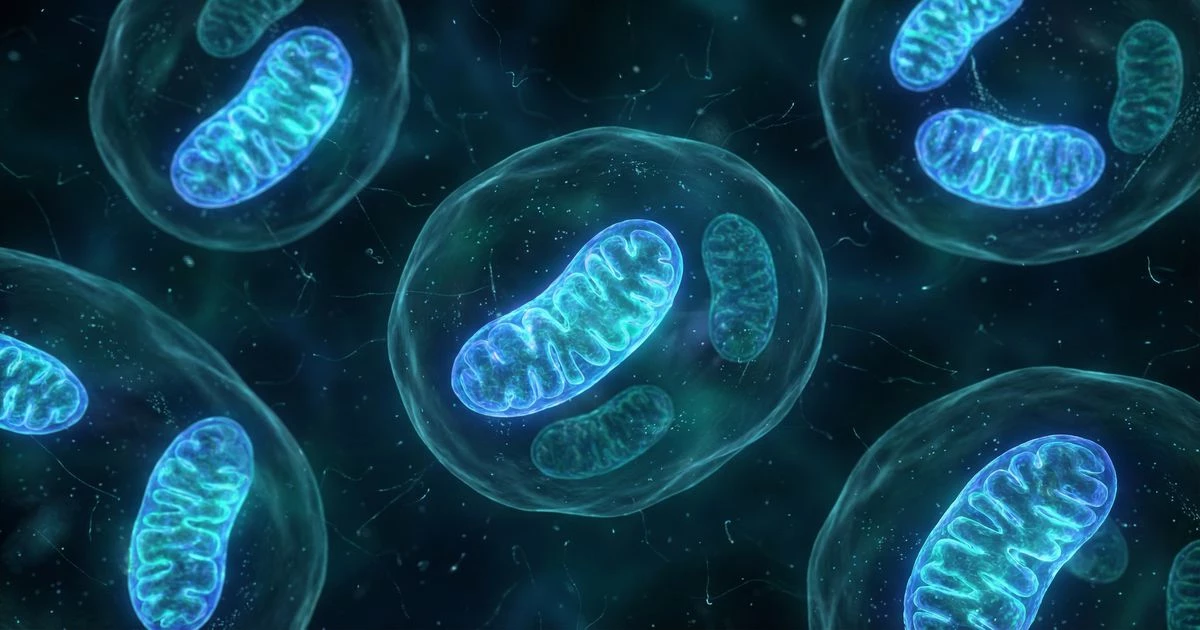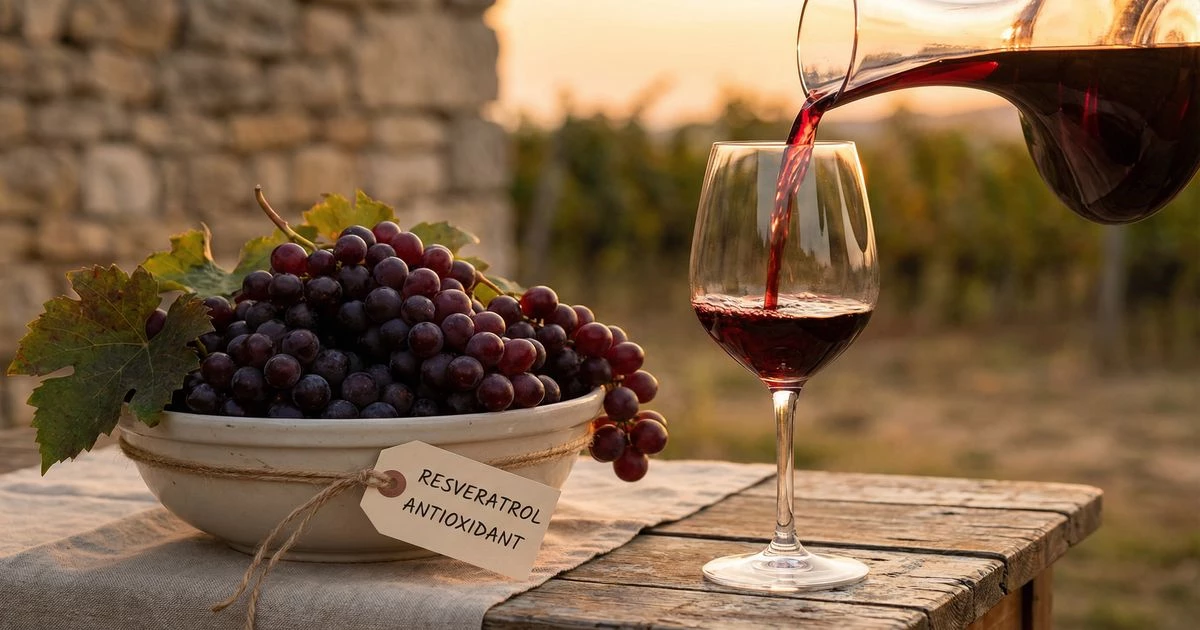

If you’ve spent any time exploring the world of longevity supplements, you’ve likely encountered the idea of “stacking” compounds for enhanced effects. Among the most discussed combinations is NMN paired with resveratrol—a duo that has captured the attention of researchers, wellness enthusiasts, and anyone interested in supporting their body as they age. Together, NMN and resveratrol are recognized for their anti-aging properties, helping to slow or even reverse signs of aging by boosting NAD+ levels, supporting cellular health, and playing a key role in age-related disease prevention.

Introduction to Longevity Supplements
In recent years, longevity supplements have surged in popularity among those seeking to support healthy aging and maintain overall well-being. At the forefront of this movement are NMN supplements and NMN resveratrol supplements, which are designed to address the natural decline of nicotinamide adenine dinucleotide (NAD+)—a vital molecule for cellular metabolism and energy production that diminishes as we age.
These dietary supplements, including advanced forms like liposomal NMN and micronized resveratrol, aim to boost NAD+ levels and enhance cellular health. Clinical trials and other research have highlighted their potential benefits, such as improved metabolic health, increased energy, and support for cellular repair processes. While the science is still evolving, early findings suggest that combining NMN with resveratrol may offer synergistic effects, making this stack a popular choice among those looking to support healthy aging and reduce the risk of age-related decline.
Choosing top NMN supplements involves more than just picking a product off the shelf. Factors like improved absorption, label accuracy, and third-party testing are crucial for ensuring you’re getting a high-quality supplement. Many consumers also look for non-GMO, vegan, and clean-label options to align with their health values.
Of course, supplements work best when paired with an active lifestyle, regular exercise, and a balanced diet rich in whole foods. These foundational habits not only complement the effects of NMN and resveratrol but also play a central role in supporting metabolic health and overall well-being.
As with any supplement, it’s important to consult a healthcare professional before starting, especially if you’re considering high doses or combining multiple compounds. Individual responses can vary, and longer-term studies are still needed to fully understand the potential benefits and risks. By staying informed and making thoughtful choices, consumers can harness the science of longevity supplements to help boost energy, support cellular health, and promote healthy aging.
Quick Answer: Why Stack NMN with Resveratrol?
The core premise behind the longevity stack is elegantly simple. NMN (nicotinamide mononucleotide) serves as a direct precursor to NAD⁺, a coenzyme essential for energy production and cellular repair that naturally declines with age. Resveratrol, on the other hand, activates sirtuins—a family of proteins that regulate metabolism, stress resistance, and genomic stability.
Here’s why they work well together: sirtuins require NAD⁺ to function. Without adequate NAD⁺ levels, even the most potent sirtuin activator has limited raw material to work with. Preclinical studies have demonstrated this synergy in action—mouse research showed that combining NMN with resveratrol raised NAD⁺ levels in heart tissue by approximately 1.6-fold and in skeletal muscle by 1.7-fold compared to NMN alone.
That said, human data on this exact combination remains limited. The evidence is promising but not definitive, and this stack should be viewed as supportive to healthy lifestyle habits rather than a medical treatment. This article provides educational information to help you make informed decisions—it’s not individual medical advice, and consulting a healthcare professional before starting any new supplement routine is always recommended.
What Are NMN and Resveratrol, in Plain Language?
Before diving into mechanisms and research, let’s establish what these compounds actually are and where they come from.
NMN (Nicotinamide Mononucleotide) is a molecule related to vitamin B3 that occurs naturally in small amounts in foods like edamame, broccoli, avocado, and cabbage. What makes NMN particularly interesting is its role as a direct precursor to nicotinamide adenine dinucleotide (NAD⁺)—a coenzyme found in all living cells that’s critical for hundreds of metabolic processes.
NAD⁺ is involved in:
Energy production (ATP synthesis in mitochondria)
DNA repair processes
Cellular stress responses
Regulation of circadian rhythms
Research consistently shows that nad levels tend to decline as we age—often dropping by 50% or more after age 45. This decline has been linked to various aspects of age related decline, which is why NAD⁺ precursors have garnered so much scientific attention.
Resveratrol is a plant polyphenol—a type of natural compound produced by plants in response to stress. It’s found in grapes (particularly the skins), red wine, peanuts, blueberries, and Japanese knotweed. Resveratrol gained fame in the 1990s as a potential explanation for the “French Paradox”—the observation that French populations had relatively low rates of cardiovascular disease despite diets high in saturated fat, possibly due to moderate wine consumption.
Both compounds can be obtained from food, but the amounts are quite small. A glass of red wine contains roughly 1-2 mg of resveratrol, while supplemental doses used in research typically range from 100-500 mg. Similarly, you’d need to eat an impractical amount of broccoli to match the NMN doses studied in clinical trials.
Regarding regulatory context: NMN’s status has been under review by the U.S. FDA since 2022 due to its investigation as a potential drug ingredient. Regulations differ across countries, so checking local guidelines and consulting a professional before purchasing nmn supplements is advisable.
The Biology: How NMN and Resveratrol Work at the Cellular Level
Understanding why these two compounds complement each other requires a brief look at what happens at the cellular level. The value of this stack comes from targeting two related but distinct pathways simultaneously: NAD⁺ supply and sirtuin activation.
How NMN Supports NAD⁺ Production
When you take NMN as a dietary supplement, it enters what’s called the “NAD⁺ salvage pathway.” This is the body’s primary method for recycling and producing NAD⁺. NMN is converted to NAD⁺ inside cells, where it then supports several crucial functions:
Mitochondrial function: NAD⁺ is essential for the electron transport chain, where cellular energy (ATP) is produced
DNA repair enzymes: Proteins called PARPs use NAD⁺ to fix DNA damage caused by oxidative stress and other factors
Sirtuin activity: These protective enzymes are completely dependent on NAD⁺ to do their work
Think of NMN as refilling the fuel tank that powers multiple protective systems within your cells.
How Resveratrol Activates Sirtuins
Sirtuins (SIRT1 through SIRT7) are a family of NAD⁺-dependent enzymes that have been linked in research to metabolic regulation, stress resistance, inflammation control, and genomic stability. SIRT1, the most studied member of this family, has been shown in cell and animal studies to:
Promote autophagy (cellular “cleanup” processes)
Reduce inflammatory signaling via NF-κB suppression
Support metabolic efficiency and insulin sensitivity
Resveratrol appears to interact with SIRT1 and other signaling pathways like AMPK, potentially increasing the activity of genes involved in cellular defense. Some preclinical research suggests resveratrol can boost SIRT1 activity significantly.
The Connection: Why Both Matter
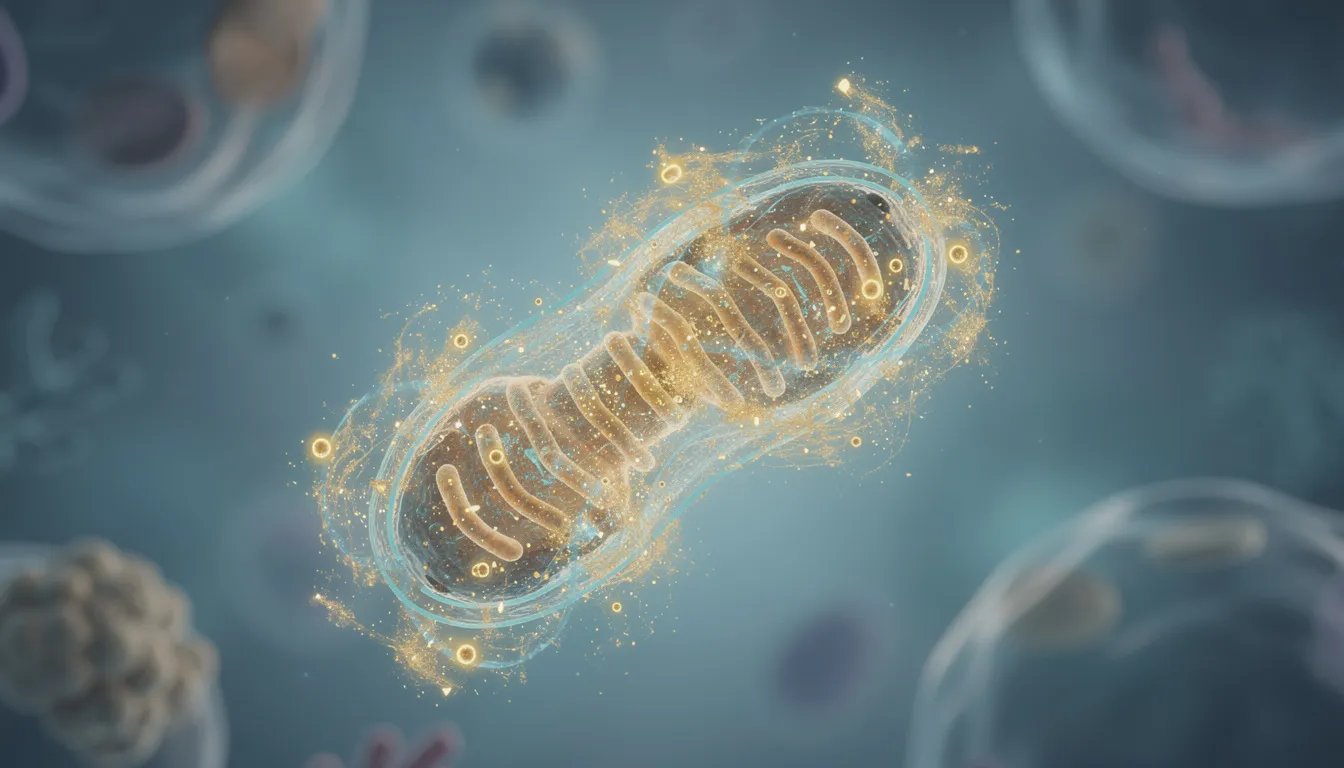
Here’s where resveratrol work and NMN intersect: without adequate NAD⁺, sirtuins cannot function optimally. It’s like having a powerful engine (sirtuins) but no fuel (NAD⁺) to run it. Conversely, having abundant NAD⁺ without sufficient sirtuin activation means the fuel is there, but the engine isn’t running at full capacity.
This is why many researchers and longevity enthusiasts view the combination as more logical than either compound alone—NMN provides the substrate, and resveratrol helps ensure it’s being used effectively.
Why They’re Better Together: Evidence for Synergy
When we talk about “synergy” in this context, we mean that the combined effect of NMN and resveratrol appears larger than simply adding together what each does on its own. While most of this evidence comes from preclinical research, the data is compelling enough to explain why this stack has gained traction.
What Animal Studies Show
Several mouse studies have examined the effects of combining NAD⁺ precursors with sirtuin activators:
| Study Focus | Key Finding |
|---|---|
| Heart tissue NAD⁺ | ~1.6x increase with combo vs. NMN alone |
| Skeletal muscle NAD⁺ | ~1.7x increase with combo vs. control |
| NMN/NR distribution | Better delivery to heart-lung areas with resveratrol |
| Metabolic markers | Improved glucose tolerance vs. single compounds |
| A 2022 study highlighted that combining NAD⁺ precursors with polyphenols like resveratrol resulted in superior bioavailability and improved distribution to key tissues. Other research examining NAD⁺ precursors with sirtuin activators has reported improvements in markers of metabolic health, mitochondrial function, and tissue resilience compared to single-compound use in rodents. |
Expert Interest and Popularization
The stack gained significant mainstream attention through researchers like David Sinclair at Harvard, who has publicly discussed taking both a NAD⁺ booster and resveratrol as part of his personal regimen. While personal protocols aren’t clinical evidence, such endorsements from credentialed scientists have helped popularize the combination in longevity circles.
Important Caveats
It’s essential to balance enthusiasm with scientific rigor:
Most synergy data comes from animal models, not humans
Clinical trials specifically testing NMN + resveratrol together are sparse
Preliminary human NMN trials (typically 12 weeks, testing 250-900 mg/day) usually examine NMN alone
Resveratrol human studies are often separate from NAD⁺ precursor research
Extrapolating from mice to humans always requires caution. Mice have different metabolisms, lifespans, and physiological responses. What works dramatically in rodents may show more modest effects—or different effects entirely—in humans.
Potential Benefits of the NMN + Resveratrol Longevity Stack
The following potential benefits are based on early human data combined with substantial animal and mechanistic research. Results can vary significantly between individuals, and this information does not constitute treatment for any disease.
Cellular Energy and Everyday Vitality
NAD⁺ is fundamental to energy production at the cellular level. Raising nad levels may support mitochondrial function, which is where ATP (the body’s energy currency) is produced. Some human NMN trials have reported:
Improved exercise capacity in older adults
Reduced perceived fatigue during physical activity
Better muscle endurance (one study noted approximately 12% improvement)
These findings, while encouraging, tend to be modest and context-dependent. Improved energy doesn’t mean boundless vitality overnight—it may manifest as slightly better recovery from exercise or less afternoon fatigue over time.
Metabolic Health Markers
Both NAD⁺ boosters and resveratrol have been associated with improvements in metabolic health in separate human studies:
Better insulin sensitivity in prediabetic models
Improved glucose tolerance
Favorable changes in lipid profiles
Support for blood sugar control
These studies typically occur under well-controlled conditions with medical supervision. The stack isn’t a treatment for diabetes or metabolic disorders, but supporting cellular metabolism through NAD⁺ and sirtuin pathways may contribute to overall metabolic wellness.
Cellular Repair and Healthy Aging Markers
Enhanced NAD⁺ availability supports enzymes involved in dna repair and stress responses. In laboratory models:
PARP enzymes (which repair DNA damage) require NAD⁺ to function
Resveratrol has been associated with improved endothelial function
Antioxidant signaling appears enhanced when both pathways are supported
Senescent cell markers may be reduced
The goal here is to support healthy aging at the cellular level—helping cells maintain function and resilience rather than “reversing” age.
Cognitive Clarity and Brain Aging
Preclinical evidence suggests NAD⁺ and sirtuin pathways may help protect neurons against oxidative and metabolic stress. Some researchers have explored connections to:
Reduced neuroinflammation in animal models
Protection against oxidative decline in brain tissue
Improved memory function in aged mice
However, convincing long-term human evidence in this area is still lacking. The brain is uniquely complex, and translating rodent cognitive benefits to humans requires ongoing research.

How to Use the Stack: Practical Tips, Dosing Ranges, and Timing
No universal “best dose” has been established for the NMN + resveratrol combination. Any new supplement routine should be discussed with a qualified healthcare professional, particularly if you take medications or have existing health conditions.
General Dosing Ranges from Research
Based on current literature, here are the ranges commonly used:
| Compound | Research Range | Conservative Starting Point |
|---|---|---|
| NMN | 250-1,000 mg/day | 125-250 mg/day |
| Resveratrol | 100-500 mg/day | 100-250 mg/day |
| Starting at the lower end allows you to assess tolerance before potentially increasing. Many top nmn supplements and nmn products offer doses within these ranges, often in capsule form for convenience. |
Timing Considerations
NMN: Often taken in the morning to align with natural circadian patterns of NAD⁺ metabolism. Some research suggests NAD⁺ levels naturally fluctuate throughout the day, peaking in the morning.
Resveratrol: Commonly taken with a meal containing healthy fat (olive oil, nuts, avocado) to improve absorption. Resveratrol has notoriously low bioavailability—under 1% when taken without fat. This is why some formulations use micronized resveratrol or liposomal nmn delivery systems for improved absorption.
Practical Approaches
Split dosing: Some people divide doses between morning and midday to reduce potential digestive discomfort and maintain steadier blood levels
Cycling: Some longevity practitioners cycle off for a week every 1-3 months, though robust comparative data on cycling strategies is currently lacking
Journaling: Track energy, sleep quality, digestion, and exercise performance over 4-8 weeks rather than expecting immediate dramatic results
The goal is sustainable, long-term support—not rapid transformation. Changes in cellular health markers often take longer periods to manifest noticeably.
Safety, Side Effects, and Who Should Be Cautious
Although NMN and resveratrol have generally been well tolerated in short-term studies, long-term safety data—especially for the combination—remain incomplete. Here’s what current research tells us about safety.
Common Side Effects
NMN-related (generally mild):
Digestive upset
Nausea
Loose stools
Abdominal discomfort
Resveratrol-related (typically at high doses):
Gastrointestinal issues
Headache
Stomach cramping
Not everyone experiences these effects, and they often diminish after the initial adjustment period.
Theoretical Concerns
Some researchers have raised theoretical concerns that very high, sustained NAD⁺ elevation could, in certain contexts, support rapid cell division. This has led to caution regarding individuals with a history of cancer. However:
Conclusive human data are lacking
Some preclinical research actually suggests tumor-suppressive effects
Professional guidance is essential for anyone with cancer history
Who Should Definitely Consult a Clinician
People on blood thinners or anticoagulants (resveratrol may affect platelet function)
Those with estrogen-sensitive conditions
Pregnant or breastfeeding individuals
Anyone on multiple medications
Those with active disease requiring medical management
Regulatory and Sourcing Considerations
NMN’s status has shifted in the U.S. since 2022 due to drug-investigation considerations. This makes sourcing from transparent, reputable companies particularly important. Look for products that are third party tested with available Certificates of Analysis.
Never view NMN or resveratrol as a replacement for prescribed treatments. These compounds are meant to support well being alongside—not instead of—appropriate medical care.
Simple Safety Practices
Start with low doses
Change one variable at a time
Keep your doctor informed
Stop use and seek care if you notice unusual symptoms
Avoid combining with new medications without professional guidance
Building a Broader Longevity Strategy Around the Stack
No supplement stack—NMN + resveratrol included—can substitute for foundational longevity habits. The most robust research on healthy aging consistently points to lifestyle factors as the primary drivers of health span.
Sleep: The Foundation
Quality sleep (7-9 hours for most adults) supports:
Natural NAD⁺ rhythms
Hormone balance and recovery
Cellular repair processes
Cognitive function and memory consolidation
Poor sleep undermines even the most thoughtful supplementation strategy. Prioritizing sleep hygiene may make any stack more effective.
Nutrition: Food as Medicine
A Mediterranean-style or whole-food eating pattern provides:
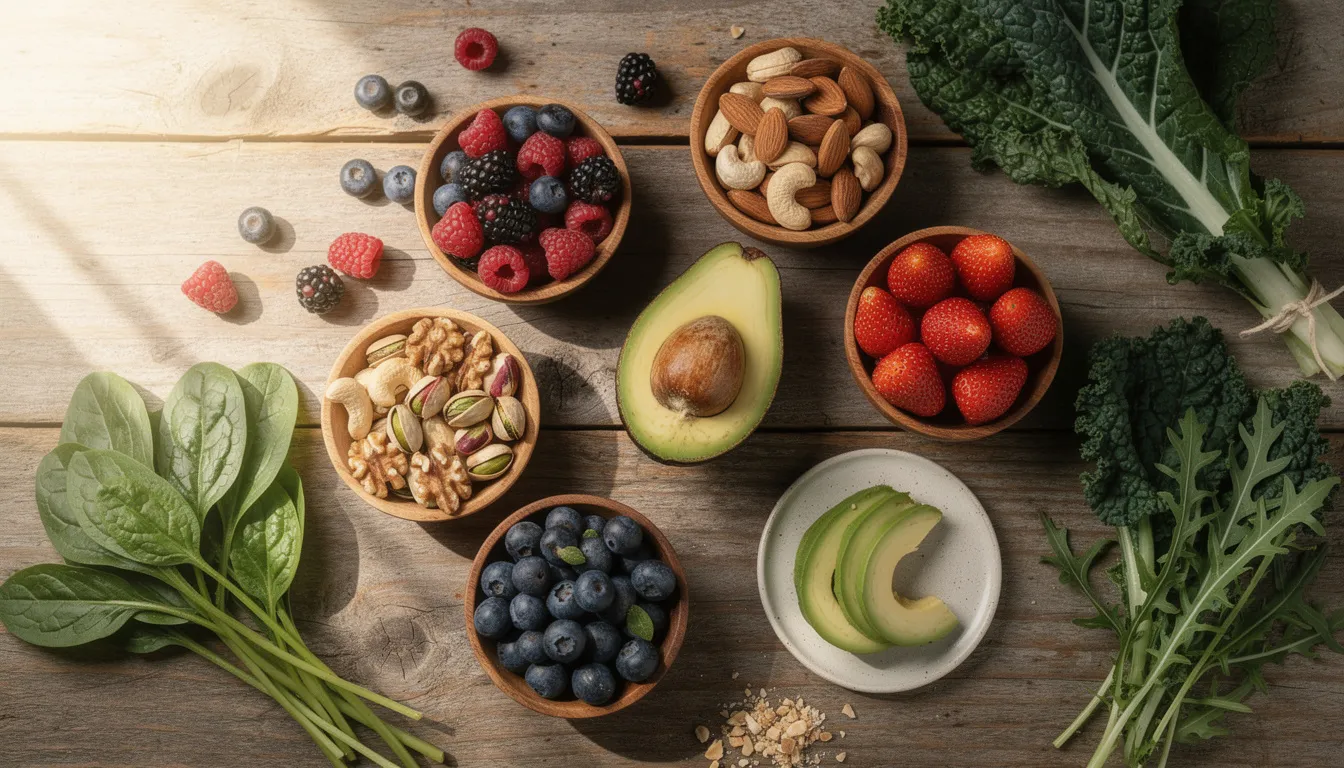
Background levels of polyphenols similar to resveratrol (from berries, olive extract, leafy greens)
Healthy fats that support compound absorption
Anti-inflammatory nutrients
Natural NAD⁺ precursors from food sources
Avoiding dairy-heavy processed foods and emphasizing plants, fish, and healthy oils creates a nutritional environment that complements cellular health goals.
Exercise: The Most Powerful Intervention
Research shows that both endurance and resistance training can independently:
Raise NAD⁺ levels
Support mitochondrial function and biogenesis
Improve metabolic markers
Enhance recovery capacity
Regular exercise may be the single most powerful longevity intervention available, supporting the same pathways that NMN and resveratrol target. Many athletes and those maintaining an active lifestyle find that supplementation complements—rather than replaces—consistent physical activity.
Stress and Circadian Rhythm
Chronic stress and irregular light exposure affect metabolic health and cellular function. Simple tools include:
Daily daylight exposure, especially in the morning
Consistent meal timing
Relaxation practices (meditation, breathing exercises)
Limiting blue light exposure before bed
Monitoring and Tracking
Objective tracking helps ground perceived benefits in data:
Periodic blood work (lipids, glucose, inflammatory markers)
Baseline measurements before starting supplements
Regular check-ins with a healthcare professional
This approach transforms supplementation from guesswork into a more systematic strategy for supporting health as you age.
How to Choose Quality NMN and Resveratrol Supplements
Quality, purity, and transparency matter enormously in this category. Variable regulation and substantial price differences between products mean consumers must be discerning.
Purity and Form
Look for:
NMN: High-purity formulations (often ≥99%) with clear identification as nicotinamide mononucleotide
Resveratrol: Trans resveratrol specifically (the more studied isomer), ideally ≥98% purity
Clear labeling without proprietary blends that hide actual dosages
Some products also combine with complementary compounds like quercetin or olive extract for additional polyphenol support.
Label Clarity and Accuracy
Quality products should state:
Exact milligram amounts per serving
Specific form of each compound
All excipients and inactive ingredients
Manufacturing location and standards
Label accuracy is essential—what’s on the label should match what’s in the capsule.
Testing and Manufacturing Standards
Essential quality markers:
Third party tested with available Certificates of Analysis
Testing for identity, potency, heavy metals, and microbial contaminants
Production in GMP-compliant facilities
Products labeled as non gmo when applicable
Delivery Technologies
Some products use enhanced delivery systems:
Liposomal delivery for improved absorption
Micronized resveratrol for better bioavailability
Sublingual formats that bypass digestive degradation
Evidence on these technologies is still emerging. They may justify higher costs only if backed by comparative data showing genuine efficacy improvements.
Red Flags to Avoid
Unrealistic “reverse aging” claims
Aggressive marketing without scientific references
Complete lack of independent testing documentation
Prices that seem too good to be true
Unclear raw material origins
When evaluating any brand, look for transparency about sourcing, manufacturing, and the current regulatory landscape. Companies that acknowledge the science is evolving—rather than making definitive cure claims—tend to be more trustworthy.
Frequently Asked Questions About the NMN + Resveratrol Stack
Can I just take NMN or just resveratrol?
Yes, each compound has been studied separately and offers potential benefits on its own. NMN alone may boost NAD⁺ levels, while resveratrol alone provides antioxidant support. The rationale for stacking is to support both NAD⁺ supply and sirtuin activation simultaneously, which may enhance overall efficacy based on mechanistic reasoning and preclinical data.
How long until I might notice anything?
Based on existing research and user reports, people who respond typically notice subtle changes in energy or exercise tolerance within 4-8 weeks. Deeper changes—such as improvements in lab markers—may take several months. This isn’t an overnight transformation; it’s gradual support for cellular health over longer periods.
Is this safe to take long term?
Most clinical trials are short to medium term (weeks to months), and long-term safety data in humans remain incomplete. Periodic re-evaluation with a healthcare professional is recommended, particularly for anyone taking the stack for extended periods.
Is NMN legal where I live?
Regulations differ significantly by region. In the U.S., NMN’s status has been under FDA review since 2022. Other regions (parts of the EU, Asia, Australia) may treat it differently—some as a dietary supplement, others with restrictions. Check current local guidelines before purchasing.
Can diet alone provide enough NMN and resveratrol?
Typical dietary intakes are far below supplemental doses used in research. Food sources provide perhaps a few milligrams per day, while studies often use hundreds of milligrams. Supplements exist to bridge this gap, but nutrition still provides a crucial foundation for overall health.
How does nicotinamide riboside compare to NMN?
Both are NAD⁺ precursors with similar goals. Nicotinamide riboside (NR) has more published human clinical trials, while NMN may have certain metabolic advantages. Both appear to raise NAD⁺ levels, and some people choose based on availability, price, or personal response.
Should I talk to my doctor before starting?
Absolutely. This is especially important if you take medications, have existing health conditions, or are managing any disease. A healthcare professional can help you assess whether the stack is appropriate for your situation and monitor for any interactions or adverse effects.
Conclusion: A Promising, Not Magic, Longevity Stack
NMN and resveratrol together represent a well-reasoned, mechanistically coherent approach to supporting cellular health. By targeting both NAD⁺ supply and sirtuin activation, the combination addresses two complementary aspects of the same protective system—which is why it has attracted substantial scientific interest and a growing body of research.
That said, most of the strongest evidence comes from cell and animal studies. Human data, while encouraging, remains more limited and often short-term. Ongoing clinical trials will help clarify who benefits most, at what dose, and over what time span.
Any supplementation strategy works best when combined with evidence-backed lifestyle habits. Sleep, regular exercise, nutrition, and stress management remain the foundation of healthy aging—supplements are one tool among many, not a replacement for the basics.
The goal isn’t to “hack immortality” or reverse aging through a vitamin or capsule. It’s to support healthy function as we age, making science-informed, cautious, and personally appropriate choices that align with our individual wellness goals. For those interested in exploring the longevity stack, starting with quality nmn resveratrol supplement products, consulting a healthcare professional, and maintaining realistic expectations is the most sensible path forward.

Further Reading
Explore more articles related to this topic:
- NMN and Resveratrol Benefits: How They Work, What the Science Says, and Whether to Take Them Together
- Is NMN Better Than NR (Nicotinamide Riboside)? Science, Safety and How to Choose
- 10 Common NMN Mistakes That Are Wasting Your Money
- The title already contains the keyword. No changes are necessary.
- NMN and Intermittent Fasting: Should You Take Your Supplement During the Fast?
- NMN and Apigenin: The Science of CD38 Inhibition
- What Are Senolytics? A Beginner’s Guide to How Quercetin and Fisetin Clear “Zombie Cells”