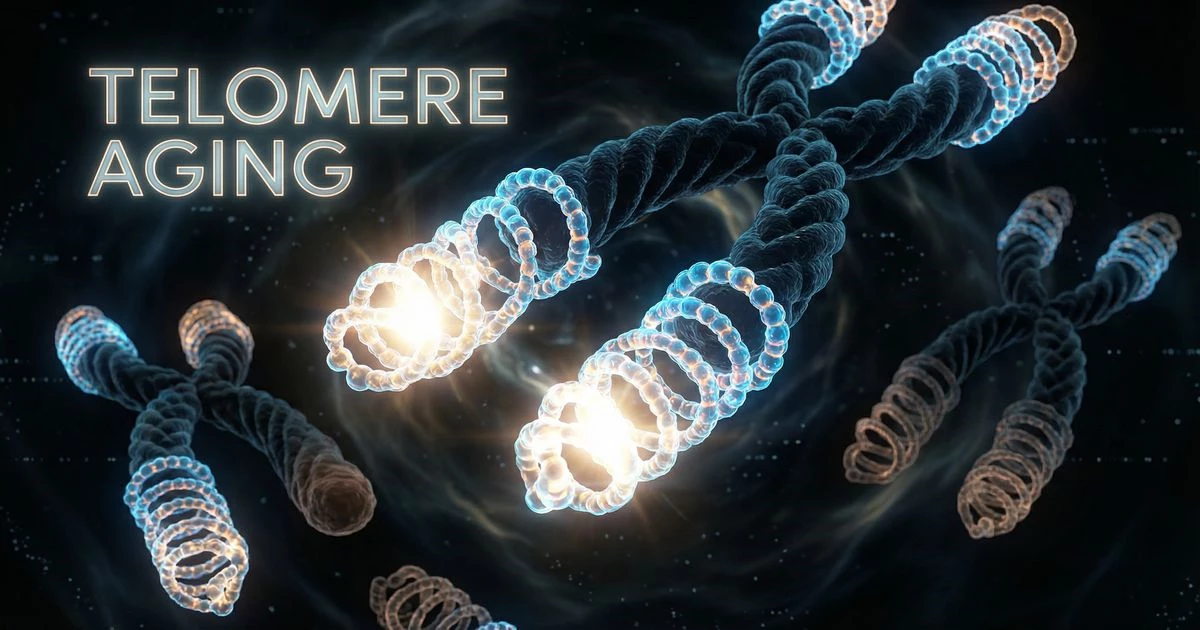

Your chronological age is fixed—it’s simply the number of years since you were born. But your biological age tells a different story, one written in your cells, tissues, and molecular markers. Among the most studied of these markers is telomere length, the protective caps at the ends of your chromosomes that shorten as cells divide over time.
In recent years, nicotinamide mononucleotide (NMN) has emerged as a popular supplement in the longevity space, promoted for its ability to boost NAD+ levels and potentially slow aspects of the aging process. This has led many to ask: can NMN influence telomere length, and if so, does that mean we can actually “reverse” biological aging?
This article examines that question through the lens of current science. We’ll cover the fundamentals of telomere biology, explain how NAD+ and NMN interact with cellular aging pathways, review what animal and human studies suggest, and offer realistic, evidence-based strategies for supporting healthy aging. This is informational content—not medical advice—and we’ll be careful to distinguish what the research shows from what remains speculative.
Telomere Basics: Why Length Matters for Aging
What Are Telomeres?
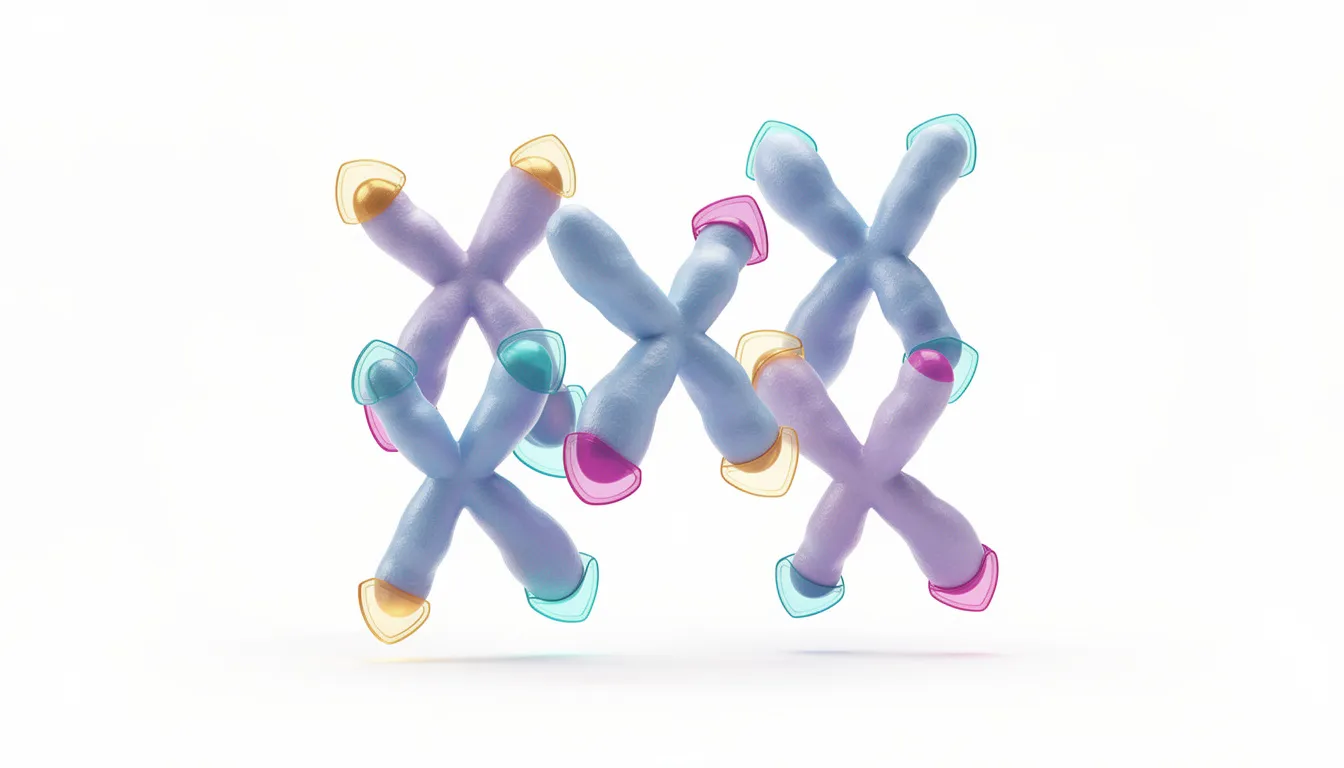
Telomeres are repetitive DNA sequences—specifically TTAGGG repeats in humans—located at chromosome ends. Think of them as the plastic tips on shoelaces that prevent fraying. These structures protect chromosomes from degradation, prevent them from fusing with neighboring chromosomes, and provide stability during DNA replication.
The shelterin complex, a group of proteins including TRF1, TRF2, and POT1, binds to telomeric DNA and helps maintain telomere structure. This protein complex shields the chromosome ends from being recognized as damaged DNA, which would otherwise trigger repair mechanisms that could lead to chromosomal instability.
The End-Replication Problem
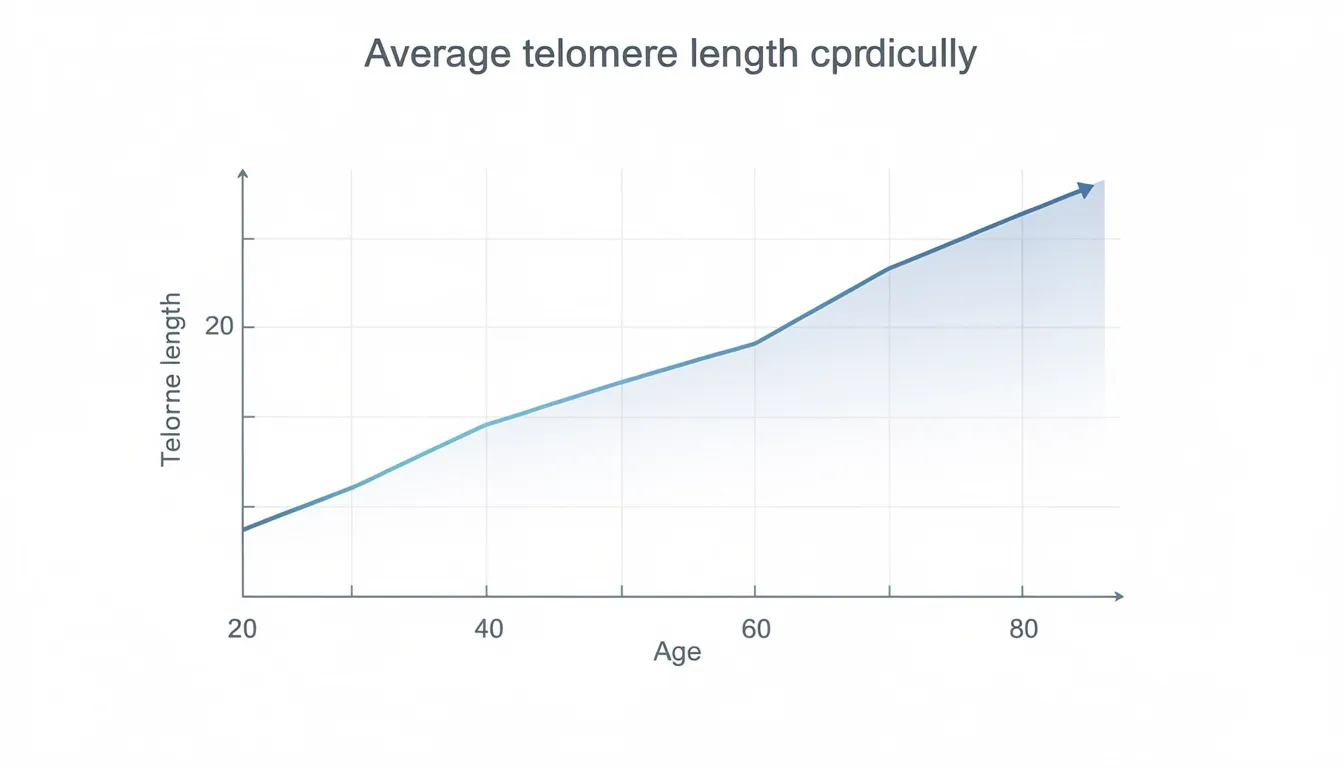
Here’s the challenge: every time human cells divide, DNA polymerase cannot fully replicate the very ends of linear chromosomes. This is known as the end-replication problem, first described in the early 1970s. The lagging strand during DNA replication leaves a small portion unreplicated, resulting in progressive telomere shortening with each cell division. This progressive shortening acts as a ‘mitotic clock’, limiting the number of times a cell can divide before entering senescence or apoptosis.
In most human somatic cells—the non-reproductive cells that make up most of your body—telomerase activity is low or absent, which is why telomere shortening occurs with each division. Telomeres typically shorten by approximately 30 to 70 base pairs per year in adult white blood cells. This rate varies based on:
Cell type and replicative history
Oxidative damage exposure
Individual genetic factors
Lifestyle and environmental conditions
Human telomerase is the enzyme responsible for elongating telomeres and counteracting telomere shortening. It is composed of two main components: the telomerase reverse transcriptase (TERT) and the telomerase RNA component, which provides the template for telomere elongation.
When Telomeres Become Critically Short: Telomere Shortening
When the length of telomeres falls below a critical threshold, cells enter a state called replicative senescence. The shortened telomeres trigger DNA damage responses, leading to cell-cycle arrest and preventing further division. This biological mechanism exists to prevent genomic instability, but it comes at a cost.
Genetic mutations that affect telomere maintenance can result in telomere syndrome, a group of diseases characterized by abnormally short telomeres and clinical manifestations such as pulmonary fibrosis and dyskeratosis congenita.
Senescent cells accumulate with age and contribute to tissue dysfunction, reduced regenerative capacity, and chronic low-grade inflammation. This process connects telomere attrition to broader patterns of biological aging and age related diseases.
What Human Studies Show
Landmark research has consistently linked shorter telomeres with increased risk of various health outcomes:
| Study/Analysis | Key Finding |
|---|---|
| Cawthon 2003 | Individuals with shorter telomeres had higher mortality rates |
| Large cohort meta analyses (2010s) | Shorter leukocyte telomere length associated with cardiovascular disease, type 2 diabetes, and coronary heart disease |
| Systematic review data and meta-analysis | Inverse correlation between telomere length and all-cause mortality in the general population |
| Forero et al. | Research examining telomere length variations in neurodegenerative disorders like Alzheimer’s disease and in the epidemiology of aging and cancer |
| These associations have been observed across diverse populations and study designs. In these studies, the term ‘study participants’ refers to the individuals whose telomere length, health outcomes, and lifestyle factors were analyzed. Notably, individuals with shorter telomeres had a 1.9-fold greater all-cause mortality compared to those with longer telomeres, and shorter telomeres at baseline were predictive of greater all-cause mortality over 10 years. |
Recent findings from meta-analyses and cohort studies also highlight the impact of strength training on telomere length and biological aging among study participants:
Adults who strength train regularly have significantly longer telomeres and therefore less biological aging than adults who do not strength train.
Regular strength training is associated with longer telomeres in adults.
Adults who engage in strength training for 90 minutes per week have telomeres that are approximately 3.9 years less biologically aged compared to those who do not strength train.
The length of telomeres is positively correlated with the frequency of strength training sessions per week.
However, it’s crucial to understand that telomere length is a probabilistic marker of risk, not a precise countdown to disease or death.
Limitations as a Single Biomarker
Telomere length varies considerably between individuals of the same chronological age. Some older adults maintain relatively long telomeres, while some younger people have shorter telomeres. Factors like genetics (which account for roughly 70% of telomere length variation), body mass index, stress levels, and lifestyle all influence this biomarker.
Using telomere length alone to predict health outcomes or life expectancy has significant limitations. It’s one piece of a much larger puzzle that includes epigenetic patterns, mitochondrial function, immune cell composition, and dozens of other biological variables.
NAD+, NMN, and Cellular Aging: The Mechanistic Link
Understanding NAD+
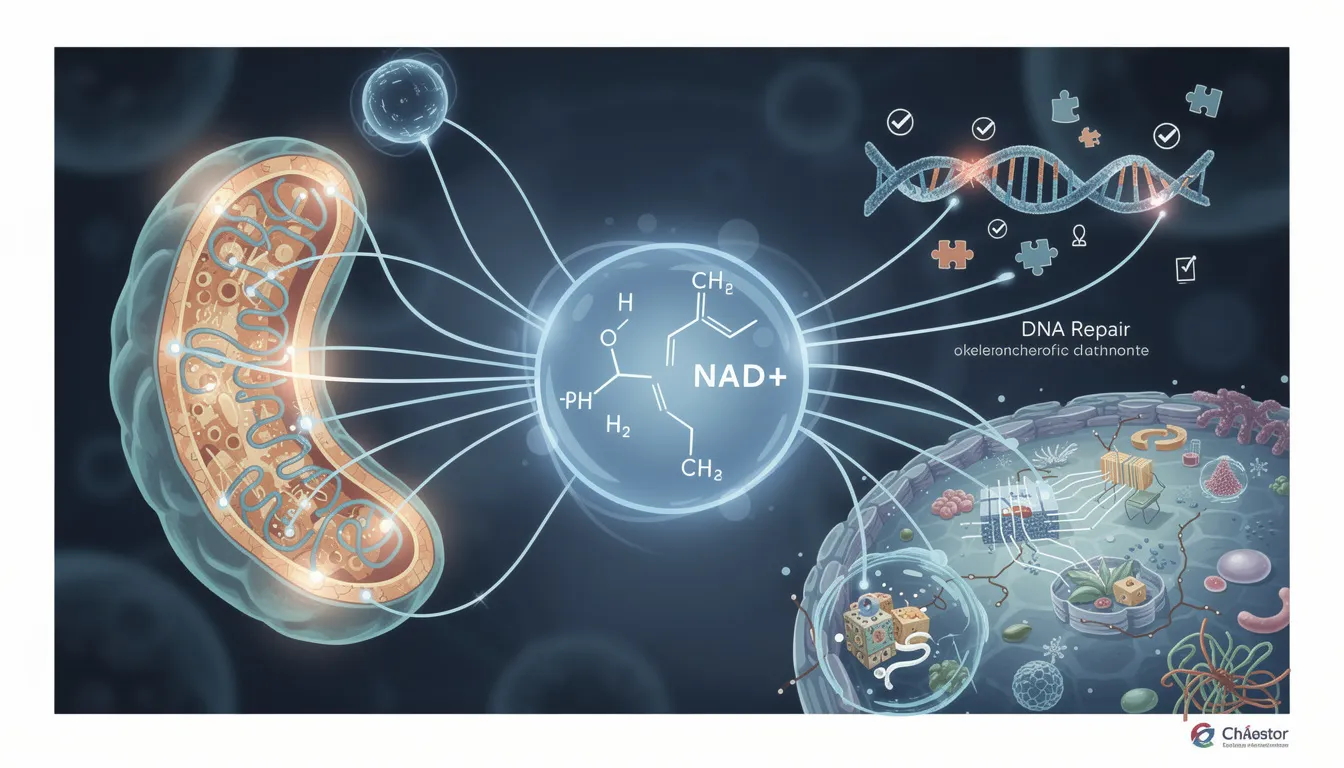
Nicotinamide adenine dinucleotide (NAD+) is one of the most important coenzymes in cellular metabolism. It participates in hundreds of biochemical reactions, serving as an electron carrier in energy production and as a substrate for enzymes involved in DNA repair, gene expression, and stress responses.
NAD+ levels tend to decline with age. Some research suggests cellular NAD+ may drop by as much as 50% by middle age, though this varies by tissue and individual. This decline has been implicated in various aspects of aging, from reduced mitochondrial function to impaired DNA repair capacity.
NMN as an NAD+ Precursor
NMN is a direct precursor to NAD+ in the salvage pathway, one of the main routes cells use to synthesize this critical coenzyme. When you take NMN as a supplement, it can be converted to NAD+ through enzymatic reactions, potentially restoring declining NAD+ levels.
Human trials have shown that oral NMN supplementation (typically 250 mg to 600 mg daily) can increase blood NAD+ levels. One study found that 2 grams per day raised blood NAD+ approximately two-fold over 30 days. This ability to boost NAD+ is the foundation of NMN’s proposed anti-aging effects.
NAD+-Dependent Enzymes and Telomere Maintenance
Several enzyme families depend on NAD+ to function:
Sirtuins (SIRT1-7): These proteins regulate metabolism, stress responses, and DNA repair. SIRT1 and SIRT6 are particularly relevant to telomere biology because they:
Localize to telomeric regions in model systems
Help maintain chromatin structure at chromosome ends
Reduce DNA damage signaling at telomeres
May modulate telomerase reverse transcriptase expression in certain cellular contexts
PARPs (Poly ADP-ribose polymerases): These enzymes consume substantial amounts of cellular NAD+ (estimates suggest 80-90%) during DNA repair processes. PARP1 activity near telomeric DNA helps maintain genomic stability.
The Indirect Connection
It’s important to understand that NMN doesn’t “go to the telomere” directly. Instead, NMN may indirectly influence telomere stability and cellular aging by:
Restoring NAD+ levels
Supporting sirtuin activity
Enhancing DNA repair capacity near telomeres
Potentially reducing telomere-associated DNA damage signaling
This represents a multi-step, indirect pathway—not a direct telomere-lengthening mechanism.
What Animal and Cell Studies Say About NMN, NAD+ and Telomere Length
Key Preclinical Findings
Research in laboratory animals and cultured cells has explored how boosting NAD+ affects markers related to telomeres, aging, and senescence. Human cell lines are commonly used to investigate telomere length regulation, telomerase activity, and cellular aging mechanisms in vitro. While results are intriguing, they require careful interpretation.
Several mouse studies from the 2013-2018 period demonstrated that NAD+ precursors (including NMN and the related compound nicotinamide riboside) could:
Improve mitochondrial function in skeletal muscle and other tissues
Reduce markers of DNA damage
Support stem cell function in aging mice
Modulate telomerase activity in specific tissue contexts
For example, work from the Imai group and related researchers (Yoshino 2011, Gomes 2013) showed that NAD+ precursors could reverse some age-related metabolic and muscular changes in mice, extending aspects of healthy function.
Telomerase-Deficient Mouse Models
Studies using telomerase-deficient mice—animals that cannot maintain their telomeres normally—provide additional insights. When researchers restored NAD+ in these models, some study suggests improvements in:
Stem cell function
Tissue regeneration capacity
Reduction of certain age-related phenotypes
However, whether telomere length itself changed substantially in these experiments is less clear. Many studies measured telomere-associated DNA damage foci, telomerase expression levels, or senescence markers (like p16 and p21) rather than absolute changes in telomere base-pair length.
What Improved vs. What Remains Unknown
Observed improvements in animal studies:
Mitochondrial function and energy metabolism
DNA damage marker reduction
Cell senescence marker modulation
Vascular health in aging mice
Some reports of ~10% longer telomeres in vascular cells versus aging controls (limited data)
What we don’t know:
Whether telomere length changes are consistent across tissues
The magnitude of any telomere elongation in different cell types
Long-term effects of sustained NAD+ boosting
How findings in normal cells, cancer cells, or tumor cells might differ
Species Considerations
Mouse telomeres are fundamentally different from human telomeres. Mice have much longer telomeres (40-150 kilobases on average) compared to humans (5-15 kilobases average). They also express telomerase more broadly in somatic cells than humans do.
This means results from mouse studies cannot be directly translated to humans. The same dose, duration, and intervention may produce very different effects in muscle cells, immune cells, or blood cells of humans versus rodents.
Human Evidence: Does NMN Influence Telomere Length or Biological Age?
Current State of Human Research
Human research on NMN supplementation has grown substantially since 2019, with numerous clinical trials examining various health outcomes. However, research specifically measuring telomere length as an endpoint remains limited.
Most published NMN trials have focused on:
| Outcome Measured | Typical Findings |
|---|---|
| Blood NAD+ levels | Significant increases (38-100%+ depending on dose) |
| Insulin sensitivity | Some improvements observed |
| Muscle function | Modest improvements in some studies |
| Physical performance | Mixed results |
| Telomere length | Rarely measured directly |
| For example, a 2021 trial with approximately 66 participants taking 300 mg NMN daily for 60 days showed NAD+ increases of about 38%, but did not include telomere length measurements. |
Why Telomere Data Is Scarce
Several factors explain the limited direct telomere evidence:
Study duration: Most NMN trials run 8-24 weeks, which may be too short to detect meaningful telomere changes given normal annual shortening rates of 30-50 base pairs
Cost and complexity: Accurate telomere measurement requires specialized assays (TRF, STELA, Q-FISH) that add expense and technical challenges
Study priorities: Researchers have focused on more immediate, measurable outcomes like metabolic markers
Commercial Testing and Pilot Data on Leukocyte Telomere Length
Some commercial laboratories offer leukocyte telomere length testing and composite “biological age” panels. A few pilot studies or company-sponsored reports have claimed improvements in these metrics after NAD+ precursor supplementation.
However, these datasets often have significant limitations:
Small sample sizes
Non-randomized designs
Lack of placebo controls
Potential conflicts of interest
High measurement variability (5-15% coefficient of variation for telomere assays)
What the Evidence Actually Shows
As of the most current research available (2024-2025):
No large, well-controlled human RCT has conclusively demonstrated that NMN significantly lengthens telomeres in blood cells
No validated epigenetic clock has shown reversal specifically attributable to NMN in rigorous trial settings
Some users report modest improvements in multi-biomarker “biological age” panels, but these are hypothesis-generating observations, not proof of causal telomere elongation
The gap between what NMN might do based on mechanistic reasoning and what has been proven in humans remains substantial.
Can You Actually Reverse Biological Age? Interpreting Telomere and NMN Data
Defining “Reverse Biological Age”
The phrase “reverse biological age” gets used loosely in longevity discussions, but it can mean several different things:
Improving risk profiles: Reducing biomarkers associated with disease risk (blood pressure, inflammation, etc.)
Slowing epigenetic aging rates: Reducing the rate at which methylation-based “clocks” advance
Modest biomarker improvements: Small increases in metrics like telomere length that correlate with better outcomes
True reversal would mean your cells and tissues become functionally younger, not just that certain numbers improve temporarily.
Telomere Lengthening in Lifestyle Studies
Modest telomere elongation has been reported in some intensive lifestyle intervention studies. For example, research involving comprehensive nutrition changes, stress reduction programs, and regular physical activity over 3-5 years showed:
Small but measurable increases in leukocyte telomere length in some participants
Changes often within or near measurement variability ranges
Effects most pronounced in individuals making dramatic lifestyle changes
These findings suggest that telomere dynamics may be modifiable, but the changes are typically modest—not dramatic reversals.
Telomeres Are One Piece of the Puzzle
Focusing exclusively on telomere length misses the broader picture of aging biology. Other important markers include:
Epigenetic clocks: DNA methylation patterns that correlate with age and mortality risk
Proteomic signatures: Patterns of protein expression that change with age
Mitochondrial function: Energy production capacity in cells
Functional metrics: VO2max, grip strength, gait speed, cognitive performance
Oxidative stress can directly damage telomeres, leading to cellular senescence. Pulmonary fibrosis is a clinical manifestation linked to telomere dysfunction and telomere syndrome, often associated with genetic mutations affecting telomere biology. NMN has been shown in preclinical models to help protect against damage and fibrosis by stabilizing telomeres.
A person could theoretically have longer telomeres but still show signs of accelerated aging by other measures—or vice versa.
Positioning NMN Realistically
Based on current evidence, NMN should be positioned as:
A potential tool for supporting cellular metabolism and NAD+ levels
Possibly helpful for creating cellular conditions favorable to healthier aging
Not a proven “age reversal” drug
Not a substitute for lifestyle factors with stronger evidence
Even if NMN contributed to telomere preservation in some cells, that wouldn’t automatically guarantee extended lifespan or disease prevention. The relationship between telomere length and health outcomes is correlational, not deterministic.
Relative Risk Perspective
Consider this framing: interventions that improve cardiovascular health, metabolic function, or inflammation markers may reduce relative disease risk without literally “turning back the clock.” Someone who improves their metabolic profile through exercise or diet may have lower disease risk at age 60 than they did at age 50—functionally healthier without any magical reversal of cellular age.
NMN might contribute to such improvements, but positioning it as an “age reversal” compound goes beyond what current human evidence supports.
Evidence-Based Ways to Support Telomere Health (With or Without NMN)
Physical Activity: The Strongest Evidence
Among lifestyle factors, physical activity has the most robust data supporting telomere preservation. Large observational studies, including NHANES-based analyses, show that regular exercise correlates with longer leukocyte telomere length and significantly longer telomeres compared to sedentary individuals.
Key findings from exercise research:
| Activity Type | Association with Telomeres |
|---|---|
| Aerobic exercise | 15-25 base pairs per year slower shortening vs. sedentary |
| Strength training | Associated with longer telomeres in multiple studies |
| Combined training | May provide additive benefits |
| The biological mechanism likely involves reduced oxidative damage, improved stress responses, and better metabolic function—all factors that may protect telomeres during normal cells division and replication. |
Body Weight and Metabolic Health
Research consistently links obesity, insulin resistance, and type 2 diabetes with shorter telomeres. Excess adipose tissue generates chronic inflammation and oxidative stress that may accelerate telomere shortening.
Maintaining a healthy body mass index and metabolic profile through nutrition and exercise may support healthier telomere dynamics. Weight management appears particularly important for public health approaches to healthy aging.
Smoking and Environmental Exposures
The evidence linking smoking to accelerated telomere shortening is robust. Studies show dose-dependent relationships between smoking pack-years and telomere attrition rates. Environmental pollutants and chronic oxidative stress from various sources also appear to accelerate shortening.
Avoiding smoking and minimizing pollution exposure represent clear, actionable steps for anyone concerned about telomere health.
Nutrition Patterns
Dietary patterns associated with longer telomeres or reduced attrition rates include:
Mediterranean-style eating (high in vegetables, fruits, olive oil, fish)
Adequate omega-3 fatty acid intake
Reduced consumption of highly processed foods
Sufficient antioxidant intake from whole foods
No single nutrient dramatically changes telomere length, but overall dietary patterns appear to influence telomere dynamics over time.
Sleep and Stress Management
Chronic stress and inadequate sleep have been associated with shorter telomeres in multiple cohort studies. The mechanisms may involve:
Elevated cortisol and stress hormones
Increased inflammation
Impaired DNA repair during sleep
Prioritizing 7-9 hours of quality sleep and practicing stress reduction techniques may support cellular health, though direct causal evidence for telomere effects remains limited.
Where NMN Fits In
Within this context, NMN represents one possible adjunct among many evidence-based strategies. It should be considered:
After establishing healthy lifestyle foundations
As a supplement, not a replacement for exercise, nutrition, and sleep
With appropriate medical guidance
With realistic expectations about current evidence levels

Safety, Unknowns, and Responsible Use of NMN
What Short-Term Studies Show
Human clinical trials of NMN supplementation have generally shown a favorable short-term safety profile:
Typical doses studied: 250-600 mg daily (some trials up to 1,200 mg)
Trial durations: Usually 8-24 weeks
Reported side effects:
Generally mild when they occur
Gastrointestinal discomfort in some participants (10-20% in some reports)
Flushing or warmth in some individuals
No serious adverse events in published trials
These results are reassuring but limited to relatively short timeframes and healthy volunteer populations.
Key Unknowns
Several important questions remain unanswered:
Long-term safety: No trials have followed participants for multiple years. Effects of sustained NAD+ elevation over decades are unknown.
Cancer considerations: Telomerase activity is elevated in approximately 90% of tumor cells and most cancer types. Theoretical concerns exist about whether boosting NAD+ or indirectly stimulating telomerase could affect cancer cells, blood cancers, or individuals with high risk of malignancy. This remains speculative but warrants caution.
Drug interactions: Interactions with medications, particularly those affecting metabolism, have not been thoroughly studied.
Special populations: Effects in embryonic development, germ line cells, or embryonic stem cells are not well characterized. Pregnant or breastfeeding individuals should avoid NMN.
Regulatory Status
NMN’s regulatory classification has evolved. In some jurisdictions, classification changes occurred around 2022-2023 that affected availability as a dietary supplement. Readers should check current local regulations and guidance from health authorities like the National Institutes of Health or equivalent agencies.
Risk-Aware Summary
What we know:
Short-term use (up to 6 months) appears well-tolerated in healthy adults
Common doses (250-600 mg) raise NAD+ levels
No serious safety signals in published trials
What we don’t know:
Long-term (multi-year) effects
Safety in cancer survivors or those with active malignancy
Effects during pregnancy or breastfeeding
Optimal dosing for different age groups or health conditions
Whether any telomere effects (positive or negative) occur in humans
Anyone considering NMN supplementation should discuss it with a healthcare provider, particularly if they have chronic disease, take medications, or have cancer history.
How to Talk With Your Doctor About NMN, Telomeres, and Aging Tests
Preparing for the Conversation
If you want to discuss NMN or telomere testing with your healthcare provider, come prepared:
Bring a complete list of:
All current supplements (including doses and brands)
Prescription and over-the-counter medications
Your health goals (e.g., managing cardiovascular health, improving energy, supporting healthy aging)
Family history relevant to longevity and chronic conditions
Have realistic expectations: Most physicians are not trained extensively in longevity supplements. You may need to provide some background information or research summaries.
Questions to Ask Your Doctor
Consider asking:
“Given my current health status and medications, are there any concerns about taking NMN?”
“Which lab markers would be more clinically actionable for me—lipids, glucose, inflammatory markers—rather than telomere length?”
“If I get a telomere test, how should I interpret the results?”
“What evidence-based interventions would you recommend for healthy aging?”
“Are there any clinical trials in this area I might consider participating in?”
Understanding Telomere and Aging Tests
Commercial telomere length tests and multi-biomarker “biological age” panels are increasingly available. Here’s what to consider:
| Aspect | Pros | Cons |
|---|---|---|
| Information | Can provide data point about cellular aging | Single measurement has limited predictive value |
| Cost | Usually $100-400 | Not covered by insurance |
| Variability | May track changes over time | 5-15% measurement variation makes small changes hard to interpret |
| Actionability | May motivate lifestyle changes | Unclear whether results change treatment decisions |
Focus on What’s Actionable
The most valuable aging-related metrics are often the ones you can do something about:
Blood pressure
Blood glucose and insulin sensitivity
Lipid profiles
Body composition
Fitness markers (strength, endurance)
Sleep quality
Using telomere or biological age tests as supplementary information rather than primary decision drivers keeps the focus on evidence-based interventions.
Conclusion: NMN, Telomeres, and a Realistic View of Age “Reversal”
The connection between NMN and telomere length is rooted in plausible biology. NMN can boost NAD+ levels, which supports sirtuin activity and DNA repair pathways that may help maintain telomere integrity. Animal studies have shown improvements in various age-related markers, including some telomere-associated outcomes.
However, robust human evidence for actual telomere elongation from NMN supplementation remains limited. As of current research, no large randomized controlled trial has demonstrated that NMN significantly lengthens telomeres in human blood cells or reverses validated biological age metrics. The strongest data for telomere preservation still points to lifestyle factors—particularly regular physical activity, maintaining healthy body weight, avoiding smoking, and managing stress.
A realistic approach to healthy aging involves multiple strategies: prioritizing sleep, nutrition, and exercise; managing known risk factors for cardiovascular disease and metabolic conditions; staying engaged socially and mentally; and making informed, cautious decisions about supplements. NMN may be a reasonable consideration for some individuals, but it should complement rather than replace these foundations.
Science in this field continues to evolve. Future randomized human trials with longer durations and direct telomere endpoints may clarify whether NMN meaningfully changes telomere dynamics or validated biological age markers. Until then, approaching “age reversal” claims with healthy skepticism—while staying curious about emerging research—represents the most evidence-aligned position for anyone interested in longevity science.
Further Reading
Explore more articles related to this topic:
- NMN Research Update 2026: What Recent Human Trials Tell Us About Reversing Biological Age
- NMN for Weight Loss 2026: Does Boosting NAD+ Actually Burn Fat?
- Benefits Of NMN Supplements: Science-Backed Pros, Limits, And Safety
- Can I Get Enough NMN From Food?
- Does NMN Interfere with Sleep? 5 Tips to Stop NMN-Induced Insomnia
- The 12 Hallmarks of Aging Explained: A Beginner’s Guide to Longevity Science
- What Are Senolytics? A Beginner’s Guide to How Quercetin and Fisetin Clear “Zombie Cells”