
Introduction: Why “Fake NMN” Became a Global Problem
Nicotinamide mononucleotide (NMN) is a molecule that serves as a precursor to NAD+, a coenzyme essential for cellular energy production, DNA repair, and numerous metabolic processes. Following groundbreaking research from 2016–2019—including studies from labs led by David Sinclair at Harvard and Shin-ichiro Imai at Washington University—consumer interest in NMN supplements exploded worldwide.
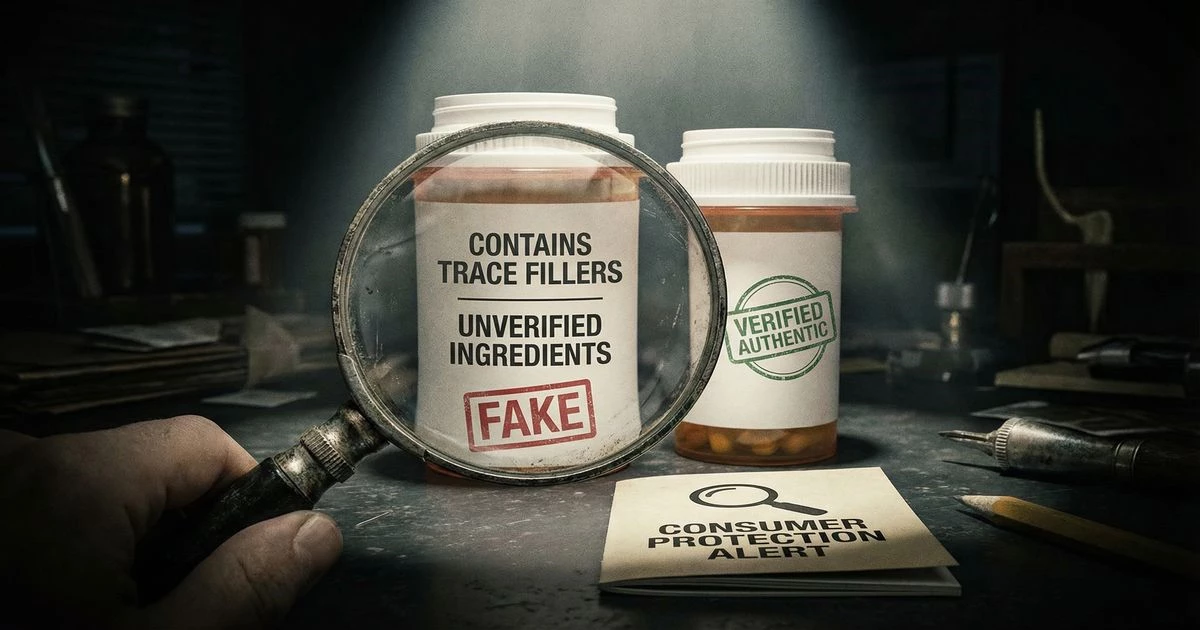
The problem? Booming demand combined with weak regulation created a perfect environment for fake supplements to flood the market. Between 2019 and 2023, large marketplaces like Amazon became saturated with nmn products that often contained little to no active ingredient. ChromaDex research found that approximately 64% of top-selling NMN brands contained less than 1% of their labeled nmn content—or zero nmn altogether.
This article provides a practical, science-based guide on how to read lab reports (Certificates of Analysis) and spot low-purity or misleading NMN products. You’ll learn concrete red flags, understand what legitimate documentation looks like, and gain the tools to protect yourself from adulterated products in this rapidly evolving market.
The Scale of the Fake NMN Crisis: What Independent Tests Found
Between 2020 and 2023, a wave of investigations revealed systemic quality failures across the NMN supplement market. What researchers found was alarming: the majority of products consumers trusted were either mislabeled, underdosed, or outright fraudulent.
Key Third-Party Findings
Multiple independent labs conducted testing that exposed the scope of the problem:
| Investigation | Sample Size | Key Finding |
|---|---|---|
| ChromaDex Testing (2020–2022) | Top Amazon sellers | ~64% contained virtually no nmn |
| Consumer Lab Analysis | 22 high-market-share products | Only 14% met or exceeded claimed amounts |
| Industry Supplier Audit | 22+ suppliers | More than half sold ordinary nicotinamide or low-purity material |
| The analysis indicating these failures showed that some products contained mostly nicotinamide (plain vitamin b3) instead of genuine nmn. Others had only trace amounts—less than 1% of the dose printed on the label. Interestingly, many of these products found failing tests still displayed positive reviews and four-to-five-star ratings. |
Amazon’s Policy Shift
The crisis prompted marketplace changes. In late 2022 and early 2023, Amazon began restricting NMN sales after FDA communications raised questions about NMN’s regulatory status. The platform started requiring ISO/IEC 17025-accredited certificates of analysis for remaining listings. Yet investigators continued finding fake certificates and misleading documentation even after these policy changes.
This pattern of quality failure extends beyond NMN. Organizations like NOW Foods have documented similar systemic issues across multiple supplement categories, revealing that suppliers selling ordinary nicotinamide as NMN reflects broader supply chain integrity challenges throughout the world of dietary supplements.
What “Fake NMN” Actually Means: Adulteration, Substitution, and Mislabeling
The term “fake nmn” serves as shorthand for several distinct quality and integrity problems. Understanding these categories helps you recognize what you’re actually dealing with when evaluating products.
Main Categories of Fake NMN:
Adulterated NMN: Products containing cheap fillers, undeclared vitamins, or bulk excipients where NMN is only a trace component. The bottle may say 500mg NMN, but the capsule is mostly rice flour or maltodextrin.
Substituted NMN: Products using nicotinamide, niacin, or other B3 forms instead of NMN while labeling implies genuine nmn content. This substitution is common because ordinary nicotinamide costs a fraction of true NMN to produce.
Under-dosed Products: These contain some NMN, but only 5–20% of the amount stated on the label. You’re paying full price for a fraction of the promised dose.
Misbranded or Counterfeit: Brands with forged CoAs, falsified lab logos, or copied certificates from other batches or companies. These products may hide behind legitimate-looking documentation that doesn’t hold up to verification.
Degraded NMN: Initially acceptable material that has broken down due to heat, moisture, or poor packaging, leading to low purity at time of purchase.
Why This Matters Scientifically
Research-grade NMN studies typically specify purity thresholds of 95–99% and exact dosages. When nmn products tested contained far less than labeled, any attempt to replicate research benefits becomes impossible. Poor quality or mislabeled products create a gap between what science has studied and what consumers actually receive.
How to Read an NMN Certificate of Analysis (CoA) Like a Scientist
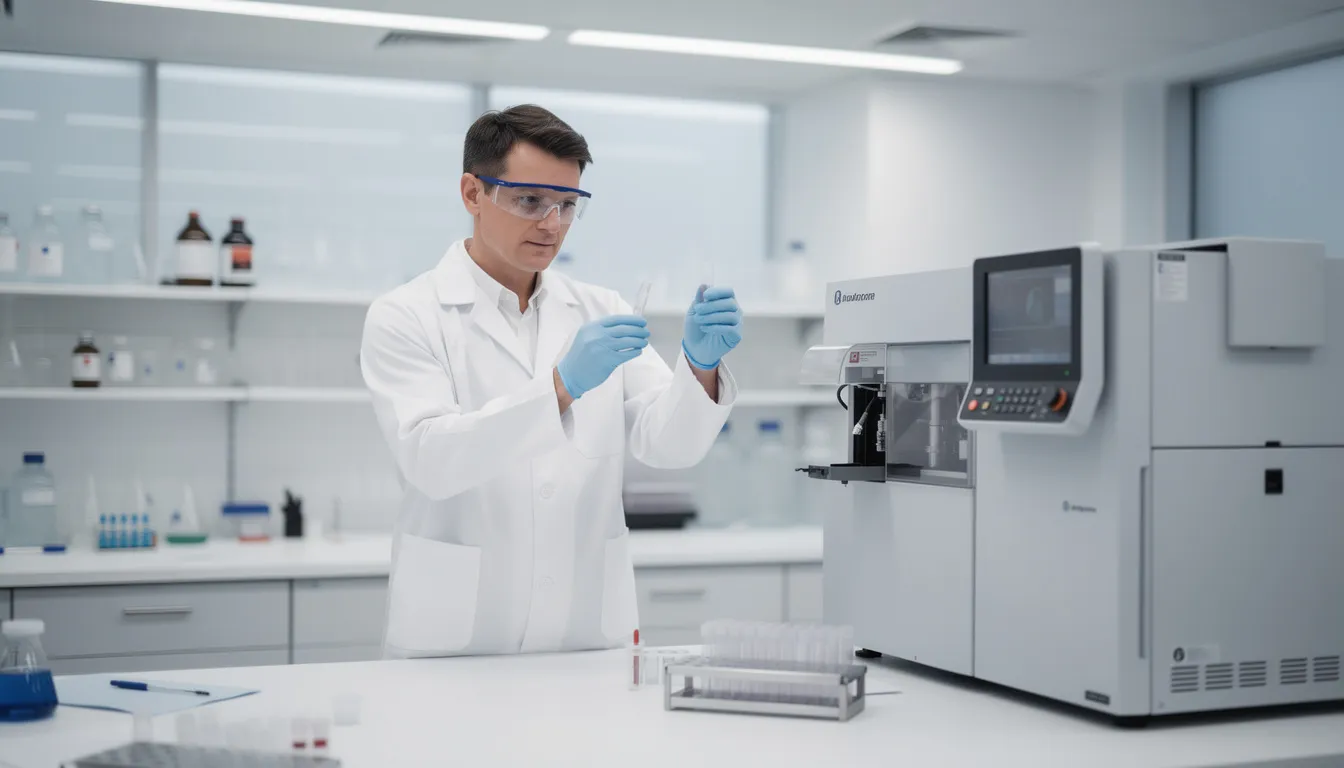
A Certificate of Analysis is a lab report from an independent, accredited laboratory that tests identity, purity, and contaminants for a specific batch. Learning to read one properly is your first line of defense against low quality products.
Key Elements to Verify on Any CoA
Laboratory Identity
Look for the full lab name, physical address, and contact information. Legitimate independent labs display their credentials prominently. Check for accreditation statements—ISO/IEC 17025 is the gold standard for testing laboratories—and verify that an accreditation number is provided.
Product Identification
The CoA should list:
Exact chemical name (e.g., “β-Nicotinamide Mononucleotide”)
CAS number (1094-61-7 for NMN)
Molecular formula
Supplier or brand lot/batch number matching what’s on your bottle
Test Methods
Pay attention to analytical techniques listed. Validated methods include:
HPLC (High-Performance Liquid Chromatography)
UPLC (Ultra-Performance Liquid Chromatography)
LC-MS (Liquid Chromatography-Mass Spectrometry)
NMR (Nuclear Magnetic Resonance)
Vague references to “in-house tests” or unspecified methods should raise concerns. Legitimate testing requires standardized, reproducible methodology.
Purity Result
Look for a clear percentage such as “Assay (HPLC): 99.4%.” Be cautious if only a wide range is given (e.g., “>90%” with no exact value). Research-grade material typically reports specific numbers with appropriate decimal precision.
Impurities and Contaminants
A complete CoA includes checks for:
Heavy metals (lead, cadmium, arsenic, mercury)
Microbial counts (total aerobic count, yeast, mold)
Residual solvents
Absence of these sections may indicate incomplete quality testing.
Date Logic and Batch Matching
Compare the test date, manufacturing date, and expiration date. A CoA dated much earlier than the product’s manufacturing date—or produced after the product was already being sold—signals potential fraud.
Always cross-check the batch number on the CoA with the one printed on your product label. They must match. Raw material CoAs (for bulk NMN powder) are different from finished product CoAs (for capsules or tablets). The latter should confirm nmn content per serving and per batch.
Common Signs of Fake or Manipulated Lab Reports
Forged or altered CoAs have been repeatedly documented in NMN investigations. Learning visual cues can help you filter out the worst offenders before spending your money.
Practical Red Flags
| Red Flag | What to Look For |
|---|---|
| No lab identity | “Independent lab” mentioned but no logo, address, phone, or website |
| Unverifiable accreditation | ISO 17025 claimed but no accreditation number or lab not found in public registries |
| Font inconsistencies | Different font types/sizes within same line, irregular spacing, misaligned tables |
| Identical CoAs across brands | Multiple unrelated brands sharing exact same layout, dates, and values |
| Mismatched batch numbers | Batch ID on CoA doesn’t match any batch on the bottle |
| Suspiciously perfect numbers | Purity always “100%” or “99.99%” without analytical uncertainty |
| Legitimate labs typically include a clear footer with analyst name or initials, revision numbers, and signature or digital sign-off. Their formatting remains consistent across all CoAs, but batch-specific values change appropriately. |

Purity, Stability, and Formulation: What to Look For Beyond the CoA
Purity is only one component of quality. The form, stability, and manufacturing environment all affect what you actually receive when you open that bottle.
Purity Thresholds
Common targets for research-grade NMN powders range from 95–99% purity. Marketing terms like “food-grade” or “pharma-grade” need backing from actual numbers and test methods—they’re meaningless without other documentation to support them.
Stability Considerations
NMN is known to be sensitive to heat and moisture. Studies from 2019–2022 explored degradation pathways showing that improperly stored NMN can break down significantly. Look for:
Desiccant packs in the bottle
Opaque or amber containers (not clear plastic)
Cool storage recommendations on the label
Form of NMN
β-NMN is the biologically relevant isomer. CoAs or specifications should specify “β” rather than just a generic name. Some products combine NMN with fillers or other nutrients—these should be accurately listed on the label and supported by finished-product testing.
Manufacturing Quality
Look for cGMP (current Good Manufacturing Practice) or equivalent certifications. Testing finished capsules or tablets for dose and purity provides stronger assurance than raw material CoAs alone.
Think like an auditor: Does the claimed dosage per capsule seem realistic given the capsule size and ingredient list? A 500mg capsule claiming 500mg of NMN leaves no room for any excipients—that’s physically impossible. Are excipients like microcrystalline cellulose or magnesium stearate clearly identified?
How to Vet an NMN Brand: Practical Due Diligence Checklist
Before purchasing any NMN product—especially from large marketplaces or unfamiliar nmn brands—run through this verification process.
Company Transparency
[ ] Real company name and physical address listed
[ ] Multiple contact options (email, phone, contact form)
[ ] Domain registration history shows established presence
Website and Documentation
[ ] Batch-specific CoAs accessible (not just generic documents)
[ ] CoAs clearly linked to specific lot numbers
[ ] Companies that value transparency don’t hide this information
Third Party Testing
[ ] Testing performed by independent, accredited labs
[ ] Not just “in-house quality checks”
[ ] Lab names verifiable in accreditation registries
Market History
[ ] Company domain registered for multiple years
[ ] Brand history traceable beyond recent launch
Scientific Literacy of Marketing
[ ] Modest, research-aligned language
[ ] No disease treatment or cure claims
[ ] References to actual studies (not just “research shows”)
Price Realism
[ ] Pricing consistent with typical NMN synthesis costs
[ ] Extremely low price relative to market is a red flag
Customer Reviews
[ ] Check independent sources beyond the sales platform
[ ] Look at review distribution, length, and specificity
[ ] Generic positive reviews may indicate manipulation
Return and Support Policies
[ ] Clear return policy stated
[ ] Responsive customer support
[ ] Indicates long-term commitment to legitimacy
Cross-check brand claims with publications they reference. Do they correctly summarize NMN research, or do they misrepresent findings to create false promises?
Recognizing Red Flags on Labels, Listings, and Marketing Claims
Most people encounter NMN through online product pages. Many warning signs appear before you ever request a lab report.
Label and Listing Red Flags
Vague Ingredient Naming “Nicotinamide” or “Vitamin B3 complex” listed instead of clearly specifying “β-Nicotinamide Mononucleotide (NMN).” This vagueness may indicate substitution.
Missing Dosage Clarity No clear “mg per serving” of NMN, or label only states “proprietary blend” amounts. You can’t verify potency if the dose isn’t specified.
Unspecific Purity Claims “High purity NMN” without any percentage or reference to test methods. Real brands back claims with data.
No Manufacturer Information Only a brand name with no company entity identified. Who is responsible if something goes wrong?
Marketing Claim Red Flags
Promises to diagnose, treat, cure, or prevent specific diseases (violates FDA regulations)
“Instant anti-aging” or “reverse your age in days” messaging
Heavy reliance on stock photos of lab coats and microscopes without actual data
Speaking in absolutes about health benefits without research citations
Marketplace Behavior Red Flags
Dozens of near-identical brands with similar packaging using the same display images
Rapid cycles of listings taken down and replaced with new brand names
Remains of removed listings reappearing under slight variations
None of these red flags alone prove a product is low quality, but several together should prompt extra caution and verification.
Case Study: What Major Investigations into Fake NMN Actually Showed
Understanding real-world investigations grounds abstract principles in concrete evidence.
Case Study 1: ChromaDex and High-Volume Amazon Brands (2020–2022)
ChromaDex, the company behind Tru Niagen (a nicotinamide riboside product), conducted internal testing of competing nmn products on Amazon. Their analysis revealed that roughly 60–70% of top sellers contained negligible NMN—often less than 1% of label claims.
The concerning finding: many underperforming products still featured glowing customer reviews and seemingly legitimate documentation. Consumer lab investigations corroborated these findings.
Even more troubling, investigators identified counterfeit Tru Niagen products sold on Amazon—none providing the amount of active ingredient claimed on their labels. This demonstrated that even established brands face counterfeiting threats on major marketplaces.
Case Study 2: ConsumerLab Testing
ConsumerLab tested approximately 20–25 nmn products with the highest market share. Results showed:
Only about 14% met or exceeded their labeled nmn content
64% had NMN levels below detectable limits
14% contained absolutely no NMN
The lab publicly named products that failed assay or purity criteria, creating transparency that helped consumers make informed decisions.
Case Study 3: Industry Quality Audits
Organizations like NOW Foods have conducted broader supplement testing programs. Their findings reveal frequent label-claim failures, microbial contamination, and mislabeling across multiple supplement categories—not just NMN.
These case studies reinforce key lessons:
Look beyond marketplace ratings
Demand verifiable data and consistent documentation
Treat outlier pricing and bold claims with skepticism until proven otherwise
Evidence-Based Expectations: What Science Actually Says About NMN
This section provides context for why purity and accurate dosing matter from a research perspective—without making therapeutic promises.
What Research Has Shown
Most mechanistic and animal studies from 2013–2019 used well-defined NMN doses and purity. These studies focused on:
NAD+ metabolism
Metabolic parameters
Age-related physiological changes in mice
Early human studies—including small trials in Japan around 2016–2021—evaluated safety, pharmacokinetics, and select biomarkers at controlled doses. Results have been encouraging but preliminary.
Why This Matters for Consumers
Research-grade NMN uses carefully characterized material with clear chemical identity and purity. When nmn products tested contained far less than labeled, consumers cannot replicate the conditions studied in the literature.
Gaps still exist in long-term human outcome data. Consumers should see NMN as an area of ongoing research, not as a guarantee of specific outcomes. The FDA’s September 2025 reversal confirmed NMN can be sold as a dietary supplement, but this doesn’t speak to efficacy or quality of individual products.
Consider discussing supplement decisions with qualified healthcare providers who can evaluate your overall health status, medications, and the strength of available evidence.
Practical Consumer Strategies to Avoid Low-Purity and Fake NMN
Here’s a concise, actionable summary pulling together everything covered above.
Your Verification Checklist
Always request recent, batch-specific CoAs for any NMN product before purchasing
Verify lab details are real and independently searchable in accreditation databases
Confirm batch numbers match between the product label and the certificate
Be wary of rock-bottom prices far below typical market levels—quality synthesis isn’t cheap
Cross-check ingredient lists for vague B3 terms instead of explicit “β-Nicotinamide Mononucleotide”
Prefer brands testing both raw material and finished product that share results transparently
Use independent reviews and expert commentary rather than relying solely on marketplace star ratings
Search for brand mentions in quality-focused publications like ConsumerLab or ProHealth Longevity resources
Record-Keeping Recommendations
Save CoAs and receipts for products you purchase. Monitor any changes in formula, appearance, or labeling across reorders. If something seems different, request updated documentation.
Reporting Suspicious Products
If you discover suspicious or mislabeled products, report them to:
The FDA’s MedWatch program
Consumer protection agencies in your jurisdiction
Marketplace support teams (Amazon, eBay, etc.)
Your report may protect others from purchasing bogus supplements and help improve overall market quality.

Conclusion: Staying Informed in a Rapidly Evolving NMN Landscape
The fake nmn crisis demonstrated how quickly a promising research compound can become surrounded by low-quality products. When half or more of commercially available products fail basic authenticity tests, consumers face real challenges in finding legitimate options.
Careful reading of lab reports, attention to documentation, and healthy skepticism toward too-good-to-be-true deals remain your best practical defenses. The principles outlined here—verifying lab accreditation, matching batch numbers, questioning unrealistic pricing—apply not just to NMN but to supplements broadly.
Quality, transparency, and data integrity matter as much as any headline about NMN or NAD+. True progress in the supplement market requires informed consumers who demand evidence over marketing claims.
Stay updated with reputable scientific and regulatory sources. Treat NMN as one component within broader lifestyle and health decisions, made in consultation with qualified professionals. The landscape continues to evolve—your vigilance helps transform it for the better.
Further Reading
Explore more articles related to this topic:
- Scam or Legit? How to Read NMN Lab Reports (COAs) Like a Scientist
- Top 5 NMN Brands of 2026: Third-Party Tested for Purity and Potency
- 10 Common NMN Mistakes That Are Wasting Your Money
- Is NMN Safe for Your Liver? Analyzing the Latest 2026 Hepatotoxicity Data
- Why the FDA Reclassified NMN: A 2026 Status Update for Consumers