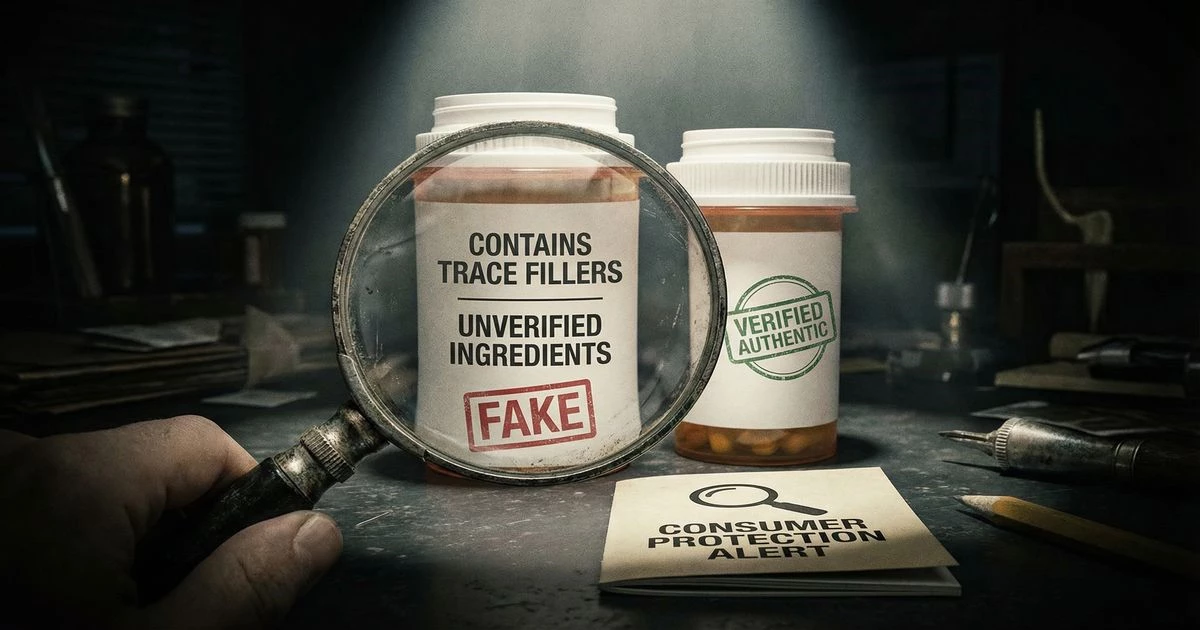
NMN (nicotinamide mononucleotide) has become one of the most talked-about supplements in the longevity space, marketed as a direct precursor to NAD+ that may support cellular metabolism and energy production. But here’s the uncomfortable truth: a 2024 analytical study found that measured NMN content in commercial supplements ranged from completely non-detectable to 99.2%—meaning some products contained literally zero of what was promised on the label. Learning to read NMN lab reports like a scientist isn’t just useful—it’s your first line of defense against wasting money on products that don’t deliver.
This article walks you through a real NMN Certificate of Analysis (COA) step by step, decoding purity, identity, contaminants, and red flags using plain language backed by scientific rigor. You’ll learn exactly what to look for, what questions to ask, and how to spot the warning signs that separate reputable manufacturers from opportunistic sellers.
Important note: This content is purely informational, summarizing current evidence from NMN research published between 2016 and 2024. Nothing here constitutes medical advice or a recommendation to use NMN supplementation. Always consult your healthcare provider before taking any supplement. NMN supplements are intended for specific health optimization purposes, and this article is intended solely to inform readers about interpreting NMN lab reports, not to recommend or prescribe NMN.
COA Basics: What a Real NMN Lab Report Should Always Show
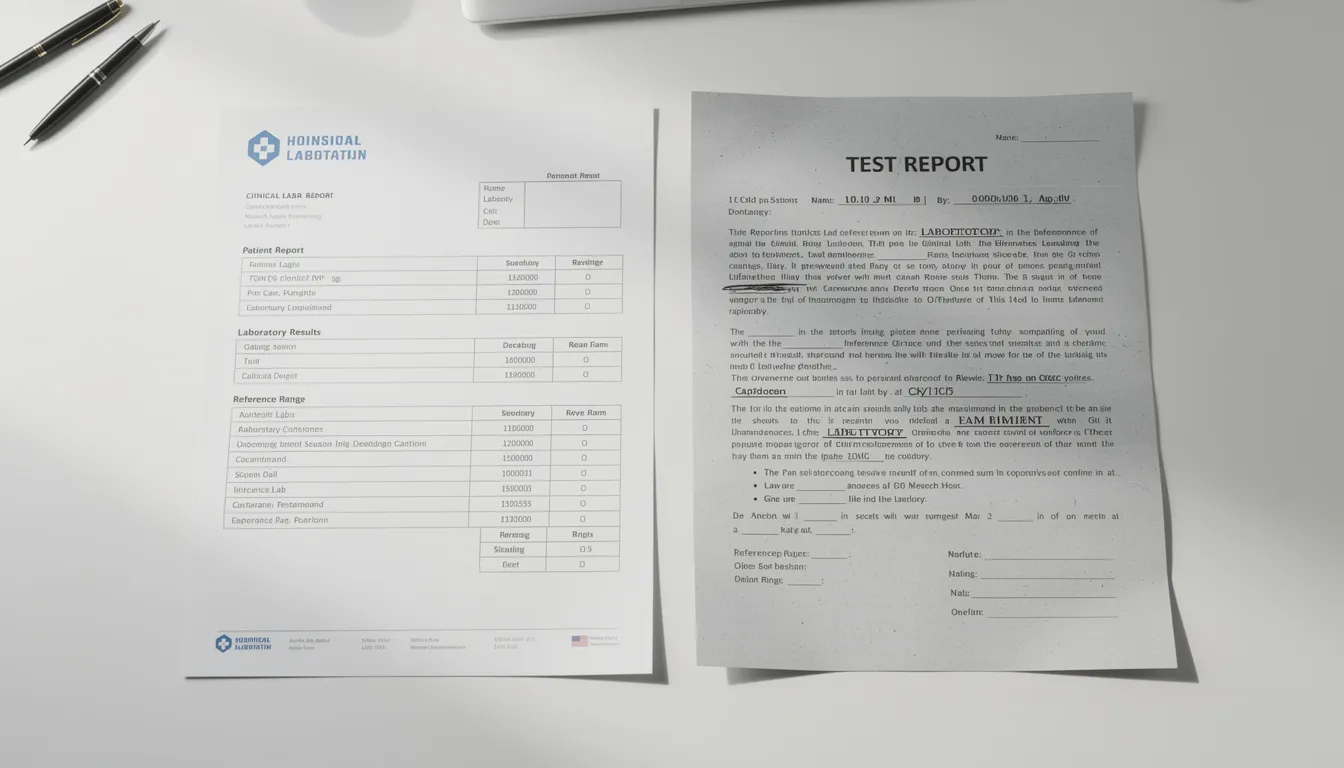
A Certificate of Analysis is a formal laboratory document that confirms what’s actually in a specific batch of NMN. Think of it as a product’s scientific ID card—it should verify identity (is this really NMN?), purity (how much is actually NMN versus other stuff?), potency (does it match the dose claimed?), and safety (are harmful substances present?).
Every legitimate NMN COA must contain these minimum elements:
Product name: Should explicitly state “β-Nicotinamide Mononucleotide” or the specific NMN form being tested
Lot/batch number: A unique identifier that matches what’s printed on your bottle or pouch
Sample ID: The laboratory’s internal tracking number for that specific sample
Date of manufacture: When the product was made
Date of testing: When the analysis was performed—this should be reasonably close to production
Test methods used: Specific techniques like HPLC, ICP-MS, or microbial plating methods
Lab name and address: Full identification of the testing laboratory
Analyst and reviewer signatures: Names or initials of personnel who performed and verified the test
Reference ranges are also important for interpreting lab results, as they provide context for determining whether the measured values fall within expected healthy limits.
NMN COAs can come from in-house QC labs (the manufacturer’s own quality control department) or independent third-party labs. While both can provide valid data, third-party testing from an ISO 17025-accredited laboratory adds an extra layer of objectivity. When a company pays an outside lab to verify their claims, there’s less opportunity for bias.
Step 1 – Verify Identity: Is It Really β-Nicotinamide Mononucleotide?
The first scientific check on any NMN COA is identity testing. This confirms the powder is actually NMN and not a cheaper analog like plain nicotinamide or nicotinamide riboside (NR), or worse—an adulterant that shouldn’t be there at all.
Here are the common identity tests you’ll see on NMN COAs:
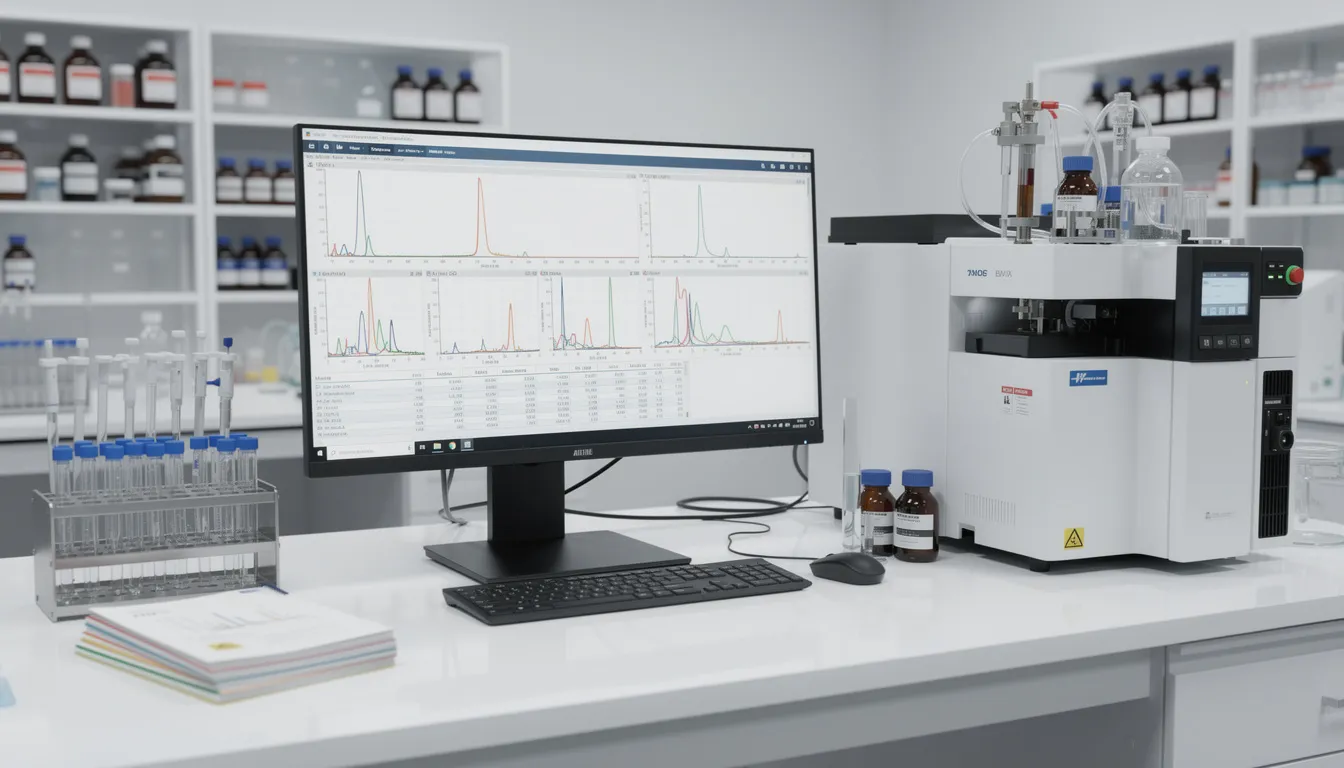
HPLC retention time comparison: High-Performance Liquid Chromatography separates compounds and compares when they emerge to a certified NMN reference standard. If the sample peaks at the same time as pure NMN, identity is confirmed.
Mass spectrometry (LC-MS or LC-MS/MS): This confirms the molecular weight (~334.22 g/mol) and fragmentation pattern unique to NMN. It’s considered the gold standard for definitive identification.
NMR spectroscopy (¹H and ¹³C Nuclear Magnetic Resonance): Higher-end reports may include this to confirm the exact molecular structure. It’s expensive but extremely accurate.
When reading a COA, look for a line under “Identification” or “Identity” that states something like:
“Conforms to β-Nicotinamide Mononucleotide reference standard by HPLC (Method: NMN-ID-HPLC-01)”
Warning signs to watch for:
Vague terms like “passes ID test” without any method reference
COAs that never explicitly mention “β-Nicotinamide Mononucleotide”
Identity sections that reference only color or appearance rather than analytical techniques
If the COA doesn’t clearly state what method confirmed the identity, you’re essentially being asked to trust the label without verification—which defeats the entire purpose.
Step 2 – Decode Purity and Assay: 99% of What, Exactly?
Marketing claims like “99% pure NMN” mean nothing without a proper quantitative assay documented on the COA. This section tells you how much of the powder is actually β-Nicotinamide Mononucleotide versus everything else.
Understanding the key terms:
Assay (on anhydrous basis) or Content: Expressed as % (w/w), this tells you what percentage of the powder by weight is actually NMN
Impurities or Related substances: Structurally similar byproducts or degradation products measured alongside NMN
Total impurities: The sum of all non-NMN compounds detected
Realistic purity ranges from reputable manufacturers:
Bulk pharmaceutical-grade NMN typically shows ≥98–99.5% by HPLC
Values listed as “>100%” or “120% potency” indicate calculation errors, incorrect moisture corrections, or manipulated data
A 2024 analysis found legitimate products ranged up to 99.2% w/w—anything claiming perfection should raise questions
What to look for on your COA:
A specific numeric assay result (e.g., “Assay (HPLC): 99.3%”)
The method stated clearly (HPLC is preferred for NMN; UV or titration are less specific)
A summary statement of total impurities (e.g., “Total related substances: ≤1.0%, found: 0.4%”)
Individual impurity limits if applicable
Red flags in purity reporting:
Only marketing language like “pharmaceutical grade” or “lab tested” without actual numbers
Missing method references
Round numbers with suspicious precision (exactly “99.00000%”)
No mention of how impurities or related substances were measured
The production process significantly impacts purity outcomes. High quality NMN requires careful synthesis and purification steps—if a COA can’t document the results of these processes, that’s concerning.
Step 3 – Check Contaminant Panels: Heavy Metals, Microbes, and Residual Solvents
Even if purity looks good on paper, contaminants can make an nmn supplement unsafe or low quality. Lab results should demonstrate that harmful substances, microbial contaminants, and residual solvents are all below established regulatory limits.
Heavy Metals
Typical metals tested include:
| Metal | Common Limit | Method |
|---|---|---|
| Lead (Pb) | ≤0.5–1.0 ppm | ICP-MS or ICP-OES |
| Cadmium (Cd) | ≤0.5 ppm | ICP-MS or ICP-OES |
| Arsenic (As) | ≤1.0 ppm | ICP-MS or ICP-OES |
| Mercury (Hg) | ≤0.5 ppm | ICP-MS or ICP-OES |
| Reference limits often follow USP <232> / ICH Q3D guidelines, with some labs applying stricter California Proposition 65 standards for additional stringency. |
Microbial Testing
Common parameters include:
Total aerobic plate count: Should be below specified CFU/g limits
Yeast and mold: Typically “<100 CFU/g” or “Not Detected”
E. coli: Must be “Not Detected”
Salmonella: Must be “Not Detected”
Staphylococcus aureus: Sometimes tested, must be absent
High microbial counts or presence of bacteria like E. coli or Salmonella is an immediate deal-breaker. These unwanted substances indicate serious problems with manufacturing hygiene.
Residual Solvents
Some NMN is synthesized using organic solvents, and COAs may show results for:
Ethanol
Methanol
Acetone
Ethyl acetate
Other process-specific solvents
Reputable labs follow pharmacopeial guidelines (ICH Q3C Class 1–3 limits), marking each solvent as “ND” (Not Detected) or below a specific ppm threshold.
Additional Testing
Advanced COAs may include:
Aflatoxins and ochratoxin A (mycotoxins)
Pesticide screens
Other elements found during comprehensive screening
For a simple single-ingredient NMN powder, heavy metals + microbes + residual solvents represent the non-negotiable basics. If any of these test panels are missing entirely, that’s a significant gap.
Step 4 – Read the Fine Print: Units, Limits, and Regulatory References
Scientific reading of a COA means paying attention to units, detection limits, and what “Pass” or “Conforms” actually means in regulatory terms. The details matter.
Units and Conversions
Common units you’ll encounter:
ppm (parts per million): Equivalent to mg/kg or μg/g
CFU/g: Colony-forming units per gram (for microbial testing)
% w/w: Percentage by weight
Always verify that units used for “Result” and “Specification” match. If they don’t, convert them before judging whether a result is actually safe or within limits.
Specifications vs. Results
Most COAs follow this layout:
| Test | Specification | Result | Conclusion |
|---|---|---|---|
| Lead | NMT 1.0 ppm | 0.12 ppm | Pass |
| Total aerobic count | <1000 CFU/g | 45 CFU/g | Pass |
| Assay (HPLC) | ≥98.0% | 99.3% | Pass |
| “NMT” means “not more than.” Understanding this format helps you quickly scan critical results. |
Regulatory References
Look for cited standards such as:
USP (United States Pharmacopeia)
FCC (Food Chemicals Codex)
ICH (International Council for Harmonisation) guidelines
WHO recommendations
Internal specifications based on FDA guidance
Some labs apply stricter state standards like California Proposition 65 for heavy metals, which provides additional assurance.
Detection Limits and “ND”
“Not Detected” means the compound was below the method detection limit—not that it’s absolutely zero. Legitimate COAs should list:
LOD (Limit of Detection): The lowest level that can be reliably detected
LOQ (Limit of Quantitation): The lowest level that can be accurately measured
If a COA shows “ND” without stating what the detection limit was, you can’t evaluate what that actually means.
Step 5 – Confirm Lab Credibility: Third-Party, Accreditation, and Dates
Even a professionally formatted COA can be fabricated. Verifying the lab itself—and basic metadata—is essential to distinguish legit testing from possible scams.
Lab results may be sourced from different providers, so consolidating data from multiple providers can help you track product quality and consistency over time.
Third-Party vs. In-House Testing
Third-party labs: Independent companies with no financial stake in your product passing. More objective verification.
In-house labs: Manufacturer’s own quality control. Can be legitimate but has inherent conflict of interest.
Look for a separate lab name and logo on the COA, not just the brand’s own branding. If the “lab” has the same address as the supplement company, that’s worth noting.
Accreditation
Key credentials to look for:
ISO/IEC 17025: International standard for testing laboratories
GLP (Good Laboratory Practice): Quality system for non-clinical studies
State licensing: Some states require specific laboratory certifications
Reputable labs list accreditation numbers on their COAs and maintain them on their website. You can often verify these credentials through accreditation body databases.
Products manufactured in cgmp certified facilities add another layer of quality assurance at the production level.
Contact Information and Traceability
A legitimate COA should include:
Lab’s full address
Website URL
Phone number or email
Unique report number
Verification tip: Access the laboratory’s official site to verify lab reports and contact information. Look up the lab’s contact information from their own website—not from what the brand provides. Then call or email to confirm the report number and batch are real. Any legitimate laboratory will verify their own reports.
Dates and Batch Numbers
Critical checks:
Match the batch/lot number on the COA with what’s printed on your bottle or pouch
Verify testing dates are reasonably close to production date
Be suspicious of COAs that predate the product’s lot by years
Watch for test results from different dates that don’t align with expected timelines
Proper storage between production and testing also matters—if months have passed, degradation could have occurred.
Step 6 – Spot the Red Flags: Signs an NMN COA Might Be Misleading or Fake
Scammers can reuse, edit, or fabricate COAs entirely. To ensure transparency and control over your supplement choices, you should have easy access to original lab reports and supporting documentation. Learning common red flags helps you protect yourself from products that don’t deliver what they promise.
Obvious Formatting Issues
Low-resolution scans that hide details
Mismatched fonts within the same document
Text boxes that look copy-pasted or misaligned
Brand logo overlaid where a lab logo should be
Watermarks that obscure critical data
Professional-looking template with no actual laboratory identification
Missing Critical Data
No batch/lot number anywhere on the document
No test date or date from years ago
No assay/purity values—just “passes” statements
No contaminant panel at all (missing heavy metals, microbes, or solvents)
No method references for any testing
No lab contact information
Too-Good-to-Be-True Numbers
Purity written as exactly “100.00%” with suspicious precision
Values listed as “> 100%” (mathematically impossible for a pure substance)
All contaminants reported as “0.0000” without listing detection limits
Every single test showing exactly the minimum passing value
No variation or decimals anywhere
The 2024 analytical study found that even high-quality products showed realistic variation—99.2% being the highest measured. Perfect numbers across the board are a red flag.
Reused or Inconsistent COAs
Same COA PDF used across multiple product strengths (250mg, 500mg, 1000mg capsules all sharing one report)
Single COA applied to different forms (powder and capsule using identical documents)
Mismatch between NMN form on label and what’s named on the COA
Batch numbers that don’t change across multiple platforms selling the same “product”
Some platforms allow users to consolidate lab reports from hospital labs and other sources, making it easier to spot inconsistencies across different providers.
Unverifiable Lab
Lab name that doesn’t appear in public searches
No website for the testing laboratory
No ISO 17025 or similar accreditation mentioned for complex testing (HPLC, ICP-MS)
Contact information that leads to dead ends
“Laboratory” address that’s actually a residential location or P.O. box
Liposomal NMN: What You Need to Know About This Form
Liposomal NMN is a specialized form of nicotinamide mononucleotide designed to improve how your body absorbs this popular supplement. In this formulation, NMN molecules are encapsulated within liposomes—tiny, fat-based vesicles that can help protect the active ingredient as it travels through your digestive system. The goal of liposomal NMN is to enhance bioavailability, potentially allowing more NMN to reach your cells and support energy metabolism and cellular health.
However, while the concept is promising, the actual benefits of liposomal NMN are still being explored in scientific research. Some early studies suggest that liposomal delivery may improve absorption, but definitive evidence in humans is limited. As with any nmn supplement, it’s essential to look beyond marketing claims and focus on lab test results and transparent information about the production process.
When considering a liposomal NMN supplement, prioritize products from reputable manufacturers who provide third-party lab test results for each batch. These test results should confirm the identity and purity of the NMN, as well as the absence of harmful substances or unwanted contaminants. Reputable manufacturers will also be transparent about their production process, including how the liposomal formulation is created and tested.
In summary, while liposomal NMN may offer potential benefits for nmn supplementation, always verify the quality of the product through independent lab reports and choose brands that are open about their research and manufacturing standards. This approach helps ensure you’re getting a supplement that’s both safe and effective for supporting your body’s cellular metabolism.
Product Certification: Beyond the COA—What Other Seals Matter?
A Certificate of Analysis (COA) is your primary tool for verifying the quality and purity of an NMN supplement, but it’s not the only mark of a trustworthy product. Additional certifications and seals can provide further assurance about a supplement’s safety, potency, and manufacturing standards.
Look for third-party testing seals from organizations like NSF International or the National Science Foundation, which indicate that the product has been independently tested for contaminants and meets rigorous quality standards. Certifications for Good Manufacturing Practices (GMPs) are also important, as they show the manufacturer follows strict protocols to ensure consistent quality and safety throughout the production process.
Some NMN supplements may also carry seals indicating they are free from common allergens, or that they have been tested for purity and potency by independent labs. These certifications can help you make more informed decisions, especially if you have specific dietary needs or sensitivities.
When evaluating an NMN supplement, take the time to research what each certification or seal actually means. Not all seals are created equal—some represent comprehensive analysis and oversight, while others may be more superficial. By understanding the significance of these certifications, you can better assess the overall quality, safety, and research backing of the nmn supplement you’re considering.
Manufacturer Reputation: Why the Company Behind Your NMN Matters
The company that produces your NMN supplement plays a pivotal role in determining its quality, safety, and reliability. A reputable manufacturer will be transparent about their production process, openly sharing lab test results and details about ingredient sourcing. They will also implement robust quality control measures, such as adhering to Good Manufacturing Practices (GMPs), to ensure that every batch meets high standards for purity and consistency.
When researching an NMN supplement, take a close look at the manufacturer’s reputation. Investigate their history, mission, and values—do they prioritize transparency and consumer safety? Are their lab test results readily available and easy to verify? Do they operate cgmp certified facilities and follow best practices throughout the production process?
Reading reviews from other customers and checking for any history of recalls or regulatory issues can also provide valuable insight into a company’s commitment to quality. Ultimately, choosing an NMN supplement from a manufacturer with a strong reputation for safety, transparency, and rigorous quality control is one of the best ways to ensure you’re getting a product that delivers on its promises and supports your health goals.
Step 7 – Connect COA Data to Real-World NMN Research (Without Over-Promising)
A strong COA doesn’t guarantee health benefits—but it does align a product with the conditions used in published research on NMN from 2016–2024. Understanding this connection helps you make informed decisions about nmn supplement quality.
Key Human NMN Trials and Their Standards
2016–2019: Early Safety and Pharmacokinetic Studies
Initial human research demonstrated that oral NMN increases blood NAD⁺ levels in small groups. These studies established basic safety profiles and dosing parameters, using defined-purity NMN with batch-specific testing.
2021: Yoshino et al. Randomized Controlled Trial
This notable study reported improved insulin sensitivity and NAD⁺ metabolism markers in participants taking nmn at daily doses of 250–500 mg. The research used high-purity material with documented COAs matching the standards we’ve discussed.
2022–2023: Functional Outcome Studies
More recent research evaluated NMN’s possible effects on walking speed, fatigue perception, and other functional measures in older adults. One 2022 clinical trial found that blood biological age increased significantly in the placebo group but stayed unchanged in NMN-treated groups at day 60.
What Research Conditions Tell Us
These trials consistently used:
Defined, high-purity NMN (often ≥98–99% by HPLC)
Batch-specific COAs with identity and contaminant testing
Products from reputable manufacturers with documented quality systems
Lower doses in some studies showed measurable effects, while higher doses were used in others
Important Context for Users
Animal studies have shown various effects on energy metabolism, dna repair, and cellular health markers—but translating these findings to humans requires careful clinical trials, which are ongoing.
If you’re taking NMN or considering it, understanding that the research used verified, high-quality products matters. A COA matching these standards doesn’t prove efficacy, but it does mean you’re using something comparable to what researchers actually tested.
Long term users should periodically verify that product quality remains consistent across different dates and batches.
For further research: You can search databases like PubMed for “NMN clinical trials” to explore current evidence yourself. The body of research is still emerging, and claims about disease treatment or lifespan extension remain scientifically unproven.
Practical Checklist: Read Your Next NMN COA Like a Scientist
Here’s a concise checklist summarizing everything we’ve covered into a quick “COA audit” you can complete in under five minutes:
Match identifiers: Verify that product name, NMN form, and batch number on your bottle match exactly what’s listed on the COA.
Confirm lab credentials: Check that the lab name is clearly stated with third-party status, look for ISO 17025 or similar accreditation, and verify contact information leads to a real laboratory.
Check the date: Ensure test date is reasonably recent for the batch—testing should align with production, not be years old.
Verify identity testing: Look for explicit statement that identity was confirmed as β-Nicotinamide Mononucleotide via HPLC, MS, or NMR with method reference.
Confirm purity/assay: Look for values ≥98% with HPLC or equivalent method stated, plus information about related substances or impurities.
Review contaminant panels: Check that heavy metals, microbes, and residual solvents are all tested, with results below specified limits and methods listed for each.
Scan for red flags: Watch for missing data, unrealistic “100%” purity claims, “0.0000” across all contaminants without detection limits, formatting anomalies, or unverifiable laboratory information.
Cross-reference if possible: For QR codes or report numbers, verify through the lab’s own website rather than trusting links provided by the brand.
Request clarification: If anything is unclear or missing, contact the brand and ask for complete documentation. Legitimate companies will provide it.
Compare across products: When evaluating multiple brands, use this same analysis framework to make direct comparisons based on actual data.
Consult your healthcare provider: If you have specific health conditions or are taking medications, consult your healthcare provider before starting NMN supplementation to avoid potential drug interactions.
Being able to systematically review NMN COAs increases transparency and helps you distinguish serious manufacturers from opportunistic sellers. The ability to verify claims rather than simply trust them puts you in control of your purchasing decisions.
Conclusion: Science-First Mindset for Evaluating NMN Supplements
Understanding NMN COAs is the most objective way to judge whether a product is closer to “scam” or “legit,” independent of marketing claims. In a market where test results showed some products containing zero detectable NMN while others delivered 99%+, this knowledge isn’t optional—it’s essential.
High-quality NMN products should always provide batch-specific, method-rich COAs covering identity, purity, and contaminants, issued or verified by credible laboratories. If a company can’t or won’t provide this documentation, that tells you something important about their standards.
Keep asking for lab reports, comparing them across brands, and consulting your doctor or healthcare provider before making decisions about NMN or any other supplement. The key takeaways from this analysis aren’t complicated: verify everything, trust data over marketing, and make smart choices based on evidence rather than promises.
This article is educational, based on current evidence and regulatory best practices, and is not a substitute for personalized medical advice. Approach NMN lab reports—and all supplement claims—with a scientist’s curiosity and healthy skepticism. Your body deserves products that actually contain what’s on the label.
Further Reading
Explore more articles related to this topic:
- The “Fake NMN” Crisis: How to Read Lab Reports and Avoid Low-Purity Brands
- The 5 Best NMN Supplements of 2026: Safety and Efficacy for Longevity
- 10 Common NMN Mistakes That Are Wasting Your Money
- The Best NMN Supplement in 2026: Evidence, Purity & How to Choose
- Top 5 NMN Brands of 2026: Third-Party Tested for Purity and Potency