Dr. David Sinclair is one of the most recognized voices in longevity science. As a professor of genetics at Harvard Medical School and co-director of the Paul F. Glenn Center for Biology of Aging Research, his work on sirtuins and NAD+ metabolism has shaped modern understanding of biological aging. He is widely regarded as a leading expert in anti-aging and longevity, with david sinclair’s anti aging approach focusing on science-driven strategies for healthy aging. His 2019 book “Lifespan: Why We Age—and Why We Don’t Have To” brought these concepts to mainstream audiences, and his personal supplement experiments have drawn considerable attention from researchers and health enthusiasts alike.
This overview of david sinclair supplements and david sinclair’s supplement regimen in 2026 draws from his public comments across podcasts, interviews, social media, and Q&A sessions from 2019 through early 2026. Sinclair’s regimen is a personalized protocol based on his scientific research and public statements, reflecting his expertise in aging and longevity. He consistently emphasizes that this is his personal experiment—not medical advice—and that his choices reflect his unique genetics, family history, and access to specialized testing. Dr. David Sinclair’s 2024 anti-aging protocol includes NMN, fish oil, lipoic acid, resveratrol, metformin, spermidine, and more.
By 2026, the main categories of compounds associated with Sinclair include NAD+ precursors (especially nicotinamide mononucleotide NMN), polyphenols like resveratrol, autophagy and senolytic agents such as spermidine and fisetin, metabolic and cardiovascular drugs including metformin and low dose aspirin, and foundational nutrients like vitamin D3, vitamin K2, omega-3 fish oil, taurine, and TMG.
Important disclaimer: This article is purely informational. It relies heavily on preclinical research and early human research, does not make disease treatment or prevention claims, and should not be construed as medical advice. Readers should consult a qualified clinician before using any prescription medication or high-dose supplements. The first section below answers what most readers want to know: what Sinclair appears to take in 2026 and why.
Quick Overview: Dr. Sinclair’s 2026 Supplement Stack at a Glance
Based on reports from 2023 through 2025, David Sinclair’s supplement stack—often referred to as david sinclair’s supplement stack—centers on compounds targeting NAD+ levels, cellular senescence, autophagy, and metabolic function. While exact doses and current usage cannot always be confirmed—since protocols evolve and Sinclair occasionally revises his approach—the following represents the most consistent public picture of his regimen.
In the morning, Sinclair reportedly takes approximately 1 gram of NMN alongside roughly 1 gram of resveratrol mixed with a fat source like yogurt to enhance absorption. Dr. David Sinclair takes 1g of NMN each morning as a precursor to NAD+, which plays a fundamental role in cellular energy production and DNA repair. Sinclair consumes 1g of resveratrol each morning, which is known to activate sirtuins and reduce oxidative stress. He also includes fisetin at around 500 mg daily (or uses it intermittently as a senolytic), spermidine at approximately 1-2 mg, and TMG at 500-1,000 mg daily to support methylation. Some 2024-2025 sources suggest he may have reduced or paused quercetin use, though earlier protocols included about 500 mg daily.
This routine is often described as a longevity stack—a curated combination of supplements and compounds, such as spermidine, fish oil, NMN, and others, that collectively aim to promote anti-aging effects and extend healthspan by working synergistically within this anti-aging protocol.
For foundational nutrition, Sinclair takes vitamin D3 at roughly 4,000 to 5,000 IU paired with vitamin K2 in the range of 180-360 mcg. Fish oil providing EPA and DHA was added around 2023, though the exact dosage remains undisclosed. L-taurine at approximately 2 grams per day entered his protocol following the influential 2023 animal studies on taurine and aging.
The prescription medications Sinclair has publicly discussed include metformin (about 800 mg in the evening, often skipped on workout days), a statin he has taken since his 20s due to family cardiovascular history, low dose aspirin at 81-83 mg daily, and intermittent rapamycin at an unspecified dose. All prescription components require medical supervision and are not recommended for self-experimentation.
The sections that follow break these compounds into groups—core longevity supplements, supportive nutrients, and prescription drugs—reviewing the scientific evidence, mechanisms, and practical considerations for each.
Core Longevity Supplements in Sinclair’s 2026 Regimen
The compounds most consistently associated with Sinclair from 2019 through 2025—often referred to as Sinclair’s supplement choices—include NMN, resveratrol, fisetin, and spermidine. These supplements form the core of his anti-aging protocol, targeting what researchers consider key aging pathways: NAD+ decline, cellular senescence, and impaired autophagy. Each has varying levels of scientific evidence, ranging from robust animal data to emerging human studies. However, the efficacy of many supplements in Sinclair’s regimen, including NMN and resveratrol, is still under investigation, with limited human studies available.
Nicotinamide Mononucleotide (NMN) – ~1 g in the Morning
Sinclair has repeatedly stated he takes about 1,000 mg of NMN each morning, typically alongside resveratrol, a practice he has discussed in interviews since at least 2018. Regulatory changes in late 2022—particularly the FDA’s decision to classify NMN as an investigational drug rather than a dietary supplement in the United States—have complicated access for some consumers, though availability varies by region.
NMN functions as a direct precursor to NAD+ (nicotinamide adenine dinucleotide), a coenzyme central to cellular energy production, DNA repair, and sirtuin activity. NAD+ levels undergo a natural decline with age, and this reduction has been linked to various aspects of age related decline, including reduced mitochondrial function and impaired DNA stability.
Key research findings:
Mouse studies have demonstrated that NMN supplementation can improve insulin sensitivity, vascular function, and physical endurance
Sinclair’s lab identified a dedicated NMN transporter (Slc12a8) in the gut, which may explain its bioavailability advantages
Small human trials in older adults suggest potential benefits for metabolic health, with one 66-person randomized controlled trial showing approximately 12% improvement in aerobic capacity (VO2 max)
Phase II safety data indicates doses up to 900 mg appear safe with no serious adverse events in studies involving over 100 participants
Sinclair’s preference for NMN over NR (nicotinamide riboside), the other popular NAD+ precursor, stems from his lab’s preclinical work showing greater improvements in mouse exercise capacity. However, head-to-head human data comparing these compounds remain limited.
What readers should know:
Regulatory status varies by country; not all NMN products meet quality standards
Long-term human safety data remain incomplete
Interactions with other medications are not well studied
Third-party testing for purity (greater than 98%) is essential when selecting products
Resveratrol – ~1 g with Fat
Sinclair frequently reports taking around 1 gram of resveratrol in the morning with yogurt or another fat source to improve bioavailability. This protocol has remained consistent since at least 2019, with continued references through 2024. The fat helps address one of resveratrol’s key limitations: poor absorption when taken alone.
Resveratrol is a polyphenol found naturally in grapes, red wine, peanuts, and certain berries. Its proposed mechanisms include activation of sirtuins (particularly SIRT1), support for mitochondrial health, and modulation of chronic inflammation and oxidative stress. These pathways were central to Sinclair’s early discoveries in his longevity research, where resveratrol extended lifespan in yeast and improved health markers in mice.
Evidence summary:
| Study Type | Findings | Limitations |
|---|---|---|
| Animal studies | Improved health markers and extended lifespan in mice on high-fat diets | Translation to humans uncertain |
| Human trials | Modest benefits on some metabolic and cardiovascular markers | Inconsistent results; no lifespan extension demonstrated |
| Bioavailability | Only 1-5% absorbed systemically | Rapid metabolism limits circulating levels |
| Some researchers have explored pterostilbene, a related compound with greater bioavailability. However, Sinclair himself continues to publicly emphasize resveratrol rather than switching to alternatives, suggesting he views the existing evidence and his personal experience as sufficient justification. |
Research suggests that achieving the doses used in human studies through diet alone would be impractical—you would need to consume hundreds of glasses of red wine daily. Supplementation provides the concentrated amounts Sinclair and researchers typically study.
Senolytic Focus: Fisetin and Quercetin
Senolytics represent one of the most exciting frontiers in longevity science. These compounds aim to selectively reduce senescent cells—sometimes called “zombie cells”—that accumulate with age and secrete pro-inflammatory factors known as the senescence-associated secretory phenotype (SASP). Clearing these harmful senescent cells may reduce inflammation and improve tissue function.
Fisetin:
Sinclair has highlighted fisetin as one of the more promising senolytic flavonoids, often mentioning doses around 500 mg daily in protocols from 2023-2024. Found naturally in strawberries, fisetin has shown remarkable results in preclinical models:
Mouse studies demonstrated that intermittent high-dose fisetin extended median lifespan
Treated animals showed reduced markers of chronic inflammation and improved cognitive function
Early human pilot work in conditions like osteoarthritis and frailty has begun, though results are preliminary
A 2025 human senolytic trial showed fisetin reduced p16^INK4a (a senescence marker) by approximately 20%
Quercetin:
Quercetin, found abundantly in onions, apples, and capers, has been part of Sinclair’s regimen at approximately 500 mg daily, though some 2024-2025 sources suggest he may have reduced or paused its use. The quercetin-dasatinib combination remains the most studied senolytic protocol in humans, with early clinical trials in conditions like idiopathic pulmonary fibrosis showing promise. Notably, Sinclair does not publicly report taking dasatinib.
Science status in 2026:
Fisetin appears somewhat more favored than quercetin in Sinclair’s recent discussions, but definitive human senolytic guidance does not yet exist. Most senolytic data come from animal models, and human trials remain small and focused on specific diseases rather than general longevity. For otherwise healthy individuals, dietary intake of quercetin-rich foods may represent a safer approach than high-dose long-term supplementation pending more data.
Spermidine – ~1–2 mg as an Autophagy Promoter
Sinclair has mentioned adding spermidine (around 1-2 mg daily in supplement form) to his regimen in the early-to-mid 2020s. This compound supports autophagy—the cell’s natural recycling process that declines with age—making it relevant to cellular renewal and healthy aging.
Evidence base:
Animal studies: Spermidine extended lifespan in yeast, worms, flies, and mice, likely through enhanced autophagy and improved cardiovascular function
Human epidemiology: European studies associated higher dietary spermidine intake with reduced all-cause mortality and better cardiovascular outcomes
Mechanism: Works via deacetylation of histones and induction of autophagy pathways
Questions remain about the bioavailability and effective dosing of oral spermidine supplements. It is unclear whether typical supplement doses replicate the dietary patterns observed in epidemiological research, where intake comes from whole foods consumed over decades.
Practical consideration: Rather than relying solely on supplements, readers might consider spermidine-rich foods including wheat germ, aged cheese, mushrooms, legumes, and fermented soy products like natto. These foods provide spermidine alongside other beneficial compounds and fiber.
Supportive Nutrients and “Stack Helpers”
Beyond compounds targeting specific aging pathways, Sinclair’s regimen includes several foundational nutrients that support overall health and may enhance the effectiveness of his core stack. These include vitamin D3, vitamin K2, fish oil, taurine, and TMG.
The distinction matters: while NMN and senolytics target longevity-specific mechanisms with emerging but limited human evidence, compounds like vitamin D3 and omega-3s have decades of clinical trials supporting their role in general health. Understanding this hierarchy helps readers prioritize interventions based on evidence quality.
Vitamins D3 and K2 – Bone, Immune, and Cardiometabolic Support
Sinclair has reported daily use of vitamin D3 K2, typically in the range of 4,000 to 5,000 IU of vitamin D3 and 180-360 mcg of vitamin K2 (especially the MK-7 form). This combination addresses multiple aspects of healthy aging, from skeletal integrity to cardiovascular protection.
Vitamin D3 evidence:
Well-established role in bone health, fall prevention, and fracture risk reduction, particularly in populations with vitamin D deficiency
Supports immune system function and may reduce respiratory infection risk
Meta-analyses suggest 3,000-5,000 IU daily safely optimizes serum 25(OH)D levels above 50 ng/mL without toxicity risks under monitoring
Widespread deficiency makes supplementation relevant for many adults, especially those with limited sun exposure
Vitamin K2 evidence:
Observational and interventional data suggest improved bone density
Studies from Japan and Europe indicate more favorable vascular calcification profiles with MK-7 supplementation
Works synergistically with vitamin D3 by directing calcium to bones rather than arteries
Important: Intakes should be individualized based on blood tests (serum 25-OH vitamin D level) and medical guidance. Both deficiency and excess can be problematic—vitamin D toxicity, while rare, can cause hypercalcemia. Sinclair’s higher doses reflect his approach of testing and targeting optimal ranges rather than simply meeting minimum requirements.
Omega-3 Fish Oil – Added Since 2023
Sinclair began publicly mentioning fish oil as part of his stack around 2023, though he has not consistently disclosed the exact dose. Typical expert recommendations suggest 1-3 grams of combined EPA and DHA daily for cardiometabolic support.
Human evidence summary:
Large randomized trials and meta-analyses show marine omega-3s can reduce triglycerides by 15-30%
Some populations show modest cardiovascular risk reduction
Emerging data on brain health and cognitive aging suggest plausible benefits, particularly for those with low baseline omega-3 status
Anti-inflammatory effects may support general health and exercise benefits
Practical approach: Dietary intake of fatty fish—salmon, sardines, mackerel, anchovies—two to three times weekly is widely endorsed by health organizations and often preferable to high-dose supplements when feasible. Supplements become more relevant for those who do not consume fish regularly or who have specific cardiometabolic concerns.
L-Taurine – ~2 g per Day
Sinclair publicly added taurine (about 2 grams per day) to his regimen following high-profile 2023 animal studies that generated significant attention in the longevity community. The research, published in Science, showed that taurine supplementation extended mouse lifespan by 10-12% and improved multiple healthspan metrics.
Taurine is a semi-essential amino acid involved in bile acid conjugation, osmoregulation, and modulation of calcium signaling. It is abundant in animal-based foods like meat and seafood, though levels decline with age in multiple species including humans.
Key 2023-2024 findings:
Taurine supplementation extended lifespan in mice and improved markers such as bone density, muscle function, and glucose metabolism
Associations between lower taurine levels and aging were observed across multiple species
No large randomized taurine trials in healthy older adults existed as of 2026
Sinclair has expressed some concern about taurine’s potential effects on mTOR signaling—a nutrient-sensing pathway where chronic overactivation may accelerate certain aging processes. This mechanistic nuance highlights the complexity of longevity interventions, where compounds can have both beneficial and potentially problematic effects depending on context.
Taurine has a long history of use in energy drinks and supplements with a generally good short-term safety profile. However, formal long-term, high-dose aging trials in humans remain lacking.
Trimethylglycine (TMG) – 500–1,000 mg to Support Methylation
TMG, also known as betaine, serves as a methyl donor in Sinclair’s protocol. He takes 500 1,000 mg daily to counter potential methyl group depletion that may occur when taking high-dose NAD+ precursors like NMN.
The biological rationale:
Methylation is central to DNA regulation, detoxification, and numerous metabolic processes
NAD+ metabolism can increase demand for methyl groups via nicotinamide methylation and excretion
TMG donates methyl groups for homocysteine conversion to methionine, potentially supporting cardiovascular health
Sinclair has described TMG as a precautionary measure—he views it as low-cost and low-risk but is unsure how necessary it truly is for his regimen. Direct evidence linking TMG supplementation to increased human lifespan is lacking; existing studies primarily address homocysteine reduction, liver function, and athletic performance.
Alternative methyl donors include:
Folate (found in leafy greens)
Vitamin B12 (found in animal products)
Choline (found in eggs and liver)
Balanced nutrition often provides these naturally, though supplementation may be relevant for those taking high-dose NMN or following restricted diets.
Prescription Medications in Sinclair’s Protocol (Metformin, Statin, Aspirin, Rapamycin)
Critical warning: All compounds in this section are prescription medications used either on-label for specific conditions or off-label experimentally. They are part of Sinclair’s supplement regimen and his broader anti-aging protocol, reflecting his scientific background and unique approach to aging. These medications require medical supervision, thorough risk-benefit analysis, and are not recommended for self-experimentation. Metformin, for example, is a prescription medication that has been established as an anti-aging compound due to its blood glucose-lowering effects and other mechanisms. However, there are concerns regarding the long-term use of metformin, including potential gastrointestinal discomfort and vitamin B12 deficiency. Sinclair discusses these drugs in the context of his own medical history and research hypotheses, not as population-wide recommendations.
Metformin – ~800 mg in the Evening
Sinclair has stated he takes about 800 mg of metformin in the evening as part of his supplement regimen, often skipping it on days involving intense exercise to avoid potential interference with training adaptations. Dr. David Sinclair takes 800 mg of metformin in the evening, which is a prescription medication for type 2 diabetes and is considered an anti-aging compound. Some research suggests metformin may blunt certain exercise benefits, particularly muscle adaptations to resistance training.
Metformin is a first-line prescription medication for type 2 diabetes that:
Lowers hepatic glucose production
Modestly improves insulin sensitivity
Activates AMPK, a cellular energy sensor associated with some pathways triggered by calorie restriction
Metformin has been associated with anti-aging effects, particularly in its ability to improve glucose regulation and blood sugar control.
Evidence relevant to aging:
| Finding Type | Details |
|---|---|
| Observational studies | People with diabetes on metformin sometimes show similar or better all-cause mortality than non-diabetic controls |
| TAME Trial | Ongoing study testing whether metformin delays age related diseases in older adults without diabetes |
| Animal data | Lifespan extension observed in worms, mice, and rats |
| Key cautions: |
Gastrointestinal side effects occur in 10-20% of users
Long-term use can cause vitamin B12 deficiency
Lactic acidosis risk exists in specific conditions (rare, less than 1 in 100,000)
Current guidelines reserve metformin for diabetes or impaired glucose metabolism, not general longevity use
Statin Therapy – Since His 20s due to Family History
Sinclair has openly discussed taking a statin since his early 20s due to genetic and family risk for cardiovascular disease. This represents a conventional preventive cardiology choice rather than an experimental anti-aging intervention.
Statins work primarily by inhibiting HMG-CoA reductase, lowering LDL cholesterol—a modification strongly associated with reduced cardiovascular events in high-risk populations. The health benefits for preventing heart disease are well-established in appropriate candidates.
Key considerations:
Statins reduce cardiovascular mortality in people with elevated risk
Benefits for low-risk individuals are more debated and highly individualized
Potential side effects include muscle pain (myopathy in 5-10% of users), rare rhabdomyolysis, and possible glucose metabolism impacts
Sinclair takes CoQ10 (coenzyme Q10) to mitigate potential myopathy risks
Lipid management in preventive cardiology is complex and should involve healthcare professionals using risk calculators, imaging, and blood tests—not simply modeling choices on a public figure’s routine.
Low-Dose Aspirin – ~81–83 mg per Day
Sinclair has mentioned taking low dose aspirin (around 81-83 mg daily) as part of his routine, initially for perceived benefits on cardiovascular and potentially cancer risk. However, evidence and guidelines have evolved significantly.
Major evidence shifts:
Older trials supported aspirin for secondary prevention (people with prior heart attack or stroke)
Large trials in the late 2010s and early 2020s, including ASPREE, showed that for many healthy older adults, bleeding risks may outweigh primary prevention benefits
Recent US and European guidelines are more restrictive about starting aspirin in low-risk individuals, particularly those over age 60
The anti-inflammatory and antiplatelet effects provide pain relief in certain contexts and established secondary prevention benefits. However, risks include gastrointestinal bleeding and, less commonly, intracranial hemorrhage.
Clear recommendation: Starting or stopping aspirin should only occur in consultation with a physician who can assess individual cardiovascular risk, bleeding risk, and overall health status.
Rapamycin – Intermittent, Dose Unspecified
Sinclair has periodically mentioned using rapamycin off-label as an experimental longevity compound, though he has not publicly disclosed his exact dosing schedule. Many longevity physicians discuss weekly dosing in the 2-6 mg range, but this cannot be confirmed for Sinclair.
Rapamycin originated as an immunosuppressant for organ transplant patients. Its mechanism involves inhibiting mTORC1, a protein complex involved in nutrient sensing and cell growth. Reduced mTOR activity is associated with lifespan extension across multiple model organisms.
Evidence summary:
| Category | Findings |
|---|---|
| Animal data | Multiple species show increased lifespan (10-20% in mice) and delayed age-related pathology with chronic low-dose rapamycin |
| Human data | Limited to transplant and oncology patients; side effects include mouth ulcers, altered lipids, impaired wound healing, infection risk |
| 2026 status | Off-label use for longevity remains highly experimental |
| Off-label rapamycin for healthy individuals should only be considered within clinical trials or under specialized medical supervision. It is far from a mainstream anti-aging therapy and carries meaningful risks. |
Energy Production and Age-Related Diseases: Mitochondrial Health in Sinclair’s Approach
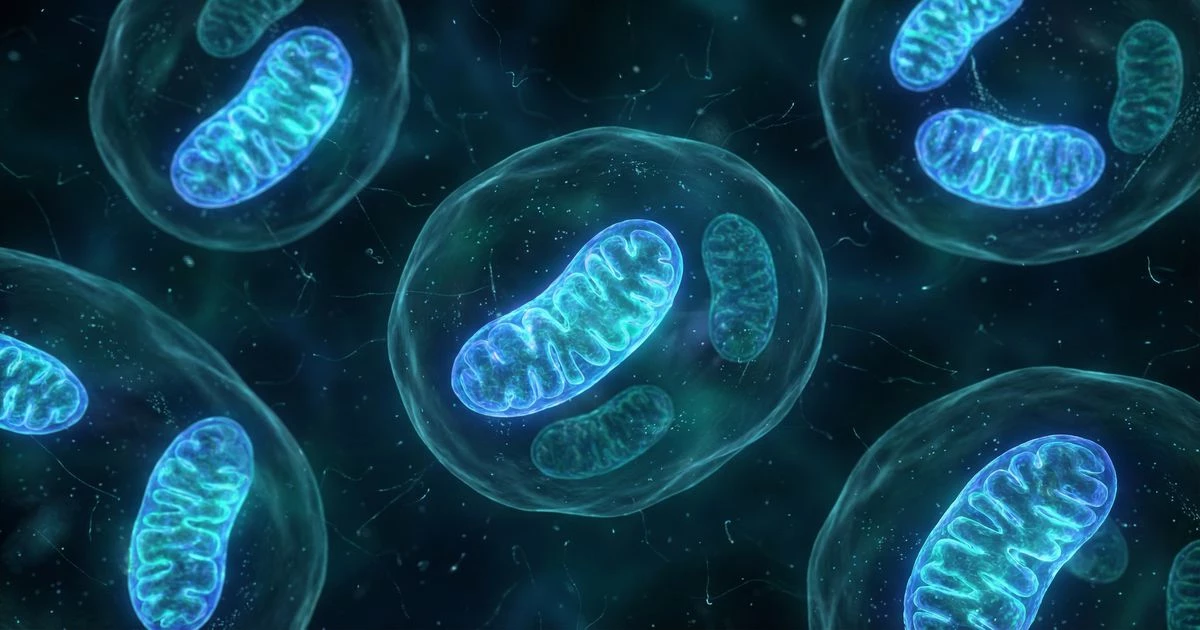
Dr. David Sinclair’s longevity research at Harvard Medical School has consistently spotlighted mitochondrial health as a cornerstone of healthy aging. Mitochondria, often described as the “powerhouses” of our cells, are responsible for cellular energy production—a process that naturally declines with age and is closely linked to the onset of age-related diseases. Sinclair’s supplement regimen is carefully designed to enhance mitochondrial function, boost cellular health, and address the root causes of age-related decline.
Central to Sinclair’s approach is the use of nicotinamide mononucleotide (NMN), a compound that supports the body’s production of NAD+, a coenzyme essential for mitochondrial energy production and cellular repair. As NAD+ levels drop with age, mitochondrial function suffers, leading to reduced cellular energy and increased vulnerability to age-related diseases. By supplementing with NMN, Sinclair aims to restore NAD+ levels, enhance mitochondrial function, and support overall cellular health.
Vitamin D3 is another key player in Sinclair’s supplement stack, with a typical daily dose of 4,000 to 5,000 IU, paired with vitamin K2. Beyond its well-known role in bone health, vitamin D3 is increasingly recognized for its impact on mitochondrial health and immune function. Research links vitamin D deficiency to a higher risk of cardiovascular disease, diabetes, and cognitive decline—all conditions associated with impaired mitochondrial function. Vitamin K2 works synergistically with vitamin D3, helping to direct calcium to the bones and away from arteries, further supporting cardiovascular health.
Sinclair’s regimen also includes coenzyme Q10 (CoQ10), an antioxidant that plays a direct role in the mitochondrial electron transport chain, facilitating efficient energy production and protecting cells from oxidative stress. CoQ10 supplementation is particularly relevant for those taking statins, as these medications can deplete natural CoQ10 levels, potentially impacting heart health and cellular energy.
Fisetin, a senolytic compound found in Sinclair’s stack, targets the removal of harmful senescent cells—cells that have stopped dividing and contribute to chronic inflammation and mitochondrial dysfunction. By reducing the burden of senescent cells, fisetin may help lower inflammation and support healthier mitochondrial activity, which is crucial for maintaining energy production as we age.
Prescription medications like metformin also play a role in Sinclair’s strategy. Metformin is known to improve insulin sensitivity and activate AMPK, an enzyme that enhances glucose metabolism and supports mitochondrial health. By optimizing metabolic pathways, metformin may help reduce the risk of cardiovascular disease and other age-related conditions linked to mitochondrial decline.
Sinclair’s comprehensive approach to mitochondrial health reflects the latest insights from longevity research, but it’s important to recognize that much of the evidence comes from early human research and animal studies. While these interventions show promise for enhancing mitochondrial function, reducing inflammation, and potentially lowering the risk of age-related diseases, large-scale clinical trials are still needed to confirm their long-term health benefits.
As always, Sinclair emphasizes that supplement regimens should be tailored to individual health status and genetics, ideally under the guidance of a healthcare professional. Blood tests and regular monitoring are essential to ensure safety and effectiveness, especially when using higher doses or combining multiple compounds.
In summary, David Sinclair’s supplement regimen is built around the principle that supporting mitochondrial health is key to healthy aging and the prevention of age-related diseases. By targeting cellular energy production with NMN, vitamin D3, vitamin K2, CoQ10, fisetin, and carefully selected prescription medications, Sinclair aims to boost cellular health, reduce chronic inflammation, and promote longevity. However, as longevity science continues to evolve, it remains crucial to approach these strategies with both optimism and caution, always prioritizing evidence-based, personalized care.
Scientific Basis of Sinclair’s Strategy: Pathways and Hallmarks of Aging
Sinclair’s supplement stack maps onto modern aging biology frameworks, particularly the “hallmarks of aging” identified by researchers. These hallmarks include genomic instability, epigenetic alterations, loss of proteostasis, deregulated nutrient sensing, mitochondrial dysfunction, cellular senescence, stem cell exhaustion, and altered intercellular communication.
Key pathways targeted:
NAD+ and Sirtuins: NMN provides the substrate to boost NAD+ levels, while resveratrol activates SIRT1—together targeting cellular energy, DNA repair, and epigenetic regulation. This addresses the hallmarks of epigenetic alterations and mitochondrial dysfunction, helping to enhance mitochondrial function and improve mitochondrial function over time.
Senescence and Autophagy: Fisetin and quercetin work to clear senescent cells, while spermidine and rapamycin promote autophagy (cellular renewal). These compounds address the accumulation of dysfunctional cells that contribute to age related decline.
Nutrient Sensing and Metabolism: Metformin and rapamycin modulate AMPK and mTOR signaling, respectively—pathways also influenced by calorie restriction and fasting. Taurine supports metabolic function, while lifestyle practices like time-restricted eating complement these interventions.
The evidence gap: Many of these interventions show compelling results in worms, flies, and mice. However, human trials with hard outcomes—extended healthy lifespan, delayed onset of age related diseases—remain scarce as of 2026. Mechanistic plausibility does not guarantee clinical benefit, and translation from model organisms to humans is notoriously difficult. David Sinclair’s anti aging approach represents informed hypothesis-testing rather than proven intervention.
How Sinclair’s Supplements Fit with His Lifestyle Practices
Understanding Sinclair’s regimen requires recognizing that supplements represent only one component of his approach. He has consistently emphasized that lifestyle forms the foundation of longevity, with supplements providing what he calls “icing on the cake.”
Sinclair’s publicly discussed lifestyle habits (2024-2025):
Eating pattern: Typically two meals daily, often skipping or minimizing lunch; largely plant-based with limited meat (increased slightly on exercise days); low sugar and refined carbohydrates
Exercise: Mix of moderate-intensity running, high-intensity intervals once or twice weekly, resistance training 1-2 times per week, and high daily movement
Environmental hormesis: Periodic sauna and cold exposure sessions
Sleep and stress: Prioritizes adequate sleep and stress management
Sinclair estimates that lifestyle factors—diet, exercise, sleep, avoidance of smoking and excess alcohol—account for a larger fraction of potential longevity benefits than any supplement stack. This perspective aligns with epidemiological data showing that basic lifestyle modifications have the strongest evidence for extending healthspan.
Before focusing on complex supplement protocols, readers should prioritize these fundamental behaviors and use biomarkers (blood pressure, lipid panel, HbA1c, body composition) to track progress. Blood tests provide objective feedback that helps guide interventions more effectively than following someone else’s protocol blindly.
Practical Tips for Readers: Learning from Sinclair Without Copying Him
Sinclair’s regimen represents an n=1 experiment informed by his genetics, medical history (including cardiovascular risk), access to specialized testing, and deep research expertise. Simply copying it is neither necessary nor always safe. His choices reflect decades of studying these compounds in his laboratory—context most readers do not share.
Science-aligned recommendations:
Start with well-supported basics: Check your vitamin D status through blood tests. Consider vitamin D3 and K2 supplementation if deficient, along with omega-3s if dietary intake is low. These have the strongest human evidence and favorable safety profiles.
For those over approximately 40: NMN and other NAD+ precursors represent emerging options with some human data supporting metabolic health benefits. However, be aware of regulatory issues affecting availability and the importance of quality control when selecting products.
Treat senolytics as experimental: Fisetin, quercetin, and autophagy-promoters like spermidine and rapamycin lack robust human longevity data. Consider food sources (strawberries, onions, wheat germ) and lifestyle approaches like time-restricted eating before adding supplements.
Prescription medications require medical supervision: Metformin, statins, aspirin, and rapamycin should only be used under appropriate clinical guidance with regular monitoring of liver function, kidney function, and other relevant markers.
Questions to discuss with your doctor:
What are your specific goals—general healthspan or addressing particular risk factors?
What does your personal and family medical history suggest about cardiovascular disease, diabetes, or cancer risk?
What is your tolerance for potential side effects, and how will you monitor for them?
What budget and adherence constraints affect what is practical for you?
Working with a clinician enables:
Review of current medications to avoid interactions (particularly with anticoagulants, diabetes drugs, or cardiovascular medications)
Appropriate lab testing including lipids, fasting glucose or HbA1c, liver and kidney function, and inflammatory markers
Personalized risk-benefit analysis rather than one-size-fits-all protocols
The field of geroscience moves rapidly. Many of Sinclair’s 2026 choices may be revised as stronger human data emerge from ongoing clinical trials like TAME and various senolytic studies. Staying informed, maintaining appropriate skepticism, and adapting based on new evidence is fundamental to any responsible longevity strategy.
Sinclair’s supplement regimen offers a fascinating window into cutting-edge longevity research, but the potential benefits must always be weighed against individual circumstances. The compounds showing the most promise in animals may or may not translate to humans, and what works for a Harvard geneticist with specific risk factors may not apply universally.
Rather than copying a protocol, consider learning the underlying principles: support NAD+ and mitochondrial health, address cellular senescence, optimize metabolic function, and ensure adequate foundational nutrition. Then work with healthcare professionals to determine which interventions, if any, make sense for your unique situation. That approach—informed, personalized, and medically supervised—represents the most sensible path forward as longevity science continues to evolve.
Further Reading
Explore more articles related to this topic:
- The Sinclair Protocol: A Deep Dive into Dr. David Sinclair’s Personal Longevity Routine
- The 2026 Ultimate Guide to NMN: Everything You Need to Know Before Starting
- Why You Need TMG With Your NMN: The Truth About Methyl Depletion
- NMN and Intermittent Fasting: Should You Take Your Supplement During the Fast?
- NMN with TMG: Benefits, Dosage and Risks