If you’ve been researching ways to support healthy aging at the cellular level, you’ve likely encountered NAD supplements. The market has exploded with options, but navigating claims about “organic,” “clean,” and “natural” formulations can feel overwhelming—especially as the legal status of NMN and other NAD+ precursors can depend on whether they are sold in supplement form, since FDA regulations distinguish between ingredients marketed as dietary supplements and those pursued for drug development.
If you are still comparing the basic forms and labels in this category, begin with our guide to NAD supplements, risks, and buying considerations.
This guide cuts through the noise. You’ll learn exactly how organic NAD supplements work, what makes them different from conventional options, who they might help, and how to evaluate quality before you spend a dollar. We’ll cover the clinical dosing ranges from studies published between 2023 and 2025, explain what “organic” actually means for a molecule-based supplement, and give you practical tools to make an informed choice.
Quick Overview: What Is an Organic NAD Supplement?
NAD stands for nicotinamide adenine dinucleotide—a coenzyme present in every living cell in your body. It functions as an essential helper molecule, shuttling electrons in biochemical reactions that convert food into energy and support cellular repair processes.
Here’s where the “organic” designation gets interesting. NAD+ itself is a small molecule—either synthesized or produced through fermentation. You can’t grow it on a farm. So when you see an organic NAD supplement on the shelf, the “organic” label refers to the other ingredients in the formula: the capsule material, fillers, flow agents, and any additional compounds.
A typical organic NAD supplement might contain NMN or NR as the active precursor, housed in an organic pullulan capsule (a polysaccharide derived from fermented organic tapioca), with organic rice flour or organic acacia fiber as a flow agent. These plant-derived components carry USDA Organic certification, meaning they’re sourced without synthetic pesticides, herbicides, or GMO inputs. Under USDA standards, at least 95% of the product’s content by weight (excluding water and salt) must come from certified organic sources.
An important distinction for 2026: there are no FDA-approved drugs based on NAD for anti aging interventions or life extension. These products fall under the Dietary Supplement Health and Education Act (DSHEA), positioning them as supplements intended to support energy metabolism and overall health—not to treat or cure disease.
Clinical trials from 2023-2025 commonly explored daily doses of 250-900mg for NMN and 300-1000mg for NR, demonstrating NAD+ elevations of 40-90% in blood and tissues without significant adverse effects in short-term studies.
Key takeaways:
NAD+ is a cellular coenzyme, not something you can farm organically
“Organic” refers to capsules, fillers, and plant-derived excipients
These are dietary supplements, not FDA-approved anti aging drugs
Human studies show safe, measurable NAD+ increases with precursor supplementation
How NAD+ Works in the Body (and Why Levels Decline)
To understand why NAD supplements have gained attention, you need to understand what NAD+ actually does inside your cells. Think of it as a molecular delivery truck, constantly picking up and dropping off electrons that power your body’s essential chemical reactions.
NAD+ participates in over 500 enzymatic reactions. Its primary job involves redox cycling—alternating between its oxidized form (NAD+) and reduced form (NADH) to transfer electrons derived from the food you eat. This process sits at the heart of how your body converts glucose and fatty acids into usable energy.
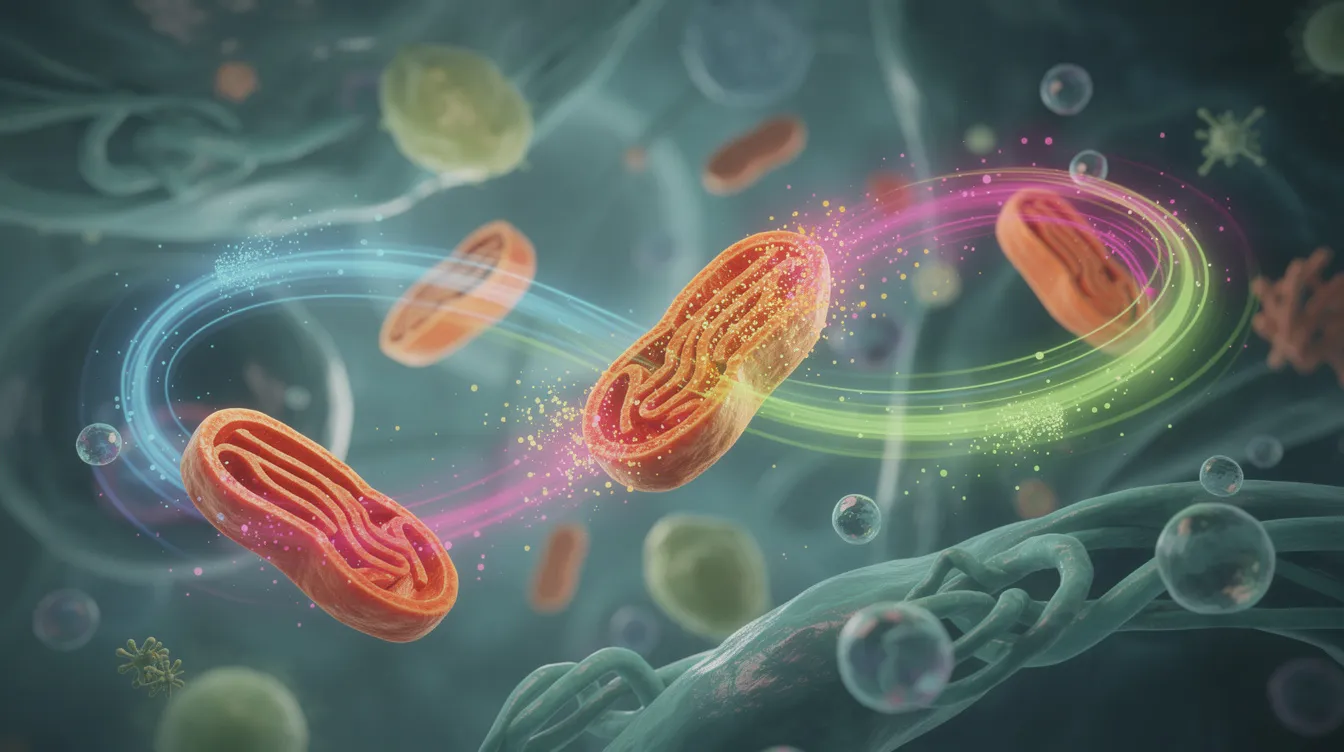
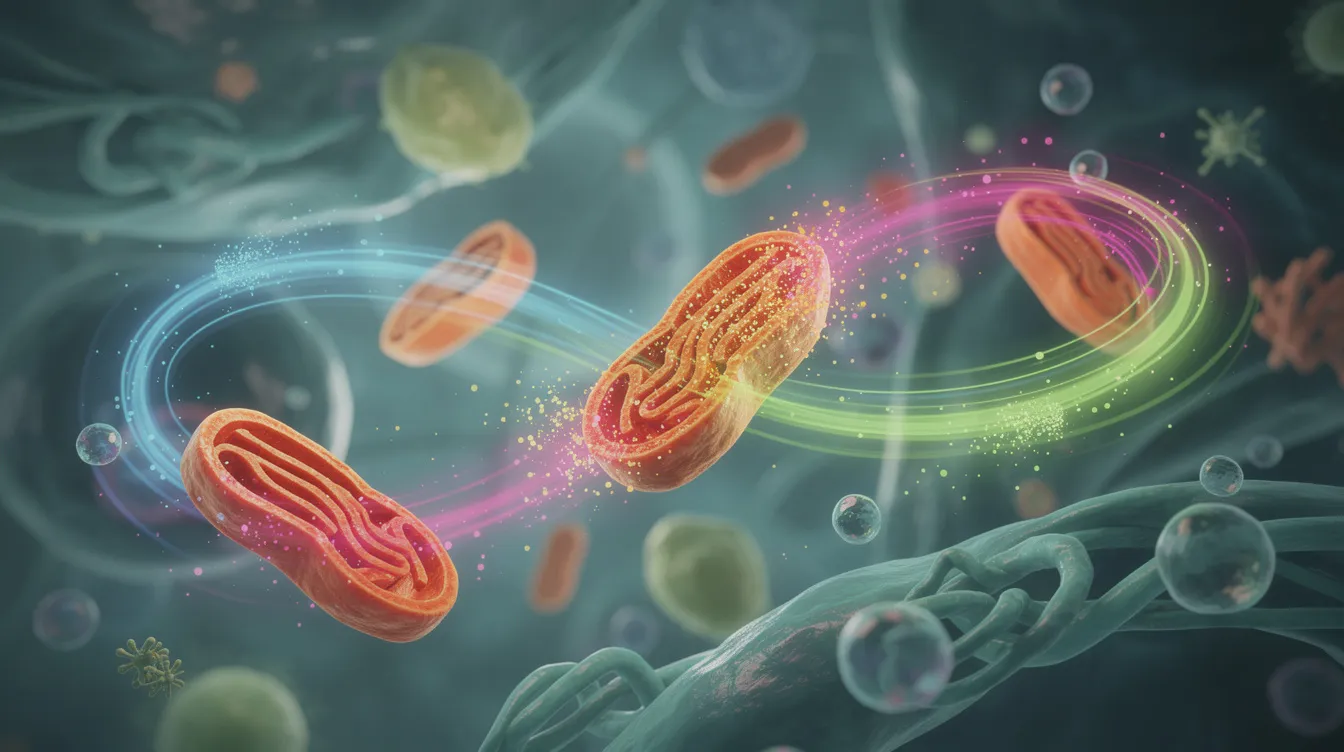
In glycolysis, NAD+ accepts electrons to help break down glucose. In the Krebs cycle (also called the TCA cycle), it regenerates through enzymes like malate dehydrogenase, feeding electrons into the electron transport chain. There, complex I uses NADH to pump protons across the mitochondrial membrane, ultimately driving ATP synthase to produce energy. A single glucose molecule can yield up to 30-32 ATP through this process—and it can’t happen without adequate NAD+.
Beyond cellular energy production, NAD+ serves critical roles in:
DNA repair: NAD+ donates ADP-ribose units to PARP enzymes that fix DNA strand breaks
Sirtuin activation: It activates sirtuins (SIRT1-7), which regulate gene expression related to mitochondrial function, autophagy, and metabolic health
Cellular signaling: Supports CD38 and CD157 in calcium signaling pathways
Circadian rhythm regulation: NAD+ levels naturally fluctuate with your internal clock, influencing sleep and recovery
Inflammation control: Helps regulate inflammatory responses through sirtuin-mediated pathways
The Age-Related Decline Problem
Here’s the uncomfortable reality: your NAD levels drop significantly as you age. The decline begins subtly after 30 but accelerates after 40. Human autopsy data reveal 50-70% drops in NAD+ levels in liver, muscle, and brain tissue by age 60 compared to younger individuals.
Several factors accelerate this decline:
High-sugar diets trigger PARP1 hyperactivation, consuming NAD+ for DNA repair
Alcohol induces ADH/ALDH reactions that deplete NAD+ stores
Poor sleep disrupts the NAMPT-mediated salvage pathway that recycles nicotinamide back to NAD+
Chronic inflammation upregulates CD38 hydrolase, which degrades NAD+
This age related decline correlates with mitochondrial function problems, reduced ATP output (down 50% in aged cells), and decreased sirtuin activity—essentially reversing some of the benefits associated with calorie restriction.
Interest in NAD supplementation surged after 2013 when David Sinclair’s Harvard lab published research showing NMN could restore NAD+ in mice and extend healthspan by 20-30% via sirtuin pathways. Human trials between 2016-2024 have since confirmed that precursor supplementation safely elevates NAD+ in people.
What Makes an NAD Supplement “Organic” and “Clean”?
Let’s clear up a common misconception. When you buy an organic NAD supplement, you’re not getting NAD+ molecules that were grown on an organic farm. NAD+ is a synthetic or fermented small molecule—“organic” in the chemistry sense, not the agricultural sense.
The organic certification applies to the ancillary ingredients: the capsule shell, fillers, flow agents, and any botanical additions. Understanding this distinction helps you evaluate what you’re actually paying for when choosing between organic and conventional options.
Organic Certification Specifics
USDA Organic certification verifies that plant-derived components in a supplement meet specific standards:
Organic rice flour: Sourced from certified organic rice grown without glyphosate or synthetic fertilizers
Organic pullulan capsules: Made from polysaccharides fermented from organic tapioca
Organic bamboo extract: Used as a natural silica source, processed without synthetic solvents
Organic acacia fiber: A plant-based flow agent from certified sources
These certifications require annual audits and ensure non-GMO status throughout the supply chain. EU Organic equivalents enforce similar biodiversity-promoting farming practices.
Clean Label Hallmarks in 2026
Beyond organic certification, discerning buyers look for “clean label” characteristics that indicate a manufacturer prioritizes quality excipients:
No titanium dioxide: Banned in EU supplements since 2022 due to genotoxicity concerns
No artificial colors: FD&C dyes have no place in a clean formulation
No synthetic preservatives: Avoid BHT and BHA
Minimal silicon dioxide: Quality products keep this below 2% by weight
No magnesium stearate: Some research links high doses to immune suppression
Allergen-free profiles: Look for gluten free, soy-free, dairy-free certifications with dedicated manufacturing facilities
Organic NAD supplements typically use alternatives like organic sunflower lecithin as a flow agent and vegetable cellulose for capsules instead of animal-derived gelatin.
What to look for on an organic NAD label:
USDA Organic seal or equivalent
Non-GMO verified statement
Plant-based/vegan capsule material
Organic flow agents (rice flour, acacia, rice hull concentrate)
“No artificial colors, flavors, or preservatives” claim
Major allergen disclosures
Types of Organic NAD Supplements: NAD+, NMN, NR & B3
Most NAD supplements on the market in 2026 don’t actually contain NAD+ directly. Instead, they deliver precursors—molecules your body converts into NAD+. This approach addresses the stability challenges of NAD+ itself, which breaks down in gastric acid before reaching your cells.
Understanding the various forms helps you match the right supplement to your needs and budget.
NAD+ (Direct Form)
Some manufacturers offer direct NAD+ in capsule form, typically at 250-1000mg per serving. The challenge: NAD+ hydrolyzes to nicotinamide in your stomach’s acidic environment, significantly reducing what actually reaches your cells.
Liposomal NAD+ formulations attempt to address this problem by encapsulating the molecule in fatty spheres, achieving roughly 20-30% bioavailability. However, most brands still favor precursors due to better stability and more extensive clinical data.
NMN (Nicotinamide Mononucleotide)
NMN represents a direct downstream nucleotide in the NAD+ synthesis pathway. Research shows it enters cells through the Slc12a8 transporter, which is highly expressed in gut tissue.
Clinical data from 2021-2024 demonstrates meaningful results:
Japanese studies tested doses of 250mg, 500mg, 900mg, and up to 1200mg daily
Participants showed approximately 2-fold NAD+ increases in muscle tissue
In adults over 65, 12-week supplementation improved walking endurance by 12%
Both NMN supplements and omre NMN formulations typically range from 250-900mg per serving, with some products offering only one capsule containing the full daily dose.
NR (Nicotinamide Riboside)
NR is a ribosylated form of vitamin B3 that converts to NAD+ via NRK1/2 enzymes. The NIAGEN® patented form has accumulated numerous human studies since 2016.
Key research findings include:
Doses of 300mg and 500mg reliably raise blood NAD+ by approximately 60%
NAAD levels increase roughly 7-fold
Studies show safety at doses up to 2000mg daily
NR supplements appeal to those wanting a well-researched option with extensive safety data. Many nr supplements come in 300mg capsules, making it easy to titrate doses.
Standard Vitamin B3 Forms
Traditional vitamin B3 options include niacin (NA) and niacinamide (NAM):
Niacin: 100-500mg doses feed the Preiss-Handler pathway; can cause flushing
Niacinamide: 500-2000mg doses support the salvage pathway; no flush
These are cheaper and less targeted than NMN or NR. One important consideration: high doses of NAM can deplete methyl donors, making TMG co-supplementation advisable.
Organic Positioning in the Market
Organic NAD supplements typically combine precursors with synergistic organic botanicals:
Organic trans resveratrol: Often sourced from Japanese knotweed, included at 100-250mg to activate SIRT1. Some products feature micronized trans resveratrol for improved absorption.
Organic quercetin: Added for potential bioavailability enhancement
Organic green tea extract: Provides polyphenol support
These complex formula products are encapsulated in organic hypromellose with rice hull concentrate as a flow agent, maintaining clinical dosing without compromising the clean label profile.
Evidence-Based Benefits of NAD & NAD Precursor Supplements
Let’s be clear upfront: human studies on nad precursors show promising results for metabolic markers and cellular health, but these are not proven anti aging drugs. The research is encouraging—not miraculous.
Here’s what the clinical evidence actually supports:
Cellular Energy and Fatigue
Small human trials demonstrate measurable effects on energy levels and exercise tolerance. In studies using NMN 300mg daily, amateur runners showed a 15% improvement in aerobic capacity through enhanced muscle oxygen utilization over 8-12 weeks.
Research shows these effects stem from improved mitochondrial function and more efficient cellular energy production. Many users report subjective improvements in daily energy and sustained energy throughout the day, though individual responses vary.
Metabolic Health
NR at 1000mg daily over 6 weeks improved insulin sensitivity by approximately 25% in prediabetic adults. Other trials examining both NMN and NR found improvements in lipid markers and metabolic flexibility in middle-aged participants.
These findings suggest NAD boosting may support metabolic health, particularly in populations already showing early signs of dysfunction.
Cognitive Function and Brain Health
Early evidence points to potential benefits for brain health and mental clarity:
NR 500mg over 12 weeks produced 10-15% improvements in executive function among individuals with mild cognitive impairment
Neuroinflammation markers (IL-6) decreased by approximately 20% in the same studies
Researchers theorize these effects relate to improved neuronal energy metabolism and reduced cellular stress
However, long-term data on cognitive function remains limited, and claims about preventing neurodegenerative disorders require additional investigation.
Vascular and Muscle Function
Studies in older adults show encouraging results for cardiovascular and muscular systems:
NMN 250mg over 8 weeks reduced aortic stiffness by 5-10% in hypertensive individuals
Endothelial nitric oxide synthase activity increased, suggesting improved vascular function
Grip strength improved by 20% in adults over 70, linked to enhanced mitochondrial biogenesis
These findings have implications for healthy aging and maintaining physical function with age.
Skin Health and Visible Aging
Claims about skin hydration and visible aging benefits require careful interpretation. NAD+ supports PARP1/SIRT6 activity involved in dna repair and cellular repair processes, which indirectly influence collagen synthesis and skin cell function.
However, no direct randomized controlled trials demonstrate wrinkle reduction or skin hydration improvements from oral NAD supplementation. The anti aging benefits for skin likely come through systemic cellular function improvements rather than direct cosmetic effects.
Important Limitations
The positive effects observed in studies are strongest in populations with existing NAD+ deficiency—typically adults over 50 or those under chronic stress. Younger, healthy individuals may see minimal subjective benefits.
Animal data showing 10-20% healthspan extension in mice hasn’t fully translated to humans due to metabolic differences between species. Lifestyle factors—diet, exercise, sleep—remain primary drivers of overall wellness and healthy aging.
Organic vs Conventional NAD Supplements: What’s the Real Difference?
The NAD+ molecule works identically regardless of whether your supplement carries an organic label. Your cells don’t care if the rice flour in your capsule came from organic or conventional farming. So what are you actually getting with organic NAD supplements?
The differences come down to ancillary ingredients, processing standards, and alignment with broader lifestyle values.
Potential Advantages of Organic Options
Lower pesticide residues: Consumer Reports testing shows organic excipients contain 90-99% fewer pesticide residues compared to conventional alternatives. Organophosphate levels in organic rice flour measure below 0.01ppm versus 0.1-1ppm in conventional versions.
Non-GMO assurance: This matters particularly for NR products where fermentation substrates may include genetically modified organisms. Organic certification guarantees non gmo status throughout production.
Cleaner excipient profiles: Organic products typically avoid titanium dioxide (linked to nanoparticle inflammation concerns), PEG-4000 (glycol accumulation issues), and synthetic additives that some consumers prefer to minimize.
Sustainability alignment: Organic farming practices generate 20-30% lower carbon emissions, appealing to environmentally conscious buyers.
Quality controls: Facilities producing organic supplements often maintain stricter quality controls to preserve certification.
Trade-offs to Consider
Higher cost: Organic NAD products typically run 10-30% more expensive—roughly $0.50-1.00 per serving versus $0.30-0.70 for conventional options.
Simpler formulations: Some organic products lack absorption enhancers like BioPerine (piperine for up to 30% improved bioavailability) or co-factors like TMG that support methylation when taking high doses of NAD precursors.
Potentially lower maximum doses: Cost pressures sometimes result in organic products offering fewer capsules or lower doses per serving (500mg versus 1000mg maximum).
Third Party Testing Matters for Both
Here’s what most consumers miss: third party testing is critical regardless of organic status. A 2024 GAO report found that 20-30% of supplements were mislabeled for potency or purity.
Both organic and conventional NAD supplements should display testing for:
Heavy metals (lead below 10ppm)
Microbial contamination (under 1000 CFU/g)
Potency verification (within ±10% of label claims)
Active ingredient purity (ideally >98% via HPLC testing)
The FDA doesn’t pre-approve supplements, making independent verification essential. Don’t assume “organic” automatically means properly tested.
How to Choose a High-Quality Organic NAD Supplement
Label reading is essential because “organic” alone doesn’t guarantee potency or purity of the active NAD-related ingredients. A product can use organic rice flour while containing underdosed or contaminated NMN.
Here’s a practical checklist for evaluating any organic NAD supplement:
Certification and Standards
Look for the USDA Organic seal or equivalent EU/international organic certification
Verify non-GMO statements are present and ideally third-party verified
Check allergy disclosures: gluten free, dairy-free, soy-free if these matter for your dietary restrictions
Manufacturing standards: Look for gmp certified facilities, FDA-registered, or NSF-certified mentions on packaging
NAD Form and Dose
The supplement facts panel should clearly list:
The specific NAD form (NMN, NR, or NAD+)
Milligrams per capsule AND per daily serving
Typical effective ranges: 250-1000mg daily for precursors
Be wary of products that bury dosing information or use proprietary blends that obscure how much NAD precursor you’re actually getting.
Supporting Ingredients
Quality formulations may include beneficial co-factors:
Organic resveratrol: 100-250mg for sirtuin activation
Quercetin: For potential bioavailability enhancement
TMG (trimethylglycine): 500mg to spare SAMe methylation when using higher NAD precursor doses
Avoid products with unnecessary additions like maltodextrin, sucralose, artificial flavors, or excessive fillers that add nothing to efficacy.
Third Party Testing and Transparency
A quality organic NAD supplement in 2026 should display:
“Third-Party Tested” statement with accessible Certificates of Analysis (COAs)
Purity targets: >99% for active ingredients
Heavy metal limits: <0.5ppm arsenic, lead below detection limits
Microbiological testing confirmation
Some companies provide QR codes linking directly to batch-specific test results—a sign of transparency worth appreciating.
Example of an Ideal Organic NAD Supplement Label
Supplement Facts Panel:
Nicotinamide Mononucleotide (NMN): 500mg per capsule
Organic Trans-Resveratrol (from Japanese Knotweed): 100mg
Serving Size: 1 Vegetable Capsule
Other Ingredients: Organic Rice Flour, Organic Hypromellose Capsule, Organic Rice Hull Concentrate
Certifications: USDA Organic, Non-GMO Verified, Third-Party Tested (COA Available), Manufactured in cGMP/FDA-Registered Facility
Free From: Gluten, Dairy, Soy, Artificial Colors, Titanium Dioxide, Magnesium Stearate
This type of panel indicates high purity NMN at an effective dose, clean organic excipients, and transparent quality verification.
How to Take Organic NAD Supplements Safely
Before beginning any NAD regimen, consult a healthcare professional—particularly if you’re pregnant, nursing, taking other medications, or managing chronic conditions. This isn’t just a legal disclaimer; NAD supplementation interacts with fundamental cellular processes that warrant personalized guidance from a healthcare provider or healthcare practitioner familiar with your health history.
Typical Starting Protocols
Beginning doses: Most people start with 250-300mg daily of NMN or NR. This allows your system to adjust while you monitor for any potential side effects or digestive upset.
Gradual titration: After 2 weeks of tolerance, you can increase toward 600-900mg if advised by a clinician. Some studies used doses up to 1200mg, but higher isn’t automatically better.
Timing considerations: Morning dosing with a meal containing some fat may improve absorption—research suggests roughly 20% better uptake with fatty foods. Some users prefer split dosing (morning and early afternoon) to avoid any impact on sleep, particularly at higher doses.
Forms and Formats
Capsules: Dominate the organic market due to stability. Organic hypromellose or vegetable cellulose capsules with minimal fillers represent the cleanest option.
Powders: Can degrade up to 30% in humid conditions. If choosing powder form, store properly and use quickly.
Liquid form: Requires refrigeration and has a shorter shelf life. Less common in organic formulations.
Most nad supplements come in capsule form, and most people find this the most convenient for adding to their daily routine.
Duration and Cycling
Human studies typically ran 8-12 weeks, providing reasonable timeframes for evaluating personal response. Consider:
Tracking your baseline before starting (energy levels, workout recovery, sleep quality)
Reassessing after 8-12 weeks rather than supplementing indefinitely without review
Some practitioners recommend cycling (5 days on, 2 off) to prevent potential tolerance
Interactions and Contraindications
Exercise extra caution with:
Cancer history: NAD+ may fuel cell proliferation via NAMPT upregulation; preclinical data raises theoretical concerns
Active chemotherapy: NAD supplementation may blunt PARP inhibitor effectiveness
Blood pressure medications: NMN may lower systolic blood pressure by 5-10mmHg, potentially compounding medication effects
Autoimmune conditions: Sirtuins modulate immune function in ways that aren’t fully understood
If you have any health problem or are taking prescription medications, discuss NAD supplementation with medical professionals before starting.
Simple Daily Routine Example
Morning (with breakfast containing healthy fats):
1 organic NMN capsule (500mg)
Standard multivitamin if used
Coffee or tea (compatible with NAD supplementation)
Throughout day:
Maintain hydration
Regular meals supporting overall nutrition
Evening:
Review how your body responds
Note any changes in energy, sleep, or recovery
This straightforward approach integrates an organic NAD supplement without overcomplicating your routine.
Who Might Benefit Most (and Who Should Be Careful)
NAD supplementation represents optional cellular support that may prove more relevant during specific life stages or circumstances. It’s not essential for everyone, and it’s certainly not a substitute for foundational health practices.
Groups Who Might Consider Organic NAD Supplements
Adults over 40 experiencing age-related changes: If you’ve noticed dips in daily energy or slower recovery despite optimizing sleep and diet, declining NAD+ levels (correlated with 50% lower concentrations after middle age) may be contributing. NAD supplementation could support healthy aging during this transition.
People under high oxidative or metabolic stress: Intense training schedules, demanding shift work, or periods of elevated stress increase NAD+ consumption. Athletes and high performers sometimes use NAD boosters to support cellular resilience and boost energy for recovery.
Organic lifestyle adherents: If you already prioritize organic foods and clean-label products, an organic NAD supplement aligns with your existing approach to overall health without introducing unwanted additives.
Those seeking a best NAD option for cellular level support: People who have addressed fundamentals and want targeted cellular function support may find NAD precursors a reasonable addition.
Groups Who Should Be Cautious or Avoid Without Medical Supervision
Pregnant or breastfeeding individuals: There is not enough research on safety during pregnancy or lactation. NAD+ crosses the placenta, and potential effects on fetal development remain unstudied.
People on multiple prescription medications: Interactions with blood pressure medications, diabetes drugs, or immune-modulating treatments are possible. Always consult a healthcare provider before adding NAD supplementation to a polypharmacy situation.
Anyone with cancer history or ongoing treatment: This concern warrants emphasis. NAD+ fuels rapidly dividing cells, and theoretical risks exist around providing extra cellular energy to malignant tissue. If you have any cancer history, screening and explicit clearance from an oncologist should precede NAD supplementation.
Those expecting immediate dramatic results: NAD supplements work at the cellular level over weeks to months. If you’re looking for a quick fix, you’ll likely be disappointed.
These are not personalized medical recommendations. Discussing labs, appropriate dosing, and monitoring with a healthcare practitioner familiar with NAD research ensures the safest approach.
Common Questions About Organic NAD Supplements
“Is NAD+ the same as vitamin B3?”
Not exactly. NR and niacinamide are forms of vitamin B3 that your body converts to NAD+. Think of vitamin B3 forms as raw materials and NAD+ as the finished product your cells actually use.
The conversion efficiency differs significantly: approximately 60mg of niacin yields only about 1mg of NAD+, while direct precursors like NMN and NR are roughly 10 times more efficient at raising NAD+ levels. That’s why NAD precursor supplements have become popular—they offer a more direct route to elevating cellular NAD+ compared to standard B vitamins.
“Are organic NAD supplements stronger than non-organic?”
No. “Organic” refers to sourcing and processing of excipients, not potency. A 500mg NMN capsule delivers the same amount of NMN whether wrapped in organic hypromellose or conventional gelatin.
What matters for efficacy is dose, form, bioavailability, and high purity of the active ingredient. An organic product at 300mg won’t outperform a conventional product at 500mg based on organic status alone. The recommended dose and product quality drive results—the organic label addresses different concerns.
“How long until I notice effects?”
Realistic expectations help here. Some people report subtle changes in energy levels or sleep quality within 2-4 weeks. Others may not notice subjective changes even as their cellular NAD+ levels rise.
Clinical markers (blood NAD+ levels doubling) typically appear within 4-8 weeks at adequate doses. Subjective energy improvements are often the first noticed, followed by recovery from exercise or stress. If you’re younger and healthy, you may feel little difference despite potential benefits at the cellular level. Tracking objective measures (workout performance, sleep quality scores, HRV if you use wearables) provides more reliable feedback than subjective feelings alone.
“Can I take NAD with caffeine, collagen, or other supplements?”
Generally, yes. Many people successfully stack NAD supplements with:
Coffee/caffeine: Compatible; some find synergistic nootropic effects
Collagen peptides: No known interference
Omega-3 fatty acids: May provide complementary anti inflammatory properties
Magnesium: Compatible and may support sleep if taking NAD in morning
However, avoid combining NAD supplements with multiple high-dose stimulants, which could elevate heart rate excessively. If you’re taking other medications or supplements with significant bioactive effects, discuss the combination with a clinician.
“How much NAD precursor do I actually need?”
Studies have used varying doses, but common ranges include:
NMN: 250-900mg daily, with some research exploring 1200mg
NR: 300-1000mg daily, with safety established up to 2000mg
Starting at the lower end (250-300mg) and assessing response before increasing makes sense for most people. More isn’t automatically better—there may be a plateau effect, and higher doses increase cost without proportional benefit. The amount that works depends on your baseline NAD+ status, age, and individual metabolism.
“What’s the great price point for quality organic NAD?”
Expect to pay roughly $0.50-1.50 per serving for quality organic NAD supplements. If you find products significantly cheaper, investigate whether they’ve cut corners on third party testing, dosing, or ingredient quality. If prices seem extremely high, you may be paying for excessive marketing rather than superior formulation.
Putting It All Together: Building a Long-Term Cellular Health Plan
Organic NAD supplements represent one targeted tool for supporting cellular health—not a shortcut around the fundamentals that actually determine how well you age.
Foundations First
Research consistently shows these factors drive healthy aging more than any supplement:
Diet quality: Mediterranean-style eating provides niacin-rich foods (fish, mushrooms) that naturally support NAD+ synthesis, potentially raising levels by 20%
Regular exercise: HIIT and resistance training activate AMPK and NAMPT pathways, boosting NAD+ by up to 50%
Consistent sleep: 7-9 hours allows proper circadian NAD+ cycling and cellular repair
Stress management: Practices like yoga reduce CD38 activity that otherwise degrades NAD+
Without these in place, supplementation addresses a symptom while ignoring root causes.
Position Supplementation Appropriately
View an organic NAD supplement as a targeted add-on after basics are optimized—not a replacement for them. If you’re sleeping poorly, eating processed foods, and sedentary, fixing those issues will deliver far more health benefits than any capsule.
Once fundamentals are solid, NAD supplementation may provide additional support for those experiencing age-related energy decline or seeking to optimize cellular resilience.
Track and Evaluate
Approach NAD supplementation empirically:
Before starting: Establish baseline ratings for energy (0-10 scale), workout performance, sleep quality, and any relevant blood markers
During supplementation: Track the same metrics weekly
After 8-12 weeks: Honestly assess whether you’re experiencing meaningful improvements
Consider NAD+ blood testing: Available for roughly $200, this provides objective data on whether supplementation is working
If you’re not seeing benefits after 3 months at appropriate doses, the supplement may not be right for your situation—or your NAD+ status may be fine without intervention.

Periodic Reassessment
Avoid indefinite unsupervised use, especially at higher doses. Schedule periodic check-ins with a clinician to:
Review any changes in health status or medications
Assess whether continued supplementation makes sense
Adjust dosing based on your evolving needs
Consider cycling periods off to gauge baseline changes
The Informed Approach
The difference between effective NAD nmn supplementation and wasted money comes down to three things: informed product selection using the criteria outlined in this guide, realistic expectations based on actual human research rather than marketing claims, and periodic professional guidance to ensure safety and appropriateness.
Whether you’re 45 and noticing slower recovery or 55 and actively optimizing for the decades ahead, the right organic NAD supplement—chosen carefully and used wisely alongside strong lifestyle foundations—can complement your commitment to healthy aging in 2026 and beyond.
Start with the fundamentals. Add targeted support where evidence and personal response support it. Track what matters. And remember that no supplement replaces the irreplaceable: quality sleep, consistent movement, nourishing food, and meaningful connection.