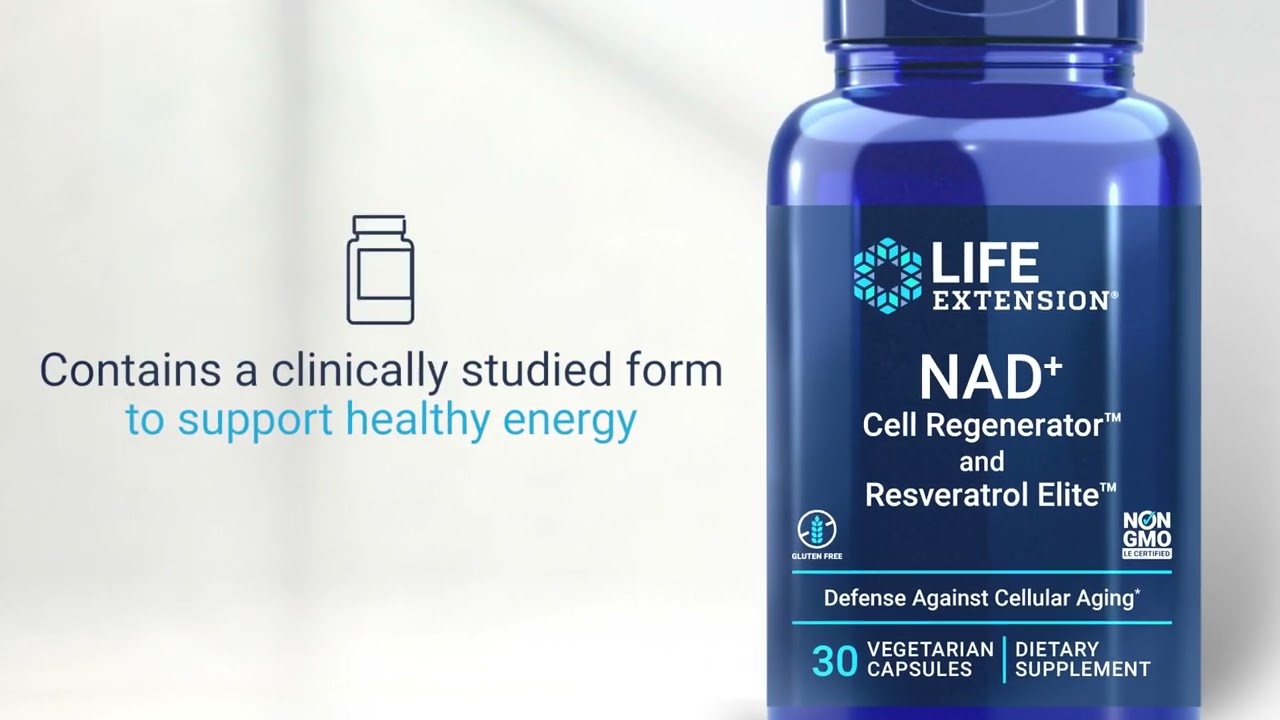
If you’ve been researching ways to support your energy levels and cellular health as you age, you’ve likely encountered nicotinamide riboside supplements. The NR 500 NAD booster has emerged as one of the most popular formulations in this space, offering a clinically relevant dose in a single daily capsule.
Before comparing a specific NR-based formula, review our wider explainer on NAD supplements and how different forms fit together.
But with dozens of products claiming similar benefits, understanding what actually matters—and what’s just marketing—can feel overwhelming. This guide breaks down the science, dosing, safety, and selection criteria so you can make an informed decision.
Key Takeaways
A 500 mg nicotinamide riboside capsule is a high-strength NAD booster used for supporting energy production, healthy aging, and cellular repair. This dose falls within the 250–1,000 mg/day range used in most clinical research.
Nicotinamide riboside is a specialized form of vitamin B3 that raises nicotinamide adenine dinucleotide (NAD+) levels more efficiently than standard niacin or nicotinamide, without the flushing side effects commonly associated with high-dose niacin.
Human trials demonstrate that NR is well tolerated up to at least 1,000–2,000 mg/day over several weeks to months. However, consulting a healthcare professional before starting any supplementation regimen remains essential.
High-quality NR 500 NAD boosters are typically vegan, non GMO, and third party tested. Product selection based on transparent quality markers matters more than bold marketing claims about “reversing aging.”
Benefits often appear gradually over weeks of consistent use, positioning NR as a supportive tool alongside sleep, nutrition, and exercise—not a standalone longevity miracle.
What Is an NR 500 NAD Booster?
Nicotinamide riboside (NR) is a vitamin B3 derivative that functions as a direct precursor to NAD+, a vital coenzyme present in every living cell. Unlike standard forms of vitamin B3, NR provides a more efficient pathway to raising cellular NAD+ levels, which decline naturally as we age.
When you see “NR 500” on a product label, it typically refers to a capsule containing 500 mg of nicotinamide riboside chloride per serving. This standardized dose has become common in the supplement market because it falls within the range tested in published clinical trials.
The term “NAD booster” describes supplements designed to increase cellular NAD+ concentrations. NAD+ serves as a crucial coenzyme involved in over 500 enzymatic reactions, including those responsible for energy metabolism, DNA repair, and cellular stress resistance. Tissues with high energy demands—muscles, brain, and heart—are particularly dependent on adequate NAD+ levels.

NR 500 products currently on the market are formulated for both men and women. Most brands package their supplements in 30- to 60-capsule bottles, providing one to two months of daily use at the standard once-daily dosing.
Quick recap:
NR is a form of vitamin B3 that directly converts to NAD+
“NR 500” means 500 mg of nicotinamide riboside per capsule
NAD boosters target cellular energy in high-demand tissues
Typical bottles provide 30–60 days of once-daily supplementation
How NR 500 Raises NAD+ Levels
NAD+ plays a central role in how your cells produce usable energy. It’s essential for mitochondrial energy production, DNA repair mechanisms, and activating sirtuins—a family of proteins linked to longevity and cellular metabolism. The problem is that NAD+ levels decline by nearly half by middle age, impacting cellular energy production and overall metabolic health.
The Biochemical Pathway
When you take an NR supplement orally, your cells rapidly absorb the compound. From there, the conversion follows a relatively direct route:
NR enters cells and is converted by nicotinamide riboside kinase (NRK1/2) to nicotinamide mononucleotide (NMN)
NMN is then converted by NMNAT enzymes to NAD+
This pathway bypasses the mechanisms that cause flushing with high dose nicotinamide riboside alternatives like niacin
Some NR also converts through the Preiss-Handler pathway, where it transforms to nicotinic acid before becoming NAD+. Your gut microbiota plays a role here, engaging deamidated biosynthesis pathways that further support NAD+ production.
What the Research Shows
Human trials conducted between 2016 and 2023 provide solid evidence for NR’s NAD+-raising effects. At least 10 published studies demonstrate that oral NR at 500 to 1,000 mg per day approximately doubles whole-blood NAD+ levels within one to two weeks.
At doses exceeding 300 mg daily, researchers have observed NAD+ boosts up to 168% above baseline. The 500 mg dose falls squarely within the range that produced significant NAD+ elevation without major adverse events in randomized trials.
Interestingly, combining NR with CD38 inhibitors may amplify effects. One clinical test using a botanical blend (pomegranate and tagetes) showed that 500 mg NR plus the inhibitor achieved a 31.4% NAD+ increase, compared to 26.3% with the inhibitor alone.
It’s worth noting that while blood NAD+ elevations are well-documented, muscle NAD+ increases remain unconfirmed compared to placebo in current research. This distinction matters for those specifically targeting muscle mass or exercise performance outcomes.
Potential Benefits of NR 500 as a NAD Booster
Before diving into specific benefits, a necessary disclaimer: the evidence for NR supplementation is promising but still evolving. The following represents what current research suggests, not guaranteed outcomes. Avoid products that make disease claims—these are not evidence-based.
Energy and Mitochondrial Function
One of the most commonly reported effects of chronic nicotinamide riboside supplementation involves improved energy production at the cellular level. NAD+ is essential for converting nutrients into ATP—the energy currency your cells use for virtually every function.
In 8- to 12-week studies involving overweight adults, researchers observed reports of reduced fatigue and improved exercise tolerance among NR users. The mechanism makes sense: by supporting mitochondrial function, NR helps cells generate sustained energy more efficiently.
However, don’t expect an acute effect from your first dose. Unlike caffeine, NR works gradually by rebuilding cellular NAD+ reserves over time.
Healthy Aging and Cellular Repair
The aging process correlates strongly with declining NAD+ levels. This decline impacts sirtuin activity and PARP enzymes—both critical for cellular repair mechanisms and gene expression regulation.
By elevating NAD+, NR supplementation may help counter some age-related cellular dysfunction. Research suggests benefits for:
Sirtuin activation, which influences metabolic regulation and stress resistance
DNA repair enzyme function
Protection from cellular stress accumulated over decades
This positions NR as a tool for supporting healthy aging rather than reversing it—an important distinction.
Metabolic Health Markers
Several placebo controlled study designs have examined metabolic outcomes. In healthy middle aged and overweight adults, NR supplementation has shown improvements in:
Blood NAD+ levels (the most consistent finding)
Fat oxidation rates
Insulin sensitivity markers
These findings suggest NR may support metabolic health, though results vary based on individual baseline status and lifestyle factors.
Brain Health and Cognitive Support
Animal models and early human data suggest potential benefits for brain health. Mouse models show reduced neuroinflammation and enhanced synaptic function with NAD+ precursor supplementation.
For humans, the cognitive function evidence remains limited. Early research points toward healthy brain function support, but we need more double blind safety trial data specifically measuring human cognitive outcomes before drawing firm conclusions.

Key potential benefits to consider:
Gradual improvements in cellular energy over weeks
Support for DNA repair and sirtuin-related pathways
Possible metabolic health improvements
Early signals for brain and cognitive support (more research needed)
Remember: NR works best as one component of a comprehensive approach. Prioritize sleep, nutrition, and physical activity—then consider whether NR supplementation adds value for your specific situation.
NR 500 Dose, Timing, and How to Take It
Getting the dosing right matters for both effectiveness and safety. Here’s what the research and current protocols suggest.
Standard Dosing
500 mg once daily represents the typical starting dose reflected in both clinical protocols and commercial products. This dose consistently produces measurable NAD+ elevation in published trials.
Some studies titrate participants up to 1,000 mg/day, usually administered as 500 mg twice daily (two capsules daily). If you’re considering higher doses, start at 500 mg for at least two weeks to assess tolerance before increasing. Always discuss dose escalation with a healthcare professional.
Timing and Administration
Take your NR supplement with water. Studies have used both fed and fasted dosing with similar efficacy, so you have flexibility. Taking NR with food may help reduce any mild stomach discomfort that occasionally occurs.
For consistency, consider establishing a morning routine—taking your capsule with breakfast helps with:
Habit formation and adherence
Diurnal NAD+ stability throughout the day
Remembering daily doses
What to Avoid
Don’t combine NR 500 with other NAD precursors like high-dose NMN, niacin, or nicotinamide without clinician guidance. These compounds share metabolic pathways, and stacking them may lead to unnecessary additives of the same basic effect without proportional benefit.
Dosing summary:
Start with 500 mg once daily
Take with water, optionally with food
Morning dosing supports habit adherence
Avoid stacking multiple NAD precursors without professional input
High Dose NR: Considerations and Risks
While nicotinamide riboside (NR) has gained attention for its ability to support energy production, cellular health, and metabolic regulation, it’s important to approach high dose supplementation with careful consideration. Chronic nicotinamide riboside supplementation at elevated doses—typically above the standard 500 mg daily—has been explored in research for its potential benefits in supporting healthy aging and enhancing mitochondrial energy production. However, higher doses may also increase the likelihood of side effects, including nausea, headaches, and digestive discomfort.
For some individuals, especially those with underlying health conditions or those taking medications, high dose nicotinamide riboside can interact with existing treatments or exacerbate certain issues. This makes it essential to consult a healthcare professional before starting or increasing your NR supplement dosage. Personalized guidance ensures that you maximize the potential benefits of NR—such as improved cellular health and metabolic regulation—while minimizing risks.
When considering high dose NR, always prioritize quality. Choose supplements that are third party tested, manufactured in GMP certified facilities, and free from unnecessary additives. This not only helps ensure label accuracy and purity but also reduces the risk of contaminants that could undermine your health goals. Remember, more is not always better; the optimal dose for supporting healthy aging and mitochondrial function varies from person to person, and should be determined with professional input.
Ingredients and Quality: What to Look for in an NR 500 NAD Booster
“NR 500” describes a strength, not a specific brand or formula. Products vary significantly in purity, capsule materials, and inactive ingredients. Knowing what to look for helps you identify high-quality options.
Common Label Details
When examining supplement facts, you’ll typically find:
Active ingredient: 500 mg nicotinamide riboside, often listed as “nicotinamide riboside chloride” or branded as Niagen nicotinamide riboside chloride at 99% purity
Capsule count: 30 capsules (one month at one per day) or 60 capsules (two months)
Other ingredients: May include rice flour, vegetable cellulose (capsule material), or magnesium stearate as flow agents
Some formulations include additional compounds like apigenin for enhanced absorption. Others keep it simple with minimal fillers.
Third-Party Testing
NR is a relatively high-value ingredient, making quality verification essential. Look for products that are rigorously tested by independent laboratories for:
Potency (confirming label accuracy for the stated 500 mg per serving)
Heavy metals (lead, mercury, arsenic, cadmium)
Microbial contaminants
Purity percentages
Certificates of Analysis dated within the last 12–18 months indicate active quality control rather than outdated testing.

Quality Checklist
Vegan or vegetarian capsules (often specified as vegetable cellulose)
Non GMO sourcing clearly stated
Gluten-free verification if relevant to your dietary needs
Manufactured in GMP certified facilities or NSF certified operations
Transparent company contact information and support access
No artificial colors or unnecessary fillers
Clear expiration dating
Read labels carefully. Some products combine NR with other ingredients, affecting the actual NR dose per capsule. The total blend weight isn’t the same as the NR content.
Safety, Side Effects, and Who Should Avoid NR 500
Understanding the safety profile helps you make an informed decision about whether NR supplementation fits your situation.
Overall Tolerability
Human trials have established that NR is well tolerated at doses up to 1,000–2,000 mg daily over periods ranging from several weeks to months. The safety data from these studies is reassuring for typical supplemental use at 500 mg per day.
Reported Side Effects
The most common mild side effects, affecting only a small minority of participants in studies, include:
Nausea or mild digestive discomfort
Indigestion
Headache
Mild flushing (much less common than with niacin)
Transient fatigue
These effects are generally mild and often resolve with continued use or when taking NR with food.
Who Should Exercise Caution
Medical supervision is advisable for:
Pregnant or breastfeeding women: Insufficient safety data exists as of 2026 for these populations
People with liver or kidney disease: These organs process supplements, and impaired function may alter metabolism
Those on specific medications: Drugs affecting glucose, blood pressure, or chemotherapy regimens may have theoretical interactions with NAD+ modulation
Important Disclaimers
NR 500 NAD boosters are classified as dietary supplements. They are not FDA-approved drugs and are not intended to diagnose, treat, cure, or prevent any disease. Product labels carry standard disclaimers reflecting this regulatory status.
If you experience persistent adverse symptoms after starting NR 500, discontinue use and consult a healthcare professional promptly. Any health condition requiring ongoing medical care warrants a conversation with your provider before adding supplementation.
How NR 500 Compares to Other NAD+ Precursors
Several compounds can raise NAD+ levels, each with distinct characteristics. Understanding the differences helps you determine whether NR 500 fits your needs.
NR and NMN
Both nicotinamide riboside NR and nicotinamide mononucleotide (NMN) can approximately double NAD+ levels at 500–1,000 mg/day in short-term studies. The debate over which is “better” continues, but here’s what the data shows:
NR has somewhat longer published human safety and orally bioavailable data
A 2025 study in long-COVID patients found NR tripled NAD+ levels more decisively than NMN (2.3-fold higher blood increase)
Both compounds ultimately funnel through similar metabolic pathways
NR has regulatory approvals at the 300 mg level that NMN currently lacks
Animal research shows NR uniquely demonstrates lifespan extension in mouse models and superior muscle NAD+ elevation in some studies.
NR vs. Niacin
Niacin (nicotinic acid) can raise NAD+ effectively, but its practical use is limited by:
Significant flushing at doses needed for NAD+ elevation
Skin warmth, redness, and itching that many users find intolerable
Need for careful dose titration
NR at 500 mg is typically flush-free, making it preferable for those sensitive to niacin’s side effects.
NR vs. Nicotinamide
Standard nicotinamide (Nam) is inexpensive and widely available, but 14-day whole-blood NAD+ studies show it produces smaller and more transient elevations compared to NR. The therapeutic potential for meaningful NAD+ restoration appears lower with nicotinamide alone.
No Universal “Best” Option
The choice between precursors depends on:
Your tolerance for potential side effects
Available safety data (NR currently leads)
Cost considerations
Personal health goals
When NR 500 might be preferred:
Users sensitive to flushing who want to avoid niacin
Those prioritizing published human safety data
People seeking a standardized, widely-studied dose
Individuals wanting a single-capsule daily protocol
How to Choose an NR 500 NAD Booster Supplement
Many products advertise “NR 500” but differ substantially in quality, testing, and formulation. A deliberate selection process helps you find legitimate options.
Decision Checklist
Before purchasing, verify these elements:
Exact NR form and dose: Confirm 500 mg nicotinamide riboside per capsule (not per two-capsule serving, which would halve the actual dose)
Third-party testing documentation: Look for Certificates of Analysis dated within the last 12–18 months covering potency, purity, and contaminant testing
Filler and allergen review: Check for unnecessary additives, artificial colors, or allergens if you have sensitivities
Cost analysis: Compare the current price per 500 mg serving across 30-, 60-, and 90-count bottles to estimate your monthly expense
Manufacturing transparency: Prioritize brands stating their manufacturing location, GMP compliant status, and customer support contact information
NR hydrogen malate or chloride form: Both are legitimate forms; chloride is more common in researched products
Liquid form availability: Some brands offer NR in liquid form for those who prefer non-capsule options
Red Flags to Avoid
Be skeptical of products that:
Promise extreme results (“reverse 20 years of aging in 30 days”)
Lack any third-party testing documentation
Don’t clearly state the NR dose per capsule
Use vague terms like “proprietary blend” without specifying NR content
Make disease treatment claims
The supplement market rewards marketing over substance. Focus on verification rather than promises.
Legal and Regulatory Considerations
Understanding the regulatory landscape helps set realistic expectations about what NR supplements can and cannot claim.
Dietary Supplement Classification
In the United States and many other jurisdictions as of 2026, NR 500 NAD boosters are regulated as dietary supplements rather than prescription drugs. This classification means:
Manufacturers must follow GMP standards for production
Products do not require pre-market efficacy proof
The FDA does not approve supplements before they reach consumers
Companies are responsible for ensuring safety and label accuracy
Standard Label Disclaimers
You’ll commonly see statements on NR products such as:
“These statements have not been evaluated by the FDA. This product is not intended to diagnose, treat, cure, or prevent any disease.”
This disclaimer is legally required and reflects the supplement’s regulatory status, not necessarily a lack of efficacy.
International Variations
Regulations differ across countries. Some jurisdictions may:
Classify NR or high-dose vitamin B3 derivatives differently
Restrict availability or require different labeling
Set different maximum dose limits
Require prescription status for higher doses
If purchasing internationally or traveling with supplements, check local regulations.
Your Best Protection
Rather than relying on regulatory oversight alone:
Choose reputable brands with transparent practices
Verify third-party testing independently
Consult healthcare professionals for personalized guidance
Don’t substitute supplements for medical treatment when calorie restriction, exercise, or medication is indicated

Frequently Asked Questions (FAQ)
How long does it take for an NR 500 NAD booster to work?
Measurable increases in blood NAD+ typically appear within 7–14 days at 500–1,000 mg/day based on clinical studies using healthy adults and older adults populations. However, subjective benefits like improved energy, mental clarity, or reduced fatigue may take 2–8 weeks to become noticeable.
Response varies significantly between individuals. Factors influencing your experience include baseline NAD+ levels, sleep quality, diet, stress, and exercise habits. Someone starting with severely depleted NAD+ may notice changes sooner than someone with relatively preserved levels.
Commit to at least one full month of consistent daily use before judging personal effects. The cell metab research suggests NAD+ elevation is cumulative, building over time rather than appearing immediately. If you’ve completed 8–12 weeks without perceiving benefit, reassess with a healthcare provider whether to continue, adjust your dose, or consider whether NR fits your specific needs.
Can I take NR 500 every day long term?
Published human studies have used daily NR for several months with good tolerability, supporting ongoing use for many individuals. However, long-term data exceeding one year at 500–1,000 mg/day remains limited.
Many users and clinicians treat NR similarly to a daily vitamin, maintaining consistent supplementation indefinitely. For those choosing this approach, periodic health check-ins are prudent—consider monitoring liver enzymes, kidney function, and overall metabolic markers at regular intervals.
Anyone with chronic health conditions or taking prescription medications should obtain personalized medical advice before committing to long-term daily use. Reassessing the need and dose at least once or twice per year in consultation with a professional helps ensure the supplementation still makes sense for your evolving health situation.
Should I cycle on and off NR 500?
Currently, no universally accepted cycling protocol exists for NR supplementation. Clinical trials typically used continuous daily dosing without breaks, and this approach produced the measured NAD+ elevations reported in research.
Some practitioners suggest brief breaks—perhaps one week off every 8–12 weeks—more from general caution than evidence-based necessity. If you have cost concerns, tolerance questions, or philosophical preferences about continuous supplementation, cycling can be discussed with a clinician.
Consistency matters for maintaining stable NAD+ elevation. Sudden discontinuation isn’t known to cause withdrawal symptoms, but NAD+ levels will likely drift back toward baseline over time without continued supplementation. This isn’t harmful—it simply means the supplemental boost requires ongoing use to maintain.
Can NR 500 be combined with other supplements like NMN or resveratrol?
Some “NAD support” formulas combine NR or NMN with compounds like resveratrol, quercetin, or pterostilbene. These combinations target overlapping longevity-associated pathways and may offer synergistic effects in theory.
However, taking multiple high doses of NAD precursors simultaneously (e.g., NR + NMN + high-dose niacin) without medical supervision isn’t advisable. The benefits may not justify the added cost, and you risk metabolic pathway saturation without proportional gains.
Combining NR 500 with lifestyle interventions—regular exercise, adequate protein intake, quality sleep—likely yields more benefit than stacking multiple overlapping supplements. The fundamentals create the foundation; NR is a potential optimization layer, not a replacement for healthy habits.
If you’re interested in complex supplement stacks, consult a healthcare professional before designing your protocol, especially if you take medications that might interact with NAD+ modulation.
Is NR 500 safe if I’m under 30 or generally healthy?
Most NR trials have focused on middle-aged or older adults, or participants with metabolic risk factors. Evidence specifically in young, healthy individuals under 30 is more limited, making it harder to predict incremental benefits for this population.
Mechanistically, boosting NAD+ still supports cellular energy and cellular level processes regardless of age. However, a healthy 25-year-old with naturally robust NAD+ levels may experience smaller gains compared to a 55-year-old with age-related decline.
For younger individuals, prioritizing fundamentals makes more sense than immediately turning to supplementation:
Optimize sleep quality and duration
Maintain consistent exercise habits
Eat a nutrient-dense diet
Manage stress effectively
If you’re under active medical care or an athlete subject to anti-doping rules, consult appropriate professionals before starting NAD-targeted supplements. Some athletic organizations have specific policies about supplements, and any health condition warrants medical input regardless of age.
Conclusion
Nicotinamide riboside (NR) stands out as a vital coenzyme involved in energy production, cellular metabolism, and cellular repair—key processes that underpin healthy aging and overall well-being. NR supplements, particularly those formulated with Niagen nicotinamide riboside chloride, have demonstrated the ability to support mitochondrial function, enhance cognitive function, and promote cellular health. These benefits make NR an appealing option for individuals seeking to optimize their energy levels and support long-term vitality.
However, as with any supplement, it’s crucial to weigh the potential benefits against possible risks, especially when considering high dose NR supplementation. Consulting a healthcare professional ensures that your approach is tailored to your unique health profile and needs. When selecting an NR supplement, look for products that are third party tested, manufactured in GMP certified facilities, and free from heavy metals and unnecessary additives. Always read labels and supplement facts carefully to confirm you’re getting a product that aligns with your health goals.
By integrating NR supplementation into a balanced lifestyle—alongside proper nutrition, exercise, and sleep—you can help support your body’s natural energy production, cellular health, and resilience against age-related decline. Follow recommended dosages, stay informed, and seek professional advice if you have any underlying health conditions or concerns. With the right approach, NR can be a valuable tool in your journey toward healthy aging and optimal cellular function.