NMNH is often introduced as a more potent or faster-acting cousin of NMN, but newer is not always better understood. If you want the established background first, start with our guide to NAD supplements, NMN, and related precursor forms.
Nicotinamide Mononucleotide (NMN) has gained significant attention in recent years as a precursor to Nicotinamide Adenine Dinucleotide (NAD+), a coenzyme vital for cellular energy and various biological processes. More recently, another compound, Nicotinamide Mononucleotide Hydride (NMNH), has emerged, suggesting a potentially different or more efficient pathway to increasing NAD+ levels. This article explores the current understanding of NMNH, its purported benefits, and how it might compare to its better-known counterpart, NMN. Our aim is to provide a clear, trustworthy overview for those curious about these emerging compounds.
NMNH Supplements: The Good And The Bad
NMNH is a reduced form of NMN. This chemical distinction is important because it suggests a different metabolic route within the body. While NMN typically needs to be converted into NR (nicotinamide riboside) or directly transported into cells to then become NAD+, preliminary research indicates that NMNH might be able to more directly and rapidly increase NAD+ levels. The “good” lies in this potential for enhanced efficiency. If NMNH can bypass certain rate-limiting steps that NMN might encounter, it could offer a more potent or faster way to boost cellular NAD+. Practical implications of this potential efficiency are still under investigation. For individuals exploring ways to support cellular health, particularly in the context of aging research, a compound that offers a more direct route to NAD+ could be appealing. However, the “bad” aspects are primarily related to the lack of extensive human research. Most of the current understanding of NMNH comes from in vitro (test tube) studies and animal models. This means that while the theoretical benefits are intriguing, concrete evidence of efficacy, optimal dosing, and long-term safety in humans is largely absent. Consider a scenario where NMN requires multiple enzymatic conversions to become NAD+. If NMNH can enter the cell and convert to NAD+ with fewer steps or at a faster rate, it might, in theory, lead to a more pronounced or quicker physiological effect. However, without human trials, these are hypotheses. There’s also the question of stability. How well does NMNH survive digestion and reach target cells? These are all factors that need thorough investigation before definitive claims can be made about its superiority or widespread applicability.
NMN vs NMNH Differences, Benefits & Risks
The primary difference between NMN and NMNH lies in their chemical structure and proposed metabolic pathways. NMN is an oxidized form, while NMNH is a reduced form. This reduction affects how the molecule interacts with enzymes and transporters in the body. NMN’s pathway to NAD+ involves an enzyme called NMNAT (nicotinamide mononucleotide adenylyltransferase) once inside the cell, or it can be dephosphorylated to NR, transported, and then rephosphorylated. NMNH, on the other hand, is theorized to be able to more directly donate its hydride to form NAD+, potentially bypassing some of these initial steps. This directness is the core of the proposed efficiency benefit for NMNH.
Proposed Benefits Comparison
| Feature | NMN (Nicotinamide Mononucleotide) | NMNH (Nicotinamide Mononucleotide Hydride) |
|---|---|---|
| Chemical Form | Oxidized | Reduced (has an extra hydrogen atom) |
| Metabolic Pathway | Requires conversion by NMNAT or dephosphorylation to NR for entry | Proposed to have a more direct route to NAD+ production |
| NAD+ Boost | Well-documented in animal studies, emerging human data | Potentially more rapid and efficient, based on preliminary research |
| Research Status | More extensive human trials and animal studies | Primarily in vitro and animal studies, very limited human data |
| Availability | Widely available as a supplement | Newer, less widely available, and often more expensive |
| Stability | Generally considered stable, especially in specific formulations | Stability in various conditions still under investigation |
Risks and Uncertainties
For NMN, the risks appear low in studies conducted so far, with most reported side effects being mild and rare. However, long-term safety data are still accumulating. The main uncertainties lie in optimal dosing, potential interactions, and whether benefits observed in specific populations translate broadly. For NMNH, the risks are less understood due to the limited research. Any new compound introduced into the body carries an inherent, though often small, risk of unforeseen side effects or interactions. Without comprehensive safety studies, especially in humans, it’s difficult to quantify these risks. Furthermore, the purity and consistency of NMNH supplements, given its newer status, could be a concern. Regulation of dietary supplements varies widely, and ensuring a product contains what it claims, without contaminants, is crucial. Both compounds are considered investigational by regulatory bodies like the FDA when marketed with therapeutic claims.
The Science Behind NMN–A Stable, Reliable NAD+ Activator
NMN’s role as an NAD+ precursor is rooted in fundamental biochemistry. NAD+ is essential for over 400 enzymatic reactions, including those involved in energy metabolism, DNA repair, gene expression, and immune function. As we age, NAD+ levels naturally decline, a phenomenon linked to various age-related health issues. The idea behind NMN supplementation is to counteract this decline by providing the raw material the body needs to synthesize more NAD+. The stability of NMN is a key factor in its viability as a supplement. Early concerns about NMN’s stability in the digestive tract have been addressed by research showing that it can be absorbed relatively intact, and also by the development of specialized delivery methods like enteric coatings or liposomal formulations. Once absorbed, NMN enters cells and is converted to NAD+. This process is mediated by specific enzymes, such as NMNAT, which catalyzes the final step of NAD+ synthesis from NMN and ATP. The reliability of NMN as an NAD+ activator has been demonstrated in numerous animal studies, showing improvements in various markers of aging and metabolic health. These include enhanced mitochondrial function, improved insulin sensitivity, better muscle endurance, and neuroprotective effects. While human trials are ongoing and still relatively few compared to animal studies, some preliminary results suggest similar positive effects on NAD+ levels and certain physiological parameters in humans. For example, studies have shown that NMN supplementation can increase NAD+ levels in human blood cells and muscle tissue. Other research has explored its impact on exercise performance and metabolic markers. These findings, while promising, are often from small-scale studies and require replication in larger, more diverse populations to draw firm conclusions about widespread application and specific health outcomes.
NMN (Nicotinamide Mononucleotide): Benefits, Side Effects, and Considerations
NMN has emerged as a prominent molecule in the field of aging research, largely due to its well-documented role as a direct precursor to NAD+. The benefits attributed to NMN, primarily observed in animal models, span a wide range of physiological systems.
Documented Benefits (Primarily from Animal Studies):
- Improved Metabolic Health: Studies in mice have shown NMN can improve insulin sensitivity, glucose tolerance, and lipid profiles, particularly in diet-induced obese or aged animals.
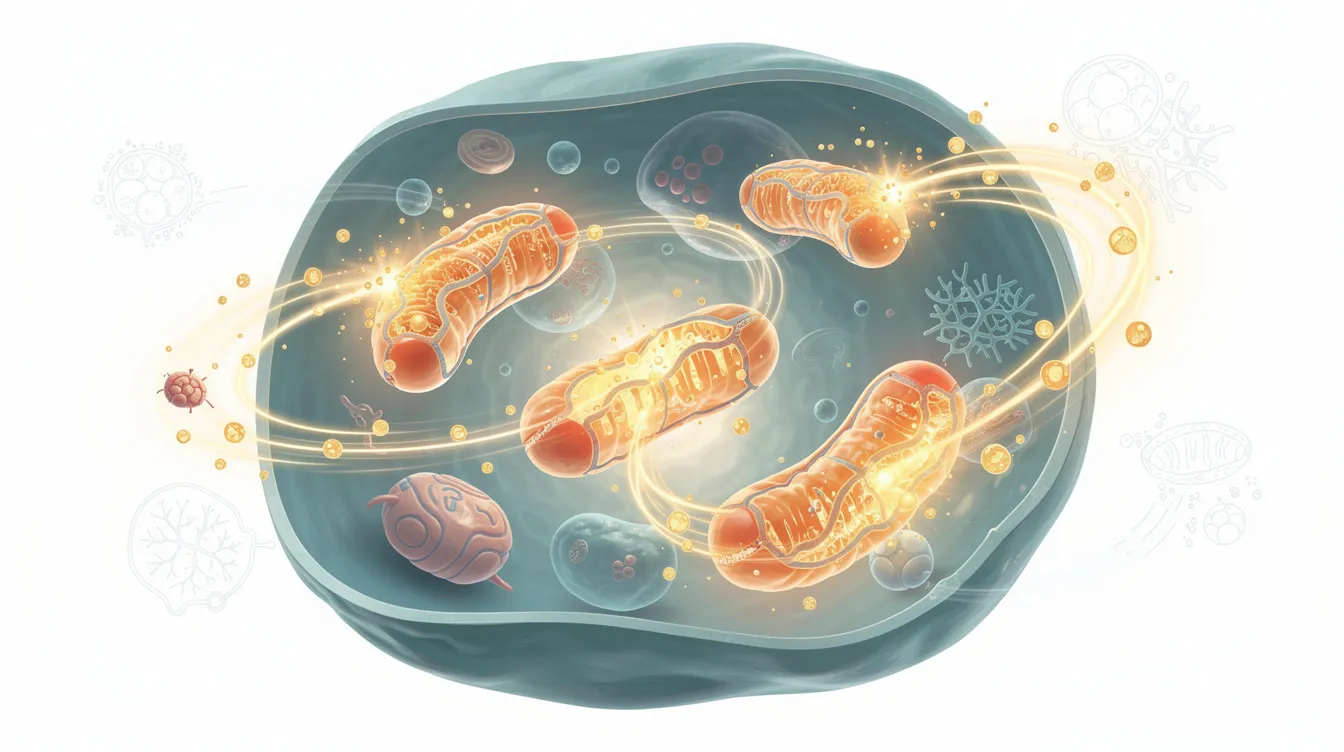
- Enhanced Mitochondrial Function: By boosting NAD+, NMN supports mitochondrial health, which is crucial for energy production and cellular vitality. This can lead to improvements in physical endurance and reduced fatigue.
- Neuroprotection: NMN has demonstrated potential in protecting against neurodegenerative processes in animal models, improving cognitive function and reducing neuronal damage.
- Cardiovascular Health: Research suggests NMN may support heart health by improving vascular function and reducing oxidative stress.
- DNA Repair: NAD+ is a co-substrate for DNA repair enzymes called PARPs (poly-ADP-ribose polymerases). By increasing NAD+ levels, NMN may support the body’s ability to repair DNA damage, which accumulates with age.
- Anti-aging Effects: While “anti-aging” is a broad term, NMN’s impact on these fundamental cellular processes is thought to contribute to a healthier aging trajectory, potentially delaying the onset or progression of age-related diseases.
Side Effects and Safety:
In human clinical trials conducted to date, NMN has generally been well-tolerated with no serious adverse effects reported at typical doses (up to 1000 mg/day). Some mild side effects, such as gastrointestinal discomfort, have been anecdotally reported, but these are not consistently linked to NMN in controlled studies. However, it’s crucial to emphasize that long-term safety data in humans are still limited. Most studies have been relatively short-term (weeks to a few months). As with any supplement, individual responses can vary.
Key Considerations for NMN Supplementation:
- Purity and Quality: The supplement market is not uniformly regulated. Ensuring the NMN product is pure, accurately dosed, and free from contaminants is paramount. Third-party testing can offer some assurance.
- Dosing: Optimal human dosing is still being determined. Many studies use doses ranging from 250 mg to 1000 mg per day.
- Formulation: Some NMN products are formulated for enhanced absorption, such as liposomal NMN or enteric-coated capsules, to protect the compound from stomach acid and potentially improve bioavailability.
- Individual Health Status: Individuals with pre-existing medical conditions or those taking other medications should consult a healthcare professional before starting NMN supplementation.
- Regulatory Status: In some regions, the regulatory status of NMN as a dietary ingredient is still under review or contested, which can affect its availability and claims.
Reduced Nicotinamide Mononucleotide (NMNH) Potently Increases NAD+
The excitement around NMNH stems from its potential to be a more potent and direct way to increase cellular NAD+ levels compared to NMN. The “reduced” aspect of NMNH’s chemical structure is central to this hypothesis. NAD+ is a coenzyme that acts as an electron acceptor in metabolic reactions, while NADH is its reduced form, acting as an electron donor. The balance between NAD+ and NADH is critical for cellular energy and redox homeostasis. NMNH is hypothesized to directly contribute to the NAD+ pool by donating a hydride ion (H-) during its conversion. This direct hydride donation could make it a more efficient precursor because it directly feeds into the redox balance required for NAD+ function. Preliminary in vitro and in vivo studies, primarily in mice, support this idea. Research has shown that NMNH can indeed increase NAD+ levels in various tissues more rapidly and, in some cases, to a greater extent than NMN at equivalent doses. One proposed mechanism is that NMNH might bypass the need for certain enzymes or transporters that NMN relies on, thereby streamlining the conversion process.
Implications of Increased Potency:
If NMNH proves to be significantly more potent, it could mean:
- Lower Dosing: Similar NAD+ increases might be achieved with smaller doses of NMNH compared to NMN, potentially reducing cost or improving tolerability.
- Faster Effects: A more direct pathway could lead to quicker physiological responses, which might be beneficial in certain applications.
- Broader Tissue Distribution: If NMNH has different transport mechanisms or is more bioavailable, it might reach a wider range of tissues or achieve higher concentrations in specific areas where NAD+ repletion is critical.
Current Research and Limitations:
The research on NMNH is still in its nascent stages. Most studies are foundational, focusing on understanding its biochemistry and efficacy in isolated cells or animal models. While these initial findings are promising, they are not yet transferable to human health outcomes. There is a significant gap in human clinical trials for NMNH, meaning that any claims about its benefits in people are speculative at this point. Furthermore, details regarding NMNH’s absorption, distribution, metabolism, and excretion (ADME) in humans are largely unknown. Its stability in different formulations and under various storage conditions also needs thorough investigation. This lack of comprehensive data means that while the science points to an interesting potential, practical applications for human health are still years away from being fully understood and validated.
NEW DIETARY INGREDIENT (NDI) SAFETY INFORMATION for nmnh benefits
Understanding the regulatory landscape for new compounds like NMNH is crucial, particularly concerning its classification as a “New Dietary Ingredient” (NDI) in the United States. The Food and Drug Administration (FDA) requires manufacturers to submit an NDI notification for any dietary ingredient not marketed in the U.S. before October 15, 1994. This notification must include evidence demonstrating that the NDI is reasonably expected to be safe under the conditions of its recommended use. For NMNH, this process is still very much in its early stages. Unlike NMN, which has seen some NDI notifications submitted (though not all without contention), NMNH is a much newer entry into the supplement sphere. This means:
- Limited Safety Data: The scientific evidence required to demonstrate reasonable assurance of safety for NMNH in humans is still being generated. Without robust toxicology studies, human clinical safety trials, and clear data on potential interactions, regulators will likely be cautious.
- Regulatory Scrutiny: As a novel compound, NMNH will face significant scrutiny. Manufacturers will need to invest heavily in research to meet the safety data requirements for NDI notification. This includes studies on acute toxicity, subchronic toxicity, genotoxicity, and potentially reproductive and developmental toxicity, depending on the proposed use.
- Product Availability and Claims: The lack of an accepted NDI notification means that any NMNH products currently on the market are operating in a somewhat ambiguous regulatory space. Companies marketing NMNH may face challenges regarding product claims and even legality if they cannot demonstrate safety. Consumers should be aware that products lacking NDI status have not undergone the FDA’s safety review process.
- Consumer Protection: For consumers, the NDI notification process is a key safeguard. It aims to ensure that new ingredients in supplements are not immediately harmful. Without this process being completed and accepted, consumers rely heavily on the manufacturer’s internal quality control and ethical standards, which can vary widely. Practical implications for consumers are significant. If you encounter NMNH supplements, it’s important to approach them with a healthy degree of skepticism regarding their safety and efficacy claims. Prioritize products from reputable manufacturers who are transparent about their research and regulatory efforts. Always consult with a healthcare professional before adding any new supplement, especially one with limited human safety data, to your regimen. The journey from a promising research compound to a widely accepted and safely marketed dietary supplement is long and arduous. For NMNH, this journey has only just begun. The “trade-offs” for early adopters include potential unknown risks versus the speculative benefits of being at the forefront of a new wave of NAD+ precursors.
FAQ
What is the benefit of NMNH?
Preliminary research, primarily in laboratory settings and animal models, suggests NMNH may offer a more potent and direct pathway to increase cellular NAD+ levels compared to NMN. This could potentially lead to more efficient improvements in cellular energy, DNA repair, and overall metabolic health. However, human benefits are still largely theoretical and require extensive clinical investigation.
Does NMN make you look younger?
While NMN is associated with supporting cellular processes linked to healthy aging, such as DNA repair and mitochondrial function, there is no direct scientific evidence to suggest it “makes you look younger” in terms of visible cosmetic changes. Its benefits are primarily at the cellular and physiological levels, aiming to support healthspan rather than directly reversing external signs of aging.
Which is better NAD+ or NMNH?
NAD+ is the essential coenzyme that both NMN and NMNH aim to increase. Therefore, it’s not a question of which is “better” between NAD+ and NMNH, but rather how effectively NMNH (or NMN) can raise NAD+ levels in the body. NMNH is a precursor to NAD+. Current research suggests NMNH might be a more efficient precursor than NMN in certain contexts, but this is based on limited studies. NAD+ itself is not typically taken as a supplement orally due to its poor bioavailability.
Conclusion
The emergence of Nicotinamide Mononucleotide Hydride (NMNH) as a potential NAD+ precursor represents an exciting, albeit early, development in the field of cellular health and aging research. While NMN has established itself with a growing body of animal and preliminary human research, NMNH offers a theoretical advantage through its proposed more direct and potent pathway to increasing NAD+ levels. This difference in chemical structure and metabolic route is the core of the curiosity surrounding NMNH. However, it is critical to underscore the nascent stage of NMNH research. Most of the findings are derived from in vitro studies and animal models, with a significant lack of comprehensive human clinical trials. This means that while the potential benefits are intriguing, definitive conclusions about efficacy, optimal dosing, long-term safety, and superiority over NMN in humans cannot yet be drawn. For curious readers seeking trustworthy information, the takeaway is one of cautious optimism. NMNH is a compound to watch, as future research may unlock its full potential. For now, individuals considering such supplements should prioritize compounds with more established safety and efficacy profiles, such as NMN, and always consult with a healthcare professional before introducing new supplements into their regimen, especially those with limited human data and an evolving regulatory status. The journey from scientific discovery to validated health benefit is a long one, and NMNH is still in its initial steps.
For a broader overview of how NAD-focused products fit into longevity supplementation, start with NAD supplements: uses, benefits, risks, and how to choose.
References
This article has been editorially standardized to follow the same evidence-note pattern used across the NMN Labo knowledge base. For closely related background and adjacent context, start with:
- NAD Supplements: Uses, Benefits, Risks, and How to Choose
- How Long Does It Take for NAD Supplements to Work?
Further Reading
Explore more articles related to this topic: