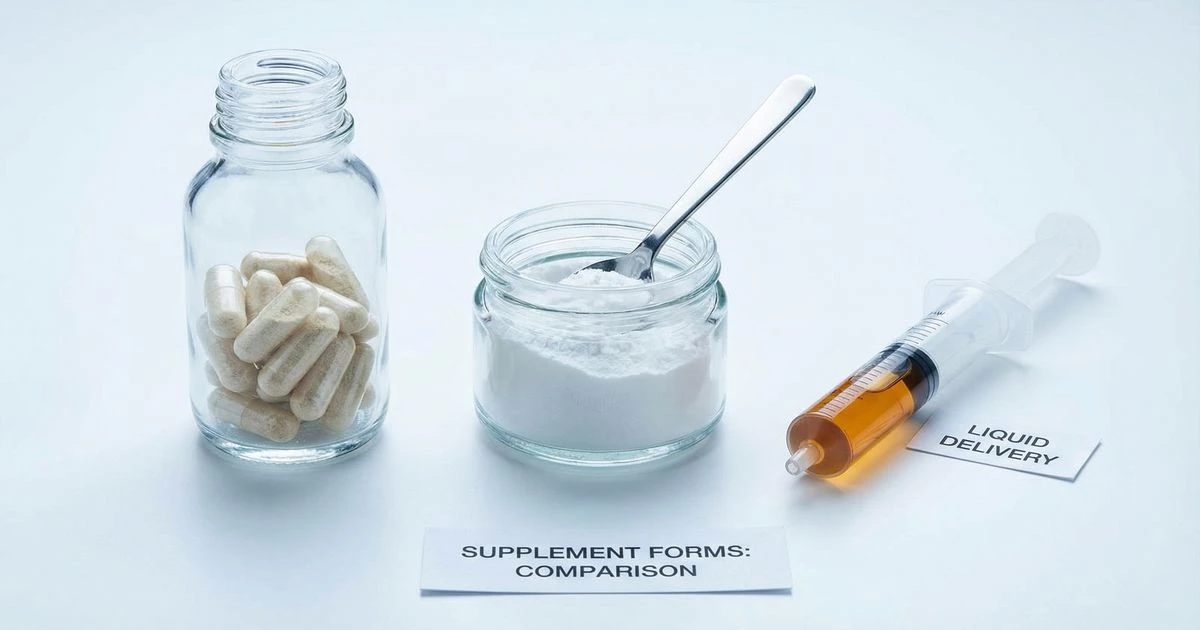

If you’ve spent any time researching longevity supplements, you’ve likely encountered three options that keep appearing: NMN, NR, and NAD+ injections. All three promise to boost your levels of nicotinamide adenine dinucleotide—a coenzyme found in every living cell that plays essential roles in cellular energy production, DNA repair, and healthy aging. NAD+ is required for over five hundred enzymatic reactions in the body and is essential for cellular functions such as energy production and DNA repair. Research in cell metab (cell metabolism) has become a key area for understanding NAD+ biology, aging, and the therapeutic potential of NAD+ intermediates like NMN and NR. The problem? Figuring out which one actually delivers on that promise.
NAD+ levels decline as we age, with research suggesting significant drops beginning in midlife. Aging is associated with this decline in NAD+ levels, which can lead to increased risk for diseases such as diabetes, heart disease, and neurodegenerative disorders. This decline is significant, and restoration of NAD+ levels in aged animals has been shown to extend lifespan and promote health. This decline has been linked to reduced mitochondrial function, impaired cellular repair mechanisms, and various age-associated changes. It’s no wonder people are looking for ways to push those levels back up. But between oral nicotinamide mononucleotide (NMN), oral nicotinamide riboside (NR), and direct NAD+ injections, the question remains: which one actually raises NAD+ levels the highest based on current human evidence?
Here’s the short version before we dive deeper: oral NR and NMN consistently raise blood NAD+ in humans, with NR having the most quantitative data to date. NAD+ injections can cause very rapid and sometimes larger short-term increases, but human data are sparse and protocols vary wildly. One challenge is that the cell membrane (also referred to as the cellular membrane) acts as a barrier, making it difficult for the larger NAD+ molecule to enter cells directly, which is why smaller precursors like NMN and NR are used. This article breaks down what the science actually shows—not what marketing claims suggest.

Note: This article is informational only, not medical advice. Individual responses vary significantly, and any supplementation regimen should be discussed with a qualified healthcare professional.
Quick Answer: Which Raises NAD+ Levels the Highest Right Now?
Let’s cut straight to what the peer-reviewed human data tell us, because that’s what you’re really here for.
NR (Nicotinamide Riboside): Multiple human trials between 2016 and 2023 demonstrate that oral nicotinamide riboside at doses of 300–1000 mg per day produces approximately 1.5 to 2.7-fold increases in blood NAD+ after one to two weeks of supplementation. The dose-response relationship is well characterized, meaning we understand how different doses affect NAD+ elevation. NR currently has the most detailed human pharmacokinetic data of any NAD+ precursor.
NMN (Nicotinamide Mononucleotide): Early human trials show significant NAD+ increases, though fewer studies provide precise fold-change measurements compared to NR research. Studies using 250–500 mg per day of NMN have demonstrated elevated blood NAD+ within weeks, with some trials reporting meaningful changes in NAD+ metabolite profiles. The body of evidence is growing rapidly but remains newer than NR data.
NAD+ Injections: Limited small human studies and case series suggest very rapid, large transient NAD+ increases—especially with IV drips—but data are inconsistent and often lack rigorous quantification. The pharmacokinetics suggest high short-term spikes that decline quickly after infusion ends.
Summary comparison:
Highest short-term spike (minutes to hours): Likely IV NAD+ injections, based on pharmacokinetic expectations and early reports
Best-studied sustained increase (days to weeks): NR, with NMN increasingly close behind as newer trials appear
Practical, repeatable, at-home strategy: Oral precursors (NR or NMN), not NAD+ injections
| Factor | NR | NMN | NAD+ Injections |
|---|---|---|---|
| Time to effect | Days to weeks | Days to weeks | Minutes to hours |
| Typical increase | ~1.5–2.7× baseline | Significant (less quantified) | High acute spike |
| Evidence strength | Strong | Growing | Limited |
| Practicality | High (oral, daily) | High (oral, daily) | Low (clinical setting) |
| One critical point: “higher” NAD+ is not automatically “better” or “safer.” Optimal ranges and long-term safety are still being studied, and the relationship between blood NAD+ levels and actual health outcomes remains an active area of research. |
NAD+ 101: What It Is and Why Levels Decline With Age
NAD+ (nicotinamide adenine dinucleotide, oxidized form) is an essential molecule present in every cell of your body. Without adequate NAD+, your cells simply cannot perform their basic functions. Think of it as a molecular workhorse that keeps cellular machinery running.
Key functions of NAD+ include:
Acting as a hydrogen and electron carrier in glycolysis and oxidative phosphorylation, directly supporting mitochondrial health and cellular energy production
Serving as a substrate for enzymes that consume NAD+ during their activity, including sirtuins (which regulate cell stress responses and metabolism), PARPs (critical for DNA repair), and CD38 (involved in cellular signaling)
Maintaining the balance between NAD+ and its reduced form NADH, which affects numerous metabolic processes
The balance between NAD+ and NADH matters because many enzymes depend on one form or the other. When this ratio shifts, it can affect everything from how efficiently your mitochondria produce energy to how well your cells handle stress.
Research from Fang et al. and others has documented that NAD+ levels decline with age in both animal models and human tissues. This decline appears to accelerate during midlife and continues into older age, correlating with reduced cellular function across multiple organ systems.
Your body makes NAD+ through three main routes:
Salvage pathway: Uses nicotinamide (NAM) recycled from NAD+-consuming reactions. This is the dominant pathway in humans, accounting for roughly 80–90% of NAD+ production
Preiss-Handler pathway: Converts nicotinic acid (another form of vitamin B3) into NAD+
De novo pathway: Synthesizes NAD+ from the amino acid tryptophan
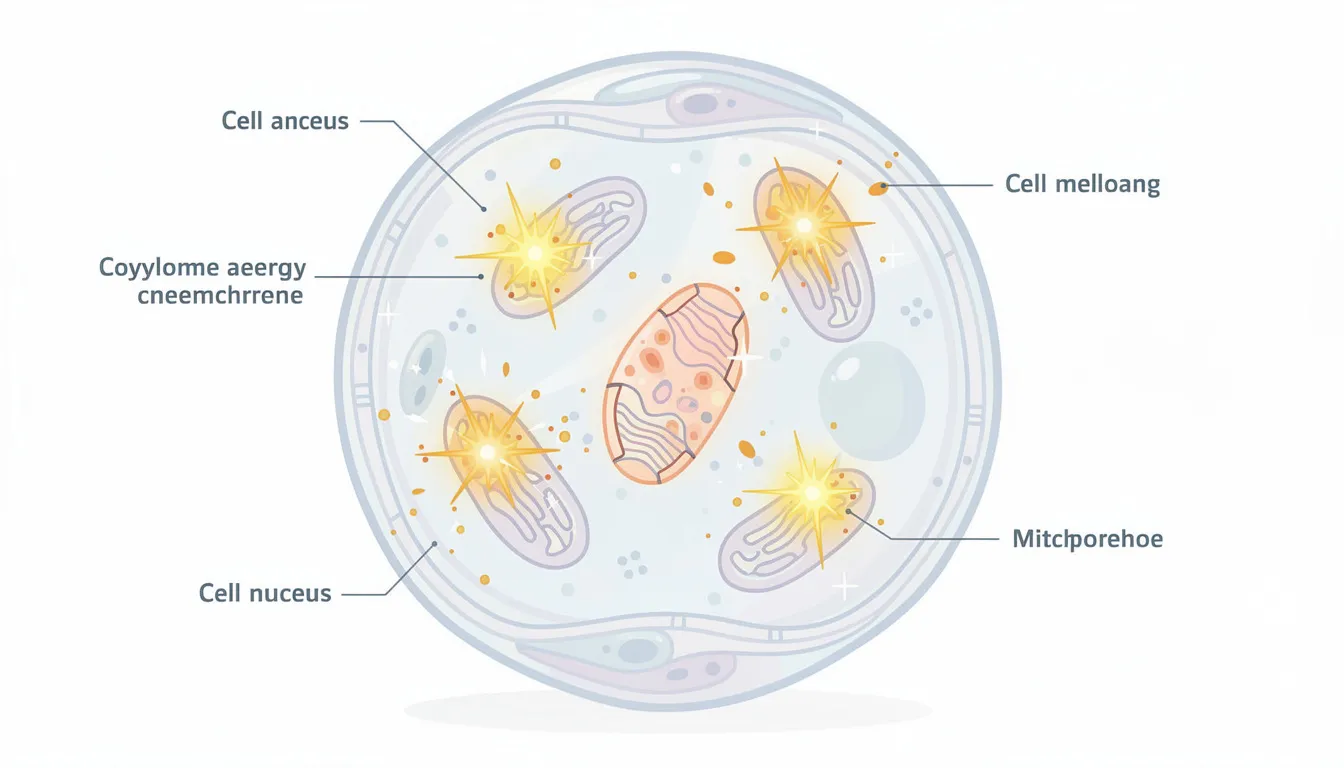
Here’s where this connects to our main question: NAD+ itself is a larger molecule that doesn’t easily cross cellular membranes when taken orally. Because taking NAD directly faces significant absorption challenges, we rely on smaller molecules—specifically the NAD precursor compounds NR and NMN—or parenteral (injected) NAD+ to influence these pathways effectively.
How NMN, NR, and NAD+ Injections Differ Mechanistically
Each of these three options enters NAD+ metabolism via different routes and at different “distances” from NAD+ itself. NMN is considered a direct precursor to NAD+, meaning it is the immediate building block in the biosynthesis pathway. Understanding these differences helps explain why each has distinct advantages and limitations for boosting NAD levels.
NMN (Nicotinamide Mononucleotide)
NMN is a nucleotide composed of nicotinamide, a ribose sugar, and a phosphate group. NMN has an added phosphate group, making it a larger molecule than NR. Structurally, it sits just one enzymatic step away from NAD+—the enzyme NMNAT converts NMN directly into the final product NAD+.
The presence of that phosphate group creates an interesting challenge: research published in Nature Communications in 2016 suggested that NMN cannot easily cross cellular membranes directly. The cellular membrane acts as a barrier, making it more difficult for NMN to enter cells directly compared to smaller molecules. Instead, the phosphate group must be removed, effectively converting NMN to NR before it can enter cells. Once inside, the molecule is then converted to NMN again before finally becoming NAD+.
However, a 2019 study in Nature Metabolism claimed to identify an NMN specific transporter (Slc12a8) in the mouse small intestine, suggesting some direct absorption might occur in the gastrointestinal tract. This remains debated—researchers Mark Schmidt and Charles Brenner questioned whether this transporter functions the same way in humans. The science here is still evolving.
NR (Nicotinamide Riboside)
Nicotinamide riboside NR is a form of vitamin B3 consisting of nicotinamide linked to a ribose sugar—notably without the phosphate group that NMN carries. This structural difference matters for entering cells.
NR enters mammalian cells via nucleoside transporters, then gets phosphorylated by nicotinamide riboside kinases (NRK1 and NRK2) to become NMN inside the cell. From there, NMNAT enzymes convert it to NAD+. The transport and conversion pathway for NR has robust data in both rodents and humans, with the Trammell et al. 2016 study in Cell Metabolism providing particularly detailed pharmacokinetic information.
Because NR is among the smaller molecules in this pathway and can traverse cell membranes more readily, some researchers argue it has a bioavailability advantage over NMN—though both nmn and nr ultimately feed into the same salvage pathway once inside cells.
NAD+ Injections (IV, IM, Subcutaneous)
Injected NAD+ bypasses the digestive system entirely, avoiding gut absorption limitations and first-pass liver metabolism. This sounds like a clear advantage—but the story is more complex.
Here’s the key point many people miss: extracellular NAD+ is quickly broken down by ecto-enzymes (including CD38 and CD73) into smaller metabolites like NMN, NR, and NAM. These breakdown products then enter cells and get converted back to NAD+ via the salvage pathway.
In other words, despite being “direct NAD+,” much of the effect may still be mediated via these smaller breakdown products. The larger molecule of NAD+ must essentially be disassembled before cells can use it effectively. The cell membrane acts as a barrier, preventing the large and charged NAD+ molecule from easily entering cells. Taking NAD directly doesn’t necessarily mean your cells receive NAD+ directly—they receive the pieces, which they then reassemble.
Pharmacokinetic differences:
Oral NR and NMN: Slower onset, more gradual curves; repeated daily dosing leads to sustained elevations over days to weeks
IV NAD+: Steep rise during infusion, sharp decline afterward; overall exposure depends on dose and infusion rate

What the Human Studies Show: NR vs NMN vs NAD+ Injections
This section summarizes what clinical research actually demonstrates about how much each approach raises NAD+—typically measured in blood, and occasionally in specific tissues.
NR: The Most Quantitatively Characterized Oral NAD+ Precursor
NR stands out as the NAD+ precursor with the most detailed human pharmacokinetic and dose-response data available. If you want numbers, NR delivers them.
Key human studies:
Trammell et al. 2016 (Cell Metabolism): This foundational study examined single and repeated oral NR doses in humans at 100, 300, and 1000 mg per day over approximately one to two weeks. Results showed dose-dependent increases in blood NAD+, reaching around 2 to 3-fold above baseline at higher doses. Importantly, NAD+ metabolites including NAAD and methylated nicotinamide also increased, indicating active flux through the metabolic pathways—the supplement was clearly doing something biochemically meaningful.
Airhart et al. 2017 and Martens et al. 2018: These studies confirmed that NR at 500–2000 mg per day raises whole blood NAD+ and related metabolites. Percentage increases ranged from approximately 50% to over 100% elevation from baseline, depending on dose and study population.
What these trials demonstrate:
NR is orally bioavailable in humans—it gets absorbed and processed
NR consistently elevates systemic NAD+ within days of starting supplementation
The effects are dose-dependent up to a point
Regarding safety, no serious adverse events were reported in short- to medium-term studies. The NR supplement appears well tolerated, with mild digestive upset being the most common complaint when side effects occur. However, long-term administration data beyond one to two years remain limited, and ongoing trials will provide more insight.
NMN: Promising, With Growing Human Data
NMN has generated significant excitement, partly due to advocacy from researchers like David Sinclair, and has strong animal data behind it. Human evidence is expanding rapidly, though it remains newer than the NR literature.
Representative human trials:
Early Japanese pharmacokinetic studies (2016–2018): Healthy men given up to 500 mg oral NMN showed increases in NAD+ metabolites in blood. Pharmacokinetics suggested reasonably fast absorption and conversion, with peak metabolite levels occurring within a few hours of dosing.
Yoshino et al. 2021: This study examined daily NMN (250 mg per day) for several weeks in prediabetic, postmenopausal women. Results showed significant improvements in NAD+ metabolite profiles. While exact fold-changes were modest compared to some NR trials, the differences were statistically significant and pointed toward meaningful biological effects. Some researchers noted improvements in markers related to insulin resistance, though health claims should be interpreted cautiously.
Recent multi-center trials (2020–2023): Studies from China and the US have tested doses ranging from 300–900 mg per day over 4–12 weeks. These reported increases in whole blood NAD+ and related metabolites, though reporting formats are less standardized than in NR trials, making direct comparisons challenging.
What we know:
NMN clearly raises circulating NAD+ in humans
Both NMN supplements and NR supplements appear to work through the salvage pathway
Some animal studies suggest NMN may increase tissue NAD+ in specific organs (liver, muscle) more effectively in certain models
What remains uncertain:
No robust head-to-head human trials directly comparing equal doses of NMN versus NR on the same population with identical endpoints had been published by early 2024
Whether either nmn or nr is definitively “superior” for any specific tissue or outcome
NAD+ Injections: Rapid Peaks, Limited Standardized Data
NAD+ injections—primarily IV infusions used in wellness clinics, sometimes IM or subcutaneous—represent the “new kid” in this space, at least from an evidence perspective.
Current evidence limitations:
Few peer-reviewed, controlled human trials measure pre- and post-blood NAD+ around IV NAD+ drips with rigorous methodology. Much of the available data comes from small pilot studies or case series that focus more on subjective outcomes (energy, mood, addiction symptoms) than precise NAD+ quantification.
What can be reasonably inferred:
Because IV delivery places NAD+ directly into circulation, transient blood concentrations during and immediately after infusion are likely higher than with oral precursors at comparable doses. This is simple pharmacokinetics—you’re putting the molecule directly into the bloodstream.
However, NAD+ is rapidly metabolized and cleared. Without frequent infusions, long-term baseline increases may not match the cumulative effect of daily oral precursors taken consistently over weeks or months.
Available observations:
Small studies in addiction treatment and chronic fatigue contexts have used multi-hour infusions of several hundred to over 1000 mg NAD+. Clinical observations were reported, but hard pharmacokinetic data with measured NAD+ levels are often absent or limited. Where measured, NAD+ and related metabolites tend to spike acutely then fall within hours to days.
Key uncertainties:
Optimal dosing, infusion rate, and frequency for sustained NAD+ elevation remain undefined
Tissue distribution after IV NAD+ versus oral precursors is not well mapped in humans
Whether the rapid spike translates to meaningful benefits compared to sustained lower-level elevation is unknown
So, Which Strategy “Wins” for Raising NAD+ the Most?
The answer depends entirely on how you define “highest.” There are several dimensions to consider, and different cell types and tissues may respond differently to each approach.
Peak blood concentration at any moment: Likely IV NAD+ injections win here, if the dose is sufficiently high. During and immediately after infusion, circulating NAD+ concentrations are probably higher than what oral precursors achieve. But this peak is transient—it drops rapidly once the infusion ends.
Average NAD+ over days or weeks (sustained elevation): NR has the most robust human quantitative data demonstrating consistent blood NAD+ elevation maintained through daily dosing. NMN shows comparable directional effects with growing but less standardized data. For those seeking a sustained increase rather than an acute spike, oral precursors appear more reliable.
Practicality, cost, and feasibility: Oral NR or NMN are far more practical than repeated IV sessions. You can take a dietary supplement at home daily without medical supervision, sterile equipment, or clinic visits. Either NMN or NR offers this convenience; NAD+ injections do not.
Evidence-based summary:
| Dimension | Winner |
|---|---|
| Peak effect | NAD+ IV (likely) |
| Sustained increase | NR (best data), NMN (comparable, less data) |
| Best-studied | NR |
| Most practical | Oral precursors (NR or NMN) |
| For most individuals interested in long-term maintenance of higher NAD+, the balance of evidence and practicality points toward oral precursors rather than repeated NAD+ injections. The therapeutic potential of IV NAD+ may exist for specific clinical scenarios under medical supervision, but research is limited and protocols are not standardized. |
Important: Any injectable regimen should be managed by qualified healthcare professionals. Risks include vein irritation, infection, fluid shifts, and adverse reactions unrelated to NAD+ itself. Self-administration of IV or IM injections carries significant safety concerns.

Safety, Regulatory Status, and Practical Considerations
How high NAD+ levels go matters less if the approach isn’t safe, accessible, or sustainable. Here’s what the evidence shows about safety and regulatory considerations.
NR Safety Profile
Multiple human trials using up to approximately 2000 mg per day for several weeks to months show good short-term tolerability
Common side effects, when they occur, are mild—primarily digestive upset
Long-term administration safety data beyond one to two years remain limited
Ongoing trials will provide additional insight into extended use
NMN Safety Profile
Human studies using up to approximately 1200 mg per day over several weeks to months report good tolerance
No serious adverse events documented in published trials; routine lab parameters remained within normal ranges
Regulatory status differs by region and has been evolving—in the US, NMN’s categorization as dietary supplement versus investigational new drug has shifted; readers should verify current local regulations before purchasing
Both NMN and NR lowers biomarkers of certain metabolic stressors in some studies, though health claims require further validation
NAD+ Injection Considerations
IV infusions require sterile conditions, medical oversight, and careful rate control
Anecdotal reports include nausea, chest tightness, and flushing at high doses or rapid infusion speeds
Data on long-term repeated IV NAD+ administration are extremely sparse
Potential risks relate to fluid volume, osmolarity, and venous access rather than NAD+ specifically
IV or IM injections should not be self-administered without medical supervision
Theoretical Concerns and Unknowns
Because NAD+ fuels DNA repair and cellular proliferation, some scientists have raised questions about massively elevating NAD+ in certain contexts—particularly existing cancers. Current literature shows both protective and potentially pro-growth roles depending on the model and cancer type. This doesn’t mean NAD+ precursors cause cancer, but it highlights that cellular functions are complex and more NAD+ isn’t automatically better in every situation.
Another consideration involves methylation demand. High doses of NAD+ precursors increase nicotinamide (NAM), which must be methylated and excreted. This process requires methyl donors including folate, B12, and choline. Some researchers suggest ensuring adequate intake of these nutrients when using high-dose NAD+ precursors, though specific recommendations aren’t established.
Practical Questions Before Choosing
Can you commit to consistent daily oral dosing, or would intermittent clinic visits be more realistic for your lifestyle?
Do you have access to reputable, third-party-tested supplements if choosing NR or NMN?
Are there cost constraints that favor one approach over another? (IV NAD+ sessions can cost several hundred dollars each)
Have you discussed any history of cancer, cardiovascular disease, or other major conditions with your clinician?
What are your actual goals—increasing NAD for general wellness, addressing specific symptoms, or something else?
How to Think About Dosing, Stacking, and Lifestyle (Without Giving Medical Advice)
This section provides general educational principles based on published research, not prescriptive dosing or treatment plans. Always discuss specific protocols with qualified healthcare providers.
Common Dosing Patterns in Research
NR: Human studies typically use 250–1000 mg per day. NAD+ increases appear dose-dependent up to a point, with higher doses producing larger elevations in most trials.
NMN: Trials typically use 250–900 mg per day. Earlier-phase studies have explored upper ranges with monitoring, but optimal doses aren’t definitively established.
NAD+ IV: Wellness clinic protocols vary widely—anywhere from 250 to over 1000 mg per infusion delivered over 1.5 to 4+ hours. These protocols haven’t been optimized in controlled trials.
“Stacking” Concepts
Some researchers hypothesize that combining precursors (for example, NMN plus NR, or NR plus niacinamide) could activate multiple entry points into the salvage pathway. However, well-controlled human data on combinations are very limited.
More is not necessarily better. At some point, the enzymes that convert these precursors become saturated, and side pathways (like NAM methylation) become more important. Plasma extracellular vesicles enriched with NAD+ metabolites have been studied as potential biomarkers, but this remains research-level science.
Lifestyle Factors That Influence NAD+
NAD supplements are only one piece of the puzzle. Research indicates several lifestyle factors also affect NAD+ and related metabolic pathways:
Exercise: Both endurance and high-intensity training have been associated with upregulation of NAD+ biosynthesis and sirtuin activity in animals and humans
Dietary patterns: Caloric restriction, time-restricted eating, and certain dietary approaches may impact the NAD+/NADH ratio
Sleep and stress: Chronic stress and poor sleep can affect NAD+-consuming enzymes like PARPs and CD38
Alcohol: Regular alcohol intake increases NAD+ consumption through metabolic processes
Practical Tips
If considering any NAD+ boosting strategy, track how you feel along with objective measures where possible (such as lab values ordered by your doctor)
Start at lower doses used in published studies rather than jumping to “mega-doses”
Reassess every few months rather than assuming continuous escalation is necessary
Ensure adequate intake of supporting nutrients including B vitamins and choline
Remember that supplements work best alongside healthy lifestyle foundations—not as replacements for them

Key Takeaways and How to Decide Between NMN, NR, and NAD+ Injections
Here’s what the current evidence tells us about increasing NAD through different approaches:
NAD+ is central to energy metabolism, repair, and cellular resilience, and levels tend to decline with age—this biological reality drives interest in NAD+ augmentation strategies
Direct oral NAD+ is poorly absorbed due to its size and structure; thus, precursors (NR, NMN) and injections are used to influence NAD+ levels effectively
NR currently has the most detailed human data showing consistent, dose-dependent increases in blood NAD+ (up to roughly 2–3× baseline in some studies with an aging cell population)
NMN also raises NAD+ in humans and may be similarly effective, but head-to-head data versus NR are limited and research is newer—scientific reports continue emerging
NAD+ injections likely produce the largest short-term spikes in circulating NAD+, but evidence on sustained benefits, optimal protocols, and long-term safety remains very limited
For most people, oral precursors offer the best combination of practicality, evidence, and reproducibility for maintaining cellular health
Any injectable approach should be medically supervised given the potential for adverse effects unrelated to NAD+ itself
Making Your Decision
Clarify your goals first. Are you looking for short-term, intensive intervention or long-term daily maintenance? Do you prefer convenience or are you willing to visit a clinic regularly? What does your budget allow?
Review the published human data with your healthcare provider when making choices. Be wary of marketing claims that exceed what clinical research actually demonstrates. Both neuronal origin tissues and peripheral tissues may respond differently, and individual variation is substantial.
Remember that NAD+ biology is an active research field. Recommendations may evolve as new trials emerge—particularly head-to-head comparisons and long-term outcome studies examining both neurodegenerative pathology endpoints and general aging markers. What we know today represents the best available evidence, but science continues advancing.
Final Comparison
| Factor | NMN | NR | NAD+ Injections |
|---|---|---|---|
| Evidence strength | Moderate (growing) | Strong | Limited |
| Practicality | High | High | Low |
| Likely NAD+ effect | Sustained elevation | Sustained elevation | Acute spike |
| Best for | Daily maintenance | Daily maintenance | Acute clinical use |
| Requires supervision | No | No | Yes |
| The bottom line: if you’re looking for well-studied, practical, at-home strategies for boosting NAD, oral NR or NMN represent your best current options based on available human evidence. NAD+ injections may have a role in specific clinical contexts, but the data simply aren’t there yet to recommend them broadly. |
Whatever path you choose, work with qualified healthcare professionals, start conservatively, and stay informed as the science evolves.
Further Reading
Explore more articles related to this topic:
- NMN vs. Metformin: Which Is Better for Blood Sugar and Longevity?
- NMN for Weight Loss 2026: Does Boosting NAD+ Actually Burn Fat?
- Is NMN Better Than NR (Nicotinamide Riboside)? Science, Safety and How to Choose
- Cheap NMN vs. Premium NMN: Why 99% Purity Matters for Long-Term Safety
- How Does NMN Work? A Science‑Based Guide to This NAD+ Precursor
- Sublingual NMN vs Oral: Bioavailability and Absorption Compared in 2026
- NAD+ Test at Home: How to Measure Your NAD+ Levels in 2026