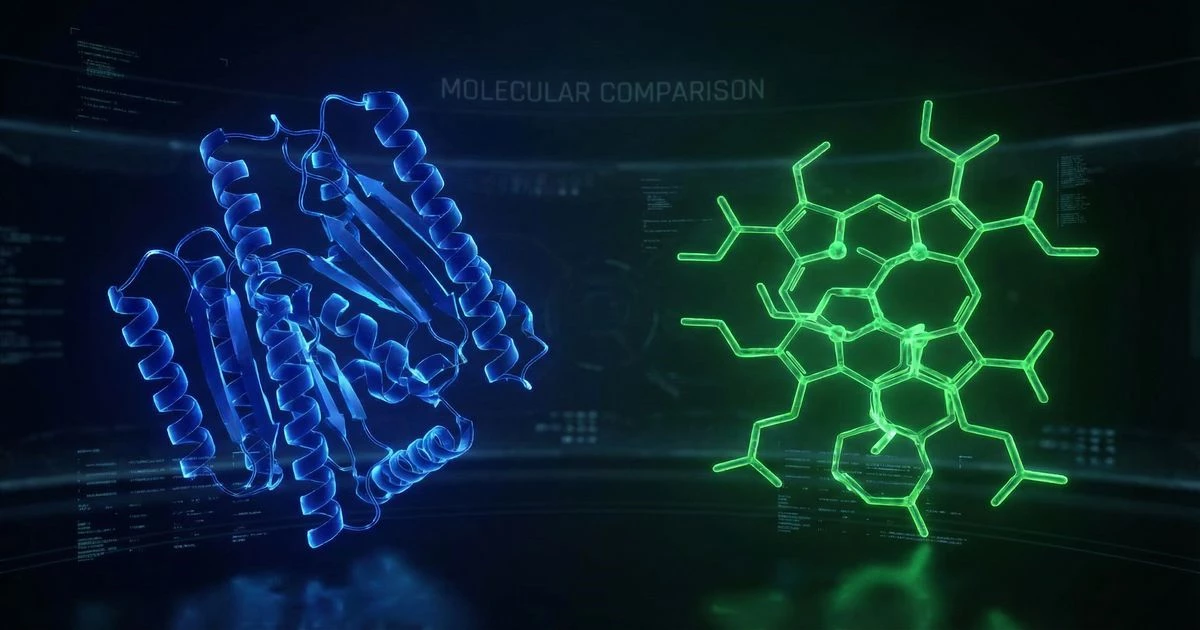

The conversation around NAD+ precursors has expanded significantly over the past few years. What started with nicotinamide riboside (NR) and NMN has now grown to include newer molecules like NMNH, leaving many people wondering which compound offers the best support for cellular health and healthy ageing. This guide breaks down the key nmn vs nmnh differences, examining what current science tells us about mechanisms, benefits, and potential risks.
Quick Summary: NMN vs NMNH at a Glance
This section serves as an executive summary for those short on time. The details, references, and nuances are covered in the sections that follow—but if you need the essentials, here they are:
NMN (nicotinamide mononucleotide) is a well-studied NAD+ precursor with multiple human trials supporting its role in metabolic health and cellular energy production.
NMNH (dihydronicotinamide mononucleotide) is the reduced form of NMN, carrying an extra hydrogen atom that changes how it interacts with cellular processes.
Main biochemical difference: NMN is an oxidized precursor that primarily contributes to NAD+ levels; NMNH is a reduced form that can elevate both NAD+ and NADH, influencing the cellular redox state more directly.
Evidence base: NMN has data from clinical studies conducted between 2019 and 2024 examining metabolic health, vascular function, and insulin sensitivity. NMNH currently relies on preclinical studies and very early human research.
Speed and potency: Animal models and cell experiments suggest NMNH can raise nad levels more rapidly and sometimes to higher absolute values than NMN—but long-term safety in humans remains unknown.
Safety profile: NMN appears well-tolerated in human trials at doses up to 500-900 mg/day, with only mild adverse effects reported. NMNH safety data comes mostly from rodent and in vitro work.
Availability and regulation: NMN is widely sold as a dietary supplement (though regulatory status varies by country). NMNH is newer, often marketed as a “next-generation” ingredient with less independent oversight.
We encourage you to read the full article to understand the mechanisms, potential benefits, and open questions before making any decisions. Vitruvin does not provide professional medical advice—this content is for educational purposes only.

Why NAD⁺ Matters for Aging and Metabolic Health
NAD nicotinamide adenine dinucleotide serves as a central coenzyme for energy metabolism, dna repair, and cellular stress responses throughout the body. Its age-related decline has become a major focus in longevity science, and understanding this molecule helps explain why both nmn and nmnh have attracted so much attention.
The NAD+/NADH redox pair functions as the currency of cellular energy. In simple terms, this is how cells turn food into usable energy—through glycolysis, the tca cycle, and oxidative phosphorylation in the mitochondria. Without adequate NAD+, these metabolic pathways slow down.
NAD+ serves as a substrate for sirtuins (SIRT1–SIRT7) and PARPs, enzymes involved in genomic stability, mitochondrial function, and metabolic resilience. Landmark work from the 2000s and 2010s, including research from David Sinclair and others, established these connections.
Research suggests NAD+ levels drop with age across multiple tissues. Studies from 2018-2020 in both humans and animals correlate this decline with insulin resistance, neurodegeneration, and cardiovascular aging.
Restoring NAD+ in animal models through precursors like NR, NMN, or modulation of NAMPT has shown improvements in metabolic health, exercise capacity, and sometimes lifespan—though extrapolation to humans remains under active study.
NAD+ precursors like NMN and NMNH are intended to support these cellular processes, not to treat diseases. The quality of evidence varies significantly between molecules, which is why understanding the research behind each matters.
What Is NMN?
NMN (nicotinamide mononucleotide) is a naturally occurring nucleotide derived from vitamin B3. It appears in small amounts in foods such as edamame, broccoli, cucumber, and avocado, though dietary intake provides far less than supplemental doses.
Chemical structure: NMN consists of a nicotinamide moiety linked to a ribose sugar and a phosphate group. This molecular structure makes it a direct precursor in the NAD+ salvage pathway.
Conversion to NAD+: Once absorbed, NMN undergoes adenylation by NMNAT enzymes to become NAD+. This is a well-mapped pathway in human biology, though the exact mechanisms of cellular uptake (including the role of transporters like Slc12a8) continue to be studied.
Human clinical trials: The 2019 Yoshino et al. trial in postmenopausal women with prediabetes demonstrated improved insulin sensitivity with nmn supplementation. Subsequent trials from 2021-2024 have reported increased NAD+ levels, improved vascular function, and enhanced muscle insulin signaling at doses around 250-500 mg/day.
Safety and tolerability: Human trials generally report good tolerability. Reported side effects are typically limited to mild GI discomfort or headaches in a minority of participants. Studies lasting several months have not revealed major safety signals, giving NMN an established safety profile compared to newer compounds.
Regulatory context: NMN is sold as a dietary supplement in many regions, though in the USA its status has been debated by the FDA since around 2022. Readers should check current local regulations and consult a healthcare provider before use.
Evidence-based approach: As a longevity-focused company, Vitruvin tracks NMN research closely and emphasizes third-party testing and professional guidance rather than self-experimentation with unverified products.
What Is NMNH?
NMNH (dihydronicotinamide mononucleotide, sometimes called reduced nicotinamide mononucleotide or “reduced NMN”) represents the chemically reduced form of NMN. The key structural difference is an extra hydrogen atom on the nicotinamide ring, which fundamentally alters its biochemical behavior.
Redox state matters: This additional hydrogen atom changes nmnh’s reduced form so that it can feed more directly into both NAD+ and NADH pools. This potentially shifts the NAD+/NADH ratio differently than NMN does.
Preclinical findings: Cell and mouse studies (published in journals like FASEB Journal and indexed in the National Library of Medicine) show that NMNH can raise intracellular NAD+ several-fold. In some experiments, NMNH achieved four- to five-fold increases in liver cells compared to NMN’s doubling effect.
Tissue distribution: NMNH appears to rapidly increase NAD+ in liver, kidney, muscle, brain, brown adipose tissue, and heart in rodent models. These measurements often occur within hours of dosing—a pattern that suggests NMNH may reach multiple tissues that NMN struggles to penetrate effectively.
Unique metabolic effects: Some studies report suppression of glycolysis and the tca cycle, along with cell cycle arrest and altered redox balance. These findings may be protective in certain contexts but raise questions about long-term systemic effects and implications for cell growth.
Limited human data: As of 2024-2025, robust human research on NMNH is minimal. Early phase trials and safety evaluations are emerging but are not yet comparable in depth to NMN’s evidence base. This means nmnh shows promise but requires more human trials before definitive conclusions can be drawn.
Market considerations: NMNH currently reaches consumers primarily through niche or “biohacker” channels. Regulation, quality control, and independent verification are still catching up, making independent lab testing and professional input especially important.

Biochemical Differences Between NMN and NMNH
Seemingly small structural differences—in this case, one hydrogen atom—can have important consequences for how a molecule behaves in the body. Understanding these distinctions helps explain why nmnh and nmn might produce different effects.
| Feature | NMN | NMNH |
|---|---|---|
| Oxidation state | Oxidized | Reduced |
| Primary contribution | NAD+ | NAD+ and NADH |
| Main pathway | Salvage pathway via NMNAT | May bypass certain steps |
| Speed of NAD+ elevation | Moderate (peaks around 20 hours) | Rapid (within 15-30 minutes in animal studies) |
| Tissue penetration | Variable; limited in muscle, heart, brain | Broader in animal models |
| Human evidence | Multiple clinical studies | Minimal; early stages |
Oxidized vs reduced state: The molecular structure of NMN is oxidized, primarily contributing to the NAD+ pool. NMNH carries that extra hydrogen atom in its reduced form, allowing it to influence both NAD+ and NADH levels more directly.
Salvage pathway integration: NMN relies on NMNAT enzymes for conversion to NAD+, supporting availability for sirtuins, PARPs, and other NAD-consuming enzymes. This pathway is well-characterized in cellular function.
Alternative metabolic routes: NMNH may enter metabolism through a slightly different route, potentially bypassing certain enzymatic steps. This could explain the more rapid elevation of both NAD+ and NADH observed in cell and animal experiments.
Redox implications: A stronger boost to NADH may dampen glycolysis and TCA flux in some models. This could be beneficial in conditions of oxidative stress but might theoretically interfere with fast-proliferating tissues. This remains hypothesis-driven and has not been tested in humans.
Stability considerations: NMN is relatively stable in dry, cool conditions. NMNH can be less stable at neutral pH and may require careful formulation and storage—something to consider when evaluating product quality.
Practical translation: These mechanistic differences may result in distinct physiological effects for users, but only controlled human studies can clarify the actual benefits versus risks of each compound.
NMN vs NMNH: Evidence for Benefits
When comparing these compounds, the most important distinction is the type and quality of evidence available. NMN has accumulated meaningful human data, while NMNH’s promising benefits remain largely confined to laboratory and animal research.
NMN Benefits (Human Data Available)
Improved insulin sensitivity in prediabetic adults (Yoshino et al., 2019)
Support for vascular function and muscle oxygen utilization in older individuals
Measured rises in blood NAD+ of approximately 20-40% over baseline in 4-12 week studies
Modest improvements in physical performance markers
Emerging data on cognitive function, fatigue, and sleep quality from small human trials
Support for gut health through mechanisms involving beneficial bacteria and increasing beneficial bacteria populations (observational data)
NMNH Benefits (Primarily Preclinical)
Faster and sometimes higher NAD+ increases in cell and animal models
Four- to five-fold NAD+ elevation in liver cells versus NMN’s doubling effect
Protection against certain forms of oxidative damage in renal cells
Potential modulation of cell proliferation and metabolism through suppressed cell growth mechanisms
May more strongly elevate NAD+ in energy-hungry tissues (brown adipose tissue, heart, brain) compared with NMN at equal doses in animal models
Important Caveats
No current evidence supports using either NMN or NMNH as a treatment for specific age related diseases or health conditions
Most endpoints studied are surrogate markers (NAD+ levels, insulin signaling, vascular stiffness) rather than hard clinical outcomes
Both nmn should be viewed as experimental longevity tools whose best-documented role is supporting NAD+ biology, not reversing aging
The nmn vs nmnh comparison will evolve as more human data emerges
Safety, Side Effects, and Research Gaps
Safety matters as much as potential benefit, especially for long-term daily use in otherwise healthy adults seeking longevity support.
NMN Safety Profile
Doses up to 500-900 mg/day have been used in clinical studies
Typical side effects are limited to mild nausea, abdominal discomfort, flushing, or headaches in a small fraction of participants
No major organ toxicity reported over several months of use
Represents an established safety profile based on human research
NMN Unknowns
Lack of multi-year data
Limited information on interactions with chronic medications (anticoagulants, chemotherapy, immunosuppressants)
Minimal data in special populations (pregnancy, advanced kidney/liver disease)
NMNH Safety Considerations
Rodent studies generally report no overt toxicity at experimentally used doses
Some early work suggests good hepatic tolerance
Absence of comprehensive human data means the risk profile remains uncertain
More human data is needed before safety can be confidently assessed
Theoretical Concerns with NMNH
Potential for more pronounced shifts in redox balance
Alterations in cell-cycle progression and glycolysis (including cell cycle arrest effects)
Unclear effects in contexts like cancer, autoimmune disease, or severe metabolic illness
Anti aging effects may be linked to mechanisms that require careful study
Combination Use
Combining NMN and NMNH has not been systematically studied. Stacking multiple NAD+ precursors could theoretically overshoot desired NAD+/NADH balance or stress certain metabolic pathways. Conservative, one-at-a-time approaches under professional supervision are advisable.
Recommendation: Anyone with existing medical conditions, on prescription medications, or with a history of cancer, cardiovascular disease, or autoimmune disorders should consult a qualified healthcare provider before using either compound.
Both NMN and NMNH are adjuncts to—not substitutes for—foundational lifestyle interventions such as nutrition, physical activity, sleep, and stress management.

Practical Considerations: Formulation, Dosing, and Quality
Beyond the molecule itself, real-world effects depend heavily on formulation quality, dosage, timing, and individual variability.
Absorption and Bioavailability
NMN is absorbed in the gut and taken up into tissues like liver and muscle
Studies suggest transporter-mediated uptake and possible partial breakdown in the intestine
NMNH’s bioavailability in humans is unknown; animal data suggest high potency, but differences in pH stability and redox reactivity make extrapolation to human oral dosing uncertain
Dosing Guidelines
| Consideration | Recommendation |
|---|---|
| Starting approach | “Start low, go slow” |
| Monitoring | Track sleep, digestion, energy, blood pressure |
| Lab work | Consider periodic NAD+ surrogates and metabolic markers |
| Supervision | Coordinate with a healthcare provider when possible |
| Higher doses | Approach with caution; more is not always better |
Product Quality Markers
Transparent Certificates of Analysis (CoAs)
Independent third-party testing for purity and contaminants
Clear labeling of exact form (NMN vs NMNH, not vague “NAD+ booster”)
Information about manufacturing standards and sourcing
Storage and Stability
Store in cool, dry places
Minimize light and moisture exposure
Pay attention to expiration dates
NMNH requires particular care due to redox sensitivity
Common Stacking Approaches
Literature and longevity circles often discuss combining NMN with synergistic compounds like resveratrol or spermidine to support mitochondrial health and cellular repair. Evidence for specific stacks remains preliminary, but these combinations reflect ongoing interest in comprehensive approaches to healthy metabolism.
Vitruvin’s approach emphasizes evidence-informed formulations, conservative claims, and availability of consulting services for personalized guidance.
Longevity Context: NMN, NMNH, and Lifestyle Foundations
No single molecule can override fundamental lifestyle factors. Both NMN and NMNH represent tools within a broader longevity strategy, not magic solutions.
Exercise and NAD+ Biology
Endurance and resistance training naturally increase mitochondrial biogenesis and can influence NAD+ turnover. Energy support from supplements may complement training adaptations, making NAD+ precursors potential adjuncts rather than replacements for physical activity.
Dietary Foundations
Whole-food, plant-forward diets rich in polyphenols (resveratrol, quercetin), adequate protein, and controlled ultra-processed intake support overall wellness and cellular resilience. These foundations may enhance whatever benefits NAD+ precursors provide for energy metabolism.
Sleep and Circadian Rhythm
Sirtuins and NAD+ levels are closely tied to the body clock. Irregular sleep, late-night eating, and chronic jet lag can counteract the very cellular processes people hope to support with NAD+ precursors. Consistent sleep hygiene amplifies the potential of any supplementation strategy.
Stress and Metabolic Flexibility
Chronic stress, high cortisol, and sedentary behavior may blunt the benefits of NAD+ support. Simple, sustainable habits—walking, breathwork, strength training—remain high-impact foundations for cellular energy and heart health.
Professional Guidance
Those interested in a structured approach may benefit from individualized coaching or practitioner-guided protocols, especially when layering supplements on top of lifestyle changes.
Most human studies with NMN show modest but meaningful improvements when layered onto otherwise stable lifestyles. Expectations should be realistic rather than miraculous—these compounds support age related decline mitigation, not reversal.

Frequently Asked Questions: NMN vs NMNH
These questions reflect common inquiries from people comparing nmn vs nmnh for their longevity strategies.
Is NMNH better than NMN?
NMNH may raise NAD+ faster in animal models, but NMN has far more human data supporting its safety and efficacy. Whether “better” applies to any individual depends on safety priorities, personal goals, and how you weigh emerging evidence against established research.
Can NMNH replace NMN?
Not currently. NMN remains the more established option with clinical studies backing its use. NMNH is experimental and better suited to research settings or medically supervised use until more human trials are completed.
Do I need both NMN and NMNH?
Most people, if they use NAD+ precursors at all, select one. Concurrent use of both nmn has not been systematically studied and may carry unknown risks. A conservative approach favors one compound at a time.
How quickly might I notice effects?
In NMN trials, some participants report changes in energy or exercise tolerance within 4-8 weeks. For nmnh supplementation, real-world timelines remain speculative due to limited human data.
Are NMN and NMNH legal in my country?
Regulations vary. The FDA stance on NMN in the USA has evolved since 2022, and NMNH’s regulatory status is even less defined. Check local laws and consult appropriate authorities before purchasing.
Can people with chronic conditions take these?
Individuals with diabetes, cardiovascular disease, cancer history, autoimmune conditions, or those taking prescription medications should only consider NMN or NMNH in collaboration with their treating clinicians. This is not a substitute for professional medical advice.
How do I choose between them?
Base your decision on current evidence (more robust for NMN), personal risk tolerance, guidance from a healthcare provider, and alignment with your broader lifestyle and longevity strategies. As the field evolves, the potential advantages of NMNH may become clearer—but for now, NMN offers more certainty.
Disclaimer and Last Updated
Medical Disclaimer: The information in this article is for educational purposes only. It does not constitute medical or therapeutic advice, diagnosis, or treatment, and is not specific to any individual’s circumstances.
Consult a Professional: Readers should not start, stop, or change any medication or supplement regimen without consulting a qualified healthcare professional.
No Disease Claims: Vitruvin does not claim that NMN or NMNH prevent, treat, or cure any disease. These compounds are discussed solely as NAD+ precursors under scientific investigation.
Last Updated: August 2025
Evolving Research: Research on NAD+ biology, NMN, and NMNH is rapidly evolving. We encourage readers to look for newer data and revisions over time.
Ongoing Review: Vitruvin periodically reviews new studies and updates educational content to reflect the best available evidence, without endorsing unproven claims.
Further Reading
Explore more articles related to this topic:
- NMN vs Niacin: Safety and Efficacy for Longevity
- NMN with TMG: Benefits, Dosage and Risks
- Is NMN Better Than NR (Nicotinamide Riboside)? Science, Safety and How to Choose
- Liposomal NMN vs Regular Powder: Is the 3x Price Increase Worth It?
- NAC vs NMN: Differences, Benefits & Uses (Science-Based Guide 2026)