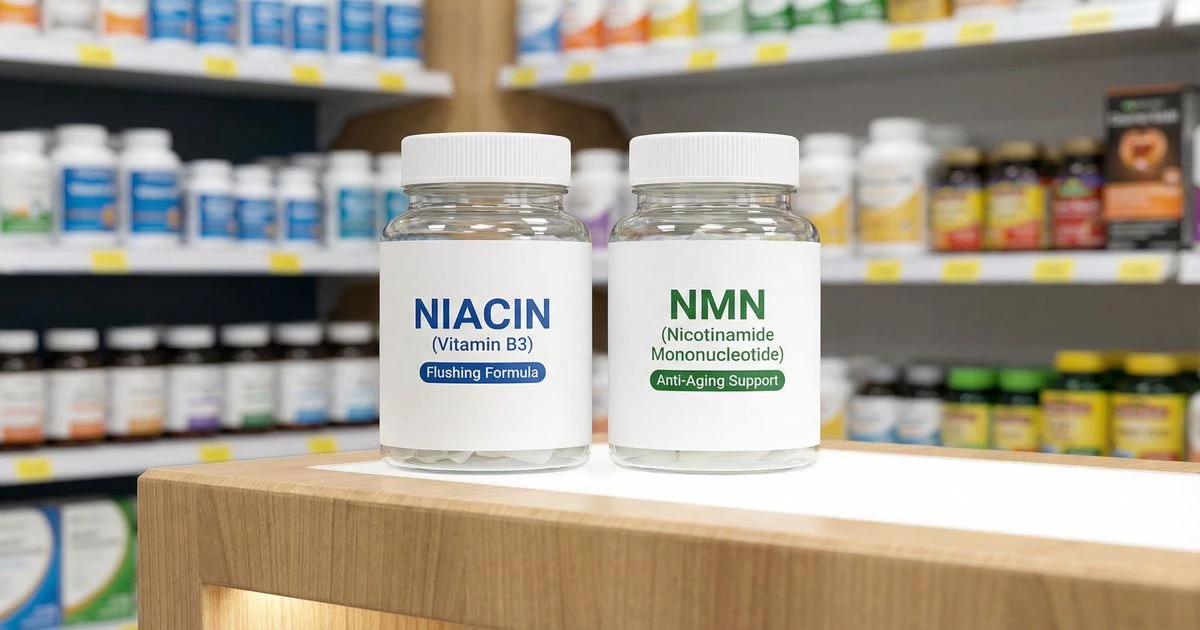

The search for compounds that support healthy aging has brought two NAD+ precursors into the spotlight: nicotinamide mononucleotide (NMN) and niacin. Both supplements influence levels of nicotinamide adenine dinucleotide, a coenzyme essential for cellular energy production and repair processes that decline as we age. Understanding the differences between nmn and niacin can help you make more informed decisions about which approach might align with your health goals.
Quick Overview: NMN vs. Niacin for Longevity
Before diving into the science, here’s what you need to know about how these two compounds compare. Both NMN and niacin support NAD+ metabolism, but they differ significantly in their biochemical pathways, side effect profiles, and the types of evidence supporting their use.
| Feature | NMN | Niacin (Vitamin B3) |
|---|---|---|
| Primary Role | Direct NAD+ precursor; primarily studied for metabolic health and aging support | Essential vitamin; long history in cholesterol management and deficiency treatment |
| Pathway to NAD+ | Salvage pathway (1 enzymatic step via NMNAT) | Preiss-Handler pathway (multiple steps for nicotinic acid) |
| Common Side Effects | Generally mild; occasional GI discomfort | Niacin flush (warmth, redness) at doses above 50mg; potential liver effects at high doses |
| Typical Research Doses | 250–900 mg/day in human trials | RDA: 14–16 mg/day; therapeutic: 500–3000 mg/day |
| Cost | Higher ($1–2 per 300mg dose) | Lower ($0.05–0.10 per 500mg dose) |
| Availability | Specialty supplement; evolving regulatory status | Widely available in foods and supplements |
| Key points to understand: |
Current human evidence for long-term longevity outcomes is limited for both compounds
Neither supplement has been proven to extend human lifespan in controlled trials
NMN research focuses more specifically on aging markers, while niacin data comes largely from cardiovascular studies
The “best” choice depends on individual circumstances, existing health conditions, and specific goals
Before starting any supplementation regimen—especially at higher doses or if you have existing health conditions—discuss your plans with a healthcare professional. This article provides educational information, not medical advice.

Understanding NAD+, NMN, and Niacin
Nicotinamide adenine dinucleotide (NAD+) is a coenzyme present in every cell of your body, participating in over 400 enzymatic reactions essential for life. It plays central roles in energy metabolism, dna repair, gene expression regulation, and cellular signaling. Research published in journals like Cell Metabolism has documented that nad levels decline substantially with age—by some estimates, up to 50% by middle age—in tissues including muscle, liver, brain, and skin.
This age-related decline has sparked interest in NAD+ precursors: compounds the body can convert into NAD+. Both nmn vs niacin represent different entry points into NAD+ biosynthesis. The reason we focus on precursors rather than NAD+ itself comes down to practicality—oral NAD+ has poor stability and limited ability to easily cross cell membranes, making precursors the preferred approach for supplementation.
Understanding the distinct pathways each compound uses helps clarify why they may differ in efficiency, speed of action, and side effect profiles.
What Is NMN?
Nicotinamide mononucleotide nmn is a nucleotide composed of three components: a nicotinamide group, a ribose sugar, and a phosphate group. This structure positions NMN as a direct precursor to NAD+, requiring just one enzymatic step for conversion via the enzyme nicotinamide mononucleotide adenylyltransferase (NMNAT).
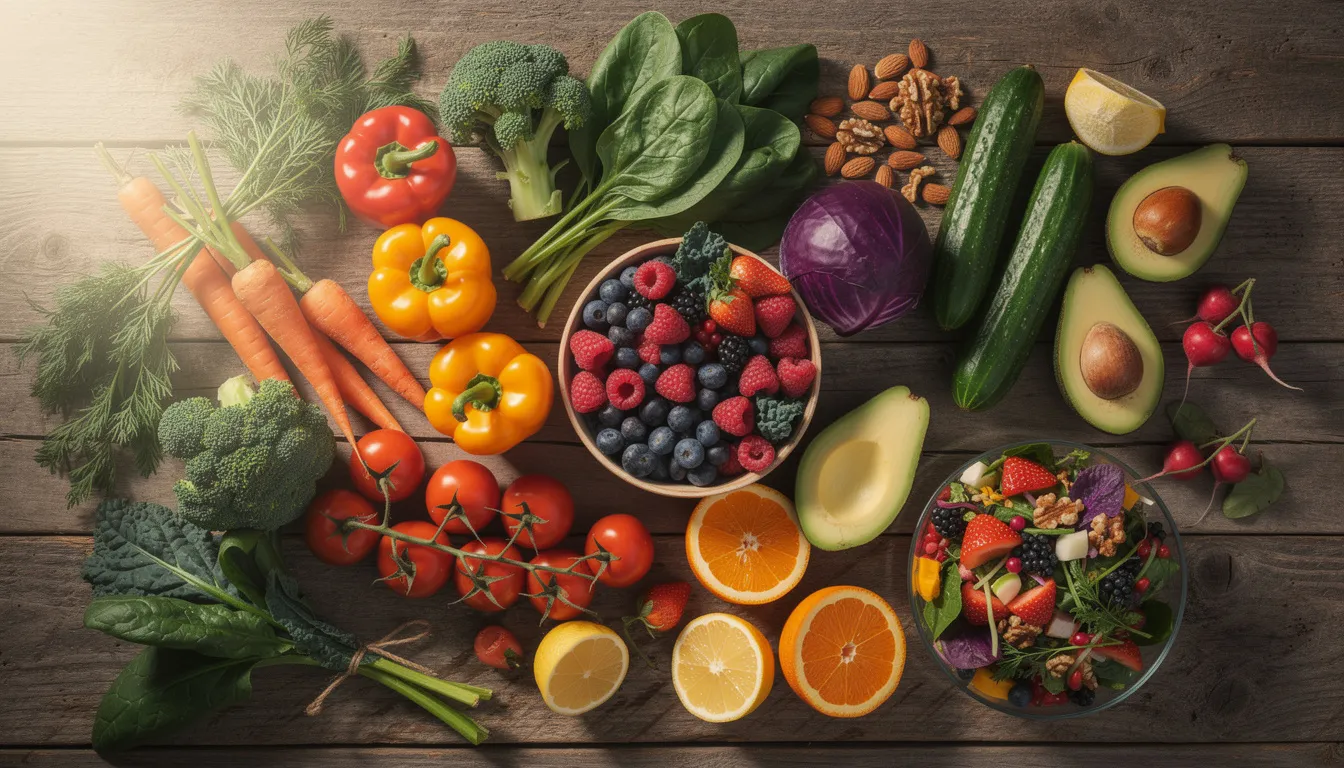
NMN occurs naturally in small amounts in several foods:
Edamame (0.47–1.88 mg per 100g)
Broccoli (0.25–1.12 mg per 100g)
Avocado (0.36–1.60 mg per 100g)
Cabbage (up to 0.9 mg per 100g)
However, typical dietary intake provides far less than the doses used in research studies, which commonly range from 250mg to over 1000mg daily.
Most mechanistic and longevity-related data on NMN comes from animal and cell studies. Pioneering work by researchers including David Sinclair’s laboratory at Harvard demonstrated that NMN supplementation in mice could reverse certain age-related declines and improve metabolic markers. Human clinical trials began accelerating after 2016 and continue to evaluate safety and preliminary efficacy.
What Is Niacin?
Niacin is the common term for vitamin b3, which encompasses several related compounds:
Nicotinic acid (NA): The form classically associated with the “niacin flush” and historically used for cholesterol management
Nicotinamide (niacinamide): The amide form of vitamin B3, which doesn’t cause flushing but may have different metabolic effects
For more on whether NMN causes flushing like niacin, see our dedicated guide.
- Nicotinamide riboside nr: A newer form that has gained attention as another NAD+ precursor
In this article, we use “niacin” primarily to refer to nicotinic acid and nicotinamide in the context of NAD+ metabolism and clinical applications.
Niacin has a well-established history. In the early 20th century, researchers identified niacin deficiency as the cause of pellagra—a disease characterized by dermatitis, diarrhea, and dementia. This discovery led to widespread fortification of foods and established niacin as an essential nutrient.
Beyond preventing deficiency, nicotinic acid gained prominence for its lipid-modifying effects at pharmacologic doses. Clinical studies showed it could lower LDL cholesterol by 15–25% and raise HDL cholesterol by 20–35%, though its role in modern cardiovascular therapy has become more nuanced.
Niacin feeds into NAD+ production through different routes depending on the form of vitamin b3. Nicotinic acid follows the Preiss-Handler pathway, while nicotinamide uses the salvage pathway—the same route that NMN utilizes, though entering at a different point.
How NMN and Niacin Boost NAD+ Differently
The efficiency and pathway by which a compound converts to NAD+ matters for understanding its potential effects. Here’s how niacin works compared to how nmn works in cellular metabolism.
Niacin’s Multi-Step Pathway: Nicotinic acid converts to NAD+ through the Preiss-Handler pathway, which involves several enzymatic transformations:
Nicotinic acid → Nicotinic acid mononucleotide (NAMN)
NAMN → Nicotinic acid adenine dinucleotide (NAAD)
NAAD → NAD+
This multi-step process requires additional enzymes and may reduce overall efficiency compared to more direct routes.
NMN’s Streamlined Pathway: Nmn is a direct precursor that enters the salvage pathway just one step away from NAD+:
- NMN → NAD+ (via NMNAT enzyme)
This direct route is why proponents suggest NMN may be more efficient at boosting NAD+ levels, potentially making it particularly attractive for those specifically interested in NAD+-focused approaches.
The Transport Debate: Current scientific discussion includes questions about how NMN enters cells. Some research points to a proposed transporter called Slc12a8 in the intestine (based on mouse data). An alternative hypothesis suggests that extracellular NMN may be dephosphorylated to nicotinamide riboside (NR) before crossing the cellular membrane, then reconverted to NMN inside cells.
Regardless of the exact mechanism, human clinical studies to date show that both nmn or niacin can raise blood NAD+ or related metabolites, though the magnitude and pattern of increase may differ based on the compound, dose, and individual factors.
Speed and Magnitude of NAD+ Increase
Understanding how quickly and substantially these compounds affect NAD+ levels helps set realistic expectations:
NMN: Small human studies using oral doses from 250–600 mg/day have shown measurable increases in blood NAD+ or related metabolites within weeks. Preclinical models suggest NMN may elevate NAD+ by 40–50% in blood within hours of dosing.
Niacin and niacinamide: These compounds also increase NAD+ but may have broader systemic effects tied to their essential vitamin role. Studies suggest niacin yields approximately 20–30% NAD+ elevations at 500mg, though this varies by form and dosing protocol.
Direct comparisons: Head-to-head human trials between NMN and niacin are scarce, making definitive claims about “faster” or “more effective” premature based on current evidence.
More comparative human research is needed to determine which approach offers the most sustainable and safe NAD+ increase for healthy aging support.
Evidence for Longevity and Healthspan: NMN vs. Niacin
When evaluating nmn vs niacin for longevity, it’s essential to distinguish between different types of evidence and outcomes. Most “longevity” evidence comes from animal models and cellular studies rather than human lifespan trials.
Important distinctions:
Lifespan: How long organisms live (rarely measured in human supplement studies)
Healthspan: Years lived in relatively good health and function (more commonly assessed through markers like metabolic function, physical performance, and cognitive measures)
No large, long-term randomized controlled trials have demonstrated that either NMN or niacin extends human lifespan. The evidence base differs substantially between these two supplements, with niacin having decades of cardiovascular research and NMN having more targeted but shorter-term aging-focused studies.
NMN: Preclinical and Early Human Data
The body of NMN research has grown substantially since 2015, though human data remains limited in duration and scope.
Preclinical findings in mice: Studies summarized in reviews by researchers like Zhu et al. have shown that NMN supplementation in animal models can:
Increase tissue NAD+ levels significantly
Improve metabolic parameters in models of obesity or insulin resistance
Support vascular function with evidence of improved blood flow
Enhance mitochondrial function and physical performance in aging mice
Reduce markers of oxidative stress and DNA damage
Some mouse studies have reported extended lifespan and improved vascular function at doses around 500mg/kg, though translating these findings to human equivalents requires caution.
Human trial findings (through 2023–2024):
Sample sizes typically range from dozens to approximately 100 participants
Doses up to about 1250 mg/day have been reported as well tolerated in short-term studies (weeks to several months)
Outcomes have included modest improvements in insulin sensitivity, muscle performance, and NAD+ metabolites in blood
A 2022 trial in Japanese adults found that 250mg daily improved gait speed and grip strength in older participants, alongside cerebral blood flow gains
Limitations to acknowledge:
Short duration (often 8–12 weeks, rarely exceeding 6 months)
Limited age and ethnic diversity in study populations
Uncertainty about long-term healthspan or longevity impact
Numerous clinical trials remain ongoing, which may substantially change the evidence landscape
Niacin: Cardiometabolic and Longevity-Relevant Data
Unlike nmn, niacin has decades of clinical research, though much of it focuses on cardiovascular endpoints rather than aging per se.
Established cardiovascular uses: Nicotinic acid at high doses (often 1–3 g/day) has been used medically for lipid modification:
The Coronary Drug Project in the 1970s found that 3g daily reduced nonfatal myocardial infarctions by 27% over six years
Niacin consistently improves certain lipid markers (raising HDL, lowering LDL and triglycerides)
However, later trials (AIM-HIGH, HPS2-THRIVE) did not show additional cardiovascular event reductions when niacin was added to modern statin therapy
Longevity relevance:
Niacin’s role in energy metabolism and NAD+ formation may indirectly support processes relevant to healthy aging
Its involvement in over 400 enzymatic reactions positions it as foundational for cellular health
Direct lifespan extension in humans has not been demonstrated
Deficiency vs. optimization: Standard dietary intake of niacin at recommended levels prevents deficiency diseases like pellagra but is distinct from high-dose therapeutic use. Most benefits of nmn vs niacin comparisons focus on pharmacologic dosing, not basic nutritional adequacy.
Comparing Longevity-Relevant Outcomes
| Endpoint | NMN Evidence | Niacin Evidence |
|---|---|---|
| NAD+ Levels | Consistent increases in short-term trials | Increases documented, though magnitude varies |
| Metabolic Markers | Promising data on blood glucose and insulin sensitivity | Mixed effects; may worsen glycemic control at high doses |
| Physical Performance | Improved muscle function in some trials | Limited specific data |
| Cardiovascular Health | Early indicators of vascular support | Extensive but complex cardiovascular trial data |
| Cellular/Molecular | Sirtuin activation, improved mitochondrial function in models | NAD+ support for energy metabolism |
| Both NMN and niacin should be viewed as tools that might support healthy aging when combined with foundational lifestyle measures—they are not standalone solutions. Longevity is multifactorial, and lifestyle factors (diet, exercise, sleep, stress management) interact significantly with any supplement’s impact on NAD+ biology. |

Dosage, Safety, and Side Effects
Safety profiles differ substantially between these two supplements based on compound, dose, and individual health status. Official dietary recommendations exist for niacin as vitamin B3, but not for NMN, which remains under active investigation and subject to evolving regulatory perspectives (including FDA consideration of NMN as an investigational new drug in the U.S.).
General safety principles:
Start with the lowest effective dose discussed with a healthcare professional
Monitor for side effects, lab changes, and overall well-being
Recognize that absence of short-term adverse effects doesn’t guarantee long-term safety
NMN: Human Dose Ranges and Tolerability
Published human trials provide useful guidance on NMN dosing and tolerability, though long-term data remains limited.
Typical research doses:
Most clinical studies have used 250–600 mg per day
Some studies have tested up to 900–1250 mg/day for several weeks or months
These higher doses were generally well tolerated with no major safety signals
Reported safety findings:
Generally well tolerated across published trials
Mild gastrointestinal symptoms (nausea, abdominal discomfort) occasionally reported
No consistent changes in blood pressure, heart rate, or major lab parameters in small cohorts
Effects of nmn at high doses over extended periods remain unknown
Considerations and cautions:
Human data spans weeks to months; potential effects over years or decades are unstudied
Some animal studies have raised theoretical concerns about effects at certain doses in specific models
Individuals who are pregnant, breastfeeding, or managing complex medical conditions should consult clinicians before considering NMN use
The benefits of nmn appear promising based on early data, but the experimental nature of long-term use warrants continued research and caution.
Niacin: Recommended Intakes and High-Dose Use
Niacin supplements have well-established dosing guidelines for both nutritional and therapeutic purposes.
Recommended dietary allowances (RDAs):
Adult women: approximately 14 mg/day
Adult men: approximately 16 mg/day
Pregnancy and lactation: slightly higher (17–18 mg/day)
These amounts are easily obtained through diet and prevent deficiency. Taking niacin at therapeutic doses is a different matter entirely.
Pharmacologic doses (under medical supervision):
Cholesterol management historically used 500–3000 mg/day of nicotinic acid
These doses require medical oversight and monitoring
Common side effects at higher doses:
Niacin flush: Warmth, redness, tingling of face and upper body (affects up to 80% of users at doses above 50mg)
Itching and mild headache
Digestive system discomfort
Serious potential adverse effects with sustained high doses:
Liver enzyme elevations (5–10% of chronic users above 2g daily)
Clinically significant liver injury (rare but documented)
Worsening glycemic control in people with diabetes
Gout exacerbation due to effects on uric acid
Contraindications include hepatic conditions, gout, and peptic ulcers
High-dose niacin should only be used under medical supervision with periodic monitoring of liver function, glucose, and uric acid.
Why Niacin Causes Flushing but NMN Generally Does Not
The characteristic “niacin flush” results from a specific receptor interaction that NMN does not share.
The mechanism:
Nicotinic acid activates the GPR109A receptor on skin and immune cells
This triggers prostaglandin release (particularly prostaglandin D2)
Prostaglandins cause vasodilation—blood vessel widening that creates the flushing sensation
What flushing feels like:
Transient (typically 15–60 minutes)
Warm, red sensation on face, neck, and upper torso
Uncomfortable but usually not dangerous
Tends to diminish with continued use
Why NMN differs: Unlike niacin, NMN does not strongly activate GPR109A and therefore does not typically produce flushing in clinical studies. This makes NMN potentially more tolerable for individuals who find flushing intolerable.
Clinical strategies for reducing niacin flushing:
Gradual dose titration starting low
Taking niacin with food
Extended-release formulations (though these may have different liver effects)
Aspirin 30 minutes before dosing (discuss with clinician)
Practical Considerations: Choosing Between NMN and Niacin
The optimal solution depends on your individual priorities, health status, and goals. Neither compound represents a universal answer—context matters significantly.
Common scenarios to consider:
Person with adequate dietary niacin, interested specifically in NAD+-focused aging research: May consider discussing NMN with their clinician as a targeted approach
Person with diagnosed vitamin B3 deficiency or risk of pellagra: Should prioritize ensuring adequate niacin intake through diet and/or standard supplementation
Person considering high-dose niacin for lipid management: Should work with a cardiologist, as this represents medical treatment rather than general supplementation
Cost and access considerations:
Niacin is an inexpensive, widely available vitamin supplement found in foods like tuna (10mg/100g), peanuts, and fortified grains—typically cheaper than NMN
NMN is a more costly specialty supplement with varying regulatory status across countries
Quality varies significantly; third-party testing and clear labeling matter for both compounds
Supplementation should be viewed as one component of a broader longevity strategy encompassing nutrition, physical activity, sleep quality, and stress management.
Who Might Prioritize NMN?
Certain individuals may find NMN particularly worth discussing with their healthcare provider:
Middle-aged or older adults interested in emerging NAD+-focused aging research who want to take nmn as part of a comprehensive approach
People engaged in structured health programs (supervised weight management, exercise interventions) incorporating evidence-based supplementation
Those seeking alternatives to compounds with notable side effects like the niacin flush
Realistic expectations:
Focus on objective markers where available: metabolic panels, physical performance, sleep patterns, energy levels
Don’t expect dramatic, immediate changes
Track subjective well-being without over-interpreting normal variation
Example discussion framework: A 58-year-old considering NMN might discuss with their clinician: baseline lab values (liver function, glucose, lipids), current medications and potential interactions, appropriate starting dose, monitoring schedule, and how to evaluate whether the nmn supplement is providing meaningful benefit.
Who Might Rely on Niacin?
Most people meet niacin needs through diet and don’t require specific supplementation beyond what’s in a standard multivitamin.
Foods rich in niacin (form of vitamin b3):
| Food | Approximate Niacin Content |
|---|---|
| Chicken breast (3 oz) | 10 mg |
| Tuna (3 oz) | 11 mg |
| Turkey (3 oz) | 10 mg |
| Peanuts (1 oz) | 4 mg |
| Fortified cereals | 5–7 mg per serving |
| Mushrooms (1 cup) | 4 mg |
| Groups where ensuring adequate niacin is especially important: |
Individuals with very limited diets or malabsorption conditions
Certain older adults with poor appetite or chronic conditions
Populations in regions where pellagra remains a concern
In the context of longevity, niacin’s primary role may be maintaining basic vitamin sufficiency and supporting metabolic health rather than acting as a specialized “anti-aging” agent.
Can NMN and Niacin Be Taken Together?
Both nmn and niacin contribute to NAD+ metabolism through overlapping and partly distinct pathways, making combined use conceptually possible. However, robust clinical trials examining combined niacin and nmn supplementation for longevity outcomes are lacking.
Potential theoretical advantages:
Broader coverage of NAD+ biosynthetic routes
Ability to maintain basic B3 sufficiency with niacin while exploring NMN’s targeted NAD+ support
Potentially complementary effects on different tissue types
Potential theoretical concerns:
Risk of excessively high NAD+ or metabolites in susceptible individuals (threshold unknown)
Overlapping effects on liver and metabolic pathways, especially at higher doses
Limited safety data on combinations
Recommended approach: A cautious, stepwise strategy under medical guidance makes the most sense. This typically means starting with one compound at a time, monitoring tolerance and labs, and only then considering combinations if clearly justified by individual response and clinical judgment.
Monitoring and Biomarkers When Supplementing
Quantitative NAD+ testing is becoming more available (through services like Jinfiniti assays) but isn’t yet standard clinical practice. Results may vary in accuracy and interpretation.
Pragmatic markers clinicians may use:
| Marker Category | Specific Tests | Relevance |
|---|---|---|
| Liver function | ALT, AST, ALP, bilirubin | Especially important with high-dose niacin |
| Metabolic | Fasting glucose, HbA1c, lipid panel | For individuals at metabolic risk |
| Uric acid/kidney | Uric acid, creatinine, BUN | For those with gout or renal concerns |
| Subjective indicators to track (without over-interpreting): |
Daytime energy and brain fog patterns
Exercise tolerance and recovery
Sleep quality and duration
Cognitive performance and mood
Overall sense of vitality and more energy
Monitoring should be individualized—there is no universally accepted panel for “NAD+ optimization” at this time.

Lifestyle Factors That Interact With NMN and Niacin
Supplements don’t operate in isolation. Lifestyle changes can significantly influence NAD+ dynamics and may amplify or diminish any benefits from NMN or niacin use.
Physical activity: Regular exercise upregulates NAD+-related enzymes and supports improved mitochondrial function. Studies on caloric restriction and exercise suggest these interventions activate similar pathways to NAD+ precursors (including sirtuin activation), potentially creating synergistic effects.
Dietary patterns: Mediterranean-style diets, caloric balance, and intermittent fasting may affect NAD+ metabolism and sirtuin activity based on emerging research. Adequate protein intake supports the body’s ability to synthesize NAD+ from dietary precursors.
Negative influences:
Chronic sleep deprivation depletes NAD+ and impairs cellular repair processes
Excess alcohol intake strains NAD+-dependent liver enzymes
Ongoing psychological stress may accelerate NAD+ consumption through inflammatory pathways
Sustainable lifestyle changes should form the foundation of any longevity strategy, with NMN or niacin as optional adjuncts rather than replacements.
Medication Interactions and Special Populations
Both supplements require careful consideration regarding drug interactions and special circumstances.
Documented niacin interactions:
Possible additive effects with blood pressure–lowering medications
Increased risk of muscle-related side effects when combined with statins at high doses
Effects on glucose control relevant to people using diabetes medications
Potential interactions with anti inflammatory properties medications
NMN interaction considerations:
Currently fewer well-documented drug–drug interactions
Absence of evidence is not evidence of absence—caution remains warranted
Orally bioavailable forms may have different absorption patterns with food or other supplements
Special populations requiring individualized advice:
Pregnant or breastfeeding individuals
Those with chronic liver disease, renal disease, gout, or autoimmune conditions
Older adults on multiple medications (polypharmacy)
Individuals with active malignancies (theoretical concerns about NAD+ and cell proliferation)
These groups should avoid self-prescribing high doses of either compound and seek guidance from healthcare providers familiar with their complete medical history.
Conclusion: Making an Informed Choice About NMN vs. Niacin
Both NMN and niacin influence NAD+ biology, but their evidence bases, traditional uses, and practical considerations differ substantially. Understanding these differences empowers better decision-making aligned with individual health goals.
Key distinctions to remember:
| Aspect | NMN | Niacin |
|---|---|---|
| Evidence stage | Emerging; promising but still under investigation | Established essential vitamin with decades of data |
| Longevity focus | Specifically studied for aging markers | Cardiovascular and deficiency focus primarily |
| Tolerability | Generally well tolerated in short-term trials | Flushing and other effects at higher doses |
| Long-term safety | Unknown (studies typically weeks to months) | Known at both dietary and therapeutic levels |
| Cost | Higher | Lower |
| What we know with confidence: |
No supplement currently offers a proven way to extend human lifespan
Both nmn and niacin can raise NAD+ levels through different pathways
Lifestyle factors (diet, exercise, sleep, stress) interact significantly with any NAD+-focused approach
Individual response varies, and what works for one person may not work for another
Moving forward: Evaluate marketing claims critically. Rely on peer-reviewed evidence rather than testimonials or influencer endorsements. Consider your personal health status, goals, and preferences when deciding between NMN, niacin, or neither. Work with healthcare professionals who can help interpret emerging research and monitor your response.
The field of NAD+ biology continues to evolve rapidly. Ongoing clinical studies—including NIH-funded trials with results expected in coming years—may substantially clarify optimal approaches to supporting cellular health and healthy aging through NAD+ precursor supplementation. Staying informed while maintaining realistic expectations represents the most prudent path forward.
References and Further Reading:
Fang EF et al. “NAD+ in Aging: Molecular Mechanisms and Translational Implications” (2017)
Yoshino J, Baur JA, Imai S. “Biology and Therapeutic Potential of NMN and NR” (2018)
Zhu X et al. review on NMN safety and anti-aging effects, including discussion of clinical trials through 2022
Major niacin cardiovascular outcome trials (Coronary Drug Project, AIM-HIGH, HPS2-THRIVE)
NIH Office of Dietary Supplements: Niacin Fact Sheet
Further Reading
Explore more articles related to this topic:
- The 5 Best NMN Supplements of 2026: Safety and Efficacy for Longevity
- Is NMN Better Than NR (Nicotinamide Riboside)? Science, Safety and How to Choose
- NMN vs NMNH Differences: Mechanisms, Benefits, and Risks
- Liposomal NMN vs Regular Powder: Is the 3x Price Increase Worth It?
- NAC vs NMN: Differences, Benefits & Uses (Science-Based Guide 2026)