
Nicotinamide mononucleotide (NMN) is a naturally occurring molecule that your body uses to produce NAD+ (nicotinamide adenine dinucleotide), a coenzyme essential for cellular energy and DNA repair. NMN is one of the building blocks for NAD+ and other vital cellular structures. As research into healthy aging has expanded, NMN has emerged as one of the most studied compounds in longevity science.
Here’s the challenge: NAD levels naturally decline as we age. Studies suggest this decline begins in early adulthood and can reach approximately 50% by middle age. This age related decline in NAD+ has been linked to reduced energy metabolism, slower cellular repair processes, and various markers associated with aging.
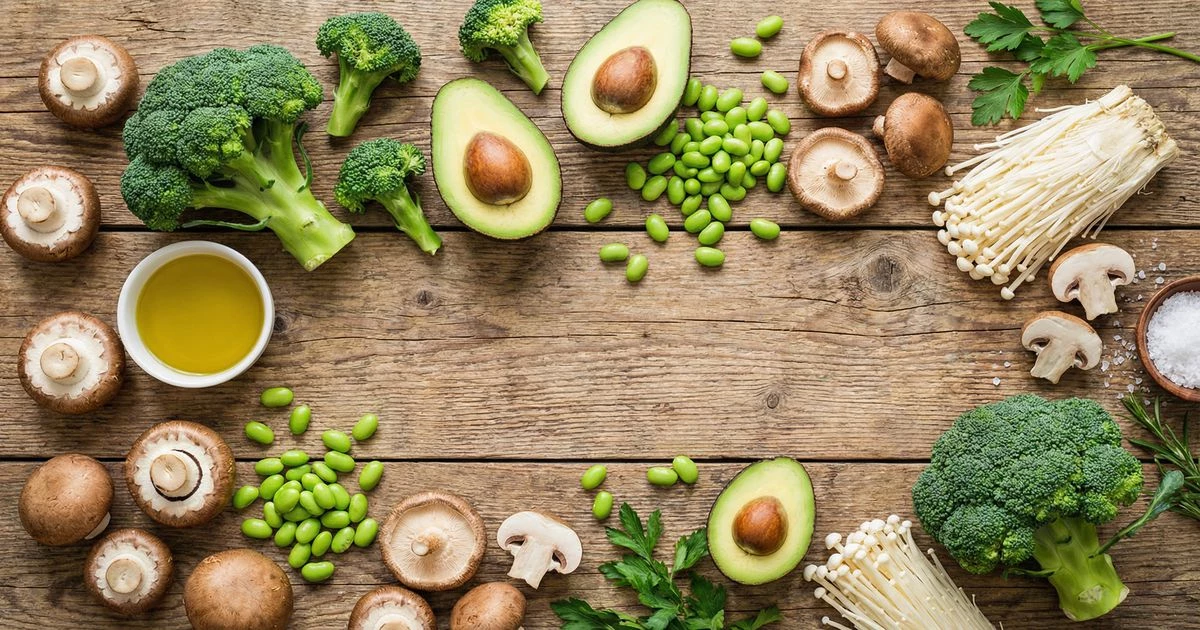
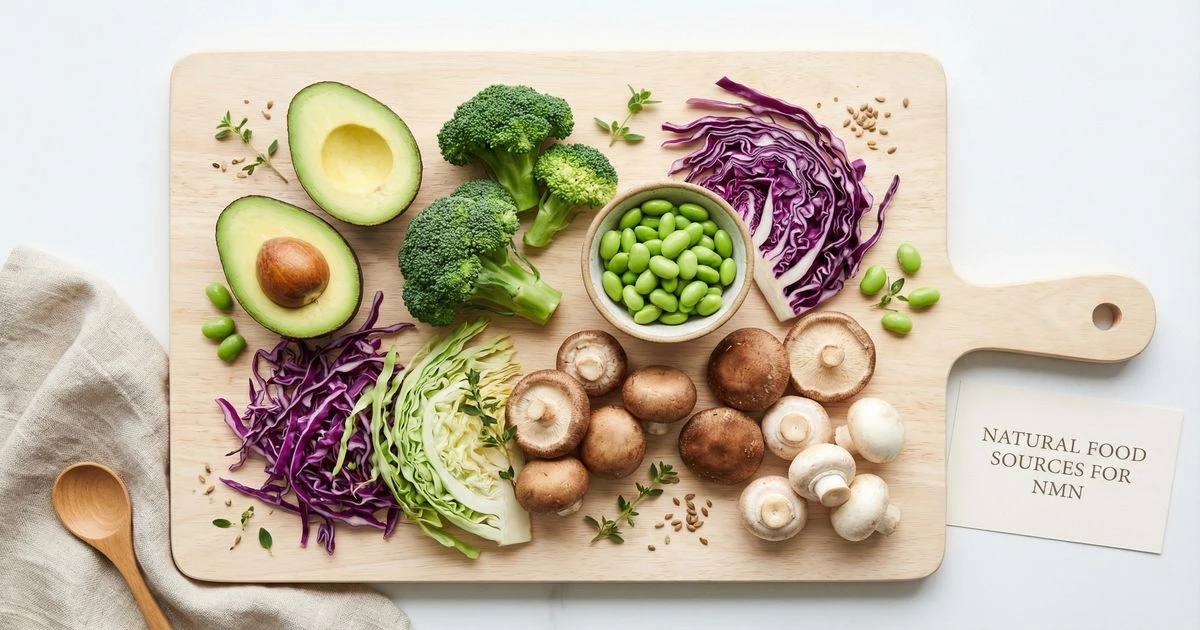
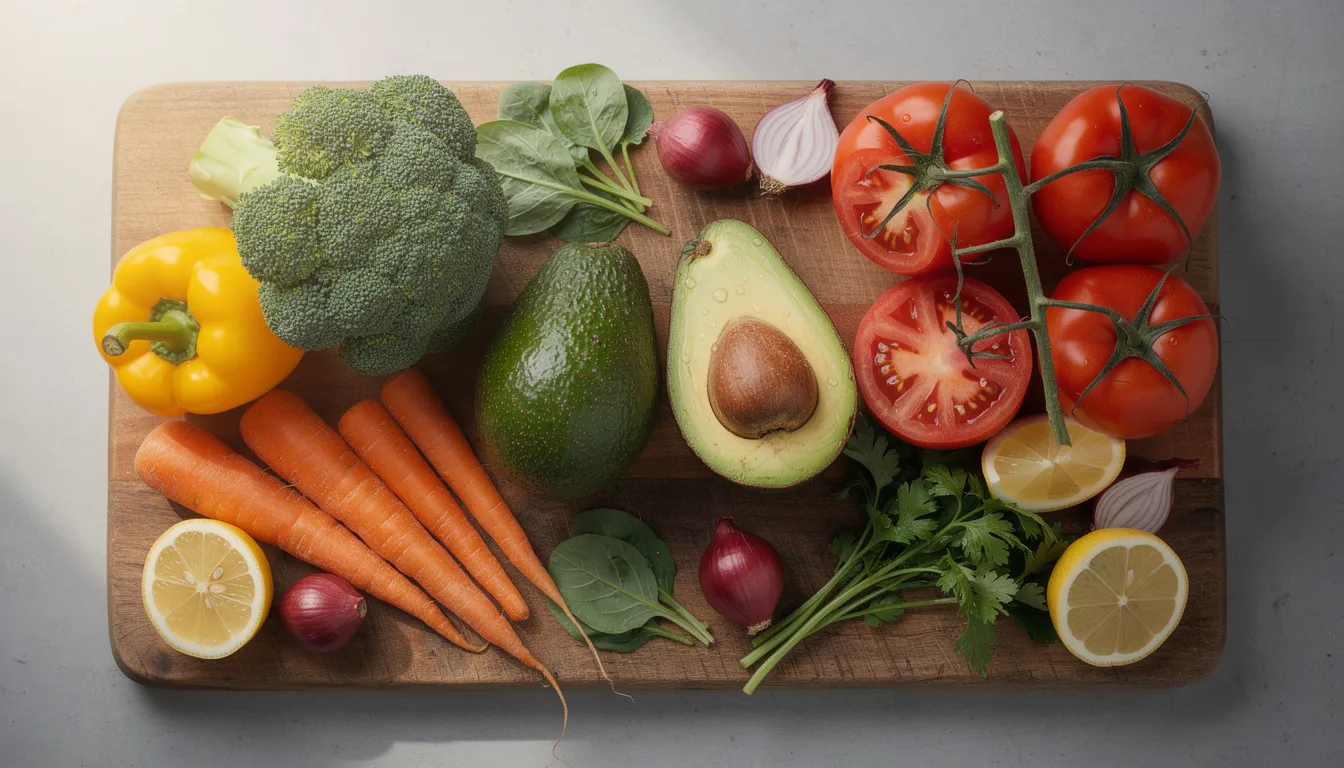
So, can you get enough NMN from food to make a meaningful difference? The short answer is yes, you can obtain NMN naturally from certain foods—NMN is found naturally in a variety of foods, including edamame, broccoli, cabbage, cucumbers, and avocados. Top foods rich in NMN include edamame, broccoli, avocado, cabbage, and tomatoes. However, the doses are remarkably small compared to what’s used in clinical research. This article will walk through the top 5 NMN rich vegetables and fruits with their approximate content values, then explain the scientific reasons most people can’t rely on diet alone if they’re aiming to match typical supplemental intakes.
Everything presented here is based on peer-reviewed research published through approximately 2024. This is informational content only and should not be considered medical advice. Always consult a healthcare professional before making significant changes to your supplement routine.
What Is NMN and How Does It Support NAD⁺? (Science in Simple Terms)
NMN is a vitamin B3-derived compound that serves as a direct building block for NAD+ production in your cells. Think of it as one of the final steps in a biochemical assembly line—your body takes various forms of vitamin B3 and converts them through several stages until they become NAD+, the finished product that helps power cellular function.
NAD+ itself is remarkably versatile. It acts as a cofactor for hundreds of enzymes involved in energy production within your mitochondria, where cells produce energy to keep your body’s ability to function at its best. Beyond energy metabolism, NAD+ plays critical roles in DNA repair mechanisms, cell signaling pathways, and cellular stress responses. NAD+ also helps repair DNA damage caused by oxidative stress and environmental factors, which is crucial for maintaining cellular health as you age. When NAD levels drop, these processes become less efficient. Declining NAD+ levels are also linked to age related conditions such as diabetes and liver diseases, making NAD+ maintenance important for healthy aging.
Several NAD+ precursors exist, and understanding the differences helps clarify why NMN has gained particular attention:
| Precursor | Full Name | Pathway Position |
|---|---|---|
| Niacin | Nicotinic acid | Early in pathway |
| NAM | Nicotinamide | Recycled through salvage pathway |
| NR | Nicotinamide riboside | One step before NMN |
| NMN | Nicotinamide mononucleotide | Directly converts to NAD+ |
| NMN sits very close to NAD+ in this biochemical pathway, which is why researchers have focused on it as a potentially efficient way to raise NAD levels naturally in the human body. |
Review articles published between 2019 and 2023 in journals like Cell Metabolism and Frontiers in Aging Neuroscience have extensively documented NAD+ decline with age and explored the potential benefits of precursors like NMN. However, it’s important to note that most of the strongest longevity data comes from animal studies and cell research. Human trials remain relatively small and short-term, typically lasting 8-12 weeks with sample sizes of 20-100 participants. Few studies on NMN meet the gold standard of clinical research, highlighting the need for more rigorous, controlled trials.
Key Terms:
NMN: A naturally occurring compound the body converts directly into NAD+
NAD+: A coenzyme essential for cellular health and energy production
Mitochondria: The “powerhouses” of cells where cells produce energy
NMN’s Role in Cellular Processes
NMN is much more than just a trendy supplement—it’s a naturally occurring compound that plays a foundational role in how our cells function every day. Once inside the body, NMN is rapidly converted into nicotinamide adenine dinucleotide (NAD+), an essential coenzyme that fuels energy production in every cell. This process is vital for keeping our cells healthy, as NAD+ helps power the mitochondria—the “energy factories” of the body—so we can stay active and alert.
But NMN’s benefits go far beyond energy. NAD+ is also crucial for DNA repair, helping to fix the everyday damage our genetic material endures from stress, environmental toxins, and normal metabolic processes. As we age, NAD+ levels naturally decline, which can slow down these repair mechanisms and contribute to age-related decline in cellular health.
Research shows that NMN supplementation can help restore NAD+ levels, supporting healthy aging by enhancing aerobic capacity, improving insulin sensitivity, and promoting overall longevity. NMN supplementation may help improve insulin sensitivity, which can decline with age and contribute to diabetes. Improved walking speed and grip strength in older adults are also linked to NMN supplementation. By maintaining optimal NAD+ through NMN intake, you’re not just boosting energy—you’re supporting the essential cellular processes that keep your body resilient, responsive, and ready for whatever life brings. Higher supplemental-level doses trigger more significant anti-aging benefits.
The Role of NMN in Metabolic Health
NMN plays a pivotal role in supporting metabolic health by fueling the body’s energy production and optimizing cellular function. As a naturally occurring compound, NMN is converted into nicotinamide adenine dinucleotide (NAD+), which is essential for energy metabolism and DNA repair. When NAD+ levels are sufficient, cells can efficiently convert nutrients into energy, keeping the body’s systems running smoothly.
One of the standout benefits of NMN supplementation is its ability to improve insulin sensitivity and reduce insulin resistance—two key factors in maintaining metabolic health and preventing conditions like type 2 diabetes. Research has shown that taking NMN supplements can enhance aerobic capacity and physical performance, particularly in active individuals. For example, a study involving amateur runners found that daily NMN supplementation in doses ranging from 300 to 1200 mg led to measurable improvements in aerobic capacity and endurance.
In addition to supplements, NMN-rich foods such as edamame, broccoli, and avocados contribute to metabolic health by providing not only NMN but also healthy fats, fiber, and antioxidants. These nutrients work together to support energy metabolism, promote healthy aging, and protect against metabolic disorders. By incorporating NMN-rich foods and, when appropriate, NMN supplementation into your routine, you can help your body maintain optimal energy levels, support DNA repair, and enhance overall metabolic health.
Understanding NAD Levels
NAD levels are a cornerstone of cellular health, playing a critical role in energy production and the body’s ability to repair itself. As we age, NAD levels naturally decline, which can lead to reduced cellular energy, slower metabolism, and an increased risk of age-related conditions such as Alzheimer’s disease and cardiovascular disease. This decline in NAD+ is a key factor in the aging process and the onset of many chronic health issues.
NMN supplementation offers a promising way to restore NAD levels and support healthy aging. By providing the body with the building blocks it needs to produce NAD+, NMN helps maintain efficient energy metabolism and cellular function. Research has demonstrated that NMN supplementation can increase NAD levels, leading to improved insulin sensitivity, enhanced energy production, and better overall cellular health. For instance, a study in older adults showed that taking 250 mg of NMN daily for 10 weeks resulted in significant improvements in insulin sensitivity and a reduced risk of age-related diseases.
Understanding the importance of NAD levels and how they impact your health is essential for developing strategies to support healthy aging. By focusing on ways to maintain or boost NAD—through NMN-rich foods, lifestyle choices, and, when appropriate, NMN supplements—you can help protect your cells, promote energy production, and reduce the risk of age-related decline.
How Much NMN Do People Get From Food vs. Supplements?
Understanding dose comparison is essential before diving into specific foods. What do typical NMN supplements provide versus what you realistically get from your diet?
Clinical trials generally use NMN supplements with doses ranging from 100 mg to 1,200 mg per day, and higher doses—such as 1,200 mg—may lead to greater health benefits like enhanced aerobic capacity and insulin sensitivity, without additional safety concerns according to scientific studies. Human research trials commonly use NMN doses ranging from 125 mg to 500 mg daily, with some studies testing up to 900 mg of NMN per day. Meanwhile, laboratory analyses of vegetables and fruits generally find NMN content between 0.1 and 1.6 mg per 100 grams—that’s a fraction of a single supplement capsule.
The NMN content of vegetables like cabbage and cucumber ranges from 0.25 to 1.88 mg per 100g. Cabbage offers 0.01–0.90 mg of NMN per 100 g. Cucumber contains approximately 0.65 mg of NMN per 100 g. Avocado packs 0.36–1.60 mg of NMN per 100 g. Shrimp contains around 0.22 mg of NMN per 100 g.
Here’s a practical comparison that puts these numbers in perspective:
| Source | NMN Content | To Match 250 mg Supplement | To Match 500 mg Supplement |
|---|---|---|---|
| Typical supplement dose | 250-500 mg per capsule | 1 capsule | 1-2 capsules |
| Edamame | ~0.5-1.1 mg per 100g | 23-50 kg | 45-100 kg |
| Broccoli | ~0.25-1.1 mg per 100g | 23-100 kg | 45-200 kg |
| Avocado | ~0.36-1.6 mg per 100g | 16-70 kg | 31-140 kg |
| Cucumber | ~0.6-0.7 mg per 100g | 36-42 kg | 71-83 kg |
| Tomatoes | ~0.26-0.5 mg per 100g | 50-96 kg | 100-192 kg |
| The math becomes clear quickly: eating your way to 250-500 mg NMN per day would require consuming dozens of kilograms of vegetables—an obviously impractical and potentially unhealthy approach due to caloric excess and potential nutrient imbalances. |
Actual NMN content varies by plant variety, growing conditions, harvest timing, freshness, and storage methods. The values cited in scientific literature are approximations, often reported as ranges rather than fixed numbers. This variability adds another layer of uncertainty to dietary NMN intake calculations.
When it comes to supplement forms, sublingual NMN may offer up to 2x higher bioavailability than standard oral capsules, and supplements in sublingual form may offer higher bioavailability compared to dietary sources.
The takeaway: NMN-containing foods are supportive for general health but cannot deliver supplement-equivalent doses through normal eating patterns.
Top 5 NMN-Rich Foods (With Approximate Content)
The following list draws from laboratory analyses of common foods, highlighting those that consistently show the highest NMN levels per 100 grams. These measurements come from research using analytical techniques capable of detecting NMN in food matrices.
These foods are valuable not only for their NMN content but also for fiber, vitamins, minerals, and phytonutrients. They’re excellent additions to any diet focused on cellular health and metabolic health, regardless of their relatively modest NMN contribution.
Each food below includes estimated NMN content ranges, other key nutrients, practical serving ideas, and tips for preserving NMN during preparation.
1. Edamame (Green Soybeans)
Young soybeans, commonly known as edamame, consistently rank among the richest natural NMN sources in published food analyses. Estimates typically fall around 0.47-1.1 mg NMN per 100 grams of fresh weight, though some surveys report values up to 1.5 mg.
Beyond NMN, edamame delivers an impressive nutritional profile:
High-quality plant protein (approximately 11g per 100g)
Dietary fiber supporting digestive health
Folate essential for cell division
Vitamin K important for bone and cardiovascular health
Minerals including iron, magnesium, and phosphorus
Practical serving ideas:
½ to 1 cup steamed edamame as an afternoon snack
Added to grain bowls with quinoa or brown rice
Tossed into salads for protein and texture
Incorporated into vegetable stir-fries
Gentle cooking methods help preserve heat-sensitive compounds. Light steaming rather than prolonged boiling is preferable for retaining both NMN and water-soluble vitamins. Frozen edamame, when properly stored, maintains much of its nutritional value and offers convenience.
2. Broccoli
Broccoli shows NMN content ranging from approximately 0.25 to 1.12 mg per 100 grams, with variation among cultivars and measurement methodologies. This cruciferous vegetable has long been recognized for its health benefits beyond NMN content.
Key nutritional highlights include:
Vitamin C supporting immune function and collagen synthesis
Vitamin K crucial for blood clotting and bone metabolism
Fiber promoting gut health and satiety
Sulforaphane and other glucosinolates associated with antioxidant pathways and cellular protection mechanisms
Raw or lightly steamed broccoli likely retains more NMN and sensitive phytochemicals than heavily boiled preparations. The enzyme myrosinase, which activates certain beneficial compounds in broccoli, is also heat-sensitive.
Simple ways to incorporate broccoli:
Raw florets with hummus or yogurt-based dips
Lightly steamed with olive oil and fresh lemon juice
Chopped and added to stir-fries toward the end of cooking
Roasted briefly at high heat to maintain some crunch
3. Cucumber
Cucumbers have been measured at around 0.6-0.7 mg NMN per 100 grams in some laboratory analyses, positioning them as a modest but easily accessible source. Their high water content makes them particularly refreshing and low in calories.
Additional benefits of cucumbers:
Approximately 95% water content supporting hydration
Very low calorie density (about 15 calories per 100g)
Vitamin K concentrated primarily in the peel
Small amounts of antioxidants including flavonoids and tannins
Eating cucumbers raw with the skin on (when washed and safe) preserves NMN and other delicate plant compounds that can degrade with heating. The skin contains the highest concentration of fiber and certain phytonutrients.
Easy integration ideas:
Sliced into green salads or Greek salads
Added to sandwiches and wraps for crunch
Blended into green smoothies with spinach and mint
Infused in water with lemon slices for refreshing hydration
4. Avocado
Avocado appears among the higher-end NMN sources, with some reports suggesting approximately 0.36-1.6 mg per 100 grams. However, data remain limited and variable depending on variety and ripeness.
Avocados are renowned for their nutritional advantages:
Monounsaturated healthy fats supporting heart health
Dietary fiber (approximately 7g per 100g)
Potassium (more than bananas by weight)
Fat-soluble vitamins including vitamin E
Compounds that may support cardiovascular health
Because avocados are typically consumed raw, heat-sensitive molecules like NMN remain intact. The healthy fats in avocados may also enhance absorption of fat-soluble nutrients from other foods eaten at the same meal.
Realistic serving suggestions:
¼ to ½ avocado on whole-grain toast with seeds
Sliced into salads or grain bowls
Blended into guacamole with tomatoes and lime
Added to smoothies for creaminess and nutrient density
5. Tomatoes
Tomatoes register estimated NMN content of roughly 0.26-0.5 mg per 100 grams in food composition studies. While not the highest source, their widespread use in cooking makes them a practical addition to an NMN-conscious diet.
Notable nutritional components:
Lycopene, a carotenoid associated with antioxidant activity
Vitamin C supporting immune function
Other carotenoids including beta-carotene
Polyphenols with various biological activities
An interesting dynamic exists with tomato preparation: gentle cooking increases lycopene bioavailability (making it easier for your body to absorb), while raw preparations may better preserve heat-sensitive compounds including a portion of NMN content.
How to include more tomatoes:
Fresh tomato salads with olive oil and basil
Homemade salsa with onions and cilantro
Sliced tomatoes on sandwiches and in wraps
Briefly simmered tomato sauces combined with olive oil
Other Notable NMN-Containing Foods Worth Including
While the previous five foods rank among the richest sources identified in laboratory analyses, several other vegetables, fruits, and even animal products contain trace to low NMN levels worth acknowledging.
Additional plant sources:
Cabbage (including napa and red varieties)
Other cruciferous vegetables like cauliflower and Brussels sprouts
Mushrooms (though NMN content appears very low)
Various greens and fermented soy products
Animal sources:
Raw beef contains some NMN, though typically lower per 100g than top vegetable sources
Certain seafood including shrimp shows detectable levels
These foods contribute protein and micronutrients alongside their modest NMN
Mixing a wide variety of plant foods along with adequate protein sources likely supports your body’s NAD⁺ metabolism through multiple pathways—not only via direct NMN intake. The human body can synthesize NAD+ from several different precursors, and a diverse diet provides multiple routes to support this process.
| Food Category | NMN Level | Additional Benefits |
|---|---|---|
| Cruciferous vegetables | Low to moderate | Fiber, glucosinolates |
| Mushrooms | Very low to trace | Beta-glucans, minerals |
| Raw beef | Low | Complete protein, B vitamins |
| Seafood | Trace to low | Omega-3 fats, minerals |
| NMN content in these secondary foods generally falls below 1 mg per 100 grams and cannot approach supplement-equivalent doses. However, they contribute marginally while providing other nutritional value that supports keeping cells running smoothly. |
Benefits of Consuming NMN-Rich Foods
Incorporating NMN-rich foods into your diet offers a range of health benefits that go beyond what supplements alone can provide. These foods, including nmn rich vegetables like broccoli, cabbage, and cucumbers, are packed with essential nutrients, fiber, and antioxidants that support energy production and cellular health. Consuming NMN through whole foods also means you’re getting healthy fats, vitamins, and minerals that contribute to heart health and overall well-being.
Animal sources such as raw beef and shrimp provide additional NMN, along with high-quality protein and micronutrients that are vital for maintaining muscle mass and metabolic health. Avocados and tomatoes, for example, not only supply NMN but also deliver healthy fats and antioxidants that help reduce the risk of cardiovascular disease and support healthy aging.
Scientific studies have shown that even modest amounts of NMN from foods—such as 0.25-1.12 mg of NMN per 100g of broccoli—can contribute to improved energy production and may help lower the risk of age-related diseases. While the NMN content in foods is lower than what you’d find in nmn supplements, the combination of nutrients in these foods supports your body’s natural processes and helps keep your cells healthy.
Ultimately, a diet rich in NMN-containing foods can play a significant role in supporting energy, cellular function, and long-term health. Before taking NMN supplements or making major dietary changes, it’s essential to consult with a healthcare professional to ensure your approach aligns with your individual health needs and goals. By focusing on a balanced diet that includes NMN-rich foods, you can enjoy the benefits of improved energy, healthy aging, and overall vitality.
How to Get More NMN: Actionable Insights
While foods provide a foundation, here are some practical ways to maximize your NMN intake and support NAD+ levels naturally:
Prioritize NMN-rich foods: Incorporate edamame, broccoli, avocado, cucumber, and tomatoes regularly in your meals.
Choose raw or lightly cooked preparations: NMN is heat-sensitive, so eating raw or steamed vegetables preserves more NMN.
Combine with healthy fats: Pair NMN-rich vegetables with sources of healthy fats (like avocado or olive oil) to enhance nutrient absorption.
Maintain a balanced diet: Include other NAD+ precursors such as niacin-rich foods (chicken, tuna, mushrooms) and polyphenol-rich fruits (berries, grapes).
Stay active: Regular exercise has been shown to help maintain NAD+ levels and support mitochondrial health.
Consider supplements when appropriate: If you aim for higher NMN doses used in research, supplements may be necessary to bridge the gap.
Consult healthcare professionals: Before starting supplements, discuss your health status and needs with a qualified provider.
Some research also suggests that NMN may help regulate circadian rhythms and improve recovery from disrupted sleep patterns. This could be particularly beneficial for those experiencing jet lag due to long-distance travel, as NMN might support better adjustment to new time zones.
When it comes to taking NMN, it’s important to follow recommended dosages and seek professional guidance, as individual needs and responses can vary. NMN supplements are generally considered safe to take in the short term, but a larger body of research is necessary to determine their true effectiveness over time.
Be aware of the potential risks associated with NMN supplementation. Some people may experience side effects such as abdominal pain, diarrhea, gas, and upper respiratory issues. Current literature finds NMN to be well-tolerated, though more studies are needed to determine its safety over long periods of time. There is a lack of evidence to support the long-term use of NMN supplements, and more research is needed to confirm their safety and efficacy.
Main Benefits of NMN
NMN’s role in boosting NAD+ levels translates into several potential health benefits supported by emerging research:
Enhanced Energy Production: By fueling mitochondria, NMN supports efficient cellular energy metabolism, helping reduce fatigue and improve stamina.
Improved DNA Repair: NMN helps maintain cellular health by supporting NAD+-dependent enzymes that repair DNA damage.
Support for Healthy Aging: NMN supplementation has been linked to improved insulin sensitivity, better muscle function, and enhanced aerobic capacity, all critical for aging well.
Cardiovascular Health: NMN may protect heart tissue from oxidative stress and improve vascular function.
Cognitive Protection: NMN’s support of mitochondrial and cellular health may help guard against neurodegenerative conditions like Alzheimer’s disease. Studies indicate that NMN may help protect brain health by guarding against oxidative stress and mitochondrial dysfunction, both of which are linked to Alzheimer’s disease.
Metabolic Health: NMN contributes to better regulation of glucose metabolism and insulin resistance.
Recovery and Physical Performance: Enhanced NAD+ levels can improve muscle endurance and recovery, beneficial for athletes and active individuals. Small studies involving amateur runners suggest NMN supplementation may improve aerobic capacity, endurance, and recovery.
Many of these findings come from studies comparing NMN supplementation to a placebo group, highlighting the importance of placebo-controlled trials in evaluating NMN’s efficacy.
While many benefits derive from animal studies, early human trials show promising signs that NMN supplementation could be a valuable tool for supporting overall longevity and cellular function.
By combining NMN-rich foods with a healthy lifestyle and, if needed, targeted supplementation, you can help maintain your body’s NAD+ levels and support long-term cellular health and vitality. Remember, NMN is just one piece of the puzzle—balanced nutrition, exercise, and medical guidance are essential components of healthy aging.
Potential Benefits for Heart Health
NMN supplementation offers promising potential benefits for heart health, especially as we age and experience a natural decline in NAD+ levels. The heart is one of the most energy-demanding organs in the body, relying heavily on efficient energy metabolism and robust cellular health to function optimally. By boosting NAD+ through NMN supplementation, the body can better support the energy needs of heart cells, helping to maintain strong cardiovascular function even in older adults.
Research has shown that NMN supplementation can improve blood flow and help regulate blood pressure, both of which are critical for reducing the risk of cardiovascular disease. Enhanced NAD+ levels also support the heart’s ability to adapt to physical demands, improving aerobic capacity and overall endurance. Additionally, NMN’s anti-inflammatory properties may help protect the cardiovascular system from chronic inflammation, a key factor in age-related decline of heart health.
For example, studies in older adults have demonstrated that NMN supplementation can increase NAD+ levels, leading to measurable improvements in cardiovascular function and aerobic performance. These findings highlight the potential benefits of NMN for supporting heart health, energy, and overall vitality as we age.
How NMN Supports DNA Repair
One of the essential roles of NMN in the body is its support for DNA repair. As we go through life, our cells are constantly exposed to factors that can cause DNA damage, from environmental toxins to normal metabolic processes. Efficient DNA repair is crucial for maintaining cellular health and preventing age-related diseases.
NMN supplementation helps by increasing NAD+ levels, which are vital for activating enzymes responsible for repairing DNA damage, such as PARP1. When NAD+ levels decline with age, the body’s ability to repair DNA is compromised, leading to an accumulation of DNA damage and increased risk of conditions like Alzheimer’s disease and cancer. By restoring NAD+ through NMN supplementation, cells can more effectively repair DNA, maintain genomic stability, and support long-term health.
Research has shown that NMN supplementation can enhance the activity of DNA repair enzymes, helping to repair DNA more efficiently and reduce the impact of age-related decline. This makes NMN an essential component in the body’s defense against DNA damage and a valuable tool for supporting healthy aging.
Best Practices for NMN Supplementation
To maximize the benefits of NMN supplementation, it’s essential to follow best practices that prioritize safety and effectiveness. Start by consulting with a healthcare professional, especially if you have underlying health conditions or are taking medications, to ensure NMN is appropriate for your individual health needs.
Choose high-quality NMN products from reputable manufacturers, and always follow the recommended dosage instructions. Combining NMN supplementation with a balanced diet rich in healthy fats, lean proteins, and a variety of fruits and vegetables can further support cellular health and energy metabolism. Regular physical activity also complements NMN’s effects, as research has shown that exercise combined with NMN supplementation can improve muscle performance and boost NAD+ levels in older adults.
Monitor your body’s response to NMN supplementation, and be attentive to any changes or potential side effects. Adjust your dosage or discontinue use if necessary, always under the guidance of a healthcare professional. By integrating NMN supplementation into a healthy lifestyle, you can help support your body’s natural processes for energy production, cellular function, and healthy aging.
Conclusion
In summary, NMN supplements offer a range of health benefits, from enhancing energy production and supporting cellular health to promoting healthy aging and aiding DNA repair. By increasing NAD+ levels, NMN supplementation helps maintain essential processes like energy metabolism and DNA repair, which are crucial for overall longevity and vitality. The potential benefits for heart health, cognitive function, and metabolic health make NMN an exciting area of ongoing research.
As with any supplement, it’s essential to consult with a healthcare professional before starting NMN supplementation and to follow best practices for safe and effective use. By combining NMN supplements with a balanced diet, regular exercise, and healthy lifestyle choices, individuals can support their body’s ability to age well, reduce the risk of age-related decline, and enjoy improved overall health and well-being.
Further Reading
Explore more articles related to this topic:
- Best Longevity Supplements in 2026: Science‑Backed Picks Only
- Best Mitochondrial Health Supplements for 2026: A Science-Backed Guide
- 10 Common NMN Mistakes That Are Wasting Your Money
- 25 Natural Food Sources of NMN (Nicotinamide Mononucleotide)
- The “Longevity Stack”: Why NMN and Resveratrol Are Better Together