

Nicotinamide mononucleotide, commonly known as NMN, has become one of the most discussed compounds in longevity science. For women navigating their 30s through 60s, NMN has captured attention for its potential to support cellular health during some of life’s most significant biological transitions. But what does the science actually say, and how should women think about this supplement?
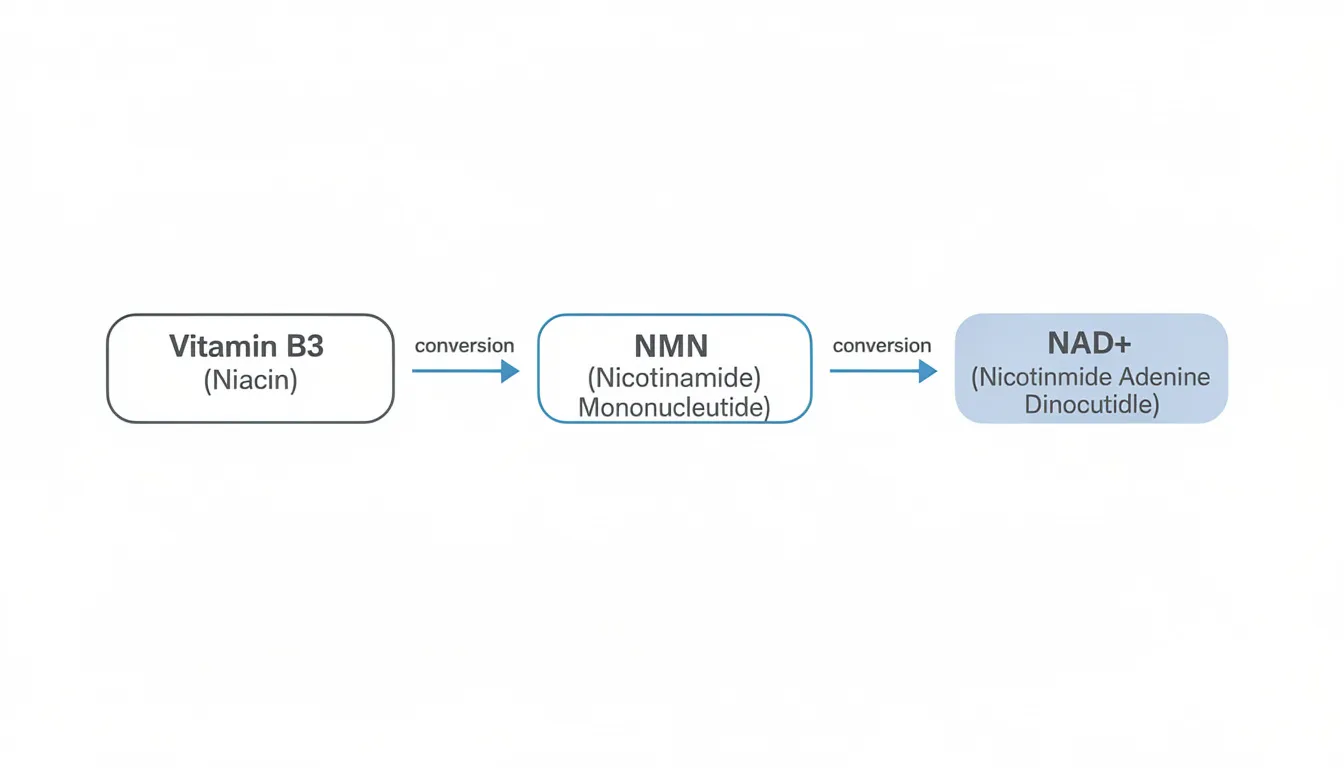
NMN is a naturally occurring molecule derived from vitamin B3 that serves as a direct precursor to nicotinamide adenine dinucleotide (NAD+). This coenzyme plays essential roles in energy production, DNA repair, and activating proteins called sirtuins that help cells respond to stress. The challenge is that NAD levels decline significantly as we age—research suggests they can drop by roughly 50% by middle age—which may contribute to reduced metabolic function, hormonal shifts, and the cellular changes underlying aging. NAD+ depletion has also been linked to age-related diseases, including Alzheimer’s disease, highlighting the importance of maintaining healthy NAD+ levels.
This article focuses specifically on what current research suggests about NMN for women’s health: fertility timelines, hormone shifts in the 30s through 50s, perimenopause, and menopause. It’s worth noting that while animal studies have been compelling, human research is still in early stages, with a growing but limited number of clinical trials examining NMN in midlife women.
NMN can be found naturally in foods such as edamame, broccoli, cabbage, avocado, beef, shrimp, and cow’s milk, making these dietary sources a valuable way to support NAD+ levels alongside supplementation.
As of 2024–2025, NMN’s regulatory status varies by region. In the United States, the FDA has raised questions about its classification as a dietary supplement due to ongoing drug development. In many other countries—including the EU, UK, and parts of Asia—NMN remains available as a supplement, though quality standards vary. This article is purely informational and not intended as medical advice. Any woman considering NMN should discuss it with her healthcare professional before starting supplementation.

Introduction to NMN
Nicotinamide mononucleotide (NMN) is rapidly emerging as one of the most intriguing supplements in the world of health and longevity. As a naturally occurring molecule found in small amounts in certain foods, NMN has captured the attention of researchers and health-conscious individuals alike for its potential benefits in supporting metabolic health, energy production, and healthy aging.
NMN acts as a direct precursor to nicotinamide adenine dinucleotide (NAD+), a coenzyme that is essential for hundreds of cellular processes, including DNA repair, energy metabolism, and the regulation of healthy habits at the cellular level. Unfortunately, NMN levels naturally decline as we age, which can contribute to reduced metabolic function, lower energy, and the gradual onset of age-related changes. This decline is particularly relevant for older adults, who may experience shifts in insulin sensitivity, physical performance, and overall well-being.
Taking NMN supplements has been shown in early research to help restore NMN levels and support NAD+ production, potentially offering a range of health benefits. These may include improved metabolic health, enhanced energy production, and support for cellular repair mechanisms. Some studies also suggest that NMN supplementation could play a role in maintaining insulin sensitivity and supporting anti-aging strategies, though more research is needed to fully understand its long-term effects on human health.
As with any supplement, it’s important to approach NMN thoughtfully. While the potential benefits are promising, NMN supplementation is not a substitute for healthy habits such as balanced nutrition, regular exercise, and adequate sleep. Consulting a healthcare professional before taking NMN—especially for those with pre-existing medical conditions or those already taking other supplements or medications—is essential to ensure safety and maximize the potential benefits.
In this article, we’ll explore the science behind NMN, its role in women’s health, and what you should know before considering NMN as part of your wellness routine. Whether you’re interested in anti-aging, metabolic health, or simply supporting your body’s natural processes, understanding the fundamentals of nicotinamide mononucleotide can help you make informed decisions about your health journey.
What Is NMN and How Does It Work in the Female Body?
Nicotinamide mononucleotide (NMN) is a compound that cells convert into NAD+, the coenzyme essential for hundreds of metabolic reactions in your body. Think of NAD+ as the fuel that keeps your cellular engines running: it powers mitochondria (your cells’ energy generators), supports DNA repair mechanisms, and activates sirtuins—a family of proteins that regulate cellular resilience and aging processes.
For women specifically, NAD+-dependent pathways are relevant to several key biological functions. Ovarian cells require substantial energy to maintain egg quality. Hormone-producing glands depend on efficient cellular metabolism. Brain function and mood regulation involve NAD+-related processes. And metabolic health—how your body handles blood sugar, stores fat, and manages inflammation—relies on adequate NAD+ availability.
Human studies suggest that NMN levels naturally decline as we age, with measurable drops occurring by the 40s and 50s compared to young adulthood. This decline parallels many of the changes women experience during perimenopause and beyond: reduced energy, shifts in body composition, and altered hormone balance. While we can’t draw a direct causal line, researchers hypothesize that supporting NAD+ levels could help maintain cellular function during these transitions.
You can find NMN naturally in small amounts in foods like broccoli, cabbage, cucumber, edamame, avocado, and cow’s milk. Raw beef and tree nuts also contain trace amounts. A food-first approach is always preferable for obtaining nutrients like NMN. Healthy habits and dietary choices—such as regular exercise and a balanced diet—can help your body produce more NMN naturally, but supplements provide much higher doses. However, the doses used in research studies—typically 250–500 mg daily or higher—far exceed what you’d get from food alone. Taking NMN supplements is the only practical way to achieve the levels studied in clinical trials.
When evaluating the benefits of NMN supplementation, it’s important to note that clinical trials are considered the gold standard for demonstrating efficacy.
One important clarification: NMN is not a hormone. It doesn’t replace estrogen, progesterone, or thyroid hormones. Instead, it supports the cellular machinery that underlies hormone production and metabolic function. This distinction matters when setting realistic expectations about what NMN supplementation might—and might not—accomplish.
For more on NMN’s effects on testosterone and hormones, see our dedicated guide.
NMN and Female Fertility: What the Research Suggests
Fertility in women is deeply tied to cellular health, particularly in the ovaries. After age 35, egg quality typically declines due to accumulated DNA damage, reduced mitochondrial function, and increased oxidative stress. By the early 40s, abnormality rates in eggs can reach 80–90% compared to roughly 20% in younger women. Researchers have explored whether boosting NAD+ through NMN supplementation could help maintain oocyte quality—though it’s crucial to understand that NMN is being studied as a cellular support tool, not a fertility drug.
Animal Research: Promising but Preliminary
The most cited research on NMN and fertility comes from animal models published between 2019 and 2020. In studies on aging female mice, NMN supplementation appeared to improve several markers of reproductive health. Researchers observed increased egg quantity and quality, better ovarian function, and higher live birth rates in older mice given NMN compared to controls. These improvements correlated with elevated NAD+ levels in ovarian tissue and enhanced mitochondrial activity in oocytes.
The mechanisms are biologically plausible. NMN appears to replenish NAD+, which then activates sirtuins like SIRT1 and SIRT3. These proteins help protect eggs from fragmentation and programmed cell death (apoptosis). In animal models, this translated to eggs that functioned more like those of younger animals.
Human Data: Still Limited
However, animal studies don’t automatically translate to humans. As of 2024–2025, there are no large, definitive human fertility trials examining NMN. Some preliminary observations from fertility clinics suggest potential interest in NAD+ boosters for IVF patients, but rigorous clinical trials are still needed. More research is essential before NMN can be considered a validated fertility intervention for women.
Realistic Expectations
Women should not rely on NMN to “reverse the biological clock.” Fertility still depends primarily on age, genetics, overall health, and medical factors that supplements cannot override. The potential benefits of NMN for fertility, if they exist in humans, would likely be supportive rather than transformative.
For women concerned about fertility, evidence-backed fundamentals remain the priority:
Maintain a healthy body weight
Avoid smoking and limit alcohol
Eat a nutrient-dense diet rich in antioxidants
Manage stress and prioritize sleep
Address any underlying health conditions with medical guidance
Any consideration of taking NMN in the preconception period should involve a conversation with a reproductive endocrinologist. And critically, safety data in pregnancy are lacking. Most experts recommend avoiding NMN once pregnant or while breastfeeding unless participating in a supervised clinical trial.
Key Takeaways on NMN and Fertility:
Animal studies show promising effects on egg quality and ovarian function in aging mice
Human fertility data are extremely limited—no large trials exist yet
NMN is not a substitute for age, genetics, or evidence-based fertility care
Avoid NMN during pregnancy and breastfeeding due to unknown safety profile
Preconception Considerations and When to Avoid NMN
Women actively trying to conceive or undergoing IVF should speak with their fertility clinic before starting any new supplement, including NMN. Fertility treatments involve carefully managed hormonal protocols, and clinicians typically prefer to keep the supplement regimen stable and transparent.
Extra caution is warranted in several situations:
Existing endocrine conditions such as PCOS or thyroid disorders
Current use of fertility medications like clomiphene or gonadotropins
History of recurrent miscarriage
Concurrent prescription drugs with potential interactions
Because NMN influences cellular metabolism, its effects could theoretically interact with fertility treatments in unpredictable ways. Any decision about NMN in the preconception period should be individualized, factoring in age, lab values, current medications, and overall health goals. A registered dietitian or reproductive specialist can help weigh the potential benefits against unknown risks.
NMN, Hormones, and Metabolic Health in Women
Hormonal health in women involves an intricate network of signals extending far beyond estrogen and progesterone. Insulin, thyroid hormones, cortisol, and leptin all interact with cellular energy pathways—and NAD+-dependent processes touch many of these systems. This intersection is where NMN research becomes particularly relevant for women in midlife.
There is ongoing debate about whether nmn supplementation work, with some scientific studies and anecdotal reports suggesting potential benefits such as improved insulin sensitivity, enhanced sleep quality, and even possible reversal of certain aging markers, though human clinical research on NMN remains limited and emerging.
Human Study Data: Insulin Sensitivity
One of the most frequently cited human studies on NMN involved postmenopausal women with prediabetes. In this 2021 randomized, double-blind, placebo-controlled trial, participants took 250 mg of NMN daily for 10–12 weeks. Researchers found that NMN supplementation improved skeletal muscle insulin sensitivity and increased muscle NAD+ metabolites compared to placebo. However, the study did not observe dramatic changes in body weight or other clinical endpoints.
These findings suggest a potential supportive role for NMN supplementation in glucose handling and muscle metabolism in midlife women—but with important caveats. The sample size was small, and the effects were modest. More studies are needed to confirm and expand upon these results.
The Metabolic-Hormonal Connection
Why does insulin sensitivity matter for hormonal health? Blood sugar regulation influences multiple hormone systems:
| Metabolic Factor | Potential Hormonal Impact |
|---|---|
| Chronic high blood sugar | Can worsen insulin resistance, promote abdominal fat storage |
| Abdominal fat accumulation | Increases estrogen production from fat tissue, potentially disrupting balance |
| Systemic inflammation | May exacerbate symptoms during perimenopause |
| Blood sugar swings | Can trigger cortisol responses, affecting mood and energy |
| By potentially improving insulin sensitivity, NMN might indirectly support hormone equilibrium by reducing metabolic stress. But this is theoretical—NMN has not been proven to correct conditions like PCOS, hypothyroidism, or adrenal dysfunction. Lifestyle factors and medical care remain central to managing these conditions. |
Foundational Strategies Still Matter Most
Before considering NMN for metabolic health, women should focus on established interventions:
Mediterranean-style diet emphasizing vegetables, healthy fats, and lean protein
Resistance training 2–3 times per week to build metabolically active muscle
Limiting ultra-processed foods and added sugars
Stress management through sleep, movement, and social connection
NMN might offer incremental support on top of these fundamentals, but it cannot compensate for poor diet, sedentary lifestyle, or untreated health conditions.
Energy, Mood, and Cognitive Function Through the Hormonal Transitions
Many women in their late 30s through 50s report fatigue, brain fog, and mood fluctuations. These symptoms often coincide with perimenopause but can also stem from sleep disruption, life stress, and accumulated health changes. Could NMN help?
NAD+ is involved in brain energy metabolism and neuronal resilience. Animal models suggest potential benefits of NAD+ precursors for cognition and stress-related behavior. Small early human studies in older adults (typically 60+) have reported modest improvements in physical performance and reduced subjective sleepiness with NMN supplementation.
However, robust data specifically in perimenopausal women are lacking. Women do sometimes report anecdotally feeling “clearer” or “less fatigued” when taking NMN, but these impressions are difficult to separate from placebo effects, natural symptom variability, and concurrent lifestyle changes.
Non-Supplement Strategies for Energy and Mood:
Prioritize 7–9 hours of sleep with consistent timing
Incorporate regular exercise (both cardio and strength training)
Limit caffeine after noon
Practice stress-reduction techniques like deep breathing or meditation
Consider cognitive behavioral therapy for significant mood symptoms
Persistent low mood, anxiety, or cognitive changes warrant evaluation by a clinician. NMN is not a treatment for depression, anxiety, Alzheimer’s disease, or other cognitive disorders.
NMN and Menopause: Supporting Healthy Aging, Not Stopping It
Perimenopause typically begins in the mid-40s (though it can start in the late 30s) and involves fluctuating hormone levels that eventually lead to menopause—defined as 12 consecutive months without a menstrual period. The average age of menopause in many Western countries is around 51.
During and after this transition, women face increased cardiometabolic risk. Insulin resistance becomes more common. Abdominal fat tends to accumulate more easily. Cholesterol profiles often shift unfavorably. Bone density can decline. Sleep quality frequently suffers. These changes intersect with NAD+-dependent pathways involving mitochondrial function, oxidative stress management, and DNA repair—precisely the areas where NMN research is focused.
A review published in 2023 highlighted that 12 human clinical trials studying NMN supplementation were underway at the time of publication. Some of these studies have been published in journals such as NPJ Aging and Mechanisms of Disease, which focus on aging-related health improvements like muscle performance, cardiovascular health, and overall longevity in older adults.
What Human Trials Show
Several small clinical trials have examined NMN in middle-aged and older adults, though not all focused specifically on menopausal symptoms:
| Study Parameter | Findings |
|---|---|
| Doses tested | Typically 250–900 mg daily |
| Duration | Usually 8–24 weeks |
| Blood NAD+ levels | Increased in most studies |
| Physical performance | Some improvements in walking distance and exercise capacity |
| Insulin sensitivity | Improved in postmenopausal prediabetic women |
| Skin markers | One 8-week trial showed reduced AGEs (advanced glycation end products) |
| An 8-week trial in healthy postmenopausal women using 300 mg NMN daily found reductions in skin AGEs—markers associated with collagen degradation and skin aging. Other research has linked NMN to favorable gut microbiome shifts, potentially reducing bloating and digestive discomfort common during menopause. |
Cardiovascular benefits are also being explored. NAD+ supports blood vessel elasticity and endothelial function. Since menopausal women face significantly increased heart disease risk, this is an active area of interest, with animal models showing improvements in vascular function.
What NMN Cannot Do
NMN has not been shown to replace menopausal hormone therapy (MHT/HRT) for symptom relief. It does not address hot flashes, night sweats, or vaginal dryness the way estrogen therapy can. It doesn’t protect bone density like hormone therapy does. These treatments target different biological systems.
Looking forward, NMN may become part of a multi-pronged, evidence-based healthy aging strategy for some postmenopausal women—alongside diet, regular exercise, sleep optimization, stress management, and clinically guided hormone therapy where appropriate. Current developments suggest ongoing clinical trials expanding to menopause cohorts, with predictions of more definitive data emerging over the next several years.

Symptoms vs. Cellular Health: What Women Can Realistically Expect
It’s important to distinguish between symptom relief and deeper cellular or metabolic support. Hot flashes, night sweats, and vaginal dryness are symptoms that significantly impact quality of life. NMN is not established as an effective treatment for these common menopausal complaints. Hormone therapy and non-hormonal medications (like certain antidepressants or gabapentin) have far more evidence for symptom relief.
Where NMN might offer value is at the cellular level—supporting mitochondrial function, metabolic health, and tissue resilience over time. But these benefits are harder to perceive day-to-day and may only become apparent through objective measurements.
Women taking NMN should consider monitoring markers in collaboration with a clinician:
Fasting blood sugar and HbA1c
Lipid profile (cholesterol, triglycerides)
Blood pressure
Fitness metrics (walking speed, strength measures)
Optional: NAD+ blood testing for personalization
Keeping a simple journal of sleep quality, energy levels, mood, and exercise capacity can help distinguish genuine changes from placebo effects or normal day-to-day variability. Be honest with yourself and skeptical of dramatic subjective improvements in the first few days—real cellular benefits typically take weeks to months to manifest.
Safety, Side Effects, and Dosage Considerations for Women
The safety profile of NMN in humans appears reassuring based on current data—but “current data” means relatively short-term trials in mostly healthy adults. NMN is considered generally safe and well-tolerated according to current literature, but more long-term studies are needed to fully determine its safety profile. In 2022, the FDA prohibited the sale of NMN as a health supplement due to ongoing investigations regarding its use as a drug. Here’s what the research shows:
Overall Tolerability
Early human trials, typically lasting 8–24 weeks with doses ranging from approximately 250–1,200 mg daily, have generally reported good short-term tolerability. No serious adverse events have been attributed to NMN supplementation in published peer reviewed studies. At doses up to 1,200 mg daily, NMN has been well tolerated in healthy participants.
Common Mild Side Effects
Some participants in clinical trials have reported:
Digestive discomfort (nausea, abdominal pain, loose stools)
Occasional headaches
Mild flushing, especially at higher doses
These side effects tend to be more common when starting at high doses or increasing dose rapidly. Most resolve with continued use or dose adjustment.
Unknowns and Theoretical Concerns
Several important gaps remain in our understanding:
Long-term use: We lack multi-year data on continuous NMN supplementation
Vulnerable populations: Limited data exist for women with active cancer, autoimmune disease, or complex medication regimens
Cancer biology: Because NAD+ supports cell proliferation and DNA repair, some researchers have raised theoretical questions about how chronic NAD+ boosting might interact with cancer cells. Current human data are insufficient to draw conclusions, but women with a history of cancer should speak with their oncologist before considering NMN
Typical Study Dosages
Most human research has used:
| Dose Range | Context |
|---|---|
| 250–500 mg daily | Common starting and maintenance doses |
| 900–1,200 mg daily | Higher doses used in some safety studies |
| One capsule daily | Typical administration in trials |
| The principle “more is not necessarily better” applies. Starting low and titrating cautiously is common practice in research settings. Higher doses may increase side effects without providing additional benefits. |
Regulatory Context
In the United States, the FDA has questioned NMN’s status as a dietary supplement due to overlapping drug development by pharmaceutical companies. In other regions, NMN remains available as a supplement, but regulation and quality standards vary by country. This regulatory uncertainty makes choosing high-quality NMN products particularly important.
When to Consult a Healthcare Provider
Strongly consider medical consultation before taking NMN if you are:
Pregnant, breastfeeding, or trying to conceive
Using prescription medications (especially for diabetes, blood pressure, or mood disorders)
Managing chronic conditions like diabetes, cardiovascular disease, or autoimmune disorders
A cancer survivor or currently in treatment
Who Might Want to Be Especially Cautious?
Extra caution is advisable for women with:
Current or past cancer
Severe liver or kidney disease
Uncontrolled autoimmune disease
Multiple prescription medications with complex interaction profiles
Although NMN itself is not currently known for major drug interactions, many commercial NMN products blend NMN with herbs or other bioactives that can interact with blood thinners, blood pressure medications, or antidepressants. Women in these categories should only use NMN under supervision of a clinician familiar with their history and current treatment plan.
How Women Can Integrate NMN into a Broader Longevity Strategy
NMN works best as one tool within a larger toolkit—not as a substitute for healthy habits or medical care. How you approach NMN may vary depending on your life stage.
Life Stage Considerations
Late 20s–30s: The focus should primarily be on sleep, stress management, nutrition, and exercise. NMN is generally less studied in younger women, and lifestyle fundamentals deliver the most benefit during this period. If you’re curious about longevity supplements, establishing baseline healthy habits first makes any future supplementation more meaningful.
40s–Early 50s (Perimenopause): This is when metabolic health, muscle maintenance, and nervous system regulation become increasingly important. If considering NMN, approach it as an adjunct to—not a replacement for—evidence-based lifestyle practices. Track both objective markers (lab values, fitness metrics) and subjective experiences (energy, sleep quality, mood).
50s–70s (Postmenopause): Bone health, cardiovascular function, and cognitive resilience become key priorities. NMN may be explored alongside strength training, cardiovascular exercise, and appropriate medical therapies. This is also when discussing anti aging strategies with a clinician becomes most relevant.
Lifestyle Synergies
Certain healthy habits may complement NAD+ biology:
Regular exercise: At least 150 minutes per week of moderate aerobic activity plus 2 strength-training sessions (per WHO/CDC guidelines)
Nutrient-dense diet: Patterns rich in plants, fiber, omega-3 fats, and polyphenols (Mediterranean-style eating)
Stress management: Mindfulness, breathwork, yoga, adequate sleep, social connection
Sleep optimization: 7–9 hours nightly with consistent timing
Avoid Supplement Redundancy
Women should periodically review their supplement stack with a professional. Taking multiple overlapping NAD+ boosters, high-dose antioxidants, or megadose B vitamins without clear need can be wasteful or potentially counterproductive. A streamlined, intentional approach typically works better than throwing everything at the problem.

Practical Tips for Evaluating Any NMN Supplement
When shopping for NMN products, look for:
Transparent labeling: Clear statement of NMN amount per serving (not hidden in proprietary blends)
Independent testing: Certificates of Analysis (COAs) from third-party labs verifying purity and checking for contaminants
Minimal unnecessary fillers: Simple formulations are often preferable
Appropriate capsule materials: Gelatin versus vegan capsules depending on your preferences
Allergen information: Verification of gluten-free, soy-free, dairy-free, or non GMO status as needed
Pure NMN in straightforward capsules allows you to know exactly what you’re taking. Consider starting with a conservative dose similar to that used in human studies—typically 250–500 mg daily—and monitoring your response over 8–12 weeks. As you evaluate NMN supplements, be sure to provide feedback on taste, texture, and swallowability—your input helps improve product quality for everyone.
Be skeptical of marketing that promises to “reverse aging,” “cure menopause,” or guarantee fertility results. Such claims are not supported by current science and often indicate a company prioritizing sales over scientific accuracy. The efficacy of any supplement should be evaluated through honest, measured assessment rather than hype.
Key Takeaways: NMN for Women’s Fertility, Hormones, and Menopause
NMN boosts NAD+, a molecule central to cellular energy and repair, which naturally declines with age—this age related decline accelerates in midlife and may contribute to metabolic and reproductive changes
Animal research is promising, showing improvements in egg quality, ovarian function, and metabolic markers in aging mice, but human research on fertility remains extremely limited
In small human studies—especially in midlife adults—NMN supplementation has shown potential to improve markers like insulin sensitivity and physical performance, though long-term evidence is still limited and more studies are needed
NMN does not replace hormone therapy, fertility treatments, or foundational lifestyle measures; it may become a useful adjunct for some women under professional guidance
Short-term use appears generally considered safe, with mostly mild digestive side effects reported in clinical trials; however, safety in pregnancy, breastfeeding, and long-term chronic use remains unclear
Women should discuss NMN with their healthcare provider, especially if they have chronic conditions, use prescription medications, or are planning pregnancy—and always check for potential risks with concurrent therapies
The science of NMN for women’s health is genuinely interesting, but it’s still emerging. The smartest approach combines curiosity about longevity research with critical thinking, evidence-based medical care, and sustainable self-care habits. NMN may eventually prove to be a valuable tool in the healthy aging toolkit—but it’s not a magic solution, and the fundamentals of good health will always matter most.
If you’re considering NMN, start by optimizing what you can control: sleep, nutrition, movement, and stress. Then, if you choose to explore supplementation, do so thoughtfully—with professional guidance, realistic expectations, and a commitment to tracking what actually changes. That’s how we’ll all learn more about whether NMN lives up to its potential for women’s health.
Further Reading
Explore more articles related to this topic:
- NMN for Women: Benefits for Hormonal Balance and Post-Menopausal Health
- Benefits Of NMN Supplements: Science-Backed Pros, Limits, And Safety
- Health Benefits of NMN: What Science Really Shows
- NAC vs NMN: Differences, Benefits & Uses (Science-Based Guide 2026)
- The Budget Biohacker: How to Get the Best Quality NMN Without Overpaying
- The 2026 Guide to NMN for Perimenopause: Managing Hot Flashes, Sleep, and Mood
- NMN for Skin Aging: Can Boosting NAD+ Actually Reduce Wrinkles and Improve Elasticity?
- NMN for Hair Loss: Can Boosting NAD+ Promote Hair Regrowth?