

The search for effective weight management solutions continues to drive interest in compounds that target cellular metabolism. Among the most discussed is nicotinamide mononucleotide (NMN), a molecule that has captured attention for its role in boosting NAD+ levels. But does taking NMN actually translate to meaningful fat loss? Much of the current research on NMN for weight loss specifically examines its effects in overweight or obese adults, as these populations are the focus of most clinical trials. This article examines the current evidence, separates hype from science, and provides practical guidance for anyone considering NMN as part of their health strategy.

Quick Answer: Can NMN Help With Weight Loss?
NMN is not a magic fat burner, but early animal studies and small human trials suggest it may modestly support body composition and metabolic health when combined with lifestyle changes. The compound works by increasing levels of nicotinamide adenine dinucleotide (NAD+), a coenzyme central to energy metabolism, mitochondrial function, and fat oxidation.
Research from 2023-2024, including a study published in IUBMB Life examining mice with diet induced obesity and a small Harvard-associated human trial using 2,000 mg/day for 28 days, found reductions in fat mass and body weight. However, these studies involved small sample sizes and short durations, which limits the strength of their conclusions.
The key takeaway for 2026: NMN should not be used as a stand-alone obesity treatment. At best, current findings support a potential supportive role alongside diet, exercise, and appropriate medical care. The compound may help optimize metabolic pathways, but it cannot replace the fundamentals of energy balance.
For those seeking a quick framework, think of it this way:
What NMN appears to do: Support NAD+ levels, potentially improving how your body handles glucose and fat metabolism
What NMN does not do: Directly “burn fat” or cause significant weight loss without lifestyle changes
What we still need: Larger, longer human studies to confirm early promising results
What Is NMN and How Does It Relate to NAD+ and Metabolism?
Nicotinamide mononucleotide nmn is a vitamin B3-related molecule that serves as a direct precursor to NAD+. Every cell in your body uses NAD+ to convert food into usable energy, making it one of the most fundamental molecules in human biology.
The Role of NAD+ in Your Body
NAD+ participates in several critical processes relevant to body weight regulation:
| Function | Why It Matters for Weight |
|---|---|
| Mitochondrial ATP production | Powers cellular energy and fat oxidation |
| Sirtuin activation (SIRT1, SIRT3, SIRT6) | Regulates genes controlling lipid metabolism and insulin sensitivity |
| DNA repair and stress responses | Maintains cellular health during metabolic challenges |
| These processes collectively influence whether your body efficiently burns fuel or stores excess energy as fat. |
Why NAD+ Declines
NAD+ levels naturally decrease with age, but several lifestyle factors accelerate this decline:
High fat diet consumption
Chronic stress
Sedentary lifestyle
Poor sleep quality
When NAD+ drops, the downstream effects include impaired glucose handling, increased fat storage, and various metabolic disorders. This connection between NAD+ depletion and metabolic dysfunction is why researchers have explored whether restoring NAD+ through nmn supplementation might help normalize these pathways.
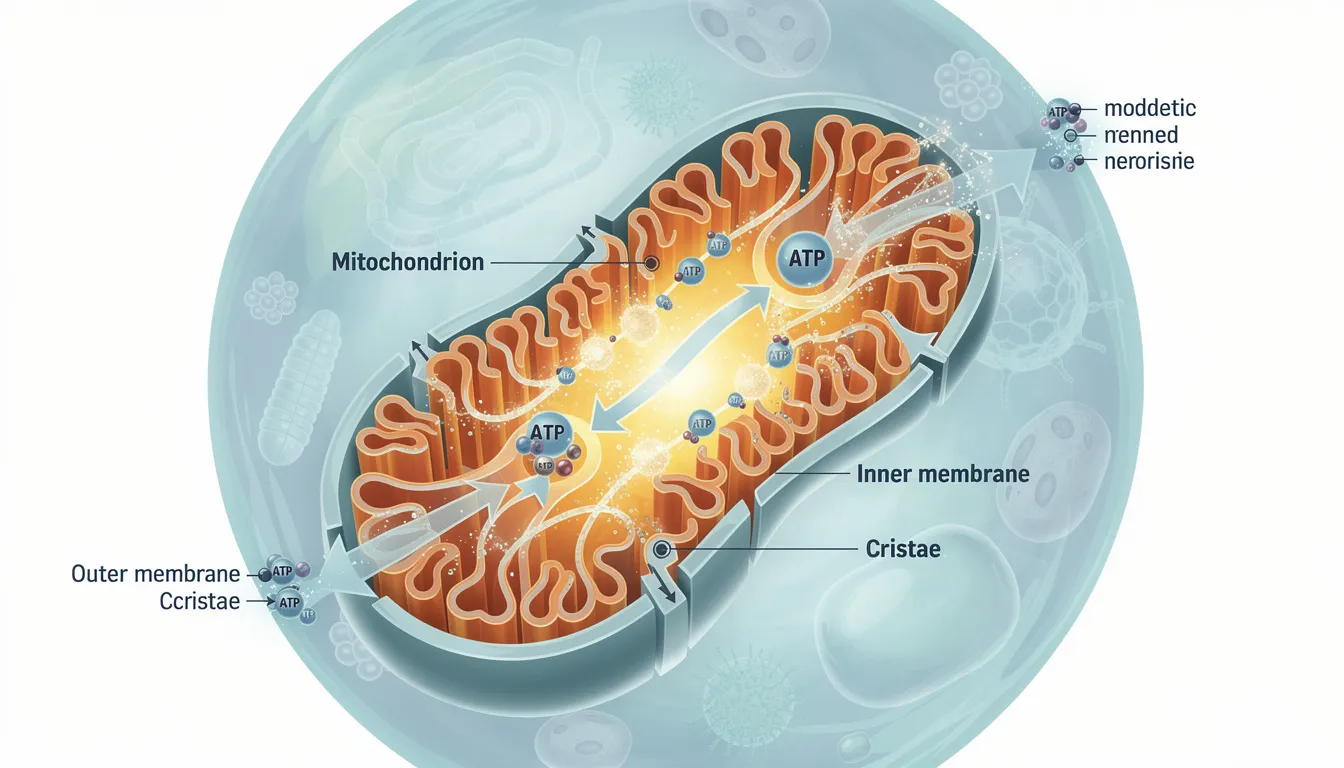
The theory is straightforward: if low NAD+ contributes to metabolic problems, then raising NAD+ might help reverse them. The question is whether this theory holds up in practice.
What Does the Science Say About NMN and Body Composition?
Most mechanistic and weight-related data come from preclinical animal models, particularly mice, with a smaller number of early-phase human studies conducted through 2025. More robust trials are expected by 2026 and beyond.
The IUBMB Life 2023 Study
One of the most cited recent studies appeared in IUBMB Life in June 2023 (Vol. 75(6), pp. 548-562, DOI: 10.1002/iub.2707), titled “Nicotinamide mononucleotide alters body composition and ameliorates metabolic disorders induced by a high-fat diet.”
Key findings from this rodent study:
Mice with diet-induced obesity given NMN showed reduced fat mass and increased lean mass
Improvements in glucose tolerance were observed
Hepatic steatosis (fatty liver) decreased significantly
Adipose tissue inflammation was reduced
Effects appeared to involve a NAD+/SIRT6/LKB1 axis influencing brown adipose tissue thermogenesis
The results suggest nmn reduces body weight in obese animal models through multiple complementary mechanisms rather than a single pathway.
Maternal Obesity and Offspring Studies
Another compelling line of research examined how NMN might affect metabolic programming across generations. Female mice fed high-fat diets produced offspring predisposed to obesity and fatty liver disease.
When researchers treated these offspring with either treadmill exercise or NMN (approximately 500 mg/kg administered intraperitoneally):
Both interventions produced reduced body weight and adiposity
Glucose tolerance improved in both groups
Liver triglycerides decreased
NMN increased hepatic NAD+ and citrate synthase activity (a marker of mitochondrial fat catabolism)
Interestingly, NMN also raised insulin levels, which requires further investigation
Translating Animal Data to Humans
These rodent findings support the metabolic benefits of NMN for body composition improvements. However, several caveats apply:
Dose scaling: Animal studies often use doses proportionally higher than practical human supplementation
Species differences: Mouse metabolism differs significantly from human metabolism
Study duration: Most animal studies last 8-12 weeks, limiting long-term conclusions
The results suggest NMN may support metabolic improvements, but confirmation in humans requires dedicated clinical trials.
Human Studies in Overweight and Obese Adults: Weight, Cholesterol, and Blood Pressure
Clinical research on NMN and weight loss in humans remains limited through 2025, with small trials often using proprietary formulations like MIB-626.
The Harvard-Associated Trial
One of the most discussed human studies involved collaboration with researchers associated with Harvard Medical School. Key parameters:
| Trial Element | Details |
|---|---|
| Participants | ~21 overweight or obese middle aged and older adults |
| Dose | 2,000 mg/day (1,000 mg twice daily) |
| Duration | 28 days |
| Key outcomes | Body weight, cholesterol, blood pressure |
| The findings support several interesting observations: |
Body weight: Average reduction of approximately 6 lbs (~2.7 kg) in some analyses
Blood cholesterol levels: Total cholesterol and low density lipoprotein (LDL) cholesterol decreased
Blood pressure: Diastolic blood pressure dropped; systolic blood pressure remained largely unchanged
Cardiovascular markers: Improvements in several indicators relevant to cardiovascular health
What These Results Mean
The data from overweight and obese adults suggest nmn treatment may exert modest short-term improvements in:
Body weight and possibly waist circumference
Total blood cholesterol and LDL cholesterol
Diastolic blood pressure and markers of cardiovascular strain
Some researchers interpret these findings as evidence that nmn improves heart function indirectly through metabolic optimization, though this requires confirmation.
Important Limitations
Before drawing strong conclusions, consider these constraints:
Small sample size: Approximately 21 participants limits statistical power
Short duration: 28 days cannot establish long-term effects or durability
High dose: 2,000 mg daily may be expensive and impractical for most users
Mixed results: Most other studies examining different outcomes (like muscle strength or endurance) have yielded mixed results
The overweight or obese dosage used in this trial was notably higher than many consumer products provide, raising questions about whether lower doses would produce similar effects.
Comparison with Other Research
A physiologic study by Storer T and colleagues administered NMN to examine muscle performance and other outcomes. Wilson L and collaborators have similarly explored metabolic endpoints. Work by Orkaby AR has examined cardiovascular health in aging populations, while Ghattas Puylara C has contributed to understanding metabolic pathways.
Additional researchers including Xu K, Lin AP, Sinclair DA, and Merugumala S have published findings that inform our understanding of nicotinamide adenine dinucleotide augmentation strategies. However, results from these various studies have not uniformly supported weight loss benefits, highlighting the need for longer study durations and more participants.
Studies published in j clin endocrinol metab and cell metab have examined NAD+ biology extensively, with relevant work appearing in clinical endocrinology journals. Many of these papers are available as epub ahead of print, indicating the rapidly evolving nature of this field.

How Could Boosting NAD+ Influence Fat Burning Mechanistically?
Understanding the “how” behind NMN’s potential effects helps clarify realistic expectations. Several interconnected pathways may explain observed metabolic changes.
Mitochondrial Enhancement
Higher NAD+ levels may improve fat oxidation through:
Increased mitochondrial efficiency and number
Enhanced electron transport chain function
Greater capacity for beta-oxidation of fatty acids
This translates to better ability to use stored fat as fuel, particularly during exercise or caloric restriction.
Sirtuin Activation
NAD+ serves as a required cofactor for sirtuins, a family of proteins involved in molecular biology of aging and metabolism:
SIRT1: Influences genes controlling lipid metabolism and insulin sensitivity in adipose tissue
SIRT3: Regulates mitochondrial function and oxidative stress
SIRT6: Affects glucose homeostasis and fat storage patterns
Research shows the SIRT1/AMPK pathway upregulates adipose triglyceride lipase (ATGL), the rate-limiting enzyme for breaking down stored triglycerides into free fatty acids.
Brown and Beige Fat Activation
Some evidence suggests NMN may enhance brown adipose tissue function through NAD+/SIRT6/LKB1 signaling. Brown fat burns calories to generate heat, potentially raising overall energy expenditure without additional exercise.
Downstream Metabolic Effects
When NAD+ is restored, several metabolic shifts may occur:
| Effect | Mechanism | Weight Relevance |
|---|---|---|
| Better glucose tolerance | Improved insulin signaling | Reduced chronic high insulin (which promotes fat storage) |
| Reduced hepatic steatosis | Enhanced liver fat metabolism | Improved whole-body metabolic flexibility |
| Lower adipose inflammation | Decreased inflammatory signaling | Better hormone function (leptin, adiponectin) |
| Enhanced dna repair | Reduced cellular stress | Maintained metabolic tissue health |
Reality Check
These mechanisms are primarily inferred from basic research and animal data. In humans, the magnitude of effect may be modest and highly individual. NMN appears to optimize existing metabolic capacity rather than create dramatic new fat-burning abilities.
Safety, Regulation, and Practical Considerations as of 2026
Before considering NMN, understanding the regulatory landscape and safety profile is essential.
Regulatory Status in the United States
The regulatory situation for NMN has been complex and evolving:
2022: The FDA concluded that NMN could not be marketed as a dietary supplement after a company filed an investigational new drug application for a specific NMN form
2023-2024: Legal challenges from organizations like the Natural Products Association led to some easing of immediate enforcement
2026: The regulatory status remains complex, with ongoing legal and regulatory developments
Many products labeled “NMN” may actually contain nicotinamide riboside (NR) or blends. Careful review of certificates of analysis and third-party testing is advisable.
Known Safety Profile
Based on short-term human trials, NMN supplementation appears generally well-tolerated:
| Dose Range | Duration | Safety Observations |
|---|---|---|
| 250-500 mg/day | 4-12 weeks | Generally well-tolerated |
| 1,000 mg/day | 4-8 weeks | Minimal adverse events reported |
| 2,000 mg/day | 4 weeks | Tolerated in obese middle aged adults |
| Reported side effects are typically mild: |
Gastrointestinal discomfort (bloating, diarrhea, nausea)
Occasional headache
Flushing in some individuals
Important Cautions
Safety Notice: Long-term (multi-year) safety data is lacking, particularly regarding individuals with cancer or elevated cancer risk. Theoretical concerns exist that elevated NAD+ could support growth of existing tumors, though this has not been established in human studies.
Individuals who should consult healthcare providers before using NMN:
Those with diabetes, cardiovascular disease, or liver disease
People with history of cancer
Pregnant or breastfeeding individuals
Those taking multiple medications
Dosing Considerations
Research has used doses ranging from 250 mg to 2,000 mg daily. The overweight or obese dosage in the Harvard trial was 2,000 mg/day, but no consensus “weight-loss dose” exists as of 2026. A longer dosing regimen may be necessary to see meaningful effects, but longer duration studies are still needed.
The obese dosage used in research may not reflect optimal or necessary amounts for all individuals. Start low and increase gradually if pursuing supplementation under professional guidance.
Practical Tips: Using NMN Within a Sustainable Weight Management Plan
If considering NMN, frame it as a potential adjunct rather than a primary intervention.
The Foundation Comes First
No supplement replaces these fundamentals:
Nutrition: Calorie-aware, nutrient-dense eating (Mediterranean-style patterns show strong evidence)
Physical activity: Both aerobic and resistance training; aim for ≥150 minutes moderate or ≥75 minutes vigorous weekly
Sleep: 7-9 hours quality sleep supports NAD+ biology and metabolic regulation
Stress management: Chronic stress depletes NAD+ and impairs metabolism
Timing and Synergy Considerations
Based on current understanding (not prescriptive recommendations):
Many protocols favor morning dosing to align with circadian rhythms
Combining NMN with exercise may theoretically amplify mitochondrial adaptations
A consistent workout regimen appears to enhance NAD+-dependent metabolic improvements
Taking nmn with food may reduce gastrointestinal effects
Non-Supplement NAD+ Support
Several lifestyle factors naturally support NAD+ levels:
| Approach | Mechanism | Practical Application |
|---|---|---|
| Regular exercise | Increases NAD+ turnover and mitochondrial biogenesis | Consistency matters more than intensity |
| Time-restricted eating | May enhance NAD+ and sirtuin activity | 12-16 hour overnight fasts (when medically appropriate) |
| Niacin-rich foods | Provide NAD+ precursors | Tuna, chicken, turkey, mushrooms, peanuts |
| Polyphenol-rich plants | Support native NAD+ pathways | Berries, grapes, green tea |
| Note that food-based NMN content is low (approximately 1-2 mg per 100g in most foods), so dietary sources alone cannot replicate supplement doses. |
Tracking Progress
If experimenting with NMN under professional guidance, consider monitoring:
Objective markers:
Body weight (weekly, same conditions)
Waist circumference (monthly)
How clothing fits
Laboratory markers (where appropriate):
Fasting glucose and HbA1c
Lipid panel
Liver enzymes
Subjective metrics:
Energy levels throughout the day
Recovery time after exercise
Sleep quality
Be aware that placebo effects are possible, and subjective improvements may not correlate with objective metabolic changes.

Future Study Directions
Research by colleagues administered various NMN protocols continues to expand our understanding. Work published in clin endocrinol metab and findings from older overweight populations provide valuable data points, though most studies to date have involved relatively few participants.
Research Gaps and What to Watch for Beyond 2026
Despite promising early findings, significant questions remain unanswered.
Unmet Scientific Questions
Current research has not definitively established:
Does long-term NMN use (≥6-12 months) produce sustained or clinically meaningful weight loss in humans?
Which populations might benefit most from NAD+ support (e.g., older adults with prediabetes, people with fatty liver)?
What is the minimal effective dose when combined with exercise and diet changes?
How do effects on the cardiovascular system evolve over time?
Does muscle strength improve with longer duration supplementation?
What Larger Trials Need to Clarify
Future study designs should include:
Confirmation of short-term findings on weight, LDL cholesterol, blood pressure, and insulin sensitivity
Clarification of effects on lean mass, exercise capacity, and visceral vs. subcutaneous fat
Better characterization of long-term safety, especially regarding cancer risk and cardiovascular events
Examination of how blood fills tissues and organs in response to improved metabolic function
Assessment of whether effects persist after supplementation stops
How to Evaluate New Research
When reviewing emerging studies, look for:
Peer-reviewed sources: Publications indexed on PubMed, ClinicalTrials.gov, and major journals
Body composition measurements: DEXA or MRI data, not just scale weight
Independent replication: Multiple research groups confirming similar findings
Adequate sample size: Studies with more participants carry more statistical weight
Appropriate controls: Placebo-controlled, randomized designs
Be cautious of marketing materials that overstate results suggest findings or cherry-pick favorable data points.
The Evolving Picture
The findings support continued investigation of NMN as a metabolic modulator. The substantial indicator of progress will be publication of larger, longer trials that can establish whether early promising results hold up under rigorous scrutiny.
Research in this area represents the early stages of understanding how NAD+ augmentation affects human health outcomes. What emerges from ongoing work will likely refine our understanding considerably.
Conclusion and Key Takeaways
As of 2026, NMN represents a scientifically interesting NAD+ booster with early evidence suggesting modest metabolic benefits. Small studies have shown reductions in body weight, improvements in blood cholesterol levels, and decreases in diastolic blood pressure in select populations of overweight adults and obese adults.
However, these physiological benefits come with important caveats:
| What We Know | What We Don’t Know |
|---|---|
| NMN raises NAD+ levels in humans | Whether this translates to sustained weight loss |
| Short-term studies show modest weight reduction | Long-term safety and efficacy |
| Metabolic markers may improve | Optimal dosing for different populations |
| Generally well-tolerated short-term | Effects in people with metabolic dysfunction |
NMN should be viewed as a potential supportive tool, not a cure or guaranteed weight-loss solution. It functions as one key contributor to a comprehensive approach rather than a standalone intervention.
Sustainable weight management still rests on:
Individualized nutrition strategies
Regular physical activity
Quality sleep and stress management
Appropriate medical care when needed
The research from groups like those at Harvard Medical School and findings published across molecular biology and clinical journals continue to advance our understanding. But until larger trials confirm what smaller studies have suggested, caution remains appropriate.
Important Disclaimer: This article is educational only and does not constitute medical advice. Before starting NMN or any supplement, particularly if you have chronic health conditions or take medications, consult with a qualified healthcare professional. Individual responses to supplementation vary, and what works in clinical trials may not apply to your specific situation.
Stay informed through reputable scientific sources, maintain realistic expectations, and remember that no supplement substitutes for the fundamentals of healthy living.
Further Reading
Explore more articles related to this topic:
- NMN and Brain Health: Can Boosting NAD+ Prevent Cognitive Decline?
- NMN for Brain Fog: How Boosting NAD+ Crosses the Blood-Brain Barrier
- NMN vs. NR vs. NAD+ Injections: Which One Actually Raises NAD+ Levels Highest?
- Can NMN Improve Muscle Strength in Adults Over 50?
- NMN Research Update 2026: What Recent Human Trials Tell Us About Reversing Biological Age
- NMN for Diabetes: Can It Improve Insulin Sensitivity in Type 2?
- NMN and Gut Health: How NAD+ Affects Your Microbiome and Digestive Wellness