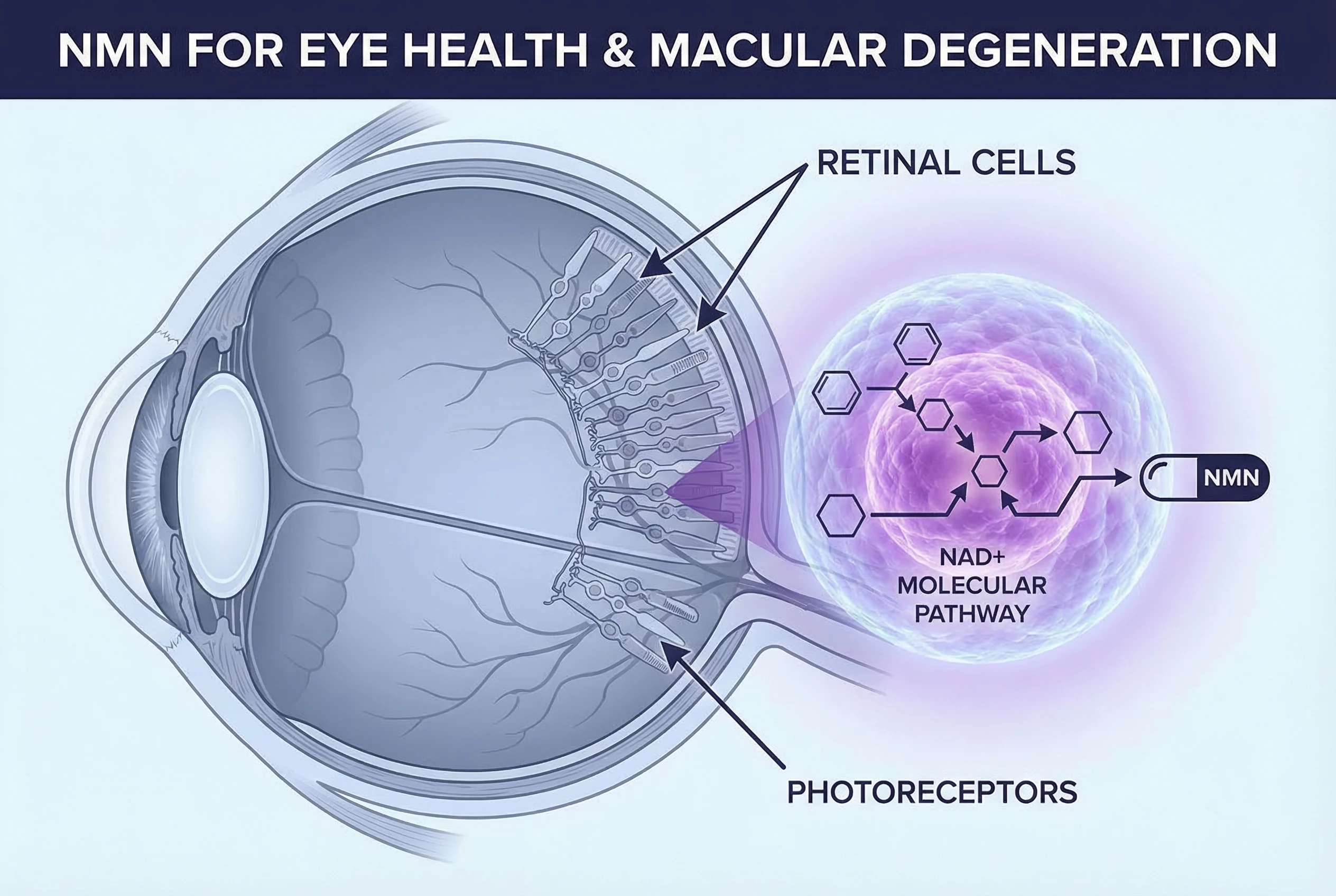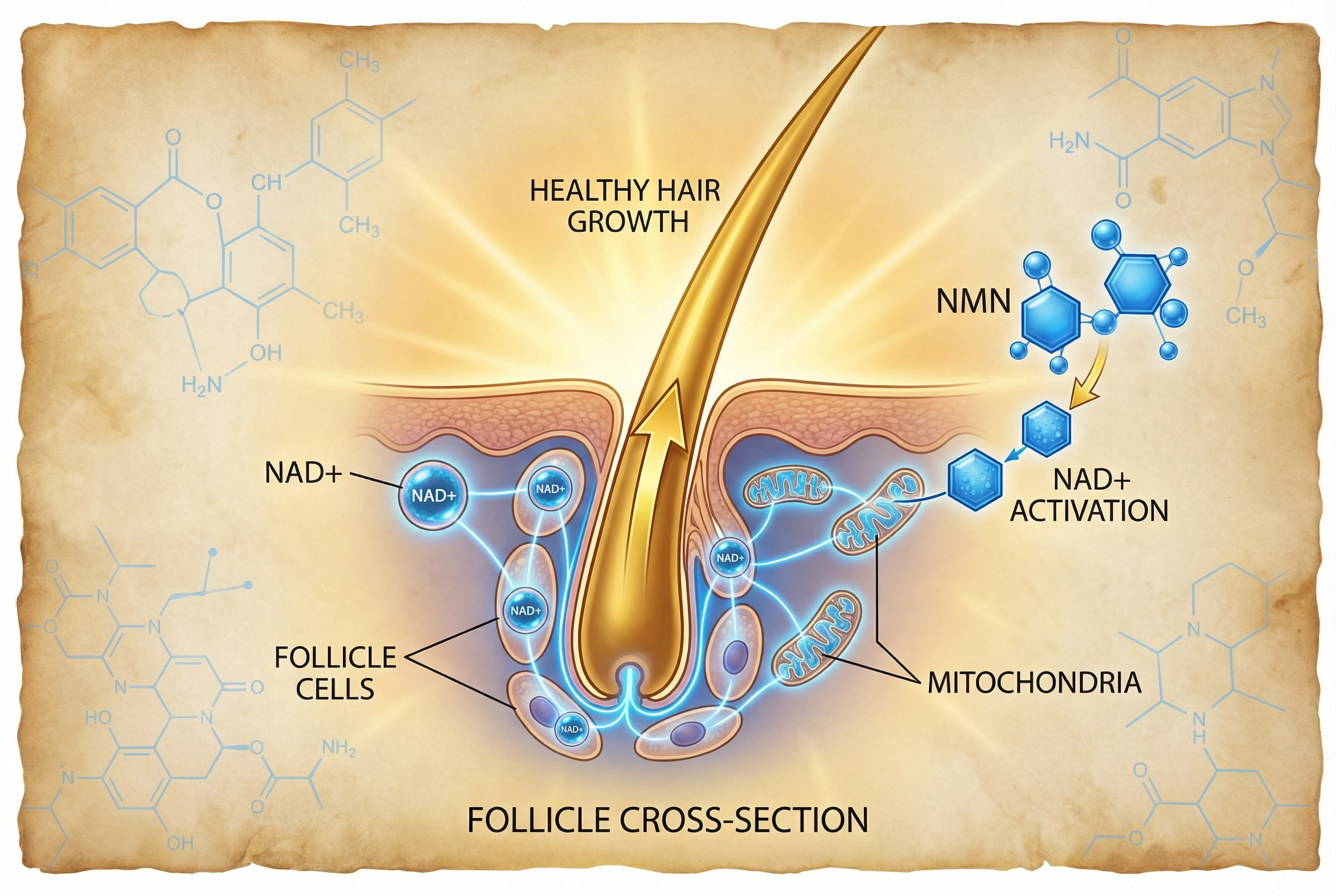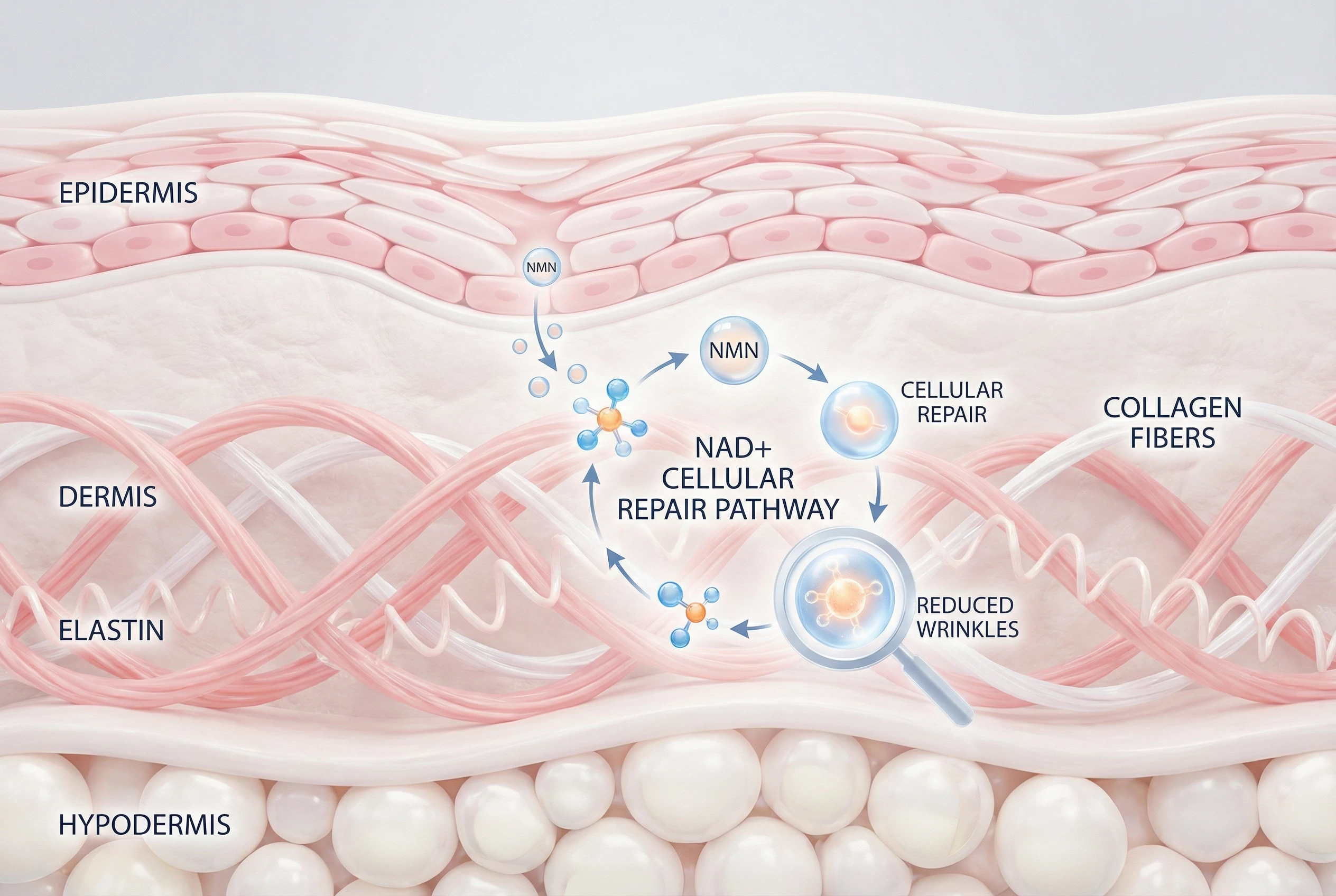

Nicotinamide mononucleotide (NMN) is a precursor to nicotinamide adenine dinucleotide (NAD+), which is essential for cellular functions and energy production.
This guide is for anyone interested in the science behind NMN supplements and their potential effects on skin aging. With the rise of anti-aging supplements, understanding the real science behind NMN is crucial for making informed decisions about skin health. This article explores whether NMN supplementation can help reduce skin aging, specifically targeting wrinkles and skin elasticity.
Quick Summary: Does NMN Reduce Wrinkles and Improve Skin Elasticity?
Animal studies show NMN supplementation can reduce wrinkle formation, improve skin hydration and elasticity, and enhance skin barrier function.
Early human studies indicate oral NMN may improve skin moisture and elasticity, but no large clinical trials have proven wrinkle reduction or elasticity improvement in humans.
NMN supplementation restores hyaluronan synthase expression, which is important for skin hydration.
NMN may enhance the skin’s barrier, helping it retain moisture and defend against environmental pollutants.
Oral NMN administration has demonstrated protective effects against UV-B-induced skin damage in mice, including reduced wrinkle formation and improved skin barrier function.
NMN enhances the systemic antioxidant defense, which is crucial for combating oxidative stress that contributes to skin aging.
Research suggests NMN can reduce melanin production, indicating potential for treating age-related hyperpigmentation.
No large, well-controlled human studies have demonstrated that NMN supplementation reduces wrinkles or improves skin elasticity.
What Are NMN and NAD+? A Skin-Focused Overview
Nicotinamide mononucleotide (NMN) is a vitamin B3-derived molecule found naturally within cells. It is a precursor to nicotinamide adenine dinucleotide (NAD+), which is essential for cellular functions and energy production. NAD+ is a vital coenzyme found in every cell of the body and is crucial for various cellular processes, including the generation of energy, repair of DNA, and the maintenance of the skin’s protective barrier function.
NMN Defined
β-nicotinamide mononucleotide (NMN) is found in trace amounts in foods like edamame, broccoli, cucumber, and cow’s milk.
Dietary sources typically provide quantities too small to meaningfully impact systemic NAD+ levels.
The NMN-to-NAD+ Pathway
NMN serves as a direct precursor to NAD+, meaning your body converts NMN into NAD+ through enzymatic reactions.
NAD+ functions as a central coenzyme in cellular metabolism, switching between its NAD+ and NADH forms to:
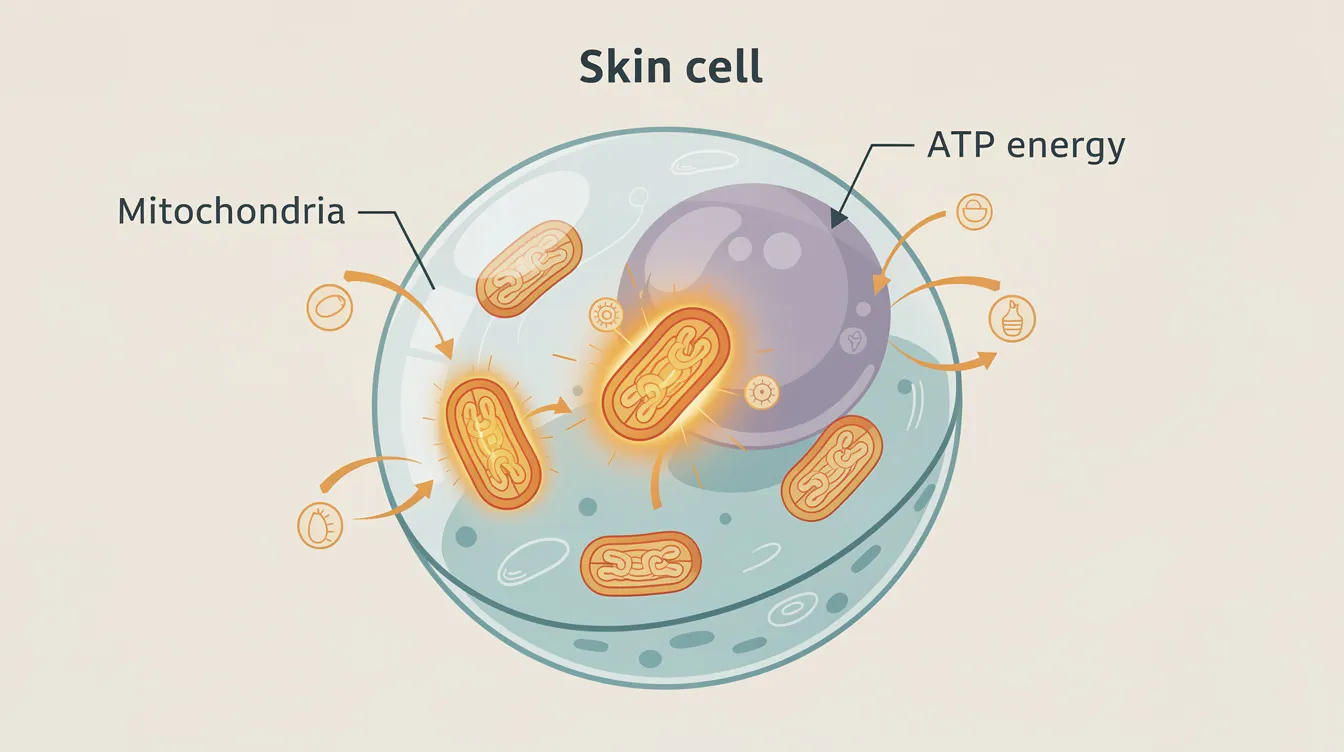
Accept and transfer electrons during energy production in mitochondria
Serve as a substrate for NAD+-consuming enzymes
Support ATP generation through glycolysis and the citric acid cycle
Why NAD+ Matters for Skin
NAD+ plays a key role in cellular repair processes, which can help reduce DNA damage that contributes to wrinkles and discoloration. NAD+ also supports collagen production and skin integrity, which are essential for maintaining youthful skin appearance.
| Function | Skin Relevance |
|---|---|
| ATP production | Powers keratinocytes and fibroblasts to maintain barrier and produce collagen |
| PARP enzyme activity | Enables DNA repair after UV damage |
| Sirtuin regulation | Controls inflammation, barrier function, and extracellular matrix maintenance |
| Mitochondrial function | Supports overall cellular health and resilience |
| Additionally, NAD+ supports collagen production and skin integrity, both of which are essential for maintaining a youthful skin appearance. |
The Decline Problem
Research suggests NAD+ levels decrease substantially with chronological age—some studies indicate declines exceeding 50% in certain tissues by late adulthood.
In skin specifically, chronic UV exposure further depletes cutaneous NAD+ levels, impairing the skin’s intrinsic DNA repair capacity and contributing to photoaging.
NAD+ depletion is also linked to various age-related diseases, including Alzheimer’s disease.
Other NAD+ Precursors
NMN isn’t the only route to boosting NAD+. Alternatives include:
Nicotinamide riboside (NR)
Niacin and niacinamide (vitamin B3 forms)
The tryptophan pathway
NAD+ itself is a large molecule and cannot be effectively absorbed when taken orally, which is why precursors like NMN and NR are used to stimulate the body’s own NAD+ production.
Niacinamide, in particular, has a more established track record in topical products for improving barrier function and reducing fine lines, though it works through somewhat different mechanisms than systemic NMN.
Regulatory Uncertainty
In 2022, the U.S. FDA began treating NMN as a potential drug rather than a dietary supplement following an investigational new drug application.
This classification shift created significant uncertainty around the legal status of NMN supplements in the United States.
Trade associations challenged this position in 2024, and ongoing discussions mean the regulatory landscape may continue evolving.
Now that we understand the basics of NMN and NAD+, let’s explore how skin ages and where NMN might fit in.
NMN for Skin Aging: Quick Answer
Nicotinamide mononucleotide (NMN) is a naturally occurring compound that acts as a direct precursor to nicotinamide adenine dinucleotide (NAD+), a vital coenzyme found in every cell of the body. NAD+ is crucial for various cellular processes, including the generation of energy, repair of DNA, and the maintenance of the skin’s protective barrier function.
Here’s the straightforward answer to whether NMN supplements can reduce wrinkles and improve skin elasticity: current evidence does not prove that oral NMN supplementation produces these cosmetic benefits in humans. While animal models and laboratory research suggests plausible mechanisms, no large, well-controlled clinical trials have demonstrated wrinkle reduction or elasticity improvement in people taking NMN.
What does the preclinical research show? A 2025 study using a UV-B photoaging mouse model found that oral NMN (at doses of 100-300 mg/kg daily) led to lower wrinkle depth, better skin hydration, and improved elasticity compared to UV-exposed mice receiving no treatment. The NMN-treated mice also showed reduced transepidermal water loss and more normalized epidermis thickness. These are promising findings at the animal level, but mouse skin differs substantially from human skin in structure, thickness, and aging mechanisms.
Another 2025 study demonstrated that NMN-loaded small extracellular vesicles could counteract visible signs of skin wrinkling and thinning in a chemically-induced aging mouse model. Treated mice showed skin that was “almost indistinguishable from typical mice without induced aging.”
These preclinical models highlight the protective effects of NMN, such as reduced inflammation, improved barrier function, and mitigation of UV-B-induced skin damage.
Important context: These doses used in mice (100-300 mg/kg) would translate to approximately 6.5-19.5 grams daily in a 65-kg human—far exceeding typical supplement doses of 250-500 mg/day. The delivery methods and duration of these studies also differ from how consumers would use NMN products. Oral supplementation is considered safer and more convenient compared to intravenous administration.
NMN should not be viewed as a replacement for established skin-aging strategies like daily photoprotection, retinoids, and lifestyle optimization. Instead, consider it an experimental area of research with theoretical appeal but unproven cosmetic outcomes in humans.
Disclaimer: Nothing in this article constitutes medical advice or guarantees cosmetic benefit. Consult a board certified dermatologist or healthcare provider before starting any supplement regimen.
Trials have shown that oral NMN is generally safe and effectively boosts blood NAD+ levels, explains Dr. Dinetz. Potential side effects may include abdominal pain, diarrhea, gas, and upper respiratory issues, notes Dr. Dinetz.
As we move forward, let’s take a closer look at how skin ages and where NMN might fit into the picture.
How Skin Ages: Where Might NMN Fit In?
The aging process in skin results from a combination of intrinsic factors—genetics, hormonal shifts, and chronological age—and extrinsic factors including UV rays, environmental pollution, smoking, sleep disruption, and nutritional deficiencies.
Visible Changes of Aging Skin
The signs most people notice include:
Fine lines and deeper wrinkles
Loss of elasticity and firmness
Dryness and compromised barrier function
Uneven pigmentation and age spots
Skin thinning and increased fragility
Dull texture and roughness
Biological Mechanisms Behind These Changes
Several interconnected processes drive these visible signs:
Collagen and Elastin Breakdown: Collagen production and elastin production decline with age due to reduced fibroblast activity. Simultaneously, matrix metalloproteinases (MMPs)—enzymes that break down the extracellular matrix—become more active.
Oxidative Stress Accumulation: Repeated UV exposure and normal metabolic activity generate free radicals that overwhelm antioxidant defenses, causing direct damage to proteins, lipids, and DNA.
Chronic Low-Grade Inflammation: “Inflammaging” develops partly from senescent cells that accumulate and secrete pro-inflammatory cytokines, contributing to tissue degradation.
DNA Repair Decline: The efficiency of repairing UV-induced DNA damage decreases, allowing damage to persist and trigger mutations or cell death.
Barrier Lipid Loss: Ceramides, cholesterol, and fatty acids decline, reducing barrier integrity and increasing transepidermal water loss.
Where NAD+ Enters the Picture
NAD+ depletion could theoretically worsen each of these processes:
Reduced ATP production impairs fibroblasts’ ability to synthesize new collagen
Diminished PARP activity reduces DNA repair efficiency after UV exposure
Impaired sirtuin activity lessens the ability to suppress pro-inflammatory signaling
Reduced antioxidant enzyme activity allows oxidative stress to accumulate
Conversely, raising NAD+ through NMN supplementation might theoretically amplify these protective pathways. However, this remains a hypothesis rather than a proven mechanism in human skin. The complexity of interconnected aging pathways—mitochondrial dysfunction, epigenetic alterations, telomere shortening, cellular senescence—means a single intervention targeting one pathway may have limited overall impact.
Now that we’ve covered how skin ages and the potential role of NAD+, let’s examine the importance of DNA repair in skin health.
The Role of DNA Repair in Skin Health
Why DNA Repair Matters for Skin
DNA repair is a cornerstone of skin health, acting as the body’s internal defense system against the daily assault of environmental stressors like UV rays, pollution, and toxins. Every time your skin is exposed to sunlight or environmental pollutants, skin cells can accumulate DNA damage. If left unrepaired, this damage can lead to mutations, accelerate skin aging, and even increase the risk of skin cancer.
As we age, the efficiency of our natural DNA repair mechanisms declines. This means that skin cells become less capable of fixing the DNA damage caused by UV rays and other stressors, resulting in more pronounced visible signs of skin aging—such as wrinkles, fine lines, and age spots. The gradual breakdown of these repair systems is a key reason why older skin is more vulnerable to the effects of sun exposure and environmental toxins.
NAD+ and DNA Repair
Nicotinamide adenine dinucleotide (NAD+) is a molecule essential for powering the enzymes responsible for DNA repair. Without adequate NAD+, these repair processes slow down, leaving skin cells more susceptible to damage and aging. This is where NMN supplements (nicotinamide mononucleotide) and related compounds like nicotinamide riboside come into play. By boosting NAD+ levels, NMN supplementation may help support the body’s natural DNA repair capacity, potentially reducing the accumulation of DNA damage in skin cells.
While research is still emerging, the idea is that by enhancing DNA repair, NMN supplements could help minimize the visible signs of skin aging—helping to keep skin looking smoother, healthier, and more resilient. Although more clinical studies are needed, supporting DNA repair at the cellular level remains a promising strategy for maintaining youthful, glowing skin and overall skin health.
With DNA repair in mind, let’s move on to how NMN and other ingredients may enhance the skin barrier and hydration.
Enhancing Skin Barrier Function
The Importance of the Skin Barrier
A healthy skin barrier is fundamental to glowing skin and overall skin health. The skin barrier function refers to the outermost layer of the skin, which acts as a shield to prevent water loss and protect against environmental aggressors like pollutants, bacteria, and irritants. When this barrier is compromised, it can lead to dryness, irritation, inflammation, and a dull complexion.
Hyaluronic Acid and Skin Hydration
Hyaluronic acid is a naturally present molecule within the skin that plays a crucial role in preserving skin hydration and supporting the integrity of the skin’s barrier function. It acts like a sponge, attracting and retaining moisture to keep the skin plump and resilient. Using topical products containing hyaluronic acid or taking oral supplementation can help reinforce the skin’s natural defenses, improve hydration, and promote a smoother, more radiant appearance.
NMN and the Skin Barrier
NMN supplements may also contribute to enhanced skin barrier function by increasing NAD+ levels, which are vital for cellular energy production and optimal cellular function. When skin cells have sufficient energy, they are better equipped to repair and maintain the barrier, respond to inflammation, and recover from daily stressors. By supporting both the structural and functional aspects of the skin barrier, NMN supplementation—alongside proven ingredients like hyaluronic acid—may help reduce inflammation, boost skin hydration, and promote healthy, glowing skin.
Incorporating both topical and oral approaches, along with lifestyle habits like gentle cleansing and sun protection, can further strengthen the skin barrier and support long-term skin health.
Next, let’s review what the current science says about NMN, NAD+, and their effects on skin aging.
What the Science Says: NMN, NAD+ and Skin Aging
Most data linking NMN and NAD+ to skin aging originate from preclinical work—cell culture and animal models—with only a handful of early-stage human studies. Critically, none of those human studies have focused on cosmetic skin endpoints like wrinkles or elasticity.
The following sections examine the evidence pyramid, clearly distinguishing between what has been shown in laboratory settings versus what has been demonstrated in human populations.
Preclinical Evidence: NMN and NAD+ in Skin Models
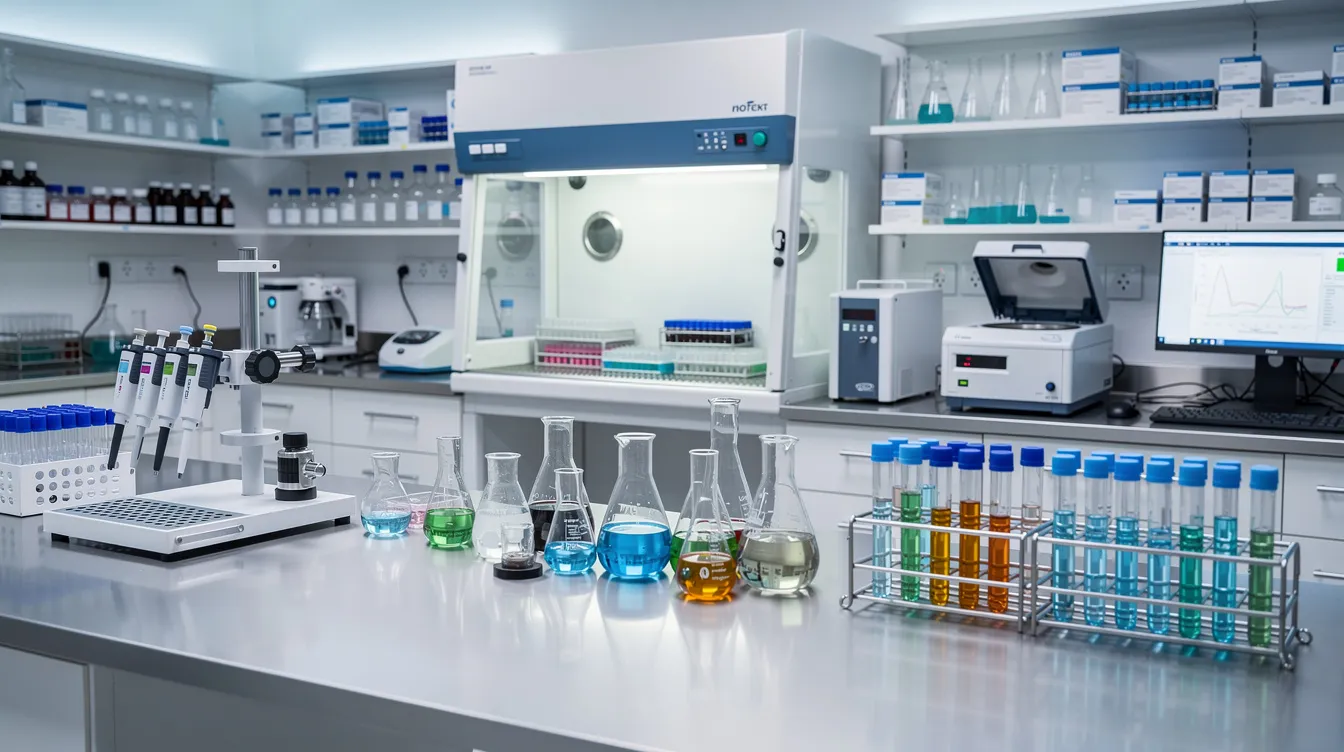
The most detailed recent research on NMN and skin aging comes from animal studies using established photoaging models.
2025 UV-B Mouse Photoaging Study
A study using SKH-1 hairless mice (a validated model for UV-induced aging) examined NMN’s effects on chronically UV-exposed skin:
Subjects: 7-week-old female mice
UV Exposure: 10 weeks of chronic UV-B exposure, escalating from 50 mJ/cm² to 140 mJ/cm² (cumulative dose: 1760 mJ/cm²)
Groups: Control (no UV), UV-B only, UV-B + oral NMN 100 mg/kg/day, UV-B + oral NMN 300 mg/kg/day, UV-B + collagen 300 mg/kg/day
Key Outcomes in NMN-Treated Mice:
| Measure | Result vs. UV-Only Group |
|---|---|
| Wrinkle depth and roughness | Significantly lower |
| Skin hydration | Partially restored |
| Transepidermal water loss | Reduced |
| Skin elasticity | Improved |
| Epidermis thickness | Normalized |
| Collagen fiber density | Better preserved |
| Mechanistic Findings: |
NMN treatment suppressed MAPK signaling (ERK, JNK, p38 phosphorylation), which typically elevates in UV-exposed skin and drives inflammation and matrix degradation.
Pro-inflammatory cytokines TNF-α and IL-6 were reduced, and MMP-1 (a key collagen-degrading enzyme) was downregulated.
Notably, hyaluronan synthases (HAS-1 and HAS-2) were upregulated, suggesting enhanced production of hyaluronic acid—a humectant critical for skin hydration.
Systemic antioxidant enzyme activity (superoxide dismutase) was also restored.
NMN-Loaded Extracellular Vesicle Study
A separate 2025 study demonstrated that small extracellular vesicles loaded with NMN counteracted skin wrinkling and thinning in a chemically-induced aging model. The combination approach was superior to either NMN alone or vesicles alone, suggesting delivery method matters significantly for efficacy.
Critical Limitations for Human Translation
Mouse skin (60-100 micrometers) differs substantially from human skin (1.5-4 mm)
Doses of 100-300 mg/kg in mice translate to 6.5-19.5 grams daily in humans
Study durations (weeks to months) are shorter than decades of human aging
Induced aging models don’t perfectly replicate natural human skin aging
Human Data on NMN: Mostly Systemic, Not Skin-Specific
As of early 2026, human NMN clinical trials have largely prioritized metabolic, vascular, and physical performance outcomes rather than skin appearance. This represents a significant gap in the evidence.
Published Human Trials
A 2021-2022 trial in postmenopausal women with prediabetes administered 250 mg/day of NMN for approximately 10-12 weeks. The primary outcome—insulin sensitivity—improved significantly. No skin-specific endpoints were measured or reported.
A 2022 study in older adults examined NMN’s effects on muscle responsiveness and daytime drowsiness (related to circadian rhythm), with positive findings on both measures. Again, dermatological outcomes were not assessed.
Safety and Tolerability
Multiple small safety and pharmacokinetic studies report that NMN doses ranging from 250 mg/day to roughly 900-1200 mg/day are generally safe and well tolerated over weeks to a few months.
Reported side effects have been mild: nausea, gas, diarrhea, headaches, and flushing in some participants.
Research in humans has shown that doses of up to 1,200 mg daily are safe to consume, notes Dr. Dinetz, who emphasizes that these findings are based on current clinical experience and published studies.
However, long-term safety data tracking NMN use over years remains sparse, and data for specific populations (cancer history, autoimmune conditions, pregnancy) are essentially absent.
The Bottom Line
Any claim that oral NMN “clinically reduces wrinkles in humans” would be speculative. More research with double blind, placebo-controlled designs measuring dermatological endpoints is needed before cosmetic claims can be supported.
Evidence on NAD+ and Skin More Broadly
Research on NAD+ pathways in skin—even when not involving NMN specifically—provides context for understanding the mechanistic rationale.
UV and NAD+ Depletion
Studies document that UV exposure depletes NAD+ levels in skin tissue, impairing DNA repair capacity.
This establishes a mechanistic link between a known aging factor and NAD+ availability, providing rationale for NAD+ replenishment strategies.
Topical NAD+ Precursors
Niacinamide (a simpler NAD+ precursor) has a longer history of clinical use in topical formulations.
Multiple controlled trials show topical niacinamide improves barrier function, reduces sebum production, diminishes fine lines, and reduces uneven pigmentation.
This suggests boosting NAD+ in skin cells can produce cosmetic benefits—but via topical application allowing high local concentrations, not systemic oral supplementation.
Sirtuin and PARP Research
SIRT1 regulates collagen stability and suppresses inflammatory pathways
SIRT3 enhances mitochondrial antioxidant defenses
PARP enzymes require NAD+ to repair UV-induced DNA damage
When NAD+ is depleted, these protective mechanisms become less efficient.
What We Know vs. What’s Proven
| Mechanistic Understanding | Human Skin Appearance Evidence |
|---|---|
| NAD+ declines with age | Confirmed in tissue studies |
| NAD+ supports DNA repair enzymes | Confirmed in cell/animal models |
| NMN raises NAD+ in mice | Confirmed |
| NMN reduces wrinkles | Mouse models only |
| Oral NMN improves human skin | No robust evidence |
| With the scientific evidence in mind, let’s look at the potential skin-related benefits of NMN and what is plausible versus what is proven. |
Potential Skin-Related Benefits: What’s Plausible vs. Proven?
Understanding what NMN might theoretically offer—versus what has actual support—helps set realistic expectations. Here’s a breakdown of potential benefits and their evidence strength.
Wrinkle Depth and Fine Lines
Evidence status: Preclinical evidence only
Wrinkles result from collagen loss, cross-linking of remaining collagen, and loss of dermal volume.
NMN-driven NAD+ elevation could theoretically reduce wrinkles by restoring fibroblast energy status, suppressing MMP activity, and enabling sirtuins to regulate collagen-related genes.
The 2025 mouse study showed measurable reduction in wrinkle depth with oral NMN.
However, human wrinkles involve decades of accumulated damage, facial expressions, genetics, and lifestyle factors not controlled in animal studies.
No large human trial has measured NMN’s effect on wrinkle depth.
Elasticity and Firmness
Evidence status: Preclinical evidence only
Elastin degradation contributes substantially to age-related loss of elasticity.
NAD+ may support elasticity through restoring fibroblast mitochondrial function and suppressing elastase activity.
While animal studies showed improved elasticity in NMN-treated groups, human skin elasticity assessment requires sophisticated instruments and controlled conditions not yet applied to NMN supplementation studies.
Hydration and Barrier Function
Evidence status: Preclinical evidence suggesting mechanism; indirect human support via related compounds
The mouse studies showed NMN improved skin hydration and reduced transepidermal water loss, coinciding with upregulation of hyaluronan synthases.
This suggests enhanced production of hyaluronic acid, critical for maintaining glowing skin and barrier integrity.
Niacinamide (a related NAD+ precursor) has human evidence for barrier improvement when applied topically.
Whether oral administration of NMN would produce comparable hydration benefits in humans remains unknown.
Pigmentation and Photoaging
Evidence status: Theoretical mechanism only
If NMN improves DNA repair and reduces oxidative stress, it could theoretically blunt UV-induced pigmentation changes.
Some evidence suggests NAD+-dependent sirtuins may influence melanin production.
However, no studies—even in animals—have specifically measured NMN’s effects on age spots or uneven pigmentation.
Important Questions to Consider
Biology rarely operates on simple “more is better” principles. Does chronically elevating NAD+ levels have context-dependent effects? Some researchers have theorized that excessive NAD+ availability might, in principle, support rapidly dividing cells. This concern remains speculative but underscores why careful, long-term clinical monitoring is warranted before assuming universal benefit.

Now that we’ve explored the potential benefits, let’s discuss safety, side effects, and regulatory questions around NMN.
Safety, Side Effects, and Regulatory Questions Around NMN
This section is informational only and not a substitute for personalized medical advice. Consult a dermatologist or clinician before taking NMN, especially if you have chronic conditions or take multiple medications.
Short-Term Safety Profile
Human clinical trials administering NMN at 250-900 mg/day over 8-12 weeks generally report good tolerability. The most commonly reported side effects have been mild and transient:
Mild gastrointestinal upset (nausea, gas, diarrhea)
Headaches
Flushing
No serious adverse events have been reported in early-stage trials. However, these trials are designed to assess safety at specific doses over limited timeframes—they cannot detect rare or delayed adverse events that might emerge with large-scale, long-term use.
Critical Uncertainties
| Gap Area | What We Don’t Know |
|---|---|
| Long-term use | Effects of NMN over years |
| Cancer history | Safety in cancer survivors |
| Autoimmune disease | Potential immune interactions |
| Pregnancy/breastfeeding | Fetal or infant effects |
| High doses | Effects above studied ranges |
| Drug interactions | Interactions with common medications |
Theoretical Concerns
Some researchers have raised theoretical concerns that excessive NAD+ elevation might support rapid cell division in specific contexts—including potentially abnormal cells. This concern is discussed in scientific literature but has not been observed clinically. Many NAD+-dependent pathways (sirtuins, PARP) actually have tumor-suppressive functions. Nevertheless, individuals with cancer history should discuss NMN with their oncologist.
Regulatory Landscape
The FDA’s 2022 move to classify NMN as a drug candidate rather than a dietary supplement creates practical uncertainty:
NMN cannot legally be marketed as a dietary supplement in the U.S.
Trade associations challenged this position in 2024
Legal proceedings continue, meaning availability and oversight may shift
Product quality, purity, and standardization vary significantly
Practical Considerations
Because NMN supplements lack globally harmonized quality standards, consumers face potential risks from:
Variable product purity
Possible adulteration or mislabeling
Uncertain actual NMN content
Potential contaminants (heavy metals, microbes)
Guidance for Those Considering NMN
If you’re interested in NMN for skin or general health, consider the following steps:
Discuss with a qualified healthcare provider first.
Review your health history, especially cancer, autoimmune conditions, and current medications.
Start with lower doses if approved by your provider.
Monitor for both benefits and side effects.
Don’t self-escalate doses based on online anecdotes.
Choose products from reputable manufacturers with third-party testing.
With safety and regulatory issues in mind, let’s look at realistic ways to support NAD+ and skin health.
Realistic Ways to Support NAD+ and Skin Health
Even without NMN, several established strategies support both NAD+ metabolism and skin aging with more evidence behind them.
Lifestyle Factors That Influence NAD+ and Cellular Health
Exercise: Regular moderate-to-vigorous activity (at least 150 minutes per week of aerobic exercise plus resistance training) improves mitochondrial function and NAD+ recycling. Exercise increases mitochondrial biogenesis, enhances NAD+ metabolism, improves skin blood flow, and reduces systemic inflammation.
Sleep Quality: Adequate sleep (7-9 hours nightly) is essential for cellular function and repair. During sleep, circadian rhythm-regulated processes include DNA repair and tissue regeneration. Sleep deprivation impairs NAD+ metabolism and accelerates aging markers.
Nutrient-Dense Diet: Your diet provides building blocks for NAD+ synthesis:
Vitamin B3 sources: whole grains, poultry, fish, legumes, nuts, seeds
Polyphenol-rich foods: berries, leafy greens, tea, coffee, dark chocolate
Adequate protein: supports collagen and elastin synthesis
Omega-3 fatty acids: support barrier function and reduce inflammation
Photoprotection as the Cornerstone
Daily broad-spectrum sunscreen (SPF 30+), protective clothing, and seeking shade during peak UV hours remains the gold standard for preventing skin aging. UV avoidance preserves native NAD+ and minimizes DNA damage, potentially reducing the theoretical “need” for aggressive NAD+ boosting. Consistent photoprotection over decades substantially slows visible skin aging compared to unprotected skin—with more proven efficacy than any NMN approach.
Evidence-Based Topical Ingredients
Several topical products have stronger clinical evidence for skin aging than oral NMN:
| Ingredient | Benefits | Evidence Level |
|---|---|---|
| Retinoids (tretinoin, retinol) | Collagen treatments, wrinkle reduction | Decades of clinical data |
| Niacinamide | Barrier support, fine lines, texture | Multiple controlled trials |
| Vitamin C | Antioxidant, brightening | Moderate clinical evidence |
| Vitamin E + Ferulic Acid | Stabilizes vitamin C, antioxidant | Supporting evidence |
| Collagen treatments including aesthetic procedures like microneedling and laser resurfacing have established evidence for wrinkle reduction and skin tightening—with more proven efficacy for visible changes than oral NMN. |
Practical Tips for Skin Longevity
Apply sunscreen as the final skincare step each morning
Introduce active ingredients gradually to minimize irritation
Patch test new products before full-face application
Layer antioxidant serums before moisturizer and sunscreen
Prioritize consistent sleep and stress management
Ensure adequate protein intake (0.8-1.0 g per kg body weight)
Limit smoking and excess alcohol, which accelerate skin aging
Consider emerging ingredients like NMN only after optimizing these evidence-backed approaches, and discuss any experimentation with a healthcare provider.
With these practical strategies in mind, let’s look ahead to future research directions for NMN and skin health.
Future Research Directions
While the science behind NMN supplements and skin health is promising, there is still much to learn. Future research will need to address several important questions to fully understand the potential benefits and risks of NMN supplementation for skin aging.
One key area for future studies is determining the optimal dosage and duration of NMN supplementation to support skin health. Researchers will also need to explore whether combining NMN with other supplements or topical products—such as hyaluronic acid or vitamin C—can enhance results. Understanding the potential risks, especially at high doses or with long-term use, is equally important, as current safety data is limited.
Animal models and well-designed human clinical trials will be essential for clarifying how NMN affects skin at the cellular level, including its impact on DNA repair, mitochondrial function, and collagen production. These studies will help determine whether NMN supplementation can truly reduce the visible signs of skin aging, such as wrinkles and loss of elasticity, and whether it can play a role in preventing age-related diseases of the skin.
As research progresses, scientists will also investigate the mechanisms by which NMN influences skin health, aiming to develop more effective and targeted treatments for skin aging. By continuing to study both the potential benefits and risks of NMN supplements, the field may uncover new strategies for promoting healthy, youthful skin and combating the effects of aging. For now, more research is needed before NMN can be considered a proven solution for skin rejuvenation.
As we await more research, let’s summarize what we know and what remains uncertain about NMN for skin aging.
Should You Consider NMN for Your Skin? A Balanced Perspective
Let’s summarize what we’ve covered about NMN for skin aging:
What the Evidence Supports
Mechanistic and animal data suggest NMN-driven NAD+ boosting could support skin barrier function, hydration, and resilience to UV-induced damage
Mouse studies show reduced wrinkles, improved elasticity, and better collagen preservation with oral NMN
NAD+ decline with age is well-documented and theoretically relevant to multiple aging pathways
What Remains Unproven
No large, well-controlled human studies demonstrate that NMN supplementation reduces wrinkles or improves skin elasticity
Doses and delivery methods from promising findings in animal models don’t translate directly to consumer supplements
Long-term safety data for chronic NMN use are essentially absent
Framing NMN Realistically
Consider NMN as an experimental tool for systemic health first, with any cosmetic skin benefits as unproven and secondary at this time. The most honest position acknowledges theoretical appeal while recognizing the substantial gap between laboratory research and clinical proof.
Questions to Discuss with Your Dermatologist
If you’re considering NMN, reflect on:
What are my main skin concerns, and have I fully optimized proven options first?
Do I have medical conditions or take medications that might make NAD+ modulation risky?
Am I willing to commit to long-term use and monitoring without guaranteed cosmetic results?
How would we track both potential benefits and adverse effects over time?
Where would I source NMN, and how can I verify product quality?
The “More Is Not Always Better” Principle
Complex biological pathways like NAD+ can have context-dependent effects. Chronic high-dose NAD+ elevation might theoretically have consequences we don’t yet understand. This isn’t an argument against cautious experimentation—it’s an argument for medical supervision and realistic expectations.
Following Emerging Research
Readers interested in this area should follow updates from dermatology journals, geroscience research, and regulatory bodies. Well-controlled 2025+ trials examining NMN’s effects specifically on skin aging endpoints may eventually clarify NMN’s true role. Until such evidence emerges, responsible skepticism remains warranted.
NMN and NAD+ biology may eventually inform new generations of skin therapeutics or nutraceuticals. That future, however, is not yet here. For today, the evidence-based path forward combines consistent photoprotection, lifestyle optimization, and proven skincare ingredients—with openness to emerging research as it develops. Your skin’s long-term health depends less on chasing the next molecule and more on the fundamentals applied consistently over time.
Further Reading
Explore more articles related to this topic: