
If you’re in your 40s and navigating the unpredictable terrain of perimenopause, you’ve likely heard whispers about NMN supplementation as a potential ally. But what does the science actually say? This guide breaks down the current research, separates hype from evidence, and helps you decide whether NMN deserves a place in your perimenopause toolkit.
Introduction to NMN Supplementation
In recent years, NMN supplementation has emerged as a promising solution for women seeking to support their metabolic health, energy production, and overall vitality—especially during the challenging transition of perimenopause. NMN, or nicotinamide mononucleotide, is a derivative of vitamin B3 and a direct precursor to nicotinamide adenine dinucleotide (NAD+), which is vital for cellular energy production and metabolic regulation. As we age, NAD+ levels naturally decline, which can contribute to symptoms like fatigue, menopause related weight gain, mood swings, and other menopausal symptoms that many women experience.
Human clinical trials have shown that NMN supplementation can help improve insulin sensitivity, reduce insulin resistance, and enhance metabolic health. These metabolic benefits are particularly relevant for women navigating hormonal shifts, as maintaining stable blood sugar and supporting muscle health become increasingly important. NMN supplements—often available as capsules or sublingual NMN for rapid absorption—are designed to boost NAD+ levels, supporting cell metabolism and metabolic regulation at a foundational level.
Many women are drawn to NMN not only for its anti aging benefits but also for its potential to ease emotional symptoms and promote hormonal balance. While animal models have provided encouraging data, current research in humans continues to expand, with studies indicating that NMN is generally safe and well-tolerated as a dietary supplement. Reported NMN side effects are typically mild, such as digestive discomfort or headaches, and are more likely at higher doses. As with any supplement, it’s wise to start with a lower dose and consult a healthcare professional—especially if you have underlying health conditions or are taking other medications.
To maximize the benefits of NMN supplementation, it’s essential to combine NMN with a healthy lifestyle. Regular exercise, a balanced diet rich in whole foods, and effective stress management can all amplify the positive effects of NMN on energy, metabolism, and overall vitality. NMN can be taken on an empty stomach, and some individuals may find higher doses more effective, but always follow recommended guidelines and professional advice.
NMN is often compared to other NAD+ precursors like nicotinamide riboside and vitamin B3 (niacin). While all support NAD+ production, NMN has shown particular promise in recent years for its efficiency and bioavailability. As research continues, NMN is gaining attention as a leading option for those seeking to regulate aging, support cognitive function, and address menopause related weight gain and other symptoms.
In summary, NMN supplementation offers a science-backed, holistic approach to supporting metabolic health, energy production, and resilience during perimenopause and beyond. By staying informed about current research and integrating NMN into a broader wellness routine, women can take proactive steps toward improved health and well-being at any age.
Understanding NMN and Its Mechanism
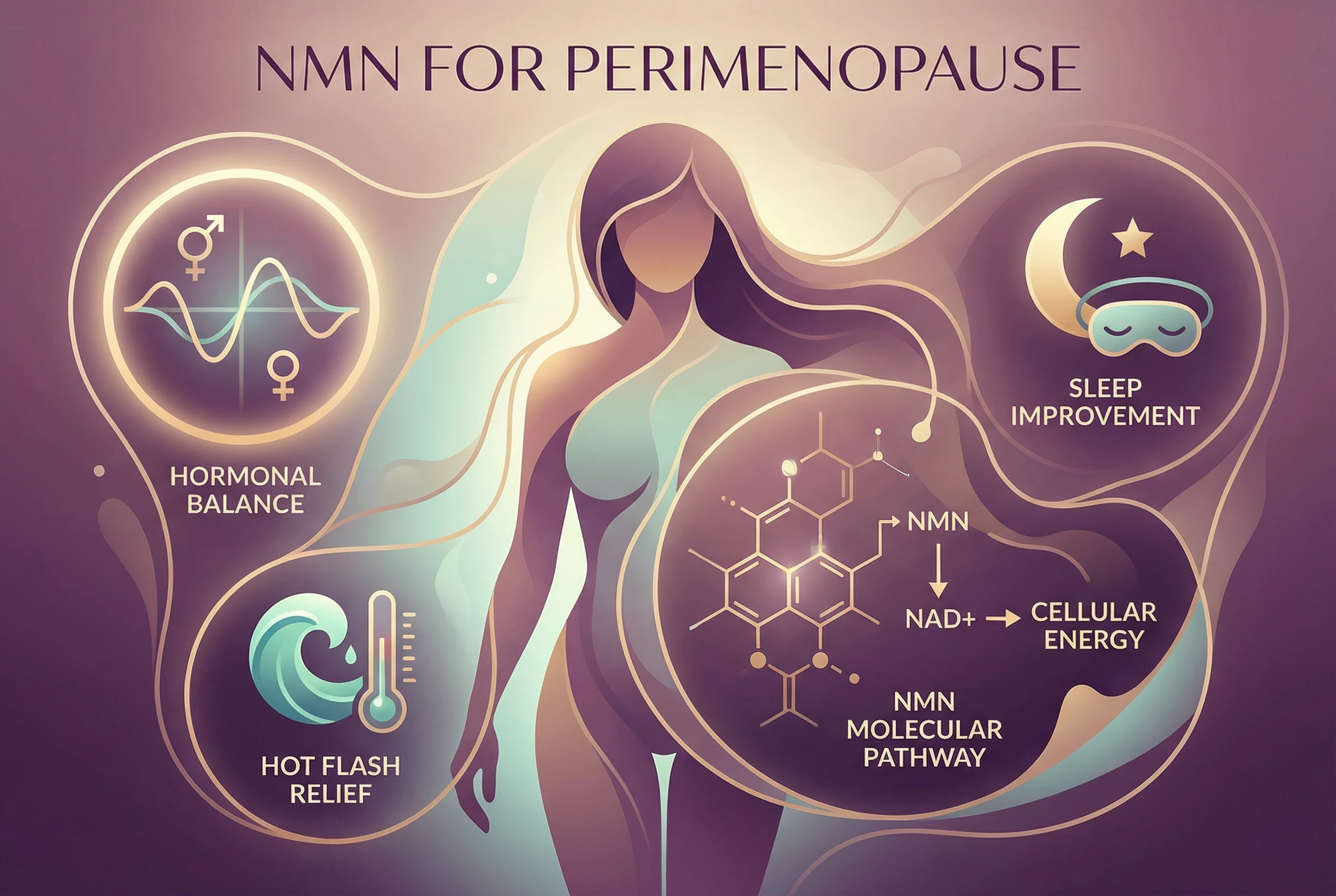
NMN (Nicotinamide Mononucleotide) is a powerful derivative of vitamin B3 (niacin) that plays a pivotal role in supporting women’s health, especially during the transition into perimenopause and menopause. As a direct precursor to nicotinamide adenine dinucleotide (NAD+), NMN is essential for fueling cell metabolism, driving energy production, and enabling critical processes like DNA repair and metabolic regulation. These functions are especially important as women experience hormonal shifts, such as declining estrogen, which can trigger menopausal symptoms like hot flashes, mood swings, and menopause related weight gain.
With age, NAD+ levels naturally decline, which can contribute to fatigue, reduced metabolic health, and increased vulnerability to weight gain and other menopausal symptoms. NMN supplementation has gained attention for its ability to boost NAD+ levels, thereby supporting cellular repair, mitochondrial function, and overall vitality. By enhancing insulin sensitivity and promoting metabolic benefits, NMN supplements may help counteract some of the metabolic changes that occur during menopause, such as increased cholesterol, blood pressure, and insulin resistance.
Human clinical trials and current research have shown that NMN supplementation is generally safe and can offer a range of benefits, including improved energy, reduced fatigue, and enhanced cognitive function. For postmenopausal women, NMN has also been linked to better hormonal balance and muscle health, making it a promising dietary supplement for those seeking to regulate aging and maintain metabolic health.
To get the most out of NMN supplementation, it’s important to combine NMN with a healthy lifestyle. Regular exercise, a balanced diet rich in whole foods, and effective stress management can amplify the positive effects of NMN on metabolism, hormonal balance, and overall well-being. NMN is available in several forms, including NMN capsules and sublingual NMN, both of which can be taken on an empty stomach for optimal absorption. Starting with a lower dose and gradually increasing as needed can help minimize NMN side effects, which are typically mild and may include digestive discomfort or headaches.
As research continues to evolve, NMN nicotinamide mononucleotide stands out as a beneficial supplement for women looking to address menopausal symptoms, support metabolic regulation, and promote anti aging benefits. By understanding how NMN works at the cellular level and integrating it into a holistic approach that includes regular exercise and stress management, women can take proactive steps to manage menopause symptoms and enhance their overall vitality. Always consult with a healthcare professional before starting NMN, especially if you have underlying health conditions or are taking other medications, to ensure it’s the right fit for your individual needs.
Quick Answer: Can NMN Help with Perimenopause Symptoms?
NMN nicotinamide mononucleotide is a vitamin B3-derived compound that raises NAD levels in the body. NAD, or nicotinamide adenine dinucleotide, is a coenzyme essential for energy production, cellular repair, and DNA repair—processes that decline with age and may intersect with perimenopause symptoms like hot flashes, poor sleep, and mood swings.
Here’s what you need to know upfront:
Human clinical trials specifically in perimenopausal women are still limited; most data come from postmenopausal women, older adults, and animal models
Early research suggests NMN may support metabolism, cellular energy, and mitochondrial function, which could indirectly influence fatigue and sleep quality
NMN is generally well tolerated in short trials up to approximately 1,250 mg/day, but long-term safety data beyond 6-12 months is lacking
Women using HRT, SSRIs, or other long-term medications should consult a healthcare professional before starting
NMN is not a treatment or cure for menopausal symptoms—it’s best understood as a promising supplement being actively researched
Perimenopause 101: What’s Happening in Your Body?
Perimenopause is the transitional phase before menopause, typically beginning in the early-to-mid 40s (sometimes as early as the late 30s) and lasting 4-8 years. Unlike menopause itself, perimenopause involves fluctuating—not just declining—hormones.
For men interested in hormonal effects, our guide on NMN’s effects on testosterone and hormones covers the science in detail.
During this phase, estrogen surges and dips unpredictably while progesterone gradually falls. Ovulatory cycles become intermittent. These hormonal shifts trigger the classic constellation of symptoms: hot flashes and night sweats, irregular or heavier periods, new or worsening PMS, anxiety or low mood, brain fog, sleep fragmentation, and weight gain around the abdomen.
Many women in this life stage are also managing careers, young children, aging parents, and multiple responsibilities—making functional resilience a priority, not a luxury.

What makes perimenopause particularly relevant to NMN research is that these hormonal changes intersect with cellular aging processes: declining mitochondrial function, reduced DNA repair efficiency, and rising inflammation—all pathways where NAD plays a critical role.
NMN and NAD+: The Cellular Energy System Behind the Hype
NMN is a molecule your body naturally produces from vitamin B3 (niacin). It serves as a direct precursor to NAD, present in every cell and essential for:
Converting food into usable energy (ATP) through mitochondria
Activating DNA repair enzymes (PARPs)
Fueling longevity-related proteins called sirtuins that regulate aging, inflammation, and cell metabolism
Research suggests NAD levels decline with age—by roughly 40-50% in some tissues by midlife. Chronic stress, poor sleep, ultra-processed diets, and sedentary lifestyles accelerate this decline.
NMN is one of several NAD precursors (others include nicotinamide riboside and niacin) and exists naturally in trace amounts in foods like broccoli, edamame, and avocado—though at far lower doses than used in NMN supplements.
Small human trials published between 2019-2023 have shown oral NMN can raise blood NAD levels and influence metabolic markers, though large, long-term trials remain lacking.
How NMN Might Interact with Perimenopause: Current Science
As of 2026, very few studies have enrolled perimenopausal women specifically. Most relevant data come from animal models and trials in postmenopausal women or older adults.
Key research snapshots:
In aged mice (40 weeks old, roughly equivalent to late reproductive life), 20 weeks of NMN supplementation improved ovarian reserve, estrous cycle regularity, and mitochondrial function in ovarian tissue. These findings suggest NMN may delay markers of reproductive aging—but animal results don’t automatically translate to humans.
In postmenopausal women with prediabetes (average age ~61, BMI ~35), 250 mg/day NMN for 10 weeks improved skeletal muscle insulin sensitivity without significant adverse events. While not directly measuring hot flashes or mood, this trial demonstrates metabolic benefits in midlife women. NMN has also been shown to improve insulin sensitivity, which is important for metabolic health during perimenopause.
Why scientists are curious about NMN for perimenopause:
Mitochondrial support may help combat fatigue
Metabolic flexibility could ease weight gain and blood sugar instability
Metabolic health NMN: NMN may support metabolic functions affected during menopause, such as enhancing insulin sensitivity, glucose metabolism, and fat reduction
Vascular function improvements might modulate hot flash intensity
Brain energy metabolism support could influence cognitive function and mood
During perimenopause, hormonal changes can impact many body systems. NMN does not increase estrogen production directly but improves estrogen receptor sensitivity, enabling the body to use existing hormones more effectively.
No high-quality randomized trials have yet proven NMN directly reduces hot flashes, prevents mood swings, or normalizes cycles during perimenopause. Consider it an adjunct being researched, not a proven therapy.
Managing Hot Flashes and Night Sweats: Where Could NMN Fit In?
Hot flashes and night sweats—collectively called vasomotor symptoms—involve sudden waves of heat, flushing, and sweating, triggered by changes in hypothalamic thermoregulation as estrogen fluctuates.
For more on NMN flushing side effects, see our dedicated guide.
The best-studied approaches remain hormone replacement therapy (HRT) and certain non-hormonal medications (SSRIs/SNRIs, gabapentin, clonidine), along with lifestyle adjustments. NMN is not currently an established treatment.
| Approach | Evidence Strength | Primary Targets |
|---|---|---|
| HRT | Strong | Vasomotor symptoms, bone health |
| Non-hormonal meds | Moderate-Strong | Hot flashes, mood |
| CBT for menopause | Moderate | Coping, sleep |
| Lifestyle changes | Moderate | Overall wellbeing |
| NMN/NAD+ precursors | Emerging/Limited | Cellular energy, metabolism |
| Practical strategies where NMN might serve as an optional add-on: |
Cool bedroom temperature (65-68°F)
Layered, breathable clothing
Limiting alcohol and very spicy foods
Regular exercise (which itself boosts NAD metabolism)
Discussing HRT or non-hormonal options with a clinician
Sleep, Mood, and “Brain Fog” in Perimenopause: Could NMN Help?
Insomnia, 3 a.m. awakenings, irritability, heightened anxiety, and cognitive fog are among the most distressing perimenopause complaints. These connect to both hormonal fluctuations and the cellular energy systems where NAD operates.
NAD-dependent processes influence brain health through mitochondrial function in neurons, DNA repair, and regulation of oxidative stress. Sirtuins like SIRT1—activated by NAD—have been studied in mood and cognition research.
A 12-week NMN trial in adults aged 45-75 found improvements in sleep quality: lower Pittsburgh Sleep Quality Index scores, reduced sleep latency, and increased time in deep sleep. However, participants weren’t selected for perimenopause symptoms, and hot flashes weren’t measured.
Evidence-backed strategies for sleep and mood:
Consistent sleep-wake times
Morning light exposure
Limiting late-night screens and caffeine
Moderate evening alcohol
Regular aerobic plus resistance exercise
CBT-I for persistent insomnia
NMN as one optional, experimental tool—not a substitute for mental health care
Metabolism, Weight, and Blood Sugar During Perimenopause
Many women notice menopause related weight gain, rising fasting glucose, or pronounced energy crashes in their 40s. Changes in estrogen, progesterone, and muscle mass all contribute.
In a 60-day randomized trial of 80 middle-aged adults, NMN doses of 300-900 mg/day significantly increased blood NAD levels. Walking distance improved most at 600-900 mg, and perceived health improved compared to placebo. However, insulin resistance (HOMA-IR) didn’t significantly change. Still, NMN may help improve insulin sensitivity and support overall metabolic health nmn, which is important for regulating blood glucose and managing menopause-related weight gain.
Better insulin sensitivity and mitochondrial function could theoretically help maintain stable energy and body composition—but NMN alone won’t overcome a sedentary lifestyle or chronically high-calorie intake.
Metabolic health strategies with strong evidence:
Resistance training 2-3 times weekly for muscle health
Daily walking and non-exercise movement
Prioritizing protein (20-30g per meal)
Emphasizing fiber-rich whole foods
Limiting ultra-processed snacks and sugary drinks
NMN may also help mitigate bone density loss that typically follows the drop in estrogen levels. Additionally, NMN may improve artery flexibility and reduce oxidative stress, contributing to heart health as estrogen levels decline.
Consider tracking objective markers—fasting glucose, HbA1c, waist circumference, blood pressure—before and after any NMN trial to assess whether it makes a meaningful difference.

Choosing the Right NMN Supplement
Selecting the right NMN supplement is a crucial step in supporting your metabolic health, energy production, and overall wellness during perimenopause. With the growing popularity of NMN supplementation, it’s important to be discerning about product quality and safety. Look for NMN supplements that clearly state “pure NMN” on the label and avoid those with unnecessary fillers or additives. The recommended dosage for most adults typically falls between 200 and 1,200 mg per day, but starting at the lower end is often best, especially if you’re new to NMN.
Prioritize brands that follow Good Manufacturing Practices (GMPs) and offer third-party testing to verify purity and potency. Reputable manufacturers will provide transparent information about their sourcing and quality control. NMN is available in several forms, including capsules, powders, and sublingual tablets—choose the format that best fits your lifestyle and preferences.
Before starting NMN supplementation, especially if you have existing health conditions or take prescription medications, consult with a healthcare professional. This ensures that NMN will be a safe and beneficial addition to your routine. By making an informed choice, you can maximize the potential benefits of NMN for insulin sensitivity, metabolic health, and sustained energy throughout your perimenopausal journey.
Incorporating NMN into Your Wellness Routine
Adding NMN to your daily wellness routine can be both straightforward and impactful. Most people find it convenient to take NMN in the morning, which may help support energy production and set a positive tone for the day. NMN can be taken with or without food, depending on your personal preference and how your body responds.
For best results, combine NMN supplementation with a healthy lifestyle. Regular exercise—such as brisk walking, strength training, or high-intensity interval training (HIIT)—can amplify the benefits of NMN by supporting muscle health, metabolic regulation, and overall vitality. A balanced diet rich in whole foods, lean proteins, and fiber will further enhance your body’s ability to manage menopause related weight gain and maintain hormonal balance.
Don’t overlook the importance of stress management and quality sleep. Practices like meditation, yoga, or mindful breathing can help regulate mood swings and reduce the intensity of menopausal symptoms such as hot flashes. Prioritizing restorative sleep is also key for energy, emotional resilience, and muscle recovery.
By thoughtfully incorporating NMN into your routine—alongside regular exercise, good nutrition, and stress management—you can address common perimenopausal challenges like weight gain, mood swings, and fatigue, supporting your overall vitality and well-being.
Safety, Side Effects, and Regulatory Questions (As of 2026)
Human NMN trials have used doses between 250-1,250 mg/day for 4-12 weeks, generally showing good short-term tolerability.
Reported NMN side effects (typically mild):
Occasional nausea or digestive upset
Headaches
Transient sleep disruption at higher doses
Jitteriness or “wired” feelings
Long-term safety beyond 6-12 months isn’t well characterized. Those with active cancer, advanced liver or kidney disease, or autoimmune health conditions should work closely with healthcare providers.
Evaluating products:
Look for independent third-party testing
Verify clear labeling of ingredients and dosages
Check for transparent manufacturing standards
Avoid products with miraculous marketing claims
Consider sublingual NMN or NMN capsules from reputable sources
Women who are pregnant, trying to conceive, breastfeeding, or on multiple medications should consult a qualified professional before adding NMN or any dietary supplement.
How to Thoughtfully Trial NMN During Perimenopause
This is not medical advice—but here’s a framework to discuss with your healthcare provider if you’re considering when to take NMN:
Preparation:
Clarify your goals (energy, exercise recovery, overall vitality)
Establish baseline metrics: sleep patterns, mood scales, cycle tracking, relevant labs
Choose a defined trial period (8-12 weeks)
For optimal results, NMN should be taken consistently to build up levels in the body.
Starting point:
Research typically uses 250-300 mg/day as a conservative starting dose
Splitting doses (morning and midday) may reduce sleep disturbance
Consider whether to combine NMN with existing lifestyle interventions
Taking NMN on an empty stomach in the morning can enhance its absorption.
Tracking:
Keep a simple journal: bedtime/wake time, night awakenings, hot flash frequency, daily mood, exercise, caffeine/alcohol intake, NMN dose
Note any emotional symptoms or changes in fatigue and cholesterol
Red flags:
Stop and seek medical input if you experience persistent insomnia, palpitations, unusual anxiety, or gastrointestinal distress
Review any combination of NMN with HRT, prescription medications, or other forms of supplements with a clinician
If you notice worsening sleep quality or poor memory, cycling off NMN for one week may restore its effectiveness.
Evidence-Based Lifestyle Foundations for Perimenopause (With or Without NMN)
Regardless of NMN use, certain strategies have strong evidence for easing perimenopause:
Minimum 150 minutes/week moderate aerobic movement plus 2-3 strength sessions
Prioritizing protein and fiber at each meal
Moderating alcohol and eliminating smoking
Consistent sleep hygiene and stress management practices
Mindfulness, breathwork, yoga, or therapy for stress buffering
Current research suggests NAD precursors work best alongside a healthy lifestyle. Exercise in particular appears synergistic with NAD metabolism in muscle—so regular exercise may amplify any benefits from NMN.
A holistic approach treats NMN as one spoke in a larger wheel of movement, nutrition, sleep, and mental health—not the center.
Staying Informed about NMN
As interest in NMN supplementation continues to grow, staying informed about the latest research is essential for making empowered health decisions. Human clinical trials have shown promising results for NMN’s role in improving insulin sensitivity, metabolic health, and energy production, but ongoing studies are still exploring its full impact on menopausal symptoms, cognitive function, and long-term vitality.
To keep up with current research, consider consulting with healthcare professionals or registered dietitians who are knowledgeable about dietary supplements and women’s health. Trusted resources such as the National Institutes of Health (NIH) and the Academy of Nutrition and Dietetics regularly update their guidance based on new findings.
By staying engaged with reputable health and wellness sources, you’ll be better equipped to evaluate the benefits and potential side effects of NMN supplementation. This proactive approach allows you to make informed choices about your nutrition, energy, and overall wellness—especially as new evidence emerges about NMN’s role in menopause, metabolic health, and healthy aging.
Open Questions and Future Research Directions
Major unanswered questions include:
Does NMN change the trajectory or timing of menopause onset?
Can it reduce frequency or severity of vasomotor symptoms in randomized trials?
Does it meaningfully affect cognitive function, sleep quality, or brain fog?
How do different NAD precursors (NMN vs. nicotinamide riboside vs. niacin) compare?
Do genetic differences in NAD metabolism influence individual responses?
Questions to ask yourself:
How much evidence do you personally need before trying a new supplement?
What outcomes matter most—sleeping through the night, maintaining focus, staying active?
How will you know if something is actually helping?
Track your experiences, share them with clinicians, and stay tuned to evolving research. Science in recent years has advanced rapidly, and stronger evidence may emerge soon.
Conclusion: Integrating NMN into a Whole-Person Perimenopause Strategy
Perimenopause is a complex transition shaped by hormones, aging biology, and life context. NMN is gaining attention as an intriguing, actively researched molecule that supports NAD and cellular energy—but it is not yet a proven treatment for perimenopause symptoms.
If you choose to explore NMN, view it as one component of a broader strategy prioritizing movement, nutrition, sleep, mental health, and evidence-based medical options when appropriate. Partner with healthcare professionals knowledgeable about midlife women’s health and open to discussing emerging supplements without hype.
While science is still catching up, many tools already exist to help women move through perimenopause with clarity, strength, and agency. Staying informed about NMN and related research—while remaining grounded in proven lifestyle foundations—is part of that empowerment.
Frequently Asked Questions (FAQ) About NMN for Perimenopause
1. What is NMN and how does it support women during perimenopause?
NMN (nicotinamide mononucleotide) is a vitamin B3-derived compound that boosts levels of NAD+, a coenzyme essential for energy production, DNA repair, and cellular health. During perimenopause, NMN may help improve mitochondrial function, metabolic health, and hormonal balance, potentially easing symptoms like fatigue, mood swings, and menopause-related weight gain.
2. Can NMN reduce hot flashes and improve sleep quality during perimenopause?
While NMN is not a proven treatment for hot flashes, its role in supporting cellular energy and mitochondrial function may indirectly improve sleep quality and reduce fatigue. Current research is limited, and NMN should be considered a complementary supplement alongside established therapies and lifestyle changes.
3. Are there any side effects associated with taking NMN supplements?
NMN is generally well tolerated in doses up to 1,250 mg per day in short-term trials. Some users may experience mild side effects such as digestive discomfort, headaches, or transient sleep disturbances, especially at higher doses. It’s recommended to start with a lower dose and consult a healthcare professional before use.
4. How should NMN be taken for best results during perimenopause?
For optimal absorption, NMN is often taken in the morning on an empty stomach. Consistent daily use, combined with a healthy lifestyle including regular exercise, balanced nutrition, and stress management, can help maximize its potential benefits for energy and metabolic health.
5. Is NMN safe to use alongside hormone replacement therapy (HRT) or other medications?
Women using HRT, SSRIs, or other long-term medications should consult their healthcare provider before starting NMN supplementation to ensure safety and avoid potential interactions. NMN is not a replacement for medical treatments but may serve as an adjunct to support overall wellness during perimenopause.
References and Further Reading
Key peer-reviewed sources informing this article include studies on NMN safety (1,250 mg/day, 4-week trial), dose-response trials in middle-aged adults (300-900 mg/day, 60 days), sleep quality improvements in adults 45-75, insulin sensitivity in postmenopausal women, and ovarian aging in animal models. For evidence-based perimenopause management, consult guidelines from major menopause societies (updated 2022-2025) and reputable academic medical centers. Additional reading on NAD biology and anti aging benefits can be found in recent nutrition and aging reviews.
Further Reading
Explore more articles related to this topic:
- NMN for Women: Benefits for Fertility, Hormones, and Menopause
- NMN for Women: Benefits for Hormonal Balance and Post-Menopausal Health
- Does NMN Interfere with Sleep? 5 Tips to Stop NMN-Induced Insomnia
- NMN for Hair Loss: Can Boosting NAD+ Promote Hair Regrowth?
- NMN for Skin Aging: Can Boosting NAD+ Actually Reduce Wrinkles and Improve Elasticity?