
If you’ve ever struggled to find the right words mid-conversation, felt mentally exhausted despite adequate rest, or experienced that frustrating mental haze that makes even simple tasks feel overwhelming, you’re not alone. Brain fog affects millions of people daily, and increasingly, those searching for answers are asking whether NMN and NAD+ might offer support.
This article explores what brain fog actually is, how NAD+ powers your brain cells, what current research suggests about NMN crossing the blood-brain barrier, and practical strategies for supporting cognitive clarity. Nothing here constitutes medical advice—always consult a healthcare provider for diagnosis or treatment of persistent cognitive challenges.
What you’ll learn:
How NAD+ powers brain cells and why levels decline with age
What animal and early human studies suggest about NMN
Whether NMN can actually cross the blood-brain barrier
Lifestyle strategies that support mental clarity
How to evaluate NMN claims critically
Understanding Brain Fog: Symptoms, Common Causes, and When to Seek Help
Brain fog isn’t a formal medical diagnosis. Brain fog is not a diagnosed medical condition but rather a collection of symptoms indicating reduced cognitive function. Instead, it describes a cluster of symptoms of brain fog that many people recognize immediately: difficulty concentrating, slow thinking, forgetfulness, and feeling mentally tired even after seemingly adequate rest. You might experience brain fog as trouble concentrating during meetings, memory loss when recalling recent conversations, or difficulty focusing on reading material you’d normally breeze through.
Common situations where people report brain fog symptoms include:
Post-viral recovery, including long COVID affecting 30-50% of patients with persistent concentration deficits
Perimenopause and menopause, often accompanied by hot flashes and hormonal changes
Chronic stress and elevated cortisol levels
Poor sleep, including sleep apnea and sleep disorders
Sleepless nights from shift work or inconsistent schedules
Chronic fatigue syndrome and fibro fog
Chemo brain following cancer treatment
Multiple sclerosis and other medical conditions
Mental health conditions including mood disorders
The underlying cause often involves disruptions in sleep quality, low blood sugar levels, hormonal changes, increased inflammation, or mood-related factors that impair brain signaling. When body temperature regulation, immune response, or blood pressure become dysregulated, cognitive function can suffer.
When to seek help immediately: Persistent or worsening brain fog, sudden changes in cognition, or mental fog accompanied by neurological warning signs (sudden confusion, speech problems, weakness, severe headaches, seizures) warrant prompt medical evaluation. Many readers look for supplements like NMN after standard lab tests are “normal,” but ruling out serious underlying conditions with a clinician remains the priority before self-experimenting. Prolonged or severe brain fog may be caused by an underlying condition, and identifying and treating these underlying conditions is important for proper care. The Cleveland Clinic and American Medical Association both emphasize that sudden cognitive changes require professional assessment.

What Is NAD+ and Why Your Brain Depends on It
NAD+ (nicotinamide adenine dinucleotide) is a molecule found in every cell that helps convert food into cellular energy and supports DNA repair and cell survival. Think of it as a critical helper molecule that keeps your cellular machinery running smoothly.
Neurons are remarkably energy-hungry cells. Despite comprising only about 2% of body weight, your brain consumes approximately 20% of your body’s total energy. This massive energy demand means neurons rely heavily on mitochondria—the cellular powerhouses—and adequate NAD+ levels to maintain electrical activity, neurotransmitter release, and synaptic plasticity that underlies learning and memory.
NAD+ participates in several key enzyme systems relevant to brain health:
Sirtuins (particularly SIRT1): Involved in cellular stress responses, synaptic function, and longevity pathways
PARPs: DNA repair enzymes; their overactivation during cellular stress can deplete NAD+
CD38 and related enzymes: Break down NAD+ during immune and inflammatory responses
Here’s the challenge: NAD+ levels naturally decline with age—research suggests reductions of up to 50% or more in tissues like the brain by middle age. This decline correlates with cognitive impairment and those frustrating symptoms many describe as mental decline. Chronic stress, poor diet, immobility, and metabolic conditions can accelerate this reduction.
Preclinical studies throughout the 2010s and 2020s, published in journals like Cell Metabolism and Nature Reviews Molecular Cell Biology, have consistently linked lower NAD+ to neurodegenerative processes, mitochondrial dysfunction, and impaired cognitive performance in animal models.
NMN Explained: A NAD+ Precursor with Growing Research Behind It
NMN (nicotinamide mononucleotide) is a direct precursor the body produces and uses to synthesize NAD+. It belongs to the vitamin B3 family of related compounds that all ultimately support NAD+ production.
How NMN differs from other NAD+ precursors:
| Precursor | Route to NAD+ | Key Characteristics |
|---|---|---|
| NMN | One enzymatic step via NMNAT | Direct, rapid conversion |
| NR (nicotinamide riboside) | Converts to NMN first | Extra enzymatic step required |
| Niacin (nicotinic acid) | Multiple steps | Can cause flushing |
| Nicotinamide | Multiple steps | Rate-limited pathway |
| Key animal research from 2013-2020 demonstrated that oral NMN increased tissue NAD+ levels and improved markers of metabolic and vascular health in mice. Preclinical work specifically examining brain tissues showed improved mitochondrial function, reduced neuroinflammation, and support for learning and memory in rodent models. In aging mice, hippocampal NAD+ elevation correlated with superior spatial memory performance in maze tests. |
Early human studies—small trials published around 2020-2022 in journals like Endocrine Journal and Frontiers in Aging Neuroscience—have focused primarily on safety, metabolism, and physical performance rather than directly measuring effects on brain fog. These trials found NMN dosing up to 1,250 mg/day raised blood NAD+ approximately 2-fold without serious adverse events.
Important caveat: As of the mid-2020s, controlled clinical trials specifically testing NMN for brain fog or subjective cognitive symptoms in otherwise healthy adults remain limited. Much of the current enthusiasm extrapolates from basic science rather than direct human cognitive outcomes.
Can NMN and NAD+ Support the Brain? Crossing the Blood-Brain Barrier
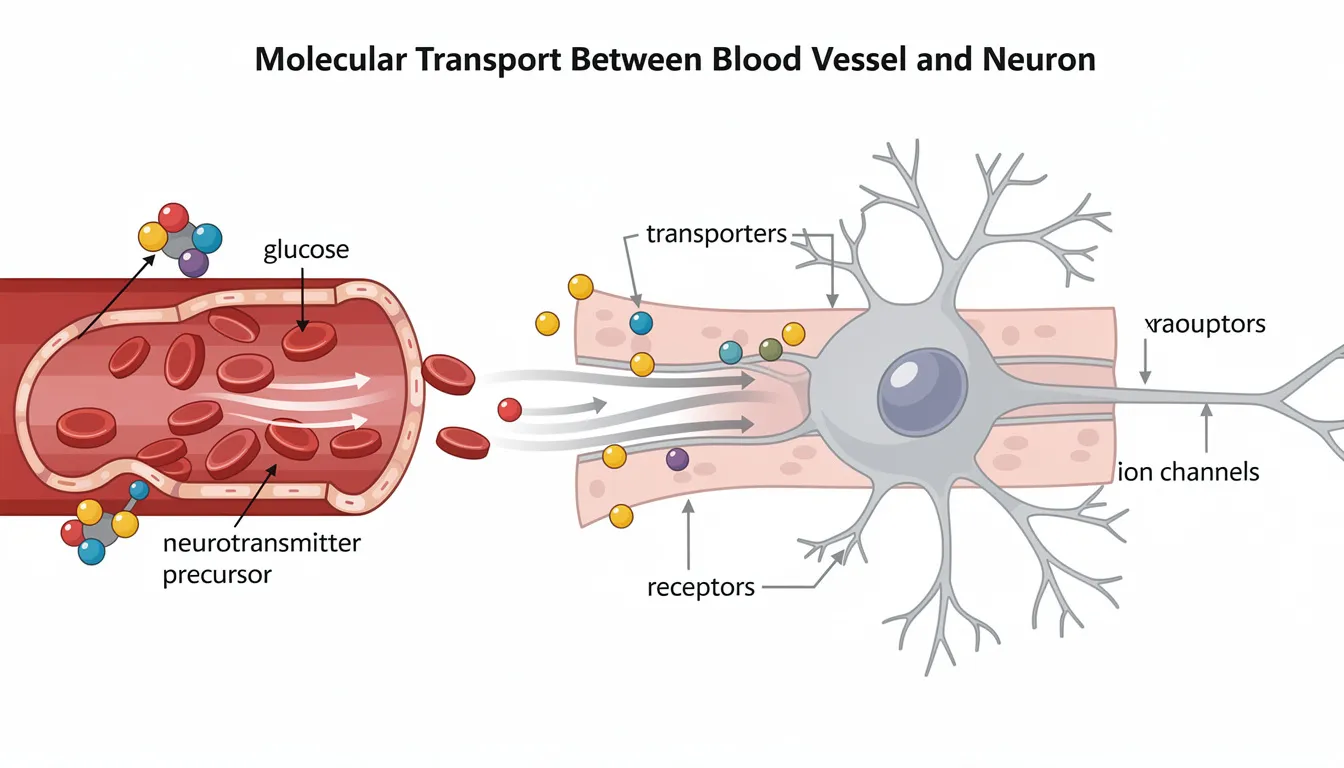
The blood-brain barrier (BBB) functions as a selective security system—a network of blood vessels and specialized cells that tightly controls what enters brain tissue from the bloodstream. This barrier protects the central nervous system from potentially harmful substances but also makes delivering therapeutic compounds to the brain challenging.
The key scientific question: does NMN itself cross the BBB, or is it first converted into other forms that then enter the brain?
What preclinical evidence shows:
Animal studies demonstrate that intraperitoneally administered NMN increases NAD+ levels in the hippocampus and hypothalamus within just 15 minutes in mouse models
Research has detected NMN in cerebrospinal fluid following administration
Specific transporters (like Slc12a8 expressed in the choroid plexus) may facilitate NMN entry
Some studies suggest NMN is rapidly converted to NR in blood, which may be one route for brain access
This remains an active area of investigation. Some researchers report direct NMN uptake pathways, while others emphasize the NR conversion route. Regardless of the precise mechanism, the core finding is that boosting peripheral NAD+ precursor availability increases brain NAD+ pools in animal models.
Associated benefits observed in animal studies:
Improved mitochondrial function and ATP production in neurons
Reduced markers of oxidative stress
Modulation of neuroinflammatory pathways via microglia and astrocytes
Restored neurovascular coupling—cerebral blood flow matching neural activity—with quantitative data showing normalized responses that were diminished by 30-50% in untreated controls
In humans, direct evidence of NMN crossing the BBB and producing measurable cognitive benefits is still emerging. Current understanding relies primarily on mechanistic and animal data from neuroscience and aging journals published between 2018-2022.
The Impact of Cancer Treatment on Brain Fog and NAD+ Levels
Cancer treatment, particularly chemotherapy, is well known for its impact on cognitive function—a phenomenon often referred to as “chemo brain.” Many individuals undergoing cancer treatment experience brain fog, which can manifest as mental fatigue, difficulty concentrating, and memory lapses. These cognitive challenges are not just frustrating; they can significantly affect daily life and overall brain health.
One of the underlying causes of brain fog during cancer treatment is a decline in NAD+ levels. Chemotherapy and other cancer therapies can disrupt the body’s natural processes, leading to reduced NAD+ availability. Since NAD+ is essential for cellular energy production and DNA repair, lower levels can impair the brain’s ability to function optimally, contributing to cognitive impairment and mental exhaustion.
Additionally, cancer treatment often disrupts sleep patterns, resulting in poor sleep quality. This lack of restorative sleep further exacerbates symptoms of brain fog and makes it harder for the brain to recover. Prioritizing rest becomes crucial during this time—not only to support the body’s healing but also to help maintain cognitive function.
To help counteract these effects, it’s important for individuals undergoing cancer treatment to maintain healthy habits. This includes establishing consistent sleep routines, eating a balanced diet, engaging in gentle physical activity as tolerated, and finding effective ways to manage stress. Simple practices like relaxation techniques, mindfulness, and seeking support from loved ones can make a meaningful difference in managing brain fog and supporting overall brain health during and after cancer treatment.
How NMN-Driven NAD+ Support Might Relate to Brain Fog
Brain fog causes brain fog through multiple pathways, and several mechanisms connected to low or dysregulated NAD+ are implicated in cognitive sluggishness. Understanding these connections helps explain why NAD+ boosting has attracted research attention.
Key mechanisms linking NAD+ to brain fog:
Impaired mitochondrial energy production: When neurons can’t generate sufficient ATP, mental fatigue and slow thinking result. The brain functions optimally only when energy supply meets demand.
Increased oxidative stress and inflammation: NAD+-dependent enzymes like SIRT1 help cells manage stress. Low NAD+ leaves cells more vulnerable to damage that causes brain fog to worsen.
Vascular dysfunction: Adequate blood flow delivers oxygen and nutrients to brain regions involved in attention and memory. NAD+ supports endothelial function and microcirculation.
Circadian rhythm disruption: NAD+-dependent enzymes influence circadian biology. Disrupted rhythms—from shift work, inconsistent sleep routines, or excessive alcohol consumption—can impair cognition.
How might raising NAD+ through NMN theoretically support mental clarity?
More efficient ATP production could support sustained mental energy throughout daily life
Sirtuin activation could help healthy cells better respond to metabolic and oxidative stress
Vascular support might improve microcirculation in brain regions critical for focus
Animal models have shown NAD+ boosting associated with improved learning, memory, and synaptic plasticity. However, these findings don’t automatically transfer to subjective brain fog experiences in humans.
Reality check: Brain fog connected to clearly defined health issues—untreated sleep apnea, thyroid disorders, anemia, medication side effects, major depression, or neurological disease like Alzheimer’s disease—generally requires targeted medical treatment. Supplements alone won’t address these underlying conditions.
NMN is being studied as a potential tool to support cellular health and resilience. Any cognitive effects in humans are likely modest and best considered as one piece of a broader brain health strategy rather than a stand-alone solution.
Retraining Your Brain: Cognitive Strategies for Clarity
Overcoming brain fog and regaining mental clarity often requires a proactive approach to retraining your brain. Cognitive strategies can help you navigate symptoms of brain fog and improve your cognitive function, making daily life more manageable and fulfilling.
Start by breaking complex tasks into smaller, more manageable steps. This reduces overwhelm and helps you maintain focus. Taking regular breaks throughout the day can also prevent mental fatigue and support sustained attention. Limiting distractions—such as silencing notifications or creating a dedicated workspace—can further enhance your ability to concentrate.
Consistent sleep routines are foundational for brain health. Aim for a regular bedtime and wake-up time, and monitor sleep quality to identify potential sleep disorders like sleep apnea, which can worsen brain fog. If you suspect a sleep disorder, consult a healthcare provider for evaluation and treatment.
Regular exercise, even in the form of brisk walks or gentle stretching, supports cognitive function and helps reduce symptoms of brain fog. Pair this with a balanced diet rich in whole foods to fuel your brain and body.
Incorporating relaxation techniques such as deep breathing exercises, meditation, or mindfulness can help manage stress—one of the most common contributors to brain fog. These practices not only calm the mind but also support mental clarity and resilience.
By making these lifestyle changes and monitoring your sleep and stress levels, you can address underlying causes of brain fog and take meaningful steps toward improved cognitive function and overall brain health. Remember, small, consistent changes can have a significant impact on your mental clarity and quality of life.
Evidence Snapshot: What Studies Say About NAD+ Precursors and Cognitive Function
Let’s examine what research actually shows about NAD+ precursors and cognitive function.
Animal and cellular studies:
Rodent studies where NMN restored NAD+ in aging brains showed better maze performance, enhanced synaptic density, and reduced neuroinflammation
Cell culture studies demonstrated NAD+ replenishment protected neurons from certain types of oxidative stress
In retinal degeneration models (a proxy for broader neurodegeneration), NMN at 250 mg/kg reduced apoptotic cells by 57.8% while suppressing inflammatory markers
Mouse hippocampus models showed upregulated SIRT1 expression correlated with enhanced learning and memory tasks
Human studies:
Most published NMN clinical trials through 2022-2024 focused on metabolic health, vascular function, and physical performance
Some NR studies in older adults included exploratory cognitive or brain imaging outcomes with mixed, modest results
Safety data from trials lasting several weeks to months shows NMN is generally well-tolerated
Brain-specific outcomes in humans rely on cerebrospinal fluid proxies or cognitive self-reports rather than objective neuroimaging
Critical gaps to recognize:
Few large, randomized, placebo-controlled trials directly assess NMN for brain fog symptoms
Long-term safety and optimal dosing for cognitive purposes aren’t fully established
Most brain-related evidence comes from animal models, not human clinical trials
National Institutes of Health databases show ongoing trials, but results are pending
When evaluating claims, look for:
Peer-reviewed publications from independent research groups
Clear distinction between animal, cell, and human studies
Use of validated cognitive tests rather than only self-reported improvements
Disclosure of funding sources and conflicts of interest
Promising early data does not equate to proven, clinically significant cognitive benefits in humans.
Using NMN Thoughtfully: Practical Tips, Safety, and What to Discuss with Your Clinician
Anyone considering NMN for brain fog should first take these steps:
Discuss symptoms with a qualified healthcare provider
Screen for common medical causes (sleep issues, thyroid problems, nutritional deficiencies, mental health conditions, urinary symptoms of infection, medications)
Review potential supplement-drug interactions
Rule out underlying conditions requiring specific treatment
General considerations people often discuss with clinicians:
| Factor | What Research Shows |
|---|---|
| Dose ranges studied | Typically 250-900 mg/day in human trials |
| Duration tested | Several weeks to a few months |
| Timing | Some individuals prefer morning dosing based on circadian research |
| Tolerability | Generally well-tolerated; mild digestive issues occasionally reported |
| Safety insights from early research: |
Short-term studies find NMN well-tolerated in healthy adults
Mild gastrointestinal upset reported at high doses (above 1g/day)
Data on long-term, high-dose use remains limited
Effects in pregnancy, chronic illness, or complex medication regimens aren’t established
The immune system interactions and effects on general health require more study
Practical tracking suggestions:
Keep a simple symptom journal for 4-8 weeks noting sleep, diet, stress, and mental exhaustion levels
Use consistent time-of-day check-ins (rating clarity 1-10 each morning) to reduce bias
Track lifestyle factors alongside supplementation to identify what actually helps
Monitor sleep patterns and note any changes
Never stop or adjust prescribed medications without medical supervision. Supplements don’t replace evidence-based care for cognitive impairment.
Beyond NMN: Lifestyle Foundations That Support Cognitive Clarity
Regardless of NMN use, core lifestyle pillars have direct, robust evidence for supporting brain functions and helping prevent brain fog.
Sleep:
Prioritize rest with consistent sleep routines. Aim for 7-9 hours of quality sleep when possible. Enough sleep supports memory consolidation and cellular repair.
Maintain regular sleep-wake times, even on weekends
Limit screens 60-90 minutes before bed
Create a dark, cool sleep environment
Monitor sleep quality and address sleep disorders promptly
Avoid caffeine in the afternoon and evening
Movement:
Regular exercise consistently links to better attention, mood regulation, and long-term brain health. Research shows aerobic activity can boost brain NAD+ levels by 25-40%.
Aim for 150+ minutes weekly of brisk walks, cycling, or swimming
Incorporate movement breaks during desk work
Even short activity bursts enhance alertness and reduce mental fog

Nutrition:
Diet directly influences brain changes and cognitive challenges.
Emphasize whole foods: vegetables, fruits, legumes, nuts, seeds
Include omega-3-rich sources (salmon, sardines, walnuts, flaxseed) for inflammation management
Stabilize blood sugar by avoiding extreme spikes and long gaps without eating
Stay hydrated—even mild dehydration impairs concentration
Limit excessive alcohol which depletes NAD+ and disrupts sleep
Stress management:
Chronic stress and elevated cortisol levels directly impair cognition. Manage stress through evidence-supported approaches:
Mindfulness and meditation practices
Relaxation techniques like deep breathing
Time in nature
Cognitive-behavioral strategies
Maintain healthy habits that buffer stress impact
Cognitive hygiene:
Simple techniques reduce mental overload:
Batch similar tasks together
Use external lists and reminders
Single-task in blocks with notifications off
Take planned breaks to restore attention
Protect sleep from work intrusions
These lifestyle changes can amplify or overshadow any incremental benefit from supplements.
How to Evaluate NMN and NAD+ Information Critically
Be cautious about bold claims online that NMN “cures” brain fog, reverses mental decline, or replaces medical care. Such language typically outpaces current evidence from disease control research.
Quick checklist for evaluating sources:
Is there a citation to a peer-reviewed study from an independent research group?
Is the study in animals, cells, or humans—and does the claim match what was actually measured?
Is the website or individual selling the supplement they’re promoting?
Does the source acknowledge limitations and unknowns?
Are results from several weeks of study extrapolated to lifetime claims?
Look for balanced discussions that include both potential benefits and limitations rather than only success stories. Reputable starting points for deeper reading include review articles in journals like Nature Reviews Neurology or Annual Review of Nutrition, and educational pages from major academic medical centers discussing brain health and healthy aging.
Conclusion: NMN, NAD+, and a Balanced Approach to Brain Fog
Brain fog is common and has many possible contributors—from sleep and chronic stress to metabolic and hormonal factors. NAD+ is central to brain energy production and cellular resilience, and NMN represents one promising NAD+ precursor under active scientific study.
Animal and early human research suggests NMN can raise NAD+ levels and may influence brain-related pathways. However, direct, robust evidence for relieving everyday brain fog in humans remains limited. The science is evolving, with ongoing trials exploring cognitive outcomes in older adults and post-viral infection cohorts.
Any decision to use NMN should involve a healthcare provider, particularly if brain fog is severe, persistent, or accompanied by other concerning symptoms. See NMN, if you choose to explore it, as a potential adjunct to—not a replacement for—core brain-supportive habits: quality sleep, regular movement, nutrient-dense eating, stress management, and appropriate medical evaluation.
Understanding how molecules like NAD+ support brain cells empowers you to make more informed, holistic choices about your cognitive health. Approach emerging longevity and brain-health tools with curiosity, healthy skepticism, and partnership with your clinicians. The path to mental clarity is rarely a single supplement—it’s a constellation of choices that support your brain throughout daily life.
Further Reading
Explore more articles related to this topic:
- NMN and Brain Health: Can Boosting NAD+ Prevent Cognitive Decline?
- NMN for Brain Fog: Exploring Its Role in Cognitive Function
- NMN for Weight Loss 2026: Does Boosting NAD+ Actually Burn Fat?
- NMN and Coffee: Does Caffeine Synergize or Interfere with NAD+ Production?
- Benefits Of NMN Supplements: Science-Backed Pros, Limits, And Safety