

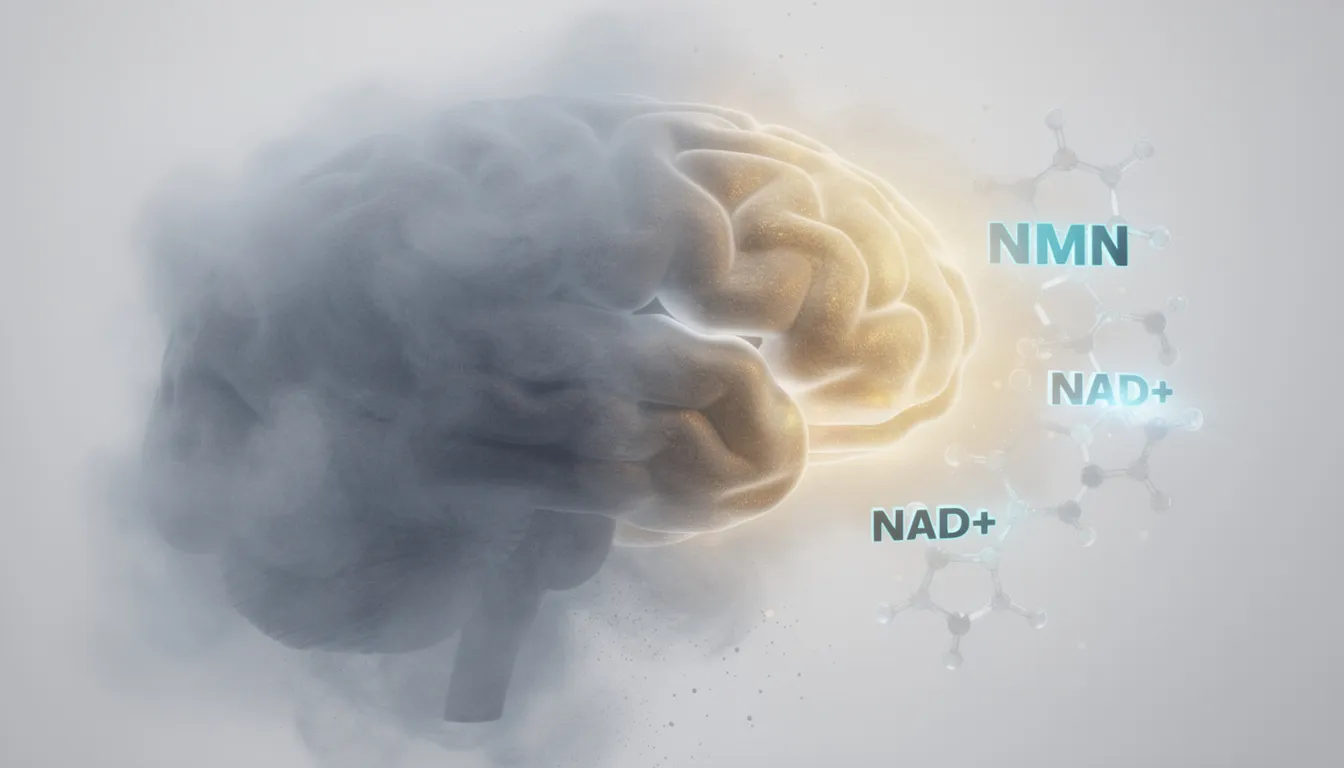
You know the feeling. You’re sitting at your desk, staring at a screen, and the words just won’t come together. You reach for a name, a task, something you definitely knew five minutes ago—and it’s gone. Your mind feels like it’s wading through thick fog, buffering endlessly while the world keeps moving.
This is brain fog, and if you experience brain fog regularly, you’re far from alone. Millions of people—especially those in midlife, dealing with chronic stress, or recovering from viral infections—report these frustrating cognitive symptoms that interfere with daily life.
Enter NMN (nicotinamide mononucleotide), a molecule gaining serious attention in the scientific community. Researchers are studying NMN as a potential support for brain function because it directly raises NAD+ levels in the body—a critical coenzyme that declines with age and stress. Multiple animal studies and early human trials from 2016 to 2023 link improved NAD+ to better memory, healthier mitochondria, and reduced neuroinflammation.
To be clear: NMN is not a cure. But the science suggests it may support cognitive function by addressing some of the underlying cellular issues that contribute to mental fog.
What you’ll learn in this article:
What brain fog actually is and why it happens
How NMN works in the brain at a cellular level
The current research on NMN and cognitive function
Who might benefit most from NMN supplementation
Safe dosage guidelines and lifestyle stacking strategies
When brain fog requires medical attention instead of supplements
Understanding Brain Fog: Symptoms, Causes, and Mechanisms
Brain fog isn’t a formal medical diagnosis—it’s a cluster of cognitive symptoms that make you feel like your brain is operating at 50% capacity. Think of it as your mind’s “low battery” mode: everything still works, but it’s slower, harder, and frustrating.
Common Symptoms of Brain Fog
People who experience mental fog typically report:
Difficulty concentrating on tasks, even familiar ones
Trouble concentrating during conversations or reading
Memory problems and frequent memory lapses
Struggling to find the right words mid-sentence
Mental fatigue that doesn’t improve with rest
Feeling “spaced out” or disconnected from surroundings
Slower processing speed and reaction time
What Causes Brain Fog?
The causes brain fog are remarkably diverse, which is part of what makes it so challenging to address. Research points to several key drivers:
Lifestyle factors:
Poor sleep or sleep disorders like sleep apnea
Chronic stress and elevated cortisol
Poor diet and low blood sugar levels
Nutritional deficiencies (B12, iron, omega-3s)
Excessive alcohol consumption
Health conditions:
Hormonal changes and hormonal imbalances (perimenopause, thyroid issues)
Viral infection aftermath, including post-COVID “long-haul” symptoms
Mental health conditions like depression and anxiety
Autoimmune conditions and inflammatory diseases
Fibro fog associated with fibromyalgia
Chemo brain following chemotherapy treatment
Metabolic issues:
Insulin resistance and blood sugar instability
Diabetes mellitus affecting nerve function
Blood pressure irregularities impacting blood flow
Consider two common scenarios: an overworked professional averaging five hours of sleep nightly, running on coffee and stress hormones, whose brain simply can’t sustain focus by midday. Or someone recovering from COVID-19 weeks later, still experiencing mental exhaustion that won’t lift despite adequate rest.
The Cellular Connection
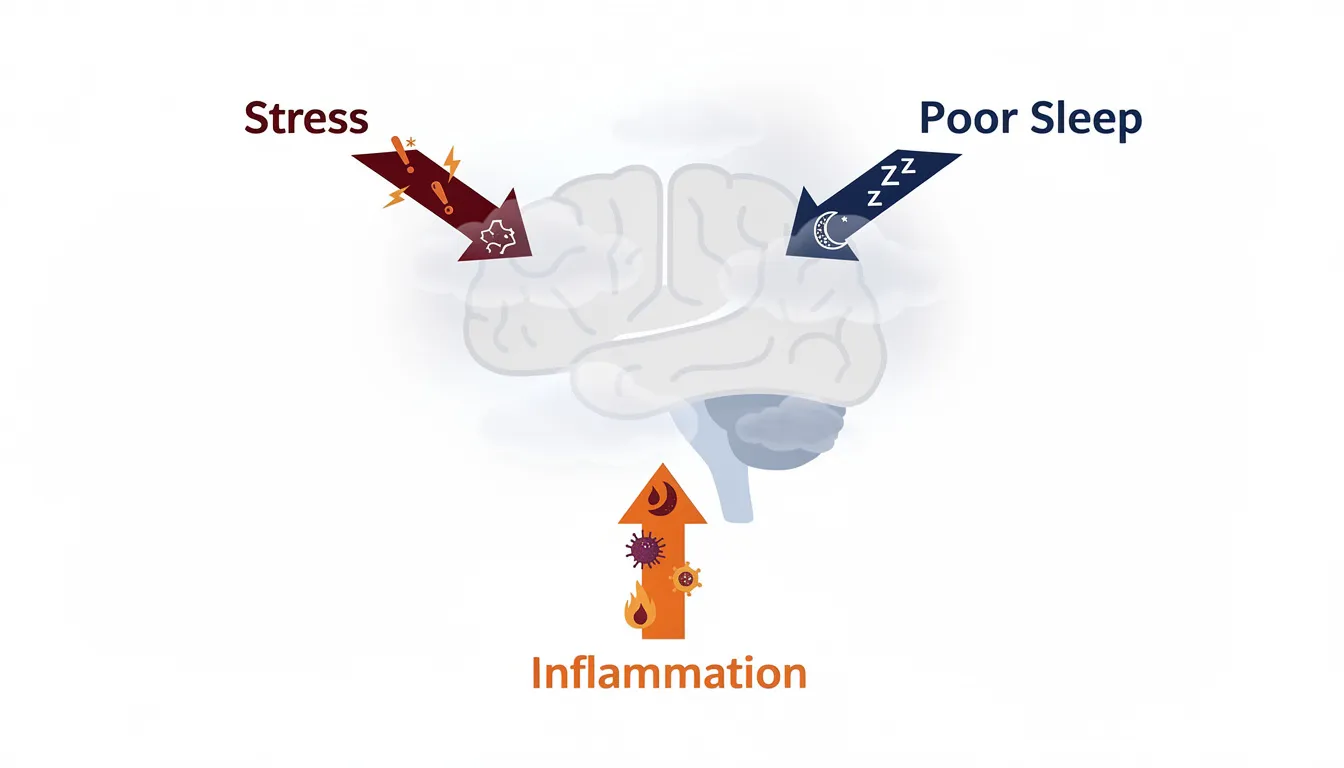
At the cellular level, these diverse triggers share common pathways. Poor sleep, chronic stress, and inflammation all contribute to:
Mitochondrial dysfunction: Your brain cells’ power plants struggle to produce adequate energy
Impaired ATP production: Less cellular fuel means slower thinking
Declining NAD+ levels: This critical coenzyme drops, reducing cellular efficiency
Increased oxidative stress: Free radicals damage brain cells
Neuroinflammation: Chronic inflammation disrupts communication between neurons
This is precisely why a molecule like NMN—which supports cellular energy and NAD+ pathways—becomes scientifically relevant for brain fog symptoms.
What Is NMN and How Does It Work in the Brain?
NMN (nicotinamide mononucleotide) is a naturally occurring molecule that your body produces in small amounts. Its primary job is serving as a direct precursor to NAD+ (nicotinamide adenine dinucleotide)—one of the most important coenzymes in human biology.
The NAD+ Pathway
Think of NAD+ as your brain’s “cellular currency” for energy and repair. Every cell needs it, but neurons are especially dependent on adequate NAD+ levels because the brain is extraordinarily energy-hungry.
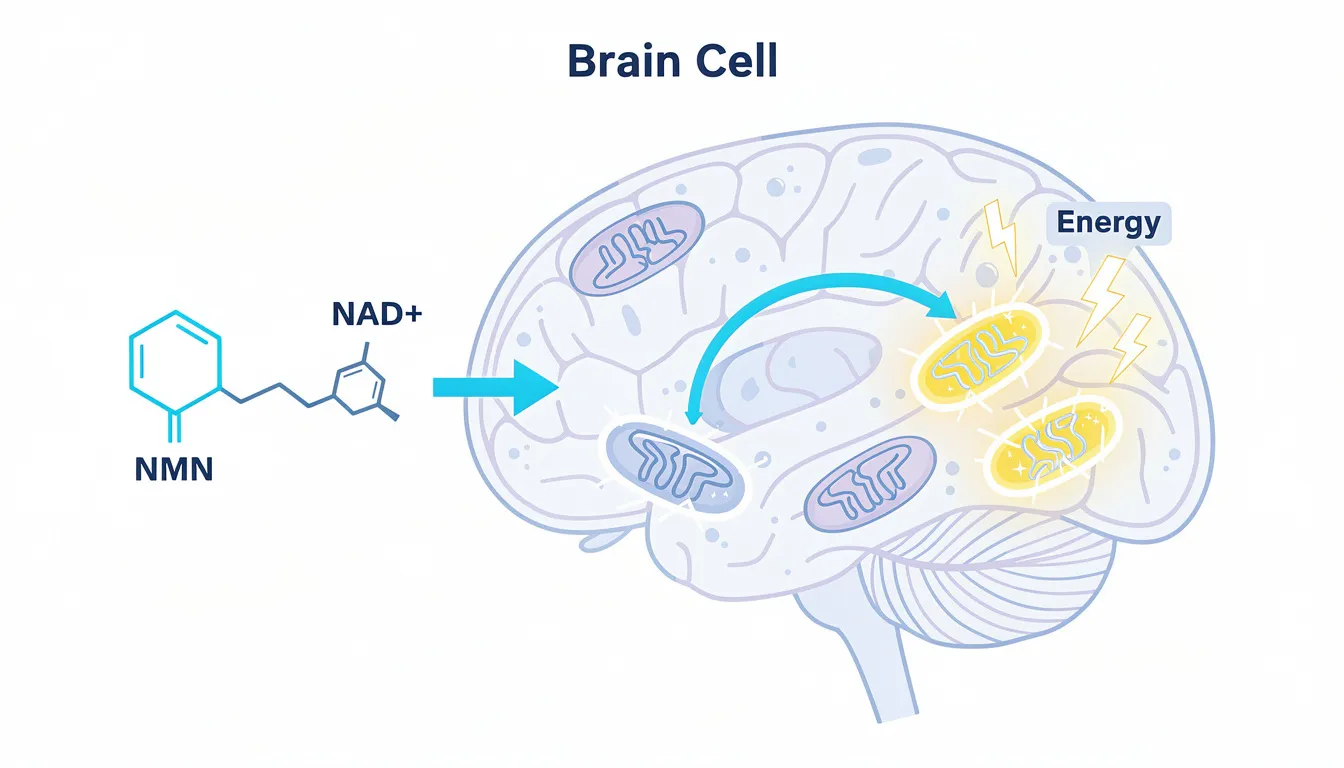
Here’s the conversion process:
NMN is absorbed into cells
Enzymes convert NMN directly into NAD+
NAD+ powers mitochondrial ATP production
NAD+ also supports DNA repair and cellular maintenance
This conversion happens remarkably fast. Research demonstrates that NMN can cross the blood brain barrier and increase NAD+ levels in specific brain regions—the hippocampus and hypothalamus—within approximately 15 minutes of administration.
Age-Related NAD+ Decline
Here’s the problem: NAD+ levels decline significantly with age. Studies suggest NAD+ may drop by roughly 50% between ages 40 and 60. This matters enormously for brain function because:
The brain uses approximately 20% of your body’s total energy despite being only 2% of body weight
Neurons require constant ATP production to maintain electrical signaling
Lower NAD+ means less efficient energy production in brain cells
This correlates with slower thinking, mental fatigue, and vulnerability to neurological disorders
Key Brain-Related Roles of NAD+
NAD+ supports cognitive function through multiple mechanisms:
| Function | How It Helps |
|---|---|
| Mitochondrial fuel | Powers ATP production for mental energy |
| Sirtuin activation | SIRT1 and SIRT3 regulate synaptic plasticity |
| DNA repair support | Activates PARPs for cellular maintenance |
| Anti-inflammatory | Reduces neuroinflammation and oxidative stress |
| Neurotransmitter regulation | Supports serotonin and dopamine production |
| By boosting NAD+ via NMN supplementation, the hypothesis is that brain cells can operate more efficiently—producing more energy, maintaining healthier synapses, and resisting the inflammatory processes that contribute to cognitive dysfunction. |
Science-Backed Research: NMN, NAD+, and Cognitive Function
The research on NMN and cognitive function is growing, though it’s important to distinguish between what’s well-established and what’s still emerging.
Animal Studies: Strong Foundation
The most robust evidence comes from rodent studies conducted between 2013 and 2019. These experiments provide compelling mechanistic data:
Memory and learning improvements:
Mouse studies show NMN raises NAD+ and SIRT1 expression in the hippocampus (the brain’s memory center)
This correlated with improved learning abilities in maze tests
Aged mice supplemented with NMN performed comparably to younger animals
Synaptic protection:
Synapse loss—measured by specific proteins (synaptophysin and PSD-95)—was completely prevented in the cortex and hippocampus with NMN treatment
This matters because cognitive function depends on healthy synaptic connections
Neuroinflammation reduction:
NMN activated SIRT1, which helps fight inflammation and oxidative stress in the brain
Increased glutathione levels and boosted antioxidant enzyme activity were observed
NAD+ activates SIRT3, which then activates superoxide dismutase (SOD2) and catalase—enzymes that neutralize harmful free radicals
Beta-amyloid inhibition:
Research indicates NMN inhibits the buildup of beta-amyloid plaques associated with Alzheimer’s disease
This suggests potential neuroprotective benefits beyond immediate brain fog relief
Early Human Data
Human clinical trials for NMN specifically targeting brain fog are still developing. However, related research provides encouraging signals:
Physical and metabolic outcomes (2020-2022):
Trials showed NMN improving physical performance and reducing fatigue in older adults
Insulin sensitivity improvements were documented
While not measuring brain fog directly, fatigue reduction and metabolic health are closely linked to mental clarity
NAD+ precursor research:
Studies on Nicotinamide Riboside (NR), a related NAD+ precursor, demonstrated increased blood NAD+ levels in adults with mild cognitive impairment
NR treatment improved blood flow to the left dorsolateral prefrontal cortex—a region vital for memory and executive function
Improved hippocampal perfusion was also observed
Research from Leading Institutions
This work has emerged from respected research centers, including Harvard-affiliated and Washington University labs, published in peer-reviewed journals. The institutional backing lends credibility to the mechanistic understanding, even as human-specific brain fog trials continue.
Key Takeaway
The science is encouraging but not definitive. What we know:
Strongly supported: NMN increases NAD+ levels and improves mitochondrial function
Well-documented in animals: Memory improvements, synaptic protection, reduced neuroinflammation
Promising but emerging: Specific impact on subjective brain fog in humans
NMN should be viewed as a supportive tool based on solid basic science, not a proven standalone treatment for brain fog.
NMN for Brain Fog: Who Might Benefit and How It May Help
Given the research, certain groups may find NMN particularly worth exploring—ideally in consultation with a healthcare provider.
Who Might Consider NMN
Adults over 40 experiencing age-related mental slowdown: If you’ve noticed that mental clarity isn’t what it used to be, that you need more coffee just to function, or that you’re having memory loss moments that weren’t there before, declining NAD+ could be a contributing factor.
People with chronic stress and mental fatigue: Chronic stress depletes cellular resources. If your immune system and general health have taken a hit from prolonged pressure, mitochondrial support may help restore some cognitive reserves.
Individuals with post-viral cognitive symptoms: Those experiencing lingering brain fog after a viral infection—including long COVID—represent a growing population seeking solutions. Research here is ongoing, but the inflammatory and mitochondrial dysfunction components make NMN scientifically plausible.
Those with metabolic issues: Insulin resistance and blood sugar instability directly affect brain function. If you’ve been told you have prediabetes or if low blood sugar levels leave you foggy, NMN’s metabolic support may be relevant.
How NMN May Reduce Brain Fog
The plausible mechanisms include:
Enhanced ATP production: More cellular fuel means faster processing and better mental energy throughout the day
Sirtuin activation: SIRT1 and SIRT3 proteins promote synaptic health, neuroplasticity, and stress resistance—supporting your brain’s ability to form connections and improve memory
Reduced neuroinflammation: By boosting antioxidant defenses and modulating inflammatory pathways, NMN may help quiet the chronic low-grade inflammation that disrupts cognitive function
Improved cerebral blood flow: Better oxygen delivery to brain tissue supports clarity and focus—critical for anyone experiencing that “foggy” sensation
Neurotransmitter support: NMN helps regulate serotonin and dopamine production, essential for maintaining mental clarity and motivation
Setting Realistic Expectations
If you’re expecting NMN to work like caffeine—immediate and obvious—you’ll be disappointed. This isn’t that kind of intervention.
What to expect:
Improvements typically develop gradually over several weeks to months
Effects are often subtle: slightly clearer thinking, less afternoon fog, better sustained focus
NMN works best as part of a comprehensive approach including good quality sleep, proper nutrition, and regular exercise
Individual variation is real: Some people report noticeably clearer thinking and reduced “mental haze” within weeks. Others notice modest improvements or nothing dramatic. Age, baseline NAD+ levels, overall health, and lifestyle factors all influence response.

How to Use NMN Safely: Dosage, Timing, and Stacking with Lifestyle
If you’re considering NMN supplementation, here’s what the current evidence suggests about safe, practical usage.
Dosage Guidelines
| Dose Range | Usage Pattern |
|---|---|
| 125-250 mg | Starting dose for most adults |
| 250-500 mg | Common maintenance dose in studies |
| 500-1000 mg | Higher doses used in some research |
| Practical approach: |
Start with 125-250 mg daily to assess tolerance
Take in the morning with food to minimize digestive upset
Morning dosing is often preferred as some users report difficulty sleeping with evening doses
Increase gradually if well-tolerated and effects seem insufficient
When to Consult a Healthcare Provider First
NMN requires medical guidance in certain situations:
Pregnant or breastfeeding women
People on medications for diabetes mellitus, blood pressure, or blood clotting
Anyone with cancer history or active malignancy (NAD+ may also support rapidly dividing cells)
Those with serious underlying condition requiring medical management
If you’re unsure about interactions with existing health conditions
Reported Side Effects
Early human trials report generally mild side effects:
Mild nausea or digestive upset
Occasional headache
Flushing in some individuals
These typically reduce when taking NMN with food and starting at lower doses. If symptoms persist, discontinue use and consult your healthcare provider.
Lifestyle Stacking for Maximum Benefit
NMN isn’t a magic pill. To maximize potential benefits, combine supplementation with evidence-based lifestyle practices that independently support NAD+ pathways and brain health:
Prioritize sleep:
Aim for 7-9 hours nightly
Maintain consistent sleep routines with regular bedtime
Monitor sleep quality and address sleep apnea or other sleep disorders
Limit blue light exposure before bed to enhance alertness regulation
Optimize nutrition:
Follow Mediterranean-style eating patterns
Include omega-3 fatty acids for brain health
Address nutritional deficiencies (B vitamins, iron)
Maintain stable blood sugar through balanced meals
Avoid poor diet patterns high in processed foods
Manage stress:
Practice relaxation techniques like breath work or brief mindfulness (10-20 minutes daily)
Take brisk walks or integrate physical activity throughout the day
Regular exercise—both aerobic and resistance training—independently increases NAD+-related pathways
Maintain healthy habits:
Limit excessive alcohol consumption
Stay hydrated throughout the day
Manage body temperature for comfortable rest
Tracking Your Progress
Keep a simple journal for 4-6 weeks noting:
Mental clarity (1-10 scale)
Focus duration
Mental stamina throughout the day
Sleep quality
Energy levels
This helps identify whether NMN is contributing to improvements versus other lifestyle changes.
Risks, Limitations, and When to See a Doctor
NMN shows promise, but maintaining perspective on its limitations is essential for responsible use.
Current Research Limitations
The honest reality:
Long-term safety data are limited: Multi-year, large-scale human studies haven’t been completed as of 2024
Brain fog-specific trials are scarce: Most human data relates to fatigue, metabolism, or physical performance
Optimal dosing isn’t established: Researchers are still determining ideal human doses
Mechanisms need further study: Exactly how NMN affects mitochondrial homeostasis requires additional research
Regulatory and Quality Considerations
NMN is sold as a dietary supplement in many countries, which means:
Formulations and purity vary significantly by brand
Manufacturing standards differ between producers
Third-party testing for purity and potency isn’t universal
Recommendation: Choose products with independent third-party testing (NSF, ConsumerLab, or similar) where possible.
When Brain Fog Requires Medical Attention
Brain fog can signal serious underlying causes that require proper diagnosis. Seek medical attention immediately for:
Emergency signs:
Sudden onset confusion or difficulty speaking
Weakness on one side of the body
Severe headache unlike previous headaches
Vision changes or loss
Concerning patterns requiring evaluation:
Progressive memory loss affecting daily life tasks
Brain fog lasting more than several weeks without improvement
Accompanying weight loss, fever, or severe mood changes
New neurological symptoms or cognitive impairment
Conditions That Mimic “Simple” Brain Fog
Many treatable conditions cause cognitive symptoms:
Thyroid disease (managing conditions like hypothyroidism can resolve fog)
Anemia and iron deficiency
Sleep apnea disrupting oxygen delivery during rest
Depression and other mental health conditions
Autoimmune conditions affecting the immune response
Hormonal imbalances including estrogen levels changes
Urinary symptoms associated with infections affecting cognition
If you haven’t addressed the root cause or underlying cause of your brain fog, no supplement will provide lasting relief.
The Balanced Approach
NMN should be viewed as a complementary strategy within a broader brain-health plan—not a replacement for:
Proper medical evaluation
Enough sleep (7-9 hours for most adults)
Good quality nutrition
Regular physical activity
Stress management

Moving Forward with Clarity
Here’s the encouraging news: many drivers of brain fog are modifiable. Whether it’s addressing poor sleep quality, managing metabolic issues, reducing chronic stress, or supporting cellular health with targeted supplementation, meaningful improvement is possible.
The path forward combines several elements:
Get evaluated: Rule out underlying condition causes with your healthcare provider
Build your foundation: Prioritize rest, maintain healthy habits, and establish consistent sleep routines
Consider targeted support: NMN may offer cellular-level benefits for appropriate candidates
Track and adjust: Monitor what works for your unique situation
If brain fog makes you feel like your brain isn’t working the way it should, you’re not imagining it—and you’re not stuck with it. The combination of medical evaluation, lifestyle optimization, and evidence-based supplements like NMN represents a practical, science-informed approach to reclaiming mental clarity.
Talk to a qualified healthcare provider about whether NMN fits your situation, and remember: clearer thinking isn’t just about one molecule—it’s about creating the conditions where your brain can thrive.
Further Reading
Explore more articles related to this topic: