

Interest in nicotinamide mononucleotide supplementation has surged among endurance athletes and recreational runners seeking an edge. But does the science actually support the hype? Here’s what current research tells us about NMN’s potential role in exercise performance—and where the evidence still falls short.
Recent studies indicate that NMN supplementation, especially when combined with exercise training, can enhance ventilatory threshold and endurance in athletes. These improvements are linked to better oxygen utilization and increased aerobic capacity. NMN has also been shown to boost aerobic power, allowing the body to utilize oxygen more efficiently and improve endurance during aerobic exercise testing.
From a practical standpoint, NMN may help improve performance by optimizing oxygen utilization and endurance, making it a promising strategy for athletes aiming to maximize their training outcomes. The main study on NMN and exercise found that the supplement’s effects are dose-dependent, with higher doses leading to greater improvements in aerobic capacity. These dose-dependent effects can increase endurance performance by enhancing aerobic capacity and overall endurance in athletes.
Additionally, NMN facilitates effective fat burning during exercise by activating enzymes that enhance lipolysis and preserve glycogen stores. The combination of NMN supplementation and exercise increases the endurance performance of middle-aged athletes by improving aerobic capacity.
NMN also supports training adaptations by helping muscles receive the energy necessary for repair and rebuilding post-exercise, contributing to faster recovery times. Furthermore, NMN can reduce pro-inflammatory cytokines, potentially aiding in faster recovery between workouts.
Quick Answer: Can NMN Really Boost Endurance Performance?
The short answer is nuanced: yes, there’s emerging evidence that NMN may improve certain aspects of aerobic capacity, but not in the way many supplement marketers suggest. Several human trials, most notably a 2021 study from Guangzhou Sport University involving amateur runners, indicate that NMN supplementation combined with exercise training can enhance submaximal aerobic performance markers. However, these improvements don’t extend to maximal oxygen uptake (VO2max), and the overall body of evidence remains early-stage.
The best-designed endurance study to date (registered as ChiCTR2000035138) examined 48 recreationally trained runners over six weeks, testing doses of 300, 600, and 1200 mg/day NMN. The findings showed that medium and high dosage groups experienced statistically significant improvements in ventilatory threshold (VT1 and VT2) and power output at these thresholds. In practical terms, this means runners could sustain harder efforts longer before hitting the metabolic “wall” where lactate accumulates faster than it clears.
That said, improvements were modest and dose-dependent—the 600 mg/day and 1200 mg/day groups saw clearer benefits than those taking 300 mg/day. Critically, these gains only emerged when NMN was paired with structured training sessions, not when used alone. The data suggest that NMN may amplify training adaptations rather than replace them.
What didn’t change? Maximum oxygen uptake, peak power output, body composition, and grip strength showed no significant differences between treatment groups and the control group. Current science does not support calling NMN a performance “magic bullet.” Benefits appear specific to oxygen utilization and threshold-related metrics, not universal across all athletic domains.
Athletes should understand that nmn supplements are not a replacement for proper training, sports nutrition, and recovery. The evidence points to NMN as a potential adjunct, not a foundation.
What Is NMN and Why Do Athletes Care About NAD+?
Nicotinamide mononucleotide (NMN) is a naturally occurring nucleotide derivative that serves as an immediate precursor to nicotinamide adenine dinucleotide (NAD+). This relationship is why NMN has attracted attention from both longevity researchers and sports scientists focused on metabolic health and exercise endurance.
NAD+ is a core cofactor in cellular energy metabolism. It participates directly in glycolysis, the citric acid cycle, and the electron transport chain—the fundamental physiological processes that convert nutrients into usable ATP for muscle contraction. Beyond energy production, NAD+ is involved in DNA repair, redox reactions, and the activation of sirtuins (NAD+-dependent enzymes that regulate cellular health). In fact, NAD+ is implicated directly or indirectly in more than half of known cellular processes. The improvement in aerobic capacity from NMN supplementation is likely due to enhanced oxygen utilization in skeletal muscle.
The challenge for athletes is that NAD+ levels tend to decline with age and intensive metabolic stress. This decline has been associated with reduced mitochondrial function, impaired muscle health, and slower recovery. Since oral NAD+ itself is poorly absorbed through the digestive system, researchers have focused on precursors like NMN and nicotinamide riboside (NR) for oral supplementation strategies.
NMN vs. NR: A Brief Comparison
| Factor | NMN | NR |
|---|---|---|
| NAD+ conversion | Direct precursor (one step) | Requires two-step conversion |
| Human performance data | Stronger endurance-specific evidence (2021 runner trial) | Mixed results in exercise contexts |
| Typical studied doses | 250–1200 mg/day | 300–1000 mg/day |
| Rodent consistency | More consistent endurance benefits | Variable (some studies showed decreased performance) |
| In human studies published through 2022–2023, repeated NMN dosing in the 250–1200 mg/day range demonstrated dose-dependent increases in circulating NAD+ levels. However, documenting tissue-level changes (particularly in skeletal muscle) remains technically challenging, which is why mechanistic conclusions in humans are still somewhat inferential. Skeletal muscle is considered one of the most sensitive tissues and is among the most sensitive tissues to NMN, making it a key target for NMN’s effects on oxygen utilization, endurance, and capillary density. |
NMN supplementation may also improve muscle function, including muscle strength and overall physical performance, especially in older adults.

Effects of NMN on Body Composition and Mass
When it comes to body composition, the evidence for NMN supplementation is clear but limited. In the well-controlled four-arm clinical trial involving 48 healthy amateur runners, participants were divided into four groups: low dosage (300 mg/day NMN), medium dosage (600 mg/day NMN), high dosage (1200 mg/day NMN), and a control group receiving placebo. Over the course of the study, researchers closely monitored changes in body mass, body mass index (BMI), and body fat percentage across all treatment groups.
The results showed no statistically significant differences in body composition between any of the NMN groups and the control group. Whether participants received a low, medium, or high dose of NMN, their body mass and body fat percentage remained stable throughout the intervention. This suggests that, at least in healthy, regularly training amateur runners, NMN supplementation does not appear to influence body composition or mass.
It’s important to note that these findings are specific to this population and study duration. The effects of NMN on body composition in older adults, individuals with metabolic syndrome, or those with different training backgrounds remain largely unexplored. Future research may reveal whether NMN supplementation could impact body composition in populations with different metabolic profiles or health challenges.
Metabolic Health and NMN
Beyond its potential effects on exercise performance, NMN supplementation has attracted attention for its role in supporting metabolic health. Several studies, including those published in the International Society of Sports Nutrition, have demonstrated that NMN can enhance insulin sensitivity and promote better glucose uptake in skeletal muscle—key factors in maintaining healthy energy metabolism.
In older adults, NMN supplementation has been shown to improve insulin sensitivity, which is crucial for effective blood sugar regulation and overall metabolic health. These findings are echoed in rodent models, where NMN treatment not only improved insulin sensitivity but also reduced triglyceride levels, further supporting cardiovascular health. The improvements observed in both human and animal studies suggest that NMN may help optimize the way the body processes and utilizes energy, particularly in tissues most sensitive to metabolic changes.
While the exact mechanisms remain under investigation, researchers believe that NMN’s benefits may be linked to the activation of sirtuins and other cellular pathways involved in energy metabolism. By supporting these physiological processes, NMN supplementation could offer a novel and practical strategy for improving metabolic health and potentially reducing the risk of metabolic diseases such as type 2 diabetes and cardiovascular disease.
As with other aspects of NMN research, more studies are needed to fully understand its long-term effects and to determine which populations might benefit most. For now, the data suggest that NMN holds promise as an adjunct treatment for enhancing metabolic health, especially in older adults and those at risk for metabolic syndrome.
Aerobic Capacity and NMN
Aerobic capacity is a cornerstone of cardiovascular fitness and a key determinant of endurance performance. It reflects the body’s ability to take in, transport, and utilize oxygen during sustained exercise—a process that relies heavily on both the heart and the muscles’ mitochondrial function. While regular exercise training is well known to boost aerobic capacity, recent research suggests that NMN supplementation may offer additional, complementary benefits.
In a landmark randomized double-blind, placebo-controlled clinical trial involving amateur runners, researchers explored how NMN supplementation could influence aerobic capacity when combined with structured endurance exercise. The study divided participants into four groups: a low dosage group (300 mg/day NMN), a medium dosage group (600 mg/day NMN), a high dosage group (1200 mg/day NMN), and a control group receiving placebo. Over the course of the intervention, all groups followed the same exercise training program, allowing for a clear comparison of NMN’s effects.
The results were compelling: NMN supplementation improved aerobic capacity in a dose dependent manner, with the medium and high dosage groups showing the most pronounced gains. Specifically, these groups experienced greater increases in oxygen uptake and utilization during exercise, as measured by ventilatory thresholds and submaximal power output. This means that amateur runners taking NMN were able to sustain higher intensities of endurance exercise before reaching fatigue, compared to those in the control group.
The underlying mechanism appears to center on NMN’s ability to enhance mitochondrial function in skeletal muscle—one of the most sensitive tissues to NMN supplementation. By boosting the availability of NAD+, NMN supports more efficient energy production within muscle cells, allowing for improved oxygen uptake and utilization. This not only helps increase endurance performance but may also contribute to better muscle function and reduced perceived exertion during training sessions.
Beyond its impact on aerobic capacity, NMN supplementation has shown promise for metabolic health. Studies indicate that NMN can improve insulin sensitivity and may help lower the risk of metabolic syndrome, particularly in older adults. These metabolic benefits further support the role of NMN as a novel and practical strategy for athletes and individuals seeking to optimize both performance and long-term health.
In summary, the evidence from placebo controlled, randomized double blind trials suggests that NMN supplementation—especially at medium to high doses—can enhance aerobic capacity and endurance performance when combined with regular exercise training. By improving mitochondrial function and supporting energy production in sensitive tissues like skeletal muscle, NMN offers a promising adjunct for those looking to maximize their aerobic potential and overall metabolic health.
The Key Human Trial in Amateur Runners: Design and Findings
The most rigorous human trial examining NMN for athletic performance was conducted at Guangzhou Sport University and published in the Journal of the International Society of Sports Nutrition. Registered as ChiCTR2000035138, this study represents the first randomized double blind placebo controlled investigation of NMN’s effects on aerobic capacity in amateur runners undergoing structured exercise training.
Key findings included:
Significant improvements in ventilatory threshold (VT) and VO2max in the NMN groups compared to placebo.
No significant changes in body composition or blood pressure.
O2-pulse (a cardiac function marker) remained unchanged, indicating that no significant changes in cardiac function were observed.
Study Design Overview
The trial enrolled 48 healthy recreational runners (40 male, 8 female participants) aged approximately 27–50 years. Participants were already training 5–6 times per week and were randomly assigned to four groups:
| Group | Daily NMN Dose | Administration |
|---|---|---|
| Placebo | 0 mg | Two daily portions (morning, post-lunch) |
| Low dosage group | 300 mg | Two daily portions |
| Medium dosage group | 600 mg | Two daily portions |
| High dosage group | 1200 mg | Two daily portions |
| All participants followed a supervised aerobic training program consisting of running and cycling sessions lasting 40–60 minutes, performed 5–6 times weekly over six weeks. Training intensity was prescribed based on baseline cardiopulmonary exercise testing (CPET) results, ensuring individualized programming. |
What Researchers Measured
Primary measurements came from CPET performed on cycle ergometers under controlled laboratory conditions (20–25°C, participants fasting, no recent caffeine or alcohol). Researchers assessed:
Oxygen uptake (VO2) at various intensities
Ventilatory thresholds (VT1 and VT2)
Heart rate response
Workload and power output
Peak power
Body mass and composition metrics
Key Findings
The results revealed a dose dependent manner of improvement in specific aerobic markers:
What Improved (Statistically Significant)
Oxygen uptake at VT1 increased more in the 600 mg and 1200 mg NMN groups compared to placebo
Percentage of VO2max at VT1 showed greater improvements in higher-dose groups
Power output at both VT1 and VT2 (power@VT2) demonstrated significant dose-response relationships
The high dosage group consistently showed the largest improvements across threshold-related metrics
What Did Not Change
VO2max (maximum oxygen uptake) showed no significant differences between groups
O2-pulse (a cardiac function marker) remained unchanged
Peak power output was similar across all groups
Body mass, BMI, and body fat percentage showed no between-group differences
Grip strength and other muscular fitness measures were unaffected
No adverse events or ECG abnormalities were reported in any group throughout the six-week intervention.
Translating This for Athletes
What does this mean in practical terms? The runners’ “absolute aerobic engine” (VO2max) didn’t get bigger with NMN. However, their ability to operate closer to that maximum without accumulating excessive lactate appeared to improve. In endurance events, this threshold capacity often matters more than raw VO2max—it’s what allows you to hold race pace longer before fatigue forces you to slow down.
Think of it this way: NMN didn’t increase the size of the engine, but it may have helped the runners use their existing engine more efficiently at submaximal intensities.
How Might NMN Influence Endurance Physiology?
Understanding why NMN might improve ventilatory threshold without affecting VO2max requires connecting NAD+ biology to what happens in working muscles during endurance exercise. The evidence points toward skeletal muscle adaptations rather than cardiac function changes.
Insights from Rodent Models
Before the human runner trial, rodent models provided the mechanistic foundation for NMN research in exercise contexts. Studies in mice demonstrated that NMN supplementation combined with endurance training could:
Increase mitochondrial biogenesis: More mitochondria per muscle fiber means greater oxidative capacity
Enhance capillary density: Restoring youthful capillary-to-myofiber ratios in muscles like the quadriceps improved local oxygen delivery
Improve vascular endothelial function: Better blood flow regulation during exercise
Extend time to exhaustion: Some mouse models showed 40–50% improvements in endurance metrics
In elderly mice, NMN appeared to rebuild capillary networks that had deteriorated with age, effectively restoring youthful oxygen delivery capacity to working muscles.
Interpreting the Human Data
The Guangzhou Sport University researchers interpreted their findings as consistent with improved oxygen utilization in skeletal muscle rather than enhanced cardiac output. This interpretation rests on a key observation: if NMN primarily affected the heart’s pumping capacity, you’d expect changes in O2-pulse and VO2max. Since these remained unchanged while threshold metrics improved, the benefits likely occurred “downstream” at the muscle level.
Understanding Ventilatory Thresholds
For athletes unfamiliar with exercise testing terminology:
VT1 (First Ventilatory Threshold): The intensity at which breathing first becomes noticeably heavier. Often used to guide “aerobic base” training zones. You can typically still hold a conversation at this intensity.
VT2 (Second Ventilatory Threshold): The intensity where breathing becomes heavy enough that conversation becomes difficult. This approximates a sustainable but challenging race pace for well-trained endurance athletes.
Improving power output or oxygen uptake at these thresholds means an athlete can work harder before crossing into metabolically unsustainable territory.
Proposed Mechanisms
Mechanistically, increased NAD+ availability could support better performance at submaximal intensities by:
Supporting mitochondrial ATP production and maintaining redox balance during sustained efforts
Helping maintain efficient carbohydrate and fat oxidation (energy metabolism optimization)
Potentially modulating sirtuin activity, which is implicated in mitochondrial health and metabolic flexibility
However, it’s crucial to note these mechanisms remain hypotheses in humans. The runner study did not include muscle biopsies, vascular imaging, or direct measurements of NAD+ levels in muscle tissue. We infer mechanisms from indirect performance markers and animal research.

Other Human NMN Studies Relevant to Physical Function
Beyond the runner trial, a small but growing number of human studies have examined NMN’s effects on NAD+ levels, biological age markers, and functional outcomes. Most have focused on middle-aged or older adults rather than trained athletes.
The Li et al. 60-Day Trial
This study enrolled approximately 80 adults aged 40–65, randomly assigning them to placebo or NMN at 300, 600, or 900 mg/day for two months. Key observations included:
NMN raised circulating NAD+ levels in a dose dependent manner
The study reported stabilization or modest improvements in a calculated “biological age” score using an AI-based algorithm (Aging.Ai 3.0)
Some NMN groups showed better six-minute walk test (6MWT) distances compared to placebo
Methodological Limitations
Several limitations temper interpretation of these findings:
Aging.Ai 3.0 validity: This algorithm is not a validated gold-standard biomarker of biological age, and the reported changes over just 60 days seemed implausibly rapid for actual biological aging reversal
6MWT design limitations: The six-minute walk test was designed primarily for frail or cardiorespiratory-limited populations, not healthy middle-aged adults; its sensitivity for detecting meaningful changes in people without significant functional limitations is questionable
Other Relevant Findings
Additional small clinical trials have reported:
Improved insulin sensitivity and muscle glucose uptake in select populations (e.g., prediabetic postmenopausal women) with 250–300 mg/day NMN, without large changes in VO2max or body composition
Modest improvements in measures like grip strength or walking speed in some older adults, though effects were inconsistent across different tests and doses
Generally good tolerability across studies, with NMN well-tolerated at doses between 250–1200 mg/day for periods ranging from several weeks to a few months
Statistical vs. Practical Significance
When evaluating these studies, athletes should distinguish between statistical significance and practical significance:
| Measure | What “Statistical Significance” Means | What Athletes Should Ask |
|---|---|---|
| P value < 0.05 | The difference probably isn’t due to chance | Is the difference big enough to matter in training or competition? |
| 6MWT improvement | Group averages differ statistically | Would a few extra meters in a walking test translate to meaningful race performance gains? |
| VT improvements | Threshold shifted measurably | Can I actually train or race at higher intensity because of this? |
| A small extra distance in a six-minute walk test for healthy adults might reach statistical thresholds but may not translate into meaningful performance gains for serious endurance athletes. |
Safety, Dosing Ranges, and Regulatory Uncertainties
This section provides informational context only and should not substitute for personalized medical advice. Anyone considering NMN treatment should consult with a qualified healthcare professional.
Studied Dosing Ranges
Human studies through 2022–2023 have explored various NMN dose levels:
| Study Context | Dose Range | Duration |
|---|---|---|
| General health/metabolic trials | 250–900 mg/day | 4–12 weeks |
| Endurance runner trial | 300, 600, 1200 mg/day | 6 weeks |
| Single-dose safety assessments | Up to 500 mg | Acute |
Safety Profile in Studies
Across published research:
NMN was generally well tolerated
No serious adverse events were reported
No clinically significant ECG abnormalities or major laboratory derangements occurred during trial periods
Side effects, when present, tended to be mild (transient digestive discomfort) and not consistently different from placebo groups
Important Caveats
Several uncertainties remain:
Long-term safety unknown: Most studies lasted weeks to months, not years
Specific populations unstudied: Safety in pregnant or breastfeeding individuals, those with serious chronic illnesses, or people taking multiple medications has not been established
Product variability: Some NMN supplements include additional ingredients (herbal extracts, vitamins, other compounds) that could interact with medications even if NMN itself has no known major drug interactions
Regulatory status varies: In some jurisdictions, NMN is treated as a dietary ingredient, while in others, regulatory status has been questioned or is evolving; readers should verify local rules and quality standards
Dosing Considerations
There is currently no universally accepted “optimal” athletic dose for NMN. The endurance data suggest that higher doses in the 600–1200 mg/day range produced clearer improvements in ventilatory threshold compared to 300 mg/day in the runner trial. However, this observation does not constitute a dosing recommendation.
Anyone considering NMN—especially at higher doses or alongside chronic conditions or prescription drugs—should discuss it with a qualified healthcare professional before beginning any supplementation protocol.
Practical Takeaways for Athletes and Coaches
Translating research findings into training decisions requires balancing scientific evidence against real-world constraints and individual variation. Here’s what current nicotinamide mononucleotide supplementation research reasonably supports—and what it doesn’t.
What Current Evidence Supports
NMN can raise circulating NAD+ levels in humans
In at least one well-designed four arm clinical trial, NMN combined with exercise training combining aerobic work improved ventilatory thresholds and submaximal power output in amateur runners
Effects appear dose-dependent within studied ranges (600–1200 mg/day more effective than 300 mg/day)
Benefits were more evident for submaximal endurance exercise markers than for maximal aerobic capacity or strength
What Evidence Does Not Yet Support
Claims that NMN dramatically enhances VO2max, sprint performance, or muscular strength in healthy, trained athletes
Claims that NMN reverses aging or replaces foundational performance drivers
Universal benefits across all athletic domains or populations
Considerations for Those Choosing to Experiment
Athletes considering NMN should discuss the following points with a sports physician or registered dietitian:
Establish fundamentals first: Build a solid base of periodized training, balanced nutrition, and adequate sleep before adding any supplements
Treat NMN as an adjunct: If used, combine with structured endurance work—the runner study showed benefits only in the context of regular training sessions
Track objective metrics: Monitor pace or power at given heart rates, perceived exertion, and (if available) ventilatory markers over 6–8 weeks to judge whether changes are meaningful for you personally
Consider timing: In the runner study, doses were split between morning and post-lunch; whether timing affects outcomes is unknown, but consistency likely matters
Anti-Doping Considerations
As of the latest publicly available prohibited lists, NMN itself is not classified as a banned substance by major anti-doping agencies. However, regulations can change, and competitive athletes should always:
Verify current rules with their sport federation
Check with relevant anti-doping organizations before competition
Be cautious about third-party products that may contain undeclared substances
Scenario-Based Guidance
| Athlete Profile | What Evidence Suggests |
|---|---|
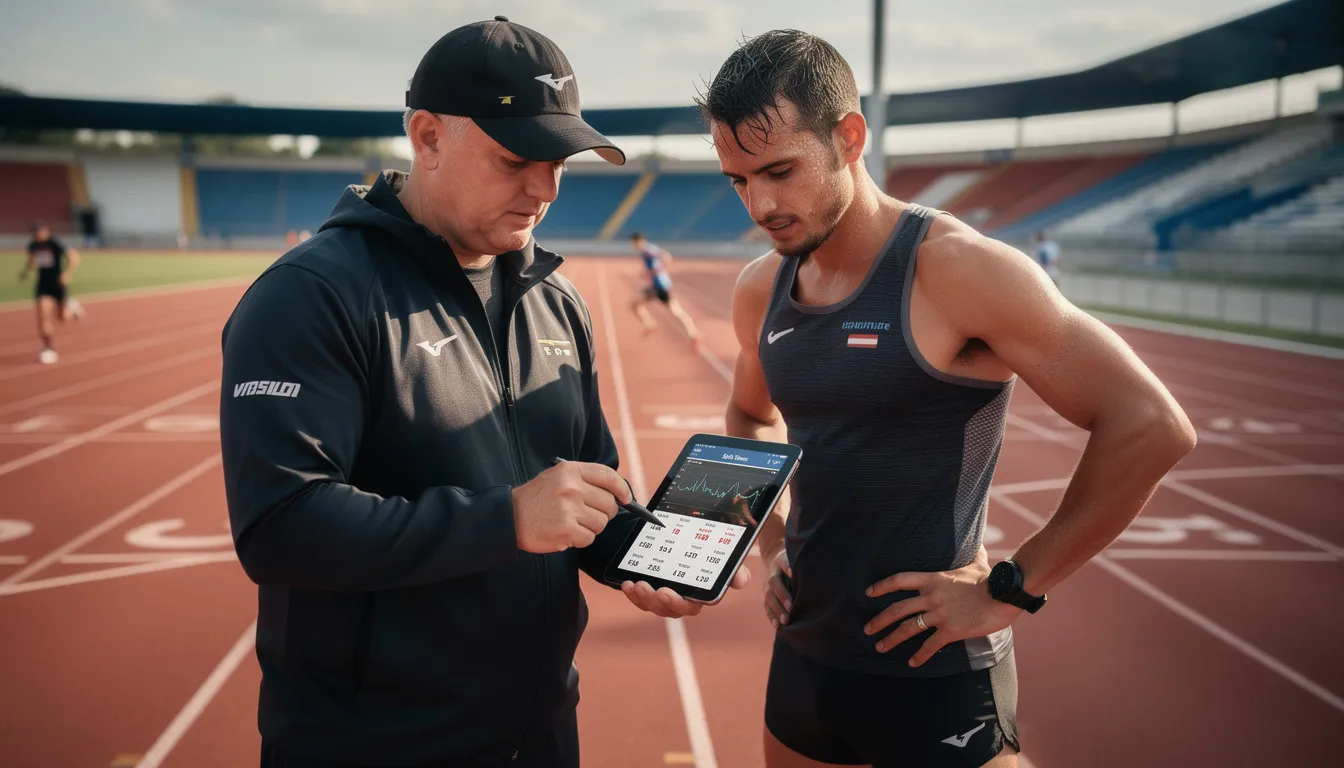
| Recreational endurance athlete (mid-life, training 4–6 days/week, focused on sustained pace) | Current data suggest NMN might offer small additional gains in submaximal endurance markers when combined with training |
| Strength or power athlete | Current NMN data do not strongly support large performance benefits in these domains |
| Athlete with metabolic or cardiovascular disease concerns | Should involve their clinician before considering any NAD+ precursor supplement |
| Elite competitive athlete | Limited data in this population; exercise testing and individualized guidance essential |
 |
Limitations of Current Evidence and Future Research Directions
NMN research for athletic performance remains in an early phase. Before drawing strong conclusions, athletes and coaches should understand what we still don’t know.
Major Limitations of Existing Human Data
Sample Size Constraints
Most studies involve dozens rather than hundreds of participants
The landmark runner trial included only 48 people—enough to detect some effects but too small for definitive conclusions
Short Intervention Durations
Most trials last 6–12 weeks
Long-term adaptations and safety over months or years remain unknown
Limited Diversity
Only 8 women participated in the 48-runner study
Sex-specific responses, hormonal interactions, and menstrual cycle effects are largely unexplored
Most participants have been healthy; responses in those with metabolic syndrome or other conditions may differ
Methodological Issues
Several design choices in existing studies limit interpretation:
Equipment mismatch: Using cycle ergometers to test runners may underestimate treadmill exercise or overground running performance
Test sensitivity: The six-minute walk test wasn’t designed for healthy athletic populations, complicating claims about “endurance” improvements in some studies
Lack of direct measurements: No human performance studies have included muscle biopsies, vascular imaging, or in-muscle NAD+ assessments—conclusions about mechanisms remain inferential
Questions for Future Research
| Research Question | Why It Matters |
|---|---|
| Does NMN improve actual race performance (time trials, real-world events)? | Lab markers don’t always translate to competition results |
| How do different doses and timing strategies affect outcomes? | Optimal protocols remain unknown |
| Are there population subgroups that respond more or less strongly? | Personalization could improve practical value |
| What are the effects of multi-year NMN use? | Long-term safety and efficacy are critical for sustained supplementation |
| How does NMN compare with other legal ergogenic aids? | Relative value and potential combinations need investigation |
The Bottom Line on Current Evidence
NMN should be viewed as an interesting, scientifically grounded candidate adjunct with promising but still limited human studies. It is not a proven cornerstone of athletic performance programs. The data suggest potential benefits for specific endurance-related markers—particularly when nicotinamide mononucleotide supplementation enhances aerobic capacity through improved ventilatory thresholds—but these findings require replication in larger, longer, and more diverse trials.
For now, the strongest evidence positions NMN as a novel and practical strategy worth monitoring rather than a supplement every endurance athlete should take. Core training principles—progressive overload, specificity, periodization, adequate recovery, and individualized nutrition—remain paramount. Any athlete curious about NMN should pair that curiosity with realistic expectations, objective tracking, and guidance from qualified professionals who can help interpret results in the context of individual goals and health status.
Suggested Image Concepts for the Final Article
For those producing visual content to accompany this article, consider the following image concepts:
Pathway diagram: A simplified illustration showing NMN converting into NAD+, which then fuels mitochondrial ATP production in skeletal muscle during endurance exercise
Dose-response comparison: A visual comparing placebo versus 300 versus 600 versus 1200 mg/day NMN, illustrating relative changes in ventilatory threshold and VO2max from the 2021 amateur runner study
Maximal vs. submaximal concept: A figure contrasting “Maximal capacity (VO2max)” with “Submaximal efficiency (VT1/VT2),” featuring a runner or cyclist icon
Training timeline: An infographic showing a 6-week training program with and without NMN, highlighting where the study measured changes (pre- and post-CPET testing)
Evidence dashboard: A visual summary using icons to represent dose ranges studied, duration of trials, and what remains known versus unknown about NMN for athletes
Further Reading
Explore more articles related to this topic:
- Health Benefits of NMN: What Science Really Shows
- Can NMN Improve Muscle Strength in Adults Over 50?
- NMN and the Liver: Is it Safe or Toxic? (The Latest Data)
- NMN for Weight Loss 2026: Does Boosting NAD+ Actually Burn Fat?
- The Link Between NMN and Telomere Length: Can You Actually Reverse Biological Age?
- NMN for Men Over 50: A Science-Backed Guide to Testosterone, Muscle, and Energy