

Nicotinamide mononucleotide has become one of the most discussed molecules in longevity circles, with 2026 marking a significant year for human research and regulatory developments. While the buzz around this compound continues to grow, the evidence base is still evolving—and separating fact from marketing hype requires a careful look at what science actually tells us.
This article provides a comprehensive, science-focused overview of NMN as it stands in 2026. Nothing here constitutes medical advice, and you should always consult with a healthcare professional before using NMN or making changes to any treatment plan.
What this article covers:
What NMN is and how it relates to NAD+ and cellular function
Key 2026 human research highlights and their limitations
Potential benefits alongside honest discussion of risks
Current legal and regulatory status, especially in the United States
Dosage ranges used in clinical trials
Natural strategies to support NAD+ without supplements
What Is NMN (Nicotinamide Mononucleotide)?
Nicotinamide mononucleotide NMN is a naturally occurring molecule derived from vitamin B3 that exists in every living cell in your body. You’ll also find small amounts in foods like edamame, broccoli, cucumber, avocado, and cow’s milk—though the quantities are far below typical supplement doses.
The basics of NMN:
NMN serves as one of the main precursors your body uses to synthesize nicotinamide adenine dinucleotide (NAD+)
NAD+ is a coenzyme present in all living cells, essential for hundreds of metabolic reactions
Your body can produce NMN internally through what’s called the “salvage pathway” from niacinamide (a form of vitamin B3)
So why does this matter? Nicotinamide adenine dinucleotide NAD participates in three critical cellular processes:
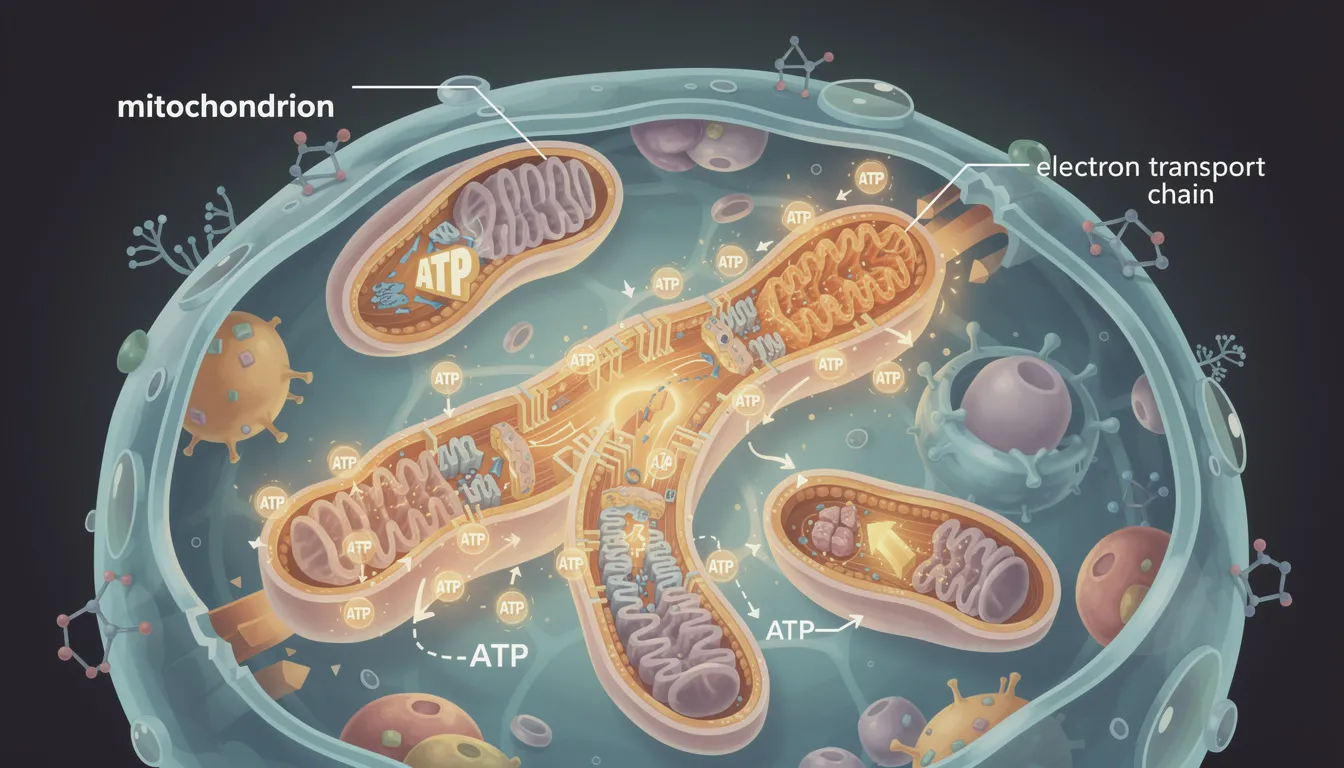
Energy production — NAD+ is essential for mitochondrial ATP generation, the primary currency of cellular energy
DNA repair — PARP enzymes require NAD+ to fix damaged DNA strands
Cellular stress responses — Sirtuins, a family of proteins involved in aging biology, depend on NAD+ to function
Here’s the challenge: both NMN and NAD levels naturally decline as we age. Observational studies published between 2013 and 2023 suggest that NAD+ levels drop by approximately 50% between young adulthood and middle age. In addition, nmn levels themselves also decrease with age, which can further limit the body’s ability to produce NAD+ and maintain optimal cellular function. This decline correlates with age-associated cellular dysfunction, which has driven intense research interest in finding ways to restore these levels.
NMN vs. NR vs. NAD+: Key NAD Precursors
NMN isn’t the only game in town when it comes to NAD+ precursors. Nicotinamide riboside (NR) and niacin are also contenders, and many 2026 products and clinical research programs compare these molecules head-to-head.
How NMN and NR compare:
NR is a smaller molecule that cells convert into NMN before it becomes NAD+
Both ultimately raise blood NAD+ levels, but they may differ in absorption pathways and tissue distribution
A landmark 2026 study from Nestlé Research found that both NMN and NR approximately doubled circulating NAD+ levels after 14 days of supplementation
Current evidence on which precursor is “better” remains mixed and context-dependent
Why not just take NAD+ directly?
Direct oral NAD+ supplements face significant stability and bioavailability challenges
The molecule breaks down in the digestive process before reaching cells effectively
This is why most researchers focus on precursors like NMN and NR instead
Both NR and NMN have been tested in human trials at doses ranging from 250 mg to 2,000 mg daily, with generally good short-term tolerability. However, they’re not interchangeable, and as of 2026, no precursor has been definitively proven superior for lifespan or disease outcomes in humans.
How NMN Works in the Body: The Science in 2026
The core premise behind NMN supplementation is straightforward: by providing your body with more raw material, you might be able to support cellular health and maintain NAD+ levels that would otherwise decline with age.
When you take oral NMN, the molecule enters cells through specific transporters. Mouse research identified a transporter called Slc12a8, which is highly expressed in the small intestine and enables direct NMN absorption. Once inside cells, enzymes called NMNATs rapidly convert NMN into NAD+. Human data on these specific transport mechanisms is still evolving, but the 2026 Nestlé study confirmed that oral NMN does effectively raise blood NAD+ levels in people.
Key NAD+-dependent pathways:
Sirtuins (SIRT1, SIRT3) — regulate metabolic function, stress responses, and cellular resilience
PARPs — critical enzymes for DNA repair that consume significant amounts of NAD+
CD38 — involved in immune signaling and inflammation; activity increases with age, depleting NAD+
Methylation also plays a crucial role in NAD+ metabolism. The enzyme yi l (Nicotinamide N-methyltransferase, NNMT) is involved in methylation pathways that can influence NAD+ levels. Proper function of these methylation pathways is important for maintaining cellular health and preventing NAD+ depletion, especially when supplementing with NAD+ precursors.
The aging connection:
Age-related NAD+ decline is hypothesized to contribute to mitochondrial dysfunction
Lower NAD+ may impair DNA repair capacity, allowing cellular damage to accumulate
Reduced NAD+ is associated with increased vulnerability to metabolic and neurodegenerative conditions
Important caveat: most of these mechanistic insights still come from animal studies and cell culture experiments. Translating these mechanisms to real human health outcomes remains an open research question that 2026 studies are only beginning to address.

What We Know from Animal and Preclinical Research
Much of the initial excitement around NMN came from mouse studies published from approximately 2011 onward. These experiments produced intriguing—though not definitive—results related to aging biology.
What animal studies have shown:
Improved insulin resistance and glucose metabolism in aged mice
Enhanced endurance and physical performance metrics
Better vascular function and blood vessel health
Some improvements in cognitive measures and neurological function
Extended healthspan markers (though lifespan extension data is more nuanced)
These findings came from well-known research groups at Harvard, Washington University, and Japanese institutions, generating substantial scientific interest and media coverage.
Critical context for interpreting animal data:
Doses used in rodent studies are often much higher on a mg/kg basis than common human doses
Mouse metabolisms and lifespans differ substantially from humans
Many of the lifespan-extension claims circulating online stem from animal or cell culture data that cannot be directly assumed to apply to people
Peer reviewed studies in animals inform hypotheses but don’t prove human effects
This distinction matters because the supplement industry sometimes presents animal studies as if they demonstrate proven benefits in humans. They don’t—at least not yet.
Liposomal NMN: A Highly Bioavailable Form
Liposomal NMN has emerged as a standout option among NMN supplements, thanks to its innovative delivery system designed to maximize absorption and effectiveness. Unlike standard NMN capsules or powders, liposomal NMN uses microscopic lipid spheres—called liposomes—to encapsulate nicotinamide mononucleotide (NMN). This approach helps protect the NMN molecule as it passes through the digestive process, allowing more of it to reach your cells intact.
The enhanced bioavailability of liposomal NMN means that your body may absorb and utilize a greater proportion of the supplement, potentially leading to more pronounced increases in NAD+ levels. Since NAD+ levels naturally decline with age, maintaining or restoring these levels is thought to support cellular health, energy production, and metabolic health. Some research suggests that improved NAD+ status may help improve insulin sensitivity and support healthy cellular energy production, both of which are crucial for overall well-being as we age.
Liposomal NMN is also being explored for its potential benefits in age-related conditions, including cognitive decline and neurodegenerative diseases such as Alzheimer’s disease. While the idea of reversing aging remains speculative, the ability of liposomal NMN to efficiently deliver NMN to cells makes it an attractive dietary supplement for those interested in supporting cellular health and resilience.
For more on natural dietary sources of NMN, see our dedicated guide.
As with any NMN supplementation, it’s important to consult with a healthcare professional before starting liposomal NMN. They can help you weigh the potential benefits and risks based on your individual health profile and ensure that your approach to NMN—and any dietary supplement—fits safely into your overall wellness plan.
What 2026 Human Research Says: Potential Benefits (and Limits)
As of 2026, human trials on NMN are still relatively small, short-term, and focused on intermediate measures rather than hard endpoints like disease prevention or lifespan extension. The evidence is “promising but preliminary,” and claims about reversing aging or preventing specific diseases are not supported by long-term randomized controlled trials.
What we do have is a growing body of human studies examining whether NMN can move the needle on biomarkers and functional outcomes that matter for healthy aging.
| Study Focus | Typical Duration | Common Doses | Primary Outcomes Measured |
|---|---|---|---|
| NAD+ elevation | 14 days - 12 weeks | 250-600 mg/day | Blood NAD+ levels |
| Metabolic health | 10-12 weeks | 250 mg/day | Insulin sensitivity, glucose metrics |
| Physical performance | 12 weeks | 250-600 mg/day | Walking distance, aerobic capacity |
| Fatigue/energy | 4-12 weeks | 250-500 mg/day | Subjective energy scores |
Energy, Fatigue, and Physical Performance
One of the most common reasons people consider taking NMN supplements is to support energy and physical performance, particularly as they move into middle age and beyond.
What human studies suggest:
A 12-week randomized trial in older adults found that daily NMN (250-600 mg) combined with exercise improved some markers of muscle performance and aerobic capacity compared with control groups
Small trials in middle-aged adults have reported improved walking distance and reduced fatigue scores
Sample sizes have been modest (typically 30-80 participants), and effect sizes moderate
These results are encouraging but don’t constitute definitive proof that taking NMN will meaningfully improve athletic performance or everyday energy for everyone who tries it. The benefits observed appear to be additive to exercise—not a replacement for physical activity.
If you’re hoping NMN will compensate for a sedentary lifestyle, the research doesn’t support that expectation.
Metabolic Health and Insulin Sensitivity
Several human NMN studies have zeroed in on glucose metabolism and insulin signaling, particularly in people with overweight or prediabetes—conditions where metabolic function is already compromised.
Key findings:
The often-cited Washington University trial found that approximately 250 mg/day of NMN for 10-12 weeks improved muscle insulin sensitivity in postmenopausal women with overweight and prediabetes
Reports suggest improvements of around 25% in insulin sensitivity markers in some prediabetic participants
However, broader metabolic markers like fasting glucose and body weight often don’t change dramatically
This pattern suggests NMN may have subtle or tissue-specific effects rather than causing broad metabolic overhaul. The practical significance for someone trying to improve metabolic health remains unclear without larger trials tracking hard outcomes like incidence of type 2 diabetes or cardiovascular events.
Such long-term outcome trials don’t exist as of 2026. This is a critical gap in the evidence base.
Cognitive Function, Sleep, and Mood
NAD+ biology is closely linked to brain cell energy use and resilience, which has generated interest in NMN for cognition and brain aging cell health. NAD+ depletion has been linked to age-related neurodegenerative diseases such as Alzheimer’s disease, and restoring NAD+ levels is being explored as a potential strategy for managing or delaying the progression of these conditions.
Current state of evidence:
Small, early-phase human studies in older adults with fatigue or mild cognitive complaints have associated NMN with modest improvements in subjective drowsiness, alertness, or reaction time
Effects on objective sleep architecture (measured through polysomnography) are less clear
Some researchers are exploring NMN in the context of cellular senescence and brain aging, but this work remains preliminary
Critical clarification: As of 2026, there is no high-quality clinical evidence that NMN prevents or treats neurodegenerative diseases like Alzheimer’s disease or Parkinson’s in humans. NMN is best described as “under investigation for potential support of healthy brain aging” rather than as any kind of treatment for cognitive decline.
Cardiovascular and Vascular Health
Animal studies and cell culture experiments suggest NMN may support endothelial function—the health of blood vessel linings that’s crucial for cardiovascular wellness. Human evidence, however, is sparse.
What we know:
Early-phase human trials have examined blood vessel responsiveness and some cardiovascular markers
Some studies report small improvements in vascular function proxies
No long-term randomized trials have demonstrated reduced rates of heart attack, stroke, or cardiovascular mortality with NMN supplementation
NMN should be positioned as a potential future tool for vascular health pending robust evidence, not as a current clinical therapy for heart disease.
Safety, Side Effects, and Long-Term Unknowns
Short-term human trials—typically lasting 4-12 weeks, with some extending to 6-12 months—generally report that oral NMN at doses up to about 1,200 mg/day is well-tolerated. However, long-term safety over years or decades has not been established.
Commonly reported side effects:
Nausea
Abdominal discomfort
Diarrhea or gas
Occasional headaches
Incidence is often similar to placebo groups
Rare allergic-type reactions are possible with any dietary supplement, and individuals should stop use and seek medical care if they notice concerning symptoms.
Who should exercise extra caution:
People with existing health conditions, especially cancer history
Those with significant liver or kidney disease
Individuals taking multiple medications
Anyone undergoing active medical treatment
Important: What We Don’t Yet Know About NMN
Long-term studies spanning years or decades don’t exist. We don’t know whether consistent supplementation over extended periods is safe, beneficial, or potentially problematic. This uncertainty should inform any decision to use NMN.
Theoretical Risks and Open Questions
Some researchers have raised theoretical concerns about elevating NAD+ levels, particularly regarding cell growth in undesirable contexts.
Potential risks under investigation:
Some preclinical data suggest that elevated NAD+ could, in certain contexts, support cancer cells or tumor growth
Current human trial data have not demonstrated increased cancer risk from NMN
However, studies have been too short and too small to detect long-term outcomes like cancer incidence
Reactive oxygen species and their relationship to NAD+ metabolism remain an active research area
Additional uncertainties:
Effects of continuous NMN use over many years
Impact on methylation status and one-carbon metabolism (some experts recommend TMG supplementation alongside NMN)
Potential interactions with chemotherapy, immunotherapy, or other advanced medical treatments
The prudent approach is moderate use with personalized medical guidance rather than self-experimenting with extreme doses. A medical professional or registered dietitian familiar with integrative medicine can help assess individual risk factors.
Legal and Regulatory Status of NMN in 2026
NMN’s regulatory status has been unusually dynamic, especially in the United States, due to its parallel development as a potential pharmaceutical drug. Regulations vary widely by country and continue to evolve—always check current local guidance or consult authoritative sources for up-to-date information.
United States: FDA, IND Status, and Court Challenges
The U.S. regulatory situation for NMN has been particularly complex:
Late 2022: The FDA informed some manufacturers that NMN could not be marketed as a dietary supplement because it had been authorized for investigation as a new drug (IND). The agency cited the “drug exclusion” clause in the Dietary Supplement Health and Education Act.
2023: This ruling created significant uncertainty. Some companies withdrew NMN products from the market; others continued selling them, creating an inconsistent landscape.
2024: The Natural Products Association (NPA) filed a lawsuit against the FDA, arguing that NMN had been sold as a supplement before its IND designation. A federal court limited the FDA’s immediate enforcement while the case proceeded.
2026: NMN continues to appear on the U.S. market as a supplement, but its status exists in a regulatory gray zone subject to future FDA decisions or court outcomes.
Importantly, none of these regulatory moves were based on public evidence of acute safety problems. The dispute centers on legal definitions of “drug” versus “dietary supplement,” not on demonstrated harm from NMN products.
Regulatory Landscape Outside the U.S.
NMN faces different regulatory frameworks across regions:
European Union: Classified under novel food regulations with varying levels of scrutiny
Japan: Generally available as a dietary supplement with established market presence
Australia: Subject to Therapeutic Goods Administration oversight
United Kingdom: Post-Brexit regulations create a distinct regulatory environment
These classifications reflect oversight and legal categorization—not official endorsement of NMN’s effectiveness. Readers should check with local regulatory agencies or healthcare professionals for jurisdiction-specific guidance.
NMN Dosage in Studies and How People Typically Use It
There is no universally accepted “optimal” dose of NMN for humans, and no major medical authority in 2026 recommends NMN for disease treatment or prevention. Available dosing information comes from research trials and consumer usage patterns, not from long-term outcome-based evidence.
Doses Used in Clinical Research
Clinical trials have employed a range of NMN doses:
| Dose Range | Study Type | Key Observations |
|---|---|---|
| 100-300 mg/day | Early exploratory studies | Generally well-tolerated, modest NAD+ elevation |
| 250-600 mg/day | Most randomized trials | Consistent NAD+ doubling, functional outcome measures |
| Up to 1,200 mg/day | Safety-focused studies | Appears tolerable short-term, no clear additional benefit |
| Important considerations: |
Higher doses don’t necessarily translate into better outcomes
Some studies found no clear dose-response relationship beyond moderate amounts
Most trials administered NMN once daily, though some protocols split doses
Research doses are chosen for study design reasons and shouldn’t be interpreted as personal recommendations
Consumer Practices and Practical Considerations
Based on product labels and community reports, many consumers in 2026 use NMN in the 250-1,000 mg/day range, with 250-500 mg once daily being particularly common.
Typical usage patterns:
Morning administration is popular among users
Some prefer taking NMN on an empty stomach
Liposomal NMN formulations claim to improve bioavailability, though independent comparative data is limited
Sublingual forms are marketed for better absorption
A “start low, go slow” approach makes sense, especially for individuals with health conditions or those already using multiple supplements. Exceeding label doses without medical oversight is inadvisable—more NMN is not necessarily better, particularly when long-term safety remains unknown.
Choosing an NMN Supplement Wisely (If You Decide to Try It)
For readers who, after consulting a healthcare professional, still wish to explore NMN, this section offers practical guidance. The goal is evidence-informed criteria rather than brand promotion.
Quality, Purity, and Testing
The NMN market has expanded rapidly, and quality varies significantly across NMN products.
What to look for:
Third-party testing from independent laboratories for identity, strength, purity, and contaminants (heavy metals, microbial contamination, residual solvents)
Certificates of analysis (CoAs) accessible via product pages or by request—confirm the batch number matches what you receive
Clear labeling showing exact NMN amount per serving; avoid proprietary blends that obscure ingredient quantities
GMP compliance (Good Manufacturing Practices)—a basic expectation for supplement facilities, though it doesn’t guarantee efficacy
The best NMN supplement for any individual is one that meets rigorous quality standards and fits their specific health situation, not necessarily the most expensive or most heavily marketed option.
Form, Additives, and Stacking Ingredients
NMN comes in various delivery formats with different claimed advantages:
Common forms:
Capsules — Most widely available, straightforward dosing
Powders — Flexible dosing, often more economical per mg
Liposomal formulations — Claimed improved absorption through cell membranes, though robust independent comparisons are limited
Many 2026 NMN products combine NMN with other nmn supplements like resveratrol, quercetin, TMG (trimethylglycine), or black pepper extract. These combinations target theoretically synergistic pathways, but clinical evidence specifically testing these combinations is sparse.
If you’re new to NAD+ precursors, simpler formulas may help you understand how you personally respond before adding complexity.
Red Flags and Unrealistic Claims
The supplement industry’s marketing often outpaces the science. Watch for these warning signs:
Red flags:
Marketing promising to “reverse aging” or “cure” specific diseases
Claims of guaranteed lifespan extension
Presenting animal studies as proven human outcomes
Using small pilot trials to justify sweeping health promises
Citing only high quality sources selectively while ignoring contradictory evidence
Pricing considerations:
Extremely low prices may indicate poor quality control
Very high prices aren’t necessarily justified by better evidence
Balance cost with verified quality rather than assuming price equals effectiveness
Cross-check claims against reputable sources—peer reviewed studies, government databases like clinicaltrials.gov, publications in npj aging and similar journals, and academic medical centers—rather than relying solely on testimonials or influencer endorsements.
Supporting NAD+ Naturally: Lifestyle and Diet Strategies
While supplements like NMN are one possible tool, foundational lifestyle choices have strong evidence for supporting cellular metabolism and metabolic health—and should come first. Many of the same biological processes influenced by NAD+ are positively affected by exercise, sleep, nutrition, and stress management, often with more robust long-term data.

Nutrition and Food Sources
Foods contain only small amounts of NMN naturally—on the order of a few milligrams per 100 grams of food—far less than typical supplement doses. However, diet still matters for overall NAD+ metabolism.
Food sources relevant to NAD+ biology:
NMN-containing foods: Edamame, broccoli, cabbage, cucumber, avocado, cow’s milk (though amounts are modest—even raw beef contains minimal NMN)
Niacin (vitamin B3) sources: Poultry, fish, whole grains, legumes
General nutritional support: A balanced, minimally processed diet rich in plants, healthy fats, and adequate protein supports mitochondrial function and antioxidant defenses
The 2026 Nestlé study revealed an interesting finding: NMN supplementation increased gut bacteria that produce short-chain fatty acids like acetate and butyrate, which have anti-inflammatory and metabolic benefits. This suggests diet and microbiome health may interact with NMN’s effects in ways researchers are still exploring.
Avoid extreme caloric restriction or fad diets without professional oversight, especially if you have medical conditions. Time-restricted eating and moderate caloric control are being actively researched for healthy aging but require individualized guidance.
Exercise, Sleep, and Stress Management
Regular physical activity is one of the most evidence-backed ways to support mitochondrial function and metabolic health.
Exercise recommendations:
Aim for approximately 150 minutes per week of moderate aerobic activity
Include muscle-strengthening activities on 2+ days per week
Exercise itself increases NAD+ turnover and upregulates beneficial enzymes (including sirtuins) in muscle and other tissues
Physical activity may work through overlapping mechanisms with NMN, making them potentially complementary
Sleep’s role:
Sleep is essential for cellular repair and metabolic regulation
Prioritize consistent sleep schedules and adequate duration (typically 7-9 hours for adults)
Good sleep hygiene supports the same cellular resilience pathways that NMN research targets
Stress management:
Chronic stress is associated with metabolic and inflammatory dysregulation
Techniques like mindfulness, breathing exercises, or professional counseling can help
Reducing chronic stress supports cellular health independent of any supplement
Who Might Consider NMN—and Who Should Be Cautious
No major medical society officially recommends NMN supplementation in 2026. Decisions should be individualized and made in partnership with a clinician familiar with longevity research and integrative medicine.
Situations Where NMN Is Commonly Explored
Interest in NMN is especially high among certain groups:
Middle-aged and older adults looking to support healthy aging, energy levels, and metabolic markers
Those already committed to exercise and nutrition who want to explore additional support
Clinical research participants in studies examining NMN for prediabetes, age-related muscle changes, or fatigue
Biohackers and longevity enthusiasts who follow researchers like those at Harvard and Washington University and are willing to self-experiment carefully
For these individuals, NMN represents a research-informed experiment rather than a proven intervention. The potential benefits should be weighed against unknowns and costs.
Populations Requiring Extra Caution
Some groups should be particularly careful:
People with cancer history — Because NAD+ influences cell metabolism and division, extra caution is warranted where cell proliferation is already a concern
Those on chemotherapy or immunotherapy — Potential interactions are not well-characterized
Individuals with significant liver or kidney disease — These organs process supplements, and impaired function changes risk profiles
Pregnant or breastfeeding individuals — Safety data doesn’t exist for these populations
Anyone taking multiple prescription medications — Drug-supplement interactions are possible
Children and adolescents — Should not take NMN supplements unless under direct guidance from a pediatric specialist in a clinical research context
Consulting a healthcare professional before starting NMN isn’t just standard advice—it’s genuinely important given the current state of evidence.
The Future of NMN Research
The landscape of NMN research is rapidly evolving, with scientists around the world working to unlock the full potential of NMN supplementation for human health. Current and upcoming human trials are investigating how NMN supplements may impact insulin resistance, mitochondrial dysfunction, and other hallmarks of aging. These studies aim to clarify how NMN converts to NAD+ within the body and how this process can be optimized to support cellular metabolism and energy production.
Researchers are particularly interested in the potential benefits of NMN for enhancing cellular resilience and reducing the accumulation of reactive oxygen species, which are linked to cellular aging and damage. As our understanding of NMN’s mechanisms deepens, there is hope that targeted NMN supplementation—possibly in advanced forms like liposomal NMN—could play a role in supporting healthy aging and metabolic function.
Looking ahead, we can expect to see the development of new NMN products, including patented formulas and supplements recommended by registered dietitians, as well as more rigorous peer reviewed studies that will help clarify both the benefits and potential risks of NMN supplementation. As with any emerging area of science, it’s essential to rely on only high quality sources and stay updated on the latest clinical research before making decisions about NMN or other dietary supplements.
By remaining informed and consulting with healthcare professionals, individuals can make evidence-based choices about NMN supplementation and potentially benefit from the advances in longevity research as the field continues to grow.
Key Takeaways on NMN in 2026
After examining the current research landscape, regulatory situation, and practical considerations, here’s what stands out:
NMN is a legitimate NAD+ precursor — Human studies confirm it raises blood NAD+ levels, with the 2026 Nestlé trial showing a roughly 2-fold increase after 14 days
Human evidence for health benefits is promising but limited — Most trials are small, short-term, and focused on intermediate markers rather than disease outcomes
Short-term safety appears acceptable — Doses up to 1,200 mg/day have been well-tolerated in trials lasting weeks to months
Long-term effects remain unknown — No studies track outcomes over years or decades of consistent supplementation
Regulatory status is evolving — Especially in the U.S., NMN exists in a gray zone that may change with future court decisions or FDA actions
Lifestyle factors remain the cornerstone — Exercise, sleep, nutrition, and stress management have stronger evidence and should be prioritized
The anti aging molecule framing is premature — While NMN research intersects with aging biology, claims about reversing aging are not supported by current human data
NMN should not be viewed as a cure for aging or a replacement for medical care, exercise, nutrition, or sleep. It’s a research compound with potential that’s still being characterized.
The most reasonable approach in 2026 is to stay curious, maintain healthy skepticism, and partner with qualified healthcare professionals if you choose to explore NMN. The science will continue evolving—and what we know today will likely be refined by what we learn tomorrow.

Further Reading
Explore more articles related to this topic:
- The 2026 Ultimate Guide to NMN: Everything You Need to Know Before Starting
- Why You Need TMG With Your NMN: The Truth About Methyl Depletion
- Why You Should Take TMG with NMN: Preventing Methyl Depletion Explained
- Health Benefits of NMN: What Science Really Shows
- How Does NMN Work? A Science‑Based Guide to This NAD+ Precursor