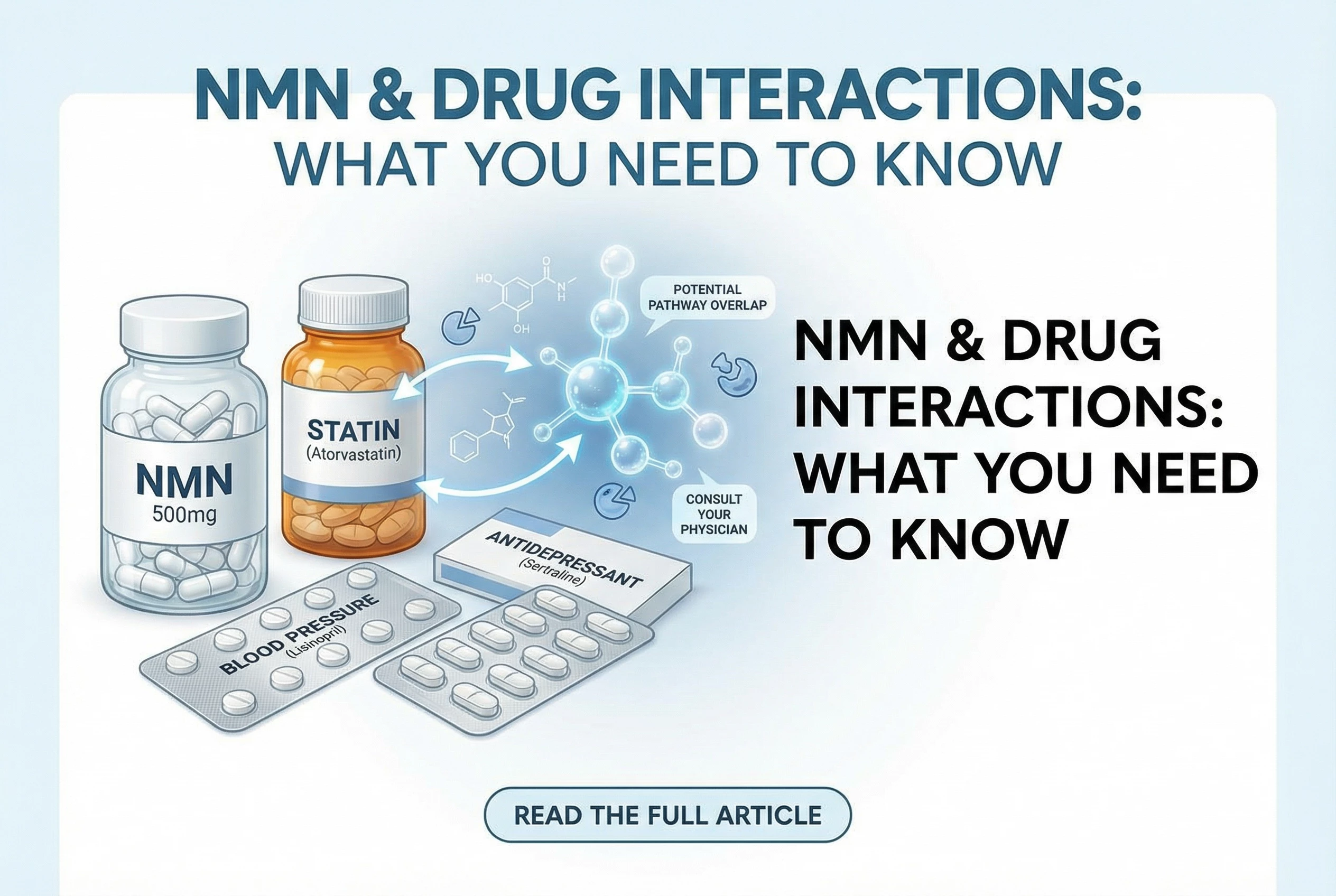

If you’re among the millions of adults taking statins, blood pressure medications, or antidepressants, you’ve probably wondered whether adding nmn supplements to your routine is safe. It’s a reasonable question—and one that doesn’t yet have a definitive answer. Here’s what current research tells us about potential drug interactions with this popular anti aging supplement.
Quick Answer: What We Know So Far About NMN Drug Interactions
As of early 2026, there are no well-documented, clinically proven drug interactions between nicotinamide mononucleotide nmn and statins, blood pressure medicines, or antidepressants. However, human research remains limited, and most of what we know comes from small trials and animal studies.
The bulk of evidence derives from human trials conducted between 2016 and 2024, typically involving 20-100 participants taking nmn supplementation at doses ranging from 100-1,250 mg/day for 3-12 weeks. These studies primarily enrolled healthy adults, not individuals already on multiple medications. While participants generally tolerated NMN well, with only mild digestive discomfort or occasional headaches reported, none of these trials specifically tested NMN alongside prescription drugs.
NMN influences nad levels by serving as a precursor to nicotinamide adenine dinucleotide (NAD+), a coenzyme central to over 500 enzymatic reactions. This includes energy metabolism, dna repair, and cellular function. Because NAD+ is involved in hepatic cytochrome P450 enzyme activity and mitochondrial processes, there’s theoretical potential for NMN to affect how some medications are processed—though this remains unproven in humans.
Key takeaways:
No confirmed interactions exist, but absence of evidence isn’t proof of safety
Most data come from short-term studies in healthy adults
Anyone taking nmn with statins, antihypertensives, antidepressants, blood thinners, diabetes drugs, or those with kidney issues or liver impairment should consult a healthcare professional first
This article is informational only—not medical advice
What Is NMN and How Does It Work in the Body?
NMN, or nmn nicotinamide mononucleotide, is a naturally occurring molecule that serves as a direct building block for NAD+. NMN and similar molecules, such as nicotinamide riboside, act as building blocks for essential biomolecules needed for biological processes like DNA synthesis and energy production, supporting overall cellular health and anti-aging benefits. This coenzyme is essential for energy production in your mitochondria, signal transduction, and maintaining cellular health. Unfortunately, NAD+ levels decline by up to 50-70% from young adulthood to old age, contributing to age related decline in many body systems. NAD+ depletion has been linked to various age-related conditions, including Alzheimer’s disease, highlighting the importance of NAD+ in overall health and aging processes. Neurodegenerative diseases like Alzheimer’s disease are associated with NAD+ depletion, and research suggests that NMN supplementation may help address these conditions by restoring NAD+ levels. As a person ages, their NAD+ levels naturally decrease, and NMN helps restore these declining levels.
Research into NMN supplementation began around 2011, with early mouse studies demonstrating that oral NMN is rapidly absorbed via a specific gut transporter and converted to NAD+ through the salvage pathway. Nicotinamide riboside is another NAD+ precursor that also boosts NAD+ levels, but studies suggest NMN may be more efficiently utilized in certain tissues. Human trials from 2019-2023 in Japan and the U.S. confirmed that doses of 250-900 mg of NMN per day can elevate blood NAD+ levels 2-10 fold without disrupting normal metabolic feedback.
You can find NMN naturally in foods like broccoli, edamame, avocado, cabbage, and raw beef, but dietary intake typically provides under 10 mg daily—far below what supplements deliver. The salvage pathway that converts NMN to NAD+ shares intermediates with niacin (vitamin B3) metabolism, raising theoretical questions about competition, though no clinical issues have emerged. However, combining NMN with nicotinamide riboside (NR) or high-dose niacin may lead to competition for cellular transporters and digestive discomfort.
Because NAD+ supports sirtuins (proteins linked to healthy aging and metabolic health), PARP enzymes for DNA repair, and mitochondrial function, altering its levels could theoretically influence drug processing—even though this hasn’t been rigorously proven in combination studies.
NMN and NAD+ Production
NMN (nicotinamide mononucleotide) is a naturally occurring molecule that plays a pivotal role in the body’s production of NAD+ (nicotinamide adenine dinucleotide), a coenzyme essential for energy metabolism, DNA repair, and optimal cellular function. As we age, our NAD+ levels naturally decline, which can contribute to reduced energy production, increased susceptibility to age related diseases, and a higher risk of chronic conditions such as high blood pressure, high cholesterol, and even cancer. This age-related decline in NAD+ is a key factor in the onset of many chronic conditions and the general decrease in physical performance seen in older adults.
Taking NMN supplements has been shown to effectively boost NAD+ levels, offering a range of potential benefits for healthy aging and metabolic health. Research, including studies published in journals like NPJ Aging, has demonstrated that NMN supplementation can improve insulin sensitivity, support DNA repair, and enhance energy production in older adults. For example, one clinical trial found that NMN supplementation led to improved muscle performance and reduced markers of age related decline, suggesting that NMN may help maintain physical performance and cellular function as we age.
The anti aging benefits of NMN are thought to stem from its ability to promote DNA repair, reduce oxidative stress, and support the body’s natural defenses against age related diseases. By increasing NAD+ levels, NMN may help counteract the effects of aging at the cellular level, supporting healthy aging and potentially lowering the risk of chronic conditions such as chronic kidney disease and cancer development.
When considering NMN supplementation, it’s important to recognize that while NMN is available as a dietary supplement and has been evaluated in several human studies, more research is needed to fully understand its long-term effects and potential drug interactions. Most studies have used daily doses ranging from 250 mg to 1,200 mg of NMN, but the optimal dosage for individual needs is still under investigation. Starting with a lower dose and gradually increasing under the guidance of a healthcare professional is recommended, especially for those with chronic conditions or those taking medications that may interact with NMN.
Adverse effects from NMN supplements are rare and typically mild, with some individuals reporting nausea, headaches, or digestive discomfort. To minimize the risk of side effects, always choose high-quality NMN products from reputable manufacturers and consult with a healthcare professional before starting supplementation—particularly if you have underlying health issues such as chronic kidney disease or are taking medications for blood pressure, high cholesterol, or other chronic conditions.
In summary, NMN supplementation offers promising potential benefits for boosting NAD+ levels, supporting energy metabolism, and promoting healthy aging. However, as with any supplement, it’s essential to approach NMN use thoughtfully, prioritize safety, and seek guidance from a healthcare professional to ensure the best outcomes for your health.
Benefits of NMN
NMN supplements have rapidly gained popularity as a dietary supplement for those seeking to support healthy aging, boost metabolic health, and enhance overall wellness. As a naturally occurring molecule, NMN (nicotinamide mononucleotide) plays a crucial role in raising NAD+ levels in the body—a coenzyme essential for energy metabolism, DNA repair, and optimal cellular function. Because NAD+ levels decline with age, taking NMN supplements may help counteract age related decline and support the body’s natural defenses against age related diseases.
One of the most compelling health benefits of NMN supplementation is its potential to improve metabolic health. By increasing NAD+ levels, NMN may help regulate blood sugar and enhance insulin sensitivity, which is particularly relevant for individuals at risk of chronic kidney disease, high blood pressure, or high cholesterol. Early animal studies and emerging human research suggest that NMN may also support healthy aging by improving physical performance, reducing fatigue, and potentially lowering the risk of cancer development. These anti aging effects are especially promising for older adults who may experience a natural drop in NAD+ as they age.
While NMN is found in small amounts in foods such as raw beef, broccoli, and edamame, the quantities are typically too low to deliver the potential benefits seen in research studies. Supplementing with NMN provides a more concentrated dose, making it easier to achieve the levels associated with improved energy metabolism and cellular health. Nicotinamide riboside, another NAD+ precursor, also offers similar benefits, but some studies suggest NMN may be more effective at boosting NAD+ in certain tissues.
Importantly, NMN supplements are generally well tolerated in healthy adults, but anyone considering taking NMN—especially those with chronic conditions or those taking medications for blood pressure, high cholesterol, or other age related diseases—should consult a healthcare professional first. This is because potential drug interactions, while rare, have not been fully studied, and individual responses can vary.
Current Evidence on NMN Safety and Pharmacology
Human safety data from over 10 trials conducted between 2020 and 2024 paint a reassuring short-term picture. Doses of 250-1,200 mg of nmn daily for up to 12 weeks have been well tolerated in healthy adults. A maximum of 1,200 mg of NMN per day is considered safe for most individuals, but large doses may increase the risk of side effects. The most common adverse effects include:
Mild gastrointestinal upset (10-20% of participants)
Occasional nausea (5-15%)
Headaches (under 10%)
Rare fatigue
Abdominal pain, diarrhea, gas, and upper respiratory issues
These side effects typically resolved without intervention and didn’t show a dose-response pattern for severity. Some people may experience allergic reactions to NMN or its inactive ingredients, including skin rashes, itching, or swelling.
However, significant gaps remain:
Long-term data beyond 6 months is scarce
Studies in older adults (>75), those with chronic conditions, or polypharmacy patients are nearly absent
No systematic studies have examined NMN’s effects on drug-metabolizing enzymes (like CYP450) in humans
NMN is not considered nmn safe for pregnant or breastfeeding women due to a lack of safety data, and people with liver or kidney disease should avoid NMN
While NMN is generally considered safe to take in the short term, a larger body of research is necessary to determine its true effectiveness over time.
Regulatory status adds another layer of uncertainty. In late 2022, the FDA indicated NMN was being investigated as a drug, creating confusion about its dietary supplement status. No major regulatory body—FDA, EMA, or PMDA—has published formal interaction warnings for NMN, but the science simply hasn’t been done to support or refute potential risks in complex medication regimens.
NMN and Statins: Possible Interactions and Open Questions
Statins like atorvastatin, simvastatin, and rosuvastatin are among the most commonly prescribed medications, used by 30-40 million U.S. adults to lower high cholesterol and reduce cardiovascular risk. These drugs work by inhibiting HMG-CoA reductase in the liver, lowering LDL cholesterol by 30-60%.
How statins are processed: Most statins undergo metabolism via cytochrome P450 enzymes—particularly CYP3A4 for atorvastatin and simvastatin. Rosuvastatin relies more on renal and biliary excretion with minimal CYP involvement. Anything affecting liver enzyme activity or mitochondrial function could theoretically modify statin levels or side-effect risk.
Theoretical intersections with NMN:
NAD+ is crucial for mitochondrial energy metabolism in liver and muscle cells
Statin-associated myalgias (muscle complaints affecting 5-30% of users) have been linked to mitochondrial dysfunction and CoQ10 depletion
Mouse studies suggest NAD+ boosters may reverse muscle fatigue and reduce oxidative stress by up to 40%
No published clinical trial as of 2026 has tested NMN plus statins together
Practical considerations:
Discuss with a healthcare provider or pharmacist before combining, especially if on high dose statins (40-80 mg atorvastatin)
Consider baseline liver enzymes (ALT, AST) and CK levels, with follow-up in 8-12 weeks
Report any new muscle pain, weakness, dark urine, or unusual fatigue promptly
The question remains open: could boosting NAD+ help reduce statin myalgias by supporting mitochondrial function? Or could it alter statin blood levels? More research is needed.

NMN and Blood Pressure Medications
Blood pressure medications encompass a broad category, including:
| Drug Class | Examples | Primary Mechanism |
|---|---|---|
| ACE inhibitors | Lisinopril, ramipril | Block angiotensin conversion |
| ARBs | Losartan, valsartan | Block angiotensin receptors |
| Beta-blockers | Metoprolol, bisoprolol | Reduce heart rate/contractility |
| Calcium channel blockers | Amlodipine, diltiazem | Relax blood vessels |
| Diuretics | HCTZ, furosemide | Increase sodium/water excretion |
| Some NMN trials in prediabetic participants noted minor blood pressure drops of 3-5 mmHg systolic at 300 mg/day, potentially linked to NAD+-mediated improvements in endothelial function and vascular health. In metabolic syndrome mouse models, NMN lowered blood pressure by 10-15 mmHg via AMPK activation. |
Potential concerns for those on antihypertensives:
If NMN modestly improves vascular function, it might slightly lower blood pressure
Combined with multiple medications, this could increase risk of dizziness, lightheadedness, or falls—especially in older adults
Conversely, many people may experience no measurable effect
Practical guidance:
Monitor home blood pressure for 2-4 weeks after starting NMN
Space new supplements and medication changes to identify causes of any shifts
Those over 65 or with history of orthostatic hypotension should rise slowly from sitting or lying
Diuretics affect electrolytes and kidney function—adding any new agent warrants medical supervision
NMN and Antidepressants: Mood, Sleep, and Neurochemistry
Antidepressants represent another major medication category where potential drug interactions deserve consideration:
SSRIs (sertraline, escitalopram, fluoxetine): Increase serotonin availability
SNRIs (venlafaxine, duloxetine): Boost serotonin and norepinephrine
Tricyclics (amitriptyline, nortriptyline): Affect multiple neurotransmitters
Atypicals (bupropion, mirtazapine): Various mechanisms
These medications modulate neurotransmitters like serotonin and dopamine, while NMN acts on cellular energy and NAD+-dependent pathways—not directly on these neurochemicals. No clinical trials as of 2026 have evaluated taking nmn supplements alongside antidepressants in people with major depression or anxiety.
Areas of scientific interest:
NAD+ involvement in brain mitochondrial function and oxidative stress reduction (30-50% in some animal studies)
Declining NAD+ levels have been linked to neurodegenerative diseases, including Alzheimer’s disease, and NMN could potentially play a role in addressing these issues.
Postmortem studies finding 20-40% lower NAD+ in brains of people with depression
NMN improving cognition and sleep disturbances in specific animal models
Practical considerations:
Those with mood instability, panic attacks, or bipolar disorder should exercise extra caution and maintain close follow-up with a mental health professional
Track mood, sleep, anxiety, and energy in a simple journal for several weeks after starting NMN
Taking NMN with melatonin might increase sleepiness or grogginess.
Never use NMN as a substitute for prescribed antidepressant therapy—evidence does not support using NMN to treat depression
Other Medication Classes Where Caution May Be Needed
Beyond statins, blood pressure drugs, and antidepressants, several other medication categories warrant consideration:
Diabetes medications: Taking nmn may affect insulin sensitivity—animal studies and small human trials show potential benefits for blood sugar control and metabolic health. However, combining NMN with metformin, SGLT2 inhibitors, or insulin without medical guidance could theoretically amplify glucose-lowering effects.
Anticoagulants and antiplatelets: Warfarin, DOACs, aspirin, and clopidogrel affect clotting pathways. Changes in metabolic or inflammatory status from NMN could theoretically influence bleeding risk, though no direct evidence exists.
Immunosuppressants and cancer therapies: For those on tacrolimus, cyclosporine, biologics, or chemotherapy, any agent affecting cellular repair or proliferation pathways should be discussed with a specialist. Interestingly, some animal studies showed NMN protected against cisplatin-induced kidney damage—but this requires specialist oversight before considering in humans.
Recommendations for these groups:
Bring a complete supplement list, including nmn products, to every medical appointment
Ask whether medications are processed mainly through liver or kidneys
Avoid starting NMN near major treatment changes
Report suspected interactions to pharmacovigilance systems like FDA’s FAERS
Monitoring for Side Effects When Using NMN
When taking NMN supplements, it’s important to be proactive about monitoring for side effects—especially if you have chronic conditions or are already on medications. While NMN supplementation is generally well tolerated in healthy adults, individual responses can vary, and higher doses may increase the risk of adverse effects.
Some of the most commonly reported side effects of NMN include mild nausea, headaches, and digestive discomfort. These effects of NMN are usually temporary, but in rare cases, taking NMN supplements alongside medications for blood pressure, diabetes, or chronic kidney disease could lead to more serious health concerns. For example, NMN may influence blood sugar or blood pressure levels, which could complicate management of these chronic conditions.
If you have high blood pressure, high cholesterol, or a history of cancer, it’s essential to consult a healthcare professional before starting NMN supplementation. Your healthcare provider can help determine the right dosage for your needs and monitor for any potential risks or adverse effects. This is especially important for individuals with chronic kidney disease or those taking multiple medications, as NMN could interact with your current regimen in ways that haven’t been fully studied.
To maximize the health benefits of NMN while minimizing potential risks, choose supplements from reputable manufacturers that provide third-party testing for purity and potency. Keep a close eye on your health by tracking changes in blood pressure, blood sugar, and kidney function—these are areas where NMN may have an impact, particularly if you’re managing chronic conditions.
If you notice any severe or persistent side effects while taking NMN, such as significant changes in blood pressure, unexplained fatigue, or new symptoms, stop the supplement and consult your healthcare provider promptly. It’s also wise to avoid NMN supplementation if you are pregnant or breastfeeding, as there is limited research on its safety in these populations. Individuals with a history of cancer or those currently undergoing cancer treatment should be especially cautious, as NMN’s effects on cancer development are not yet fully understood.
In summary, while NMN supplements offer promising anti aging effects and potential improvements in metabolic health, careful monitoring and collaboration with your healthcare professional are key. By staying alert to possible side effects and making informed decisions, you can safely explore the potential benefits of NMN supplementation while protecting your long-term health.
How to Talk With Your Healthcare Provider About NMN
Many clinicians aren’t yet deeply familiar with NMN, as most research is recent and technical. Coming prepared makes conversations more productive.
Example questions to ask:
“Given my current medications [list them], do you see any reason NMN might be problematic?”
“Are any of my drugs dependent on liver or kidney function that we should monitor?”
“What symptoms or lab changes should prompt me to stop NMN?”
Preparation tips:
Bring a printed label or photo of your exact NMN product showing ingredients and dosage
Be transparent about all supplements, including over-the-counter vitamins and herbal products
Consider consulting a registered dietitian for additional perspective on supplement safety
Shared decision-making approach:
Start with the lowest studied dose (e.g., 250 mg/day) if your provider agrees
Reassess after 4-12 weeks
Establish a clear “stop plan” if side effects, lab abnormalities, or concerning changes occur
Practical Tips for Safer NMN Use With Medications
For those who, after consulting a healthcare provider, decide to try NMN while on medications:
Dosing strategy:
Start low: 250 mg once daily in the morning
Introduce only one new supplement at a time
Wait 2-4 weeks before adding anything else
Monitoring basics:
Keep a daily log of blood pressure, heart rate, symptoms (dizziness, headaches), mood, and sleep
Request baseline blood work (liver enzymes, kidney function, fasting glucose)
Consider repeat testing after 8-12 weeks
Product selection:
Many nmn products include additional compounds (resveratrol, quercetin, piperine) with their own potential risks
Choose products with clear labels and third-party testing
Avoid multi-herb “proprietary blends” where ingredient amounts are unclear
Stop signals—seek help immediately if you experience:
New or worsening chest pain, shortness of breath, fainting
Very low blood pressure readings or severe dizziness
Rapid mood shifts or signs of allergic reaction
Sudden changes in how your usual medications seem to work

Key Research Gaps and Future Directions
The current state of NMN research leaves significant questions unanswered:
What’s missing:
Large, long-term randomized trials in people taking multiple medications
Data on older adults, those with chronic kidney disease, or liver impairment
Mechanistic studies examining NMN’s impact on drug-metabolizing enzymes in humans
Gold standard double blind trials testing combination therapies
Studies that would help:
Controlled trials testing NMN add-on therapy in statin-treated patients with monitoring of CK and liver enzymes
Observational registries tracking supplement-drug combinations and outcomes
Research by groups like those publishing in npj aging or sci rep examining effects of nmn on age related diseases
Questions for future investigation:
Could NAD+ modulation intentionally enhance statin or antidepressant benefits?
Are there genetic profiles (like NAMPT SNPs) that predict sensitivity to NMN interactions?
Can NMN deliver anti aging benefits while maintaining safety in complex medication regimens?
Research continues to evolve. Studies examining larger doses, physical performance outcomes, and potential benefits in age related conditions like alzheimer’s disease may clarify the picture by 2028. Animal studies provide promising signals about anti aging effects, cancer development pathways, and cellular function—but human translation remains the critical gap.
It’s important to note that regular exercise and a diet rich in niacin and polyphenols can help the body produce more NMN naturally, supporting NAD+ levels without the need for supplements. Adults are generally recommended to engage in at least 150 minutes of moderate-intensity exercise per week, which may contribute to maintaining healthy NAD+ metabolism. However, caution is warranted: excess NAD+ that can result from taking NMN may promote tumorogenesis, which is the growth of cancer cells into tumors.
For now, the evidence suggests NMN is well tolerated short-term in healthy adults, but its interaction profile with common medications remains an open frontier. Whether you’re interested in the potential benefits for healthy aging, energy metabolism, or addressing age related decline, the wisest approach is collaboration with your healthcare team. Use this article as a starting point for those conversations—and stay curious as the science catches up to the supplement aisle.
Frequently Asked Questions (FAQ) About NMN Drug Interactions
Q1: Are there any confirmed drug interactions with NMN supplements?
As of early 2026, no clinically confirmed drug interactions have been documented between NMN supplements and common medications such as statins, blood pressure drugs, or antidepressants. However, research is still limited, and caution is advised when combining NMN with prescription medications.
Q2: Can NMN affect blood pressure or diabetes medications?
NMN may influence insulin sensitivity and blood sugar regulation, potentially affecting diabetes medications. It might also modestly lower blood pressure, which could interact with antihypertensive drugs. Monitoring and consultation with a healthcare provider are recommended.
Q3: Is NMN safe to take with blood thinners or chemotherapy?
There is theoretical concern that NMN could affect blood clotting and interact with blood thinners, increasing bleeding risk. Similarly, NMN might interfere with chemotherapy treatments. Individuals on these therapies should consult their healthcare provider before using NMN.
Q4: Are there any side effects associated with taking NMN supplements?
NMN is generally well tolerated, but some people report mild side effects such as nausea, headaches, digestive discomfort, abdominal pain, diarrhea, or rare allergic reactions like skin rashes and itching. Side effects are usually temporary.
Q5: Should pregnant or breastfeeding women take NMN?
NMN is not considered safe for pregnant or breastfeeding women due to the lack of safety data. It is best to avoid NMN during these periods unless advised otherwise by a healthcare professional.
Q6: How should I approach taking NMN if I am on multiple medications?
If you take multiple medications, especially for chronic conditions, consult your healthcare provider before starting NMN. They can help assess potential risks, monitor for interactions, and determine appropriate dosing.
Q7: Can I take NMN with other NAD+ boosters like nicotinamide riboside (NR)?
Combining NMN with other NAD+ precursors like NR may lead to competition for cellular transporters and digestive discomfort. It is advisable to discuss such combinations with your healthcare provider.
Q8: How can I safely monitor my health while taking NMN supplements?
Keep a health journal tracking blood pressure, blood sugar, mood, and any side effects. Regular blood tests to monitor liver and kidney function may also be recommended, especially if you have pre-existing conditions or take other medications.
Q9: Are NMN supplements regulated?
NMN supplements are currently under regulatory scrutiny. In 2022, the FDA prohibited NMN sales as a dietary supplement due to its investigation as a drug. Some products remain on the market, but their quality and safety can vary. Choose supplements from reputable manufacturers with third-party testing.
Q10: Can lifestyle changes increase NMN levels naturally?
Yes, regular exercise and a diet rich in niacin (vitamin B3) and polyphenols can help boost your body’s natural NMN and NAD+ production without supplementation.
Further Reading
Explore more articles related to this topic:
- NMN and Alcohol: Does Drinking Deplete NAD+ and Negate Your Supplement?
- NMN Side Effects Exposed: What the Science Says About Long-Term Use
- Is NMN Safe for Your Liver? Analyzing the Latest 2026 Hepatotoxicity Data
- NMN Dosage Guide: How to Safely Take NMN
- Is NMN Legal? Navigating the FDA and International Regulations in 2026