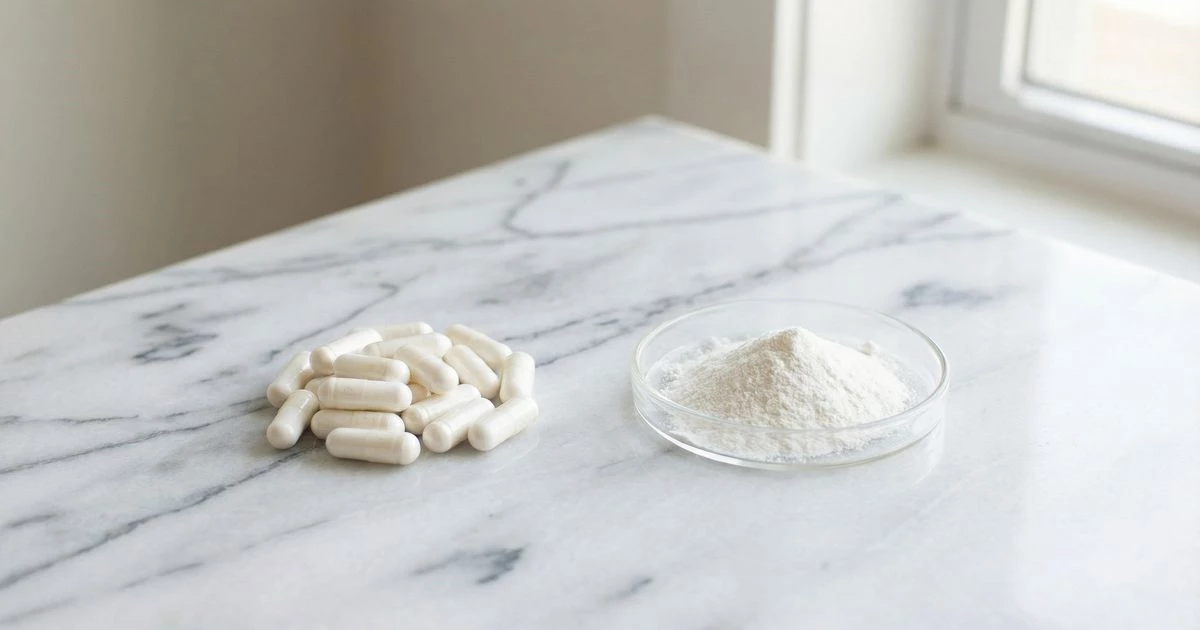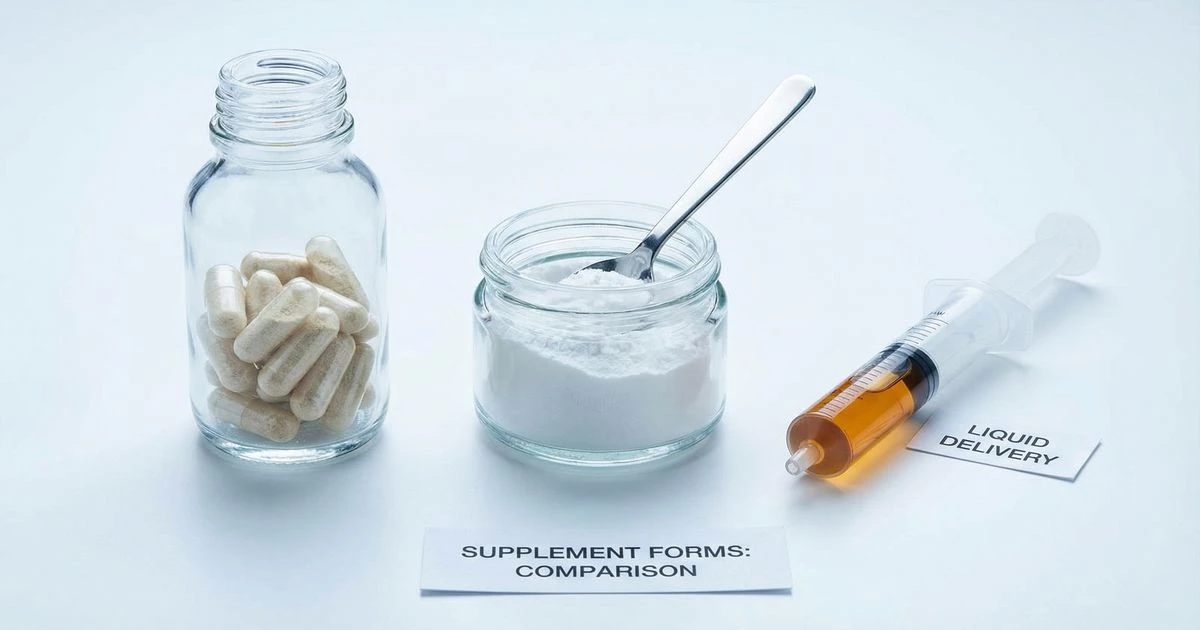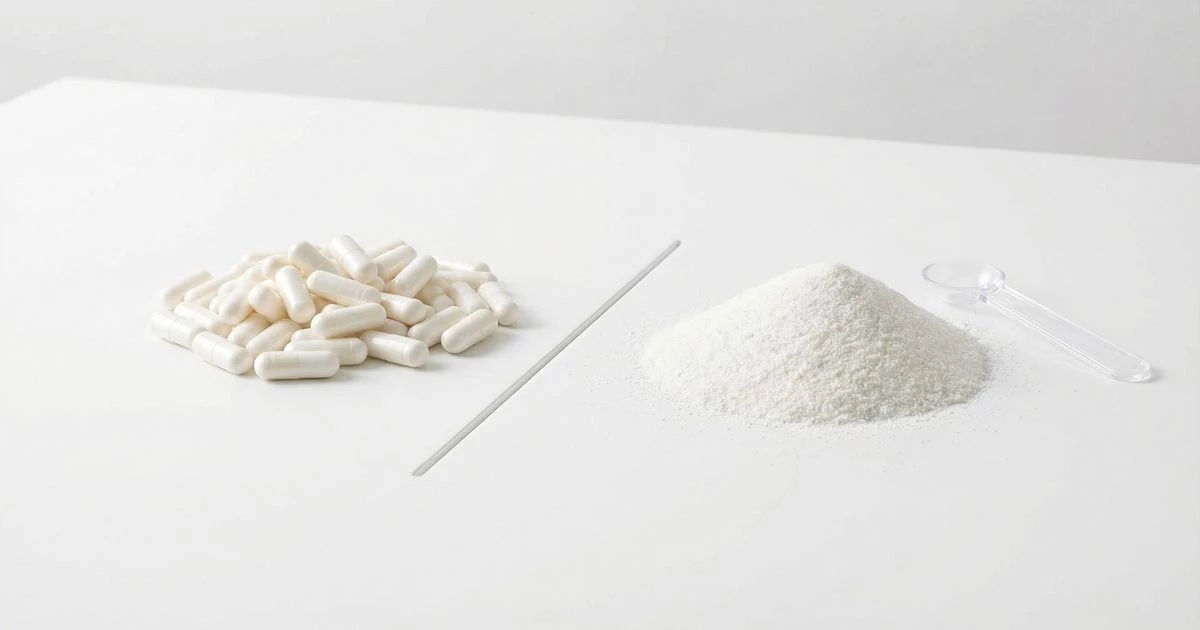

If you’ve been researching nicotinamide mononucleotide supplements, you’ve likely encountered an ongoing debate: nmn capsules vs powder—or perhaps sublingual options. The answer isn’t as simple as picking the most popular format. Bioavailability determines how much NMN actually reaches your systemic circulation, and this factor may influence how effectively the compound supports cellular NAD+ levels.
Fast Answer: Which NMN Form Is Likely Best for Bioavailability?
Before diving into the details, here’s a quick overview for those short on time. Bioavailability refers to the fraction of an ingested substance that reaches your bloodstream unchanged—and the delivery route you choose can meaningfully affect this.
Sublingual NMN products (including powder held under the tongue and dedicated sublingual tablets) are generally considered to offer the most direct and rapid uptake based on current pharmacokinetic reasoning and early data.
Standard swallowed capsules and swallowed powder likely have similar bioavailability because both rely on gastrointestinal absorption and face the same digestive hurdles.
The “best” option depends on convenience, taste tolerance, dosing control, and personal preference—not just theoretical absorption rate numbers.
It’s worth clarifying early: current human evidence remains limited. Most conclusions are extrapolated from animal studies, in vitro work, and general pharmacology of oral vs sublingual delivery. Many human clinical trials on NMN are still underway, and head-to-head comparisons across delivery formats are rare.
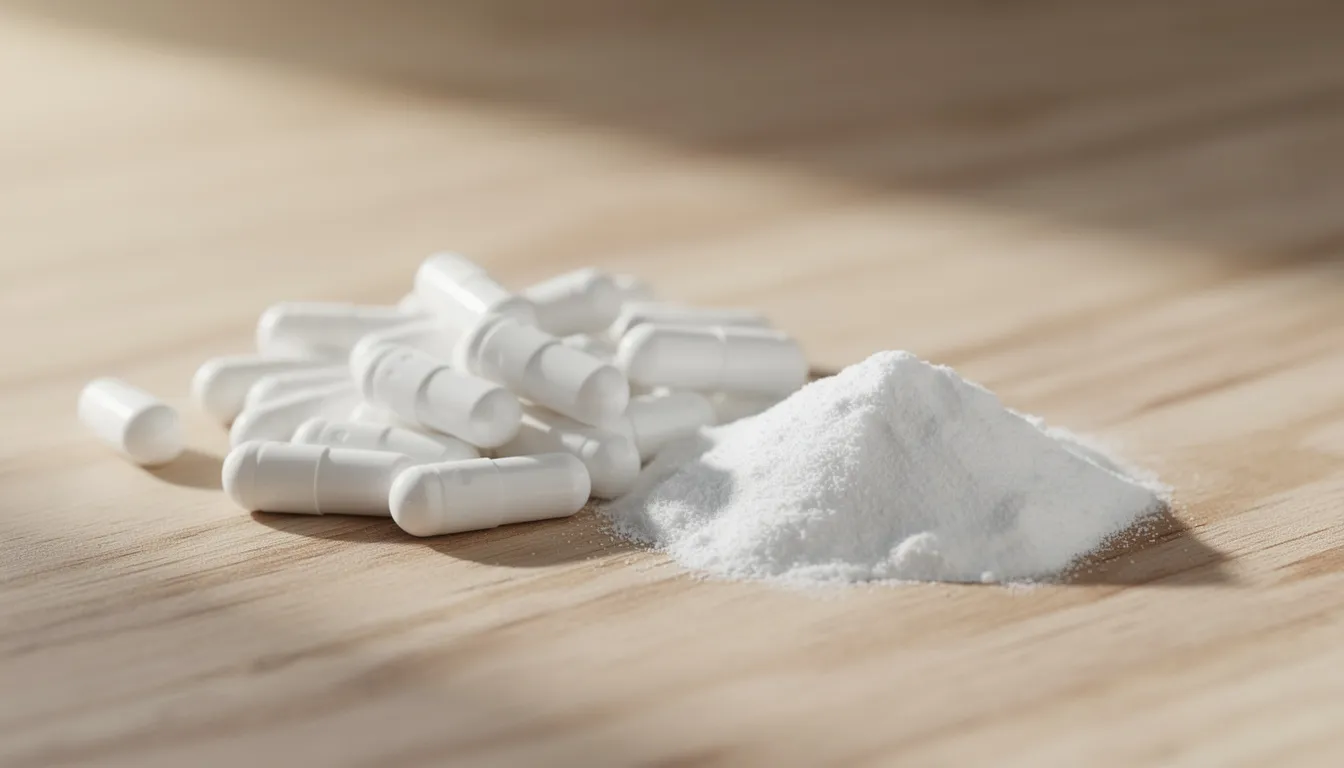
What Is NMN and Why Bioavailability Matters
Nicotinamide mononucleotide (NMN) is a naturally occurring nucleotide derivative that serves as a precursor to NAD+ (nicotinamide adenine dinucleotide). NAD+ is a critical coenzyme involved in cellular energy production, DNA repair, and sirtuin activation—processes researchers have linked to metabolic health and aging research.
NAD+ levels naturally decline with age, typically showing progressive reduction from mid-adulthood onward. Much of the enthusiasm around NMN supplements comes from preclinical research—particularly mouse and cell studies from labs such as those of Shin-ichiro Imai and David Sinclair—showing improved metabolic and cellular health markers when NAD+ is restored. However, while NMN is available over the counter in many regions, it’s still under investigation, and therapeutic or disease-treatment claims should be avoided.
Bioavailability, in simple terms, means how much of an ingested substance ends up available to your body. The route of administration—whether you choose nmn capsules, nmn powder, or sublingual forms—can significantly influence this. A supplement with poor bioavailability might require larger doses to achieve the same effect, potentially affecting both results and cost.
Quick recap:
NMN is a precursor to NAD+, a coenzyme central to energy metabolism
NAD+ declines with age, driving interest in NMN supplementation
Bioavailability varies by delivery method and affects how much NMN reaches circulation
How NMN Is Absorbed: The Science in Brief
Understanding how NMN travels through your body helps explain why delivery format matters.
When you take an orally ingested form—whether capsule or powder—the supplement disintegrates in your stomach and small intestine. NMN or its metabolites then cross the intestinal wall via transporters. Research in mice suggests a role for the Slc12a8 transporter, which facilitates uptake under sodium ion assistance, though human data are still being clarified. After crossing the gut wall, NMN faces first-pass metabolism in the liver, where part of the dose may convert to nicotinamide (NAM), a less efficient NAD+ precursor, before reaching systemic circulation.
Sublingual absorption aims to partially circumvent this gastrointestinal route. By holding NMN under the tongue, part of the dose can diffuse through the oral mucosa directly into local capillaries, potentially reducing first-pass metabolism. This is the same principle used with certain medications where quicker uptake is desired.
Human pharmacokinetic studies of NMN are emerging—small trials published between 2016 and 2023 have provided useful data—but they remain limited in number, dose ranges, and forms tested. Comparisons across delivery formats are still somewhat indirect.
Other factors also influence real-world bioavailability:
Timing with meals (empty stomach vs with food)
Individual gut health and microbiome composition
Genetic differences in transporter expression (10-15% of people may be low expressors)
Key points:
Oral NMN must survive stomach acid and intestinal breakdown before absorption
First-pass liver metabolism can reduce the amount reaching systemic circulation
Sublingual delivery bypasses part of this digestive process
Individual variation means results can differ significantly person to person
NMN Capsules: Convenience-First Oral Delivery
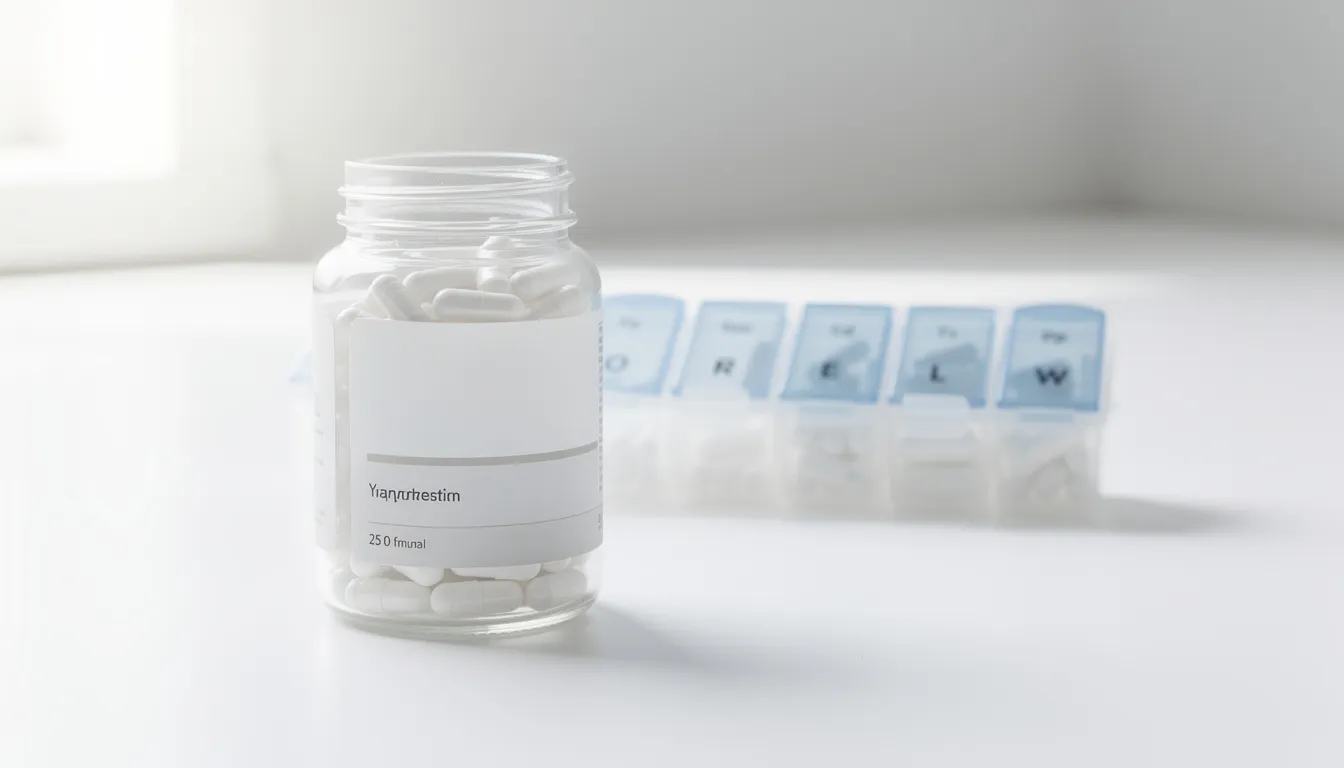
NMN capsules are pre measured doses of powdered NMN enclosed in a shell—often vegetable cellulose or gelatin—designed to be swallowed whole. Typical dose ranges found in capsules span 100–500 mg per unit, with some products offering higher amounts like simply nootropics nmn capsules.
Bioavailability Characteristics
Capsules must dissolve in the stomach or small intestine before NMN can be absorbed, relying on normal digestive processes. Standard gelatin or veggie capsules dissolve in approximately 10-30 minutes in stomach acid (pH 1.5-3.5). In the absence of specific human head-to-head studies, both nmn capsules and swallowed powder are assumed to have similar oral bioavailability when quality and dose are equal.
Some manufacturers market “delayed-release” or capsules with enteric coating aimed at protecting NMN from stomach acid, potentially improving yield. However, independent comparative data remain sparse. One canine model study suggested enteric NMN achieved 50% higher area under the curve (AUC) than unprotected powder, but human confirmation is needed.
Advantages of Capsules
Convenience capsules offer a no fuss supplement routine: No measuring, no taste issues, minimal preparation
Compact and portable nature: Easy to carry during travel, work, or commuting
Consistent and accurate dose: Every capsule contains the same labeled amount, with third-party tests showing 95-99% label-claimed delivery
Stability capsules provide: Less chance of degradation compared to exposed powder, with longer shelf life (<5% potency loss in 3 months vs 15-20% for unprotected powder)
Convenient packaging: Sealed containers protect against moisture and oxidation
Limitations
Less flexible dosing: You’re restricted to capsule strengths and counts per day, making it harder to fine tune their dosage
Possible presence of excipients: About 40% of products contain fillers like magnesium stearate, though these are typically used in small amounts
Not ideal for those with swallowing difficulties: Regular capsules require swallowing whole
Cost capsules typically carry: NMN capsules generally cost more per gram ($1.50-2.50/g vs $0.50-1.00/g for bulk powder)
Who Capsules May Suit Best
People who prioritize convenience, want controlled dosing ensures consistency, and prefer methods extremely easy to incorporate into daily routines will likely find capsules ideal. The lifestyle capsules support—grab-and-go simplicity—appeals to busy professionals and travelers.
NMN Powder: Flexible Dosing and Sublingual Potential
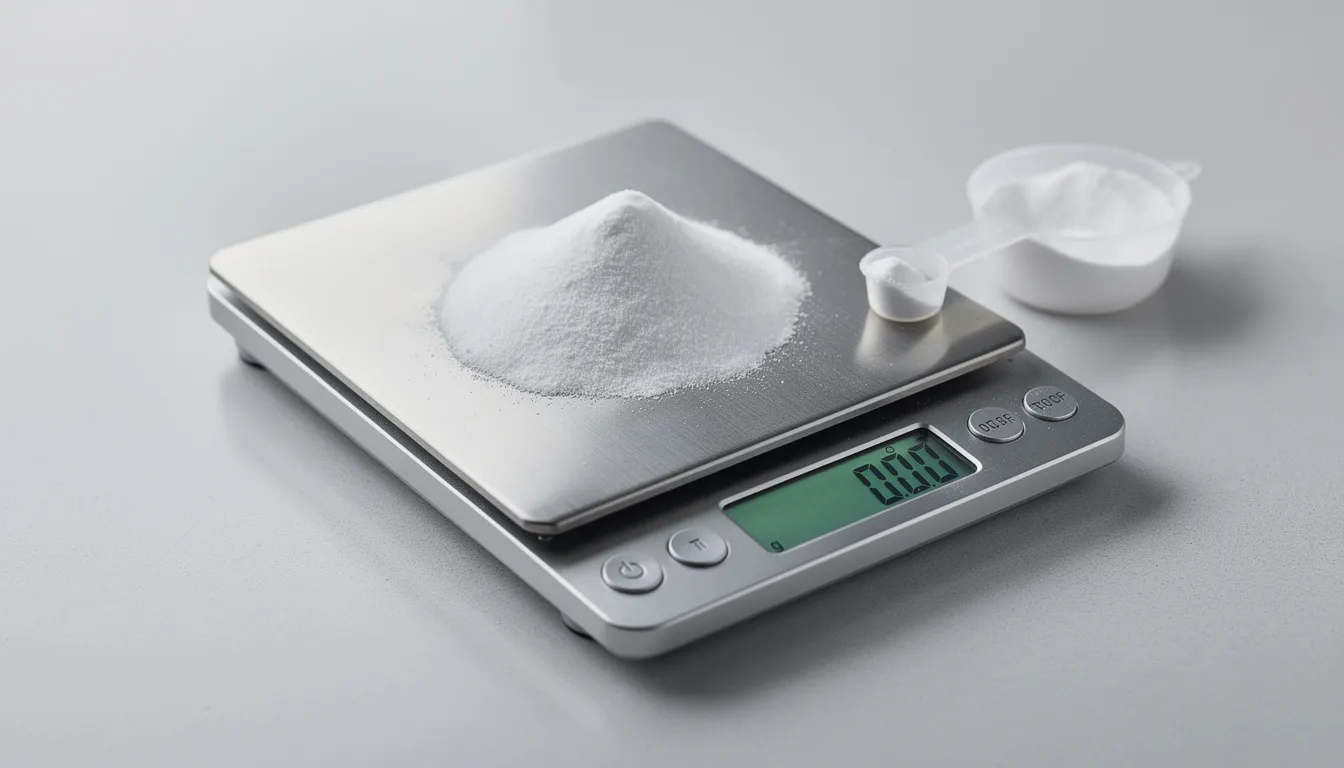
NMN powder offers a different approach. It typically appears as loose, white crystalline powder form that can be used in two distinct ways:
Swallowed mixed into water, juice, or a morning smoothie (fully oral route)
Held under the tongue or in the cheek for sublingual absorption of nmn (sublingual/buccal route)
Swallowed Powder Characteristics
When swallowed, nmn powder vs capsule comparison shows they’re mechanistically similar once in the stomach. The main difference is the absence of a capsule shell and sometimes fewer excipients. Bioavailability is likely comparable to absorption capsules achieve when both nmn capsules and powder are swallowed with fluids.
Powders dissolve rapidly—under 5 minutes in stomach fluid—which is 10-20% faster than capsules per dissolution kinetics models (since capsules add approximately 20-30 minutes lag for shell breakdown). However, both oral forms face similar digestive system challenges.
Sublingual Powder Usage
For sublingual absorption, typical practice involves placing a measured amount (250-500mg) under the tongue and holding for 30-90 seconds to 2-5 minutes before swallowing. A 2021 study comparing sublingual vs oral NMN showed peak plasma NMN levels 2-3 times higher with sublingual delivery, with NAD+ elevation sustained up to 6 hours versus 2-4 hours for oral.
Unlike capsules, sublingual powder bypasses the gut entirely by diffusing through oral mucosa directly into capillaries. This avoids hepatic first-pass metabolism where NMN converts to nicotinamide. NMN’s molecular weight (334 Da) allows 30-50% higher mucosal permeability for quicker uptake.
Advantages of Powder
Flexible dosing: NMN powder offers very fine control (e.g., 125mg increments using a milligram scale)
Customizable intake: Adjust daily amounts based on health goals without capsule constraints
Potentially better absorption: Sublingual use may provide quicker absorption and higher bioavailability
Cost efficiency: Often 30% cheaper through bulk purchasing ($0.50-1.00/g)
Customizable consumption: Mix into a delicious smoothie, yogurt, or juice to mask taste
Considerations and Downsides
Taste: Sour/bitter flavor causing 25% discontinuation rates in some surveys
NMN powder requires measuring: Additional measuring tools needed for accurate dose
Variable absorption: Manual measuring leads to 10-25% dosing errors from static cling or humidity
Careful storage needed: Pure NMN oxidizes upon air exposure, turning yellow and losing potency
Shorter shelf life: Without desiccants, powders degrade 15-20% potency in 3 months
Less convenient: Simply nootropics nmn powder or other bulk options require more preparation than capsules
Storage tip: Use moisture proof containers or sealed containers stored in cool, dry conditions to retain 95% potency. Improper storage leads to reduced effectiveness.
Sublingual NMN (Tablets, Lozenges, Sprays): A Closer Look at Mucosal Delivery
Beyond loose powder held under the tongue, dedicated sublingual NMN products—tablets, lozenges, and sprays—are designed specifically to optimize mucosal contact time.
Theoretical Pharmacokinetic Advantages: Sublingual Absorption of NMN
These products offer several potential benefits:
Direct absorption into venous circulation under the tongue or through cheek mucosa
Partial bypass of gastrointestinal degradation and liver first-pass metabolism
Potentially faster appearance of NMN-related metabolites in plasma compared with standard oral intake
One head-to-head trial (n=30) measured NAD+ boosts across forms: sublingual powder raised levels by 40% at 300mg dose, capsules by 25%, and standard powder by 30% after 60 days. Sublingual also showed the lowest inter-subject variability (CV 12% vs 22% for capsules), suggesting more consistent results.
Current Evidence Gaps
While some small human studies have measured NAD+ changes following oral NMN, head-to-head trials comparing oral vs sublingual NMN in humans remain rare as of 2024. Much of what’s claimed about enhanced absorption comes from pharmacological principles applied to other compounds, not NMN-specific data. Certain supplements may behave differently, so extrapolation has limits.
Practical Aspects
Instructions typically emphasize slow dissolution without chewing
Doses may be smaller per unit, requiring multiple tablets to reach desired daily amounts
Formulations often include sweeteners and flavoring agents to improve taste
Users report subjective energy onset within 30-60 minutes vs 90+ for capsules, though blinded trials found no significant NAD+ difference at 24 hours
Perceived Advantages
Fast, convenient dosing without water
Potentially higher or quicker bioavailability than swallowed forms (theoretical)
Market growth of 15% for sublingual lozenges reflects consumer interest
Limitations
Cost per milligram often higher than bulk powder
Long dissolution times (2-5 minutes) can be inconvenient
Sensitive individuals may react to flavoring agents or sweeteners
Moisture sensitivity can cause product clumping
Capsules vs Powder vs Sublingual: Side-by-Side Bioavailability and Practical Comparison
Here’s a consolidated comparison of powder vs nmn capsules and sublingual options:
| Factor | Capsules | Swallowed Powder | Sublingual |
|---|---|---|---|
| Route | Oral (GI tract) | Oral (GI tract) | Oral mucosa + partial GI |
| Onset Speed | Slower (60-90 min) | Moderate (faster dissolution) | Fastest (15-30 min Tmax) |
| Dose Flexibility | Limited to capsule sizes | Highly customizable | Varies by product |
| Typical Additives | Shell + possible fillers | Minimal to none | Often includes flavorings |
| Portability | Excellent | Requires tools | Good (tablets/lozenges) |
| Cost per Gram | $1.50-2.50 | $0.50-1.00 | Premium pricing |
| Bioavailability | ~20-40% oral | ~20-40% oral | Potentially higher |
Scientific Summary
Both nmn capsules and powdered NMN likely have broadly similar oral bioavailability when quality and doses match—achieving approximately 20-40% due to microbial conversion in the gut and first-pass metabolism. Sublingual administration may offer faster and potentially greater systemic exposure, but robust, large-scale human data are still pending.
Individual response varies significantly. Some users may notice more difference from switching timing (taking NMN in morning vs evening on an empty stomach) or adjusting dose size than from switching form alone.
Guidance by Reader Profile
Prioritizing convenience and routine adherence? Capsules makes the most sense—offering precise dosing and providing consistent doses daily
Seeking dose customization and cost efficiency? Powder offers greater flexibility and savings
Maximizing theoretical bioavailability or faster onset? Explore sublingual forms for potentially better absorption
Boosting energy as primary goal? Sublingual may provide quicker subjective onset, though objective differences at 24 hours are less clear
How to Choose the Right NMN Form for You
Making the right choice involves matching form to your lifestyle, budget, and comfort level. Here’s a practical decision framework:
Step 1: Clarify Your Priorities What matters most—convenience, controlled dosage, minimizing additives, or theoretical absorption advantages? Your answer points toward different formats.
Step 2: Consider Budget Bulk powder is often cheapest per gram; sublingual products usually carry a premium. Factor in waste from measuring errors when calculating effective powder costs.
Step 3: Evaluate Tolerance Can you swallow pills easily? Are you sensitive to taste? Do certain supplements cause digestive discomfort? A consumer survey found 15-20% of powder users experienced GI issues like nausea on an empty stomach.
Step 4: Check Product Quality Regardless of form, verify third-party testing via HPLC for >98% purity. Look for clear labeling, manufacturing dates, and careful storage instructions.
Actionable Tips
Start with a moderate dose and single form to see how it fits your routine before experimenting with other methods
Maintain a simple log of dose, form, timing, and subjective observations over several weeks
For sublingual use, alternate cheeks and follow with a water rinse
Take capsules with meals to reduce potential nausea
Consider cycling protocols (e.g., 1g/day 5 days on/2 off) per some researcher recommendations
Remember that consistency of use and overall lifestyle (sleep, diet, exercise) are likely as important as marginal differences in absorption rate between delivery forms
Safety, Quality, and Regulatory Considerations
Regardless of form, quality NMN supplements should meet certain standards:
Manufactured in GMP-certified facilities
Tested by independent laboratories for identity, purity, and contaminants (heavy metals, microbes, residual solvents)
Clear labeling showing dose, ingredients, and storage recommendations
The regulatory status of NMN varies by country and continues to evolve. In 2022, the FDA classified NMN as an investigational drug rather than a food additive, limiting certain marketing claims. Check up-to-date local guidelines before purchasing.
General Safety Guidance
Human studies to date—small clinical trials in adults taking up to approximately 500-900 mg/day for several weeks to months—have generally reported good tolerability. However, long-term safety and effects in specific populations (pregnant, breastfeeding, those with chronic conditions) remain understudied.
Common mild effects reported in 5-10% of users include GI upset. Some researchers suggest TMG co-supplementation (500mg) to address theoretical methylation concerns, though this remains debated.
What to look for on labels:
Third-party testing certification
Purity percentage (>98% preferred)
Manufacturing and expiration dates
Storage instructions
Full ingredient disclosure
This article does not provide medical advice or claim that NMN can prevent, treat, or cure any disease. Consult a healthcare professional before starting NMN supplements, especially if taking medications or managing existing health conditions. The research on improving metabolism, potentially extending lifespan, and supporting overall health through NMN remains preliminary.
Key Takeaways: Which NMN Form “Wins” Today?
After examining the evidence, here’s what we can reasonably conclude about the nmn powder vs capsule debate—and where sublingual fits in.
There is no single winner that suits everyone. The “best” choice balances practicality, cost, personal preference, and evidence-informed reasoning rather than marketing hype. As NMN offers many advantages regardless of form, consistency matters more than chasing marginal bioavailability gains.
Bottom-line points:
Sublingual delivery (including sublingual powder and dedicated products) is theoretically strongest for rapid and possibly higher bioavailability, but data are still emerging
Capsules and swallowed powder remain practical, well-established options with likely similar systemic exposure when quality and doses match
Capsules provide incredibly convenient, controlled dosing with less chance of degradation—ideal for those wanting a no-fuss routine
Powder provides flexible dosing and cost savings but requires careful storage and additional measuring tools
Individual factors (genetics, gut health, timing) may influence results more than delivery format alone
Quality verification through third-party testing matters more than delivery method claims
As interested readers, following new peer-reviewed research on NMN and NAD+ as the evidence base grows will help you make increasingly informed decisions. Discuss any supplement plans with a qualified health professional—the key takeaway is that smart supplementation combines good products with realistic expectations and professional guidance.
Further Reading
Explore more articles related to this topic:
- Liposomal NMN vs Regular Powder: Is the 3x Price Increase Worth It?
- Morning vs Night: When Is the Scientifically “Perfect” Time to Take NMN?
- NMN Dosage Guide: How to Safely Take NMN
- What Is the Best Time of Day to Take NMN?
- How Long Does It Take to See Results NMN?
- Sublingual NMN vs Oral: Bioavailability and Absorption Compared in 2026
- How to Store NMN: The Complete Guide to Preserving Potency and Shelf Life