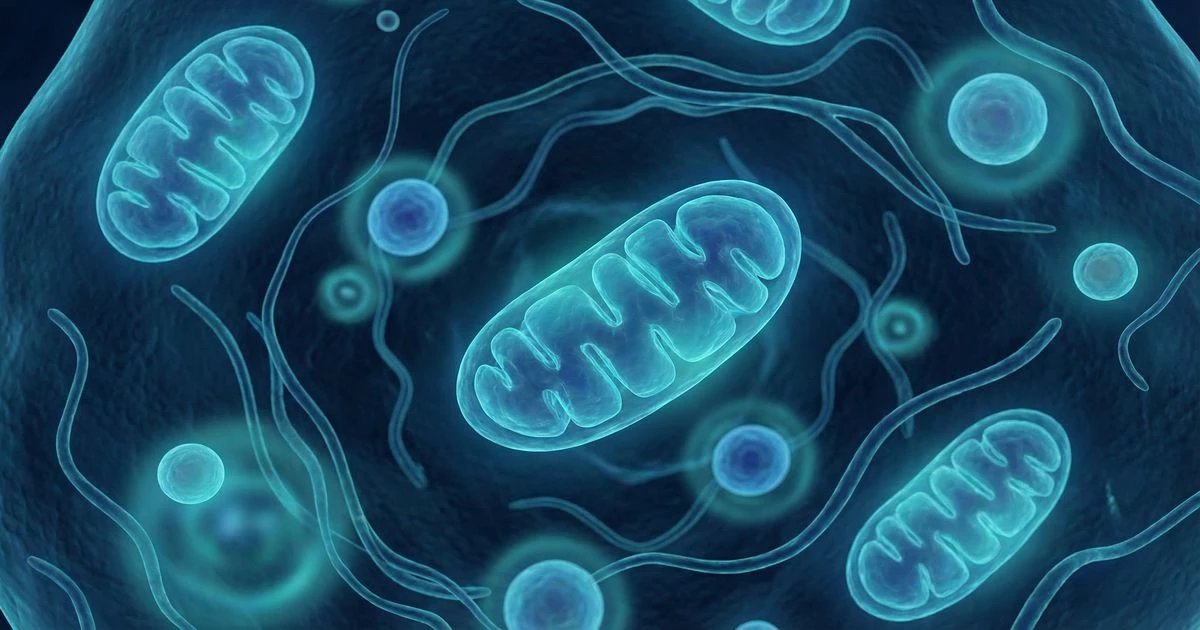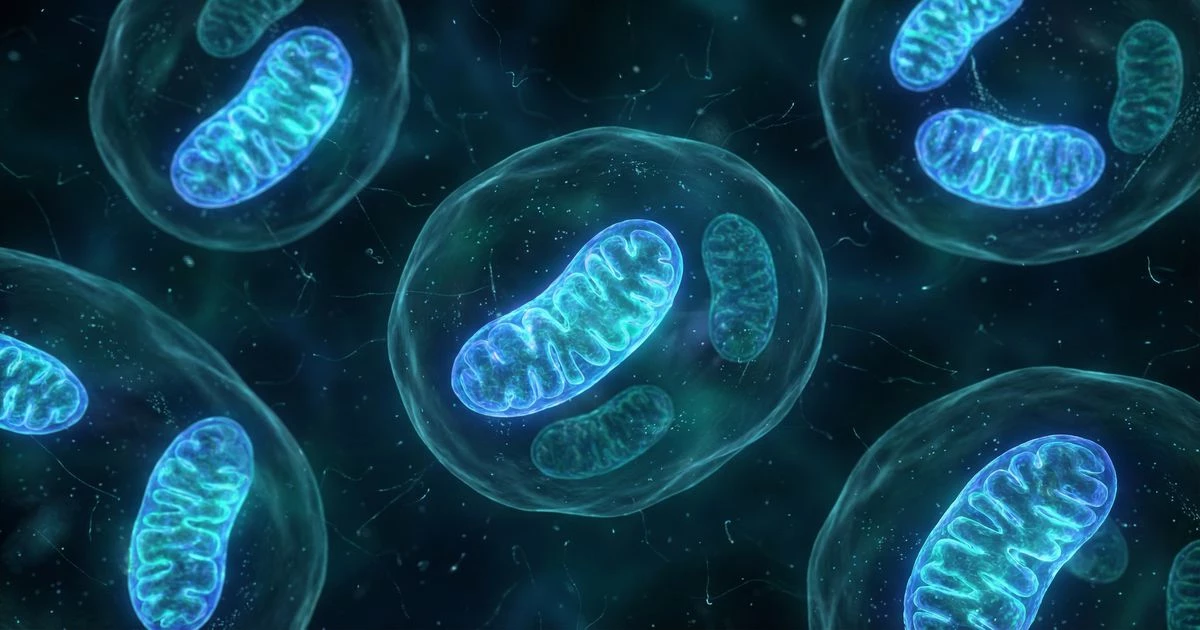

The conversation around longevity has shifted. What was once dominated by antioxidants and generic “anti-aging” claims has evolved into something far more precise: targeting the cellular machinery that powers every function in your body.
In 2026, mitochondrial health stands at the center of this conversation. With over 14 years of research behind compounds like Urolithin A and growing human data on NAD+ precursors like NMN, we’re witnessing a tipping point where science meets practical application. The question is no longer whether these compounds work at the cellular level, but how to use them intelligently.
This article compares NMN (nicotinamide mononucleotide) as a leading NAD+ precursor and Urolithin A as a mitophagy activator—two complementary tools for supporting mitochondrial function. Between 2023 and 2026, we’ve seen updated regulatory discussions around NMN in various markets, additional human clinical trials examining Urolithin A’s effects on muscle function and immune resilience, and a clearer picture of how these compounds fit into the broader healthy aging toolkit.
What you won’t find here: exaggerated promises about disease treatment or guaranteed lifespan extension. What you will find: a science-backed, accessible overview of the current evidence, practical considerations, and honest acknowledgment of what we still don’t know.
Mitochondria 101: How Cellular Power and Cleanup Shape Healthy Aging
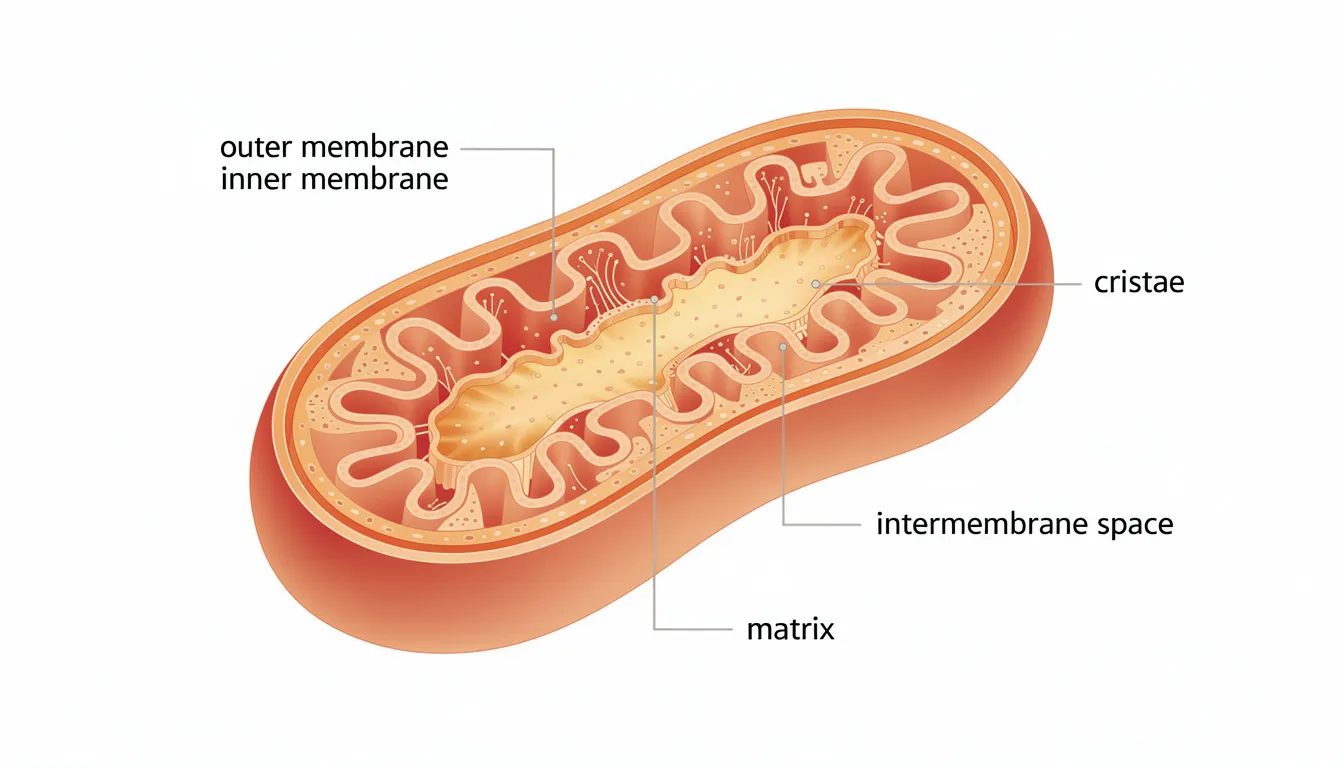
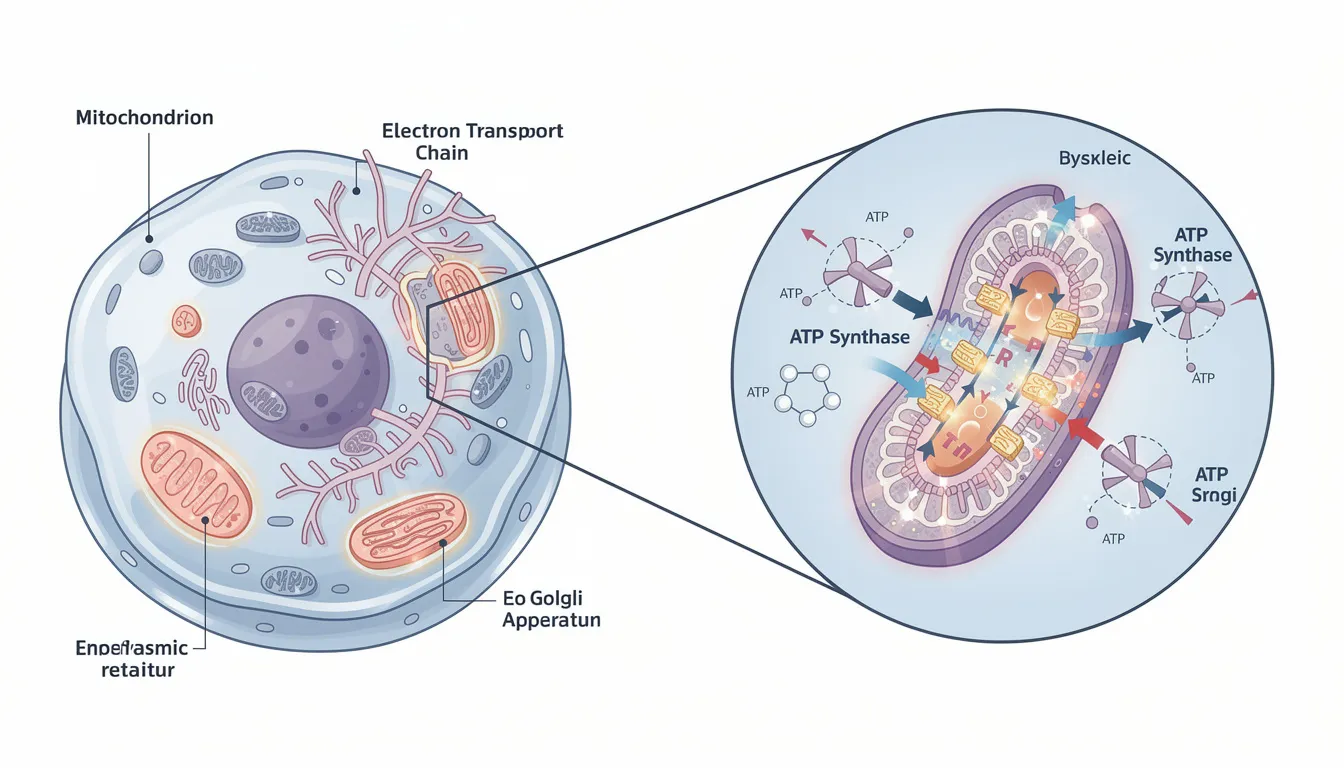
Think of mitochondria as microscopic power plants operating inside nearly every cell in your body. These organelles convert the food you eat into ATP (adenosine triphosphate)—the energy currency that fuels everything from muscle contractions to brain activity.
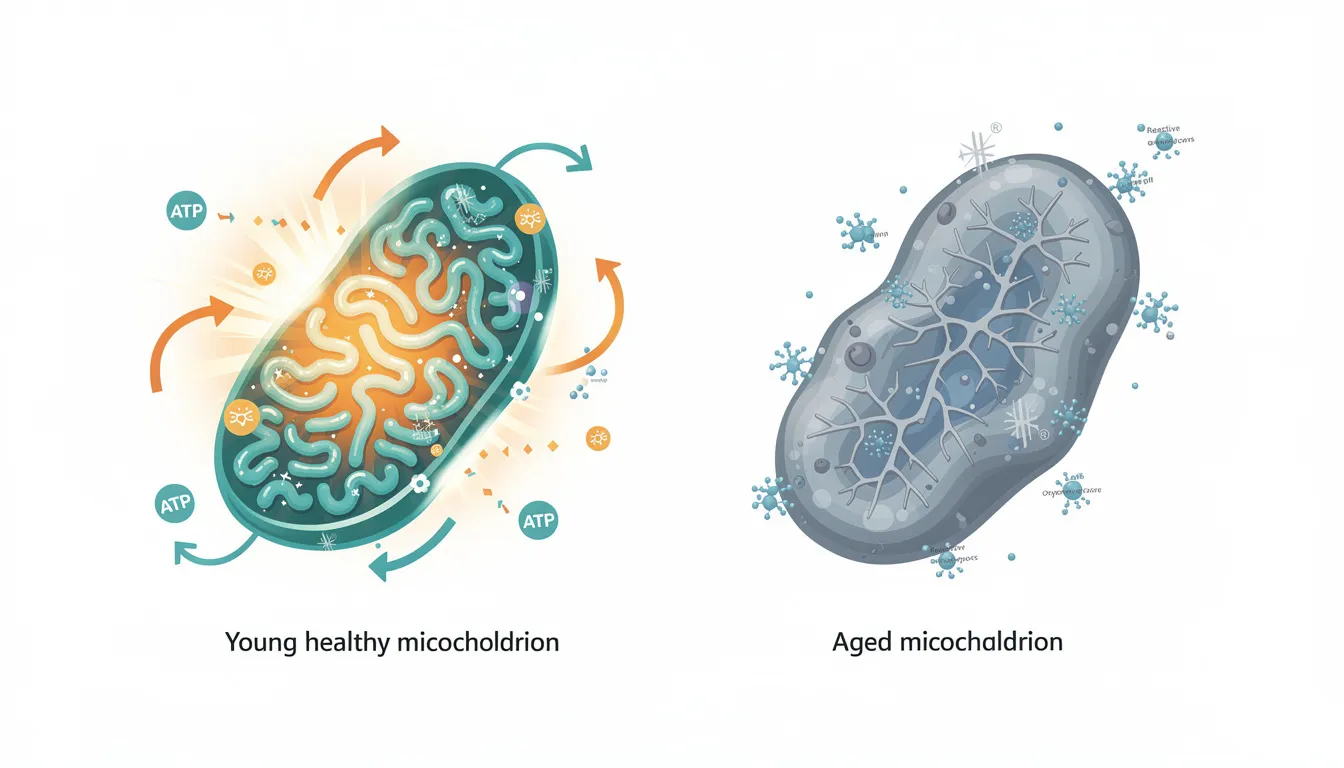
But mitochondria do more than produce energy. They play critical roles in energy metabolism, cell signaling, and even determining when damaged cells should be recycled. Research published in journals like Nature Aging and Cell Metabolism between 2021-2025 has consistently highlighted mitochondrial dysfunction as a hallmark of aging. As we age, mitochondria become less efficient at producing ATP, generate more reactive oxygen species (damaging byproducts), and the body’s ability to clear out damaged mitochondria diminishes. Certain compounds, such as Urolithin A, have antioxidant properties that help combat oxidative stress and protect cells from damage.
Two processes are central to understanding mitochondrial health:
NAD+/Redox Balance: NAD+ (nicotinamide adenine dinucleotide) is a coenzyme essential for hundreds of enzymatic reactions. It activates sirtuins—proteins that regulate cellular health, stress responses, and mitochondrial function. NAD+ levels naturally decline with age, leaving cells more vulnerable to damage.
Mitophagy: This is the quality-control process where cells identify, tag, and recycle damaged mitochondria. Think of it as cellular cleanup. When mitophagy slows down (which happens with aging), dysfunctional mitochondria accumulate, dragging down overall cellular energy production.
These processes connect directly to everyday outcomes: muscle strength, endurance, fatigue levels, metabolic flexibility, and cognitive performance. Supporting them doesn’t guarantee freedom from disease, but research suggests it may help maintain functional capacity as we age.
NMN Explained: A 2026 Update on NAD+ Precursors
NMN (nicotinamide mononucleotide) belongs to the vitamin B3 family and serves as a direct precursor to NAD+. What makes NMN particularly interesting is its efficiency: it converts to NAD+ in a single metabolic step, bypassing the delays associated with other NAD+ precursors like nicotinamide riboside (NR).
NAD+ supports mitochondrial function through several pathways:
Electron transport chain activity (where ATP is actually produced)
Sirtuin activation (SIRT1, SIRT3, and others that regulate cellular stress responses)
DNA repair enzymes
Broader metabolic pathways tied to energy production
The evolution of NMN research follows a clear trajectory:
| Period | Research Focus |
|---|---|
| 2013-2018 | Animal models showing improved metabolic health and endurance |
| 2019-2025 | Human studies measuring NAD+ levels, muscle insulin sensitivity, vascular function, and fatigue scores |
| 2026 | Growing body of human data, ongoing regulatory discussions across markets |
Both NMN and NR raise NAD+ levels in humans, though they may differ in pharmacokinetics and tissue targeting. The evidence consistently shows that NAD+ precursors in general can increase blood NAD+ levels, though the translation to long-term health outcomes remains an active area of investigation.
From a regulatory perspective, NMN’s status varies by region. In some markets, it’s available as a dietary supplement; in others, its classification remains under discussion. This isn’t legal advice—just context for understanding why availability and marketing may differ depending on where you are.
What Human Studies Tell Us About NMN So Far
Human clinical trials on NMN have measured several types of outcomes:
Blood NAD+ levels (the most direct biomarker)
Markers of insulin sensitivity
Walking distance and grip strength
Fatigue questionnaires
Vascular stiffness measurements
Typical study designs involve small randomized controlled trials in middle aged adults and older adults, using doses of 250-600 mg/day for 8-24 weeks. Some studies report significant improvements in NAD+ levels and selected functional markers, while others show more modest or variable results.
Key limitations to keep in mind:
Sample sizes remain relatively small
Trial durations are short (weeks to months, not years)
Participants vary in baseline health status
No long-term data exists on clinical endpoints like morbidity or mortality
The safety profile looks favorable based on published trials. The most commonly reported side effects are mild gastrointestinal symptoms. However, long-term safety data remains limited, and medical guidance is essential before starting supplementation.
Here’s an important distinction: “increased NAD+” is a biomarker, not a guaranteed health outcome. The translation from biomarker changes to meaningful long-term benefits remains an open research question—one that future research will need to address.
How NMN Might Support Mitochondrial Health (Mechanistic Overview)
The mechanistic pathway is relatively straightforward: NMN enters cells, converts to NAD+, and that elevated NAD+ supports enzymes in the electron transport chain where ATP is produced. Higher NAD+ availability may also upregulate sirtuins like SIRT3, which operates directly within mitochondria and helps manage oxidative stress.
Preclinical data in animal models suggests NMN supplementation leads to improved mitochondrial biogenesis (the creation of new mitochondria), enhanced endurance, and greater metabolic flexibility. Rodents receiving NMN have shown improvements in exercise capacity and markers of metabolic health.
The critical caveat: findings from animal models don’t guarantee similar effects in humans. Biology differs across species, and what works dramatically in mice may translate modestly—or not at all—in people.
The rationale for exploring NMN as a supportive tool stems from a simple observation: NAD+ levels naturally decline with age and chronic stressors like poor sleep, inactivity, and high-calorie diets. If NAD+ depletion contributes to mitochondrial dysfunction, then replenishing it could theoretically support cellular energy and function.
Urolithin A Explained: Mitophagy and Muscle Resilience
Urolithin A takes a different approach to mitochondrial health. It’s a gut-derived postbiotic—meaning your body produces it when gut bacteria metabolize ellagitannins found in foods like pomegranates, certain berries, and walnuts. Urolithin A can be produced in the gut through the metabolism of ellagitannins found in foods like pomegranates and berries, but many individuals lack the gut microbes required for this conversion.
Here’s the catch: only about 30-40% of the population naturally produces sufficient amounts of Urolithin A. The rest lack the specific microbiome composition needed for consistent conversion. This is why standardized supplementation has become relevant for most people seeking its benefits.
Mitophagy, the process Urolithin A activates, works like this: cells identify worn-out, damaged mitochondria, tag them for removal, envelop them in specialized structures called autophagosomes, and break them down for recycling. This cellular cleanup is essential for maintaining a healthy mitochondrial network, particularly in tissues with high energy demands like skeletal muscle. Urolithin A has been shown to improve mitochondrial function by supporting mitophagy and mitochondrial biogenesis.
The scientific story progressed systematically:
2016-2020: Preclinical work in worms and mice demonstrated enhanced mitophagy and improved muscle performance
2020-2025: Human trials with standardized Urolithin A supplements showed measurable benefits
2026: Multiple placebo-controlled trials and growing interest in sports, aging, and immune research
As of 2026, Urolithin A stands as one of the best-studied mitophagy activators in humans, with peer reviewed research published in journals like JAMA Network Open.

Key Human Data on Urolithin A (Up to 2026)
The most substantial human clinical evidence comes from a randomized trial—a randomized, double-blind, placebo-controlled trial published in JAMA Network Open. This clinical trial enrolled older adults aged 65-90 years with baseline average physical performance (mean 6-minute walk distance of 450.6 meters) and suboptimal mitochondrial function.
Key findings from long-term supplementation with 1000 mg of Urolithin A daily for four months:
Enhanced skeletal muscle endurance (measured by number of muscle contractions until fatigue)
Significant reductions in acylcarnitines (biomarkers of mitochondrial metabolic efficiency)
Decline in plasma ceramides (indicating reduced inflammation)
Generally favorable tolerability
Urolithin A supplementation has been shown to improve muscle strength and endurance in older adults.
The improvements in 6-minute walk distance and maximal ATP production in hand muscles were not statistically significant, suggesting benefits may be more specific to localized muscle endurance rather than broad functional improvements.
Emerging 2024-2025 studies suggest potential support for immune fitness, including improved T cell profiles, and ongoing investigations are exploring brain aging and cognitive function. Daily supplementation with Urolithin A can lead to significant improvements in immune function and exercise recovery. However, therapeutic claims remain premature.
Urolithin A supplementation has been shown to improve muscle endurance by 17% compared to placebo after 2 months in clinical trials. Randomized, placebo-controlled human trials have explored Urolithin A’s effects on immune function, muscle endurance, and mitochondrial biomarkers in both healthy and aging populations.
Most trials use a highly pure form of standardized Urolithin A at 500-1000 mg/day, with benefits appearing dose-dependent within tested ranges. Mitopure is the only Urolithin A supplement that has been clinically studied in humans and is designated as FDA GRAS (Generally Recognized As Safe). Timeline has launched its 25th human clinical study on Mitopure, marking a significant milestone in its research efforts. Safety findings indicate generally favorable tolerability, with gastrointestinal discomfort being the most frequent mild side effect.
Urolithin A has also been shown to enhance the activation of antioxidant enzymes, thereby reducing stress from harmful reactive oxygen species to protect cells from damage.
How Urolithin A Targets Mitochondrial Quality Control
Unlike compounds that simply boost mitochondrial output, Urolithin A helps cells identify and recycle damaged mitochondria through mitophagy activation. This is the distinction between “working harder” and “working smarter.”
The conceptual sequence:
Urolithin A enters cells and activates pathways involving AMPK and autophagy-related proteins
Damaged mitochondria are tagged with molecular markers signaling dysfunction
Autophagosomes envelop the tagged mitochondria
Lysosomes fuse with autophagosomes to break down the contents
Components are recycled, providing building blocks for new mitochondria
Research indicates that this recycling process begins soon after supplementation starts, while the formation of new mitochondria lags by approximately one month. This creates a two-phase effect: initial benefits come from clearing out damaged cellular machinery before new healthy structures are built.
This “quality control” role complements NAD+ precursors’ “fuel supply” role—a distinction that becomes important when considering potential synergy.
Mitochondrial Health and Disease: The Expanding Frontier
Mitochondrial health is increasingly recognized as a cornerstone of overall wellness, with far-reaching implications for muscle function, cellular health, and healthy aging. As the body’s primary source of energy production, mitochondria fuel everything from muscle contractions to brain activity. When mitochondrial function is optimal, cells can efficiently generate energy, maintain metabolic balance, and support the body’s resilience to stress.
However, research over the past several years has revealed that mitochondrial dysfunction is not just a feature of rare genetic disorders—it is a common thread linking many of the most prevalent age-related diseases. Peer reviewed research and clinical studies have shown that impaired mitochondrial health can contribute to neurodegenerative conditions like Alzheimer’s and Parkinson’s disease, metabolic disorders such as type 2 diabetes and obesity, and muscle-related issues including sarcopenia and reduced muscle strength.
The underlying mechanisms are complex but share a common theme: when mitochondria fail to produce adequate energy, cells experience increased oxidative stress, inflammation, and impaired recovery. This can lead to a decline in muscle endurance, reduced exercise performance, and diminished cellular energy, all of which are hallmarks of aging and chronic disease. In particular, muscle tissue—one of the body’s most energy-demanding systems—relies heavily on healthy mitochondria to sustain strength, function, and metabolic health.
Recent findings suggest that supporting mitochondrial function may help slow or mitigate some of these age-related changes. Strategies that improve mitochondrial biogenesis, enhance cellular cleanup of damaged mitochondria, and optimize energy metabolism are being actively explored in clinical research. These approaches hold promise not only for maintaining muscle health and cognitive function but also for reducing the risk of chronic diseases associated with mitochondrial dysfunction.
As the frontier of mitochondrial research expands, scientists are uncovering new pathways and potential interventions to support cellular health at its foundation. While much remains to be learned, the essential role of mitochondria in energy production and healthy aging is now firmly established. Ongoing studies continue to refine our understanding of how best to protect and enhance mitochondrial health, with the goal of promoting resilience, vitality, and longevity at the cellular level.
NMN vs Urolithin A: Different Levers on the Same System
NMN and Urolithin A affect overlapping but distinct aspects of mitochondrial health. One focuses on fuel supply; the other on quality control. Understanding these different mechanisms helps clarify how they might fit into different health goals.
Primary Target NMN replenishes the NAD+ pool—the coenzyme essential for mitochondrial energy production and sirtuin activation. Urolithin A activates mitophagy, the process that removes dysfunctional mitochondria and promotes mitochondrial renewal.
Key Tissues of Interest NMN appears to support systemic mitochondrial function across multiple tissue types. Urolithin A research has particularly focused on skeletal muscle health and emerging immune markers.
Type of Evidence Both compounds have human clinical trials, though Urolithin A currently has more extensive published human data from multi-month placebo-controlled studies. NMN research continues to build, with growing human studies examining various doses and durations.
Typical Studied Doses and Durations NMN trials commonly use 250-600 mg/day for 8-24 weeks. Urolithin A trials typically use 500-1000 mg/day for 4-6 months.
How Goals Might Shape Interest
| Goal | Potential Fit |
|---|---|
| Global NAD+ status and broad metabolic support | NMN or related precursors |
| Muscle endurance and mitochondrial quality | Urolithin A |
| Emerging immune support | Urolithin A showing early promise |
| Exercise performance optimization | Both may offer complementary benefits |
It’s essential to note: no head-to-head human trial has directly compared NMN to Urolithin A for outcomes like muscle strength or fatigue as of early 2026. Neither molecule is proven to extend human lifespan; current evidence focuses on markers and functions related to healthspan.
Potential Synergy: NAD+ Supply + Mitophagy Cleanup
The conceptual synergy is appealing: providing more NAD+ (via NMN) could support mitochondrial enzymes and energy production, while enhancing mitophagy (via Urolithin A) could improve the overall quality of the mitochondrial network.
Think of it as combining “better fuel” with “cleaner engines.”
However, robust human data on combined NMN + Urolithin A supplementation are not yet available. Any discussion of synergy remains mechanistic and hypothetical rather than clinically proven.
Potential benefits of a dual-pathway approach in theory:
Better energy availability at the cellular level
More efficient removal of dysfunctional mitochondria
Potentially enhanced exercise adaptations
Greater resilience to metabolic stress
Important cautions:
Stacking multiple advanced supplements increases cost and complexity. This approach should not replace core lifestyle interventions like exercise, clinical nutrition attention, and adequate sleep. Daily supplementation with multiple compounds requires careful consideration and ideally professional guidance.
Practical Tips for Considering NMN and Urolithin A in 2026
This is not medical advice. Readers should consult healthcare professionals before starting any supplement, particularly those who are pregnant, nursing, older, or managing chronic conditions or medications.
Factors to Consider Before Supplementing
| Factor | Questions to Ask |
|---|---|
| Age and baseline activity | Am I sedentary or active? Middle-aged or older? |
| Primary goals | Energy? Exercise performance? Healthy aging focus? |
| Budget | Can I sustain this for 3-6 months minimum? |
| Tracking willingness | Will I monitor outcomes systematically? |
Tracking Non-Invasive Markers of Response
Since most people won’t have access to NAD+ blood tests or mitochondrial gene expression analysis, practical tracking focuses on:
Perceived energy levels throughout the day
Exercise performance (reps, sets, distances, recovery time)
Sleep quality and morning alertness
Consistency with training routines
Be honest about placebo effects and natural variability. Some people respond more than others, and individual genetics, microbiome composition, and lifestyle factors all play roles.
Timing and Stacking Considerations
Many studies use morning dosing with food, though human data don’t yet define an “optimal” schedule. Common practice combines mitochondrial supplements with resistance training to support muscle health and metabolic benefits.
If considering both NMN and Urolithin A:
Start with one compound first
Allow 8-12 weeks before adding another
Track any changes systematically
Maintain consistent lifestyle factors (exercise, diet, sleep) as your foundation

Safety, Quality, and What to Look For on Labels
Quality matters enormously with advanced supplements. Not all products deliver what labels claim.
Prioritize products with:
Third party testing certifications (NSF, USP, Informed-Choice)
Transparent labeling showing exact ingredient forms and doses
Published or cited human data on the specific form used
Clear manufacturing standards
Red flags to avoid:
Proprietary blends hiding individual doses
Vague sourcing information
Unrealistic health claims
No third-party verification
For Urolithin A specifically, look for standardized forms with documented bioavailability (the clinically studied version is often labeled as Mitopure). For NMN, verify that the product specifies the form and has been tested for purity and stability.
Always disclose all supplements to healthcare professionals. Potential interactions with medications or health conditions need professional evaluation.
Adoption strategy:
Start with one new supplement at a time
Allow at least 8-12 weeks before judging effects
Discontinue use and seek medical advice if adverse effects appear
Keep expectations realistic—biomarkers may shift before you “feel” anything
Anchoring Advanced Mitochondrial Support in Lifestyle
Here’s the central truth that no supplement can change: NMN and Urolithin A are potential tools, not substitutes for the behaviors proven to support mitochondrial health.
Evidence-Backed Lifestyle Levers for Mitochondrial Function
| Intervention | Mechanism |
|---|---|
| Regular resistance training | Stimulates mitochondrial biogenesis, improves muscle function |
| Aerobic exercise | Enhances oxidative capacity, supports NAD+ pathways |
| Sufficient protein intake | Provides building blocks for mitochondrial proteins |
| Polyphenol-rich whole foods | Contains compounds that may support AMPK activation and mitophagy |
| Adequate sleep | Enables nightly repair, mitochondrial turnover, recovery |
| Stress management | Reduces chronic inflammation that impairs mitochondrial function |
| Avoiding smoking and excessive alcohol | Prevents direct mitochondrial toxicity |
These behaviors target the same pathways as NMN and Urolithin A: NAD+ balance, AMPK activation, and mitophagy. The difference is that exercise and nutrition have decades of robust human evidence behind them.
Practical, Actionable Ideas
Add two weekly strength training sessions targeting major muscle groups
Include a daily 20-30 minute brisk walk
Establish a consistent bedtime (within 30 minutes variation)
Add a polyphenol-rich snack daily—berries, pomegranate seeds, or walnuts with dark chocolate
Supplements work best as adjuncts to this foundation, not replacements for it.
Frequently Asked Questions About NMN, Urolithin A, and Mitochondrial Health
Do NMN or Urolithin A slow aging?
Current evidence shows these compounds influence biomarkers related to cellular aging and mitochondrial function. However, no human studies have demonstrated lifespan extension. The focus of research is on improving markers of healthspan—muscle endurance, mitochondrial gene expression, and metabolic efficiency—rather than proving longevity effects.
Can I get enough Urolithin A from food?
For most people, no. Only 30-40% of the population produces sufficient Urolithin A naturally from dietary ellagitannins. This depends entirely on your gut microbiome composition. Even among those who can produce it, levels vary considerably. Standardized supplementation provides consistent doses that research suggests are needed for measurable effects.
What age group is most studied?
Most clinical research has focused on middle aged adults and older adults—typically ages 40-90. Data in younger populations are limited. The rationale is that mitochondrial dysfunction becomes more pronounced with age, making older adults the population most likely to benefit from mitochondrial support interventions.
Can athletes benefit?
Early evidence suggests potential benefits for improved mitochondrial markers, muscle endurance, and recovery in active individuals. However, training remains the primary driver of athletic adaptation. Research in athletic populations is still emerging, and supplements should not replace proper periodization, nutrition, and rest.
How long before I might notice anything?
Clinical trials typically show biomarker shifts within 4-6 weeks. Functional changes like improved exercise performance or reduced fatigue may take several months to become apparent. Individual variability is significant—some people report subjective improvements within weeks, while others notice nothing definitive even after months. Managing expectations is essential.
Are there interactions with medications?
This is why disclosing all supplements to healthcare providers matters. While clinical trials haven’t identified major interactions, individual health conditions and medication profiles require professional evaluation. This is especially true for those managing metabolic conditions, taking blood thinners, or using medications metabolized by the liver.
Is one better than the other?
They work through different mechanisms and may serve different goals. NMN replenishes cellular NAD+ pools. Urolithin A enhances mitophagy and mitochondrial quality control. Neither is objectively “better”—the appropriate choice depends on individual goals, health status, and response to supplementation.
The Bottom Line: NMN and Urolithin A as Part of the 2026 Mitochondrial Toolkit
Mitochondria have emerged as a central theme in healthy aging research, and for good reason. These organelles influence nearly every aspect of physical and cognitive function. As we understand more about mitochondrial dysfunction and its role in age-related decline, tools to support mitochondrial health become increasingly relevant.
NMN and Urolithin A represent two complementary approaches: NAD+ replenishment and mitophagy activation. The current evidence supports their effects on biomarkers and functional measures like muscle endurance and mitochondrial gene expression. What we don’t yet have is proof of effects on hard clinical endpoints like disease incidence or lifespan.
The balanced message for 2026:
Use lifestyle foundations—exercise, nutrition, sleep, stress management—as your primary lever
Consider NMN and/or Urolithin A as evidence-informed options that continue to evolve
Work with knowledgeable healthcare professionals when adding these supplements
Follow developments in ongoing clinical trials through trusted scientific sources with appropriate scientific rigor
Looking ahead, the next decade of mitochondrial research will likely bring more sophisticated combination strategies—exercise protocols paired with NAD+ precursors and mitophagy activators, perhaps personalized based on genetics and microbiome profiles. The foundation being built now in human trials will shape increasingly targeted approaches.
Mitochondrial health isn’t a magic bullet. But understanding how to support these cellular powerhouses—through both proven lifestyle interventions and emerging supplements—represents a meaningful step toward maintaining function, energy, and resilience as we age.
Further Reading
Explore more articles related to this topic:
- Health Benefits of NMN: What Science Really Shows
- Best Mitochondrial Health Supplements for 2026: A Science-Backed Guide
- Benefits Of NMN Supplements: Science-Backed Pros, Limits, And Safety
- Can I Get Enough NMN From Food?
- NMN and Brain Health: Can Boosting NAD+ Prevent Cognitive Decline?
- The 12 Hallmarks of Aging Explained: A Beginner’s Guide to Longevity Science
- NMN and Apigenin: The Science of CD38 Inhibition
- What Are Senolytics? A Beginner’s Guide to How Quercetin and Fisetin Clear “Zombie Cells”