
If you’ve spent any time researching supplements for healthy aging, you’ve likely encountered NMN and resveratrol. These two compounds have become staples in the longevity community, often discussed together as a powerful duo for supporting cellular health. But what does the science actually say about their individual and combined effects?
NMN (nicotinamide mononucleotide) primarily works by boosting NAD+ levels in your cells, supporting cellular energy production and DNA repair mechanisms. Resveratrol, on the other hand, acts mainly as a potent antioxidant and sirtuin activator, helping to protect cells from oxidative damage while influencing metabolic pathways. Many people now take them together, reasoning that the combination may offer enhanced healthy aging benefits compared to either compound alone.
Quick Summary: NMN vs Resveratrol
Before diving into the details, here’s a straightforward comparison of these two popular supplements:
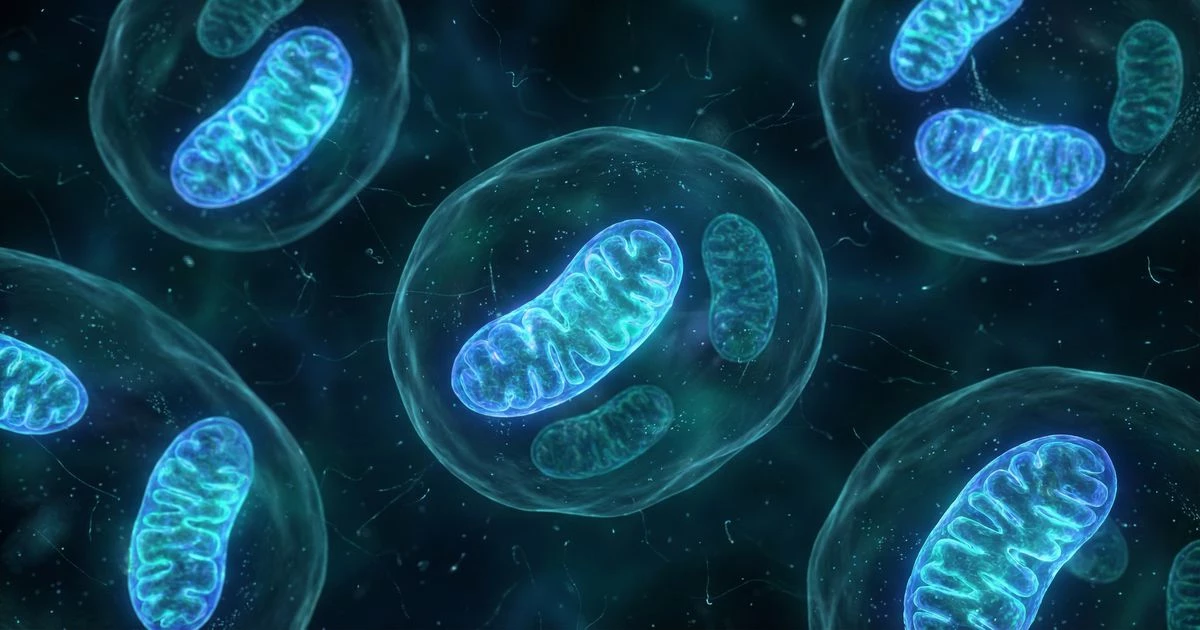
NMN → Direct NAD+ precursor; supports cellular energy, mitochondrial function, and DNA repair
Resveratrol → Polyphenol antioxidant; activates sirtuins and AMPK, reduces inflammation
Both → Studied for cardiovascular health, metabolic health, and longevity effects
Synergy → NMN supplies NAD+ while resveratrol activates NAD+-dependent enzymes
Evidence level → Strong animal data (2013-2021); growing but still early human research
Safety → Generally well-tolerated at typical doses; long-term human data still limited
The combination of NMN and resveratrol appears mechanistically synergistic. NMN replenishes NAD+ pools that naturally decline with age, while resveratrol activates the sirtuin enzymes that consume NAD+. This creates a logical pairing: one provides the fuel, the other activates the machinery. However, most robust evidence supporting this synergy comes from animal studies and early human trials conducted between 2013 and 2022.
Current human data suggest potential benefits for metabolic function, vascular health, and exercise capacity. That said, neither compound is a proven anti-aging cure, and claims about extending lifespan in humans remain speculative. Research suggests these supplements may support various aspects of the aging process, but they’re not magic bullets.
Important note: Consult a healthcare provider before starting any new supplement regimen, especially if you take medications like blood thinners or manage chronic health conditions.

What Is Resveratrol?
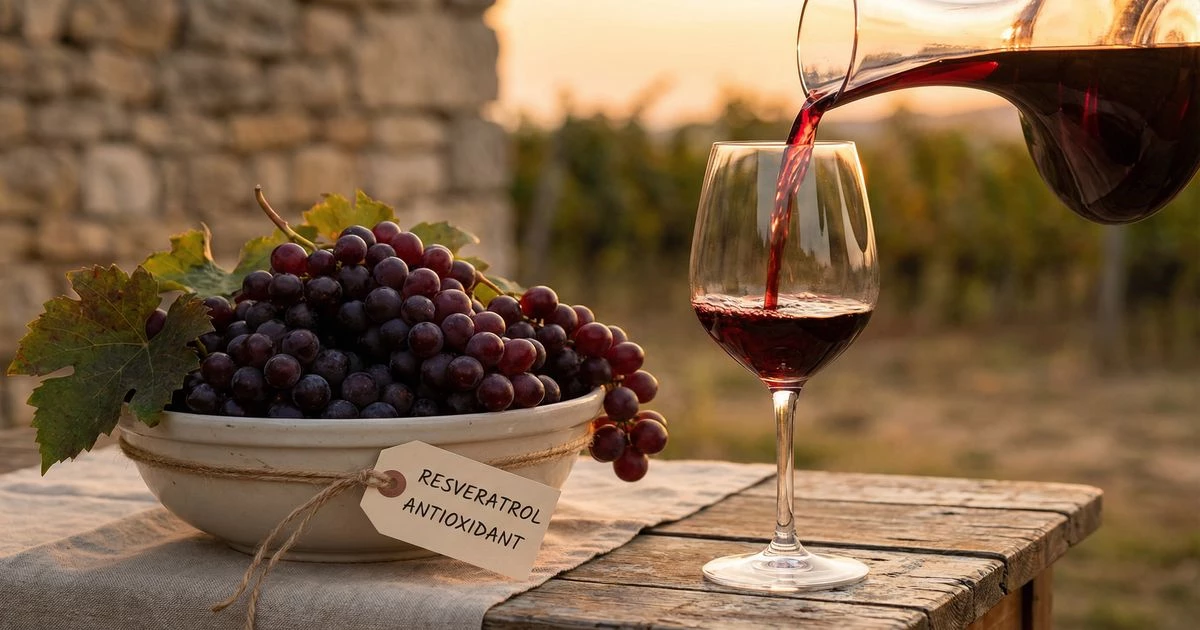
Resveratrol is a plant polyphenol belonging to a class of compounds called stilbenes. It’s found naturally in red grapes, berries, peanuts, and red wine, where it serves as a defense mechanism against environmental stress and pathogens. Scientists have studied resveratrol since the 1990s for its potential cardiovascular and longevity-related effects.
Most research and supplements use trans-resveratrol, the bioactive isomer that produces the compound’s biological effects. Here’s some perspective on amounts: a glass of red wine contains roughly 1-2 mg of resveratrol, while typical supplement doses range from 150-500 mg. That’s a significant difference, which is why dietary intake alone rarely delivers the concentrations used in studies.
Resveratrol gained widespread attention following research into the “French paradox”—the observation that French populations had relatively low rates of cardiovascular disease despite diets rich in saturated fat, possibly due to regular red wine consumption. Later work in the early 2000s, including a landmark 2003 paper on sirtuin activation, further elevated resveratrol’s profile in longevity research.
Key Resveratrol Benefits
The health benefits of resveratrol stem primarily from its antioxidant properties, anti inflammatory properties, and ability to influence cellular signaling pathways including SIRT1 and AMPK activation, as well as improvements in endothelial function.
Cardiovascular support – Resveratrol can improve blood vessel function by enhancing nitric oxide production, which promotes vessel dilation. Human trials from 2011-2015 showed modest improvements in blood pressure and flow-mediated dilation in some participants. These effects may contribute to improved cardiovascular health and protection against cardiovascular disease over time.
Metabolic health – Evidence from animal and small human studies indicates resveratrol can improve insulin sensitivity and glucose metabolism, particularly when combined with lifestyle modifications. Some research shows it may positively influence body composition and overall metabolic health.
Brain and cognitive support – Animal data demonstrate reduced neuroinflammation and protection against beta-amyloid toxicity associated with Alzheimer’s disease. Early human studies suggest potential benefits for cerebral blood flow and certain cognitive function measures in older adults, supporting brain health and potentially slowing cognitive decline.
Skin and cellular aging – Resveratrol’s antioxidant role helps protect cells from UV-induced damage and supports collagen integrity. This explains its widespread inclusion in topical anti-aging skincare products as an anti aging compound.
While animal and cell data are compelling, it’s worth noting that large, long-term human trials examining hard aging outcomes remain limited. The potential health benefits are promising but require further verification.
How Resveratrol Works in the Body
Resveratrol is more than just an antioxidant—it’s a signaling molecule that interacts with multiple aging-related pathways in your cells.
SIRT1 activation – Resveratrol enhances SIRT1 activity, a sirtuin protein linked to DNA repair, mitochondrial function, and metabolic regulation. This mechanism is why resveratrol is often described as “mimicking caloric restriction” at the cellular level.
AMPK pathway – Resveratrol stimulates AMPK, a cellular energy sensor often called the metabolic master switch. When activated, AMPK promotes fat burning, mitochondrial biogenesis, and improved energy balance—effects that overlap with exercise and fasting benefits.
Anti-inflammatory actions – The compound downregulates NF-κB and other pro-inflammatory pathways, contributing to reduced chronic inflammation in preclinical models. This reduction in inflammatory signaling may help slow aging at the cellular level.
Antioxidant role – Beyond direct free radical neutralization, resveratrol upregulates endogenous antioxidant enzymes like SOD and catalase in experimental studies, enhancing the body’s ability to handle oxidative stress and protect cells from damage.
One important consideration: human bioavailability of resveratrol is relatively low, often less than 1% reaching systemic circulation. This is why higher supplemental doses and enhanced-delivery formulations (micronized, liposomal) are commonly used in research and practice. Liposomal delivery, in particular, can enhance the body’s ability to absorb resveratrol by protecting the compound and improving its bioavailability.
What Is NMN (Nicotinamide Mononucleotide)?
NMN is a derivative of vitamin B3 and serves as a direct precursor to NAD+ (nicotinamide adenine dinucleotide), a coenzyme central to energy production, cellular repair, and hundreds of enzymatic reactions throughout your body. Think of NMN as raw material your cells can quickly convert into the NAD+ they need to function optimally.
NMN occurs naturally in small amounts in foods such as edamame, broccoli, cabbage, cucumbers, and avocados. However, dietary intake provides far less than typical supplemental amounts—you’d need to eat impractical quantities of these foods to match what’s used in research.
Interest in NMN supplementation surged after studies in the 2010s demonstrated that raising NAD+ levels in aged mice could improve metabolic health, exercise capacity, and various markers of vascular and neurological function. Human trials began appearing around 2016, primarily from research groups in Japan, the United States, and China, generally using oral doses between 250-600 mg daily.
Key NMN Benefits
Most NMN benefits are mediated through restoring or elevating NAD+ levels, which naturally experience age related decline—often dropping by 50% or more by middle age in some tissues. This decline contributes to mitochondrial dysfunction, reduced cellular energy, and impaired repair mechanisms.
Cellular energy and mitochondrial function – NAD+ is essential for ATP production in mitochondria. Animal studies and early human data show improved aerobic capacity, reduced fatigue, and better muscle function when NAD+ levels are boosted through NMN supplementation.
Metabolic health and insulin sensitivity – A 2021 clinical trial in prediabetic women demonstrated that taking NMN could improve insulin sensitivity and muscle glucose uptake without major side effects. This supports NMN’s role in improving metabolic health and glucose metabolism.
Vascular and cardiovascular markers – Research where NMN raised NAD+ appeared to enhance endothelial function, arterial flexibility, and blood flow in aged mice. Smaller but promising signals have emerged in human pilot studies, suggesting potential for improving blood vessel function and supporting heart health.
DNA repair and cellular maintenance – Increased NAD+ supports PARP enzymes and sirtuins (SIRT1, SIRT3) involved in repairing DNA damage and maintaining mitochondrial quality. This support for DNA repair and cellular repair mechanisms has been primarily demonstrated in animal and cell studies.
While animal data are extensive, it’s crucial to understand that long-term, large-scale human outcome trials examining effects on heart attacks, dementia, or lifespan are still lacking as of 2024.
How NMN Increases NAD+ and Affects Aging Pathways
NAD+ is required for hundreds of enzymatic reactions, including cellular energy production, DNA repair, and epigenetic regulation. Understanding how NMN works reveals why it’s become central to longevity research.
NAD+ biosynthesis – NMN is one of the final intermediates in the NAD+ salvage pathway from nicotinamide. Supplementing NMN efficiently raises intracellular NAD+ in many tissues, as demonstrated in both rodent and human studies. This helps boost NAD levels throughout the body.
Sirtuins – Higher NAD+ levels activate sirtuins (SIRT1-SIRT7), proteins that regulate mitochondrial health, stress responses, and genomic stability. These are all relevant to aging biology and the body’s ability to maintain cellular function over time.
PARPs and DNA repair – PARP enzymes consume NAD+ to repair DNA breaks. More available NAD+ supports this repair capacity, helping to support DNA repair in experimental models and potentially reducing accumulated damage from environmental factors.
Mitochondrial health – NAD+-dependent pathways help maintain mitochondrial biogenesis and quality control via PGC-1α and mitophagy processes. This may explain the improved muscle and endurance outcomes seen in animal studies and supports overall mitochondrial efficiency.
A note of caution: raising NAD+ is not theoretically risk-free. Some researchers have raised questions about whether aggressive NAD+ boosting could theoretically support pre-existing cancer cells, since rapidly dividing cells also require NAD+. Ongoing human research is carefully monitoring safety, and current trials haven’t confirmed this concern.
NMN vs Resveratrol: Key Differences, Similarities, and Who Each Is Best For
Both NMN and resveratrol are frequently grouped as “longevity” supplements, but they act at different points in the same network of cellular pathways involving NAD+, sirtuins, and metabolic regulation. Understanding these distinctions can help you determine which might fit your goals.
| Aspect | NMN | Resveratrol |
|---|---|---|
| Primary mechanism | NAD+ precursor | SIRT1/AMPK activator & antioxidant |
| Main targets | Energy metabolism, DNA repair | Inflammation, oxidative stress, sirtuins |
| Human research volume | Growing (post-2016) | More extensive (2000s-present) |
| Typical dose | 250-500 mg/day | 150-500 mg/day |
| Key benefits | Mitochondrial function, metabolic health | Cardiovascular system, antioxidant defense |
| Taste | Generally neutral | Often bitter |
Mechanism difference – NMN is primarily a NAD+ precursor, directly supplying the raw material for cellular energy production. Resveratrol is a polyphenol that modulates signaling pathways related to SIRT1, AMPK, inflammation, and oxidative stress.
Overlapping benefits – Both compounds share domains of effect: metabolic health, vascular function, mitochondrial support, improved cellular stress resilience, and potential neuroprotection. This overlap is why many people consider using both.
Evidence base – Both have stronger evidence in animals than humans. Resveratrol supplements have accumulated more and longer human data, especially for cardiovascular and metabolic endpoints. NMN has newer but rapidly expanding human research.
Best suited for – Resveratrol may be particularly relevant for those focused on cardiovascular health, antioxidant support, and reducing inflammation. NMN may appeal more to people targeting energy metabolism, exercise capacity, and age-related NAD+ decline. This is informational guidance, not a prescription.
Practical considerations – Differences include taste (resveratrol can be quite bitter), typical dose ranges used in research, and cost variations. Quality and third-party testing matter significantly for both NMN supplements and resveratrol supplements.
Synergy: Benefits of Taking NMN and Resveratrol Together
Combining NMN and resveratrol has become popular because the pairing makes mechanistic sense. NMN supplies the NAD+ that cells need, while resveratrol activates the NAD+-dependent sirtuins (especially SIRT1) that drive many beneficial effects. One provides the substrate; the other turns on the enzymes that use it.
Much of the enthusiasm for this combination comes from mechanistic reasoning and animal studies, particularly work popularized by researchers like David Sinclair at Harvard. Sinclair has emphasized in interviews that resveratrol’s efficacy diminishes when NAD+ levels are low in aged cells, but pairing it with NMN restores full sirtuin potential. Early human work is beginning to explore this combination, though definitive longevity or disease prevention outcomes in humans remain to be demonstrated.

Enhanced NAD+ Levels and Sirtuin Activation
Preclinical evidence suggests that combining a NAD+ precursor like NMN with resveratrol can raise tissue NAD+ levels more than either compound alone. Mouse studies from around 2013-2018 showed 60-70% higher NAD+ in heart and muscle tissue when both compounds were administered together compared to NMN alone.
This combination may lead to stronger sirtuin activation, particularly SIRT1 and SIRT3, with downstream benefits for mitochondrial biogenesis, fat oxidation, and stress resistance. The enhanced sirtuin activity supports the anti aging benefits associated with caloric restriction without requiring actual calorie reduction.
Some animal studies reported improved exercise endurance, reduced age-related inflammation, and delayed metabolic dysfunction when both compounds were administered together compared with single agents. These findings support the theoretical basis for combining resveratrol and NMN.
However, robust human synergy data are still sparse. Most human trials test NMN or resveratrol alone, so extrapolations about combined effects remain based mainly on mechanistic insights and animal work. Cautious optimism is appropriate while awaiting more human verification.
DNA Repair, Mitochondrial Health, and Antioxidant Defense
DNA repair enzymes (PARPs) and transcription factors like the FOXO family rely on NAD+ and are influenced by sirtuins. This links NMN’s NAD+-raising effect with resveratrol’s sirtuin-activating and anti-inflammatory properties in a complementary network.
Animal data show that combined supplementation reduced markers of DNA damage, oxidative stress, and cellular senescence more than either supplement alone, particularly in aged rodents. This cellular protection may contribute to healthier ageing at the tissue level.
On the mitochondrial front, NMN supports energy metabolism via NAD+ and SIRT3, while resveratrol enhances mitochondrial biogenesis through PGC-1α and AMPK activation. Together, they provide complementary mitochondrial support that may help counter the natural decline in mitochondrial output—which can fall by 50% by age 60 in humans.
Resveratrol offers direct free radical scavenging, while NMN indirectly strengthens the body’s own antioxidant systems through NADPH-dependent pathways. This dual approach reinforces overall cellular health and resilience against oxidative damage.
Metabolic and Cardiovascular Synergy
Both NMN and resveratrol influence glucose and lipid metabolism, improve insulin sensitivity, and support vascular function—but through somewhat different upstream targets. This creates potential for additive or synergistic effects on overall metabolic health.
Resveratrol’s AMPK activation and anti-inflammatory effects can complement NMN-driven improvements in NAD+-dependent metabolic enzymes and muscle glucose uptake. In animal models of obesity or type 2 diabetes, co-administration has sometimes produced greater improvements in insulin sensitivity, fat accumulation, and liver fat than either compound alone.
For cardiovascular health, the combination may enhance endothelial function more effectively by both supplying NAD+ for eNOS activation and activating protective signaling pathways. This could support improved cardiovascular health and disease prevention efforts.
Of course, for humans, combining lifestyle strategies—Mediterranean-style diet, regular exercise, sleep optimization—with any supplementation is likely far more impactful than supplements alone. These compounds are potential additions to, not replacements for, a healthy lifestyle.
How to Take NMN and Resveratrol: Dosing, Timing, and Practical Tips
No universal, medically approved dosing standard exists for longevity use of these compounds. The following recommendations are based on commonly used research ranges as of 2024 and should be discussed with your healthcare provider.
Typical NMN doses:
Human studies often use 250-600 mg/day
Many people choose 250-500 mg in one or two divided doses
Both sublingual and oral capsule forms are available
Most clinical trials have used oral capsules
Typical resveratrol doses:
Supplemental ranges commonly fall between 150-500 mg/day in human studies
Some protocols use up to 1,000 mg under medical supervision
Higher doses may increase gastrointestinal side effects
Timing considerations:
Morning dosing aligns with the body’s natural circadian rhythm of NAD+ metabolism
University of Waterloo research suggests young adults may benefit from taking NMN approximately 6 hours post-waking for peak efficiency
Take resveratrol with a meal containing healthy fats (olive oil, nuts, avocado) to improve absorption
Practical tips:
Consider taking resveratrol and NMN with water and waiting 15-20 minutes before coffee or tea to minimize potential absorption interference from polyphenols and tannins
Many people take both daily without cycling, while others experiment with 5 days on/2 days off or monthly breaks
No strong evidence currently defines an optimal cycling pattern
Start at the lower end of dosing ranges, monitor how you feel, and discuss lab markers and overall health with a clinician if you plan long-term use.
Safety, Side Effects, and Who Should Be Cautious
Both NMN and resveratrol have shown good short-term safety profiles in human trials at commonly used doses. However, long-term data spanning many years remain limited, and individual responses can vary.
Common side effects:
Mild digestive upset (nausea, loose stools, abdominal discomfort)
Headaches
Transient fatigue
These issues often improve when doses are reduced or taken with food
Resveratrol and medications:
Can interact with blood thinners (warfarin) and antiplatelet drugs
May affect estrogen-modulating medications
Can influence platelet function and hormone pathways
Always inform your healthcare provider about resveratrol supplementation
Hormone-sensitive conditions:
Resveratrol has weak phytoestrogenic properties in some experimental models
People with hormone-sensitive cancers (certain breast, ovarian, uterine cancers) should only use it under oncologist guidance
NMN and theoretical risks:
Because NAD+ is also used by rapidly dividing cells, some scientists question whether aggressive NAD+ boosting could theoretically influence existing cancers
Current human data have not confirmed this risk, but research is ongoing
This is an area of active scientific investigation
Special populations requiring extra caution:
Pregnant or breastfeeding individuals
Children
People with serious chronic health conditions
Anyone on multiple medications, especially anticoagulants, immunosuppressants, or chemotherapy
Get personalized medical advice before adding NMN or resveratrol to your regimen if you fall into any of these categories.
Individual Factors and Response: Who Might Benefit Most (or Least)
Not everyone will experience the same results from NMN and resveratrol supplementation, as individual factors play a significant role in how these compounds affect cellular energy production, mitochondrial function, and DNA repair. Genetics, age, and underlying health conditions can all influence your body’s response.
For example, people with genetic variations that impact NAD+ metabolism may find NMN supplementation particularly beneficial, as it can help restore optimal cellular energy and support efficient energy production. Older adults, who naturally experience age related decline in NAD+ levels and mitochondrial function, may also see greater improvements in cellular energy and DNA repair when using NMN and resveratrol together.
However, those with certain health conditions, such as cardiovascular disease or diabetes, should approach resveratrol supplementation with caution. Resveratrol can influence blood sugar and blood pressure, so it’s important to monitor these parameters and consult a healthcare provider before starting. Similarly, anyone with complex health conditions or taking multiple medications should seek professional guidance to ensure that NMN and resveratrol are safe and appropriate for their individual needs.
Ultimately, the potential benefits of NMN and resveratrol depend on your unique biology and health status. Personalized advice from a healthcare provider can help you determine whether NMN supplementation, resveratrol supplementation, or a combination of both is best suited to support your cellular energy, mitochondrial function, and overall health.
NMN, Resveratrol, and Exercise: What the Research Shows
Emerging research suggests that combining NMN and resveratrol supplementation with regular exercise may offer synergistic benefits for metabolic health, cardiovascular health, and overall cellular health. Exercise itself is a powerful activator of NAD+ production and AMPK, both of which are central to energy metabolism and mitochondrial function.
Taking NMN and resveratrol before exercise may further enhance energy production and support mitochondrial health by boosting NAD+ levels and activating sirtuins. This combination could help optimize cellular energy output during physical activity, potentially improving muscle function and endurance. Animal studies have shown that NMN supplementation can increase exercise capacity and muscle performance, while resveratrol supplementation has been linked to improved blood vessel function, reduced inflammation, and enhanced cardiovascular health.
For those looking to improve metabolic health and support healthy aging, integrating NMN and resveratrol with a consistent exercise routine may amplify the potential benefits for energy metabolism, blood vessel function, and overall cellular health. However, research suggests that more studies are needed to fully understand the effects of this combination in humans, including the best dosing strategies and timing relative to exercise.
As always, it’s wise to consult with a healthcare provider before starting any new supplement regimen, especially if you have underlying health conditions or are taking medications. By combining NMN and resveratrol with regular physical activity, you may be able to further support your metabolic health, cardiovascular system, and long-term vitality.
How to Choose High-Quality NMN and Resveratrol Supplements
Supplement quality varies widely, and purity, stability, and testing matter significantly for both NMN and resveratrol. Taking time to evaluate products can help ensure you’re getting what you pay for.
| Quality Factor | What to Look For |
|---|---|
| Purity | NMN ≥98%; Resveratrol ≥98-99% |
| Testing | Independent third-party COAs |
| Packaging | Opaque containers, desiccants for NMN |
| Storage | Dark bottles, cool storage for resveratrol |
| Form options | Micronized/liposomal (resveratrol); sublingual options (NMN) |
Purity standards – Look for NMN products with ≥98% purity and resveratrol with ≥98-99% purity, confirmed by certificates of analysis (COAs).
Third-party testing – Independent lab testing for identity, potency, heavy metals, microbial contamination, and residual solvents provides assurance. Favor brands that publish recent COAs on their websites.
Form and stability – NMN is sensitive to heat and humidity, so products should use appropriate packaging and provide clear storage instructions. Resveratrol degrades with light and heat, so dark bottles and cool storage are preferable.
Delivery technologies – Micronized or liposomal forms may improve absorption of resveratrol. Some NMN products use sublingual or delayed-release capsules to try to enhance bioavailability, though head-to-head human data comparing forms are limited.
Avoiding red flags – Be cautious of products promising dramatic anti-aging results, making unsubstantiated lifespan claims, or lacking manufacturer details and testing documentation.
Discuss your chosen products and doses with a healthcare professional, especially if you plan to create a multi-supplement approach to support healthy aging.
Practical Takeaways: Should You Take NMN, Resveratrol, or Both?
NMN and resveratrol target complementary cellular pathways related to energy, metabolism, and stress resistance. The mechanistic and animal support for their potential benefits is strong, with growing—but not yet definitive—human evidence. Neither compound has been proven to extend lifespan in humans or prevent age related diseases, but both show promising signals for supporting cellular function and brain function as we age.
When resveratrol may make sense:
Adults focusing on cardiovascular support and supporting heart health
Those seeking oxidative stress reduction through antioxidant properties
People pursuing general healthy ageing alongside a plant-rich diet and regular physical activity
Anyone interested in an anti aging molecule with a longer human research track record
When NMN may make sense:
Adults interested in supporting energy metabolism and reducing age related decline in NAD+
Those focused on exercise capacity and muscle function, particularly in midlife and older age
People seeking to support mitochondrial function and cellular metabolism
Those who want to potentially enhance longevity pathways while acknowledging the early stage of long-term data
When to combine:
If the goal is to supply NAD+ and activate sirtuins together for maximum pathway coverage
When seeking complementary mechanisms for promoting longevity and slowing aging at the cellular level
This approach should still be taken conservatively, ideally under professional guidance
Lifestyle remains the foundation:
Sleep quality and duration
Diet (Mediterranean-style patterns are well-supported)
Regular movement including both resistance and aerobic exercise
Stress management practices
Avoiding smoking and excess alcohol
These lifestyle factors remain the bedrock of any evidence-based longevity strategy. Supplements like NMN and resveratrol are potential additions that may support these foundational habits—not replacements for them.
Use this information as a starting point for an informed conversation with your doctor or a qualified practitioner about whether NMN, resveratrol, or their combination fits into your personal health plan. The science of healthy aging continues to evolve rapidly, and staying informed while maintaining realistic expectations is the most practical approach to supporting your overall health for the long term.
Further Reading
Explore more articles related to this topic:
- Health Benefits of NMN: What Science Really Shows
- The “Longevity Stack”: Why NMN and Resveratrol Are Better Together
- NMN and Intermittent Fasting: Should You Take Your Supplement During the Fast?
- Benefits Of NMN Supplements: Science-Backed Pros, Limits, And Safety
- What Is the Best Time of Day to Take NMN?
- NMN and Apigenin: The Science of CD38 Inhibition