

The intersection of supplementation and dietary patterns raises practical questions for anyone optimizing their health strategy. One question that comes up repeatedly: should you take NMN during your fasting window, or wait until you eat? The answer depends on your goals, your body, and how you define “breaking a fast” in the first place.
Quick Answer: Can You Take NMN While Fasting?
Most people can take NMN during an intermittent fasting window without meaningfully affecting a calorie-free fast, but this specific scenario has not been rigorously studied in humans.
NMN itself contains negligible calories and is typically consumed in capsule or powder form. Unlike a meal or caloric beverage, it does not trigger the metabolic cascade that characterizes “breaking” a fast in the traditional sense—there is no significant insulin response or shift from fasting metabolism. Taking NMN on an empty stomach may promote better absorption and bioavailability.
The key distinction lies in your fasting goals. If you practice intermittent fasting for metabolic health, weight management, or general wellness while allowing non-caloric beverages like black coffee or tea, NMN likely fits within those parameters. However, if you follow strict zero-calorie protocols for religious observance, therapeutic purposes, or maximum autophagy stimulation, you may prefer to take NMN during your eating window. Recent research highlights the effectiveness of NMN supplementation in supporting health and metabolic benefits, even during fasting.
Current evidence comes primarily from animal studies examining NMN and separate research on intermittent fasting. There are no large, long-term clinical trials specifically investigating NMN timing during a fast in humans. However, findings published in reputable journals such as Cell Metabolism support the effectiveness of NMN in promoting longevity and metabolic health.
Important: People on medications, pregnant or breastfeeding individuals, and those with chronic conditions should speak with a healthcare professional before combining fasting and NMN supplementation.
What Is NMN and How Does It Work?
Nicotinamide mononucleotide (NMN) is a nucleotide derivative that serves as a direct precursor to NAD+ (nicotinamide adenine dinucleotide). NAD+ is a coenzyme present in every cell of your body, playing essential roles in energy metabolism, DNA repair, and cellular stress responses. Think of NAD+ as a critical currency that cells spend to perform hundreds of metabolic reactions.
The challenge is that NAD+ levels naturally decline with age. Research from groups like Yoshino et al. (Cell Metabolism, 2011) and Igarashi et al. (Cell Metabolism, 2019) has documented this decline and explored its implications for aging and metabolic function. This age-related drop is one reason NMN supplementation has attracted interest from researchers and the longevity community. Recent findings highlight the effectiveness of NMN in improving health and longevity, especially in the context of age-related NAD+ decline.
The pathway works like this: you consume NMN, your body converts it to NAD+, and that NAD+ then supports the activity of enzymes called sirtuins and PARPs. These enzymes are being studied for their roles in reducing oxidative stress, supporting mitochondrial function, and contributing to cellular energy production.
Human clinical data remains limited but encouraging. Small trials conducted between 2016 and 2023 in Japan, the United States, and China have shown that oral NMN (typically 250–2,000 mg per day for 4–12 weeks) can increase blood NAD+ levels and modestly influence certain metabolic markers in middle-aged and older adults. Notably, NMN supplementation significantly reduces body weight, cholesterol, and blood pressure in overweight or obese adults. However, these studies are short-term and were not designed to test longevity or disease prevention outcomes.
These trials also report that NMN significantly increases blood NAD+ levels in overweight or obese adults, which may confer physiological benefits.
Intermittent Fasting Basics
Intermittent fasting refers to eating patterns that cycle between periods of eating and fasting, without necessarily specifying which foods to consume. The focus is on when you eat rather than what you eat.
Several IF patterns have been studied and practiced:
Time-restricted eating (TRE): The most common approach, such as the 16:8 schedule where you fast for 16 hours (e.g., 8 p.m. to 12 p.m. the next day) and eat within an 8-hour window
5:2 diet: Two non-consecutive days per week of very low calorie intake (around 500–600 calories), with five days of regular eating
Alternate-day fasting: Alternating between 24-hour periods of minimal or no calorie intake and normal eating days
Time restricted fasting (TF): As used in research settings, typically involves food availability during an 8–12 hour daily window
The main mechanisms researchers have explored include improved insulin sensitivity, metabolic shifts from glucose to fat oxidation, and activation of cellular stress-response pathways including autophagy. Intermittent fasting and time-restricted fasting have been associated with several health benefits, including improved metabolic health, longevity, and overall wellness. Human trials such as Sutton et al. (Cell Metabolism, 2018) and various TRE studies from 2017–2022 have documented metabolic benefits in certain populations.
That said, benefits and tolerability vary considerably between individuals. Intermittent fasting is not suitable for everyone—particularly people with a history of eating disorders, certain endocrine conditions, or those who are pregnant.

How NMN and Intermittent Fasting Interact
Both NMN supplementation and intermittent fasting influence overlapping biological pathways related to energy metabolism, mitochondrial function, and cellular stress responses. This overlap is why researchers have begun exploring whether combining NMN with fasting produces synergistic effects. The combination may support healthy aging by improving metabolic health, cellular repair, and longevity.
The most relevant evidence comes from a 2023 mouse study examining time restricted fasting combined with NMN supplementation. The findings suggest several notable outcomes:
Body composition: Mice receiving TF combined with NMN showed improved body composition—greater lean mass and reduced fat mass—compared with time-restricted fasting alone
Exercise capacity: The combination improved treadmill endurance and muscle strength, while TF alone did not significantly enhance endurance
Mitochondrial activation: Higher ATP levels, enhanced oxidative phosphorylation efficiency, and increased NAD+ concentrations in muscle tissue were observed
Gut microbiota modulation: Greater microbial diversity (as measured by the Shannon index) and higher levels of bacteria producing short chain fatty acids like butyrate and propionate, including Ruminococcus and Akkermansia species
In plain terms, these results suggest that fasting may “prime” cells for metabolic flexibility and stress resistance, while NMN supplies the NAD+ precursors needed to support these processes at the cellular level.
However, the limitations are significant:
Species differences: Mice have different metabolic rates and lifespans than humans, making direct translation uncertain
Dosing: Animal studies often use doses (100–500 mg/kg body weight) that are not directly comparable to typical human supplement doses
Controlled conditions: Lab settings feature precise control over diet, exercise, and environment that real-world conditions cannot replicate
Additionally, higher NAD+ levels from NMN supplementation can help manage conditions like diabetes and obesity, which are prevalent in older adults.
Human NMN trials to date have generally not combined structured fasting regimens with NMN treatment in the same protocol, so the synergy observed in mice remains hypothetical for humans.

Does NMN Break a Fast? Different Ways to Think About It
“Breaking a fast” can mean different things depending on your framework: caloric intake, insulin response, autophagy interference, or adherence to spiritual rules. Understanding your own definition helps clarify whether NMN fits.
Calorie perspective: NMN capsules or powders contribute negligible calories—we’re talking milligram doses rather than the kilocalories in food. By this standard, NMN does not break a fast.
Insulin and blood sugar: Existing studies on B-vitamin-like compounds including NMN are limited. At common supplemental doses, NMN is not known to trigger a meal-like insulin response, though direct data are sparse. This differs fundamentally from consuming food or caloric beverages.
Autophagy and cellular cleanup: There are no direct human data on NMN taken during fasting and its specific effect on autophagy pathways. Theories about NAD+ levels and autophagy represent active research areas, not settled science. Some theorize that any supplement could potentially redirect cellular resources, but this remains speculative.
Religious or strict therapeutic fasts: Some traditions require zero ingestion of any non-essential substance. In these contexts, even non-caloric supplements might be considered breaking the fast regardless of metabolic impact.
For most people using IF for weight management, metabolic benefits, or general health—and who allow non-caloric beverages like coffee or tea—taking NMN during the fast is unlikely to negate core benefits based on current understanding.
The practical advice: define your personal fasting rules (metabolic vs. spiritual vs. medical) and decide whether NMN supplementation fits within those boundaries.
Gut Microbiota and Health: The Overlooked Connection
When it comes to metabolic health and energy metabolism, the gut microbiota is an often-overlooked but crucial player. The trillions of microbes living in your digestive tract do far more than aid digestion—they help regulate body weight, glucose levels, and lipid metabolism, all of which are central to supporting healthy aging and reducing the risk of diabetes and other metabolic diseases.
A balanced gut microbiota contributes to improved insulin sensitivity and helps reduce oxidative stress, both of which are key for maintaining optimal metabolic benefits as we age. Conversely, an imbalance (known as dysbiosis) has been linked to increased inflammation, weight gain, and a higher risk of chronic conditions.
One of the ways gut microbiota supports metabolic health is through the production of short chain fatty acids (SCFAs) like butyrate and propionate. These SCFAs not only provide energy to the cells lining your gut but also play a role in regulating metabolism throughout the body, influencing everything from fat storage to immune function.
Emerging research suggests that combining NMN supplementation with intermittent fasting can positively modulate the gut microbiota. This combination has been shown to increase the diversity of beneficial bacteria and boost SCFA production, which may enhance energy metabolism and amplify the health benefits of both interventions. By supporting a healthy gut environment, you’re not only improving digestion but also laying the groundwork for better metabolic health, improved energy, and a more resilient body as you age.
Incorporating gut microbiota modulation into your health strategy—through dietary patterns like intermittent fasting and targeted supplements such as NMN—may be a powerful way to unlock optimal benefits for metabolism, weight management, and long-term vitality.
Mitochondrial Activation and Energy Metabolism
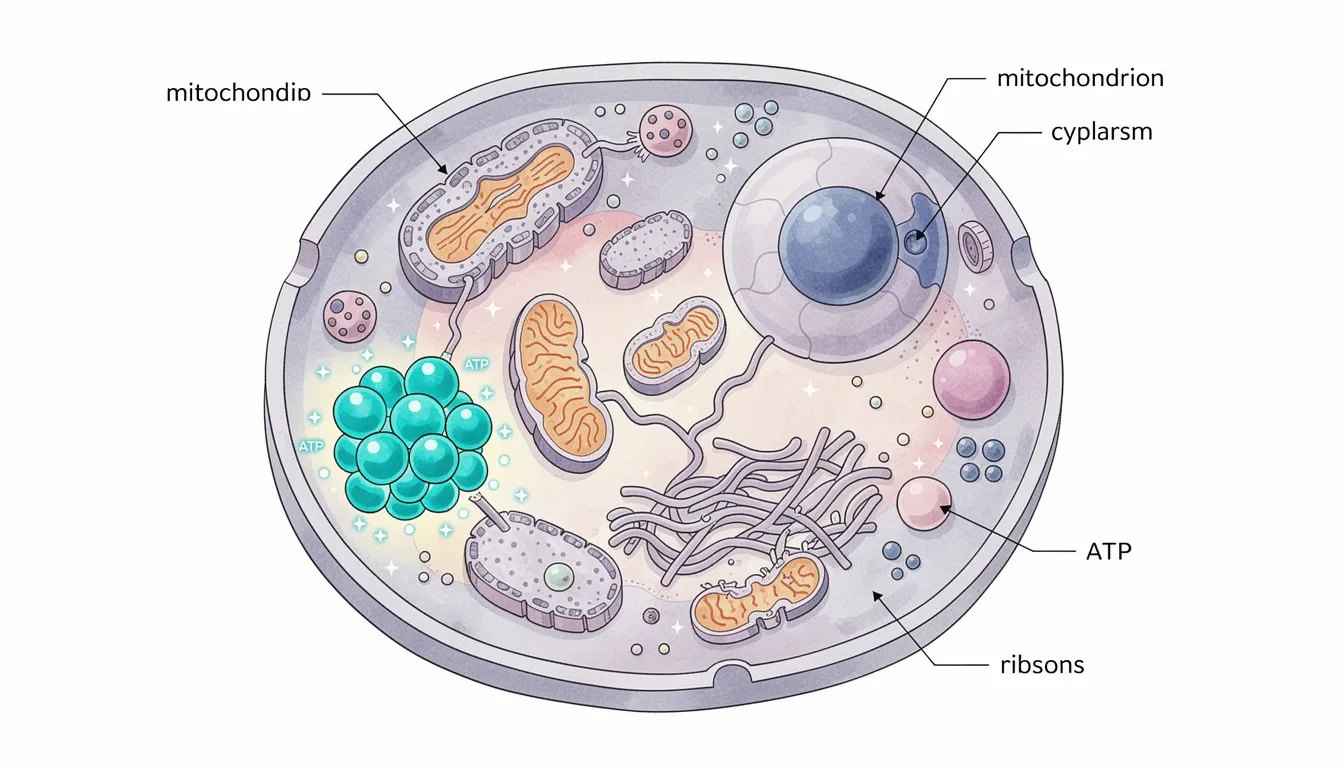
At the heart of every cell, mitochondria act as the body’s power plants, converting nutrients into the energy needed for all biological processes. Mitochondrial function is fundamental to energy metabolism, and its decline is closely linked to aging, reduced endurance, and increased susceptibility to metabolic diseases.
Nicotinamide mononucleotide (NMN) supplementation has emerged as a promising way to enhance mitochondrial activation. By boosting NAD+ levels—a molecule essential for mitochondrial energy production—NMN treatment helps mitochondria work more efficiently, leading to improved energy metabolism and reduced oxidative stress. This is particularly important for supporting healthy aging, as robust mitochondrial function is associated with better exercise capacity, lower fat mass, and increased lean mass.
When NMN supplementation is combined with intermittent fasting, especially time-restricted fasting, the benefits may be even greater. Research findings suggest that this combination can further stimulate mitochondrial activation, resulting in higher ATP production, improved endurance, and enhanced athletic performance. These effects are not just about feeling more energetic; they also translate into tangible improvements in body composition and metabolic health.
Additionally, NMN has been shown to help reduce inflammation and increase antioxidant levels, offering protection against age-related diseases and supporting longevity. The synergy between NMN and intermittent fasting may therefore represent a powerful approach to enhancing metabolism, promoting healthy aging, and optimizing overall health.
By focusing on mitochondrial activation and energy metabolism, you’re investing in the cellular engines that drive every aspect of your health. Whether your goal is better endurance, improved body composition, or simply feeling more vibrant as you age, combining NMN supplementation with intermittent fasting could be a key strategy for unlocking these potential benefits.
When to Take NMN If You Practice Intermittent Fasting
Timing can be adjusted based on your goals, tolerance, and specific fasting schedule. There is no universally proven “best time” in humans—what works is individual.
Morning, mid-fast (e.g., 8–10 a.m. on a 16:8 fast ending at noon)
Aligns with circadian peaks of NAD+ metabolism suggested by animal studies
May support alertness and energy during the fasting window
Data supporting this timing are indirect but mechanistically plausible
At the start of the eating window (e.g., at noon when breaking the fast)
Preferred for people with sensitive stomachs
Suitable for those who want to avoid any theoretical autophagy interference during deep fasting
Ensures supplement is taken with food, potentially reducing GI discomfort
Split dosing (half in late morning, half mid-afternoon)
May maintain more stable NAD+ precursor availability across the day
Extrapolated from pharmacokinetic reasoning rather than clinical outcome data
Requires more planning but allows flexibility
With or without food
Many users tolerate NMN on an empty stomach without issues
Some experience mild nausea; taking it with a small meal can reduce discomfort
Example schedules:
| Fasting Pattern | Option A: During Fast | Option B: With First Meal |
|---|---|---|
| 16:8 (8 p.m.–12 p.m.) | 250–500 mg at 9–10 a.m. | 250–500 mg at noon |
| Early TRE (6 p.m.–10 a.m.) | NMN at 7–8 a.m. | NMN at 10 a.m. with meal |
| 20:4 | Morning or early afternoon | With first meal |
| Track how you feel—energy, sleep quality, GI comfort—for 2–4 weeks and adjust timing accordingly. Consulting a clinician is particularly valuable if you have existing health conditions. |
Potential Benefits and Uncertainties of Combining NMN with Fasting
Many people are interested in layering interventions—dietary patterns combined with supplements—for metabolic health and healthy aging goals. Research on combined effects is still emerging, so expectations should be calibrated accordingly.
Potential benefits based on animal data and short human trials:
Enhanced mitochondrial function and improved energy metabolism, as seen in mouse studies showing increased ATP and improved endurance with TF combined with NMN
Support for better body composition when combined with appropriate calorie intake and physical activity, extrapolating from the 2023 mouse work and small human NMN trials examining body weight and lipid markers
Possible support for athletic performance and muscle function when paired with regular exercise, based on preclinical improvements in running distance and grip strength, plus early human NMN research in middle-aged amateur runners showing hints of improved aerobic capacity
Open questions and uncertainties:
Long-term safety of daily NMN use over years in humans is not well characterized; most trials last 4–12 weeks
Optimal NMN dose and timing when combined with various IF patterns (16:8 vs. 5:2 vs. alternate-day fasting) remain unknown
Individual variability in NAD+ metabolism, gut microbiota composition, age, sex, and medication use likely influences response
No human control group studies have directly compared NMN during fasting versus NMN with meals
The responsible approach: view these as areas of active investigation rather than proven benefits. Phrases like “may support” and “is being investigated for” more accurately represent the current state of evidence than claims about reversing aging or preventing disease.
Practical Tips for Using NMN During an Intermittent Fast
This section provides a step-by-step practical guide focused on safety, self-observation, and realistic expectations.
Start low and go gradual: Begin around 125–250 mg per day and monitor for 1–2 weeks before considering higher doses such as 500 mg daily, staying within ranges commonly used in clinical research
Choose a consistent time: Pick a specific time each day (e.g., 8–10 a.m.) and stick with it for at least a few weeks so you can evaluate your response
Combine with a stable fasting pattern: Avoid changing your fasting window, diet composition, and exercise routine simultaneously when starting NMN—this makes it easier to identify what affects how you feel
Pay attention to GI and sleep: Note any nausea, stomach upset, or changes in sleep onset or quality; consider moving NMN earlier in the day if you suspect it affects sleep
Keep hydration and electrolytes in mind: Fasting plus supplements can feel more intense if you are under-hydrated; water and low-calorie electrolyte options can help during longer fasts
Coordinate with medications: Those on glucose-lowering or blood pressure medications should consult their clinician since both IF and NMN can influence metabolic pathways
Consider adding complementary compounds: Some researchers and practitioners, including Dr. David Sinclair, DA, suggest combining NMN with resveratrol and other compounds, though evidence for synergy in humans is limited
Keep a simple log: Track date, fasting schedule, NMN dose and timing, energy levels, mood, and sleep for 4–6 weeks to discuss with a healthcare provider if needed
Remember: supplements are adjuncts. They do not replace a balanced diet rich in nutrients, regular physical activity, adequate sleep, and appropriate medical care for supporting healthy aging and longevity.
Who Should Be Cautious About NMN and Fasting?
Certain groups should seek medical advice before combining NMN with intermittent fasting:
People with diabetes or blood sugar disorders using medications such as insulin or sulfonylureas, due to potential additive effects on glucose regulation from fasting
Individuals with a history of eating disorders or current disordered eating patterns, for whom structured fasting may be inappropriate regardless of supplementation
Those with low body weight, frailty, or recent unintentional weight loss, especially older adults over 65 where fasting may contribute to lean mass loss
Pregnant or breastfeeding individuals, due to limited safety data on both extended fasting and NMN supplementation in these populations
People with chronic kidney or liver disease, cardiovascular conditions, or on multiple medications where interactions with NMN or fasting remain uncertain
Those with inflammation or chronic conditions that may be affected by changes in metabolism or immune function
Existing NMN human trials typically exclude many of these groups, so findings from research cannot be generalized to them. If you fall into any of these categories, involving a physician or registered dietitian before making substantial changes is crucial for your safety.
Key Takeaways
NMN is a precursor to NAD+ being investigated for its roles in cellular energy, DNA repair, and metabolic health; intermittent fasting is a dietary pattern that can promote metabolic flexibility for many people
Animal studies suggest that combining NMN with time restricted fasting can enhance markers of mitochondrial function, body composition, athletic performance, and gut microbiota diversity, but these findings in mice do not automatically translate to humans
For most people practicing IF for metabolic goals and who allow non-caloric supplements, taking NMN during the fasting window is unlikely to disrupt the main health benefits, although direct human data on timing are limited
There is no single proven “best time” to take NMN while fasting; options include during the fast or at the start of the eating window, and timing can be tailored based on comfort, tolerance, and personal goals
Long-term safety, optimal benefits, and ideal schedules for supplementing with NMN during fasting remain active research questions; cautious, individualized use and consultation with a healthcare professional are recommended
NMN and intermittent fasting represent promising areas of research that may complement each other through shared effects on the brain, liver, mitochondria, and metabolism. However, the strongest evidence still supports foundational habits: regular exercise to enhance endurance and beneficial body composition, adequate sleep, stress management, and a nutrient-dense diet. View these interventions as potential additions to—never replacements for—the basics that decades of research have shown to be effective for health and longevity.
Further Reading
Explore more articles related to this topic:
- Why You Should Take TMG with NMN: Preventing Methyl Depletion Explained
- NMN Dosage Chart: How Much Should You Take Based on Age and Weight?
- NMN and Resveratrol Benefits: How They Work, What the Science Says, and Whether to Take Them Together
- Why You Need TMG With Your NMN: The Truth About Methyl Depletion
- Reviewing Dr. David Sinclair’s Supplement Regimen in 2026
- NMN for Diabetes: Can It Improve Insulin Sensitivity in Type 2?
- NMN and Gut Health: How NAD+ Affects Your Microbiome and Digestive Wellness