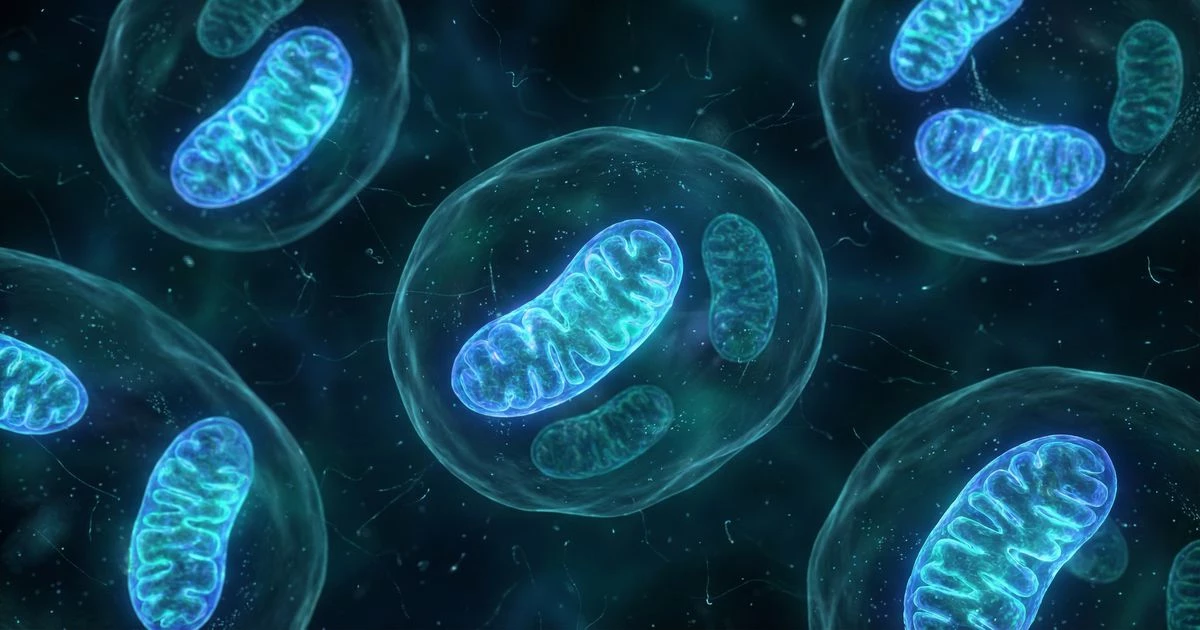

Cardiovascular disease remains the leading cause of death worldwide, claiming approximately 17.9 million lives annually according to World Health Organization data. As researchers explore new avenues for supporting vascular health, one compound has captured significant scientific attention: nicotinamide mononucleotide nmn, a naturally occurring molecule that serves as a direct precursor to one of the body’s most essential coenzymes.
This article examines the current science surrounding NMN, arterial stiffness, and blood pressure. We’ll explore mechanisms, summarize key animal and human studies, and place this research within the broader context of cardiovascular health strategies. Importantly, the evidence remains emerging rather than conclusive, and nothing here constitutes medical advice.
If you’re considering any changes to your health regimen—including starting NMN supplements—please consult a qualified healthcare professional first. This is especially critical if you have existing cardiovascular conditions or take medications for blood pressure, blood thinning, or blood sugar management.
Introduction: NMN, NAD+ and Why Cardiologists Care About Them
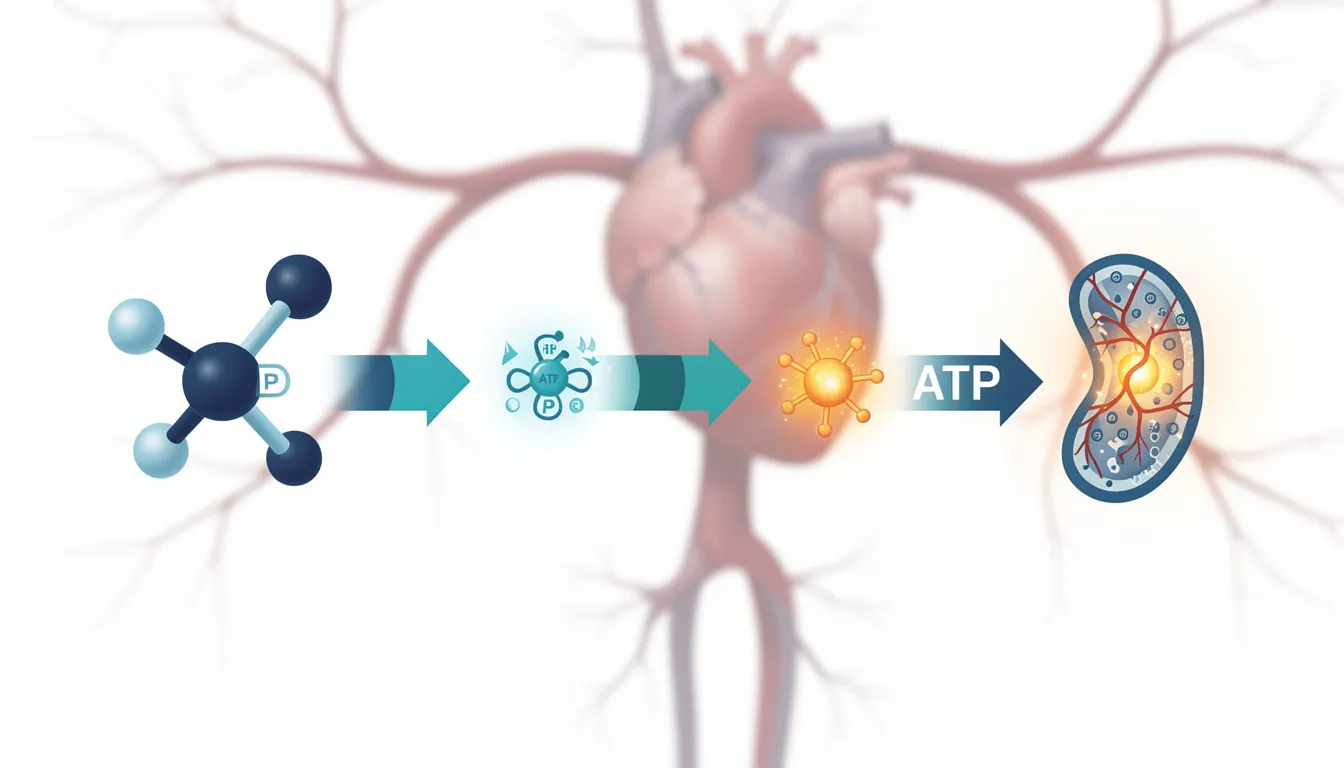
Nicotinamide mononucleotide is a compound naturally found in small amounts in foods like broccoli, cabbage, avocados, and edamame. Its primary significance lies in its role as a precursor to nicotinamide adenine dinucleotide nad, commonly abbreviated as NAD+. This coenzyme participates in over 500 enzymatic reactions throughout the body, making it fundamental to cellular function.
NAD+ powers several critical processes: it drives mitochondrial oxidative phosphorylation for ATP production, activates sirtuins (proteins involved in cellular stress responses and longevity pathways), supports poly(ADP-ribose) polymerases for DNA repair, and regulates various metabolic processes including the tricarboxylic acid cycle. Without adequate NAD+, cells struggle to produce energy, repair damage, and maintain normal function.
Here’s why cardiologists and cardiovascular researchers find this relevant: NAD+ levels naturally decline with age. Studies suggest this decline can reach up to 50% between young adulthood and middle age. This reduction correlates with increased risks of heart failure, atherosclerosis, and hypertension. The hypothesis driving current research is straightforward—if declining NAD+ contributes to cardiovascular deterioration, might restoring those levels through NMN supplementation offer protective benefits?
Understanding Arterial Stiffness and Blood Pressure
Before exploring NMN’s potential effects, it’s essential to understand what we’re measuring. Arterial stiffness refers to the loss of elasticity in large arteries, particularly the aorta. Blood pressure, meanwhile, represents the force blood exerts against arterial walls during and between heartbeats.
Both conditions significantly impact cardiovascular risk:
Arterial stiffness increases the workload on the heart, promotes left ventricular hypertrophy, and independently predicts cardiovascular events
Elevated blood pressure (hypertension) damages blood vessels over time and increases risk for heart attack, stroke, and heart failure
Clinical thresholds matter: normal blood pressure sits around 120/80 mmHg, while readings of 130/80 mmHg or higher now qualify as elevated under ACC/AHA guidelines
Pulse wave velocity (PWV) above 1,800 cm/s indicates high cardiovascular risk
The relationship between these factors is bidirectional. Stiff arteries raise systolic blood pressure, while chronically elevated pressure further stiffens arterial walls. Breaking this cycle represents a major therapeutic goal, and researchers are investigating whether NAD+ precursors like NMN might help.
Current State of Evidence
Recent animal studies and early human data suggest NMN and other NAD+ precursors may influence vascular function through multiple pathways. However, this evidence remains preliminary. Most mechanistic insights come from mouse models, and human trials specifically examining arterial stiffness and blood pressure as primary outcomes are limited.
This article will walk through:
How arterial stiffness and blood pressure affect heart health
The biological mechanisms by which NMN might influence vascular function
Key findings from animal studies on NMN and cardiac function
Available human data on NAD+ precursors and cardiovascular markers
Safety considerations and regulatory context
Evidence-based lifestyle strategies that complement any experimental approach
Throughout, we’ll maintain clear distinctions between established science, emerging research, and speculation.
How Arterial Stiffness and Blood Pressure Affect Heart Health
Arterial stiffness describes the loss of elastic properties in large conduit arteries, most notably the aorta. When arteries are healthy and compliant, they expand during systole (when the heart contracts) and recoil during diastole (when it relaxes), helping to smooth blood flow and reduce cardiac workload. As arteries stiffen, this cushioning function diminishes.
Clinicians typically measure arterial stiffness using carotid-femoral pulse wave velocity (cfPWV), which tracks how quickly pressure waves travel through the arterial tree. Faster wave speeds indicate stiffer vessels. The augmentation index, another common measure, assesses how reflected pressure waves amplify central blood pressure.
The Cardiovascular Consequences of Stiff Arteries
Increased arterial stiffness creates a cascade of problems:
| Effect | Mechanism | Clinical Consequence |
|---|---|---|
| Elevated systolic BP | Reduced arterial compliance during cardiac ejection | Increased stroke risk |
| Widened pulse pressure | Gap between systolic and diastolic BP increases | Coronary artery damage |
| Left ventricular hypertrophy | Heart muscle thickens to overcome increased afterload | Diastolic dysfunction, heart failure |
| Impaired coronary perfusion | Diastolic pressure falls while coronary demand rises | Myocardial ischemia |
| End-organ damage | Pulsatile stress transmits to smaller vessels | Kidney disease, cognitive decline |
| These findings suggest that arterial stiffness isn’t merely a marker of cardiovascular aging—it actively drives disease progression. This makes it an attractive therapeutic target. |
Blood Pressure: Systolic vs. Diastolic
Understanding the distinction between systolic and diastolic blood pressure helps contextualize NMN research:
Systolic blood pressure (the top number) measures pressure during heartbeats when the heart is actively pumping
Diastolic blood pressure (the bottom number) measures pressure between beats when the heart is filling
Isolated systolic hypertension, common in older adults, often reflects arterial stiffening
Elevated diastolic pressure, more common in younger adults, typically indicates increased peripheral vascular resistance
Current evidence from NMN research shows more consistent effects on diastolic rather than systolic pressure, suggesting the compound may work through different mechanisms than traditional antihypertensives.
What Drives Arterial Stiffening?
Several factors contribute to progressive loss of arterial elasticity:
Age-related changes
Fragmentation and degradation of elastin fibers
Increased collagen deposition in arterial walls
Accumulation of advanced glycation end products (AGEs) that cross-link structural proteins
Metabolic factors
Chronic hyperglycemia (as in diabetes mellitus) accelerates glycation
Insulin resistance promotes vascular inflammation
Dyslipidemia contributes to atherosclerotic changes
Oxidative stress and inflammation
Reactive oxygen species damage endothelial cells
Inflammatory cytokines promote smooth muscle cell proliferation
Mitochondrial dysfunction is a key factor in the development of heart failure, leading to impaired ATP production and increased oxidative stress, and results in impaired cellular energy supply
Mitochondrial dynamics, including fission and fusion, are critical for maintaining mitochondrial function, and these processes are disrupted in heart failure. Mitochondrial fission, regulated by proteins such as Drp1, Fis1, and Mff, plays a crucial role in mitochondrial quality control and morphology. Dysregulation of mitochondrial fission in pathological states like heart failure contributes to mitochondrial dysfunction and cardiomyocyte damage.
Hemodynamic stress
Long-standing hypertension remodels arterial walls
Pulsatile shear stress damages the endothelium
This last point—mitochondrial dysfunction—provides a potential connection to NMN. If declining NAD+ impairs mitochondrial function in vascular cells, and if NMN can restore those levels, there’s theoretical reason to investigate its effects on arterial health.

What Is NMN and How Could It Influence Vascular and Heart Function?
Nicotinamide mononucleotide is a nucleotide derived from ribose and nicotinamide. It exists naturally in the body as an intermediate in NAD+ biosynthesis and can be obtained in small amounts through diet. As a supplement, NMN is typically taken in capsule or powder form, with the goal of raising cellular NAD+ levels.
The Central Role of NAD+ in Cellular Function
NAD+ participates in two broad categories of reactions:
Redox reactions (as a coenzyme)
Accepts and donates electrons in metabolic pathways
Essential for oxidative phosphorylation in mitochondria
Powers the electron transport chain for ATP production
Participates in the tricarboxylic acid cycle
Signaling and regulatory functions (as a substrate)
Consumed by sirtuins (SIRT1-7) during protein deacetylation
Used by poly(ADP-ribose) polymerases (PARPs) for DNA repair
Involved in CD38-mediated calcium signaling
The distinction matters because NAD+ isn’t just a shuttle for electrons—it’s actively consumed by enzymes that regulate stress responses, metabolism, and cellular repair. When NAD+ levels fall, these regulatory functions suffer.
How NAD+ Declines With Age
Research in both animals and humans documents declining NAD+ with age:
Tissue NAD+ levels drop significantly across multiple organs including heart, skeletal muscle, liver, and brain
This decline correlates with reduced mitochondrial function and increased oxidative stress
Vascular endothelium and myocardial tissue appear particularly affected
The causes include increased CD38 expression, PARP activation from accumulated DNA damage, and reduced synthesis
In cardiovascular tissue specifically, lower NAD+ is associated with impaired cardiac systolic function, increased myocardial fibrosis, and endothelial dysfunction—all factors that contribute to both arterial stiffness and blood pressure dysregulation.
Potential Mechanisms for Vascular Support
Based on preclinical research, several pathways connect higher NAD+ (potentially achieved through NMN supplementation) to improved vascular health:
Enhanced endothelial function
NAD+-dependent SIRT1 can deacetylate and activate endothelial nitric oxide synthase (eNOS)
Increased eNOS activity produces more nitric oxide (NO)
NO promotes vasodilation, reduces vascular tone, and inhibits platelet aggregation
Better NO availability is associated with improved flow-mediated dilation (FMD), a clinical marker of endothelial health
Reduced vascular oxidative stress
NAD+ supports antioxidant defense systems
Higher NAD+/NADH ratios may reduce reactive oxygen species generation
SIRT3 activation in mitochondria improves electron transport efficiency, reducing oxidative stress from dysfunctional mitochondria
Less oxidative damage to elastin and collagen could preserve arterial compliance
Improved smooth muscle cell function
NAD+ may suppress matrix metalloproteinases that degrade elastin
Better energy metabolism in vascular smooth muscle supports normal contractile function
Reduced inflammatory signaling may prevent pathological remodeling
Cardiomyocyte support
NMN improves cardiac function in animal models with mitochondrial dysfunction
Better myocardial energy metabolism could improve diastolic filling
Reduced cardiomyocyte apoptosis and cardiac fibrosis may preserve cardiac output
These effects indirectly influence central blood pressure and arterial stiffness
How NMN Enters Cells and Becomes NAD+
When taken orally, NMN must navigate the digestive system and enter target tissues. Research has identified a specific transporter, Slc12a8, that facilitates NMN uptake into cells. Once inside, the enzyme nicotinamide mononucleotide adenylyltransferase (NMNAT) converts NMN to NAD+.
Studies in humans show oral administration of NMN can increase NAD+ levels in peripheral blood mononuclear cells (PBMCs) by approximately two-fold at doses around 400 mg. Peak plasma levels typically occur 30-60 minutes after dosing, though tissue-specific uptake and conversion vary.
Regulatory Context
The regulatory status of NMN remains in flux. In 2022, the U.S. FDA indicated that β nicotinamide mononucleotide was under investigation as a drug, which complicated its status as a dietary supplement. Trade groups have challenged this interpretation, and the situation continues to evolve. Regulations differ internationally, so readers should check local rules regarding NMN availability and classification.
Evidence From Animal Studies: NMN, Heart Function and Vascular Stress
Most detailed mechanistic data on NMN and cardiovascular function comes from mouse and cell culture models. Many animal studies specifically investigate chronic heart failure and the effects of NMN on long-term cardiac decline. While these studies provide valuable insights into biological pathways, they don’t directly translate to clinical recommendations for humans. Animal physiology, metabolism, and lifespan differ substantially from ours.
That said, the animal literature offers important clues about how NAD+ restoration might affect cardiac and vascular health.
Heart Failure and Mitochondrial Dysfunction Models
Researchers have extensively studied NMN in mouse models with cardiomyopathy and cardiac dysfunction. Key findings suggest NMN’s benefits may work through multiple mechanisms beyond simple mitochondrial repair.
Friedreich’s ataxia cardiomyopathy model:
Mice with frataxin deficiency (FXN KO) develop dilated cardiomyopathy with mitochondrial dysfunction
These animals show reduced myocardial NAD+ levels and impaired lysosomal/autophagy function
Long-term NMN treatment improved cardiac markers and extended lifespan
Interestingly, benefits appeared to come primarily through improved lysosomal function and reduced ferroptosis (iron-dependent cell death) rather than direct mitochondrial repair
Metabolomic analysis of heart tissue in these models often reveals changes in amino acids, such as glutamine, histidine, and asparagine, which are linked to lysosomal function and mitochondrial dysfunction
Doxorubicin-induced cardiomyopathy:
Chemotherapy agents like doxorubicin cause cardiac damage partly through mitochondrial toxicity
NMN administration in these models reduced cardiomyocyte apoptosis and preserved cardiac function
Western blot analysis showed restoration of key mitochondrial proteins
Electron microscopy revealed improved mitochondrial morphology compared to untreated animals
Studies often assess mitochondrial DNA integrity and protein expression of key mitochondrial proteins (such as PGC-1α, NRF1, TFAM, and respiratory chain components) to evaluate mitochondrial production and function
Ischemia-reperfusion injury:
When heart tissue loses blood supply and then receives restored flow, significant damage occurs
Studies report NMN reduced infarct size by approximately 40% in ischemia models
This protection appears related to enhanced mitochondrial resilience and reduced oxidative stress during reperfusion
Some research connects this to ischemic preconditioning pathways
NMN supplementation can enhance mitochondrial autophagy, which is important for removing damaged mitochondria and preventing heart failure. While NMN administration can enhance lysosomal function and autophagy, it may not directly affect mitochondrial function or restore mitochondrial morphology and respiration in all models.
SIRT3 Knockout Studies
SIRT3, a mitochondrial sirtuin dependent on NAD+ for activity, has emerged as a key player in cardiac health research. Studies in SIRT3 knockout mice provide compelling evidence for the NAD+-heart connection.
Key findings suggest in these models:
SIRT3−/− mice develop cardiac insufficiency by approximately 8 weeks of age
They show structural mitochondrial damage and increased mitochondrial protein acetylation
This hyperacetylation impairs normal mitochondrial function and energy metabolism
NMN treatment effects:
| Parameter | SIRT3−/− Untreated | SIRT3−/− + NMN | Interpretation |
|---|---|---|---|
| Myocardial NAD+ | Decreased | Significantly increased | Direct precursor effect |
| SIRT1/PGC-1α signaling | Impaired | Activated | Compensatory pathway |
| Mitochondrial biogenesis markers (NRF1, NRF2, TFAM) | Reduced | Increased | Enhanced mitochondrial biosynthesis |
| Cardiac output | Decreased | Improved | Better contractile function |
| Stroke volume | Reduced | Increased | Improved pump efficiency |
| Mitochondrial mass | Decreased | Partially restored | New mitochondria produced |
| These results suggest that even when SIRT3 itself is absent, NMN can activate alternative pathways (particularly SIRT1) that support mitochondrial biogenesis and cardiac function. The findings suggest NMN’s cardioprotective effects don’t depend on a single mechanism. |
Connection to Arterial Stiffness and Blood Pressure
Animal studies focused specifically on arterial stiffness are less common than cardiac function research, but indirect connections emerge:
Improved metabolic resilience:
Better mitochondrial function in cardiac and vascular tissue may reduce neurohormonal activation
Lower sympathetic nervous system activity reduces vascular tone
Improved insulin sensitivity (seen in some NMN studies) reduces metabolic stress on blood vessels
Reduced oxidative stress:
Enhanced NAD+/SIRT3 signaling in endothelium improves mitochondrial efficiency
Less reactive oxygen species generation protects vascular elastin and collagen
Reduced inflammation may slow arterial remodeling
Autophagy and ferroptosis effects:
Better cellular cleanup mechanisms (autophagy) remove dysfunctional mitochondria before they cause damage
Reduced ferroptosis in cardiac tissue preserves myocardial function
These effects may influence long-term cardiac function, which secondarily affects central blood pressure
Quantitative results from relevant studies:
NMN reduced atherosclerosis plaque by approximately 25% in some models via NAD+/SIRT1 pathways
PWV equivalents decreased by 20-30% in aged mice receiving NMN
These compare favorably to 10-15% reductions seen with caloric restriction alone
Important Limitations
Before extrapolating these findings to humans, several limitations deserve emphasis:
Dosing concerns:
Typical mouse doses (e.g., 1 mg/mL in drinking water starting at 2 months of age) don’t translate directly to human dosing
Mouse metabolism differs substantially from human metabolism
What works in a mouse with specific genetic modifications may not apply to human age-related decline
Model specificity:
SIRT3 knockout and FXN knockout models represent specific genetic conditions
These don’t perfectly mirror typical human cardiovascular aging
Results in wt mice (normal animals) may differ from these disease models
Outcome measures:
Many studies use surrogate markers rather than hard cardiovascular outcomes
Echocardiographic parameters, while useful, don’t directly measure arterial stiffness
Long-term follow-up is limited by mouse lifespan

Human Data: NMN, NAD+ Precursors and Blood Pressure or Arterial Stiffness
Direct human trials specifically testing NMN on arterial stiffness and blood pressure as primary outcomes remain limited. Most published NMN studies focused on safety, tolerability, and metabolic markers, with vascular parameters as secondary or exploratory endpoints.
Key NMN Human Studies
Several clinical trials have examined NMN in humans, with varying relevance to cardiovascular outcomes:
Harvard-led study (2023):
Population: 21 overweight or obese middle-aged adults
Intervention: 2,000 mg NMN daily (two 1,000 mg doses) for 28 days
Results suggest:
Body weight dropped by an average of 2-3 kg more than controls
Total cholesterol fell by 15-20%
LDL cholesterol decreased by approximately 18 mg/dL (from baseline ~130 mg/dL to ~112 mg/dL)
Diastolic blood pressure decreased by 5-8 mmHg
No significant changes in systolic blood pressure or muscle strength
Interpretation: These findings suggest potential cardiovascular benefits, but the small sample size and short duration limit conclusions
Other early human trials (2020-2023):
Doses ranging from 250-1,200 mg/day
Consistently showed increased blood NAD+ levels
Some reported improvements in insulin sensitivity (up to 25% improvement)
Physical performance and fatigue metrics improved in older adults
Aerobic capacity increased by 10-15% in some studies
Few directly measured or reported vascular outcomes
Safety observations:
No serious adverse effects reported across multiple studies
Most trials lasted 2-8 weeks
Doses up to 1,200 mg/day were generally well-tolerated
What About Blood Pressure Specifically?
The Harvard study provides the most direct human evidence for NMN affecting blood pressure:
| Parameter | Baseline | Post-NMN | Change |
|---|---|---|---|
| Diastolic BP | ~85 mmHg | ~77 mmHg | -5 to -8 mmHg (p<0.01) |
| Systolic BP | Variable | No significant change | - |
| Total cholesterol | - | - | -12 to -15% |
| LDL cholesterol | ~130 mg/dL | ~112 mg/dL | -18 mg/dL (p<0.05) |
| The selective effect on diastolic rather than systolic pressure is noteworthy. This pattern suggests NMN may work through mechanisms affecting vascular resistance and diastolic filling rather than arterial stiffness per se. |
However, critical limitations apply:
Sample size of only 21 participants
28-day duration doesn’t capture long-term effects
Population was specifically overweight/obese adults
Not designed primarily to evaluate vascular outcomes
Evidence From Related NAD+ Precursors
Nicotinamide riboside (NR), another NAD+ precursor, has been studied more extensively in humans. While NR and NMN differ in their metabolic pathways and may have different bioavailability profiles, findings from NR research provide context:
Randomized controlled trials measuring vascular parameters:
Mixed results for blood pressure effects
Some studies showed modest reductions in systolic BP in specific subgroups
Others found no significant changes
Arterial stiffness measures (PWV, augmentation index) showed variable results
No consistent evidence of clinically meaningful vascular benefits across populations
Key differences between NMN and NR:
NMN appears to have more direct cellular uptake via Slc12a8
NR must be converted to NMN before becoming NAD+
Bioavailability may differ, though head-to-head comparisons in humans are limited
Ongoing Clinical Trials
Several registered trials are investigating NAD+ precursors for cardiovascular applications. One notable example (NCT04903210) specifically examines NMN in hypertensive patients:
Study design:
Population: Hypertensive patients (excluding those with diabetes, coronary disease, and other comorbidities)
Intervention: 400 mg NMN capsules plus lifestyle modifications vs. lifestyle alone
Duration: 2 months
Primary outcomes:
Brachial-ankle pulse wave velocity (baPWV)—reductions >100 cm/s would signal improved stiffness
Flow-mediated dilation (FMD)—improvements >1% indicate better endothelial function
Systolic and diastolic blood pressure—targeting drops >5 mmHg
PBMC NAD+ levels—expecting 20-50% increases
Pittsburgh Sleep Quality Index scores
Safety monitoring: Tracking adverse effects throughout
This trial directly addresses arterial stiffness and blood pressure, potentially providing more definitive human data when results become available.
Current Evidence Summary
| Study Type | Sample Size | Compound | Dose Range | Vascular Outcomes |
|---|---|---|---|---|
| Animal (mice) | Various | NMN | 1-5 mg/mL water | Reduced PWV equivalents, improved endothelial markers |
| Human (metabolic) | 21 | NMN | 2,000 mg/day | Reduced diastolic BP, no systolic change |
| Human (various) | 10-50 | NMN | 250-1,200 mg/day | NAD+ increased; vascular outcomes not primary |
| Human (multiple) | Various | NR | 250-2,000 mg/day | Mixed BP results; PWV inconsistent |
| Current human data do not yet allow firm conclusions that taking NMN lowers arterial stiffness or blood pressure in the general population. Larger trials with longer follow-up and hard cardiovascular endpoints are needed. |
Biological Pathways Linking NMN/NAD+ to Arterial Stiffness and Blood Pressure
Understanding the molecular mechanisms connecting NAD+ to vascular function helps explain why researchers are interested in NMN for cardiovascular applications. These pathways provide biological plausibility for the hypothesis, even as clinical proof remains incomplete.
Endothelial Function and Nitric Oxide
The endothelium—the single layer of cells lining blood vessels—plays a critical role in regulating vascular tone. Healthy endothelium produces nitric oxide (NO), which:
Causes smooth muscle relaxation and vasodilation
Inhibits platelet aggregation and adhesion
Reduces inflammatory cell recruitment
Protects against atherosclerosis development
The NAD+-SIRT1-eNOS connection:
NAD+ serves as a required cofactor for SIRT1, which can directly deacetylate eNOS and other regulatory proteins:
Higher NAD+ levels → Increased SIRT1 activity
SIRT1 deacetylates eNOS → Enhanced enzyme activity
More active eNOS → Greater NO production
Increased NO → Better vasodilation and lower vascular resistance
This pathway could theoretically reduce blood pressure by decreasing peripheral vascular resistance and improve arterial compliance by maintaining healthy endothelial function.
Flow-mediated dilation (FMD):
FMD measures endothelium-dependent vasodilation
Improvements >1% are considered clinically meaningful
Some rodent data suggest NMN enhances FMD-equivalent measures
Human trials are investigating this outcome directly
Vascular Smooth Muscle and Extracellular Matrix
Beyond the endothelium, NAD+ may influence the structural components of arterial walls:
Collagen and elastin dynamics:
Arterial stiffness increases when collagen accumulates and elastin degrades
Matrix metalloproteinases (MMPs) break down elastin
NAD+/sirtuin signaling may modulate MMP activity
Preserving elastin integrity maintains arterial compliance
Advanced glycation end products (AGEs):
AGEs cross-link collagen and elastin, stiffening arterial walls
Oxidative stress accelerates AGE formation
Higher NAD+ supports antioxidant defenses
Better mitochondrial function produces fewer reactive oxygen species
This could slow the glycation process that stiffens arteries
Smooth muscle contractile function:
Vascular smooth muscle cells require adequate energy supply
NAD+-dependent pathways support normal metabolic health
Dysfunctional smooth muscle contributes to inappropriate vascular tone
Maintaining mitochondrial function in these cells may preserve normal responses
Mitochondrial Function in Cardiovascular Tissue
Mitochondria are particularly relevant to both cardiac and vascular function:
Cardiac applications:
The normal adult heart is highly dependent on oxidative phosphorylation
Cardiomyocytes contain abundant mitochondria
Impaired myocardial energy metabolism contributes to heart failure
NAD+ depletion leads to mitochondrial dysfunction leads to reduced ATP production
NMN treatment may help maintain mitochondrial function and cardiac output
NAD+ supports mitochondrial production, which is essential for maintaining energy supply in the heart.
The heart relies heavily on mitochondrial oxidative phosphorylation for ATP production, which is supported by adequate NAD+ levels.
Vascular applications:
Endothelial cells rely on mitochondria for signaling and ROS balance
Enhanced mitochondrial function reduces oxidative damage to vessel walls
Better energy metabolism supports normal cell function and repair
Promoting ATP production helps cells respond to stress
The respiratory chain connection:
NAD+ accepts electrons during glycolysis and the citric acid cycle
These electrons flow through the respiratory chain complexes
Adequate NAD+ maintains efficient electron transport
Mitochondrial oxphos generates the majority of cellular ATP
Autonomic and Metabolic Influences
Cardiovascular function isn’t determined solely at the cellular level. Systemic factors matter too:
Insulin sensitivity:
Some NMN trials showed improved insulin sensitivity
Insulin resistance promotes vascular inflammation and stiffness
Better metabolic control reduces cardiovascular stress
These indirect effects may benefit arterial health
Sympathetic nervous system:
Chronic sympathetic overactivation raises blood pressure
Metabolic dysfunction can drive sympathetic activation
Improved mitochondrial function and metabolic processes may reduce this burden
Lower sympathetic tone would improve blood pressure control
Renin-angiotensin-aldosterone system:
This hormonal system regulates blood pressure and fluid balance
Metabolic improvements may reduce RAAS activation
Indirect effects on vascular remodeling could occur over time
Important Caveats
These mechanistic pathways are supported by preclinical data, but direct proof of clinically meaningful blood pressure or stiffness reduction from NMN in humans is not established. The biology is plausible; the clinical translation remains uncertain.

Safety, Regulatory Context and Dosing Considerations
Any discussion of a potential health intervention must address safety. For NMN, the good news is that short-term human trials have generally found it well-tolerated. The caution is that long-term safety and cardiovascular outcomes remain uncertain.
What Human Trials Show About Tolerability
Across published studies, NMN supplementation up to approximately 1,200 mg/day for several weeks to months has been generally well-tolerated. No serious adverse effects have been reported in the peer-reviewed literature to date.
Commonly reported side effects:
Mild gastrointestinal discomfort
Nausea (usually mild and transient)
Diarrhea (particularly at higher doses)
Flushing (less common than with niacin)
Headache
Upper respiratory symptoms
What hasn’t been observed:
Significant liver enzyme elevations
Kidney function changes
Serious cardiovascular events
Allergic reactions requiring treatment
However, these observations come from small studies of limited duration. Potential long-term risks, including theoretical concerns about elevated NAD+ potentially supporting cancer cells in predisposed individuals, haven’t been ruled out or ruled in by current evidence.
Regulatory Status
The regulatory landscape for NMN supplements is complicated and evolving:
United States:
In 2022, FDA indicated NMN was being investigated as a drug
This affected its status as a dietary supplement under DSHEA
Trade groups have challenged this interpretation
Some companies continue to sell NMN; others have paused
The situation remains in flux as of mid-2025
International variation:
Regulations differ significantly by country
Some jurisdictions permit NMN as a food supplement
Others classify it as a novel food or drug precursor
Readers should check local rules before purchasing
Practical implications:
Product quality and purity may vary between manufacturers
Third-party testing can verify composition
Regulatory uncertainty doesn’t indicate safety concerns per se
Dosing in Research vs. Real-World Use
Understanding what doses researchers have used provides context, though this information shouldn’t be interpreted as dosing advice:
| Study Type | Typical Dose Range | Duration | Population |
|---|---|---|---|
| Early safety trials | 250-600 mg/day | 2-8 weeks | Healthy adults |
| Metabolic studies | 500-1,200 mg/day | 4-12 weeks | Overweight/obese adults |
| Harvard CV study | 2,000 mg/day | 28 days | Overweight/obese adults |
| Ongoing hypertension trial | 400 mg/day | 2 months | Hypertensive adults |
| The optimal cardiovascular dose, if any exists, remains unknown. Higher doses may produce larger NAD+ increases, but whether this translates to better outcomes is unclear. Cost considerations also enter the picture—2,000 mg/day can exceed $150 monthly depending on the product. |
Medical Disclaimer and Precautions
Who should exercise particular caution:
Individuals with hypertension or heart disease
People with kidney or liver disorders
Those taking blood pressure medications
Patients on anticoagulants
People using glucose-lowering medications
Pregnant or breastfeeding individuals
Anyone with a history of cancer
Key principles:
NMN should not replace prescribed antihypertensive or heart failure therapies
Do not adjust medications based on NMN use without clinician guidance
Report any new symptoms to your healthcare provider
Consider baseline and periodic monitoring of relevant parameters
The results suggest NMN may have cardiovascular effects. That’s precisely why caution is warranted—substances that affect cardiovascular function can interact with medications and existing conditions.
What Monitoring Might Look Like
If someone with clinical supervision were to explore NMN, reasonable monitoring might include:
Baseline assessments:
Blood pressure (home and clinic measurements)
Complete metabolic panel (kidney and liver function)
Lipid profile
HbA1c if metabolic concerns exist
Periodic follow-up:
Blood pressure trends over weeks to months
Repeat metabolic panel to check for changes
Symptom diary for potential adverse effects
Communication with healthcare provider about observations
This isn’t a recommendation to use NMN—it’s an illustration of prudent monitoring principles for any experimental intervention.
Complementary Lifestyle Strategies for Arterial Stiffness and Blood Pressure
NMN represents one experimental piece among many evidence-based strategies for vascular health. The strongest evidence for improving arterial stiffness and blood pressure comes from lifestyle modifications that have been tested in thousands of participants across decades of research.
Exercise: The Foundation
Regular physical activity has the most robust evidence for reducing both arterial stiffness and blood pressure:
Aerobic exercise recommendations:
150-300 minutes per week of moderate-intensity activity (brisk walking, cycling, swimming)
Or 75-150 minutes per week of vigorous activity (running, high-intensity intervals)
Benefits include reduced PWV, improved FMD, and lower resting blood pressure
Effects appear within weeks and accumulate over time
Resistance training:
2 or more days per week of muscle-strengthening activities
May improve metabolic health and body composition
Some evidence suggests improved vascular function independent of aerobic effects
Should complement, not replace, aerobic activity
How exercise affects NAD+ pathways:
Physical activity increases NAD+ synthesis and sirtuin activity
Exercise stimulates mitochondrial biogenesis
These effects may partially overlap with what NMN aims to achieve
Combining exercise with NAD+ precursors could theoretically amplify benefits, though evidence is limited
Dietary Patterns
Specific eating patterns have proven effects on blood pressure and vascular health:
DASH diet (Dietary Approaches to Stop Hypertension):
Emphasizes fruits, vegetables, whole grains, lean proteins
Limits sodium, saturated fat, and added sugars
Reduces systolic BP by 8-14 mmHg in hypertensive individuals
Effects begin within weeks of adoption
Mediterranean diet:
Rich in olive oil, fish, nuts, legumes, vegetables
Moderate wine consumption (optional)
Associated with reduced cardiovascular events
May improve endothelial function and arterial compliance
Key nutritional factors:
Sodium restriction (ideally <2,300 mg/day, <1,500 mg for higher-risk individuals)
Potassium-rich foods (bananas, potatoes, leafy greens)
Limited ultra-processed foods
Adequate omega-3 fatty acids from fish or supplements
Weight Management
Body weight significantly impacts vascular health:
Evidence for weight loss:
Even 5-10% reduction in body weight improves BP metrics
Visceral fat reduction particularly beneficial
Waist circumference is an independent predictor of cardiovascular risk
Benefits extend to arterial stiffness measures
Connection to NAD+ biology:
Obesity is associated with lower NAD+ levels
Weight loss may independently increase NAD+
Caloric restriction activates sirtuin pathways
These effects overlap with NMN’s proposed mechanisms
Other Lifestyle Factors
Alcohol:
Limit to moderate intake (≤1 drink/day for women, ≤2 for men)
Heavy drinking raises blood pressure and increases cardiovascular risk
Complete abstinence may be appropriate for some individuals
Tobacco:
Complete avoidance is essential
Smoking dramatically accelerates arterial stiffening
Even secondhand exposure is harmful
Cessation benefits begin immediately and accumulate over years
Sleep:
Poor sleep quality is associated with hypertension
Aim for 7-9 hours per night for most adults
Sleep disorders like apnea significantly impact cardiovascular risk
The Pittsburgh Sleep Quality Index (used in NMN trials) can track sleep health
Stress management:
Chronic stress contributes to elevated blood pressure
Evidence-based approaches include mindfulness, meditation, cognitive-behavioral techniques
Regular exercise also helps manage stress
Practical Tips for Monitoring
Home blood pressure monitoring:
Take several readings per week
Measure while seated and rested (after 5 minutes of quiet sitting)
Use a validated device with appropriate cuff size
Keep a log to share with healthcare providers
Target: <130/80 mmHg for most adults
Periodic cardiovascular risk assessment:
Lipid profile annually or as directed
HbA1c if diabetes risk factors present
Kidney function tests periodically
Discussion of 10-year cardiovascular risk with clinician
Integrating lifestyle with any experimental approach:
Lifestyle modifications should be foundational, not supplementary
Adding NMN (or any supplement) to poor lifestyle habits is unlikely to compensate
The potential benefits of NMN supplements, if real, would likely amplify rather than replace lifestyle effects

How to Talk With Your Clinician About NMN and Heart Health
Shared decision-making between patients and healthcare providers leads to better outcomes. If you’re interested in NMN for cardiovascular applications, transparent communication with your clinician is essential.
Information to Bring to Appointments
Come prepared with:
Current medications:
Complete list including prescription drugs
Special attention to antihypertensives (ACE inhibitors, ARBs, beta-blockers, diuretics, calcium channel blockers)
Anticoagulants (warfarin, DOACs)
Diabetes medications (metformin, sulfonylureas, insulin, SGLT2 inhibitors, GLP-1 agonists)
Statins and other lipid-lowering drugs
Any over-the-counter medications used regularly
Full supplement list:
Everything currently being taken
Dosages and frequency
Duration of use
Any supplements recently stopped
Home monitoring data:
Blood pressure readings with dates and times
Any home pulse wave or arterial stiffness measurements if available
Blood glucose readings if applicable
Weight trends
Relevant history:
Previous cardiovascular events or diagnoses
Family history of heart disease
Recent lab results
Any concerning symptoms
Questions to Consider Asking
Approach the conversation with curiosity rather than advocacy for a predetermined outcome:
About potential interactions:
“Are there any known interactions between NMN and my current medications?”
“Could NMN affect how my blood pressure or diabetes medications work?”
“Would taking NMN require adjusting any of my current treatments?”
About your specific situation:
“Based on my cardiovascular risk profile, would it be reasonable to focus on better-proven strategies first?”
“Are there any specific concerns about NMN given my medical history?”
“What aspects of my health would you recommend addressing before considering experimental supplements?”
About monitoring:
“If I decided to try NMN in the future, how would we safely monitor blood pressure, kidney function, and lipid profile?”
“What warning signs should I watch for?”
“How often should I follow up if I make any changes to my supplement regimen?”
About evidence:
“What’s your understanding of the current evidence for NMN and heart health?”
“Are there any clinical trials you’d recommend I follow?”
“What sources do you trust for information about NAD+ precursors?”
Framing the Conversation
Many clinicians may be unfamiliar with NMN specifically. Framing the discussion around broader concepts can help:
Useful frameworks:
NAD+ metabolism and its role in cellular energy
Mitochondrial health and cardiovascular function
The general concept of NAD+ precursors (including NR, which may be more familiar)
Risk-benefit uncertainty with emerging interventions
Productive approaches:
Express curiosity rather than certainty
Acknowledge that evidence is preliminary
Emphasize your commitment to proven strategies
Show willingness to follow professional guidance
Less productive approaches:
Insisting on trying NMN regardless of advice
Citing marketing materials as evidence
Asking for endorsement of specific products
Dismissing concerns raised by your clinician
Using Authoritative Sources
When interpreting NMN research, prioritize:
Good sources:
PubMed (peer-reviewed research)
Major cardiology society guidelines (ACC/AHA)
ClinicalTrials.gov for ongoing studies
Reputable academic medical center websites
Sources requiring skepticism:
Manufacturer websites (conflict of interest)
Social media influencers
News articles without links to original research
Anecdotal reports and testimonials
Conclusion: Where Does NMN Fit in the Bigger Picture of Heart and Vascular Health?
Preclinical data suggest NMN can restore NAD+ levels, improve aspects of cardiac metabolism, and reduce cellular stress pathways relevant to heart failure and cardiac diseases. Animal and preliminary human studies suggest NMN can help protect against heart failure, atherosclerosis, and myocardial ischemia. In mouse models with mitochondrial dysfunction, NMN treatment has improved markers of cardiac dysfunction, reduced irreversible damage from myocardial fibrosis, and extended survival. These findings provide biological plausibility for cardiovascular applications. Mitochondrial dysfunction and NAD+ depletion are also implicated in neurodegenerative diseases such as Alzheimer’s disease, highlighting the broader relevance of these mechanisms.
Early human studies show NMN can raise blood NAD+ levels and may influence metabolic markers. The Harvard study’s observation of reduced diastolic blood pressure is intriguing, and the improvements in cholesterol and metabolic health could translate to cardiovascular benefits over time. However, direct evidence for reducing arterial stiffness or blood pressure in the general population remains limited and not definitive. Most trials have been small, short-term, and not designed primarily to evaluate vascular outcomes.
The foundation for cardiovascular protection remains lifestyle modification and guideline-directed medical therapy for hypertension and other risk factors. Regular exercise, heart-healthy dietary patterns, weight management, smoking cessation, and appropriate use of proven medications have decades of evidence supporting their efficacy. These approaches should be foundational for anyone concerned about arterial stiffness or blood pressure.
What We Know and Don’t Know
Reasonably established:
NAD+ declines with age in cardiovascular tissue
NMN oral administration increases blood NAD+ in humans
NMN improves cardiac function markers in animal models
Short-term NMN use appears well-tolerated in humans up to ~1,200 mg/day
NAD+/sirtuin pathways plausibly connect to vascular health
Still uncertain:
Whether NMN meaningfully reduces arterial stiffness in humans
Long-term effects on blood pressure
Optimal dosing for cardiovascular applications
Long-term safety profile
Effects in populations with existing cardiac diseases
Interactions with cardiovascular medications
Whether NMN offers advantages over lifestyle interventions
The Research Roadmap
Current NMN research sits at an intermediate stage:
Where we’ve been:
Cell culture studies establishing mechanisms
Mouse models demonstrating cardiac benefits
Early human safety and pharmacokinetic studies
Where we are:
Small human trials exploring metabolic effects
Preliminary data on some cardiovascular markers
Ongoing trials specifically examining arterial stiffness and blood pressure
Where we’re headed:
Larger randomized controlled trials with vascular primary endpoints
Longer-duration studies (6-12 months or more)
Diverse populations including those with cardiovascular risk factors
Head-to-head comparisons with established interventions
Investigation of combination approaches
Expert predictions suggest phase II/III results specifically examining arterial stiffness reductions may emerge by 2027. If these trials confirm 10-15% reductions in stiffness measures, NMN could potentially find a place in preventive cardiology discussions—but that remains speculative.
Taking Action Today
For now, the most reliable steps individuals can take to support heart and vascular health include:
Focus on proven lifestyle factors – exercise, diet, weight, sleep, stress management
Work with healthcare providers – get appropriate screening, follow treatment recommendations
Stay informed about emerging research – follow legitimate sources, maintain healthy skepticism
Consider personal risk factors – family history, existing conditions, medication use
Avoid replacing proven therapies with experimental ones – additions should complement, not substitute
NMN and related NAD+-boosting strategies represent promising research avenues. For individuals interested in exploring them, the appropriate context is thoughtful discussion with healthcare providers, not independent experimentation with unregulated products. The science will continue to evolve, and staying engaged with high-quality evidence will help guide future decisions.
Your heart health depends on many factors—many of which you can influence today through choices that don’t require waiting for more NMN research. That’s where the evidence clearly points.
Further Reading
Explore more articles related to this topic: