Nicotinamide mononucleotide (NMN) and coffee are two of the most talked-about compounds in wellness circles—one an emerging longevity supplement, the other a daily ritual for billions worldwide. Many people who take NMN also drink coffee, naturally raising the question: does caffeine help, hinder, or have a neutral effect on NAD+ production? This question matters because NAD+ plays a significant role in energy and cognitive function, DNA repair, and cellular health.
The honest answer is that current human data on combining NMN with coffee is limited. Most of what we understand comes from NAD+ biology, standalone NMN studies, and related research on nicotinamide riboside and caffeine. This article breaks down the science, explores what the evidence actually shows, and offers practical guidance for those navigating this combination.
Note: This article is informational only and not medical advice. Consult a healthcare professional before changing supplement or caffeine use.

What is NMN and How Does It Support NAD+?
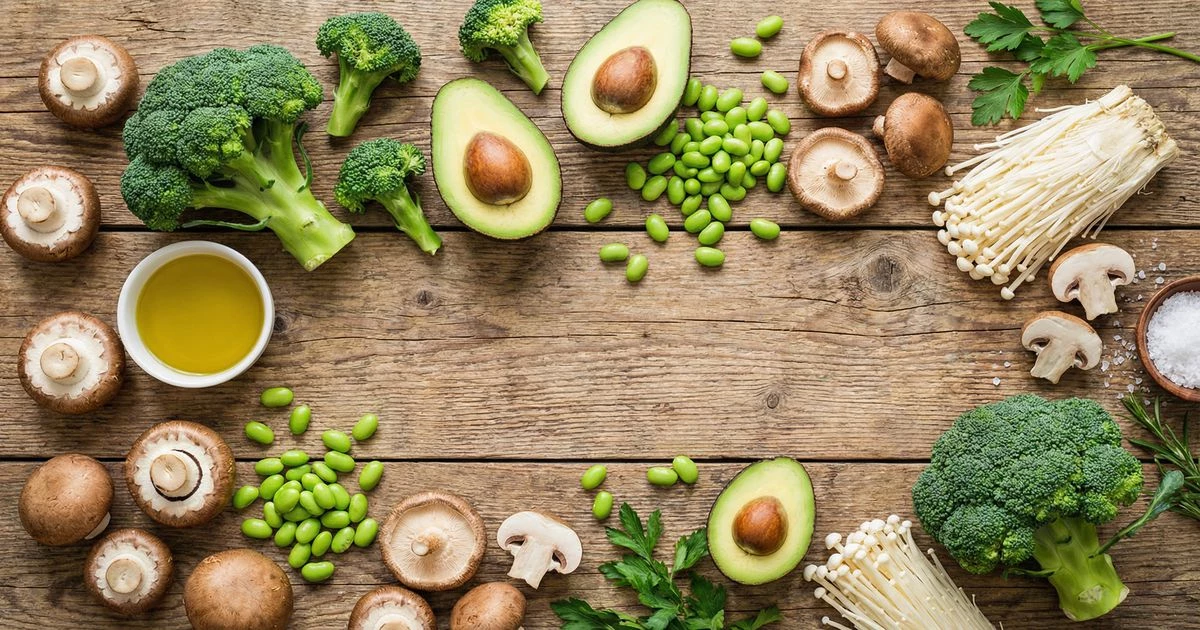
Nicotinamide mononucleotide NMN is a naturally occurring nucleotide found in small amounts in foods like edamame, broccoli, and avocado, as well as in human cells. It serves as a direct precursor to NAD+, meaning your body converts NMN into nicotinamide adenine dinucleotide through enzymatic processes.
NAD+ is essential for life. This coenzyme drives energy production in mitochondria, supports DNA repair mechanisms, and activates longevity-related enzymes called sirtuins and PARPs. Without adequate NAD levels, cells struggle to maintain their basic functions.
Here are the key mechanisms through which NAD+ supports cellular function:
Energy metabolism: NAD+ is required for ATP production in mitochondria, the process that fuels nearly every cellular activity
DNA repair: NAD+ activates PARP enzymes that detect and fix DNA damage, contributing to genomic stability
Cellular stress responses: Sirtuins, which depend on NAD+, regulate inflammation, metabolism, and responses to oxidative stress
Gene expression: NAD+-dependent enzymes influence which genes are turned on or off, affecting aging and health outcomes
The effectiveness of NMN supplementation depends on several factors, including timing, dosage, and method of administration. Taking NMN in the morning is recommended to maximize cognitive and physiological effects throughout the day, as its energizing properties may disrupt sleep if taken before bed. Most people take either 0.5 grams (500mg) or 1 gram (1000mg) of NMN per day. Sublingual administration can enhance absorption by allowing NMN to bypass the gastric tract, potentially increasing its bioavailability. NMN is absorbed quickly from the gut, entering the bloodstream within 2-3 minutes and body tissues within 15 minutes. Considering these factors can help maximize the potential regenerative and anti-aging benefits of NMN, especially when combined with other lifestyle choices such as caffeine intake.
NAD+ levels decline sharply with age—research suggests adults may have significantly lower concentrations than newborns, with some estimates indicating a 50% drop by age 50. This decline impairs the body’s capacity for cellular repair and energy production, which is why boosting NAD+ through precursors like NMN has become an active area of aging research.
Landmark mouse studies from 2013–2016 demonstrated that NMN supplementation could increase NAD+ in various tissues. Early human trials conducted between 2019 and 2022 in Japan and the United States, using doses of 250–900 mg/day, showed increases in blood NAD+ with reasonable tolerability. Most people take either 0.5 grams (500mg) or 1 gram (1000mg) of NMN per day.
While NMN is widely discussed for its anti aging properties, evidence in humans is still emerging. Current research does not yet justify strong disease prevention or lifespan claims.
How NMN is Processed in the Body
When you take NMN orally, absorption occurs mainly in the small intestine. From there, enzymatic steps involving NMNAT and related enzymes convert NMN into NAD+. Some research points to the Slc12a8 transporter as a direct uptake mechanism, though human uptake pathways remain under investigation.
Animal models show NMN can appear in blood within minutes of oral intake. Human pharmacokinetic studies confirm that NAD+ increases in blood within hours after ingestion, supporting the notion that oral NMN absorption is reasonably efficient.
Several factors may influence bioavailability:
Form: Capsules, powders, and sublingual preparations may differ in absorption rates
Dose: Higher doses don’t always mean proportionally higher NAD+ levels
Timing: Taking NMN on an empty stomach versus with food may affect uptake
Individual metabolism: Genetic differences in enzyme activity can influence conversion efficiency
Robust comparative data on these variables remain limited, so most recommendations are based on general pharmacology rather than definitive NMN-specific trials.
Understanding Energy Metabolism
Energy metabolism is the foundation of how our bodies convert the nutrients from food into usable energy for every cell. This process is vital for maintaining cellular health, supporting daily activities, and ensuring overall well-being. At the heart of energy metabolism is ATP, the molecule that powers everything from muscle contractions to brain function.
Nicotinamide mononucleotide (NMN) plays a significant role in this process by boosting levels of nicotinamide adenine dinucleotide (NAD+), a coenzyme essential for energy production within our cells. As we age, NAD+ levels naturally decline, which can lead to reduced energy, slower metabolism, and diminished cellular repair.
Combining NMN with coffee may offer a unique blend of benefits for energy metabolism. Coffee contains caffeine, which stimulates the central nervous system, increasing alertness and focus. This stimulation can complement the cellular energy boost provided by NMN, potentially leading to enhanced energy, improved focus, and greater vitality throughout the day. By supporting both the biochemical and neurological aspects of energy production, combining NMN and coffee may help you feel more energized and mentally sharp, making it a promising strategy for those seeking to optimize their metabolism and overall health.
Coffee, Caffeine and NAD+: What Does the Science Say?
Coffee is far more than just caffeine. It contains chlorogenic acids, trigonelline, and hundreds of other bioactive compounds that influence metabolism, alertness, and possibly cellular stress responses. While coffee isn’t labeled an NAD+ supplement, several of its components intersect with pathways related to enhancing energy metabolism and redox balance.
Large epidemiological studies published between 2012 and 2022 have associated moderate coffee consumption with lower all-cause and cardiovascular mortality. However, these are correlations, not proof of causation or NAD+-specific effects.
A typical 8 oz (240 mL) cup of regular coffee contains approximately 80–120 mg of caffeine, depending on brewing method. Many health authorities cite 400 mg/day as an upper caffeine limit for most healthy adults.
Here’s how caffeine affects your body:
Adenosine receptor antagonism: Caffeine blocks adenosine receptors (A1 and A2A), preventing the sleep-inducing effects of adenosine and promoting alertness and focus
cAMP elevation: By inhibiting phosphodiesterase, caffeine increases cyclic AMP levels, which can enhance metabolic activity
Central nervous system stimulation: Caffeine’s effects on the central nervous system explain the increased focus, energy, and reduced perception of fatigue
Mild metabolic boost: Caffeine can modestly increase metabolic rate and fat oxidation
These mechanisms are separate from NAD+ chemistry, though they intersect at the level of cellular energy demand. When your cells are more metabolically active, NAD+ turnover may increase.

Non-Caffeine Compounds in Coffee Relevant to NAD+
Beyond caffeine, coffee contains compounds that may have relevance to NAD+ biology:
Trigonelline: Chemically related to niacin (vitamin B3), trigonelline has been explored as a potential NAD+ precursor. However, direct human data on trigonelline-driven NAD+ increases are sparse.
Chlorogenic acids: These polyphenols can influence glucose metabolism and oxidative stress—processes that indirectly interact with NAD+/NADH balance inside cells.
Other polyphenols: Coffee’s antioxidant compounds may support mitochondrial function by reducing oxidative stress, potentially preserving NAD+ pools.
At present, there are no definitive human trials showing that normal coffee consumption robustly raises NAD+ levels via these compounds alone. The health benefits of coffee likely stem from multiple mechanisms working together rather than any single NAD+-boosting pathway.
Evidence on Caffeine, NAD+ Precursors and NAD Availability
Direct trials examining NMN and coffee together don’t yet exist. Researchers sometimes look at related NAD+ precursors such as nicotinamide riboside in combination with caffeine to gain insights, especially in the context of neurodegenerative diseases like Alzheimer’s disease.
One notable study provides relevant data: the 2022 Aging Cell paper by Woo-In Ryu and colleagues titled “Nicotinamide riboside and caffeine partially restore diminished NAD availability but not altered energy metabolism in Alzheimer’s disease” (DOI: 10.1111/acel.13658). This study specifically focused on Alzheimer’s disease, investigating the association between NAD deficits and the pathophysiology of Alzheimer’s. It highlighted how compounds like nicotinamide riboside and caffeine might influence disease progression or cellular energy functions related to Alzheimer’s disease.
This study examined cells from patients with late-onset Alzheimer’s disease—an in vitro model, not a human clinical supplement trial.
Key findings from the study:
NAD availability increased: NR combined with caffeine raised NAD cofactor levels in human skin fibroblasts and neural cells
Bioenergetic parameters transiently enhanced: Some aspects of energy metabolism showed short-term improvement
Altered energy metabolism not fully corrected: Prolonged treatment did not normalize all aspects of the disease-related metabolic dysfunction
Cell-type-specific effects: Responses differed between astrocytes and progenitor cells
Important context: This was a cell-based model with doses and exposure conditions that differ substantially from a person drinking a cup of coffee and taking NMN capsules. Results should not be directly extrapolated to real-world supplementation.
Other preclinical studies show that caffeine can modulate reactive oxygen species, mitochondrial function, and neuronal health—areas that intersect with NAD+ biology. Research in Alzheimer’s disease and Parkinson’s disease models has explored how NAD+ precursors might support cognitive performance by reducing inflammation and supporting cellular repair. However, these studies don’t answer the specific question of everyday NMN and coffee use in healthy adults.
What This Means for NMN Users
Several clarifications help put this evidence in perspective:
NR and NMN are different: While both are NAD+ precursors, their absorption and metabolism pathways aren’t identical. Results from NR studies may not perfectly translate to NMN.
Caffeine doesn’t abolish NAD+ raising effects: The Ryu 2022 data suggest caffeine can coexist with an NAD+ precursor in vitro without eliminating its ability to boost NAD levels.
No clear universal synergy demonstrated: The study showed partial restoration of NAD availability but not complete correction of energy metabolism issues.
Speculation remains: Until dedicated NMN + caffeine human studies are performed, statements about strong synergistic effects or strong antagonism are premature.
The cautious interpretation is that caffeine does not appear inherently incompatible with NAD+ precursors based on current evidence. However, detailed interaction profiles are still being mapped, and individual responses may vary.
Nicotinamide Riboside and NAD+ Production
Nicotinamide riboside (NR) is another powerful precursor to NAD+, much like NMN. Both NR and NMN have been shown to effectively raise NAD+ levels, which are crucial for energy metabolism, DNA repair, and healthy cellular communication—especially as we age. Research indicates that supplementing with either NR or NMN can help counteract the natural decline in NAD+ that occurs over time, supporting better energy metabolism and potentially reducing the risk of age-related diseases.
When considering the combination of NMN and coffee, it’s important to note that coffee contains a variety of antioxidants and bioactive compounds that may further enhance NAD+ production. These compounds, along with caffeine, can support cellular health and may work synergistically with NMN to optimize energy metabolism. While both NMN and NR are effective on their own, adding coffee to your routine could provide additional benefits by supporting the body’s natural processes for maintaining healthy NAD+ levels, promoting DNA repair, and boosting overall energy.
Does Coffee Interfere With or Support NMN Absorption and NAD+ Production?
As of the mid-2020s, no controlled human trials have directly measured how drinking coffee at the same time as taking NMN affects NMN absorption or NAD+ levels. This gap means we must reason from related evidence.
Caffeine affects the body acutely in several ways that could theoretically influence supplement absorption:
Increased gastric acid secretion
Faster gastrointestinal motility
Changes in blood flow to digestive organs
For context, coffee is known to modestly reduce absorption of certain nutrients—particularly non-heme iron—while having limited effects on many vitamins, including fat soluble vitamins. NMN-specific absorption data with coffee are lacking.
Potential supportive factors:
Improved circulation from caffeine might theoretically enhance nutrient distribution
Trigonelline in coffee could contribute marginally to NAD+ pathways
Polyphenols may reduce oxidative stress on mitochondria
Potential interfering factors:
Faster GI transit could reduce absorption time for some individuals
Increased stomach acidity might cause discomfort, complicating tolerance assessment
Sleep disruption from excessive caffeine indirectly affects metabolic health and long term health
High caffeine doses may elevate cortisol, which consumes NAD+ through stress responses
NAD+ production from NMN depends on more than just absorption. Cellular enzyme activity, availability of other cofactors, and overall metabolic state all contribute to how effectively your body converts NMN to NAD+.
Heat, “NMN Coffee” Products and Stability Concerns
NMN is a relatively heat-sensitive molecule. High temperatures and prolonged exposure can accelerate its degradation into related compounds such as nicotinamide and ribose derivatives.
Consider these temperature factors:
| Process | Typical Temperature | Concern Level |
|---|---|---|
| Coffee roasting | >200°C (392°F) | High |
| Hot water brewing | 90–96°C (194–205°F) | Moderate to High |
| Room temperature water | ~20°C (68°F) | Low |
| Refrigerated storage | 4°C (39°F) | Very Low |
| Pre-infusing NMN directly into coffee beans or subjecting it to roasting and hot brewing is likely to reduce the amount of intact NMN available by the time you consume it. Some “NMN coffee” products have emerged, but their efficacy depends heavily on how NMN is incorporated and whether it survives the brewing process. |
Based on known stability data for nicotinamide-related compounds, NMN is more plausibly preserved when:
Stored in cool, dry, dark conditions
Taken with room-temperature or cool liquids
Not mixed directly into hot water or freshly brewed coffee
If you’re adding NMN to your routine, taking it separately from your hot beverage makes practical sense from a stability standpoint.
Anti Aging Properties and Benefits
One of the most exciting aspects of NMN supplementation is its potential anti aging properties. By increasing NAD+ levels, NMN supports energy metabolism, enhances DNA repair mechanisms, and helps reduce inflammation—all of which are key factors in slowing the aging process. Improved NAD+ availability allows cells to function more efficiently, repair damage, and maintain optimal health as we grow older.
Combining NMN with coffee may amplify these anti aging benefits. Coffee is rich in antioxidants and other compounds that help reduce oxidative stress, further supporting cellular health and longevity. Together, NMN and coffee may offer a powerful approach to healthy aging, with potential benefits including improved cognitive function, increased energy, and enhanced overall well-being. By supporting both the body’s natural repair systems and providing a daily boost of energy, this combination could help you feel more vibrant and resilient as you age.
Cognitive Function and NMN Supplementation
Cognitive function is closely tied to both energy metabolism and the health of the central nervous system. NMN supplementation has shown promise in animal studies for improving cognitive performance, particularly in aging models. By raising NAD+ levels, NMN helps support the brain’s energy needs, enhances DNA repair, and reduces oxidative stress—all of which are crucial for maintaining sharp mental function.
When NMN is combined with coffee, the potential benefits for cognitive function may be even greater. Coffee contains caffeine, a well-known stimulant that increases alertness and focus by acting on the central nervous system. This can provide an immediate boost in mental clarity, while NMN works at the cellular level to support long-term brain health. The synergistic effects of NMN and coffee may help improve focus, sustain energy throughout the day, and protect cognitive function as we age, making this combination appealing for those seeking to maintain mental sharpness and vitality.
Practical Tips: How to Combine NMN and Coffee in Daily Life
For readers who already drink coffee and are considering NMN supplementation, here’s a pragmatic guide based on current evidence and general pharmacology. These tips don’t come from proven NMN-caffeine trials but represent reasonable approaches given what we know.

Timing Strategies
Many researchers and practitioners suggest taking NMN in the morning, aligning with natural circadian rhythms and daily activity patterns. NAD+ metabolism appears to have time-of-day variations, and morning supplementation may support healthy aging goals more effectively than evening dosing.
Option 1: NMN before coffee
Take NMN 15–30 minutes before your first cup of coffee
Use room-temperature water to swallow capsules or powder
Allow initial absorption before introducing caffeine
Option 2: NMN with breakfast, coffee later
Take NMN with or just after a light breakfast
Have your coffee 30–60 minutes later
This separation may help those with stomach sensitivity
Separating NMN and coffee by 30–60 minutes may benefit individuals who experience GI discomfort or want to minimize any theoretical absorption interference.
Avoid late-day high caffeine intake. Poor sleep negatively influences metabolic health and may counteract lifestyle goals associated with NAD+ support and vitality.
Dosage and Caffeine Sensitivity
Human NMN studies have commonly used doses in the 100–500 mg/day range, with some clinical trials going up to 900–1200 mg/day under supervision. Staying within studied NMN dosage ranges is prudent unless a clinician advises otherwise.
For caffeine:
Most health authorities consider up to 400 mg/day from all sources as an upper limit for healthy adults
Some people feel better at substantially lower intakes (100–200 mg/day)
Caffeine sensitivity varies significantly based on genetics (CYP1A2 enzyme variants) and tolerance
If you feel jittery, anxious, or experience palpitations after combining both NMN and coffee, consider:
Reducing caffeine dose first
Trying decaffeinated coffee
Separating intake times by 1–2 hours
Adjusting NMN dosage if issues persist
Make gradual changes. Adjust either NMN or caffeine slowly to observe personal responses rather than making abrupt, large modifications. This approach helps identify which factor might be contributing to any possible side effects.
Gut Comfort and Hydration
Black coffee increases gastric acidity and may cause discomfort in some people. Combining it with new supplements could amplify GI sensations, making it harder to identify which factor is responsible.
Practical recommendations:
Take NMN with a small amount of food or water if prone to stomach upset
Consume coffee afterwards once you’ve assessed tolerance
Maintain adequate water intake throughout the day—caffeine has a mild diuretic effect
Track any changes in digestion, bowel habits, or stomach discomfort when starting NMN
Adjust timing if you notice consistent patterns of discomfort
The goal is to maintain wellness while supporting your body’s ability to benefit from both compounds without unnecessary side effects.
Safety, Individual Differences and When to Seek Professional Advice
Both NMN and coffee affect metabolism, and individual responses vary widely due to genetics, existing health conditions, medications, and lifestyle factors.
NMN’s safety profile from early human trials:
Generally well tolerated over weeks to months at studied doses
Most reported side effects are mild: occasional GI discomfort or headaches
No serious adverse events reported in published trials to date
Long-term data (beyond 1 year) remain limited
Caffeine’s known side effect spectrum at higher intakes:
Insomnia and sleep disruption
Anxiety and restlessness
Elevated heart rate
GI upset and acid reflux exacerbation
Palpitations in sensitive individuals
Who should seek medical guidance before taking NMN or changing caffeine intake:
Pregnant or breastfeeding individuals
Those with cardiovascular disease or arrhythmias
People with uncontrolled hypertension
Those with diabetes, liver disease, or kidney disease
Anyone using prescription medications (potential for interactions)
Individuals sensitive to stimulants
This article cannot replace personalized medical advice. The efficacy and risks of any supplement regimen depend on individual circumstances.
Red Flags to Watch For
Stop your regimen and consult a healthcare professional if you experience:
Persistent chest discomfort or pain
Marked palpitations or irregular heartbeat
Severe anxiety that doesn’t resolve
Pronounced insomnia affecting daily function
Significant GI pain beyond mild discomfort
Allergic-type reactions (rash, swelling, difficulty breathing)
Tracking recommendations:
Keep a simple log for the first 2–4 weeks when starting NMN
Note dose, timing, sleep quality, mood, digestive changes, and perceived energy levels
This helps identify patterns and provides useful information for healthcare providers
A gradual titration approach—starting with lower NMN doses and your regular caffeine intake, then adjusting one factor at a time—is more informative and safer than making multiple big changes simultaneously. When self-experimentation reveals concerning symptoms, professional assessment becomes essential.
Research and Future Studies on NMN and Coffee
Although both NMN and coffee have demonstrated beneficial effects on energy metabolism, cognitive function, and overall health, research specifically examining their combined use is still in its early stages. Current studies suggest that each can independently support energy, metabolism, and cellular health, but the full extent of their synergistic effects remains to be explored.
Future research should focus on understanding how NMN and coffee interact to influence energy metabolism, cognitive function, and healthy aging. Key areas for investigation include the optimal dosage and timing for combining NMN and coffee, as well as any potential side effects or long-term risks. As interest in longevity supplements and anti aging strategies continues to grow, well-designed clinical trials will be essential to clarify the benefits and safety of this unique blend. Until then, both NMN and coffee remain promising tools for supporting energy, focus, and overall wellness, with the potential for even greater benefits when used together.
Key Takeaways: NMN, Coffee and NAD+—What We Know So Far
NMN is a promising NAD+ precursor with growing human research supporting its ability to boost NAD levels and potentially support healthy aging. Coffee and caffeine influence alertness, metabolism, and possibly NAD-related pathways, but direct data on their combined use remain limited.
Existing evidence, including the 2022 NR + caffeine Aging Cell study, suggests that NAD+ precursors can increase NAD availability even in the presence of caffeine. However, this doesn’t prove strong synergy or significant interference for real-world NMN and coffee habits. The study examined cells with diminished NAD availability and found partial restoration—not complete normalization of altered energy metabolism.
Practical conclusions:
| Aspect | Current Understanding |
|---|---|
| Compatibility | Moderate coffee and reasonable NMN doses appear compatible |
| Best timing | Morning intake for both, possibly separated by 30–60 minutes |
| Heat exposure | Avoid mixing NMN into hot beverages |
| Individual variation | Responses differ; track your own experience |
| Research status | Human trials on NMN + caffeine specifically are needed |
| Prioritize foundational lifestyle factors—quality sleep, balanced nutrition, regular physical activity, and stress management. These powerfully affect cellular health and may work alongside any NAD+-supporting strategy, whether that involves longevity supplements, dietary choices, or other interventions. |
The aging process involves multiple pathways, and no single supplement provides a complete solution. Both NMN and coffee may contribute to your wellness goals, but they work best as part of a comprehensive approach to health.
As new human research on NMN and caffeine emerges, our understanding will sharpen. For now, the evidence supports cautious optimism: taking NMN while enjoying your morning coffee is unlikely to be problematic for most healthy adults, though personalized strategies developed with qualified health professionals remain the gold standard.
Further Reading
Explore more articles related to this topic: