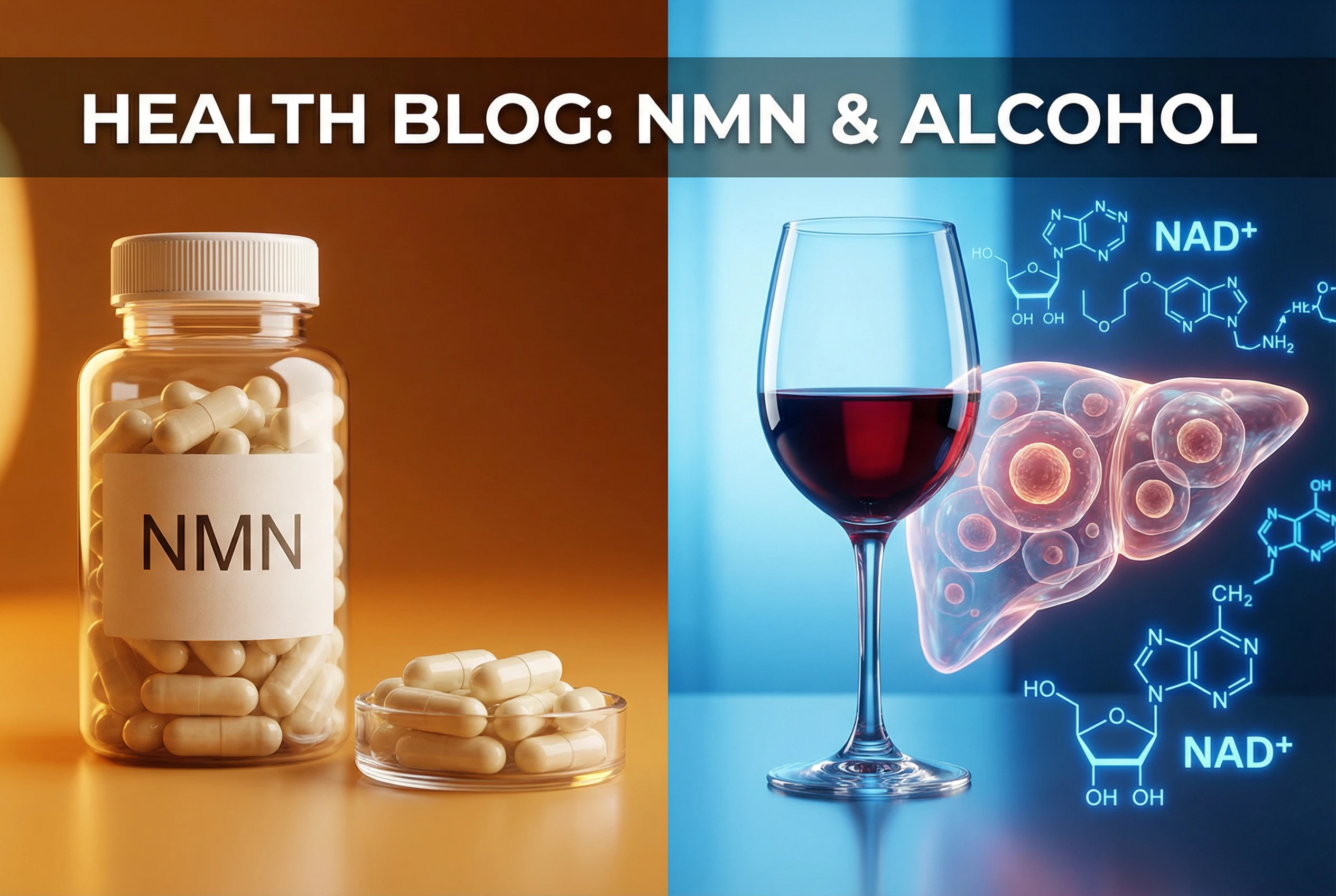

If you take nicotinamide mononucleotide (NMN) for its NAD+-boosting potential, you may wonder whether alcohol consumption affects the relationship between NMN and alcohol and works against your investment. This article is for individuals who take NMN supplements and want to understand how alcohol consumption may impact their effectiveness and liver health. We cover the science behind NMN and alcohol interactions, summarize current research, and provide practical guidance. The scope includes mechanisms of action, research findings from both animal and human studies, safety considerations, and actionable tips for those who drink alcohol while supplementing with NMN. This topic matters because alcohol can influence NAD+ levels and liver health, potentially impacting the benefits you expect from NMN supplementation.
Quick Answer: Can Alcohol Cancel Out Your NMN Supplement?
Alcohol consumes NAD+ during its breakdown in the liver, but moderate drinking is unlikely to fully negate NMN supplementation in most healthy individuals. Alcohol metabolism relies heavily on NAD+, and frequent or heavy drinking may oppose the intended effect of boosting cellular NAD+ levels.
Evidence in humans is still emerging. Most detailed data come from animal and cell studies, plus one ongoing human trial (NCT05882214) at Zhejiang Chinese Medical University. This article is informational only—not medical advice. Anyone with liver disease, heavy alcohol intake, or taking medication should consult a healthcare professional.
Safety Considerations and Potential Risks of Combining NMN and Alcohol
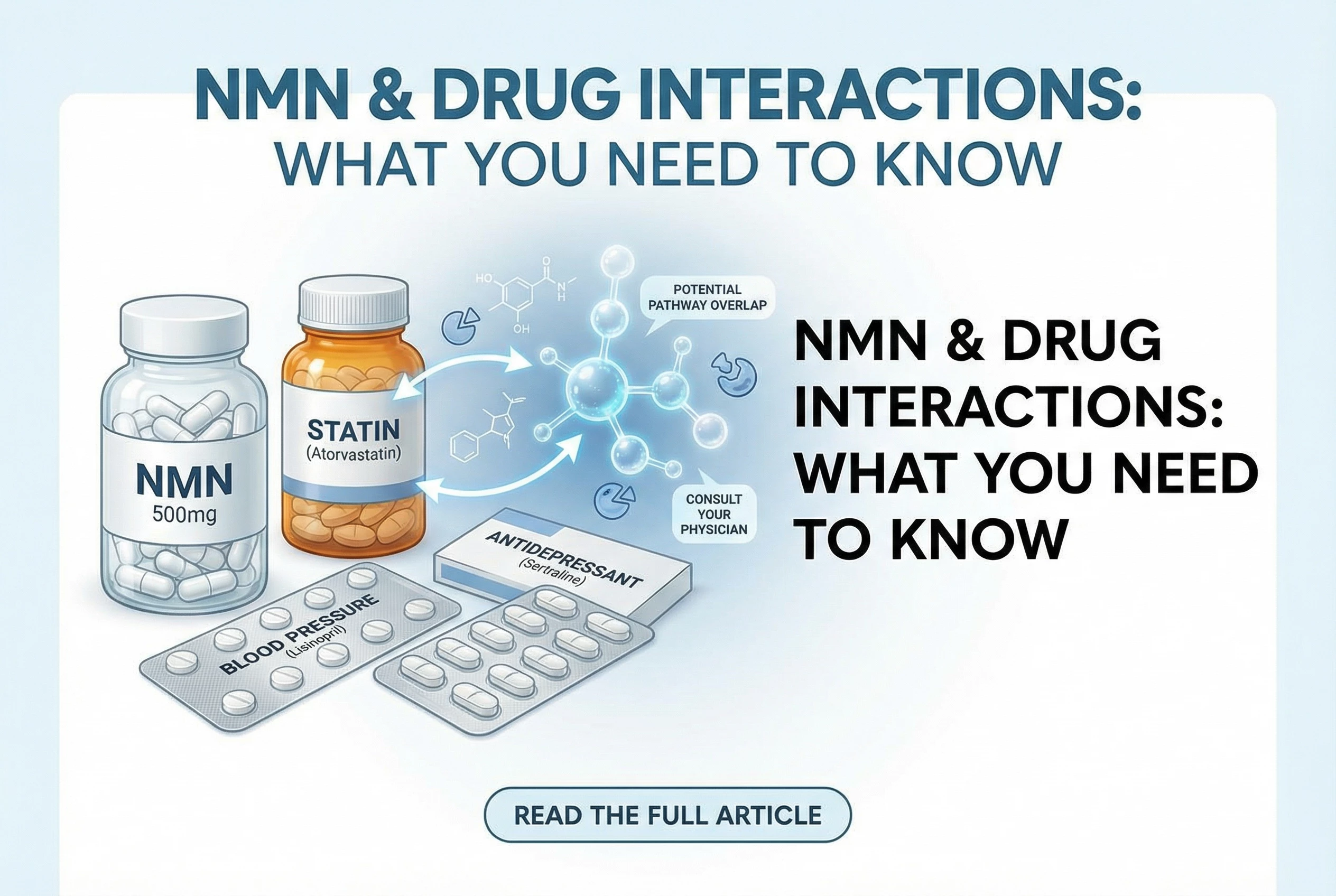
While NMN is generally considered safe, combining it with alcohol involves certain considerations regarding side effects and potential risks. Blood pressure may be lowered by NMN; caution is advised for those on blood pressure medication when combining with alcohol. It is recommended to consult a doctor before using NMN supplements alongside alcohol, especially for individuals with existing liver conditions. If you have a history of liver disease, cardiovascular issues, or are taking medications that affect blood pressure or liver metabolism, professional guidance is essential to avoid adverse effects.
What Are NAD+, NMN, and How Does Alcohol Metabolism Fit In?
NAD+ is a molecule essential for energy production, DNA repair, and stress responses. NMN is a direct precursor that cells convert to NAD+ efficiently through established biochemical pathways. Alcohol consumption decreases levels of NAD+ in the liver, which can be restored by NMN administration. NMN administration mitigates the dysregulated expression of genes involved in liver metabolism caused by chronic alcohol consumption. NMN suppresses CYP2E1, an enzyme that increases alcohol toxicity, and boosts antioxidant defense mechanisms. Alcohol consumption breaks down the intestinal barrier, and NMN aids in maintaining the integrity of tight junction proteins. NMN reduces liver injury, lowers oxidative stress, and protects the gut barrier in the context of alcohol consumption. NMN may reduce alcohol-induced oxidative stress by enhancing antioxidant activity and suppressing pro-inflammatory cytokines. NMN has been shown to reverse alcohol-induced metabolic disorders by stabilizing specific cell signaling pathways. NMN supplementation helped maintain intestinal integrity in animal models, which can be damaged by alcohol. Preliminary findings suggest NMN may accelerate alcohol metabolism, potentially reducing the severity of hangover symptoms. By improving mitochondrial function and NAD+ availability, NMN might alleviate hangover symptoms associated with metabolic failure. NMN supplementation may limit liver damage in mice that consume alcohol. NMN treatment activates AMPK and suppresses p-STAT3 expression in the livers of mice with alcoholic liver disease. NMN administration has been suggested to alleviate metabolic dysfunction associated with chronic alcohol consumption. The administration of NMN successfully increased levels of NAD+ in the liver with alcohol consumption. NMN supplementation has been shown to reverse oxidative stress and disrupted gene expression caused by alcohol consumption in mice. NMN might help mitigate early stages of liver damage for those who consume alcohol regularly.
Alcohol Metabolism Pathway
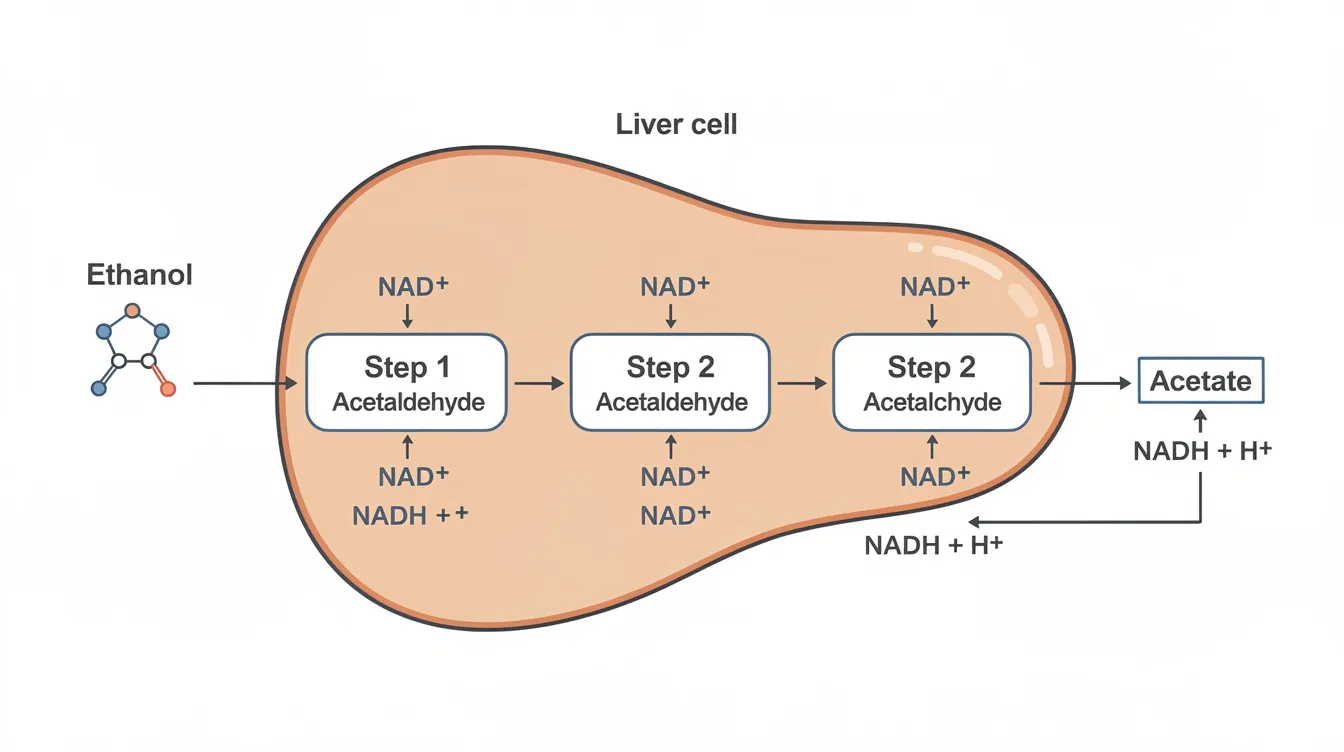
When ethanol enters your system, liver metabolism breaks it down in two steps:
| Step | Enzyme | Conversion | NAD+ Impact |
|---|---|---|---|
| 1 | Alcohol dehydrogenase | Ethanol → Acetaldehyde | NAD+ → NADH |
| 2 | Aldehyde dehydrogenase | Acetaldehyde → Acetate | NAD+ → NADH |
| Because each step uses NAD+ and produces NADH, high alcohol intake shifts liver cells toward a reduced state (elevated NADH:NAD+ ratio), affecting normal liver metabolism. |
Does Alcohol Deplete NAD+? What Current Science Suggests
Both animal and human data indicate that alcohol intake changes NAD+ and NADH levels, particularly in liver tissue. Classic research from the 1960s demonstrated that acute alcohol intake increases the NADH:NAD+ ratio 3-5 fold within hours.
When alcohol is metabolized, NAD+ becomes NADH. The lactate dehydrogenase enzyme and other systems normally recycle NADH back to NAD+, but chronic alcohol consumption can overwhelm this process.
In heavy drinkers, studies have documented:
Hepatic steatosis (fatty liver) in up to 90% of cases
Elevated markers like alanine aminotransferase and aspartate aminotransferase
Reduced NAD+-dependent enzyme activity
These metabolic changes represent the early stages of alcohol related liver disease, though regeneration can occur during abstinence.
NMN and Alcohol in Human Research: The Zhejiang Acute Binge Drink Trial
The trial “Metabolic Changes Induced by NMN in Healthy Subjects With Acute Binge Drink” (NCT05882214) provides our best window into human interactions.
Trial Design:
Location: Zhejiang Chinese Medical University
Design: Double-blind, randomized crossover trial
Participants: ~20 healthy young subjects (ages 18-35)
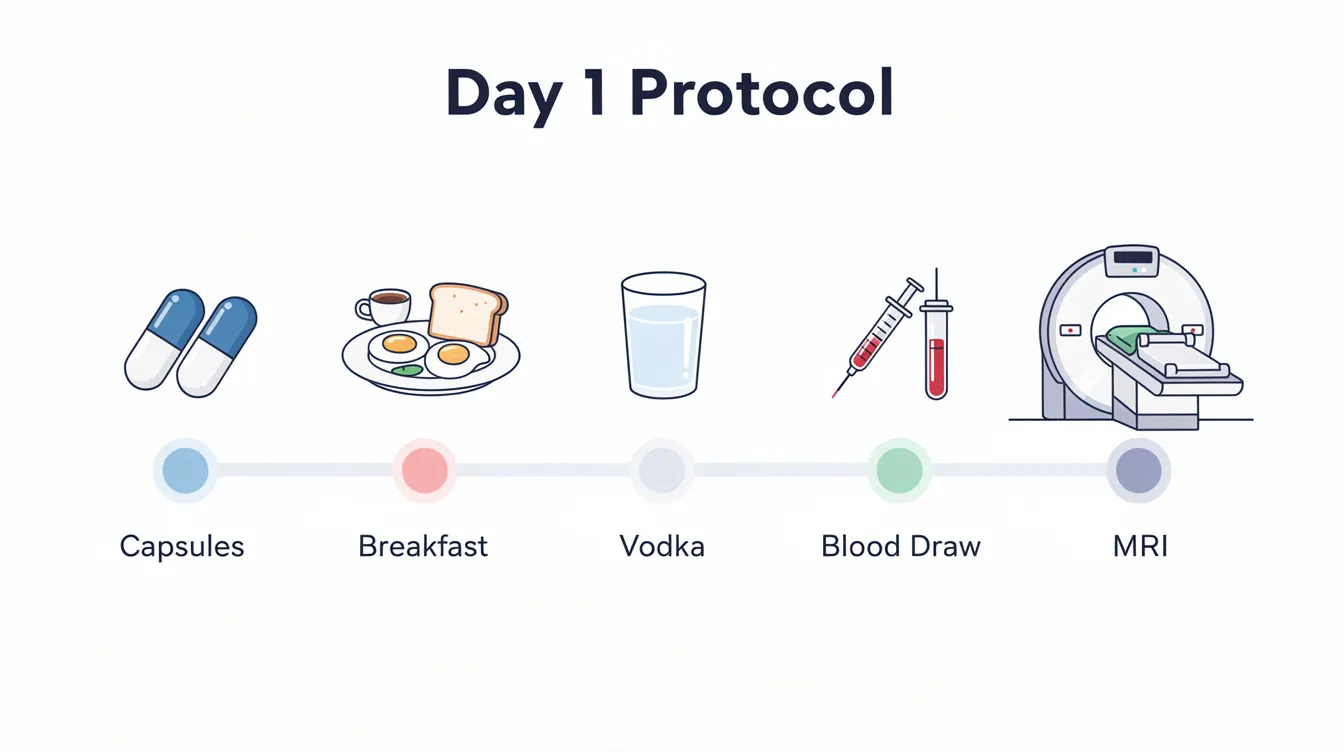
Test Protocol: Trial participants receive either β nicotinamide mononucleotide capsules (4×250mg, totaling 1,000mg as a single morning dose) or maltodextrin capsules as placebo. They eat the same breakfast, then vodka at 1g ethanol/kg bodyweight.
Measurements include:
Venous blood samples (0-24h) for liver function markers, lipid metabolism, total bile acid, direct bilirubin, indirect bilirubin, alkaline phosphatase
Nuclear magnetic resonance imaging at 0h, 4h, 24h to assess liver fat content
A survey tool consisted of questions addressing cognition headache, light sensitivity, sleeping difficulty, memory loss, and excessive sweating
After 7-day washout, the test protocol repeats with the alternative group receiving corresponding capsules (crossover). Results will be analyzed based on within-subject comparisons.
Exclusion criteria included those on a vegetarian diet unable to consume the standardized meal, those without internet access to participate in follow-up, and those with systemic diseases requiring antibiotics.
What Animal Studies Tell Us About NMN, Alcohol, and Alcohol Induced Liver Injury
Most current evidence regarding NMN and alcohol interaction comes from mouse models, and further human clinical trials are necessary.
Key Findings from Animal Studies
A key study published in Human Genomics examined mice with alcohol induced liver injury. NMN administration (500mg/kg) in alcohol-fed mice:
Normalized elevated ALT/AST markers
Restored hepatic NAD+ levels despite ongoing ethanol
Reduced dysregulated expression of stress genes like Atf3
Limited research blood hepatic fibrosis markers
Another study found NMN treatment improved research blood hepatic function, reduced hepatic lipids, and decreased inflammatory markers including tumor necrosis factor and interferon gamma. Researchers also observed effects on research blood fat metabolism and changes in hdl cholesterol and ldl cholesterol levels. Some studies noted effects on microbial communities and beta protein markers as well.
Important caveat: Mouse doses often equivalent to 2,500-4,000mg in humans, frequently given by injection. These results cannot be assumed to apply directly to people taking oral supplements.
Metabolic Changes and NMN: What Happens When You Drink?
When it comes to alcohol consumption, the metabolic changes in your body are significant—especially in the liver, where most alcohol metabolism takes place. Recent research has begun to explore how nicotinamide mononucleotide (NMN) supplementation might influence these changes, particularly during acute binge drink scenarios in healthy young subjects.
NMN capsules, taken before or after alcohol intake, have shown promise in supporting liver function and improving liver metabolism. In clinical and preclinical studies, NMN supplementation has been linked to reductions in liver fat content and improvements in lipid metabolism, both of which are crucial for maintaining a healthy liver and potentially reducing the risk of alcohol related liver disease. For example, NMN administration has been observed to accelerate alcohol metabolism, helping the body process ethanol more efficiently and possibly alleviating hangover symptoms such as headache, memory loss, and excessive sweating.
Biochemical Mechanisms
On a biochemical level, NMN appears to help counteract some of the negative effects of chronic alcohol consumption by reducing markers of liver damage, such as tumor necrosis factor and lactate dehydrogenase enzyme. These markers are often elevated during liver injury, so their reduction suggests a protective effect against alcohol-induced liver damage. Additionally, NMN’s impact on metabolic changes extends to the regulation of necrosis factor and other inflammatory mediators, further supporting liver health.
Overall, while more research is needed, current evidence suggests that NMN supplementation may help mitigate some of the metabolic disruptions caused by alcohol consumption, supporting liver function and potentially reducing the risk of developing liver disease.
Alcoholic Liver Disease and NMN: Is There a Protective Effect?
Alcoholic liver disease (ALD) remains a major health concern for those with chronic alcohol consumption, often progressing from fatty liver (hepatic steatosis) to more severe liver damage. Recent studies have begun to investigate whether NMN supplementation could offer a protective effect against the development and progression of ALD.
Research indicates that NMN treatment may help reduce liver damage and improve liver function in the context of chronic alcohol consumption. One of the key mechanisms involves the activation of AMP-activated protein kinase (AMPK), a crucial regulator of liver metabolism. By activating AMPK and suppressing the expression of phosphorylated signal transducer and activator of transcription 3 (p-STAT3), NMN helps restore normal metabolic function in the liver, even under the stress of ongoing alcohol intake.
Genetic and Systemic Effects
Furthermore, NMN supplementation has been shown to upregulate genes involved in liver metabolism, such as Hamp, which are typically downregulated by alcohol exposure. This genetic support may help the liver better manage the metabolic challenges posed by alcohol, reducing the risk of hepatic steatosis and other forms of liver disease.
Beyond the liver, NMN’s benefits may extend to lowering the risk of systemic diseases often associated with ALD, thanks to its role in improving overall metabolic health. While these findings are promising, especially for those at risk of alcohol related liver disease, further research is needed to fully understand the therapeutic potential of NMN treatment in managing and preventing ALD.
In summary, NMN supplementation shows potential as a supportive strategy for protecting liver health in individuals with chronic alcohol consumption, offering hope for improved outcomes in alcoholic liver disease.
Could Chronic Alcohol Consumption Undermine the Benefits of NAD+ Boosters Like NMN?
Alcohol and NMN act on overlapping pathways: alcohol uses NAD+, while NMN supports NAD+ availability. In moderate social drinking, the body often compensates by regenerating NAD+.
Scenarios where conflict is more likely:
Frequent binge drinking patterns
Chronic heavy use
Existing liver stress or liver damage
“Supplements cannot cancel out the effects of chronic heavy drinking.”
NMN is not established as protection against heavy drinking. Behavioral patterns remain the key drivers for alcohol-related harm. If you’re investing in NAD+ support, does it make sense to also review your drinking habits?
Timing, Dosage, and Practical Tips if You Take NMN and Occasionally Drink
No clinically validated formula exists for pairing NMN with alcohol. These suggestions are based on general physiology:
Limit intake: Stay within public health guidelines (≤7 drinks/week for women, ≤14 for men)
Timing: Some prefer taking NMN capsules in the morning, away from evening drinking
Monitor tolerance: Extended hangover symptom duration may signal metabolic stress
Basic harm reduction: Eat before drinking, hydrate, plan alcohol-free days to accelerate alcohol metabolism recovery
If you notice persistent signs like sleeping difficulty or cognition headache after drinking, discuss both your supplement regimen and alcohol intake with a healthcare provider.
Open Questions and Future Research Directions
Key unanswered questions include:
Long-term interactions between NMN and regular moderate drinking
Genetic differences affecting NAD+ responses
Whether NMN might alleviate hangover symptom severity
Comparative efficacy of NMN versus other precursors
Claims about “hangover cures” or “liver protection” warrant skepticism until larger peer-reviewed human trials provide clearer evidence. The abundant features of NAD+ biology remain an active research area.
How to Talk With Your Doctor About NMN and Alcohol Use
Because NMN, NAD+, and alcohol all relate to liver health, professional guidance matters—especially with regular drinking.
Topics to discuss:
Your alcohol intake frequency and amount
Recent liver tests (ALT, AST, GGT)
All supplements including β nicotinamide mononucleotide intervention products
Any medications that affect liver metabolism
Keep a brief diary of both supplement use and alcohol patterns for a few weeks before your appointment.
Summary: Aligning Your Supplement Strategy With Your Drinking Habits
Alcohol metabolism uses NAD+, NMN supplementation can support NAD+ availability in experimental models, and their interaction in humans is still being mapped through trials like the two groups studied at Zhejiang. No supplement justifies heavy drinking or binge patterns.
Consider why you’re interested in NAD+ support—energy, healthy aging, resilience—and whether adjusting alcohol habits might be more impactful than supplementation alone. Stay informed, follow emerging research, and partner with healthcare professionals when making decisions about your health strategy.
Further Reading
Explore more articles related to this topic:
- NMN and the Liver: Is It Safe or Toxic? The Latest Data
- Is NMN Safe for Your Liver? Analyzing the Latest 2026 Hepatotoxicity Data
- NMN Side Effects Exposed: What the Science Says About Long-Term Use
- NMN Drug Interactions: Does NMN Interact with Common Medications?
- NMN and Coffee: Does Caffeine Synergize or Interfere with NAD+ Production?