The phrase “vitamin B3” sounds simple until you compare niacin with nicotinamide in the real world. The form you choose can change the experience, the expected benefit, and the reasons someone might avoid it.
When you’re looking at vitamin B3 supplements, you’ll primarily find two forms: niacin and nicotinamide. Both are derived from vitamin B3 (also called nicotinic acid), but they act differently in the body, which means they have different uses and considerations. Knowing these differences is key to choosing the right supplement, whether you’re dealing with a deficiency, aiming for general wellness, or focusing on particular health goals. This article explains the specifics of niacin versus nicotinamide, including how they work, their benefits, possible side effects, and when to use each.
Nicotinamide Safety Concerns
Nicotinamide, often also referred to as niacinamide, is generally well-tolerated, especially when compared to its counterpart, niacin. The primary reason for its good safety profile lies in its lack of the “niacin flush” – a common, though usually harmless, side effect associated with higher doses of nicotinic acid (niacin). The flush is characterized by redness, warmth, itching, and tingling of the skin, and it can be quite uncomfortable, even if not dangerous. Nicotinamide does not trigger this histamine-mediated response. However, “well-tolerated” does not equate to “without any concerns.” While rare at typical supplemental doses, very high intakes of nicotinamide (e.g., several grams per day) have been linked to potential issues. These can include mild gastrointestinal upset, such as nausea or stomach cramps. More significantly, extremely high doses over prolonged periods have been investigated for potential liver toxicity, though this is far less common and generally requires doses significantly exceeding standard recommendations. For instance, in some research settings exploring nicotinamide’s role in certain dermatological conditions or as a potential therapeutic agent, doses might reach 500 mg or even 1 gram multiple times daily. At these higher levels, monitoring for liver enzyme elevation might be considered by healthcare professionals. For the average person taking nicotinamide for general health or skin benefits at typical doses (e.g., 250-500 mg), these safety concerns are substantially diminished. The key distinction is that while niacin’s safety concerns often revolve around the immediate flush, nicotinamide’s relate more to potential long-term, high-dose effects, which are less frequently encountered in common supplementation practices.
Niacin vs Niacinamide vs Nicotinamide
The terminology surrounding vitamin B3 can be a source of confusion. Let’s clarify the key players:
- Niacin (Nicotinic Acid): This is the original name for vitamin B3. It’s the form most commonly associated with cholesterol management and the “niacin flush.”
- Nicotinamide (Niacinamide): These two terms are interchangeable and refer to the same compound. It’s an amide derivative of niacin. This form does not cause the flush.
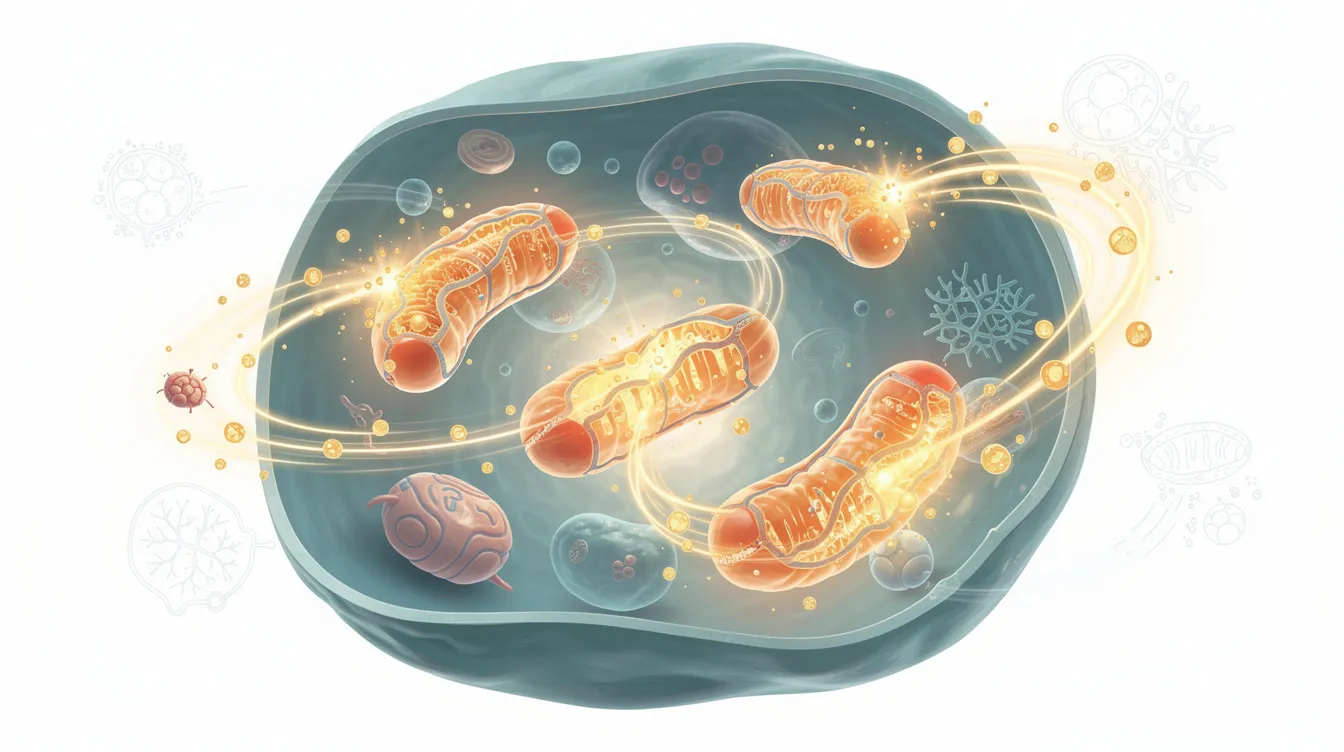
- NAD (Nicotinamide Adenine Dinucleotide): This is a coenzyme derived from all forms of vitamin B3. It’s a crucial molecule involved in hundreds of metabolic processes, including energy production, DNA repair, and cellular signaling. Both niacin and nicotinamide can be converted into NAD in the body.
- NMN (Nicotinamide Mononucleotide) and NR (Nicotinamide Riboside): These are precursors to NAD. They are also forms of vitamin B3, often marketed for their potential to boost NAD levels and support cellular health and aging. They are newer on the supplement scene compared to niacin and nicotinamide. The core distinction between niacin and nicotinamide lies in their chemical structure and, consequently, their physiological effects. Niacin has a carboxylic acid group, which is responsible for its ability to dilate blood vessels and cause the flush. Nicotinamide, by contrast, has an amide group, which prevents this vasodilatory effect. When it comes to practical implications, this structural difference translates directly into their primary uses. Niacin is predominantly used for its lipid-modifying effects, particularly in lowering LDL (“bad”) cholesterol and triglycerides, and raising HDL (“good”) cholesterol. Nicotinamide, lacking these lipid effects, is instead recognized for its role in cellular health, DNA repair, and anti-inflammatory properties, making it a popular ingredient in skincare and for certain dermatological conditions. Consider a scenario: if a healthcare provider recommends vitamin B3 to help manage dyslipidemia (abnormal lipid levels), they are almost certainly referring to niacin. If the recommendation is for skin health or to support general cellular function without impacting cholesterol, nicotinamide would be the appropriate choice. Confusing the two can lead to either ineffective treatment (using nicotinamide for cholesterol) or uncomfortable side effects (using niacin when the flush is not desired or tolerated).
An Update and Review of Safety & Differences from Niacin
Recent research continues to refine our understanding of both niacin and nicotinamide. While niacin’s role in lipid management is well-established, its use has become more nuanced. High-dose niacin, particularly extended-release forms, can effectively alter lipid profiles. However, large-scale studies have also shown that while it improves lipid numbers, it doesn’t always translate into a significant reduction in cardiovascular events when added to statin therapy, and it can increase the risk of certain side effects like elevated blood sugar, gastrointestinal issues, and liver enzyme abnormalities. This has led to a more cautious approach to niacin as a standalone or add-on therapy for cardiovascular disease, with its use often reserved for specific cases where other lipid-lowering agents are not sufficient or tolerated. Nicotinamide, on the other hand, has gained increasing attention for its broader cellular protective roles. Its ability to act as a precursor to NAD and its involvement in DNA repair mechanisms have opened avenues for research in areas such as skin cancer prevention, neurodegenerative diseases, and even metabolic health. For example, topical nicotinamide is a well-regarded ingredient in dermatology for improving skin barrier function, reducing inflammation, and potentially mitigating UV damage. Oral nicotinamide has shown promise in reducing the incidence of new non-melanoma skin cancers and actinic keratoses in high-risk individuals. The safety profiles remain distinct. The niacin flush is an immediate and almost universal side effect at therapeutic doses, though it can often be managed by starting with low doses, gradually increasing, and sometimes taking aspirin beforehand. Liver toxicity is a concern with high-dose, immediate-release niacin, though extended-release forms were developed to mitigate this by providing a more controlled release. Nicotinamide, as discussed, avoids the flush entirely. Its safety profile at typical supplement doses is generally very good, with serious side effects being rare and primarily associated with extremely high, often experimental, dosages. The trade-off is clear: niacin offers potent lipid modification but with a higher likelihood of uncomfortable side effects and a more complex risk-benefit profile in modern cardiovascular medicine. Nicotinamide offers a milder, broader cellular support role with a much more favorable immediate safety profile, particularly at common supplemental doses.
Using the Best Form of Vitamin B3: Niacin vs Nicotinamide
Determining the “best” form of vitamin B3 depends entirely on the specific health goal. There isn’t a single superior form; rather, there are forms best suited for particular applications. When to Consider Niacin (Nicotinic Acid):
- Lipid Management: Niacin is primarily prescribed by healthcare professionals to manage dyslipidemia. It can significantly lower LDL cholesterol, triglycerides, and lipoprotein(a) – a genetic risk factor for cardiovascular disease – while raising HDL cholesterol. This is its most well-known and potent effect.
- Pellagra Treatment: In cases of severe vitamin B3 deficiency, known as pellagra, niacin is an effective treatment. Important Considerations for Niacin Use:
- Medical Supervision: Due to its potential side effects and interactions with other medications, high-dose niacin for lipid management should always be taken under the guidance of a healthcare professional.
- The Niacin Flush: Be prepared for the characteristic flush, especially with immediate-release formulations. Strategies like starting with a low dose, taking it with food, or using extended-release formulations can help mitigate this.
- Monitoring: Regular monitoring of liver enzymes and blood glucose levels may be necessary, particularly with higher doses. When to Consider Nicotinamide (Niacinamide):
- General Vitamin B3 Supplementation: For individuals seeking general vitamin B3 support without the flush, nicotinamide is an excellent choice.
- Skin Health: Both topical and oral nicotinamide have shown benefits for skin. Topically, it can improve skin barrier function, reduce redness, minimize pore appearance, and offer anti-inflammatory effects. Orally, it may reduce the risk of certain skin cancers and improve skin elasticity.
- DNA Repair and Cellular Protection: As a precursor to NAD, nicotinamide supports numerous cellular processes, including DNA repair.
- Inflammatory Conditions: Its anti-inflammatory properties are being explored for various conditions.
- Pellagra Prevention/Treatment: Like niacin, nicotinamide can also prevent and treat pellagra. Important Considerations for Nicotinamide Use:
- No Lipid Effects: It’s crucial to remember that nicotinamide will not affect cholesterol or triglyceride levels in the same way niacin does. Do not substitute it if your goal is lipid modification.
- Generally Well-Tolerated: Side effects are rare at typical doses, usually limited to mild gastrointestinal upset at higher intakes.
Feature Niacin (Nicotinic Acid) Nicotinamide (Niacinamide) Primary Use Lipid modification (cholesterol, triglycerides) General B3 support, skin health, cellular protection “Flush” Effect Yes (common, dose-dependent) No Impact on Lipids Lowers LDL, triglycerides; raises HDL, lowers Lp(a) No significant impact on lipids Side Effects Flush, itching, GI upset, potential liver/glucose issues at high doses Mild GI upset at very high doses (rare) Medical Guidance Often recommended for high-dose lipid therapy Generally safe for over-the-counter use at recommended doses Common Forms Immediate-release, Extended-release, Sustained-release Standard capsules, tablets, topical creams/serums
Meet The Vitamin B3 Family: NR, NMN, Niacin Explained
The “Vitamin B3 family” is broader than just niacin and nicotinamide. It encompasses several compounds that the body can convert into NAD (Nicotinamide Adenine Dinucleotide), a vital coenzyme. Understanding the roles of Nicotinamide Riboside (NR) and Nicotinamide Mononucleotide (NMN) alongside niacin and nicotinamide provides a more complete picture of B3 metabolism. All these forms essentially serve as precursors to NAD. NAD is critical for metabolism, helping convert nutrients into energy, and plays a key role in cellular repair, immunity, and gene expression. As we age, NAD levels naturally decline, which has spurred significant interest in NAD precursors for their potential anti-aging and health-promoting effects.
- Niacin (Nicotinic Acid): As discussed, it’s converted to NAD, but it’s primarily known for its lipid-modifying effects and the flush.
- Nicotinamide (Niacinamide): Also converted to NAD, it’s favored for its cellular protective roles and lack of flush. It’s an efficient precursor to NAD, bypassing the step that causes vasodilation.
- Nicotinamide Riboside (NR): NR is a newer form of vitamin B3 that has gained prominence for its ability to efficiently boost NAD levels. It enters cells differently than niacin or nicotinamide, often considered a “faster track” to NAD synthesis. Research into NR focuses heavily on its potential to improve metabolic health, support mitochondrial function, and counteract age-related decline.
- Nicotinamide Mononucleotide (NMN): Similar to NR, NMN is another direct precursor to NAD. It is also highly effective at increasing NAD levels in various tissues. Studies on NMN often mirror those of NR, investigating its role in energy metabolism, DNA repair, and overall cellular resilience, particularly in the context of aging. The key difference among NR, NMN, niacin, and nicotinamide, from the perspective of NAD synthesis, often comes down to their specific metabolic pathways and efficiency of conversion. While all can lead to NAD, NR and NMN are often highlighted as particularly effective at increasing NAD levels, especially in tissues where NAD levels might be compromised. The research in this area is ongoing, with many studies in animal models showing promising results, and human trials continuing to explore their full potential and optimal dosing.
NAD vs Niacin vs Niacinamide: Vitamin B3 Differences
To further clarify the relationships, let’s look at NAD in context with niacin and niacinamide (nicotinamide). NAD (Nicotinamide Adenine Dinucleotide): The End Goal NAD is not a vitamin B3 supplement in itself, but rather the crucial coenzyme that all forms of vitamin B3 in practice help produce. Think of vitamin B3 forms as building blocks, and NAD as the finished structure that performs the work.
- Role: Essential for hundreds of enzymatic reactions, particularly in energy production (cellular respiration), DNA repair, and cell signaling. It exists in two forms: NAD+ (oxidized) and NADH (reduced), which shuttle electrons in metabolic pathways.
- Why it’s important: Declining NAD+ levels are associated with aging and various chronic diseases. Boosting NAD+ is a major focus of current longevity research.
- Direct Supplementation: While NAD itself can be administered (e.g., intravenously in some clinical settings), oral NAD supplementation is less common and often less effective than using precursors, as NAD molecules are large and not easily absorbed intact across the gut barrier. Niacin (Nicotinic Acid) and Niacinamide (Nicotinamide): The Traditional Precursors These are the most common and longest-studied forms of vitamin B3.
- Niacin: As discussed, it’s primarily used for its direct pharmacological effects on lipids, which are distinct from its role as an NAD precursor. While it does contribute to NAD synthesis, its therapeutic benefits at higher doses are largely due to its direct action on receptors involved in lipid metabolism and inflammation.
- Niacinamide: This is a more direct and efficient precursor to NAD than niacin, without the vasodilatory effects. It’s readily converted into NAD. Its benefits are often attributed to its role in maintaining cellular NAD levels, which then supports DNA repair, cellular energy, and antioxidant defenses. The Interplay and Practical Implications:
- All B3 forms contribute to NAD: Regardless of which form you take (niacin, nicotinamide, NR, or NMN), the body has pathways to convert them into NAD.
- Different routes, different effects: The specific pathway used and the intermediate steps can influence the side effect profile and the primary therapeutic focus. Niacin’s unique pathway involves a step that triggers the flush. Nicotinamide, NR, and NMN bypass this step, making them flush-free.
- Targeted vs. General: If the goal is primarily to raise NAD levels for general cellular health or anti-aging research, NR or NMN are often considered more direct and efficient, though also typically more expensive. If the goal is specific lipid modification, niacin is the choice (under medical supervision). If the goal is general B3 support, skin health, or DNA repair without lipid effects or flushing, nicotinamide is often preferred.
Factor NAD Niacin (Nicotinic Acid) Nicotinamide (Niacinamide) Nature Coenzyme (active form) Vitamin B3 precursor Vitamin B3 precursor Directly Supplemented? Rarely orally, sometimes IV Yes, orally (immediate/extended release) Yes, orally (tablets, capsules), topically Primary Effect Cellular energy, DNA repair, signaling Lipid modification, pellagra treatment General B3, skin health, cellular protection “Flush” Effect N/A (not a supplement form) Yes No Lipid Impact Indirect (supports metabolism) Significant None Cost High (IV) Moderate Low to Moderate
FAQ
Is it better to take NAD or nicotinamide?
You generally don’t take NAD directly as a supplement because it’s a large molecule that isn’t absorbed efficiently orally. Instead, you take precursors to NAD, like nicotinamide (niacinamide), nicotinamide riboside (NR), or nicotinamide mononucleotide (NMN), which the body then converts into NAD. The choice between nicotinamide and other precursors like NR or NMN depends on your goals. Nicotinamide is a well-established and generally effective way to support NAD levels and offers benefits for skin health and general cellular function without the niacin flush. NR and NMN are often marketed for their potentially more efficient or targeted NAD boosting, particularly in anti-aging contexts, but they are also typically more expensive and have less long-term human research than nicotinamide. For most general purposes, nicotinamide is a good, cost-effective option.
What are the disadvantages of nicotinamide?
The disadvantages of nicotinamide are relatively few, especially when taken at recommended doses. The primary “disadvantage” is that it does not have the same lipid-modifying effects as niacin. So, if your goal is to lower cholesterol or triglycerides, nicotinamide will not be effective. At very high doses (several grams per day), some individuals might experience mild gastrointestinal upset, such as nausea or stomach cramps. There have been theoretical concerns about very high doses over prolonged periods potentially affecting liver enzymes, but this is rare and generally not observed at typical supplemental levels. Overall, it’s considered a very safe and well-tolerated form of vitamin B3.
Can niacin lower lipoprotein A?
Yes, niacin (nicotinic acid), particularly in higher therapeutic doses and extended-release formulations, is one of the most effective agents known to lower lipoprotein(a) or Lp(a). Lp(a) is a genetic risk factor for cardiovascular disease that is often resistant to conventional lipid-lowering therapies like statins. Niacin can significantly reduce Lp(a) levels, often by 20-30% or more, making it a valuable option for individuals with elevated Lp(a) who are at high cardiovascular risk. However, due to the potential side effects and the need for careful monitoring, niacin for Lp(a) reduction should always be prescribed and supervised by a healthcare professional.
Conclusion
Niacin and nicotinamide, while both forms of vitamin B3, offer distinct therapeutic profiles. Niacin (nicotinic acid) remains a potent tool for lipid modification, capable of significantly improving cholesterol and triglyceride levels, and uniquely, lowering lipoprotein(a). However, its use requires careful medical supervision due to the common “flush” side effect and potential for other adverse reactions at therapeutic doses. Nicotinamide, on the other hand, is a versatile and generally well-tolerated compound, ideal for general vitamin B3 supplementation, supporting skin health, and promoting cellular repair without causing the flush. Choosing between them hinges entirely on your specific health objectives, and for lipid concerns, professional medical guidance is essential.
If you want the broader background first, see our science-based guide to NAD supplements, NMN, and related precursor forms.
References
This article has been editorially standardized to follow the same evidence-note pattern used across the NMN Labo knowledge base. For closely related background and adjacent context, start with:
- NAD Supplements: Uses, Benefits, Risks, and How to Choose
- How Long Does It Take for NAD Supplements to Work?
Further Reading
Explore more articles related to this topic:
- NAD Supplements: Uses, Benefits, Risks, and How to Choose
- How Long Does It Take for NAD Supplements to Work?
- How to Test NAD+ Levels at Home
- Can You Take NMN and NR Together? Benefits, Risks, and Who Should Skip the Combo
- Can You Take NMN and NAD Together? When the Combination Is Redundant and When It May Make Sense