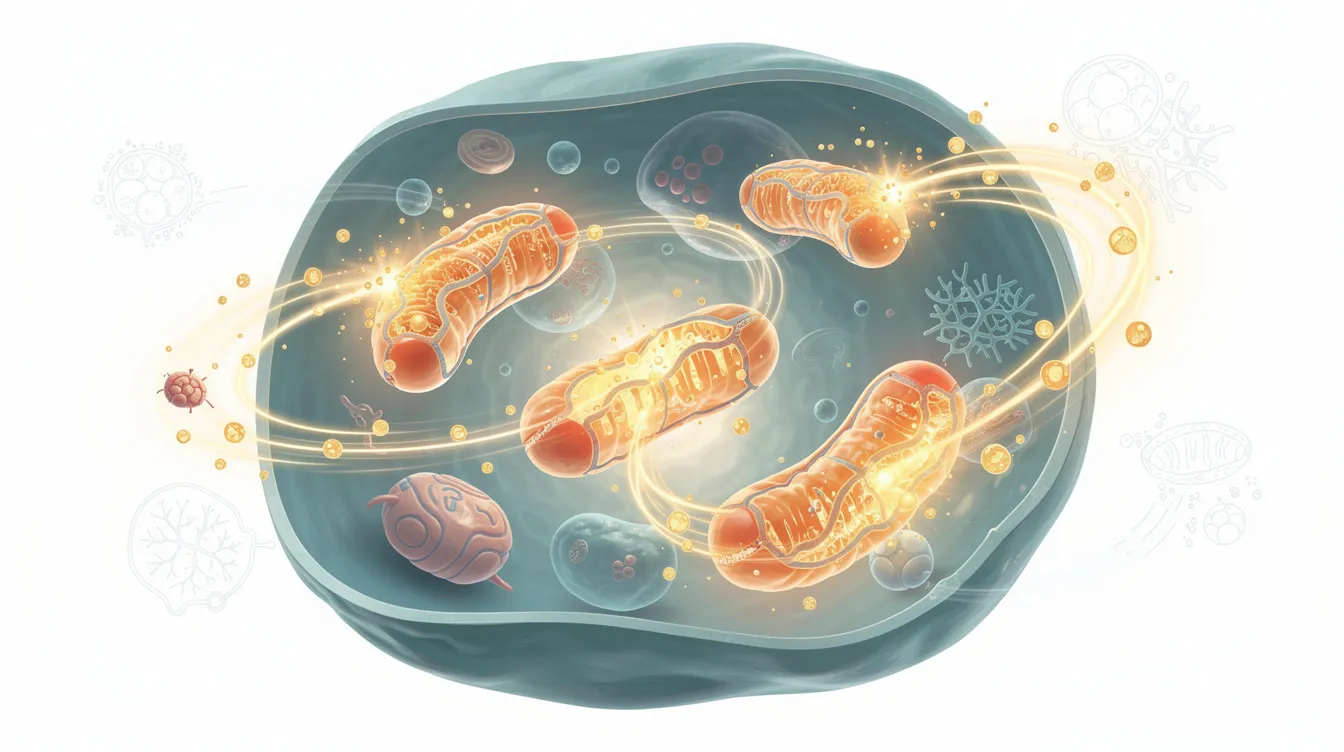
NAD stands for nicotinamide adenine dinucleotide, a coenzyme found in all living cells that plays an important role in metabolism and cellular health, including energy production and DNA repair. NAD exists in two primary forms: NAD+ (oxidized) and NADH (reduced), which function as a shuttle for electrons during reactions. This molecule supports over 400 enzymatic reactions essential for cellular health. NAD supplements gained traction in the mid-2010s when research linked declining NAD levels to aging, and a 2018 TIME magazine article spotlighted NAD+ precursors as a potential “anti-aging pill,” sparking widespread consumer interest.
If you are still orienting yourself to the broader topic, start with our explainer on what NAD+ is and why it matters before comparing supplement forms or protocols.
This guide covers what NAD supplements are, their potential benefits for overall health, documented risks, and practical advice on how to choose and take them safely. The science through 2026 shows promise but remains incomplete—over 70 human clinical trials exist, yet most are small, short-term, and fail to prove the dramatic longevity claims common in marketing. Expect honest assessment here, not hype.
What Are NAD Supplements and How Do They Work?
NAD nicotinamide adenine dinucleotide functions as a molecular shuttle in your cells, transferring electrons during the conversion of food into adenosine triphosphate (ATP)—your body’s primary fuel for cellular energy. Beyond ATP production in mitochondria, NAD+ activates sirtuins (proteins linked to longevity pathways), powers PARP enzymes for DNA repair, and regulates hundreds of processes involved in cellular metabolism.
Here’s the challenge: you cannot simply swallow intact NAD+ and expect it to reach your cells effectively. Oral NAD+ has poor bioavailability—less than 5% survives digestion and liver processing. Instead, NAD supplements deliver precursors that your body converts into NAD+ through the salvage pathway. These precursors include nicotinamide riboside (NR), nicotinamide mononucleotide (NMN), nicotinamide, nicotinic acid (niacin), and the amino acid tryptophan. Once absorbed, enzymes like NAMPT and NMNAT transform these compounds into usable NAD+ inside cells, supporting mitochondrial function and reducing oxidative stress.
Common Forms of NAD Supplements
Supplement labels typically specify the exact NAD precursors and doses. You’ll see wording like “Nicotinamide Riboside Chloride 300mg per capsule,” “Nicotinamide Mononucleotide (NMN) 500mg stabilized form,” or “Niacin (as nicotinic acid) 250mg time-release.” Understanding these labels helps you compare products accurately.
Human studies have tested various forms at different doses: NR at 250-1000mg/day (often 500mg twice daily), NMN at 250-600mg/day, and niacin at 100-1000mg/day under medical supervision. NR supplementation at 1000mg daily raised whole-blood NAD+ by approximately 140% after six weeks in research settings.
The user experience differs significantly between forms. NR, NMN, and nicotinamide are non-flushing, meaning they don’t cause the skin warmth, itching, and redness triggered by nicotinic acid. Niacin-induced flushing peaks 30-60 minutes after doses above 50mg and drives 20-30% of users to discontinue. Beyond standard capsule formats, you’ll find sublingual tablets claiming better absorption, liposomal liquids marketed as highly bioavailable (though independently unverified), and IV NAD+ infusions at clinics delivering 500-2000mg directly into the bloodstream.
Potential Benefits of NAD Supplements
Research confirms that NAD levels decline with age—dropping approximately 40-50% in tissues like liver, muscle, and brain by middle age. This reduction correlates with decreased sirtuin activity, mitochondrial dysfunction, and increased inflammation. The connection between falling NAD+ and age-related decline sparked interest in whether boosting levels through supplements might preserve healthy aging.
Most robust evidence comes from animal and cell studies. Human trials remain limited: typically under 100 participants, lasting weeks to months, with modest effect sizes. The potential benefits cluster around cellular energy, metabolic health, brain and cardiovascular support, and aging markers. No current evidence proves NAD supplements extend human lifespan—only signals that they may improve certain biomarkers.
Energy, Metabolism & Exercise Performance
NAD+ sits at the center of mitochondrial ATP production, making it theoretically relevant to energy levels. When NAD availability increases, cells may generate energy more efficiently. NR supplementation has shown it can raise blood NAD+ by 40-90% within 2-8 weeks in small human trials, with participants reporting modest improvements in fatigue and quality of life scores.
However, metabolic outcomes remain mixed. A six-week trial giving 1000mg NR daily to overweight adults found no significant changes in insulin sensitivity, resting energy expenditure, or VO2max despite substantial blood NAD+ elevation. Animal data looks more promising—NR reversed fatty liver markers in high-fat-fed mice and NMN improved glucose tolerance in aged rodents. The difference between species may explain why human results lag behind.
Physical activity itself raises NAMPT (a key enzyme in NAD+ production) 2-3 times more effectively than 300mg NR in comparative studies. Exercise, diet, and adequate sleep still provide far stronger metabolic benefits than any dietary supplement tested to date.
Healthy Aging & Longevity
The longevity interest in NAD+ centers on its activation of sirtuins and PARPs—proteins involved in DNA repair, telomere maintenance, and cellular stress responses. Worms fed NR lived approximately 20% longer, and some mouse models showed healthspan improvements. Yet a 2024 study using NR in standard laboratory mice failed to extend lifespan, possibly because baseline NAD+ levels were already sufficient.
Early research in humans shows modest signals. NR at 1000mg daily for six weeks improved muscle mitochondrial function by roughly 20% in adults over 50 and reduced inflammatory markers like IL-6 and TNF-α by 20-50%. NMN at 300mg/day lowered C-reactive protein by about 10% in small randomized trials. These are encouraging biomarker shifts, not proof of disease prevention or life extension.
Most marketing claims extrapolate from mechanistic studies or rodent data. No long-term human trials (10+ years) have verified that NAD supplements delay aging or prevent age-related diseases.
Brain, Cardiovascular & Cellular Protection
Animal models suggest neuroprotective potential. NR preserved 50% more dopaminergic neurons in a Parkinson’s mouse model, and NMN improved cognition in Alzheimer’s mice via BDNF upregulation. Translating these findings to humans has proven difficult.
A 12-week double-blind trial in middle-aged adults found that NR at 500mg twice daily lowered systolic blood pressure by 5-10mmHg and reduced arterial stiffness, but cholesterol levels remained unchanged. Another small study (n=30) showed no cognitive improvements despite significant PBMC NAD+ elevation. The role of NAD+ in combating oxidative stress through mitochondrial antioxidant enzymes remains theoretically compelling but largely mechanistic in human contexts.
As of 2026, no NAD supplement has regulatory approval to prevent or treat Alzheimer’s, Parkinson’s, or cardiovascular disease. The science suggests potential, not proven therapeutic benefit.
Risks, Side Effects & Who Should Be Cautious
NAD precursors like NR and NMN have demonstrated good short-term tolerability across more than 70 studies, with doses up to 1-2 grams daily for 6-20 weeks showing adverse event rates below 10% compared to placebo. When considering potential side effects, NAD supplements are generally considered safe for most people, but can cause mild side effects such as nausea, fatigue, and headaches. High doses of NAD+ precursors may lead to gastrointestinal distress, skin flushing, or elevated liver enzymes. However, long-term safety data for NAD supplements is lacking, and experts recommend consulting a healthcare provider before starting long-term use, especially at higher doses.
Common mild side effects include nausea (5-15% of participants), headaches (3-10%), gastrointestinal upset, and sleep disruption at high doses. However, NAD supplements do not cause negative effects such as keeping users awake at night when consumed properly. People with active cancer, serious liver disease, or those taking multiple other medications should exercise particular caution. Consulting a healthcare professional before beginning high-dose or long-term NAD supplementation is essential, especially for older adults.
Cancer & Long-Term Safety Concerns
NAD+ supports cellular energy and DNA repair—functions that cancer cells exploit for rapid proliferation. Tumors consume NAD+ at roughly 10 times the normal cellular rate to fuel their growth through the Warburg effect. This creates a theoretical concern that boosting NAD+ might inadvertently lead to adverse outcomes, such as feeding cancer cells and supporting cancer progression.
A 2023 mouse study found that high-dose NR supplementation doubled the incidence of aggressive breast cancer metastasis to the brain. This animal finding has not been confirmed in humans, and no direct evidence links NAD supplements to human cancer development. However, absence of evidence is not proof of safety over decades of use.
Experts recommend that people with current cancer, prior cancer history, or strong familial/genetic risk avoid NAD boosters or use them only under oncologist guidance. Some inflammatory conditions may also warrant caution due to NAD’s relationship with immune pathways.
Other Side Effects & Interactions
Niacin carries specific concerns beyond flushing. Chronic doses above 1000mg daily risk liver toxicity, with ALT elevations 2-5 times the upper limit of normal (reversible upon discontinuation). High-dose niacin can also cause hypotension and hyperglycemia.
NR and NMN occasionally cause digestive upset, loose stools, heartburn, or rare bleeding/bruising at doses above 500mg. Taking these supplements with food often reduces gastrointestinal issues.
Potential interactions exist with blood pressure medications (additive BP-lowering effects), statins (overlapping lipid metabolism), diabetes drugs (glucose variability), and anticoagulants like warfarin. Pregnant or breastfeeding individuals and those under 18 should avoid high-dose NAD boosters due to insufficient safety research in these populations.
How to Take NAD Supplements (Dosage, Timing & Practical Tips)
No official Recommended Dietary Allowance exists for NAD itself—only for vitamin B3 (niacin equivalents), which adults need in the 14-18mg/day range from diet. Supplementation protocols come from research trials rather than regulatory standards.
Human studies typically use NR at 250-300mg twice daily (total 500-1000mg/day) or NMN at 250-600mg daily. For everyday users seeking general support, starting more conservatively makes sense. Take NAD precursors in the morning or midday with food to minimize digestive upset. Plan an initial trial of 8-12 weeks before evaluating whether subjective benefits (improved energy levels, better sleep, mental clarity) and objective markers (lipid panels, fasting glucose) justify continued use.
Suggested Starting Doses & Titration
| Form | Starting Dose | Titration Target | Upper Limit Without MD |
|---|---|---|---|
| NR | 250-300mg/day | 500-1000mg/day | 1000mg/day |
| NMN | 250mg/day | 250-600mg/day | 600mg/day |
| Nicotinamide | 100-500mg/day | Per B-vitamin guidelines | Varies |
| Begin at the lower end for two weeks, then increase gradually if well tolerated. Many people split doses—taking half in the morning and half in the afternoon—to maintain steadier NAD+ levels given NR’s roughly 6-hour half-life. IV NAD+ infusions deliver substantially higher amounts (500-2000mg) and should only occur in clinical settings with monitoring for nausea and rapid heart rate. |
Timing, Duration & When to Avoid
NAD boosters aren’t stimulants like caffeine, so evening dosing rarely causes insomnia. Still, sensitive individuals may prefer morning administration. After an 8-12 week trial, consider periodic breaks—perhaps 1-2 weeks off after every 3-4 months—to reassess whether you still notice benefits.
Delay or avoid NAD supplements if you’re recovering from surgery, managing uncontrolled chronic illness, undergoing active cancer treatment, pregnant, or experiencing unexplained symptoms requiring medical evaluation. Stop supplementation and seek medical advice if you develop severe fatigue, abdominal pain, rash, or palpitations after starting.
How to Choose a Quality NAD Supplement
Reading supplement labels critically protects you from underdosed or contaminated products. Identify the exact active ingredient (NR, NMN, niacin), verify dosage per capsule, and check whether the “serving size” matches one capsule or multiple.
Third-party testing certifications from NSF, USP, or Informed-Choice reduce contamination and mislabeling risk—a 2023 ConsumerLab analysis found 15% of tested products were underdosed. Look for GMP-compliant manufacturing and brands that publish certificates of analysis (COAs) showing >98% purity.
Marketing red flags include claims about “curing aging,” guaranteeing specific lifespan extension, or promising to reverse diseases. These violate regulatory guidelines and suggest questionable scientific standards.
Regulatory Landscape & NMN Controversy
In 2022, the FDA ruled that nicotinamide mononucleotide (NMN) cannot be marketed as a dietary supplement in the United States because it’s under investigation as a drug by MetroBiotech. This led major retailers like Amazon to remove NMN products, though gray-market imports and relabeled products persist.
NR remains available as a GRAS (Generally Recognized As Safe) dietary supplement in the U.S. and other countries. However, the NMN situation illustrates how quickly regulatory status can change. If purchasing NMN, verify the company’s compliance status and be cautious of products with unclear import origins or frequently changing names—potential signs of regulatory evasion.
Reading Labels & Avoiding Overhyped Products
A quality label reads clearly: “Niagen (Nicotinamide Riboside Chloride) 300mg, NSF Certified for Sport, no fillers.” A problematic label hides behind vague wording: “NAD+ Longevity Complex™ 500mg (proprietary blend).” Proprietary blends prevent you from knowing actual active ingredient amounts—avoid them.
Seek brands publishing batch numbers and COAs from independent HPLC testing. Price alone doesn’t indicate quality; a good price combined with verified identity and purity matters more than premium marketing. Evidence-based doses of 250-500mg are typically sufficient—paying extra for 1000mg capsules isn’t necessary unless you’ve established tolerance and benefit at lower amounts.
Natural Ways to Support NAD Levels
Lifestyle remains the foundation for maintaining healthy NAD levels and mitochondrial function throughout life. For many people, optimizing diet, exercise, sleep, and stress management may reduce or delay the need for high-dose supplementation. Think of supplements as optional adjuncts rather than replacements for good health habits.
Dietary Sources & Eating Patterns
Foods rich in vitamin B3 (niacin) and tryptophan provide substrates for NAD synthesis. Tuna delivers about 10mg niacin per 3oz serving, salmon 8mg, chicken breast 7mg, peanuts 4mg per ounce, and mushrooms 4mg per cup. Turkey and eggs supply 300-400mg tryptophan per 100g.
A Mediterranean-style eating pattern—emphasizing fish, dairy, nuts, and vegetables—naturally yields 20-30mg niacin equivalents daily, exceeding the RDA. Severe deficiency (pellagra) is rare but can occur with alcoholism, malabsorption, or extremely restrictive diets. Regular meals with adequate protein particularly benefit older adults who need substrates for both NAD production and muscle maintenance.

Lifestyle Habits That Influence NAD
Regular physical activity stimulates mitochondrial biogenesis and may support NAD pathways—aim for 150 minutes weekly of moderate aerobic exercise plus strength training 2-3 times weekly. HIIT acutely raises blood NAD+ by approximately 40%.
Time-restricted eating (16:8 patterns) and calorie restriction have shown beneficial effects on NAD+ and sirtuins in animals, with some short-term human data suggesting reduced inflammation. These approaches aren’t appropriate for everyone—consult a healthcare provider before implementing restrictive eating patterns.
Sleep (7-9 hours nightly) aligns circadian rhythms with NAMPT activity, supporting NAD metabolism. Minimizing chronic alcohol excess (which depletes NAD+ by 20-30%), avoiding smoking, and reducing ultra-processed food consumption all reduce oxidative burden on repair systems that depend on NAD.
Frequently Asked Questions About NAD Supplements
Who should consider NAD supplements? Healthy adults over 40 experiencing persistent low energy or fatigue—after optimizing lifestyle factors—may benefit from trying NAD precursors. They’re not first-line interventions and work best as part of a broader supplement regimen guided by a healthcare provider.
How quickly do effects appear? Blood NAD+ rises within 24-48 hours of supplementation. Subjective improvements in well being typically take 2-4 weeks, while measurable biomarker changes may require 6-8 weeks. Individual responses vary considerably.
What’s the difference between NR supplements and regular B vitamins? NAD precursors like NR boost NAD+ levels by 40-140% in studies, while standard B3 vitamins raise them by only 10-20%. B-complex vitamins are cheaper for basic nutritional needs, but precursors offer more substantial NAD elevation for those specifically targeting cellular energy pathways.
Is taking NAD supplements at night okay? Yes—they’re not stimulants, so nighttime dosing rarely disrupts sleep. However, most people prefer morning administration to align with natural circadian NAD+ peaks.
Are NAD supplements safe long-term? Short-term safety (6-20 weeks) appears good based on clinical trials. Long-term safety over years remains unknown due to lack of multi-year studies. Cycling (3-4 months on, 1-2 weeks off) and periodic monitoring with your healthcare professional offers a reasonable approach given current evidence gaps.
Can NAD supplements reverse aging? They may improve certain aging biomarkers (mitochondrial function, inflammation markers), but no evidence proves they extend human lifespan or reverse biological aging. Marketing claims suggesting otherwise extrapolate beyond available data.
Are NAD supplements safe for people with cancer history? The theoretical concern about consuming NAD precursors potentially fueling cancer cells, combined with limited human data, means people with active cancer or significant cancer history should avoid these supplements or use them only under oncologist supervision.
Making informed decisions about NAD supplements means separating emerging science from marketing hype. The compounds show genuine biological activity, but unintended consequences remain possible with long-term use. Your best path forward combines lifestyle optimization with professional guidance—collaborate with a healthcare provider who understands both the potential benefits and current evidence limitations rather than following supplement trends alone.