Nicotinamide adenine dinucleotide, commonly known as NAD+, is a coenzyme present in every living cell of your body. NAD+ is a critical coenzyme involved in both energy production and DNA repair in every living cell. It gained mainstream attention after TIME magazine’s 2019 feature on longevity research, sparking widespread interest in supplements that could boost this molecule. In 2026, with the global anti-aging market exceeding $50 billion, people continue searching for ways to support healthy aging and restore the energy levels they had in their younger years.
If you are comparing terminology, our full guide to NAD supplements and their main forms provides the best starting point.
This article covers what nad supplements actually are, their potential benefits for cellular health and metabolism, known risks including cancer concerns, regulatory developments like the 2022 FDA ruling on NMN, and practical guidance for choosing and using a nad plus supplement safely. The tone here is evidence-based and balanced—human research remains emerging, so we’ll separate promising findings from marketing hype. Common NAD+ precursors include nicotinamide riboside (NR), nicotinamide mononucleotide (NMN), niacin, and nicotinamide, all derivatives of vitamin B3 that your body converts to raise NAD+ at the cellular level. We’ll also discuss first impressions of NAD+ supplements, including packaging and user experience, to help you evaluate products effectively.
What is NAD+ and why does it matter for aging?
NAD+ functions as a critical coenzyme essential for converting food into adenosine triphosphate (ATP), your cells’ primary currency of cellular energy. Without adequate NAD+, the fundamental processes keeping you alive would grind to a halt.
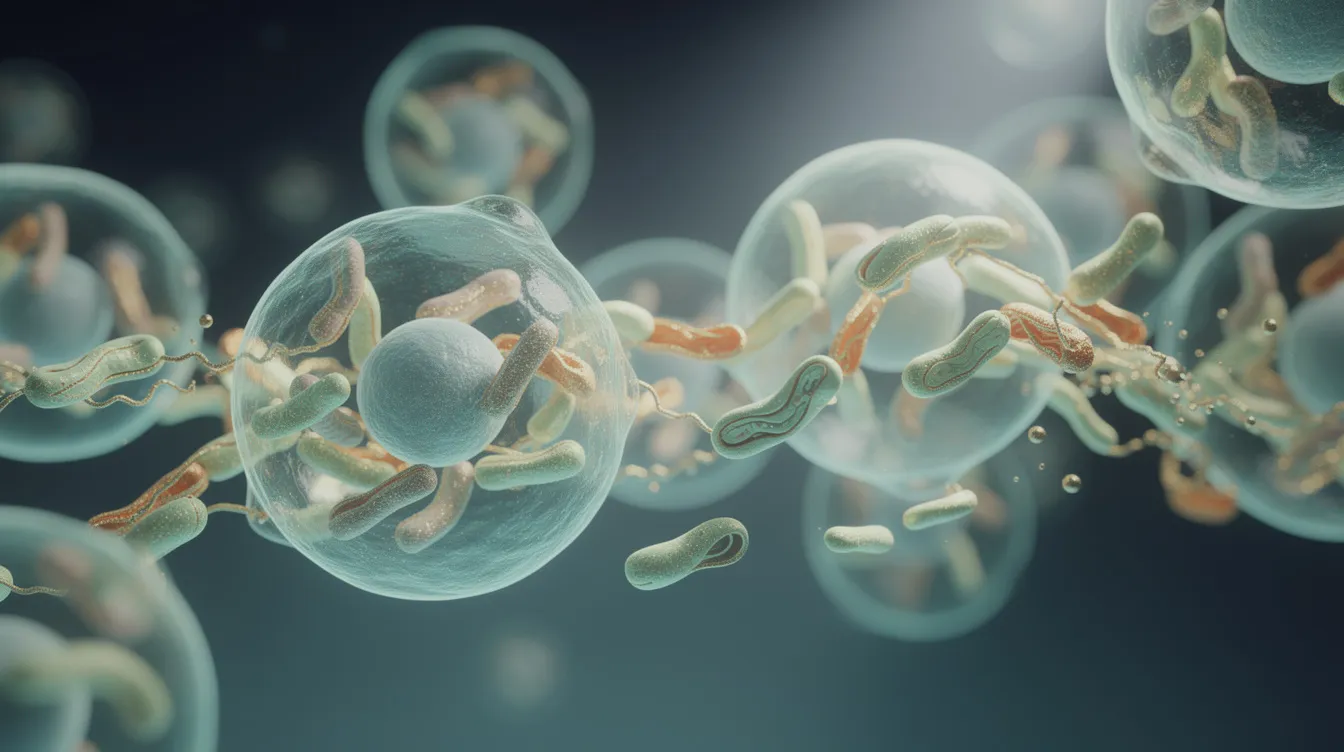
Here’s what NAD+ does across your body: It drives energy metabolism by supporting glycolysis, the citric acid cycle, and oxidative phosphorylation in mitochondria. It enables dna repair by serving as a substrate for PARP enzymes. It activates sirtuins—proteins that regulate gene expression and stress responses linked to longevity. It participates in cell signaling pathways affecting immune function and calcium regulation. And it maintains mitochondrial function, the powerhouse operations within each cell.
NAD+ exists in two forms: oxidized (NAD+) and reduced (NADH). These forms shuttle electrons during more than 500 enzymatic redox reactions essential for cellular metabolism.
Research shows that NAD+ levels naturally decline by approximately 50% starting around middle age. This age related decline correlates with reduced cellular repair capacity, slower overall health markers, and increased risk of metabolic syndrome, neurodegeneration, and cardiovascular disease. Lifestyle factors accelerate this drop—poor sleep disrupts circadian NAD+ rhythms, chronic alcohol consumption depletes stores via alcohol dehydrogenase activity, sedentary behavior impairs mitochondrial biogenesis, and ultra-processed diets lacking B3 precursors reduce synthesis.
Most detailed mechanistic research from 2000–2025 derives from animal models: yeast, worms, flies, and rodents. Human trials remain shorter-term and smaller in scale, underscoring why firm conclusions about longevity benefits in people are premature.
What are NAD+ supplements and how do they work?
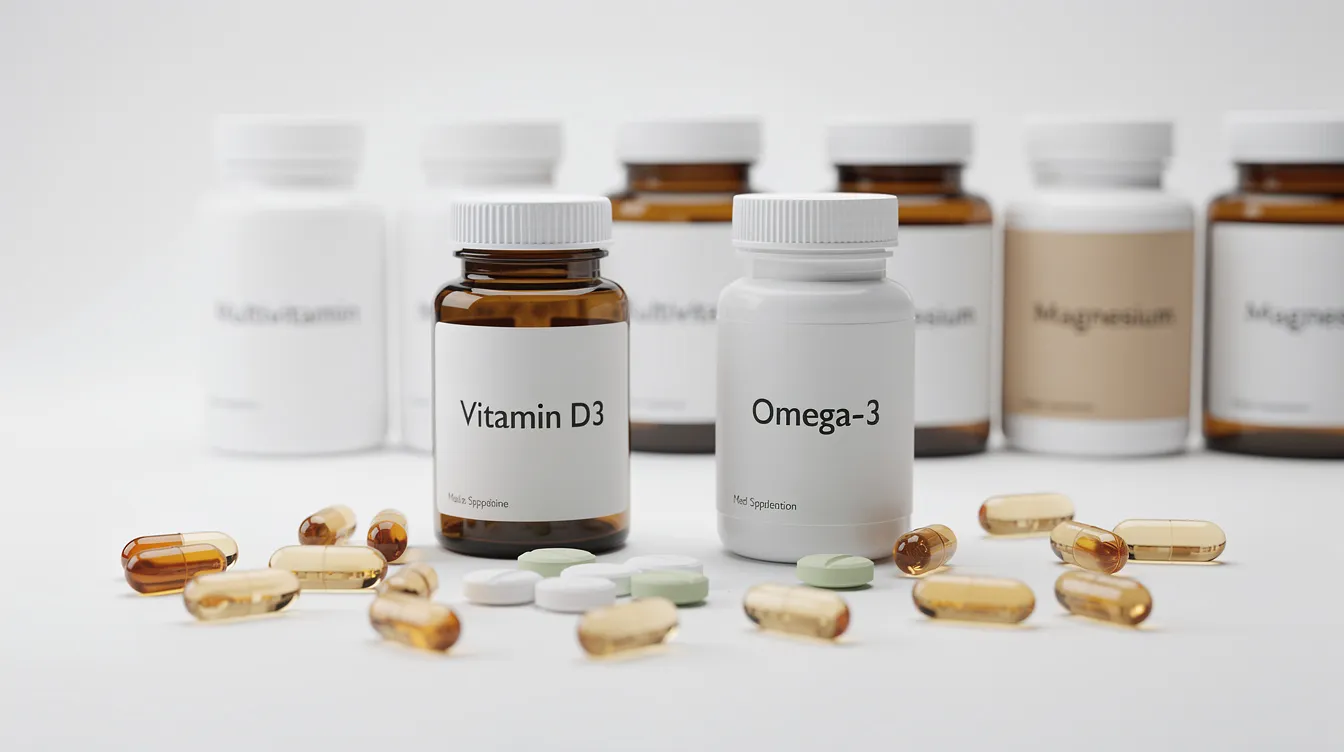
NAD+ supplements are products that supply either NAD+ itself or, more commonly, nad precursors that your body converts into NAD+. Most nad supplements focus on precursors because oral NAD+ is unstable in the gastrointestinal tract and breaks down before reaching cells effectively. NAD+ supplements are available in various forms, such as capsules, tablets, powders, and even topical creams, but most products contain precursors rather than NAD+ itself.
The main precursor categories include:
| Precursor | Full Name | Pathway |
|---|---|---|
| NR | Nicotinamide riboside | Phosphorylated by NRK enzymes to NMN, then converted to NAD+ |
| NMN | Nicotinamide mononucleotide | Dephosphorylated to NR for uptake or directly converted intracellularly |
| NAM | Nicotinamide | Recycled via NAMPT enzyme to NMN |
| NA | Nicotinic acid (niacin) | Follows Preiss-Handler pathway via NAPRT |
| All relate to vitamin b3, the essential nutrient underlying NAD+ production. |
Human studies demonstrate meaningful short-term NAD+ elevation. A 2023 trial using 300mg NR daily showed 40–90% blood NAD+ increases within two weeks. Similar results appeared with 1g NMN in older adults. However, a higher number on a lab test does not automatically translate to better human health or extended lifespan—your body’s NAD+ homeostasis balances production with consumption, and excess may not provide proportional benefits.
Different ingredients and doses produce different effects and side-effect profiles. Reading supplement facts panels carefully—understanding which precursor is used and at what dose—matters significantly when selecting a product.
Potential benefits of NAD+ plus supplements
NAD+ supplements are most often marketed for anti aging, cellular energy support, cognitive function, and metabolic health. While animal data and early research look promising, human evidence remains limited to small trials of short duration.
Energy and fatigue support: Preclinical work shows NAD+ enhances ATP synthesis efficiency without stimulating the nervous system like caffeine. A 2022 trial of 500mg NR reported 15–20% reductions in perceived fatigue among healthy adults. For people experiencing low energy, this mechanism—improved oxidative phosphorylation coupling—differs fundamentally from stimulant-based energy support.
Metabolic health: Several small studies show improved insulin sensitivity with NAD+ precursors. One 2021 trial found prediabetic men taking 1g NR for 12 weeks showed HOMA-IR drops of 25%. This links to SIRT1 activation suppressing excessive glucose production in the liver, supporting better cellular metabolism.
Cardiovascular health: A 2022 trial in hypertensive patients showed NR lowering systolic blood pressure by 5–10 mmHg and reducing arterial stiffness. These effects appear connected to enhanced nitric oxide production and reduced oxidative stress in blood vessel walls.
Brain and cognitive function: A 2023 Parkinson’s study using 1g NR daily for 30 days noted exploratory improvements in motor scores and 20% reductions in CSF inflammation markers. Small cognitive studies report 10–15% better memory recall. Mental clarity improvements may occur via neuroprotective effects, though larger trials are needed.
Muscle performance: Mouse models show 20% increases in wheel running endurance; human cyclists showed 5% time-to-exhaustion improvements on 300mg NR. Recovery benefits may stem from enhanced clearance of damaged proteins.
Skin and cellular repair: PARP1-mediated collagen synthesis in fibroblasts shows promise, with pilot studies of topical NAD+ precursors reducing wrinkles by 10–20%.
Effects vary considerably between individuals based on age, baseline NAD+ status, genetics, and existing health conditions. NAD+ supplementation works best as an adjunct to exercise, nutrition, sleep, and avoiding smoking—not a replacement for these foundations.

Risks, side effects, and who should be cautious
NAD+ supplements are generally considered safe for most people, but side effects are possible, especially at higher doses. Most NAD+ precursors appear well tolerated in short human studies at doses of 250–1,000 mg per day over weeks to months. Meta-analyses of 20+ NR trials report dropout rates under 5%. However, long term safety data spanning years remain absent.
Common mild side effects include:
Nausea (10–15% of users)
Digestive upset
Headaches (5–10%)
Flushing with niacin (20–30% at doses over 500mg)
Occasional fatigue or sleep disturbance
High doses of nicotinic acid carry specific risks: flushing and itching from prostaglandin release, and at very high doses (>2g daily), potential liver toxicity, elevated blood sugar, and increased uric acid triggering gout. Niacin-based products require careful dosing and medical oversight.
Cancer concerns warrant careful attention. Because NAD+ supports energy production and dna repair machinery that cancer cells might exploit, theoretical risks exist. A 2022 preclinical study found high-dose NR accelerated triple-negative breast cancer metastasis in mice via SIRT1/STAT3 signaling—lower doses were neutral. Human data are absent, but caution applies for oncology patients. Notably, NAD+ depletion via NAMPT inhibitors is being explored as a cancer therapy, suggesting the relationship between NAD+ and cancer is complex.
Groups requiring extra caution or avoidance include:
People with current or past cancer diagnoses
Those at high genetic cancer risk (BRCA mutations)
Pregnant and breastfeeding women (no safety data)
Individuals with serious liver disease
Gout sufferers (niacin exacerbates symptoms)
Poorly controlled diabetics
Consultation with a healthcare provider is recommended before starting NAD+ supplements, especially for those with certain health conditions.
Anyone on prescription medications—especially chemotherapy, immunotherapy, anticoagulants, or drugs affecting liver function—should consult a healthcare professional before starting NAD+ supplements due to potential interactions and unknown long-term effects.
Long-term safety questions still unanswered
Most trials to date last from a few days to 12–24 weeks—far too short to assess cancer risk, cardiovascular outcomes, or genuine anti-aging effects. As of 2026, no large-scale Phase III trials track hard endpoints like heart attacks, cancer incidence, dementia progression, or all-cause mortality.
Some recent longevity studies in animals show improved healthspan (better function, grip strength, glucose tolerance) without clear increases in maximum lifespan. Initial ITP studies showed modest median lifespan extension of 10–20% but neutral effects on maximum longevity, tempering “fountain of youth” expectations.
View NAD+ supplements as experimental supportive tools rather than proven longevity drugs. The science is genuinely exciting, but we cannot yet draw firm conclusions about decades-long safety or life extension in humans.
Regulatory landscape: NMN, NR, and NAD+ in 2026
Dietary supplements in the United States operate under different rules than prescription drugs. The food and drug administration does not pre-approve supplements for safety or efficacy under DSHEA 1994—manufacturers bear responsibility for product quality and truthful labeling.
A pivotal 2022 development disrupted the NMN market: the FDA determined that nicotinamide mononucleotide cannot be lawfully marketed as a dietary supplement because it had been investigated as a drug first. This triggered removal of many NMN products from major platforms like Amazon.
Despite this ruling, NMN-containing products persist through smaller retailers, international sellers, and “research use only” labeling—creating a gray area for consumers in 2026. Purchasing NMN carries regulatory and quality risks not present with other precursors.
Nicotinamide riboside maintains a clearer status. ChromaDex’s NIAGEN® holds self-affirmed GRAS (Generally Recognized as Safe) status since 2018 with established NDI notifications. NR products remain widely sold through legitimate channels with regulatory track records.
Pure NAD+ products, nicotinamide, and niacin are also available, but labeling quality and dosing vary substantially. International regulations differ—the EU applies Novel Foods scrutiny to NMN, while Canada permits NR under 500mg.
Prioritize brands following good manufacturing practices (GMP certification under 21 CFR 111), transparent labeling, and accessible third-party testing documentation.
How to choose the right NAD+ plus supplement
The “best” nad plus supplement depends on personal goals, budget, and health conditions rather than one universally superior product. Here’s how to navigate your decision.
Precursor selection matters. NR offers stability and established regulatory status at typical doses of 250–500mg. NMN may have faster uptake but carries sourcing and regulatory risks. Niacin is inexpensive but causes flushing at effective doses. Nicotinamide is gentler but may inhibit sirtuins at high doses.
Verify quality signals:
Third party tested through independent labs (NSF certified, USP verified, or ConsumerLab tested)
Certificates of analysis (COAs) verifying >98% purity, absence of heavy metals (<10ppm lead), and microbiological safety
GMP compliant manufacturing facilities
Clear ingredient lists without proprietary blends hiding doses
No unnecessary fillers like excessive magnesium stearate
Example quality label: “300mg Nicotinamide Riboside (as NIAGEN®), vegetarian capsule, non-GMO, gluten free, COA#2026-001 verifies 99.5% purity.”
Cost per serving typically ranges from $0.50–1.50 for reputable brands versus $0.20 for generics—which independent testing often finds 50% under-dosed. Good value means verified quality, not just low price.
Very high doses or mega-dosing (>2g daily) don’t proportionally improve results and may increase methylation demands requiring TMG co-supplementation. Most studies showing benefits use 250–1,000mg daily ranges. Start low and adjust with professional guidance.
Matching NAD+ formulations to your goals
For general healthy aging and convenience, a once-daily NR capsule from an established brand offers simplicity and regulatory clarity—products containing 250–300mg per serving work well for most adults.
Those sensitive to flushing should avoid high-niacin blends and opt for NR or nicotinamide formulations. If you’re already taking multiple supplements, choose minimalist NAD+ products without added stimulants, trans resveratrol, or overlapping nutrients that complicate your regimen.
For cognitive support, some formulas pair NAD+ precursors with brain-friendly antioxidants—only consider these if dosing is transparent and ingredients don’t duplicate your current stack.
Compare cost per serving rather than bottle price. Be wary of products priced far below established competitors—this often signals quality compromises. Products claiming two capsules deliver mega-doses at suspiciously low prices warrant skepticism.
Older adults or those with metabolic issues should work with a clinician who can track liver enzymes, fasting glucose, or lipid profiles while trialing supplementation.
How to take NAD+ supplements: dosage, timing, and stacking
Common studied dose ranges fall between 250–1,000mg daily for NR and similar compounds. Many commercial products sit at 250–300mg per capsule. The recommended dose varies by formulation—always follow label guidance and consider starting at the lower end.
Some studies use once-daily dosing for convenience; others split totals into morning and evening doses to maintain steadier NAD+ levels. Both approaches have merit. Taking NAD+ with water works for most people; if digestive upset occurs, consuming with a small meal helps. Many users prefer morning dosing to avoid potential sleep interference.
“Stacking” NAD+ with complementary strategies makes sense: regular exercise boosts NAD+ 20–50% acutely via AMPK activation, time-restricted eating enhances NAMPT expression, and nutrient-dense diets provide foundational B vitamins. Avoid complex supplement stacks without professional advice—interactions become unpredictable.
Consistency over 4–8 weeks is typically needed before judging subjective effects. Track changes in energy levels, sleep quality, or exercise performance in a simple journal for honest assessment.
Stop supplementation and seek medical advice if unusual or severe side effects occur: persistent nausea, jaundice, unexplained weight loss, or new pain—especially with any pre-existing health problem.
Do you really need a NAD+ supplement?
Many healthy adults with balanced diets, regular exercise habits, and adequate sleep may not need NAD+ boosters at all. Before purchasing, consider natural strategies first: physical activity elevates NAD+ significantly, adequate protein provides precursors, limited alcohol prevents depletion, and quality sleep maintains circadian NAD+ rhythms.
NAD+ supplements may be more relevant for older adults (especially those over 50–65), people experiencing higher fatigue despite good habits, or those with metabolic risk factors like prediabetes. Even then, these function as optional add-ons rather than core requirements.
Discuss specific goals—managing prediabetes, improving post-illness fatigue, supporting healthy aging—with a healthcare professional who can determine whether NAD+ fits within a broader treatment and lifestyle plan.
Key takeaways on NAD+ plus supplements
NAD+ is central to energy production, dna repair, sirtuin activation, and cellular repair across every body system
Levels decline roughly 50% by middle age, accelerated by poor lifestyle factors
Precursors like NR and NMN can raise NAD+ 40–90% on lab tests within weeks
Human evidence for real-world anti-aging benefits remains early, mixed, and based on small, short trials—we cannot draw firm conclusions yet
Cancer concerns exist theoretically and in animal data; long term safety is not fully understood, creating potential for unintended consequences
Quality matters enormously: choose third party tested, gmp compliant products with transparent labeling
NAD+ supplements represent a promising frontier in research on the aging process and cellular health—but they’re not miracle pills. The foundation of longevity remains what science has always shown: consistent exercise, nutrient-dense food, restorative sleep, and avoiding excess alcohol and smoking.
If you decide to try a nad plus supplement, choose high-quality products at moderate doses, start slowly, and check in with a qualified healthcare professional—particularly if you have chronic illness, take medications, or have any history of cancer. The exciting science of cellular aging continues advancing, but sustainable habits still form the bedrock of long-term health and longevity.