NAD+ therapy can support weight loss by enhancing metabolism, improving energy levels, and helping you push through stubborn plateaus—but it is not a magic standalone cure. Think of it as a metabolic optimizer rather than a fat-burning drug.
If you want the broader context before focusing on body-composition claims, start with our guide to NAD supplements and their core evidence base.
NAD+ (nicotinamide adenine dinucleotide) is a coenzyme found in all living cells and biological tissues, playing a vital role in metabolism, energy production, and cellular repair. It is essential for cellular energy production and dozens of body functions tied to how efficiently you burn fat and maintain metabolic health. As NAD levels decline with the aging process, so does your body’s ability to convert food into energy rather than stored fat. Natural NAD+ levels decline by more than 50% as people age, potentially slowing metabolism and contributing to weight gain. NAD+ therapy is also being explored for its anti-aging benefits, such as slowing cellular aging and supporting metabolic health.
This article is for anyone struggling with weight management, hitting a plateau despite doing everything right, or considering NAD injections, IV infusions, or NAD supplements. You will learn how NAD+ works, what science actually says about its potential benefits, the safety profile, and how to combine it with diet, exercise, and—if relevant—GLP-1 medications for sustainable weight loss.
What Is NAD+ and Why It Matters for Weight Loss
NAD+ is a coenzyme present in every cell of your body, playing a vital role in turning nutrients from food into usable energy in the form of ATP. Without adequate NAD+, cellular metabolism slows, and your body burns fewer calories even at rest.
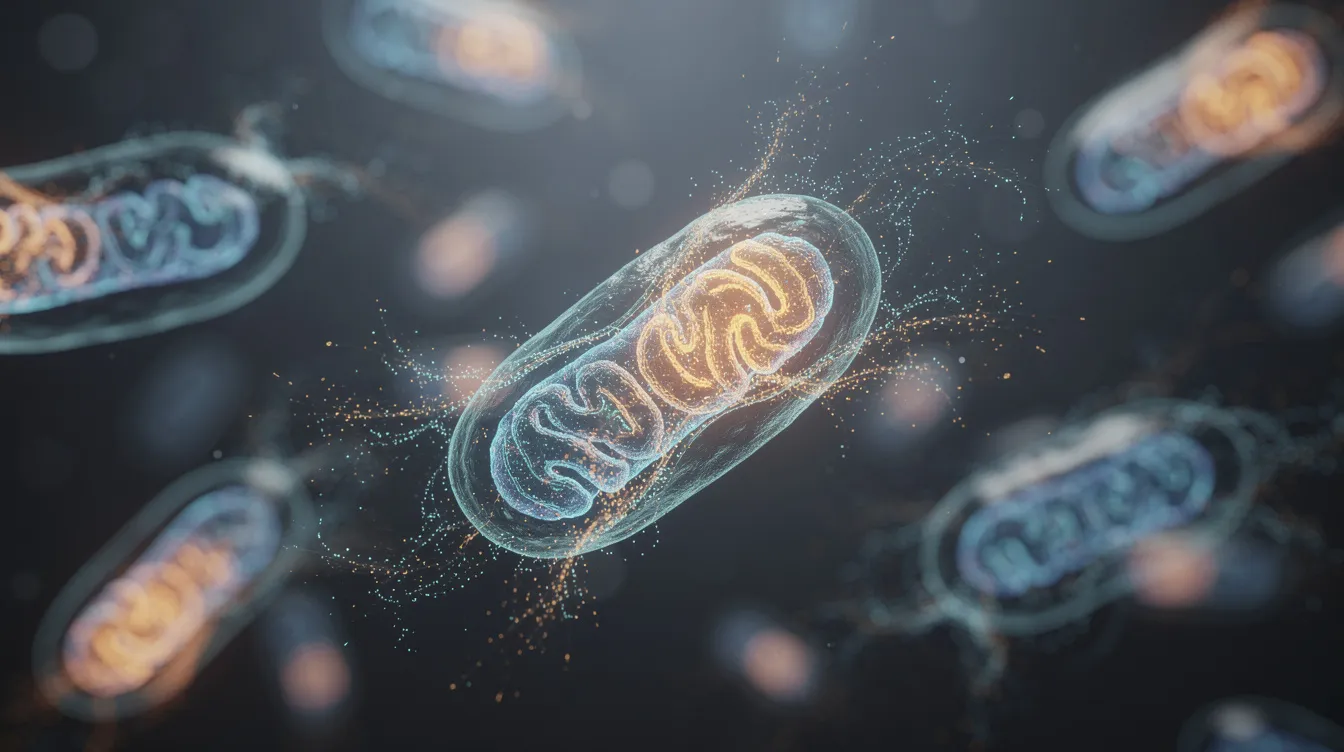
The coenzyme exists in two forms: NAD+ (oxidized, the active form) and NADH (reduced). Most therapies focus on boosting NAD+ because it drives the enzymes involved in energy production. Key roles directly tied to weight include mitochondrial function, metabolism of carbohydrates, fats, and proteins, DNA repair, and cell signaling that regulates insulin sensitivity and inflammation.
NAD levels peak during youth and begin measurable decline in the late 20s to early 30s, with sharper drops documented after age 40. This correlates with the familiar pattern: metabolism slows, energy expenditure drops, and weight gain becomes easier despite no change in calorie intake or exercise habits. Understanding this decline explains why restoring NAD+ has gained attention in the medical community for addressing age-related metabolic slowdown.
How NAD+ Influences Metabolism and Fat Burning
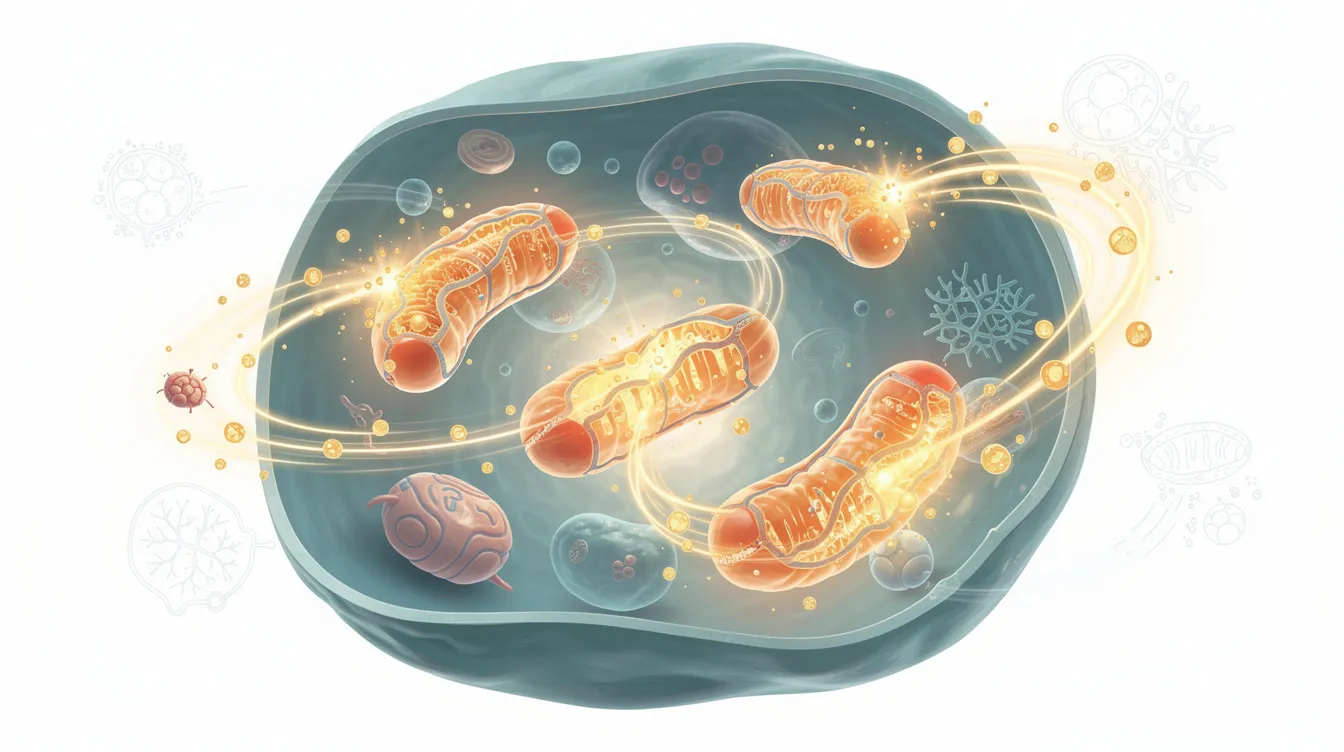
NAD+ participates directly in the metabolic pathways that control how many calories your body burns versus stores. In glycolysis, the Krebs cycle, and oxidative phosphorylation, NAD+ acts as a cofactor helping cells extract maximum ATP from glucose and fatty acids.
Higher NAD+ availability improves mitochondrial health, meaning your cellular processes become more efficient at burning calories for energy rather than converting excess to triglycerides in fat cells. By enhancing the body’s ability to metabolize nutrients, NAD+ supports more effective fat processing and energy production. When mitochondria work optimally, your body burns more calories even during sedentary activities.
NAD+ also activates sirtuins—proteins like SIRT1 and SIRT3 that regulate fat oxidation, glucose metabolism, and inflammation. These NAD+-dependent proteins help your body shift fuel use toward stored fat during calorie deficits. The key distinction: NAD+ affects both resting metabolism (BMR, accounting for 60-75% of daily energy use) and activity-induced metabolism, but research suggests its most pronounced impact is on the BMR portion—the calories your body burns just to maintain basic body functions.
Does NAD+ Help With Weight Loss? What the Research Suggests
Animal studies provide solid evidence that NAD+-boosting compounds can prevent weight gain and improve fat metabolism. In high-fat diet-fed rats, NAD+ precursors reduced visceral adipose tissue, improved lipid profiles, and increased adiponectin—a hormone that enhances fat loss and insulin resistance reduction.
Human data is more limited but promising. A meta-analysis of NAD+ precursor trials showed statistically significant BMI reductions (weighted mean difference of -0.19 kg/m²) and adiponectin increases. Early pilot studies demonstrated approximately 25% improvement in muscle insulin sensitivity and reductions in liver fat by 18%. However, large long-term weight loss trials specifically measuring significant weight loss are still lacking.
NAD therapy appears most useful for age-related metabolic slowdown in adults over 35-40, breaking through weight loss plateaus, and addressing fatigue that limits physical activity. NAD helps optimize how your body processes energy, but it is not a replacement for calorie control, a balanced diet, or regular exercise. The benefits of NAD are supportive rather than transformative on their own.

How NAD Therapy Is Used for Weight Loss
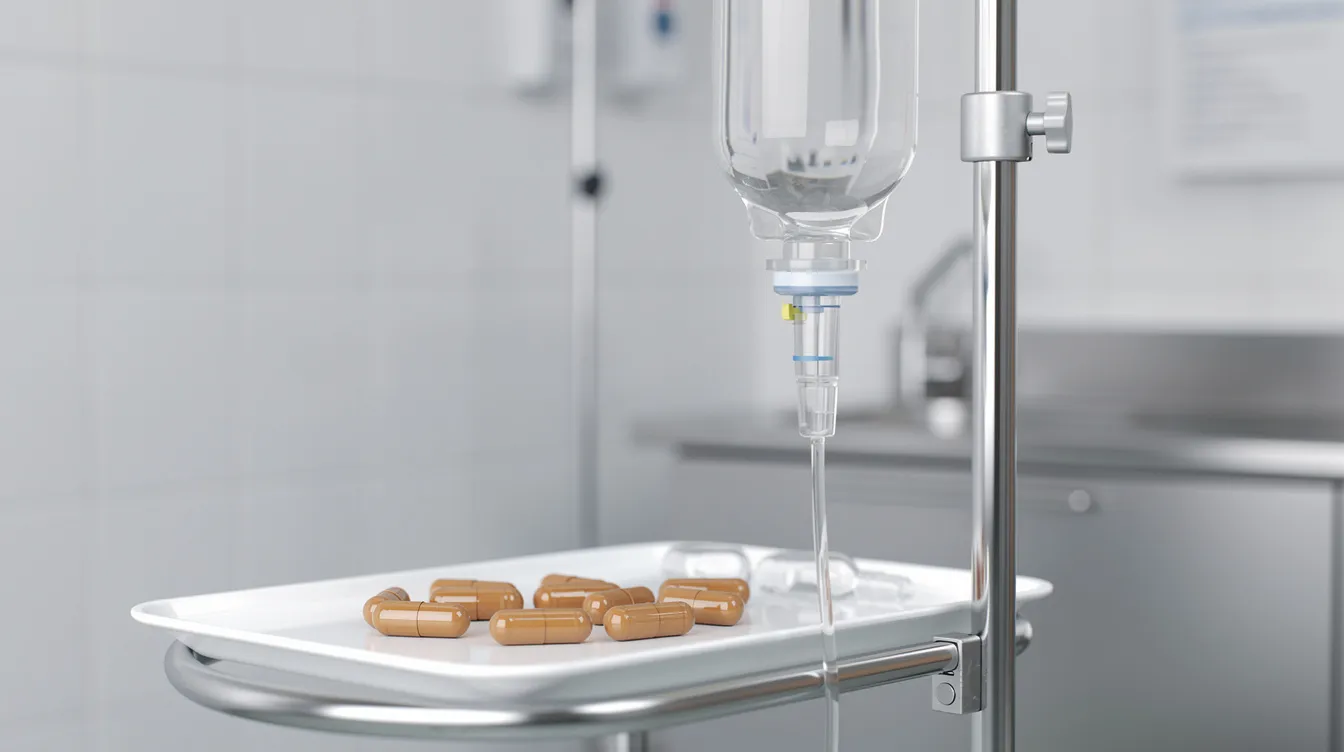
NAD therapy encompasses several delivery methods: IV infusion, intramuscular injections, and oral NAD+ precursors like nicotinamide riboside (NR) and nicotinamide mononucleotide (NMN). Each has distinct advantages depending on your goals, budget, and health conditions.
NAD infusions are administered via an IV line, allowing clinicians to precisely control the infusion rate and manage potential side effects. IV therapy and injections deliver NAD+ directly to the bloodstream, bypassing digestion for near-100% bioavailability. This means faster, more predictable increases in blood NAD+ levels. Oral precursors are more convenient for home use and daily routines but exhibit 20-50% absorption depending on formulation.
A typical NAD+ IV session in 2024-2026 involves 500-2000 mg doses infused over 2-4 hours in a clinic or wellness center. Most protocols include a loading phase of 5-10 sessions over 2-4 weeks, followed by maintenance every 4-8 weeks. Patients often describe a warming sensation during infusion; some experience mild nausea if the drip runs too fast, which clinicians address by adjusting speed.
Protocols vary by clinic and individual goals. Your dosing and schedule should always be determined by a healthcare professional familiar with your overall health, weight loss efforts, and any other nutrients or medications you’re taking.
How NAD+ Therapy May Support Weight Loss Mechanically
NAD+ doesn’t directly melt fat or suppress appetite like pharmaceutical interventions. Instead, it supports interconnected cellular processes that make fat loss more efficient and sustainable over time.
Boosting Cellular Metabolism and Basal Metabolic Rate (BMR)
Raising NAD+ availability helps cells convert glucose and fatty acids into ATP more efficiently, which can modestly increase BMR. This means your body burns more calories even at rest—crucial for long-term weight control when your goal is sustainable weight loss.
Many patients report improved energy within days after higher-dose IV therapy or within a few weeks of starting precursors. However, any BMR increase is incremental rather than dramatic. You still need calorie awareness to see results on the scale; NAD+ simply helps your cellular machinery work closer to its youthful capacity.
Improving Fat Oxidation and Muscle Performance
NAD+-dependent sirtuins help shift fuel utilization toward stored fat, particularly during calorie deficits or exercise. This enhanced ability to burn fat for energy is especially valuable when you’re trying to lose weight without losing muscle.
Better mitochondrial function in muscle cells improves endurance and power output, making workouts more effective for fat loss. Preserving lean muscle mass is critical because muscle tissue burns more calories at rest than fat tissue. Patients who combine NAD+ therapy with resistance training consistently see more benefit than those who remain sedentary—the therapy amplifies your weight loss efforts rather than replacing them.
Supporting Appetite Control, Cravings, and Brain Fog
NAD+ is involved in brain energy metabolism, potentially influencing appetite regulation centers and reward pathways connected to cravings. Improved energy and mental clarity can make it easier to stick to a calorie deficit, plan meals, and avoid emotional eating that derails progress.
Some users report fewer sugar cravings and more stable hunger signals after consistent NAD+ support, though data remain emerging. NAD+ is not an appetite suppressant like GLP-1 medications—it won’t regulate appetite directly. However, by reducing fatigue and brain fog, it can improve your ability to make better food choices and maintain well being throughout your weight loss journey.
Breaking Through Weight Loss Plateaus
Chronic dieting often triggers metabolic adaptation: your thyroid output decreases, BMR drops by 20-30%, and fatigue increases. These adaptations make continued fat loss frustratingly difficult despite maintaining a healthy diet and exercise routine.
The theory is that restoring more youthful NAD+ levels may partially counteract this metabolic resistance. Some clinics now pair NAD+ IVs with GLP-1 medications like semaglutide or tirzepatide to maximize both hormonal appetite control and cellular energy. These interventions may improve the body’s ability to process and burn fat efficiently, especially during weight loss plateaus. Evidence for this combined approach is still developing and requires supervision by a healthcare provider experienced in metabolic disorders.
NAD+ vs NAD+ Precursors: IV, Injections, and Supplements
IV and injection methods excel at rapid onset and high bioavailability. They’re ideal for intensive protocols, plateau-breaking, or when you want to boost energy levels quickly. The tradeoff is cost ($500-1500 per session) and the need to visit a clinic.
Oral precursors like NR and NMN offer convenience and lower upfront cost ($50-100 monthly). They provide sustained NAD+ elevation over weeks and integrate easily into daily wellness routines. However, peak levels are lower and slower to achieve compared with IV delivery.
The best option depends on your budget, health status, access to clinics, and how quickly you want changes in energy or athletic performance. Many people use a hybrid approach: IV for initial loading or breakthrough periods, oral precursors for long-term maintenance.
Safety, Side Effects, and Who Should Be Cautious
Common side effects of NAD+ IV therapy include transient nausea, flushing, chest tightness, headache, or increased heart rate—occurring in roughly 10-30% of sessions. These typically resolve by slowing the infusion rate. Reputable clinics monitor patients and adjust speed based on feedback. NAD+ reduces pain for some patients and reduces fatigue, though individual responses vary.
Oral NAD+ precursors may cause mild digestive upset, bloating, or flushing, usually dose-dependent and affecting fewer than 10% of users at moderate doses.
Certain groups should only use NAD+ under medical supervision: pregnant or breastfeeding individuals, people with active cancer (NAD+ may fuel cellular proliferation), uncontrolled heart disease, serious liver or kidney issues, or those on complex medication regimens. The immune system and immune function considerations also warrant clinician oversight for those with autoimmune conditions or health issues affecting gene expression.
Always choose products with third party testing and work with a healthcare professional who can screen for potential risks and contraindications. This supports both overall health and appropriate dosing for your cellular function needs.
Combining NAD+ With Proven Weight Loss Strategies
NAD+ works best alongside fundamentals: a calorie-appropriate diet, resistance training, cardiovascular exercise, adequate sleep, and stress management. No amount of cellular repair will overcome consistently eating above your energy needs.
For nutrition, prioritize protein (1.6-2.2g per kilogram of body weight), fiber-rich whole foods, and other nutrients that support metabolic functions. Avoid extreme crash diets that tank your metabolism further. A balanced diet with a moderate 500-1000 calorie deficit produces sustainable results that NAD+ can enhance.
People on GLP-1 medications may particularly benefit from NAD+ support to increase energy, maintain muscle mass, and counter the 20-40% lean mass loss sometimes seen with rapid pharmaceutical weight loss. Track more than just the scale: monitor energy levels, workout performance, appetite stability, and body composition over 3-6 months for realistic 10-20 lb goals.
How to Decide If NAD+ Weight Loss Support Is Right for You
Adults over 30-35 noticing slower metabolism, people stuck at plateaus despite solid effort, and those with fatigue limiting exercise are most likely to benefit from NAD+ support. If these describe your situation, NAD therapy may address health concerns that diet and exercise alone cannot fully resolve.
Before starting, consult a qualified clinician who understands both metabolic health and IV or supplement protocols. Prepare for your consultation by gathering current medications, medical history, weight loss history, and realistic goals. Be honest about your lifestyle—NAD+ enhances adherence but cannot replace consistency.
Set realistic expectations: NAD+ can improve energy, optimize how your body burns calories, and support better adherence to your plan. But long-term fat loss still depends on the fundamentals. Used properly alongside a healthy diet and regular activity, NAD+ therapy becomes a powerful tool in your weight management arsenal—not a shortcut, but genuine support for a body working hard to become healthier.