If you’ve been researching ways to improve egg quality or boost sperm health, you’ve likely encountered NAD+ (nicotinamide adenine dinucleotide). This cellular compound has generated significant buzz in the fertility world, and for good reason. NAD+ plays a significant role in cellular health and reproductive function, and it is also being studied for its anti-aging properties, including its impact on DNA repair, oxidative stress reduction, and mitochondrial function. The connection between cellular energy and reproductive health is becoming clearer with each new study.
Before reading this fertility-specific discussion, it can help to review the broader background in our guide to NAD supplements and how they are typically used.
But here’s the reality check: while NAD+ shows genuine promise, it’s not a standalone fertility cure. Understanding what it can and can’t do will help you make informed decisions about your fertility journey.
Quick Answer: Can NAD Help Fertility?
NAD+ appears to support egg quality and sperm quality, particularly in people in their mid-30s and beyond. The compound plays a critical role in cellular energy production and DNA repair, both essential for healthy reproductive cells. Declining levels of NAD are associated with reduced fertility outcomes as we age. However, human data remain early-stage, and NAD+ works best as an adjunct to comprehensive fertility treatments rather than a replacement for them.
Most evidence as of 2025 comes from animal studies and small human trials involving IVF patients with diminished ovarian reserve or low AMH. A study presented at a European fertility meeting indicated that women undergoing IVF who received NAD+ supplementation experienced a doubling of their fertilization and clinical pregnancy rates compared to those who did not receive supplementation. These results are encouraging but preliminary, and highlight the importance of patient education about NAD+ supplementation during fertility procedures.
In practical terms, some fertility clinics recommend 4-8 weeks of NAD+ precursors (like NR or NMN) before IVF stimulation or timed intercourse cycles. Supplementation with NAD+ precursors such as nicotinamide mononucleotide (NMN) or nicotinamide riboside (NR) can improve egg and sperm quality and restore ovarian function. Some integrative centers also offer IV NAD+ as part of pre-conception protocols in the 1-3 months before egg retrieval, with attention to the patient experience during these procedures.
Regarding safety, oral supplements containing NAD+ precursors at researched doses (250-1000 mg daily) show good safety profiles with mostly mild side effects like nausea or flushing. IV therapy should always be supervised in a medical setting by a fertility-literate clinician.
What is NAD+ and Why Does It Matter for Fertility?
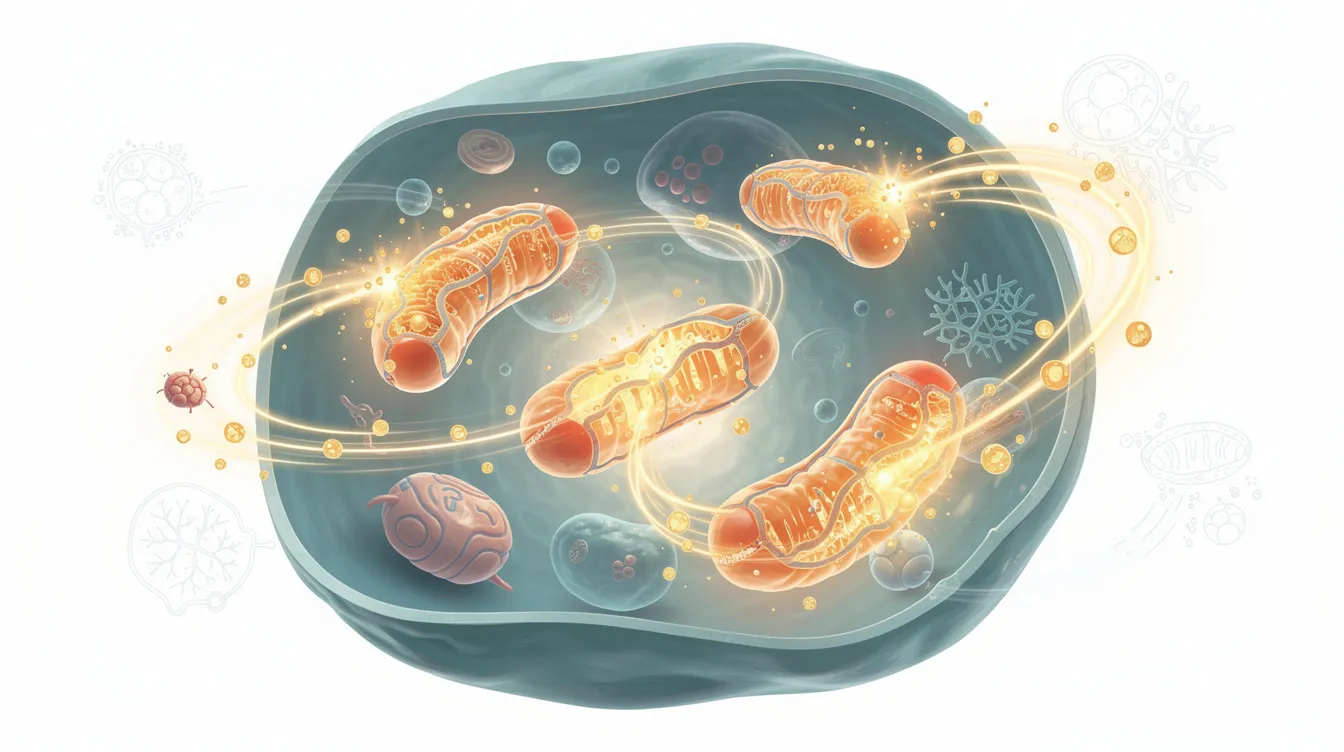
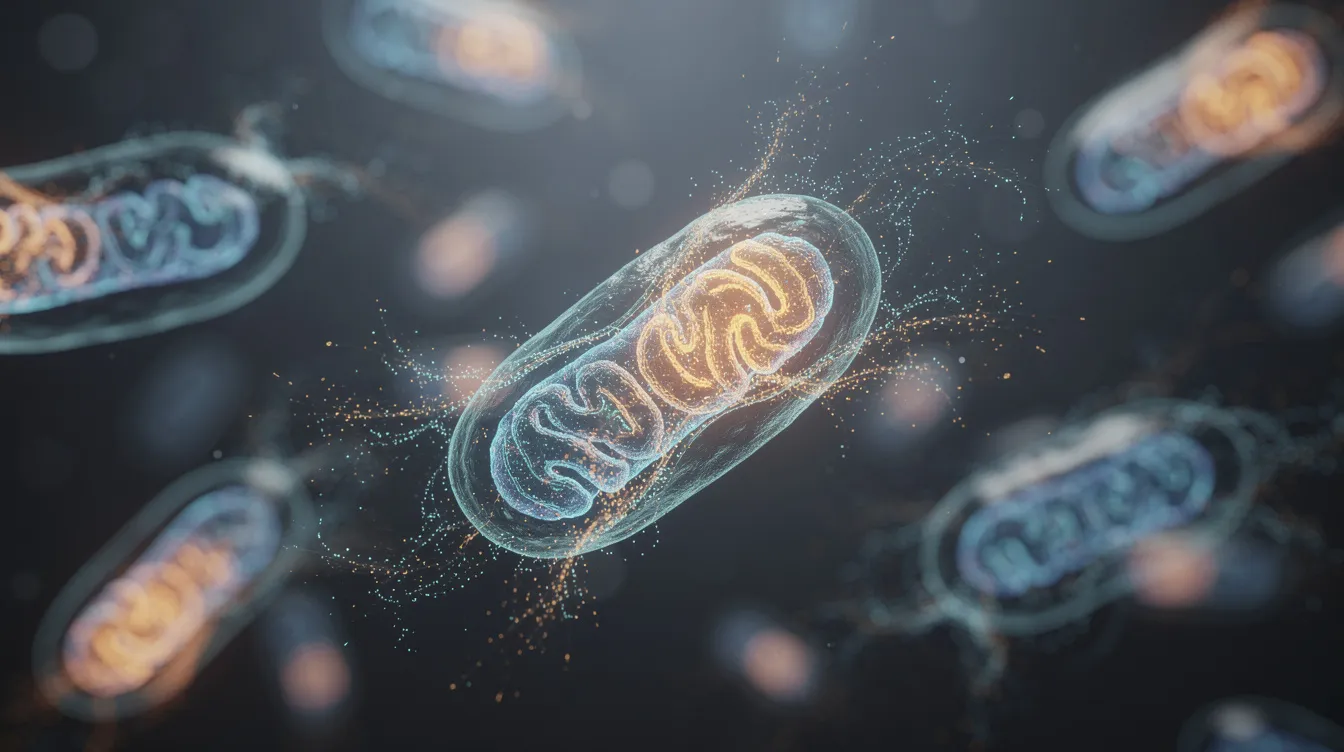
Nicotinamide adenine dinucleotide (NAD+) is a vital coenzyme found in all cells, playing a critical role in mitochondrial energy production and DNA repair. NAD+ is a coenzyme found in virtually every cell of the human body. Think of it as cellular fuel that powers your mitochondria, the energy factories inside your cells. Without adequate NAD+ levels, your cells struggle to produce ATP (adenosine triphosphate), the molecule that drives essentially all cellular processes.
Beyond energy production, NAD+ serves several functions critical to reproductive health:
Activates sirtuin enzymes that regulate cellular aging and metabolism
Supports DNA repair mechanisms that protect genetic material
Enables the cycling between NAD+ and NADH forms that fuel metabolic processes
The compound exists in two interconvertible forms (NAD+ and NADH) that continuously cycle to drive energy production. This cycling is particularly important for egg cells (oocytes), sperm cells, and hormone-producing cells in the reproductive system. NAD+ supports the health of egg cells at various stages of the fertility journey, as well as sperm cells and hormone-producing cells.
When it comes to hormone-producing cells, NAD+ supports hormonal pathways, including those involving estrogen, which is critical for regulating the reproductive cycle, ovulation, and overall fertility.
Here’s where age enters the picture: NAD+ levels typically begin declining noticeably in your late 20s to early 30s, with acceleration after 35. This timeline directly parallels the decline in egg quality and ovarian reserve that fertility specialists observe clinically. The connection isn’t coincidental. Lower NAD+ impairs mitochondrial function, increases oxidative stress, and reduces your cells’ ability to repair DNA damage. Research from 2017-2022 on animal models of reproductive aging has consistently shown this relationship between NAD+ depletion and ovarian aging.
NAD+, Mitochondria, and Egg (Oocyte) Quality
Human eggs face a unique biological challenge. Unlike most cells, oocytes are formed before birth and must maintain their cellular machinery intact for decades until ovulation. A woman ovulating at 38 is releasing an egg that has existed for nearly four decades, making eggs uniquely vulnerable to accumulated cellular damage and energy deficits.
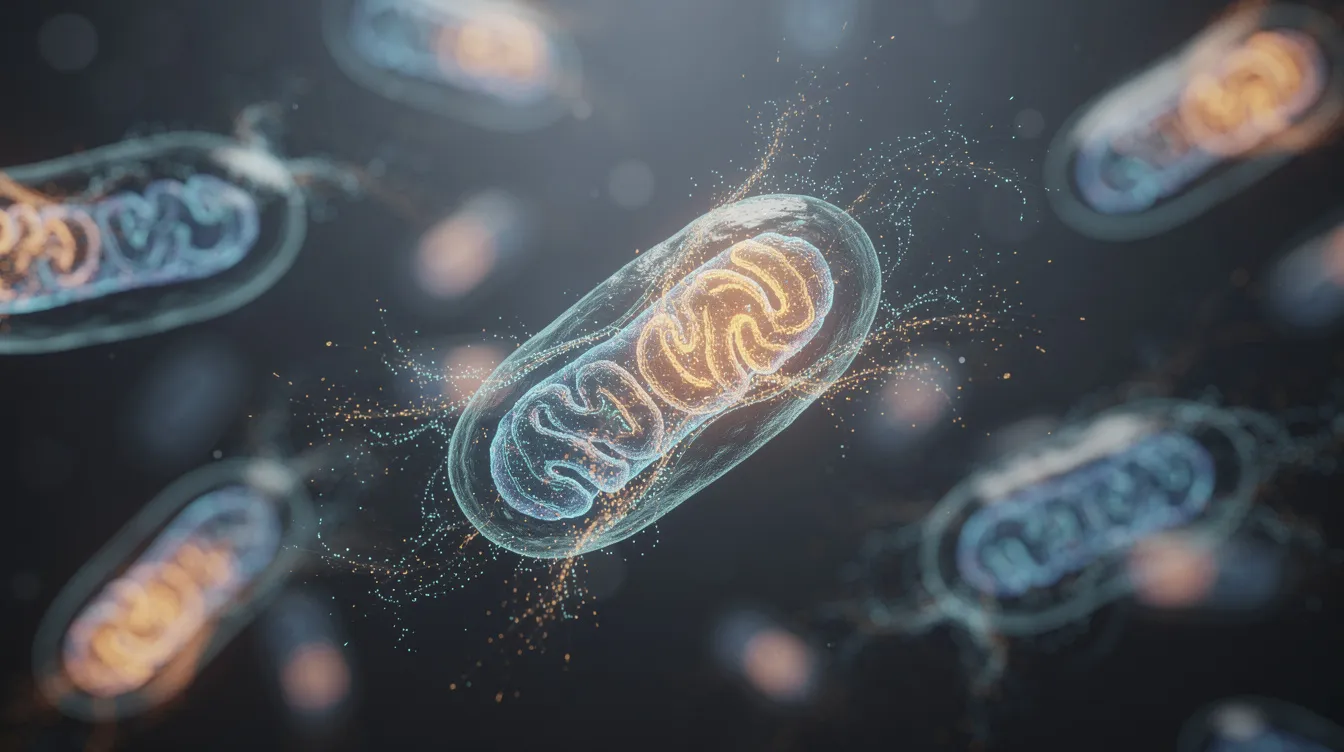
Mature eggs contain thousands of mitochondria, far more mitochondria than typical body cells. This exceptional mitochondrial density exists because eggs require enormous amounts of ATP for proper chromosome segregation during meiosis, successful fertilization, and early embryo development.
When NAD+ levels decline, mitochondrial function deteriorates. The consequences for female fertility are significant:
Impaired chromosome segregation leading to chromosomal abnormalities (aneuploidy)
Reduced capacity for DNA repair of accumulated DNA damage
Compromised ability to support early embryo development
Higher rates of poor embryo quality, poor egg outcomes, and miscarriage
Poor egg quality and poor egg outcomes are linked to mitochondrial dysfunction and DNA damage, both of which are influenced by declining NAD+ levels. Oocyte quality declines with age, influenced by declining NAD+ levels, which affects mitochondrial function and DNA integrity. Declining NAD+ levels are associated with ovarian aging, leading to oxidative stress and chromosomal abnormalities. Declining NAD+ levels act as a key driver of age-related infertility.
Several mouse studies published between 2016 and 2021 demonstrated that restoring NAD+ in older females improved oocyte quality, ovulation rates, fertilization rates, and even live birth rates. A pivotal study in Cell Reports (2020) showed that NAD+ repletion in aged female mice restored fertility and led to successful pregnancies, offering mechanistic support for NAD+’s role in improving fertility.
What the Research Says: Animal Data and Emerging Human Evidence
The animal study evidence for NAD+ in fertility is compelling and mechanistically coherent. Research consistently shows that NAD+ boosters like NMN or NR in aged female mice:
Delay ovarian aging and improve ovarian reserve markers
Reduce chromosomal abnormalities in eggs
Improve embryo development quality
Extend the fertile window
In one representative study, mice aged 12-14 months (roughly equivalent to women in their late 30s to early 40s) received NMN supplementation for several weeks. The results showed improved egg quality, higher pregnancy rates, and successful live births. Interestingly, researchers noted a dose-dependent response, with lower doses (0.5 g/L) showing optimal effects, suggesting that NAD+ repletion requires optimization rather than simply “more is better.”
Human evidence is emerging but limited. Small pilot IVF studies conducted between 2020 and 2024 in women with diminished ovarian reserve or low AMH reported encouraging results:
Higher fertilization rates after NAD+ precursor supplementation
Better embryo quality scores
Higher clinical pregnancy rates
Typical dosing in these human studies ranged from 300-1000 mg daily of NR or NMN over several weeks before IVF cycles.
However, significant limitations exist. Sample sizes remain small, follow-up periods short, and dosing protocols vary between studies. These results cannot yet be generalized to all people trying to conceive naturally. Larger, placebo-controlled randomized human trials are underway or being planned to confirm whether NAD+ support consistently improves IVF treatment success and live birth rates in broader populations.

How NAD+ Might Support Male Fertility
NAD+ isn’t just relevant for eggs. Male fertility depends significantly on mitochondrial function in sperm production and sperm motility.
NAD+ supports spermatogenesis (the production of sperm in the testes), powers the mitochondria in sperm tails that drive swimming motion, and protects testicular tissue from oxidative damage. Sperm cells require substantial ATP to swim effectively toward an egg, making mitochondrial health essential.
Animal data suggest NAD+ precursors can improve sperm count, motility, and DNA integrity in aged or metabolically stressed males. However, results are mixed across studies, and human data on NAD+ for male fertility are currently sparse.
Some small studies and clinical observations suggest possible benefits for sperm quality, motility, and morphology, but there are no large, definitive human trials confirming these effects.
For men, NAD+ support is likely most useful as part of a comprehensive approach that includes:
Weight management and metabolic health optimization
Antioxidant-rich diet supporting cellular repair
Avoiding excessive heat exposure and environmental toxins
Addressing varicocele or hormonal imbalances if present
NAD+ supplementation addresses one aspect of cellular health but cannot compensate for other factors significantly affecting sperm production.
Ways to Boost NAD: Lifestyle, Supplements, and IV Therapy
You have several options for supporting NAD+ metabolism, ranging from lifestyle changes to targeted supplementation to clinical interventions. Each approach has distinct advantages depending on your timeline, budget, and fertility situation.
Lifestyle Strategies
Your body naturally produces and recycles NAD+, and certain lifestyle factors support this process:
Regular aerobic and resistance exercise boosts NAD+ and activates sirtuins
Time-restricted eating or mild caloric restriction (when medically appropriate) mimics metabolic states that upregulate NAD+ pathways
Quality sleep supports cellular repair processes dependent on NAD+
Minimizing alcohol and smoking reduces NAD+ depletion from oxidative stress
These strategies are foundational and support overall metabolic processes important for conception.
Oral NAD+ Precursors
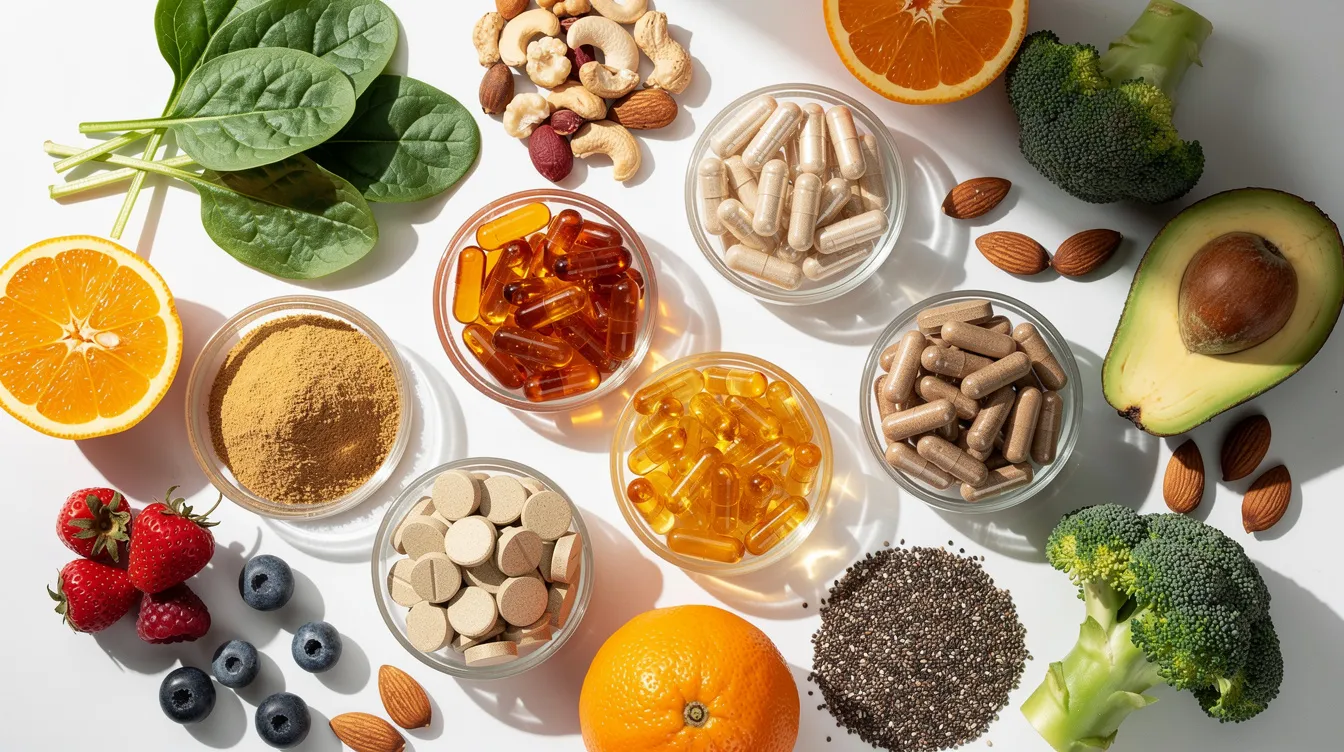
The most common oral supplements are nicotinamide riboside (NR) and nicotinamide mononucleotide (NMN). Both are small molecules that can enter cells and convert to NAD+ intracellularly. NAD+ itself cannot effectively cross cell membranes, which is why precursors are used instead.
Typical fertility-adjacent doses range from 300-1000 mg daily. Benefits for egg maturation or sperm quality typically require consistent daily supplementation over at least 4-8 weeks before expecting measurable impact. This timeline corresponds to the final stages of egg development before ovulation.
Many clinics pair NAD+ precursors with mitochondrial antioxidants like CoQ10, and sometimes polyphenols like resveratrol to further support sirtuin activity and mitochondrial health.
IV NAD+ Therapy
Some fertility and integrative medicine centers offer intravenous NAD+ therapy, delivered via slow infusion over 1-2 hours. IV administration achieves 100 percent systemic availability, bypassing digestive system absorption issues.
Some centers use IV NAD+ in the 1-3 months before IVF or egg retrieval as part of intensive pre-conception protocols. However, IV therapy is more costly, logistically demanding, and has less fertility-specific research than oral approaches. It should only be considered under supervision of a fertility-literate clinician.
Safety, Timing, and Who Might Consider NAD for Fertility
Oral NAD+ precursors (NR, NMN) at commonly studied doses (250-1000 mg daily) over several months have demonstrated good safety profiles. Most human studies report mild, transient side effects:
Nausea or digestive discomfort
Flushing
Occasional headache
However, long-term, high-dose use during pregnancy is not yet well studied. Decisions about continuing NAD+ supplementation after conception should be made with your obstetrician or reproductive endocrinologist.
Who Should Consider NAD+ Support
Reasonable candidates to discuss NAD+ with their fertility doctors include:
Women over 35 preparing for IVF treatment
Individuals with diminished ovarian reserve or low AMH
Men with borderline sperm parameters
Couples with previous poor embryo quality or unexplained IVF failure
Anyone experiencing fertility issues potentially related to reproductive aging
Typical Clinical Timing
Most clinics recommend starting oral NAD+ precursors 4-8 weeks before an IVF cycle or egg retrieval. This timing allows supplementation to influence the final stages of egg development. Many patients take NAD+ alongside CoQ10 and other preconception support, sometimes continuing through stimulation and early pregnancy if approved by their care team.
Before beginning any NAD+ therapy, especially IV infusions, seek individualized medical guidance. Baseline lab work (vitamin levels, metabolic markers, reproductive hormones) helps your care team understand your specific needs and monitor effectiveness.
Looking Ahead: NAD+ and the Future of Reproductive Longevity
NAD+ research is part of a broader scientific effort to understand reproductive longevity, preserving ovarian reserve, egg quality, and sperm health for longer as lifespans increase. This represents a significant shift from accepting advanced maternal age and declining fertility as inevitable.
Ongoing clinical trials focus on NAD+ precursors in women over 35 undergoing IVF, those with low ovarian reserve, and men with age-related sperm quality decline. Beyond fertility, NAD+ support is being studied for metabolic health, cardiovascular function, and neuroprotection, which may indirectly support pregnancy and long-term parental health.
The realistic message is this: NAD+ is a promising tool for supporting cellular health and potentially improving fertility outcomes, but it works best as part of a comprehensive plan. Combine it with lifestyle changes, evidence-based fertility treatment, and personalized medical advice from your reproductive team. NAD+ won’t accomplish the exact same thing as comprehensive care, but it may give your cells the energy support they need during your fertility journey.