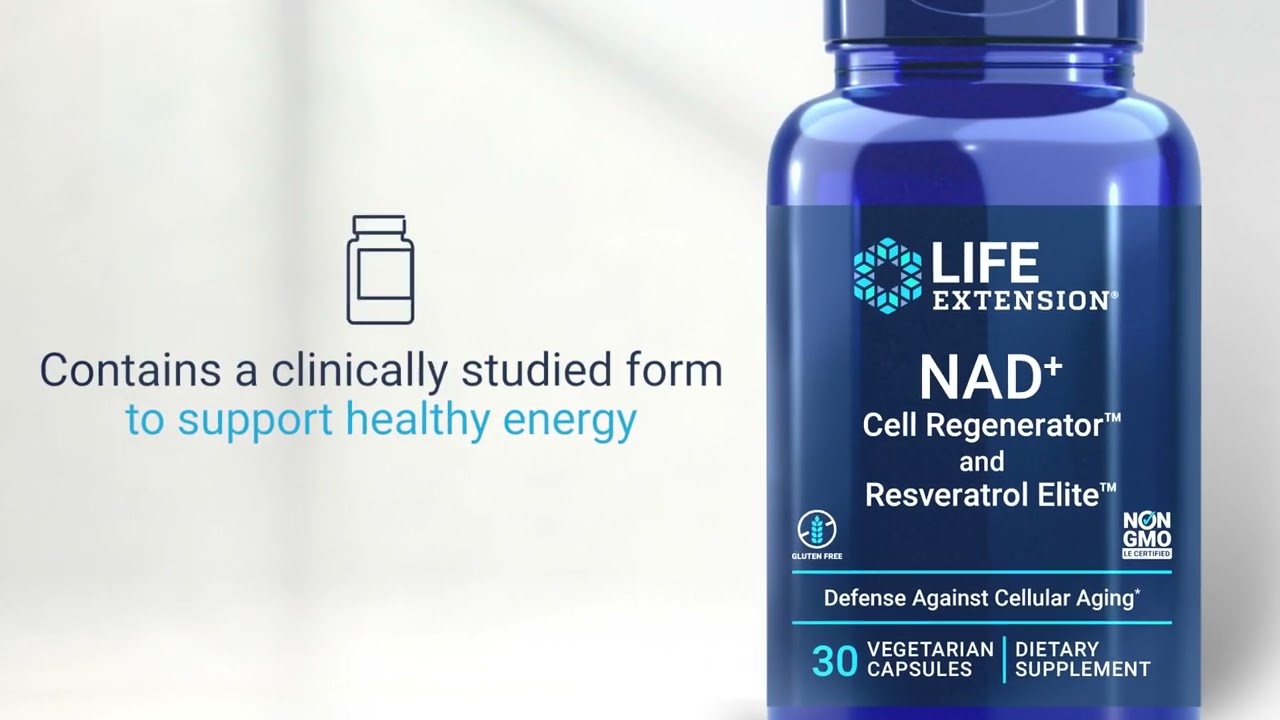
NAD boosters have become one of the most talked-about categories in the dietary supplements space, with claims ranging from improved energy levels to slowed aging. But separating science from marketing hype requires understanding what these supplements actually do in your body—and what they don’t.
For the wider evidence base behind the “NAD booster” label, see our complete guide to NAD supplements and their potential benefits and risks.
This guide breaks down the evidence behind NAD boosters, examines the different types available, addresses safety concerns, and provides practical guidance for anyone considering these supplements as part of their healthy aging strategy.
Quick Overview: What Is a NAD Booster and Why It Matters
A NAD booster is a supplement designed to raise levels of NAD+ (nicotinamide adenine dinucleotide) in your body. The most common forms include nicotinamide riboside (NR), nicotinamide mononucleotide (NMN), and various vitamin B3 derivatives that serve as building blocks for NAD+ production. The most prominent NAD+ precursors are nicotinamide (Nam), nicotinamide riboside (NR), and nicotinamide mononucleotide (NMN), while the use of nicotinic acid (NA) is limited due to side effects such as skin flushing and gastrointestinal symptoms at high doses.
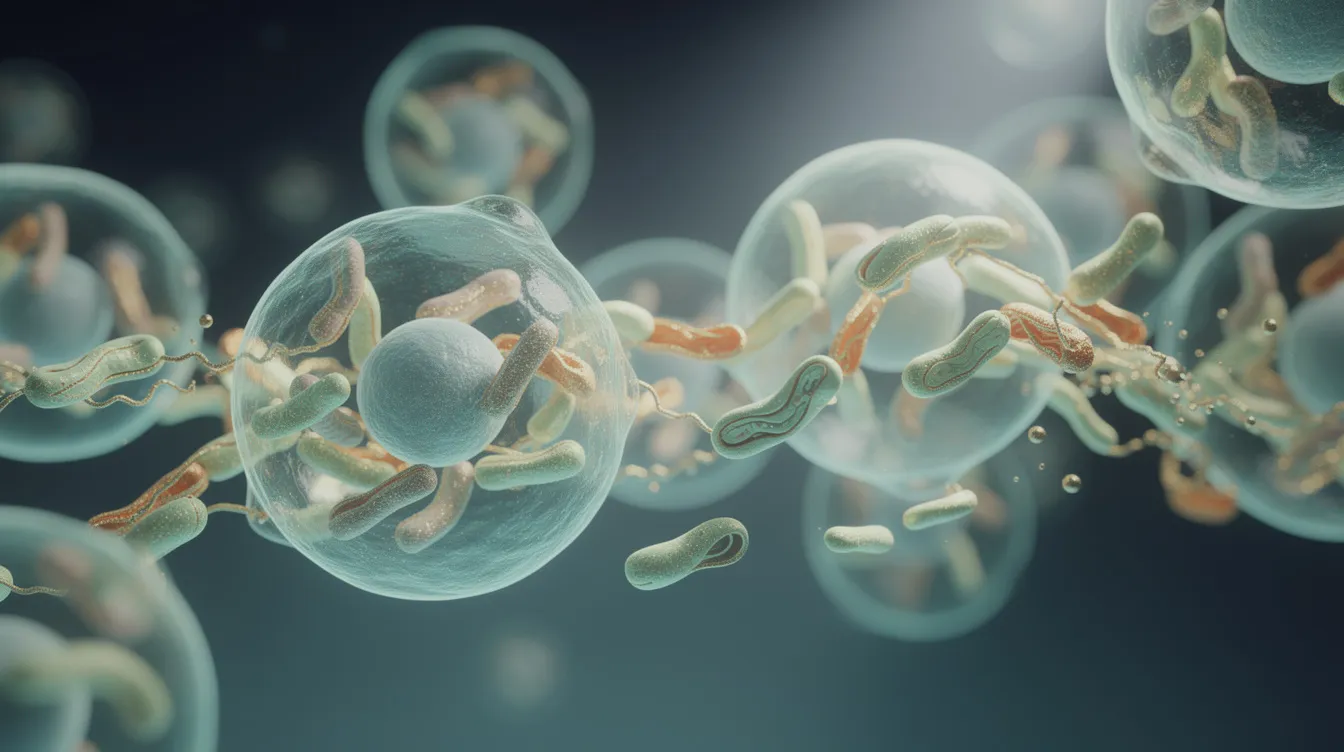
NAD+ is a coenzyme present in every living cell, essential for converting food into usable energy and supporting DNA repair. Think of it as a molecular shuttle that carries electrons during the chemical reactions that produce ATP—your cells’ primary fuel source. Without adequate NAD+, your mitochondria can’t efficiently generate the energy your body needs.
Here’s the problem: NAD levels decline significantly with age. Research shows approximately a 50% reduction between ages 40 and 60, with continued decline thereafter. This drop correlates with common aging complaints like fatigue, slower recovery from exercise, and increased risk of age-related disease.
The marketing premise is straightforward: if falling NAD+ contributes to aging-related dysfunction, then raising it back up should help. Clinical trials confirm that NR and NMN supplements reliably increase blood NAD+ levels by 40–270% depending on dose and individual response. That’s the good news.
The more nuanced reality is that while NAD+ elevation is consistently achievable, functional improvements in humans remain modest and variable. Animal models show robust benefits—enhanced DNA repair, improved mitochondrial function, even extended lifespan—but translating these findings into proven human therapeutic outcomes remains a major challenge.
Before choosing a NAD booster, you should understand several key considerations:
Regulatory status varies: NR achieved FDA GRAS status, while NMN faced a 2022 FDA decision excluding it from the dietary supplement definition
Quality control issues: Independent testing reveals that 80–90% of some commercial NAD supplements fail to match their labeled content
Safety data gaps: Short-term studies show good tolerability, but long term safety data remain limited
A clinical NAD booster like NR differs substantially from generic vitamin B3 (niacin or nicotinamide). While all feed into NAD+ production pathways, their efficiency, side effect profiles, and evidence bases vary considerably.
Understanding NAD+: The Molecule Behind Cellular Energy and Repair
NAD+ participates in over 500 cellular reactions, making it one of the most versatile molecules in your body. Its primary role involves shuttling electrons during redox reactions—the chemical processes that convert nutrients into ATP. This is especially critical in energy-hungry tissues like the brain, heart, and skeletal muscle.

The molecule exists in two forms: oxidized (NAD+) and reduced (NADH). These forms constantly interconvert as cells perform metabolic work. When NAD+ accepts electrons from nutrients during metabolism, it becomes NADH. When NADH donates those electrons to the electron transport chain in mitochondria, it reverts to NAD+. This cycling is fundamental to energy production.
Beyond powering your cellular engines, NAD+ serves as a substrate for several enzyme families critical to cellular health:
Sirtuins (SIRT1–SIRT7): NAD+-dependent enzymes that regulate gene expression, metabolism, stress resistance, and mitochondrial biogenesis
PARPs (Poly ADP-ribose polymerases): Enzymes that detect and repair DNA damage, consuming NAD+ in the process
CD38: An immune signaling enzyme that becomes more active with age, draining NAD+ reserves
The age-related decline in NAD+ stems from multiple overlapping factors. Expression of NAMPT—the rate-limiting enzyme in the NAD+ salvage pathway—decreases with age. Meanwhile, NAD+-consuming enzymes remain active or increase due to accumulated DNA damage and chronic inflammation.
Several lifestyle factors accelerate NAD+ depletion:
Chronic low-grade inflammation (“inflammaging”)
Poor sleep quality and circadian disruption
Metabolic disease and obesity
Chronic alcohol consumption
Psychological stress
Human and animal studies since around 2013 have connected falling NAD+ with impaired mitochondrial function, insulin sensitivity problems, and neurodegeneration. In mouse models and human tissue systems, NAD+ depletion correlates with reduced ATP production, increased reactive oxygen species, and loss of mitochondrial membrane potential.
The connection between NAD+ and metabolic health is particularly well-established. Decreased SIRT1 activity from low NAD+ impairs metabolic gene regulation, contributing to insulin resistance and reduced metabolic flexibility.
Types of NAD Boosters and How They Work in the Body
When people refer to a NAD booster, they typically mean NAD precursors—compounds that feed into the body’s NAD+ biosynthetic pathways. Different precursors enter these pathways at different points, which affects their effectiveness and side effect profiles. NMN, in particular, is considered an efficient precursor because it is directly converted to NAD+ inside cells, making it highly effective in boosting NAD+ levels.
Your body produces NAD+ through three primary routes:
Salvage pathway: Recycles nicotinamide (a NAD+ breakdown product) back into NAD+ via the enzyme NAMPT; also processes NR and NMN
Preiss-Handler pathway: Converts nicotinic acid (niacin) into NAD+ through several enzymatic steps
De novo pathway: Synthesizes NAD+ from the amino acid tryptophan via the kynurenine pathway
Recent research from 2022–2023 has revealed unexpected complexity in how oral NAD precursors work. Studies using human microbiome models show that gut bacteria metabolize a portion of ingested NR and NMN into nicotinic acid, which then enters the Preiss-Handler pathway. This finding suggests that your individual microbiome composition may influence how well you respond to NAD booster supplementation. However, more clarity is needed to fully understand these complex biochemical and microbiome interactions.
Nicotinamide Riboside (NR)
NR is a vitamin B3 derivative that has accumulated the most extensive human clinical data among NAD boosters. As of the mid-2020s, NR chloride achieved FDA GRAS (Generally Recognized as Safe) status, providing regulatory clarity that other NAD precursors lack.
NR enters the salvage pathway where it’s converted to NMN by NR kinase, then NMN becomes NAD+ through NMNAT enzymes. This pathway is efficient enough that NR supplementation typically raises whole-blood NAD+ by approximately 40–270% depending on dose (300–1000 mg/day) and substantial individual variability.
Key findings from human clinical trials of NR supplementation:
A pivotal 2019 Nature study showed doses from 250 mg to 1 g/day produced a 139% increase in blood NAD+
Trials spanning 2–12 weeks in adults aged 40–70 consistently demonstrate NAD+ elevation
Cardiovascular outcomes are mixed—some trials report improved endothelial function, others show no change
Metabolic effects are similarly inconsistent across different study populations
A trial in peripheral artery disease patients found improved walking distance
To assess the biochemical impact of supplementation, studies often measure the concentration of NAD+ and its metabolites in blood and other biological samples at baseline and after treatment.
The dose-response relationship is generally linear within studied ranges, but effects plateau above approximately 1000 mg/day, suggesting saturation of conversion enzymes. Common dosing ranges span 250–1000 mg/day, typically as capsules or powder.
The safety profile is notably robust in short-term trials. Studies examining doses up to 1000 mg/day for 2–12 weeks report minimal adverse events. Side effects, when they occur, include:
Gastrointestinal upset (nausea, constipation, diarrhea)
Mild flushing
Occasional sleep disturbances at higher doses
These effects are dose-dependent and typically resolve with dose reduction.
Nicotinamide Mononucleotide (NMN)
NMN stands one enzymatic step closer to NAD+ than NR, which theoretically provides bioavailability advantages. The compound gained significant attention after high-profile animal studies from 2013–2019 demonstrated robust longevity benefits in mice, combined with personal use by prominent researchers including David Sinclair.
Human trials with NMN supplementation have enrolled typically 40–100 participants receiving 250–1200 mg/day for 6–12 weeks. Multiple studies confirm that NMN raises blood NAD+ and related metabolites in a dose-dependent fashion.
A notable 60-day randomized trial in older adults (mean age approximately 65) compared NMN at 300 mg, 600 mg, and 900 mg daily. The results showed:
Dose-dependent improvements in six-minute walk distance
Better outcomes at 600 mg/day compared to lower doses
Good safety and tolerability across all dose groups
However, a critical regulatory complication emerged in 2022 when the FDA determined that NMN does not qualify for the dietary supplement category due to prior investigation as a drug compound. This decision led major U.S. retailers including Amazon to delist NMN products, substantially restricting consumer access in the United States while the compound remains available in many international markets.
The bioavailability of NMN presents questions that remain incompletely resolved. NMN’s larger molecular size requires specific nucleoside transporters (particularly SLC29A1) for intestinal absorption. Early research raised concerns about poor oral bioavailability, though more recent studies suggest sufficient absorption occurs to produce measurable NAD+ elevation.
Long-term safety data for NMN in humans remain limited compared to NR. The longest completed trials appear to be approximately 60 days, meaning safety beyond two months has essentially not been evaluated in rigorous studies. Current expert consensus recommends cautious dosing and medical supervision for chronic NMN use, particularly at doses above 600 mg/day.
Traditional Vitamin B3 Forms (Niacin and Nicotinamide)
Niacin (nicotinic acid) and nicotinamide represent the classical vitamin B3 forms used clinically for approximately 80 years. Their primary applications include preventing deficiency (pellagra) and, for niacin specifically, managing lipids at prescription doses of 1–3 grams daily.
At typical multivitamin doses (10–50 mg daily), these forms maintain basic NAD+ sufficiency but do not substantially elevate NAD+ above normal levels in healthy adults. Attempting to use niacin for significant NAD+ elevation requires gram-level doses, which triggers the well-known flushing response—intense itching, redness, and discomfort caused by activation of GPR109A receptors.
Beyond flushing, chronic high doses of niacin carry additional risks:
Elevated liver enzymes and potential hepatotoxicity
Impaired glucose regulation
Gout exacerbation in susceptible individuals
Nicotinamide (the amide form) raises NAD+ through the salvage pathway without triggering flushing. However, emerging research suggests that very high doses may paradoxically inhibit sirtuins and PARPs—the NAD+-dependent enzymes thought to mediate longevity benefits. This theoretical concern has reduced nicotinamide’s appeal as a primary NAD booster for healthy longevity purposes.
These traditional forms are valuable for preventing deficiency but generally not ideal as high-dose NAD boosters for anti aging applications.
Other Emerging NAD Booster Strategies
Combination formulas represent an expanding category within the NAD booster market. These products typically include a core precursor plus supporting cofactors:
Riboflavin (vitamin B2)
Vitamin B6
Magnesium (a cofactor for NMNAT enzymes)
Polyphenols like resveratrol, pterostilbene, or theacrine
A 2023 Nature study examining a multi-ingredient NAD formula reported approximately 26.5% average increase in whole-blood NAD+ after four weeks—more modest than NR or NMN alone, suggesting these combinations may target different pathways rather than simply amplifying NAD+ elevation.
NAD IV therapy delivers NAD+ directly into the bloodstream, bypassing intestinal absorption. Typical sessions last 2–4 hours and deliver 250–1000 mg per infusion. Acute side effects commonly reported include chest tightness, nausea, and fatigue during infusion. Costs range from $300–1000 per session, and protocols usually recommend repeated infusions. Critically, long term safety data for IV NAD+ are essentially absent.
Lifestyle interventions function as potent NAD boosters by upregulating endogenous synthesis enzymes. Exercise, time-restricted eating, and circadian alignment all enhance NAD+ production without supplementation—and often provide broader health benefits.
Research is ongoing into novel approaches including:
Compounds targeting the kynurenine pathway
Microbiome-targeted strategies to enhance bacterial NAD+ precursor production
Genetic interventions to upregulate NAD+ biosynthetic enzymes
Animal studies combining NR with kynurenine pathway inhibitors have produced synergistic lifespan extension of up to 30%, compared to 22% with NR alone.
Evidence-Backed Benefits of NAD Boosters
The strongest evidence for NAD boosters lies in their biochemical effects—reliably raising blood NAD+. Functional benefits vary considerably by individual, dose, and baseline health status. This distinction matters because marketing claims often extrapolate from biochemical efficacy to assume functional improvement.
Animal models consistently show robust benefits for metabolic, cardiovascular, and neurodegenerative conditions. Human data through 2025 show modest but promising effects in specific domains. Setting realistic expectations requires understanding what research shows versus what marketing implies.
The main benefit areas supported by evidence include:
Increased NAD+ levels in blood and tissues
Some cardiovascular and exercise-related improvements
Inflammation and immune modulation
DNA repair support
Early findings in fertility and brain health (primarily animal data)
Increased NAD+ Levels in Blood and Tissues
Multiple randomized clinical trials demonstrate that NR and NMN can raise whole-blood or plasma NAD+ by roughly 40–100% within 2–4 weeks at doses of 300–1000 mg/day. This is the most consistent and reproducible effect of well-formulated NAD boosters.
A 14-day trial (NCT05517122) compared NR, NMN, and nicotinamide at equal molar doses in healthy adults aged 18–50. Results showed:
| Precursor | NAD+ Increase | Notes |
|---|---|---|
| NR | ~100% (doubled) | Sustained elevation |
| NMN | ~100% (doubled) | Similar to NR |
| Nicotinamide | Substantially weaker | Less sustained effects |
| This trial established that NR and NMN are substantially more bioavailable than traditional nicotinamide for acute NAD+ elevation. |
NAD+ increases tend to plateau beyond certain doses, likely due to saturation of transport and enzymatic pathways. This explains why the recommended dose rarely exceeds 1000 mg/day—higher amounts don’t produce proportionally larger increases.
An important caveat: higher blood NAD+ doesn’t automatically guarantee parallel increases in every tissue. The blood-brain barrier restricts passage of large molecules, and while some studies suggest oral supplementation elevates brain NAD+ in rodents, human evidence remains preliminary. This tissue heterogeneity helps explain why blood NAD+ increases don’t necessarily predict improvements in specific organ functions.
Cardiovascular, Metabolic and Exercise-Related Effects
Human studies suggest that NR or NMN may modestly improve vascular function and exercise tolerance, particularly in older adults or those with cardiovascular risk factors.
A clinical trial in peripheral artery disease patients found that NR supplementation improved six-minute walk distance and certain blood flow parameters over several weeks. This represents one of the more robustly positive functional outcomes documented for a NAD booster in a disease population.
Metabolic outcomes show substantial heterogeneity:
Some NMN studies in postmenopausal women reported improved insulin sensitivity
A 12-week NR trial in obese men showed no significant change in insulin resistance or body composition despite reliable NAD+ elevation
Lipid profile effects are similarly inconsistent across trials
NAD boosters should not be viewed as stand-alone treatments for obesity or type 2 diabetes. They may complement lifestyle modifications but won’t replace the fundamentals of metabolic health.
Many users subjectively report better stamina and quicker recovery from exercise. These perceptions appear in user reviews and anecdotal reports but are not universally confirmed in blinded trials with objective performance metrics. The placebo effect remains a significant confounder in subjective energy assessments.
Inflammation, Immune Function and Cellular Protection
Chronic low-grade inflammation (“inflammaging”) characterizes aging and drives age-related disease. NAD depletion may contribute by impairing mitochondrial function and immune cell energy metabolism.
A small trial in older adults demonstrated that NR supplementation reduced circulating IL-6 levels by approximately 50–70%—a substantial reduction in a key inflammaging marker. This finding is mechanistically plausible but represents a single trial requiring replication.
NAD+ supports immune cell metabolism and DNA repair enzyme activity. The science suggests several protective mechanisms:
Enhanced DNA damage repair via PARPs
Improved cellular stress responses through sirtuins
Better mitochondrial function reducing oxidative damage
However, large human trials confirming reductions in disease incidence are still lacking. We cannot yet draw firm conclusions about disease prevention benefits.
Importantly, immune-modulating effects could be a double-edged sword. People with autoimmune diseases or cancer might experience unintended consequences from enhanced immune cell NAD+ signaling. This reinforces the need for medical guidance in these populations.
Longevity, Brain Health and Fertility: What Early Data Suggest
Animal research consistently shows that NR or NMN supplementation improves memory, synaptic function, and resilience to neurodegenerative changes. In mouse models of Alzheimer’s disease, supplementation reduced amyloid-β accumulation, decreased neuroinflammation, and enhanced learning and memory.
Human cognitive trials tell a different story. Studies using validated tools like the Montreal Cognitive Assessment show that while NAD+ levels increase robustly, cognitive performance does not improve measurably in healthy adults. This disconnect represents one of the most striking gaps in translational evidence.
Early research in animal fertility models shows intriguing results:
Aged female mice showed improved oocyte quality and restored ovarian function
Male models demonstrated improved sperm parameters
However, direct human fertility evidence is essentially absent. No published randomized trials have examined NAD boosters in infertile populations. These supplements should not replace evidence-based reproductive medicine.
Regarding lifespan extension—the ultimate promise underlying much NAD booster enthusiasm—animal studies show 15–30% extensions in healthspan and sometimes maximum lifespan. However, some studies have shown no difference in lifespan when comparing placebo to NAD+ precursors like NR, indicating that the impact of these supplements on aging remains uncertain and that observed effects may be minimal or comparable to controls. But large, long-duration human trials capable of detecting lifespan changes do not exist and are unlikely to be conducted (requiring decades of follow-up). Some animal studies show improved health markers without lifespan extension, suggesting NAD boosters may enhance quality of life without necessarily altering ultimate longevity. While NAD+ boosters are generally considered safe for short-term use, long-term human data is limited and safety risks are not fully settled.
Risks, Side Effects and Long-Term Safety Concerns
Short-term clinical use of NAD boosters (up to several months) appears generally well tolerated for most healthy adults. However, recent research has uncovered potential risks associated with NAD boosters, even though short-term safety profiles are generally favorable. Long-term cancer risks and chronic disease interactions remain uncertain.
Common acute side effects include:
Gastrointestinal upset (nausea, diarrhea, constipation)
Flushing or facial redness
Headache
Sleep changes (particularly at high doses)
Common side effects of NAD+ boosters may include mild issues such as nausea, diarrhea, and headaches. NAD+ supplements are generally well-tolerated, with typical side effects including nausea, fatigue, headache, or flushing, but long-term safety remains uncertain.
Safety depends heavily on compound type, dose, duration, individual genetics, and existing health conditions. This section emphasizes caution for high-risk groups rather than discouraging appropriate use.
Clinical Safety Profile from Human Trials
Pooled data from NR and NMN studies involving several hundred participants show that doses up to 900–1200 mg/day were generally well tolerated over 8–12 weeks. Adverse events were predominantly mild and dose-dependent.
A large observational study (approximately 400–500 participants) using NAD supplements reported:
| Finding | Details |
|---|---|
| Most common side effects | Nausea, diarrhea, flushing |
| Serious organ toxicity | No clear signal at standard doses |
| Liver enzymes | Usually normal ranges |
| Kidney function | Stable |
| Blood counts | Minor variations in some individuals |
| Some trials reported slight reductions in hematocrit, hemoglobin, and platelet count, though these changes weren’t consistently replicated. A small number of individuals experienced minor liver enzyme elevations, particularly with higher niacin doses. |
The absence of adverse events in relatively short trials does not prove lifetime safety. For people using high doses for more than 3–6 months, routine monitoring (liver function tests) is advisable, particularly with metabolic or liver conditions.
Potential Cancer and Disease Progression Concerns
This represents the most theoretically concerning unknown regarding chronic NAD booster use, though current human evidence is essentially absent.
The mechanistic concern: NAD+ is essential for both healthy and cancer cells. Rapidly dividing tumors depend on high NAD+ availability to sustain metabolic demands and maintain genomic stability. Some preclinical research in rodent cancer models has associated very high doses of NR with increased incidence or aggressiveness of certain cancers—though findings haven’t been consistently replicated.
Expert recommendations for caution apply to:
Individuals with active cancer
Those with strong family history of aggressive cancers
People with pre-malignant conditions
Anyone currently undergoing cancer treatment
The theoretical concern extends to other conditions requiring high metabolic throughput, including some autoimmune and proliferative disorders. We need more research to draw firm conclusions about these risks.
Anyone with cancer history or current treatment should only consider NAD boosters under direct guidance of an oncologist or specialist.
Drug Interactions, Special Populations and Contraindications
Niacin at high doses interacts with several medication classes:
Statins: Increased myopathy risk
Blood pressure medications: Additive hypotensive effects
Anticoagulants: Enhanced bleeding risk
Polyphenols often included in NAD booster formulas (like resveratrol) can inhibit cytochrome P450 liver enzymes, potentially altering metabolism of prescription drugs including statins, warfarin, and certain psychiatric medications.
Populations requiring careful consideration:
People with autoimmune diseases or chronic inflammatory conditions
Those with uncontrolled metabolic disorders
Pregnancy and breastfeeding (not studied; generally avoid)
Children and adolescents (no safety data exist)
People with liver disease or gout
If you’re on multiple medications, consult a clinician or pharmacist before starting any high-dose NAD booster regimen.
How to Choose a High-Quality NAD Booster
Product quality and dosing accuracy vary widely in the NAD supplement market. Independent testing has revealed that approximately 80–90% of some commercial NAD products fail to match their labeled content—ranging from significant under-dosing to contamination issues.
When evaluating products, prioritize:
Transparent Certificates of Analysis (COAs) from ISO-accredited third-party labs
Clear labeling of exact precursor form (NR chloride, NMN, etc.)
Specific dose per serving and daily total
Complete excipient list
Any additional active ingredients
Consider your goals (energy, metabolic support, supporting healthy aging) and health status when selecting between NR, NMN, or combination formulas. NR offers better regulatory clarity in the U.S.; NMN may be preferable in international markets where it remains available.
Avoid products making extreme disease-cure claims or those with proprietary blends hiding actual dosages of key actives. If a supplement description is too good to be true regarding benefits, it likely overpromises.
Label Transparency, Testing and Manufacturing Standards
What to look for on labels:
Clear milligram amounts per capsule (e.g., “500 mg NR chloride per capsule”)
Total recommended dose (e.g., “Take two capsules daily = 1000 mg”)
Absence of confusing proprietary blend names without quantities
Seek GMP (Good Manufacturing Practice) certification or equivalent standards. Batch-specific third-party testing should cover:
Potency verification
Heavy metals (lead, cadmium, mercury)
Microbial contamination
Common adulterants
Independent analyses have found substantial label claim failures across the industry. Prefer manufacturers that publish summary stability testing results showing their NR or NMN remains potent through labeled shelf life.
Signs of professional quality systems include:
Clear contact information
Lot numbers on each bottle
Expiration dates
Accessible customer service
A great product comes from manufacturers with decades of operation, published independent research, and transparent communication—not fly-by-night operations with flashy websites and no verifiable track record.
Dosing Strategy and Personalization
Typical starting doses for healthy adults:
| Precursor | Starting Dose | Target Range | Notes |
|---|---|---|---|
| NR | 250–300 mg/day | 500–1000 mg/day | FDA GRAS status |
| NMN | 250–300 mg/day | 500–600 mg/day | Limited long-term data |
| Gradual titration over 2–3 weeks allows you to assess tolerance. Taking your first dose earlier in the day (morning) aligns with circadian rhythms and reduces sleep disruption risk. |
Some practitioners advocate “cycling” protocols—for example, 5 days on and 2 days off, or 8–12 weeks on followed by a break. No published research validates cycling versus continuous dosing, but some prefer intermittent strategies to prevent tolerance development.
Baseline and follow-up NAD+ testing (finger-prick assays are now commercially available) can help tailor dosing and avoid unnecessary supplementation, especially in younger or very healthy individuals who may already have adequate levels.
Work with a clinician to integrate NAD dosing with:
Other therapies you’re using
Lab results (lipids, liver enzymes, inflammation markers)
Personal risk factors and medical history

Natural and Lifestyle-Based Ways to Support NAD+ Levels
Lifestyle interventions can significantly influence NAD+ metabolism and often provide broader overall health benefits than supplements alone. The most sustainable approach to supporting cellular energy and healthy aging combines targeted supplementation with evidence-based lifestyle strategies.
The main lifestyle levers include:
Physical activity (aerobic and resistance training)
Nutrition and fasting patterns
Sleep quality and circadian alignment
Stress management
These interventions offer advantages beyond NAD+ elevation—improved cardiovascular fitness, better metabolic function, enhanced mental clarity, and reduced disease risk across multiple domains.
Exercise and Physical Activity
Regular aerobic and resistance training upregulate enzymes in the NAD+ salvage pathway and improve mitochondrial biogenesis. Studies in both animals and humans show that exercise increases expression of NAMPT, particularly in skeletal muscle.

Practical targets for NAD+ and healthy aging:
At least 150–300 minutes per week of moderate-intensity cardio
2–3 strength training sessions targeting major muscle groups
“Moderate intensity” means 50–70% of maximum heart rate
High-intensity interval training (HIIT) produces particularly pronounced activation of NAD+ biosynthetic pathways. Even brief sessions (15–20 minutes twice weekly) appear effective for metabolic adaptation.
The encouraging news: even brisk walking, cycling, and bodyweight exercises can improve NAD-related pathways without supplements. If you’re deconditioned or have health limitations, increase activity gradually and consult professionals about appropriate progressions.
Diet, Fasting and Nutrient Support
Balanced diets containing adequate vitamin B3, tryptophan, and other B vitamins provide raw materials for NAD+ synthesis. Relevant food sources include:
Poultry, fish, and beef
Legumes and nuts
Fermented dairy
Whole grains
Green vegetables
Time-restricted eating and intermittent fasting protocols (e.g., 14–16 hour daily fasts) may upregulate NAD+ producing enzymes and sirtuins. When feeding windows are restricted, declining glucose and insulin levels activate AMPK and SIRT1 signaling, which stimulates NAMPT and other NAD+ synthesizing enzymes.
Caution is warranted for:
People with diabetes (hypoglycemia risk)
Those with eating disorder history
Pregnant or breastfeeding individuals
People on heavy medication regimens
Avoiding chronic excess calories, alcohol, and ultra-processed foods helps reduce NAD+ drain by decreasing metabolic and oxidative stress. Even moderate daily alcohol may impair NAD+ metabolism compared to abstinence.
Sleep, Circadian Rhythm and Stress Management
NAD+ levels oscillate in tight coordination with circadian rhythms, driven by clock genes like BMAL1 and PER2. Disrupted sleep or night-shift work impairs this cycling and reduces peak NAD+ levels.
Practical circadian hygiene recommendations:
Maintain consistent bed and wake times (±30 minutes daily)
Seek bright light exposure within the first hour of waking
Limit blue light and screens in evening hours
Keep bedroom cool (65–68°F)
Avoid caffeine after approximately 2 PM
Chronic psychological stress elevates cortisol and inflammatory signaling, accelerating NAD+ depletion through increased DNA damage and immune activation. Effective stress-reduction methods include:
10–20 minutes daily of mindfulness meditation
Yoga or tai chi practice
Structured breathing exercises
Regular time in natural environments
Improving sleep and stress resilience can potentiate the potential benefits of any NAD booster regimen. For some people, these lifestyle modifications may be more impactful than raising NAD+ through supplementation alone.
Who Might Benefit, Who Should Be Cautious, and How to Decide
NAD boosters are not one-size-fits-all. Age, health status, medications, and goals all influence whether they make sense for you.
Groups who may benefit most:
Older adults (60+) with documented low energy or slow recovery
People with verified NAD+ deficiency through testing
Those with cardiometabolic risk factors under medical supervision
Individuals seeking adjunctive support for healthy aging strategies
Groups needing caution:
Current or past cancer patients
People with autoimmune diseases
Those with uncontrolled chronic illnesses
Pregnant or breastfeeding individuals
Realistic expectations matter. NAD boosters are adjuncts, not replacements, for core health practices like balanced nutrition, regular activity, quality sleep, and appropriate medical care. They won’t compensate for fundamentally unhealthy lifestyle patterns.
Shared decision-making with a clinician who understands both the science of NAD and your individual medical history leads to better outcomes than self-directed experimentation.
Setting Expectations and Planning Your NAD Booster Trial
Many users notice subtle changes—improved energy, faster recovery, enhanced mental clarity—within 2–6 weeks. However, robust outcome data from clinical trials typically use 8–12 week intervention periods to detect meaningful differences.
Before starting, define clear goals:
Improved exercise capacity
Reduced fatigue on validated scales
Better lab markers (if tracking specific biomarkers)
Enhanced subjective wellbeing
An effective trial approach:
Baseline assessment: Document current energy levels, exercise tolerance, any symptoms you hope to improve
Start conservatively: Begin at 250–300 mg/day
Titrate gradually: Increase to target dose over 2–3 weeks
Maintain consistently: Continue for 8–12 weeks at moderate dose
Reassess objectively: Compare follow-up measures to baseline
If no meaningful improvement appears after 12 weeks despite reliable NAD+ elevation (if tested), discontinuation is appropriate. If side effects arise or lab values worsen—particularly liver function—adjust or stop promptly.
Key Takeaways
NAD boosters reliably increase blood NAD+ levels, but functional improvements in humans are more modest and variable than animal studies or marketing claims suggest
NR has the strongest regulatory clarity and human evidence base; NMN faces ongoing regulatory questions in the U.S.
Quality control varies dramatically—prioritize third-party tested products from established manufacturers
Short-term safety appears good; long-term risks, particularly regarding cancer, remain uncertain
Lifestyle interventions (exercise, fasting, sleep optimization) are potent NAD boosters with additional health benefits
NAD boosters work best as part of comprehensive healthy aging strategies, not as stand-alone solutions
The evidence supports cautious optimism about NAD boosters for specific populations with appropriate expectations. For those interested in exploring this category, starting with lifestyle fundamentals, choosing high-quality products, working with knowledgeable clinicians, and tracking outcomes over meaningful timeframes represents the most sensible approach.