If you’ve been exploring supplements for healthy aging or cellular health, you’ve likely encountered two popular compounds: NAC and NMN. While both appear frequently in longevity discussions, they work through entirely different biological processes. NAC (N-acetyl cysteine) primarily supports your body’s antioxidant defense system by boosting glutathione levels, while NMN (nicotinamide mononucleotide) serves as a direct precursor to NAD+, a coenzyme essential for energy metabolism and cellular repair.
This guide breaks down the science behind nac vs nmn, examining their mechanisms, research-backed applications, and what current evidence actually supports. Everything here reflects human and animal research available through early 2026, but this article does not provide medical advice or treatment recommendations.
Quick overview: NAC vs NMN in one glance
Before diving deep into the biochemistry, here’s a compact comparison of these two supplements:
| Aspect | NAC | NMN |
|---|---|---|
| Chemical Type | Acetylated amino acid (cysteine derivative) | Nucleotide (vitamin B3 derivative) |
| Primary Target | Glutathione synthesis | NAD+ production |
| Key Pathways | Antioxidant defense, detoxification | Energy production, DNA repair, sirtuin activation |
| Main Research Areas | Respiratory health, liver support, oxidative stress | Metabolic health, physical performance, aging markers |
| Typical Study Doses | 600–1,800 mg daily | 250–500 mg daily |
| Common Side Effects | Mild GI discomfort, rare headaches | Mild digestive upset |
| Absorption Notes | Often taken on empty stomach | Often taken with food |
| In simple terms: |
NAC (N-acetylcysteine) is derived from the amino acid cysteine. Your body uses this building block to manufacture glutathione—often called the master antioxidant because of its crucial role in neutralizing harmful molecules and supporting detox processes.
NMN (nicotinamide mononucleotide) is a nucleotide that your body converts into NAD+ (nicotinamide adenine dinucleotide). NAD+ participates in hundreds of enzymatic reactions related to cellular energy production, DNA repair, and cellular function.
What is NAC? (N‑Acetylcysteine) – mechanisms & research
NAC is a synthetic, more stable form of the amino acid cysteine that has been used in clinical settings since the 1960s. Unlike cysteine itself, which degrades quickly, NAC survives digestion and delivers cysteine to cells where it’s needed most.
Biochemical role
NAC functions primarily as a cysteine donor. Your body uses cysteine as one of three amino acids (alongside glutamate and glycine) to synthesize glutathione—a tripeptide that serves as one of your most important antioxidants.
Once glutathione levels increase, several things happen:
Redox balance improves — Glutathione helps neutralize reactive oxygen species and maintains proper oxidation states in cells
Detoxification capacity increases — Glutathione participates in Phase II liver detoxification, binding to toxins and preparing them for elimination
Protein function is protected — The thiol groups in glutathione help maintain proper protein structure
NAC also has mild direct antioxidant properties through its own sulfur-containing structure, but researchers generally consider its value as a glutathione precursor far more significant.
Science-backed research contexts
Hospital and clinical use: NAC has served as an established antidote for acetaminophen (paracetamol) overdose since the 1970s. In emergency settings, IV and oral protocols can prevent liver damage by rapidly replenishing glutathione stores. This decades-long clinical experience gives NAC one of the strongest real-world track records among supplements.
Respiratory health studies: Research spanning the 1990s through 2020s has examined NAC’s effects on mucus viscosity and antioxidant support in chronic respiratory conditions. Studies have investigated its potential to support respiratory health by thinning mucus and reducing oxidative burden in lung tissue.
Liver and detox support: NAC has been studied in contexts involving toxic exposures and oxidative liver stress. The mechanism centers on glutathione-dependent detox pathways—by supporting liver health through glutathione production, NAC may help the body process and eliminate harmful compounds more efficiently.
Mental health research: Emerging research from randomized trials (2008–2024) has explored NAC as an adjunct in mood and compulsive-spectrum conditions. The proposed mechanisms involve redox modulation and effects on glutamate signaling, though this remains an active area of investigation.
Regulatory status
In some countries, including the United States, NAC occupies an unusual regulatory position. It’s used as a prescription drug in hospital settings (the antidote application) while also being sold as a dietary supplement. This dual status has created ongoing regulatory discussions, so availability may vary depending on your location.
What is NMN? (Nicotinamide mononucleotide) – mechanisms & research
NMN is a nucleotide derived from vitamin B3 (niacin) that serves as a direct precursor to NAD+. This makes it fundamentally different from NAC—while NAC supports defensive systems, NMN feeds directly into cellular energy production machinery.
Understanding NAD+ biology
NAD+ (nicotinamide adenine dinucleotide) is a coenzyme essential for life. It participates in:
Energy production — NAD+ is critical for redox reactions in glycolysis, the TCA cycle, and oxidative phosphorylation in mitochondria
Cellular signaling — NAD+ serves as a substrate for sirtuins (proteins associated with longevity pathways), PARPs (involved in DNA repair), and CD38 (immune signaling)
DNA maintenance — Many DNA repair processes consume NAD+ as part of their function
Research from 2013–2024 has documented that cellular NAD+ levels tend to decline with age in many tissues. This age related decline affects mitochondrial function and may contribute to various aspects of the aging process.
NMN’s role in NAD+ restoration
NMN sits near the end of the NAD+ salvage pathway—the recycling system your body uses to regenerate NAD+ from nicotinamide. The enzyme NAMPT converts nicotinamide to NMN, which is then converted to NAD+.
Several human studies (2019–2024) have shown that oral NMN supplementation can increase circulating or tissue NAD+ markers. However, the magnitude and consistency of these increases vary between trials, and optimal dosing remains under investigation.
Current research areas
Metabolic health: Small randomized trials in Japan and the US (2019–2023) have examined NMN’s effects on insulin sensitivity, body composition, and lipid markers in middle-aged and older adults. These studies suggest potential for improving energy metabolism, though sample sizes remain modest.
Physical performance: Pilot studies have investigated NMN’s effects on exercise capacity, walking speed, and fatigue ratings. Some research indicates potential for enhanced muscle strength and endurance, particularly relevant for healthy aging populations.
Cellular aging markers: Animal studies in mice and rats (2013–2022) have linked NMN supplementation with changes in mitochondrial function, vascular health, and various aging biomarkers. It’s important to emphasize that animal results do not automatically translate to humans.
Regulatory context
NMN’s regulatory status varies by region and has evolved between 2021–2025. Some jurisdictions classify it as a dietary ingredient, while others have more restricted classifications. Check current local regulations before purchase or use.
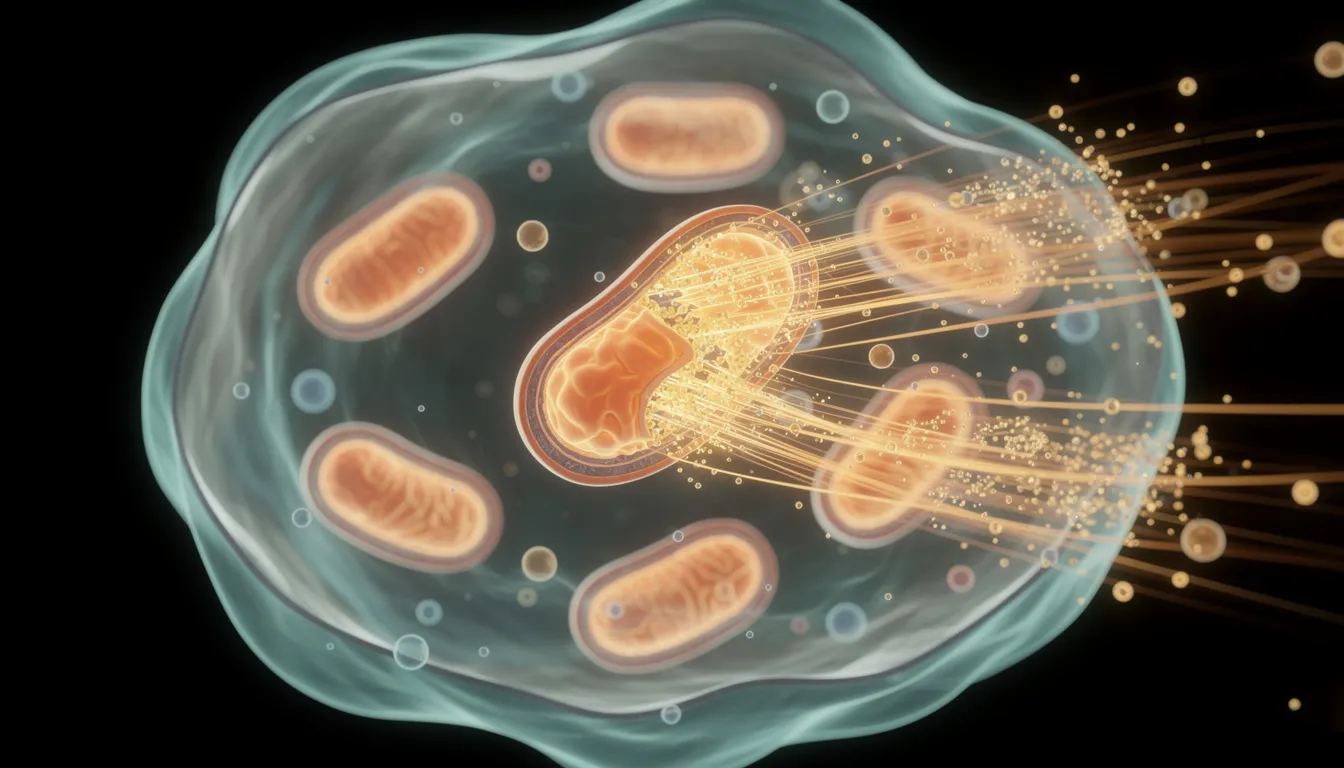
NAC vs NMN: biochemical differences and how they work
Understanding the key differences between these compounds helps clarify why NAC and NMN are not interchangeable—they address different aspects of cellular health through distinct mechanisms.
Chemical nature comparison
| Property | NAC | NMN |
|---|---|---|
| Structure | Acetylated amino acid | Nucleotide |
| Key elements | Sulfur-containing | Ribose, phosphate, niacinamide |
| Primary function | Glutathione synthesis | NAD+ synthesis |
| Cellular target | Cytosolic and mitochondrial glutathione pools | Nuclear, cytosolic, and mitochondrial NAD+ pools |
Pathway focus
NAC pathway:
NAC → cysteine → glutathione synthesis
Supports glutathione peroxidase and glutathione S-transferases
Enhances antioxidant defense and detoxification capacity
Influences thiol redox state of proteins
NMN pathway:
NMN → NAD+ (via NMNAT enzymes)
Affects mitochondrial redox reactions
Activates sirtuins (SIRT1, SIRT3) and PARPs
Supports cellular energy production and DNA repair machinery
Temporal considerations
NAC’s effects are often tied to acute changes in redox capacity. When oxidative stress spikes—from intense exercise, environmental toxins, or other stressors—NAC can help restore glutathione levels relatively quickly. Studies suggest glutathione level increases may be observable within hours to days.
NMN’s interest relates more to chronic NAD+ decline and long-term cellular energy maintenance. While some energy effects might be noticed within days of nmn supplementation, the full benefits for cellular repair and metabolic function may require weeks or months to manifest.
Different targets, complementary functions
Think of it this way: NAC helps your cells defend against damage (better protection through antioxidant defense), while NMN helps your cells maintain their energy production dna repair capacity. These represent fundamentally different biological processes that could theoretically complement each other.
Evidence-based benefits & use cases (without medical claims)
This section reviews where science is strongest for each compound. Remember that evidence continues to evolve, and supplements do not replace professional medical care.
NAC – areas with relatively robust evidence
Clinical antidote use: NAC has decades of clinical experience for acetaminophen overdose and certain toxic exposures. This represents the strongest evidence base, though it applies to hospital settings rather than routine supplementation.
Oxidative and inflammatory stress: Meta-analyses and clinical trials through 2024 have explored NAC as an adjunct for conditions associated with oxidative burden. Research on chronic respiratory conditions has examined NAC’s effects on mucus production and lung function. These represent studied contexts, not guaranteed outcomes.
General antioxidant support: Multiple human studies confirm that oral NAC can increase blood or tissue glutathione levels. This may be relevant for individuals facing high oxidative stress loads from:
Environmental pollution exposure
Intense physical training
Certain occupational hazards
Supporting immune function during periods of stress
NMN – areas currently under investigation
Age-related metabolic changes: Small randomized trials in middle-aged and older adults have examined NAD+ markers, insulin sensitivity measures, and subjective energy levels. Results show promise but come from modest sample sizes and relatively short durations (8–24 weeks).
Physical and cognitive function: Pilot data has investigated walking speed, muscle strength, and cognitive decline proxies. Findings remain preliminary and somewhat inconsistent across studies.
Longevity research: Most longevity data comes from animal models where NMN supplementation has been linked to lifespan extension and improved healthspan markers. However, mice are not humans—extrapolating these results directly to human longevity is not scientifically justified.
Combining NAC and NMN conceptually
In theory, improved redox balance from NAC and enhanced NAD+ availability from NMN might complement each other. One source notes that “NAD and NAC can be safely stacked together to address both energy metabolism and cellular protection.”
However, combination strategies remain largely theoretical. No standard combined protocol exists as of 2026, and controlled human trials examining nmn and nac together are limited.
Key takeaway
NAC: Strongest real-world and clinical track record for specific toxic and oxidative stress settings; well-established mechanisms for supporting glutathione levels
NMN: Promising but emerging area primarily supported by mechanistic understanding and early-phase human data; particularly noted for potential anti aging applications

Safety, side effects & who should be cautious
Both NAC and NMN appear generally well-tolerated in published studies, but individual responses vary. Safety data are not complete for all populations or long-term use scenarios.
NAC safety overview
Common mild effects:
Gastrointestinal discomfort (nausea, cramping)
Rare headaches
Occasional skin reactions
The high doses used in hospital settings for acetaminophen overdose are administered under medical supervision and should not serve as a model for self-supplementation.
Caution advised for:
People with active ulcers or bleeding risk
Those on blood-thinning medications
Individuals with certain respiratory conditions (in some cases, NAC may increase bronchial secretions)
Anyone taking medications that interact with sulfur-containing compounds
NMN safety overview
Current evidence:
Short-term human trials (weeks to several months, with some extending to around one year) have generally reported good tolerability
Most side effects are mild digestive upset
Long-term safety over many years is not established
Populations needing more research:
Pregnancy and breastfeeding
Children and adolescents
People with active cancer (theoretical concerns exist around NAD+ effects on rapidly dividing cells)
Those with chronic inflammation or autoimmune conditions
Theoretical concerns around chronic NAD+ overactivation in certain disease states warrant additional research. The immune system and gut microbiome effects of long-term nad supplementation remain incompletely understood.
Drug and condition interactions
If you’re taking prescription medications—especially hepatically metabolized drugs, chemotherapy agents, or immunomodulators—consult a qualified clinician before using NAC or NMN. Both molecules influence cellular stress responses, which may interact with disease processes or treatments in ways not fully characterized.
Responsible use reminder
Supplements should not delay seeking proper diagnosis or treatment
Do not use NAC or NMN to self-manage serious conditions without medical supervision
Individual variability means what works for one person may not work for another
Quality and purity vary significantly between products
Practical tips: how informed readers evaluate NAC & NMN
This section helps you ask better questions and evaluate information—it’s not prescriptive advice about what to buy or how to dose.
Quality and labeling considerations
When evaluating nac vs nmn supplements:
Look for:
Third-party testing certificates (COAs)
Heavy metal screens
Identity and purity verification
Proper chemical naming (“N-acetyl-L-cysteine” rather than vague “cysteine blend”)
Specific forms (“β-nicotinamide mononucleotide” rather than generic “NAD booster”)
Avoid:
Products with unclear composition
Brands making specific disease treatment claims
Unusually low prices that may indicate quality issues
Dose and timing patterns from research
Published studies often use specific ranges:
NAC: 600–1,800 mg daily in clinical research (lower end more common for general supplementation)
NMN: 250–500 mg daily in adult randomized controlled trials
These are research protocols, not universal recommendations. Some people spread intake across the day to minimize digestive discomfort. NAC is often better absorbed on an empty stomach, while NMN may be better tolerated with food.
Synergy with lifestyle factors
Redox balance and NAD levels are heavily influenced by lifestyle:
| Factor | Effect on Cellular Health |
|---|---|
| Aerobic exercise | Increases mitochondrial biogenesis, supports NAD+ cycling |
| Resistance training | Enhances muscle NAD+ content, improves mitochondrial function |
| Quality sleep | Critical for cellular repair processes |
| Time-restricted eating | May support NAD+ and sirtuin activity |
| Plant-rich diet | Provides polyphenols that support endogenous antioxidant systems |
| Alcohol reduction | Decreases NAD+ depletion and oxidative damage |
| Addressing these fundamentals may provide greater well being improvements than any supplement alone. Functional medicine and integrative medicine practitioners often emphasize lifestyle optimization before supplementation. |
Reading research claims critically
When evaluating health benefits claims:
Distinguish between animal, cell culture, and human trials
Note sample size (small pilot studies vs. large randomized trials)
Consider study duration (8 weeks vs. multiple years)
Identify endpoints (subjective energy ratings vs. objective biomarkers)
Be skeptical of marketing that extrapolates mouse lifespan data directly to human longevity promises
Choose nmn if your primary interest is cellular energy and NAD+ restoration. Consider NAC if oxidative stress, detoxification support, or respiratory health are your focus. Many people interested in longevity research explore both, given their different mechanisms.
Closing perspective
NAC and NMN are tools that act on different biochemical systems—glutathione and NAD+ respectively. They address different aspects of cellular health and may have unique benefits for different individuals.
The most appropriate choice—if any supplementation is warranted—depends on individual context, specific health goals, and guidance from qualified professionals. Neither compound is a magic bullet for slow aging or preventing age-related conditions.
Before adding any supplement to your routine, consider:
Your current health status and any existing conditions
Medications you’re taking and potential interactions
Whether lifestyle factors (sleep, exercise, diet) are optimized
The quality and sourcing of products you’re considering
Understanding the science behind nac and nmn empowers you to have more informed conversations with healthcare providers and make decisions aligned with your personal health journey toward a healthier life.
Further Reading
Explore more articles related to this topic: