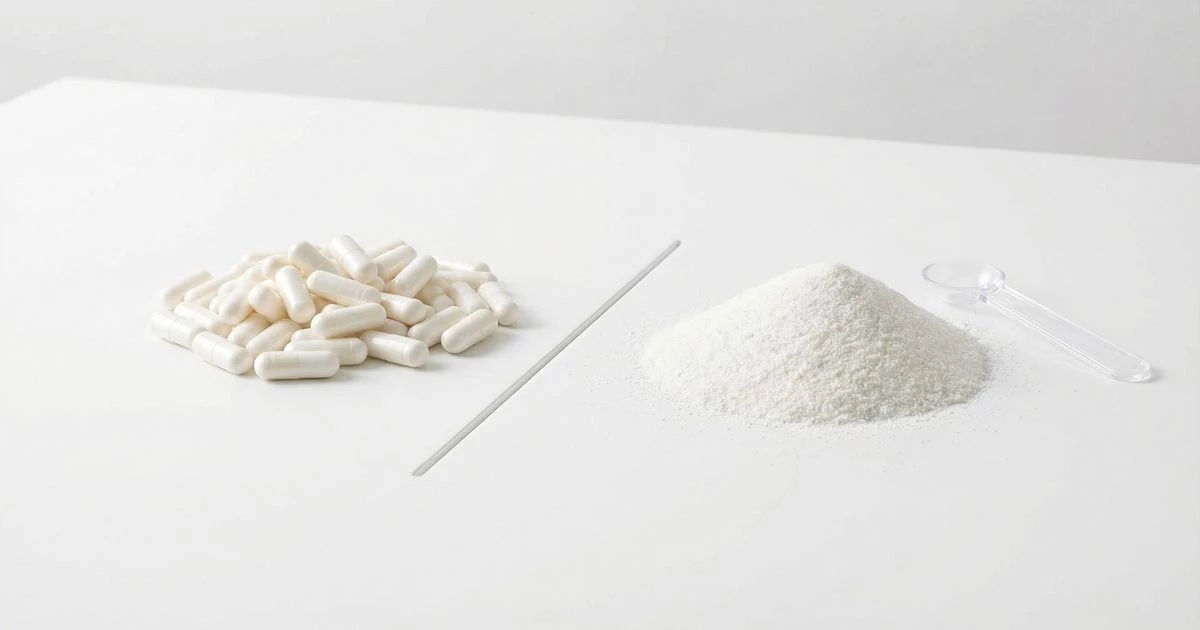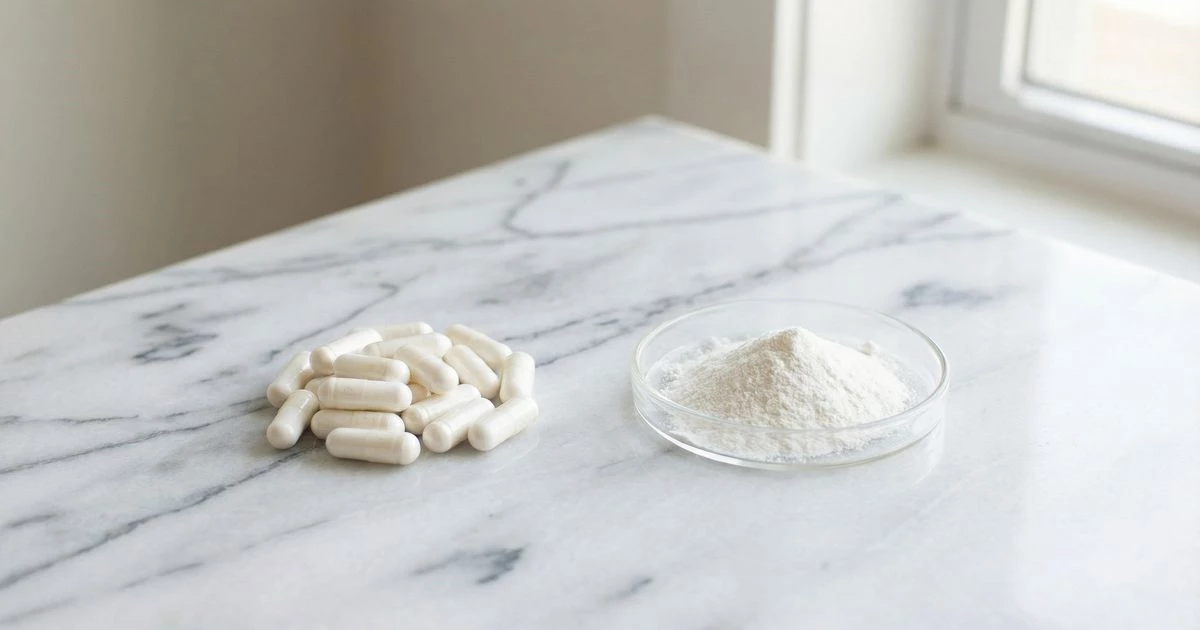

If you’ve been researching nmn supplements lately, you’ve probably noticed a significant price gap between standard powder or capsules and their liposomal counterparts. We’re talking about products that cost roughly three times as much for what appears to be the same active ingredient. Liposomal NMN typically costs 30-50% more than standard NMN formulations, and this price difference is often attributed to the use of a liposomal delivery system designed to enhance absorption. The natural question is simple: does liposomal nmn actually justify costing around 3x more than regular forms?
Here’s the short answer for those who want the bottom line upfront: for most people, a well-made regular nmn powder or capsule is likely the better value. Liposomal nmn may be useful in specific situations, but the evidence for 3x better performance is limited. Liposomal NMN is marketed as having superior absorption rates compared to standard NMN, which is a key reason for its higher price. The majority of clinical studies demonstrating NAD+ increases and potential benefits have used standard oral forms—not liposomal delivery systems.
This article will walk you through the mechanisms, human research, cost per effective dose, and practical use cases for both forms. We’ll rely on peer-reviewed studies and real-world data up to about 2024 to help you make an informed decision. One important note before we dive in: this piece is purely informational and doesn’t constitute medical advice. We won’t make disease-treatment claims, and any changes to your supplement routine should be discussed with a healthcare professional.
What Are NMN and Liposomal NMN, in Plain English?
Let’s start with the basics before comparing delivery methods.
Nicotinamide mononucleotide (often just called NMN) is a naturally occurring molecule that serves as a direct precursor to nicotinamide adenine dinucleotide, or NAD+. Think of NAD+ as a critical coenzyme that your living cells need for:
Cellular energy production and metabolism
DNA repair processes
Oxidative stress response
Age-associated metabolic regulation
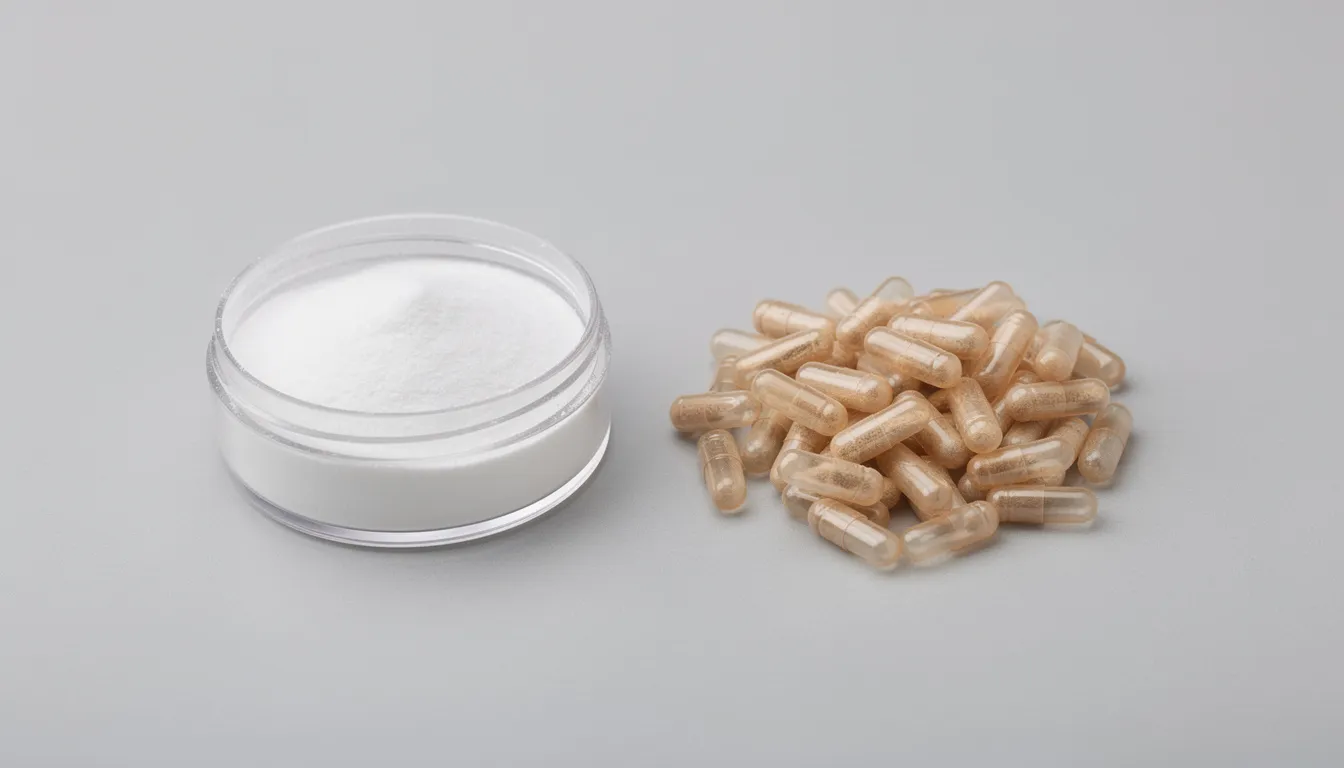
Liposomal NMN is designed to mimic natural cell membranes, potentially enhancing cellular uptake of NMN. Liposomal delivery technology encapsulates NMN in phospholipid spheres, providing liposomal protection that may protect it from degradation in the stomach and enhance cellular uptake.
The challenge is that nad levels naturally decline as humans age, which is why nmn supplementation has become a popular strategy in longevity-focused communities. The goal is straightforward: provide your body with more raw material to produce NAD+.
What’s “Regular” NMN?
When we talk about regular nmn powder or nmn capsules, we’re referring to simple crystalline NMN, usually packaged in vegetable capsules or sold as bulk powder. Here’s how it works:
You swallow the capsule or mix the powder in liquid
It travels through your digestive system
The NMN dissolves in your gut before being absorbed into your bloodstream
Your body then uses it to produce NAD+
Most human NMN studies (single doses of 250–500 mg, and repeated dosing up to 1,200 mg/day between 2016–2023) used standard oral capsules or powder, not liposomal forms. This matters because it means the bulk of our safety and efficacy data comes from these “plain” versions.
What’s Liposomal NMN?
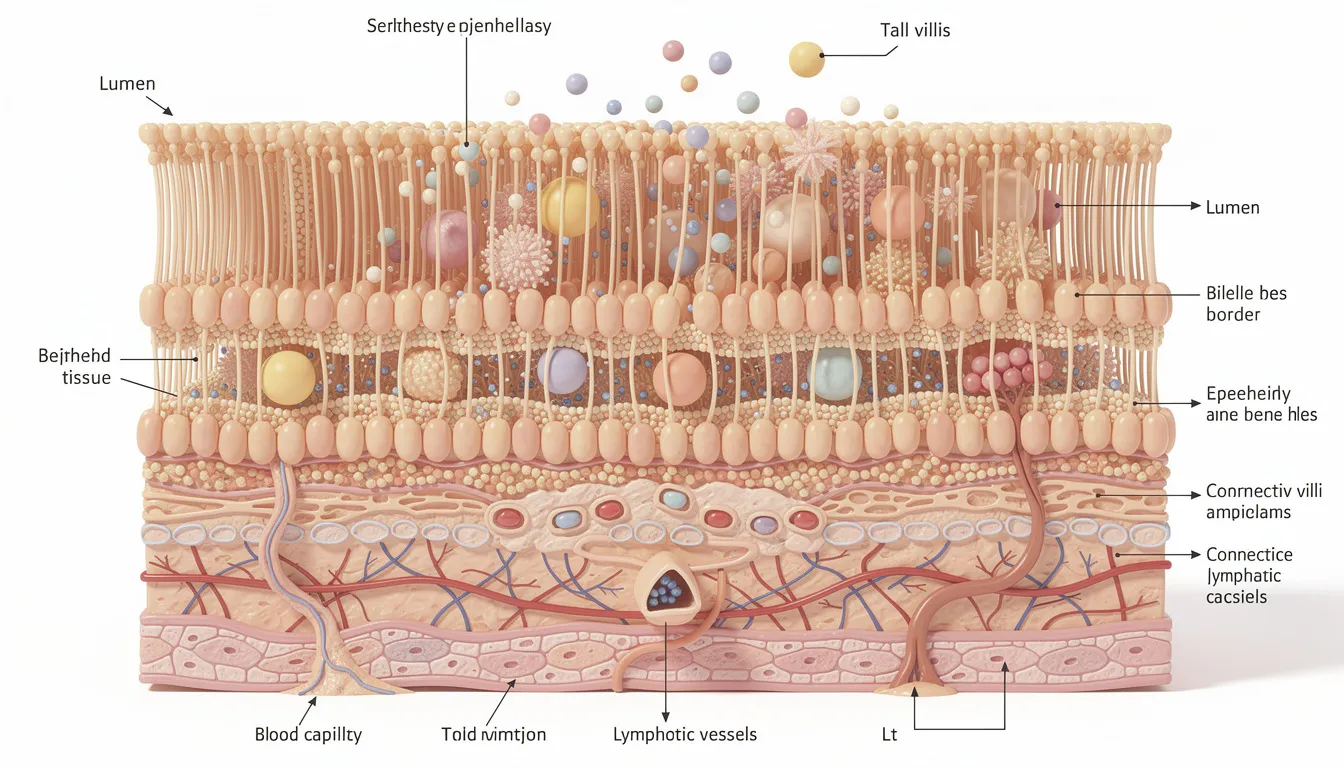
Liposomal nmn takes a different approach. The NMN molecule gets encapsulated within microscopic fat-based spheres called liposomes. These are made from phospholipids—similar to what makes up your cell membranes—often derived from sunflower lecithin.
The theoretical advantages include:
Physical protection from stomach acid
Reduced breakdown by digestive enzymes
Enhanced interaction with intestinal membranes
Potential for direct cellular uptake through membrane fusion
Liposomal encapsulation helps protect NMN from degradation during digestion, which may improve its stability and absorption
The key point: both forms aim at the same goal—raising NAD+ levels. The difference is the delivery method, not the active ingredient itself.
How NMN Is Absorbed: Does Delivery Form Really Matter?
Understanding nmn absorption helps clarify whether liposomal delivery actually provides meaningful advantages.
Standard NMN Absorption
When you take regular nmn powder or standard capsules via oral administration, here’s what happens:
Stomach transit: NMN is water-soluble and may partially degrade in the acidic stomach environment
Small intestine absorption: This is where most absorption occurs
Transport mechanisms: Research identified the Slc12a8 transporter in the small intestine (from mouse studies around 2019) as one proposed dedicated NMN transporter, though its exact role in human health is still being clarified
Bloodstream entry: NMN or its metabolites enter circulation and become available for NAD+ synthesis
Human studies have shown that standard NMN can produce measurable increases in blood NAD+ within hours of a single dose, with sustained elevations over weeks with consistent daily dosing. Standard NMN supplementation has also been shown to increase and maintain both NAD+ and NMN levels in the blood over time.
The Liposomal Difference (In Theory)
Liposomal technology offers several theoretical advantages for protecting and delivering NMN. The liposomal delivery system is specifically designed to improve absorption and bioavailability compared to standard NMN supplements.
| Feature | Regular NMN | Liposomal NMN |
|---|---|---|
| Stomach protection | Minimal | Liposomal encapsulation shields from acid |
| Enzyme exposure | Direct contact | Reduced enzymatic degradation |
| Intestinal uptake | Standard transport | Potential membrane fusion for direct entry |
| Cellular delivery | Requires conversion steps | May bypass some conversion pathways |
| The lipid shell of liposomes can potentially fuse with intestinal cell membranes, improving uptake efficiency. Some liposomal products also add absorption enhancers like black pepper extract (piperine) or emulsifying fats. |
But Here’s the Catch
Several major clinical trials demonstrating NAD+ increases and metabolic improvements used standard NMN capsules—not liposomal forms. This indicates that “plain” NMN can already be effectively absorbed by most people. The question isn’t whether regular NMN works; it’s whether liposomal delivery works enough better to justify the price premium.
What the Studies Say: Liposomal vs Regular NMN Compared
Theory is interesting, but evidence matters more. The key question isn’t whether liposomal delivery sounds better—it’s whether it significantly outperforms standard NMN in actual human research.
The Liposomal NMN Trial Often Cited by Marketers
A 2025 human clinical trial by Kawakami et al. is frequently referenced by supplement companies promoting liposomal formulations. Here’s what it showed:
Study Design:
Double-blind, placebo-controlled
Healthy men as participants (relatively small sample size of a few dozen)
350 mg/day dosing for four weeks
Three groups: liposomal NMN, standard NMN, and placebo
Key Findings:
The liposomal NMN group achieved an 84% increase in NAD+ (from 28.6 µM to 52.5 µM) after four weeks
This significantly outperformed both standard NMN and placebo groups
Statistical significance was demonstrated (P<0.05, p=0.001 between liposomal and standard)
NAD+ levels remained elevated at 36 µM (above baseline) even four weeks after stopping supplementation
This study, detailed in renue by science’s scientific evidence library, suggests liposomal nmn can produce meaningful NAD+ elevation. However, several limitations deserve mention:
Small sample size limits generalizability
Short duration (4 weeks active, 4 weeks follow-up)
Potential conflicts of interest with manufacturer involvement
Single study rather than replicated findings
The Broader Evidence for Standard NMN
Compare this to the extensive research on regular NMN:
| Study Period | Dose Range | Form Used | Key Outcomes |
|---|---|---|---|
| 2016-2023 | 250-1,200 mg/day | Standard capsules/powder | Reliable NAD+ elevation |
| Multiple countries | Various | Non-liposomal | Generally well-tolerated |
| Various durations | Weeks to months | Oral capsules | Measurable metabolic effects |
| Research suggests that standard NMN reliably raises NAD+ and appears well tolerated in the short term across multiple independent trials from Japan, China, USA, and elsewhere. |
Endpoints studied in these trials include:
Blood NAD+ levels
Insulin sensitivity markers
Metabolic health indicators
Physical performance measures
Sleep quality outcomes
The Head-to-Head Gap
Here’s the honest assessment: very few head-to-head, dose-matched human trials directly compare liposomal vs regular NMN in large populations.
Some independent analyses estimate liposomal NMN might increase effective absorption by perhaps 20–50% versus regular oral forms. However, claims like “2.5x better” are usually based on limited or proprietary data, not large-scale scientific consensus.
The bottom line on the science: liposomal formulations show promise in early studies, but the evidence base for standard NMN is substantially larger and more robust.
Cost Breakdown: Does Liposomal NMN Deliver 3x the Value?
Let’s move from science to practical economics. This is a “cost per effective dose” analysis, not just a list price comparison.
Typical 2024 Market Pricing
Based on common US/EU market ranges for commercial nmn supplements:
| Product Type | Price Range | Servings | Cost per 500mg |
|---|---|---|---|
| Regular NMN powder/capsules | $40–$70 | 30–60 servings (250–500mg each) | ~$0.70–$1.50 |
| Liposomal NMN | $90–$150 | Equivalent total NMN content | ~$2.00–$3.50+ |
| Many nmn supplements fall within these ranges, though premium brands like liposomal nmn genuinepurity or omre nmn may sit at the higher end. |
A Hypothetical Scenario
Let’s walk through a real-world comparison:
Person A: Regular NMN User
Takes 500 mg/day of pure nmn powder
Pays approximately $1.00 per day
Monthly cost: ~$30
Person B: Liposomal NMN User
Takes 250 mg/day of liposomal NMN
Assumes marketing claims that liposomal 250 mg ≈ standard 500 mg in effective absorption
Pays approximately $2.50 per day
Monthly cost: ~$75
Even under generous assumptions about better absorption, liposomal NMN costs ~2.5x more per “effective” dose.
The Real Question: Cost Per NAD+ Increase
Here’s where it gets complicated:
Focusing only on milligrams per dollar is misleading if bioavailability truly differs
But current evidence doesn’t robustly demonstrate 3x higher NAD+ elevation from liposomal vs regular at equivalent doses
The Kawakami study showed significant differences, but “significantly better” statistically doesn’t necessarily mean “3x better” in practical terms
The Value Assessment
| Factor | Regular NMN | Liposomal NMN |
|---|---|---|
| Cost per month (typical dose) | $30–$50 | $75–$150 |
| Evidence base | Extensive | Limited but promising |
| Proven NAD+ elevation | Yes | Yes (fewer studies) |
| Value proposition | Strong | Situational |
| Summary: For many users, especially those watching their budget, a high-quality, well-tested regular NMN is likely more cost-effective. Liposomal NMN may have a niche role where lower doses are desired or digestion is problematic, but the price premium isn’t strongly justified by large-scale data yet. |

When Liposomal NMN Might Make Sense (And When It Probably Doesn’t)
Both forms can raise NAD+ levels and potentially support healthy aging. When taking NMN, the choice between liposomal and regular powder depends on factors like absorption, bioavailability, cost, and personal preferences. The choice depends on personal context, budget, and tolerance—ideally guided by a healthcare professional.
Scenarios Where Liposomal NMN Could Be Reasonable
Consider liposomal delivery if you meet these criteria:
Previous trial without results: You’ve tried standard NMN at typical doses (250–500 mg/day for 8–12 weeks) and noticed no subjective change, but want to experiment further within safe, studied ranges
Digestive sensitivity: You experience recurring stomach upset with standard capsules or powders but tolerate liposomal forms better
Preference for lower doses: You strongly prefer taking fewer capsules or lower total milligram intake while seeking similar NAD+ elevations, and you’re willing to pay the premium
Specific health goals: You’re working with a healthcare professional on an intensive protocol where optimizing every variable matters
Scenarios Where Regular NMN Is the Smarter Starting Point
Stick with standard nmn powder or capsules if:
You’re new to NMN: First-time users benefit from testing basic response at lower cost before investing in premium forms
Budget matters: You’re comparing long-term monthly expenses, especially at higher doses above 500 mg/day
You value research validation: The majority of clinical studies (safety, dosing, NAD+ changes) have been conducted on non-liposomal NMN
You want proven results: Many nmn supplements in capsule form have demonstrated reliable NAD+ elevation in human trials
A Simple Decision Framework
Here’s a practical approach to choosing:
Start with a reputable, lab-tested regular NMN from a source with rigorous third party testing
Evaluate your subjective response over 8–12 weeks (energy levels, well being, exercise tolerance)
Track simple markers if possible—sleep quality, aerobic capacity, general physical performance
Consider switching to liposomal only if:
You have specific digestive issues
You want to try lower doses
You’re doing targeted experimentation
Discuss any changes with a clinician, especially if you have health conditions
This approach minimizes cost while allowing you to gather personal data before committing to premium delivery methods.
Practical Tips for Choosing and Using NMN (Regardless of Form)
Delivery form is only one piece of the puzzle. Purity, testing, and how you use NMN matter just as much—maybe more. Companies like Renue by Science, for example, focus on innovative delivery methods and bioavailability technology to enhance the effectiveness of their NMN supplements.
What to Look For in Any NMN Product
Whether you choose regular or liposomal, prioritize these quality markers:
Third-Party Testing
Look for certificates of analysis (COAs) showing identity and purity verification
Check for contaminant testing: heavy metals, microbes, solvents
Products from a gmp compliant facility tend to have better quality control
Top nmn supplements will make this information readily available
Label Transparency
Clear NMN content per serving, not hidden in proprietary blends
Exact milligrams stated (e.g., “500mg NMN per capsule”)
Full ingredient list including any fillers or additives
Reasonable Marketing Claims
Be wary of products promising miracle results
NMN is not a magic pill—honest brands acknowledge this
Claims should reference actual nmn research, not just theory
Storage and Stability
NMN can degrade in heat and humidity
Look for products with protective caps or proper packaging
Some brands include desiccants or recommend refrigeration
Dosing Guidance Based on Clinical Studies
Many human studies structured dosing as follows:
| Aspect | Typical Research Approach |
|---|---|
| Frequency | Once daily, often in the morning |
| Dose range | 250–600 mg per serving (up to 1,200 mg in some studies) |
| Timing | Morning with or without food |
| Duration | 4–12 weeks in most trials |
| Practical tips: |
Consistency (same time daily) may matter more than fine-tuning exact timing
Start at a lower dose and increase gradually within studied ranges
Some users split their daily dose into 1–2 servings
Consider sublingual administration if you want to bypass digestion (some powders are designed for this)
The ideal dose varies by individual—there’s no universal clinical dose
Lifestyle Context Matters
NMN supplementation works best as part of a broader approach to cellular health and metabolic health:
Sleep quality remains foundational—no supplement replaces adequate rest
Nutrition provides the cofactors your body needs for cellular metabolism
Physical activity naturally supports NAD+ production and cellular function
Stress management affects how your body uses energy at the cellular level
Researchers consistently emphasize that NAD+ support is one piece of broader healthy-aging strategies, not a standalone solution. A dietary supplement enhances what you’re already doing right—it doesn’t replace fundamentals.
Some people combine NMN with other supplements like micronized resveratrol or green tea extract for potential synergistic effects, though human research on specific combinations remains limited.
A Quality Checklist
Before purchasing any nmn products, verify:
[ ] Independent lab testing with accessible COAs
[ ] GMP-certified manufacturing
[ ] Clear per serving NMN content
[ ] Reasonable, evidence-based marketing
[ ] Proper packaging for stability
[ ] Transparent company contact information
[ ] One time purchase option (not just subscriptions)
Safety, Uncertainties, and What We Still Don’t Know
Transparency about limitations is crucial when discussing any dietary supplement, including NMN.
What the Safety Data Shows
Short-term NMN use (up to ~1,200 mg/day in published clinical trials lasting several weeks to months) has generally been well tolerated in adults. Animal studies and human research both suggest a favorable safety profile at commonly used doses.
Important context:
Most safety data are on standard NMN, not liposomal forms
The active molecule is the same in both
Liposomal formulations add complexity (phospholipids, emulsifiers) that are usually considered safe but aren’t as extensively studied in this specific application
Adverse effects reported in trials have generally been mild and infrequent
Key Uncertainties That Remain
Honest assessment requires acknowledging what we don’t know:
Long-term effects unclear:
Studies beyond 1–2 years of sustained high NAD+ levels are lacking
Effects on processes like cell growth and tumor biology remain under active investigation
We can’t yet say definitively that decades of nmn supplementation is risk-free
Individual variation:
Possible interactions with medications aren’t fully characterized
Pre-existing conditions may affect response
Optimal dosage by age, body weight, and health status hasn’t been conclusively established
What works at higher doses for one person may not suit another
Liposomal-specific questions:
Long-term stability of liposomal formulations varies between products
Not all liposomal technology guarantees high encapsulation efficiency
Water-based liposomal NMN may have stability issues
Important Cautions
Please consider these points seriously:
Cancer history: Individuals with a personal or family history of cancer should speak with a qualified healthcare professional before starting any NAD+ precursor supplement—research on NAD+ and cellular proliferation is still evolving
Chronic conditions: Those with serious metabolic conditions, insulin resistance, or chronic illness need professional guidance
Medication interactions: If you’re taking medications, discuss potential interactions before adding NMN
Regulatory reality: Supplements are not evaluated or approved like pharmaceutical drugs; labels and marketing claims can be inconsistent or exaggerated
A Clear Disclaimer
This article makes no claims about preventing, treating, or curing any disease or age related diseases. NMN is a dietary supplement, not a medication. The potential benefits discussed reflect current research, not guaranteed outcomes.
Before beginning or modifying any supplementation routine, consult with your doctor or a licensed healthcare professional. This is especially important if you have existing health conditions or take medications.
Alternatives to NMN: Other Ways to Support NAD+ and Healthy Aging
While NMN supplementation has gained significant attention for its role in boosting NAD+ levels and supporting healthy aging, it’s not the only option available. There are several other strategies—both supplemental and lifestyle-based—that can help maintain or enhance NAD+ production as we age. Exploring these alternatives can empower you to make more informed choices about your approach to healthy aging and overall well-being.
NR, Resveratrol, and Other NAD+ Precursors
Nicotinamide Riboside (NR) is another popular NAD+ precursor, similar to NMN, and is available as a dietary supplement. Like NMN, NR is converted in the body to NAD+, supporting cellular energy production, DNA repair, and metabolic health. Some clinical studies suggest that NR supplementation can effectively raise NAD+ levels, with potential benefits for energy production, insulin sensitivity, and cellular metabolism—key factors in healthy aging.
Resveratrol, a natural compound found in foods like grapes, berries, and peanuts, is often paired with NAD+ precursors in longevity protocols. While resveratrol itself is not a direct NAD+ precursor, it may activate sirtuins—proteins that rely on NAD+ to function—thereby supporting cellular health and offering additional health benefits such as improved cardiovascular function and antioxidant protection.
Other NAD+ precursors, such as nicotinamide (NAM), are also being studied for their ability to support NAD+ production. Each of these compounds works through slightly different pathways, and ongoing research continues to clarify their unique roles and potential benefits for healthy aging.
Lifestyle and Dietary Approaches
Beyond supplements, your daily habits play a crucial role in maintaining healthy NAD+ levels. A balanced diet rich in whole foods—especially fruits, vegetables, whole grains, and lean proteins—provides the vitamins and minerals necessary for NAD+ synthesis and overall cellular health. Regular physical activity is another powerful way to support NAD+ production, as exercise has been shown to naturally boost NAD+ levels and promote healthy aging.
Other lifestyle factors, such as managing stress, getting adequate sleep, and minimizing exposure to environmental toxins, also contribute to maintaining optimal NAD+ levels. Chronic stress and poor sleep can accelerate the decline of NAD+ as we age, so prioritizing rest and stress reduction is essential for long-term well-being.
How Do They Compare to NMN?
When comparing NMN supplementation to other approaches, it’s important to recognize that each strategy offers unique advantages. NMN and NR are both effective at raising NAD+ levels, but individual responses may vary based on age, health status, and genetic factors. Some research suggests NR may be particularly beneficial for older adults, while NMN is often favored for its direct role in NAD+ biosynthesis.
Resveratrol provides a broader range of health benefits, including cardiovascular and antioxidant support, but its direct impact on NAD+ levels is less well established compared to NMN or NR. Lifestyle and dietary changes, while foundational for healthy aging, tend to have a more gradual effect on NAD+ levels than targeted supplementation.
Ultimately, the most effective approach may be a combination of strategies—integrating NMN supplementation with a nutrient-rich diet, regular exercise, and healthy lifestyle habits. As always, it’s wise to consult with a healthcare professional before starting any new supplement regimen, including NMN, to discuss potential benefits, risks, and the best plan for your individual needs. This comprehensive approach can help you maximize the health benefits of supporting NAD+ and promote healthy aging for years to come.
Conclusion: So, Is Liposomal NMN Worth Paying 3x More?
After examining the mechanisms, human data, and real-world costs, here’s where the evidence points:
Both regular and liposomal NMN can raise NAD+ levels. That’s the fundamental goal, and both delivery methods can achieve it. However, standard NMN has the substantially larger evidence base and is significantly more affordable. The majority of clinical trials demonstrating health benefits, safety profiles, and appropriate dosing used non-liposomal forms.
Liposomal NMN shows promise, but with caveats. The Kawakami trial and similar studies suggest somewhat higher or more sustained NAD+ increases in small participant groups. That’s encouraging for liposomal technology. But “promising early data” is different from “proven superiority worth 3x the price.” The evidence doesn’t yet support a blanket recommendation for everyone to choose liposomal.
Quality and consistency often matter more than delivery format. A well-manufactured regular NMN product with rigorous third party testing, transparent labeling, and proper storage may serve you better than an expensive liposomal product with questionable manufacturing standards. The form of delivery is secondary to getting nmn specifically that’s pure, stable, and properly dosed.
A Balanced Recommendation
For most people exploring nmn supplementation:
Start with a well-tested regular NMN powder or capsule from a reputable source
Give it time—8 to 12 weeks of consistent use before judging effects
Track what matters to you—energy, sleep quality, muscle function, exercise recovery
Consider liposomal as a second-step experiment only if you have specific needs (digestive issues, preference for lower doses) or want to try something different
Work with a healthcare professional for personalized guidance
The Bigger Picture
Remember that no supplement—regardless of price or delivery system—replaces the fundamentals of human health: quality sleep, nutritious food, regular movement, stress management, and meaningful connection. Some NMN protocols also include compounds like resveratrol, which may support heart health through antioxidant and cardioprotective effects. NMN nmn research continues to evolve, and what we know today may be refined tomorrow.
Stay curious about new findings as more human research comparing delivery methods gets published. Make decisions based on evidence, your budget, and your personal values—not marketing alone. The best nmn supplement is ultimately the one that fits sustainably into your life and supports your broader approach to well being and healthy aging.
Your health journey is personal. Choose wisely, experiment thoughtfully, and keep learning.
Further Reading
Explore more articles related to this topic:
- NMN vs NMNH Differences: Mechanisms, Benefits, and Risks
- NAC vs NMN: Differences, Benefits & Uses (Science-Based Guide 2026)
- NMN Capsules vs Powder: Bioavailability Breakdown—Which NMN Wins?
- NMN vs Niacin: Safety and Efficacy for Longevity
- Cheap NMN vs. Premium NMN: Why 99% Purity Matters for Long-Term Safety
- Sublingual NMN vs Oral: Bioavailability and Absorption Compared in 2026