NAD+ is a crucial molecule in longevity research, playing a central role in cellular energy production, DNA repair, and maintenance. But separating genuine science from marketing hype requires understanding what this coenzyme actually does—and what current evidence supports.
If you want a wider framework before evaluating a single branded formula, review our guide to how NAD supplements differ by form, evidence, and quality markers.
Key Takeaways
NAD+ (nicotinamide adenine dinucleotide) is a coenzyme in every living cell, essential for cellular energy production and dna repair
NAD+ levels decline significantly with age, dropping to roughly half by age 50, contributing to age related decline in energy, metabolism, and cognitive function
Life extension-style NAD+ formulas typically use niagen nicotinamide riboside (NR) as the primary precursor, since nicotinamide mononucleotide was removed from U.S. supplement status in 2022
Benefits for energy, metabolic health, and brain function are promising but early—no human trials prove lifespan extension
Always consult a healthcare practitioner before starting NAD+ supplementation, especially with cancer history or chronic conditions
What Is NAD+ and Why Is It Linked to Life Extension?
Nicotinamide adenine dinucleotide (NAD+) functions as a critical coenzyme present in every cell of your body. It serves as an essential mediator in converting food into ATP—the primary fuel your cells use for energy production.
NAD+ exists in two forms: oxidized (NAD+) and reduced (NADH). These cycle dynamically to power mitochondrial cellular energy production. Research by scientists like David Sinclair and Shin-ichiro Imai linked declining NAD+ to diminished cellular health in muscle, brain, and metabolic tissues.
NAD+ plays a vital role in supporting the healthy aging energy pathway, helping maintain cellular energy and overall vitality as we age.
Public interest exploded after TIME magazine’s 2018 feature framed NAD+ precursors as a potential “anti-aging pill.” However, life extension in this context refers primarily to supporting healthspan—years lived in robust health—rather than extending maximum lifespan in humans, which remains unproven.
How NAD+ Declines With Age
Human autopsy studies show NAD+ levels drop steadily from mid-adulthood, with levels falling to approximately 50% of youthful peaks by age 50.
Key mechanisms driving this decline include:
DNA damage activating PARP enzymes that consume NAD+ for repair
Chronic inflammation (“inflammaging”) increasing NAD+ turnover via CD38 enzymes
Mitochondrial dysfunction elevating NAD+ demand while impairing its biosynthesis
Lower NAD+ impairs sirtuin activity (SIRT1, SIRT3, SIRT6), proteins involved in genomic stability and stress resistance. Observable effects include reduced exercise capacity, slower recovery, cognitive fatigue, and higher cardiovascular risk.
Restoring healthy nad levels is central to most NAD+ life extension strategies.
NAD+ Precursors: NR, NMN and Other Options
Direct oral NAD+ is poorly absorbed. Modern supplements use precursors that cells convert into NAD+ at the cellular level.
Nicotinamide Riboside (NR):
Patented as NIAGEN, this form of nicotinamide riboside has shown in multiple human trials to raise blood NAD+ by 40-90% within 2-8 weeks
Doses typically range from 250-1000 mg daily
Legally recognized as a dietary ingredient in the U.S. and EU through 2026
Nicotinamide Mononucleotide (NMN):
Increases NAD+ in animals and small human pilots
FDA’s November 2022 ruling removed NMN from dietary supplement status due to ongoing drug investigation
Reputable brands now avoid NMN in compliant U.S. formulas
Other pathway nutrients include niacin (causes flushing at higher doses), niacinamide, and tryptophan. Check labels for exact precursor forms, doses per capsule daily serving, and clinical backing.
Life Extension–Style NAD Plus Formulas: What They Typically Contain
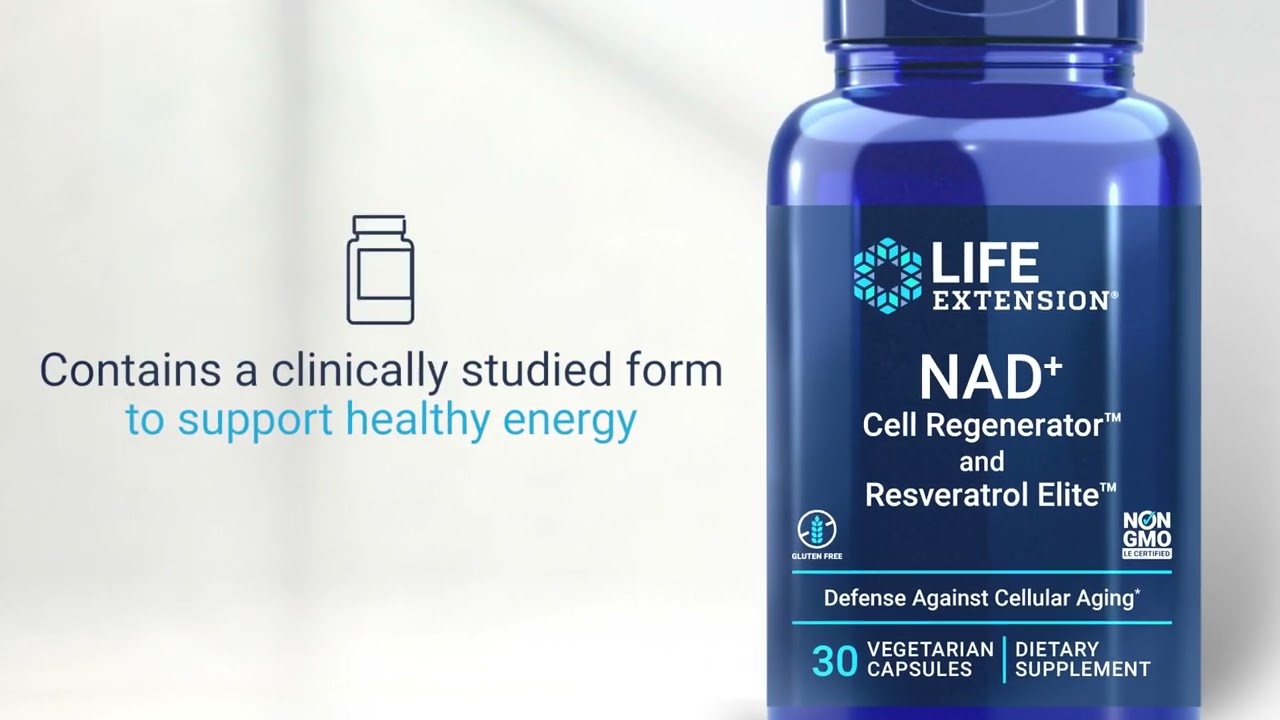
Evidence-oriented longevity products like nad cell regenerator formulas feature an advanced formula that combines NAD+ precursors with synergistic polyphenols, targeting multiple healthy aging and cellular energy support mechanisms.
Common components:
| Ingredient | Purpose |
|---|---|
| Nicotinamide riboside chloride (300mg) | Primary NAD+ precursor |
| Trans-resveratrol (from japanese knotweed) | Sirtuin activation support |
| Quercetin | Antioxidant, senolytic support |
| Fisetin | Flavonoid for cellular maintenance |
| Common ingredients in NAD+ supplements include trans-resveratrol, quercetin, and fisetin, which are often combined with nicotinamide riboside to enhance bioavailability and effectiveness. |
Products like resveratrol elite variants may include japanese sophora concentrate or wax tree extract for enhanced bioavailability.
Typical capsule format:
Vegetable cellulose capsules (30 vegetarian capsules per bottle)
Excipients: sunflower lecithin, microcrystalline cellulose, silica, vegetable stearate
Emulsification support from sunflower oil derivatives
Unlike a proprietary blend that hides amounts, quality formulas disclose exact ingredient quantities. Customer reports cite improved energy and mental focus after 4-12 weeks, though responses vary.
The Science Behind NAD+ and Healthy Aging
Most mechanistic evidence comes from cell culture and animal studies. Human data are growing but researchers caution against overstated claims.
Preclinical findings:
In mice, NAD+ boosting improved insulin sensitivity, endurance, and cardiac function
A 2016 Science paper showed modest lifespan extension (~5%) in aged mice—equivalent to roughly 4 human years
Models demonstrate protection in Alzheimer’s mimics via reduced amyloid-beta plaques
Human data through 2024:
Over 20 RCTs confirm NR consistently raises NAD+ within weeks
Small trials show modest improvements in arterial stiffness, blood pressure (3-5 mmHg reduction), and exercise tolerance
No large, long-term trials on mortality exist
NAD+ fuels sirtuins and PARPs involved in dna damage repair and cellular stress response. Supporting these pathways may contribute to better cellular maintenance—the core aging energy pathway support hypothesis.
Potential Benefits of NAD+ Support for Everyday Life
These represent potential benefits based on early evidence, not guaranteed outcomes.
Energy and fatigue:
Supporting NAD+ may help mitochondria produce ATP more efficiently
Users report better daytime energy and reduced afternoon slump within weeks
Metabolic and cardiovascular health:
Animal and early human data suggest support for healthy blood pressure and glucose metabolism
Does not replace standard medical care for disease management
Brain and nerve function:
NAD+ plays roles in neuronal survival and resistance to oxidative stress
No supplement is proven to treat Alzheimer’s or Parkinson’s in humans
Exercise performance:
Some studies show modest endurance improvements when consuming NAD+ precursors alongside training
Your body deserves comprehensive support—consider these as one tool, not a replacement for exercise itself
Risks, Safety and Long-Term Unknowns
Short-term trials find niagen nicotinamide riboside chloride well-tolerated. Mild side effects like nausea or flushing occur in 5-10% of users.
Cancer concerns:
Cancer cells also use NAD+ for growth
Some animal studies with high NR doses showed increased metastasis risk
Scientists urge caution for those with active malignancy
Evidence gaps:
No decades-long human safety studies exist
Regulatory agencies do not approve NAD+ products to treat or prevent any disease
Safety guidelines:
Consult a healthcare practitioner before use, especially with cancer history, autoimmune conditions, or kidney issues
Pregnant or breastfeeding women should avoid unless cleared by their provider
Products are not intended to diagnose, treat, cure, or prevent disease
How to Use NAD+ Supplements Wisely
Choosing a product:
Prioritize clinically studied precursors at transparent doses
Look for third-party testing and clear ingredient lists—avoid vague proprietary blend formulas
Dosing and timing:
Most formulas: 1 capsule daily, often morning
Start at label dose; avoid self-experimentation with high intakes
Stacking with lifestyle: NAD+ support works best combined with:
7-9 hours quality sleep
Regular exercise (zone 2 cardio boosts mitochondrial biogenesis 20-50%)
Nutrient-dense food intake
Time-restricted eating may elevate NAD+ by 30%
Track outcomes over 1-3 months. Benefits may wane after discontinuation—studies show 50% NAD+ drop within 2 weeks of stopping.
Regulation, Quality and Label Transparency
Dietary supplements face different oversight than prescription drugs. As of 2026, the FDA’s 2022 decision keeps NMN off lawful supplement status, so compliant products favor NR.
What to verify on labels:
Exact ingredient names (e.g., nicotinamide riboside chloride mg)
Capsule count and serving size
Certifications for purity and potency
Flower bud or stem extract standardization percentages
Quality brands offer free unlimited shipping and transparent checkout processes. Be cautious of extreme claims or products lacking contact information.
Frequently Asked Questions
How quickly can I expect to feel effects from an NAD+ supplement?
Blood NAD+ levels rise within days, but most users notice energy or clarity changes after 2-6 weeks. Some feel little subjective difference despite measurable biochemical changes—responses vary with age and baseline health.
Can NAD+ supplements replace a healthy lifestyle for life extension?
No supplement substitutes for sleep, nutrition, and exercise. Focus on proven habits first. NAD+ support is an adjunct, not a magic solution to extend lifespan without effort.
Is it safe to combine NAD+ boosters with other supplements?
Many people take NAD+ alongside omega-3s, vitamin D, and magnesium without issues. Review all supplements with a healthcare practitioner to avoid interactions affecting blood pressure or liver metabolism.
Should people with cancer history avoid NAD+ supplements?
Due to concerns about NAD+ potentially supporting tumor growth, many oncologists recommend avoidance. Anyone with current or past cancer must discuss NAD+ products thoroughly with their specialist before use.
Are NAD+ IV infusions better than oral supplements?
IV NAD+ raises levels faster and higher but is more invasive, expensive, and less studied long-term. Most people should optimize lifestyle and consider well-researched oral precursors first before exploring IV therapies with qualified clinicians.