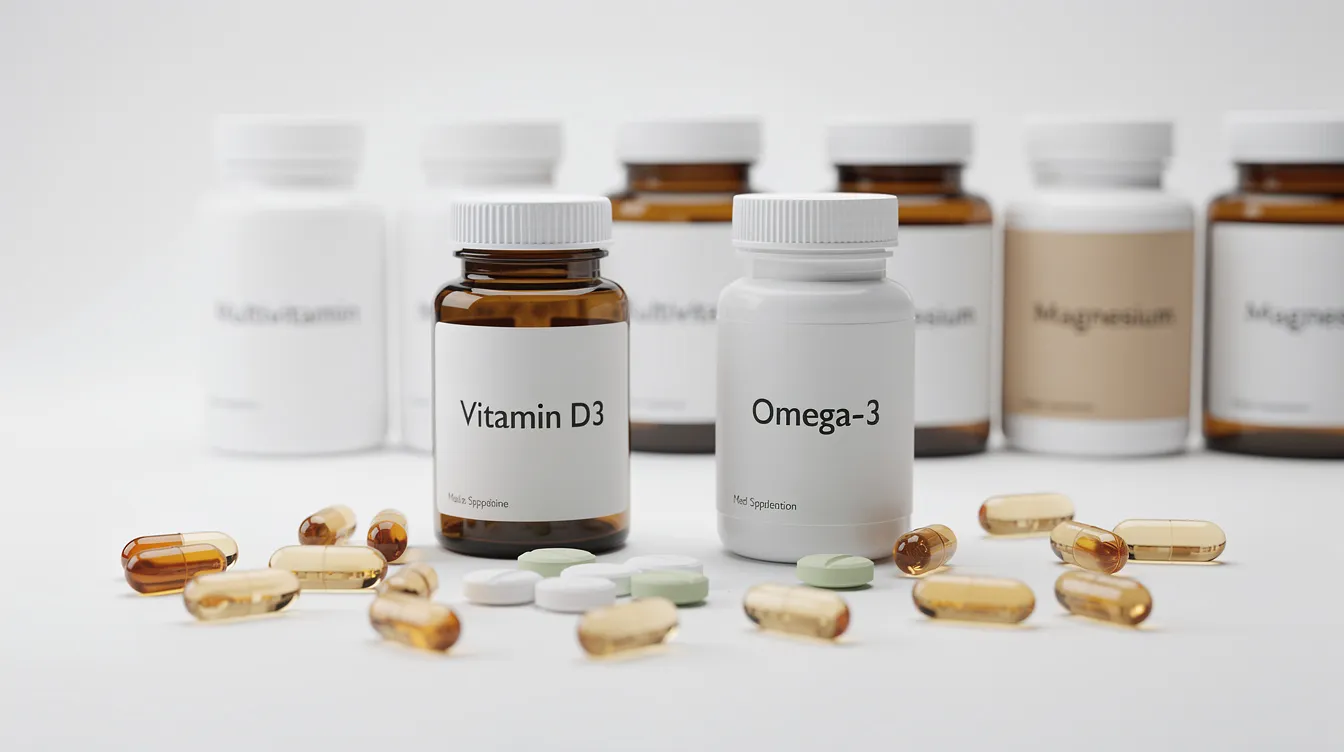
The question of whether taking nad orally effective as a health strategy has become increasingly relevant as the supplement market expands. NAD+ plays a central role in energy metabolism, DNA repair, and cellular health, making it an essential component for maintaining vitality and healthy aging. With claims ranging from energy enhancement to age reversal, consumers deserve a clear, evidence-based answer before investing in oral nad supplements.
For a broader explanation of the different precursor pathways, see our main guide to NAD supplements, benefits, and risks.
Quick Answer: How Effective Is Oral NAD, Really?
Based on 2024 human data, direct oral NAD+ supplementation (intact nicotinamide adenine dinucleotide molecules in capsule form) shows low and inconsistent effectiveness at raising nad levels in blood or tissue. Oral NAD+ supplements may have variable absorption rates due to factors like digestive efficiency and gut health, which can limit their effectiveness in boosting NAD+ levels. In contrast, oral nad precursors like nicotinamide riboside nr have demonstrated measurable increases of 60–150% in circulating NAD+ metabolites in clinical studies.
The critical distinction to understand early:
Direct NAD+ pills: NAD+ is a large molecule that is not well absorbed when ingested, so oral supplements typically use precursors like niacin, NR, and NMN. The National Advertising Division has flagged unsubstantiated claims by companies marketing these products as direct boosters of cellular NAD+.
NAD precursors (niacin, NR, NMN): These have solid clinical support for raising blood NAD+ levels, though translating this to real-world health benefits remains an area of ongoing research.
Best suited for oral options: Daily cellular support, cost-conscious users, maintenance between IV protocols, gradual long-term strategies.
Less ideal for oral options: Rapid results needed, severe fatigue, compromised digestive function, aggressive anti aging protocols.
Delivery methods matter: Oral and IV delivery methods impact the effectiveness of boosting NAD+ levels, with IV therapy generally offering higher absorption and more immediate effects.
What Is NAD and Why Are People Trying to Take It Orally?
NAD, or nicotinamide adenine dinucleotide, is a coenzyme present in nearly every living cell. It serves as a critical cofactor for fundamental metabolic processes that keep your body running efficiently, including helping convert food into cellular energy through its central role in metabolism.

Understanding the different forms matters for anyone considering nad supplements:
NAD+: The oxidized form that participates in energy metabolism and cellular signaling
NADH: The reduced form that cells continuously recycle during energy production
NAD boosters: Precursors like nicotinamide riboside, nicotinamide mononucleotide, and niacin that the body converts back to NAD+
NAD+ supports over 500 enzymatic reactions in the body, highlighting its broad impact on health.
Key roles of NAD in cellular function include:
Energy production: Essential for ATP synthesis in mitochondria, the powerhouses making energy for your cells
DNA repair: Supports cellular repair mechanisms that maintain structural integrity
Cellular signaling: Activates sirtuins and PARPs, protein families linked to healthy aging and cellular stress resistance
Brain and muscle support: Influences mitochondrial function in metabolically active tissues
NAD+ is essential for maintaining mitochondrial function, which is critical for energy production and overall cellular health. Its decline is linked to age-related conditions such as cognitive decline and metabolic dysfunction.
Here’s what drives the market interest: human NAD+ levels decline substantially with age. Research indicates concentrations begin dropping around age 30–40 and may fall by 50% or more by age 60. This age-related decline correlates with fatigue, slower recovery, reduced mental clarity, and compromised metabolic health.
Since roughly the mid-2010s, this understanding has created a booming market for NAD boosters in pill, powder, spray, injection, and IV form—all claiming to restore youthful cellular energy and deliver anti aging health benefits.
How Oral NAD Works: Direct NAD+ vs. NAD Precursors
The core problem with swallowing direct NAD+ is structural. Intact NAD+ is a relatively large molecule (approximately 663 daltons) with a strong negative charge—characteristics that make it poorly suited for absorption across intestinal cells.
When you swallow a capsule labeled “NAD+,” here’s what happens:
The acidic environment and enzymes in your stomach begin to break down the molecule
The digestive system breaks NAD+ into smaller precursor molecules (primarily nicotinamide) before significant absorption occurs
These fragments undergo first-pass metabolism in the liver before entering circulation
Very little to no intact NAD+ actually reaches your cells
In contrast, oral supplements containing NAD precursors work with your body’s natural biochemistry and can reach bioavailability levels of 20–40%:
Vitamin B3 derivatives (nicotinic acid, niacinamide): Readily absorbed through well-characterized transporters with decades of therapeutic use and established safety profiles
Nicotinamide riboside (NR): Enters cells and converts to NAD+ through salvage pathways involving the enzyme nicotinamide riboside kinase. Shows good oral bioavailability (20–40%) with peak blood levels 1–2 hours post-ingestion
Nicotinamide mononucleotide (NMN): Shows more variable absorption. Some early research suggests NMN may convert to NR before absorption, while other studies propose direct uptake mechanisms. Clinical studies have found that NMN can increase whole blood NAD+ levels by up to 100–200% depending on the dose (1,000mg to 2,000mg).
Tryptophan: Can be converted to NAD+ through the kynurenine pathway, though this contributes only a minority of the body’s NAD+ under normal conditions
From a mechanistic perspective, precursors are far more plausible candidates for effective oral NAD boosting. The body already possesses the enzymatic machinery to convert these building blocks back into NAD+—it’s a process cells perform routinely.
What Does the Research Say About Taking NAD Orally?
As of 2024, no peer-reviewed human trials demonstrate that direct oral NAD+ supplementation consistently raises blood or tissue NAD+ levels. This represents a significant gap between marketing claims and clinical evidence.
The contrast with NAD precursor research is substantial:
Nicotinamide riboside studies:
Eight older adults receiving 1,000 mg daily showed 142% increase in NAD levels within 2 weeks
A 12-week study using doses titrated up to 2,000 mg daily reported approximately 60% increase in NAD+ levels in peripheral blood cells
Researchers found that macrovascular endothelial function improved significantly after NR supplementation in one trial
Dose ranges studied: Most research has employed NR doses ranging from 250–2,000 mg daily, with higher doses generally producing greater increases in NAD+ biomarkers
NMN human data: More limited than NR, with smaller sample sizes and varying regulatory status internationally. The U.S. FDA moved NMN toward drug status in 2022, affecting supplement availability
However, a critical caveat accompanies these findings: biochemical efficacy (raising NAD+ in blood) has not consistently translated to robust clinical outcomes. Short-term studies in older adults showing reliable 130–150% increases in circulating NAD+ revealed minimal improvement in cognition, vascular function, or muscle performance during the study periods.
More research is needed to determine whether sustained NAD+ elevation produces meaningful long-term health benefits in humans.
Is Taking NAD Orally Effective? Breaking Down the Pros and Cons
The direct answer: oral NAD+ itself appears weakly effective to ineffective at raising NAD+ levels, while oral precursors are effective at raising blood NAD+ but have modest, still-emerging evidence for real-world benefits beyond the biochemical level. Most human studies on NAD supplementation are short-term (1 to 20 weeks) and involve small sample sizes, making it difficult to draw definitive conclusions about long-term health outcomes.
Practical advantages of oral NAD and precursor supplementation:
Convenience: Capsules and powders can be taken at home without appointments, procedures, or clinical supervision
Cost: Oral supplements typically range from $30 to $100 per bottle, making them significantly more affordable than IV sessions, which can cost $250 to $1,000 each
Gradual support: Well-suited for long-term cellular health maintenance rather than acute interventions
Safety profile: The effects NAD supplements have are generally safe for most people when taken at the dosage recommended by a doctor, but mild side effects can occur, especially with high doses
Stackable: Easily combined with other lifestyle interventions and other nutrients
Some studies suggest potential improvements in insulin sensitivity and metabolic markers, particularly in overweight adults or those with prediabetes.
Realistic limitations to consider:
Direct NAD+ pills: Poor bioavailability and no convincing human clinical evidence supporting effectiveness
Slower onset: Multiple conversion steps mean precursors work gradually—weeks of consistent use before subtle improvements might be noticed
Individual variation: Effects vary by genetics, baseline NAD status, gut health, and metabolic function
Unregulated market: Products may be mislabeled, under-potent, or over-potent; manufacturing processes vary widely
Potential risks: High doses may increase the risk of side effects such as stomach upset, headache, or skin flushing. There is also a theoretical concern that because NAD+ fuels high-energy processes, it could inadvertently support the growth of existing cancer cells.
View oral NAD strategies as one tool within a broader health optimization toolkit. Combining supplementation with lifestyle habits known to naturally preserve NAD+—quality sleep, regular exercise, stress management—creates a synergistic approach to reaching your wellness goals.
Oral NAD vs. IV and Injections: Which Is More Effective and For Whom?
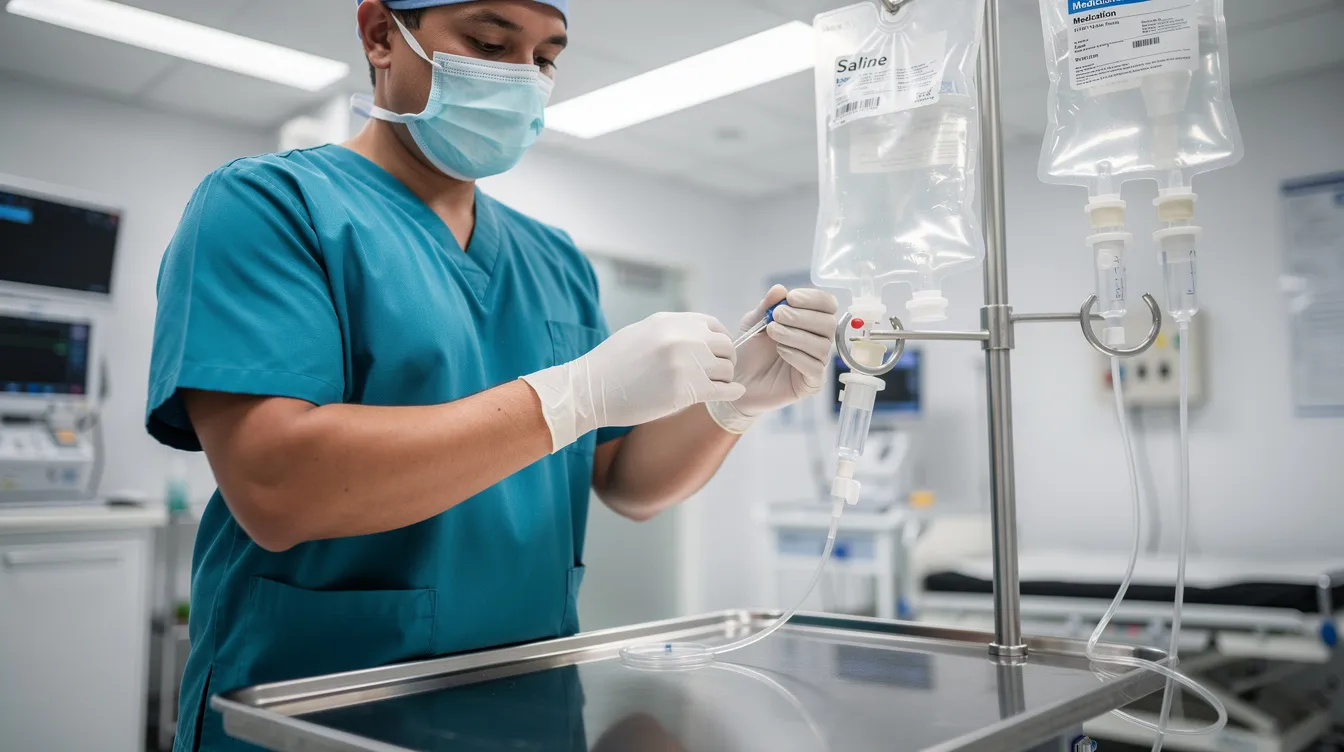
NAD iv therapy involves intravenous infusion directly into the bloodstream. Nad injections deliver NAD+ or precursors via intramuscular or subcutaneous routes. Both bypass the digestive system entirely, allowing NAD+ to enter systemic circulation without degradation.
Real-world clinical observations:
Most patients and practitioners report quicker subjective improvements in energy, focus, and recovery from iv infusions or nad shots compared to oral products. Because injectable NAD+ achieves higher peak concentrations in the bloodstream more rapidly, it may engage cellular processes faster.
Important mechanistic note: Even administered intravenously, NAD+ still encounters cell membranes that don’t readily permit intact NAD+ entry. The body converts it to precursors before cellular uptake. The advantage is speed and peak levels, not bypassing biology entirely.
When IV or injection may be preferred:
Severe or refractory low energy states
Demanding cognitive or physical performance goals with time constraints
Recovery from acute illness or surgery
Compromised digestive function (inflammatory bowel disease, post-bariatric surgery)
Athletes in competitive training blocks
When oral NAD/precursors make sense:
Maintenance between intensive iv doses protocols
Cost-sensitive individuals seeking sustainable long-term support
Those with healthy GI function tolerating oral supplements well
People with modest timelines for results
The best route depends on budget, time, tolerance for procedures, and medical history. Consultation with a qualified clinician before starting IV or injection regimens is prudent, particularly for individuals with significant health concerns.
Choosing and Using Oral NAD Products Safely and Strategically
Selecting the right oral supplement form requires attention to several factors:
Product selection guidance:
Favor clearly labeled NAD precursors (NR, niacinamide) with disclosed dose per capsule over vague “NAD-boosting” claims
Look for products tested by independent third-party laboratories for purity and potency
Be cautious with “liposomal NAD+” or liquid form formulations lacking independent human data
Avoid products making extraordinary claims about reversing aging or curing diseases
Pragmatic dosing considerations:
Research has typically used NR at 250–1,000 mg daily. A reasonable starting approach might be 250–300 mg once daily, potentially increasing if tolerated. In the UK, regulatory authorization caps NR at 300 mg daily. This is general information—not personalized medical advice.
Timing and expectations:
Potential benefits are usually subtle and may take weeks to notice
Track simple markers: morning grogginess, afternoon energy, sleep quality, exercise tolerance
Don’t expect dramatic age reversal—the body responds gradually
Safety considerations:
Most healthy adults tolerate standard doses well
People with liver disease, kidney disease, or on multiple medications should consult a clinician first
Niacin can cause flushing (harmless but uncomfortable); NR typically does not
Stop and seek care if serious symptoms occur
Oral NAD strategies work best alongside evidence-based lifestyle habits that naturally support NAD recycling. Ongoing research through the 2020s will continue refining what truly “effective” use means. For now, approach oral NAD supplementation as one promising but still-evolving piece of your overall health strategy—not a standalone solution for skin health, longevity, or peak performance.