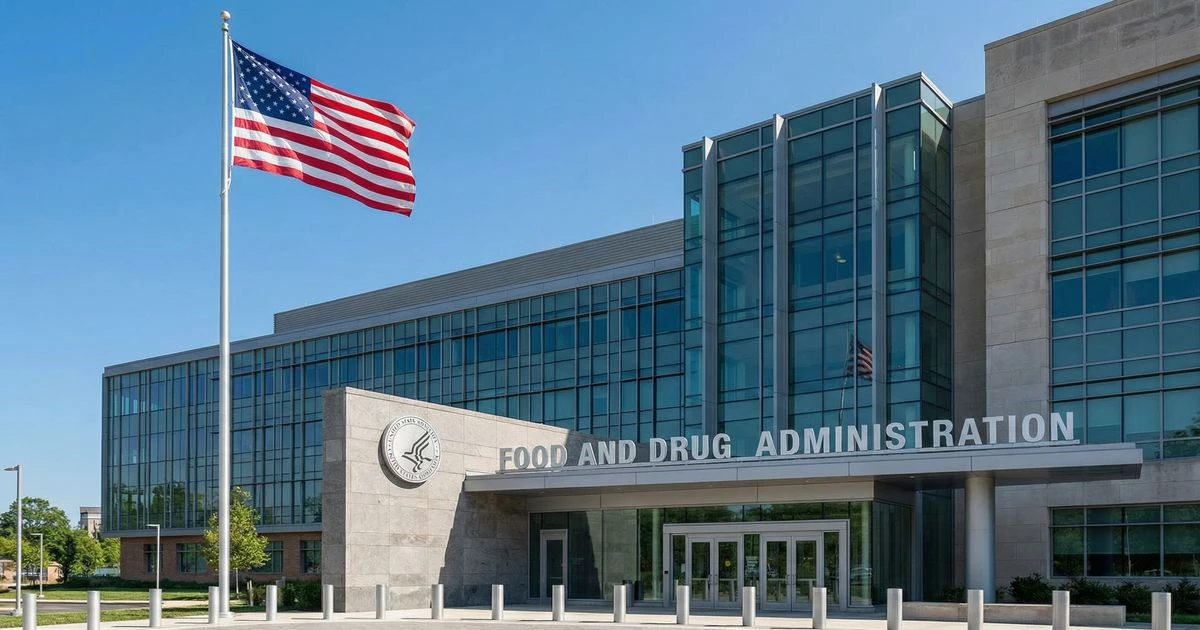
The question of whether nicotinamide mononucleotide is lawfully marketed in the United States has been one of the supplement industry’s most contentious debates over the past few years. After regulatory uncertainty that removed products from shelves and sparked federal litigation, 2025 brought a definitive answer. Here’s what you need to know about where NMN stands today and how to navigate the evolving regulatory landscape.
Quick Answer: Is NMN Legal in the US and Globally in 2026?
As of early 2026, NMN is lawful in dietary supplements in the United States. The FDA reversed its earlier position on September 29, 2025, confirming that beta nicotinamide mononucleotide is not excluded from the definition of a dietary supplement under federal law. This means NMN products can be legally manufactured, sold, and purchased in the US when they comply with standard dietary supplement regulations.
However, legal status does not mean “anything goes.” NMN supplements must still meet all requirements under the Dietary Supplement Health and Education Act (DSHEA), including proper labeling, good manufacturing practices, and avoiding disease claims. The FDA’s decision restored market access, but compliance obligations remain fully in effect.
Here’s a quick snapshot of NMN’s status in key regions:
| Region | Status (2026) |
|---|---|
| United States | Lawful as a dietary ingredient in supplements |
| European Union | Novel food status; authorization pending |
| United Kingdom | Novel food framework applies post-Brexit |
| Japan | Permitted under Foods with Function Claims system |
| Australia/New Zealand | Restricted; may require assessment as novel food or therapeutic good |
| Regulations evolve, so always verify current guidance and consult professionals before making regulatory, legal, or health decisions. |

What Is NMN and Why Is It Regulated?
Nicotinamide mononucleotide NMN is a derivative of vitamin B3 and serves as a precursor to nicotinamide adenine dinucleotide (NAD+), a coenzyme essential for cellular energy production, DNA repair, and numerous metabolic processes. Research indicates NAD+ levels can decline significantly with age—some studies suggest up to 50% reduction by middle age—which has driven substantial interest in NAD+ precursors like NMN.
While NMN occurs naturally in small amounts in foods like broccoli, edamame, and avocado, supplements typically provide much higher, concentrated doses. This distinction matters for regulators. Once an ingredient moves from trace dietary exposure to supplemental doses, agencies like the US FDA and the European Food Safety Authority (EFSA) apply different oversight frameworks.
Key points connecting the science to regulation:
Aging and metabolism research has accelerated clinical interest in NMN since approximately 2016-2017
Interest in NMN has been partly driven by its potential role in addressing age-associated conditions, including Alzheimer’s disease, which has contributed to the growing research momentum
This research momentum led to substantial clinical investigations as a potential new drug, triggering regulatory scrutiny
Regulators prohibit supplement marketers from claiming NMN treats, cures, or prevents diseases
The ingredient’s dual development as both a supplement and potential drug created the legal complexity that dominated the 2022-2025 period
NMN and the FDA: How We Got to the 2025 Reversal
Understanding the FDA’s 2025 decision requires tracing the regulatory timeline that preceded it. What seemed like a straightforward supplement launch in 2017 evolved into a multi-year dispute involving the food and drug administration, pharmaceutical companies, and the supplement industry.
2017: NMN Enters the US Supplement Market
Evidence shows NMN was marketed as a dietary supplement in the United States beginning in 2017, with retail listings and product labels appearing from multiple brands. At this point, companies treated NMN as any other dietary ingredient under DSHEA.
2019: Drug Investigations Begin
MetroBiotech filed an Investigational New Drug (IND) application with the FDA, initiating substantial clinical investigations for NMN’s potential use in cardiovascular and metabolic conditions. This filing would later become central to the legal disputes over NMN’s status.
May 2022: Initial NDI Acknowledgment
The FDA acknowledged at least one New Dietary Ingredient (NDI) notification for NMN—from SyncoZymes (Shanghai) Co. Ltd.—without objection, temporarily signaling that the agency accepted NMN’s lawful use in dietary supplements.
November 2022: FDA Attempts to Block NMN
The FDA reversed course, issuing letters indicating NMN was excluded from the definition of a dietary supplement under the drug preclusion clause (section 201(ff)(3)(B) of the FD&C Act). In this action, the agency attempted to block NMN from being marketed as a dietary supplement. Major e commerce platforms like Amazon removed NMN products, and the agency issued warning letters to companies.
2023-2024: Industry Pushback
The Natural Products Association (NPA) and the Alliance for Natural Health (ANH) filed a joint citizen petition in 2023 requesting that the FDA reverse its decision on NMN. The NPA and other groups continued to challenge the FDA’s interpretation. NPA filed a citizen petition in August 2024 presenting evidence of NMN’s pre-2019 marketing as a supplement. The organization also filed a federal lawsuit in the nation’s capital, arguing the FDA missed critical evidence and that its interpretation would set a dangerous precedent that favors pharmaceutical development over consumer choice. The NPA has a history of holding the FDA accountable and advocating for consumer choice in dietary supplements. The Natural Products Association (NPA) played a crucial role in advocating for NMN’s legal status as a dietary supplement.
2024: Enforcement Discretion
While reconsidering its position, the FDA began exercising enforcement discretion with respect to certain NMN products—meaning it temporarily declined to take enforcement action while the policy review continued.
The central question throughout this period: under DSHEA’s race to market clause, did NMN qualify for continued supplement use because it was already sold as a supplement before drug investigations began?

FDA’s 2025 Decision: NMN Lawful as a Dietary Supplement Ingredient
On September 29, 2025, FDA Principal Deputy Director Donald Prater issued a letter signed by senior officials confirming that beta-nicotinamide mononucleotide is lawful for use in dietary supplements. The FDA’s decision declared NMN lawful by concluding it “is not excluded from the definition of dietary supplement under section 201(ff)(3)(B).” In its official communication, the FDA stated that NMN could be marketed as a dietary supplement because credible evidence showed it was sold in the US before being investigated as a drug.
The agency’s reasoning centered on evidence that NMN was marketed in the US as a dietary supplement before it became the subject of substantial clinical investigations as a drug. This interpretation of the race to market clause meant:
Prior drug authorization does not automatically bar an ingredient from supplement use if it was already on the US supplement market
The FDA determined that credible evidence of US marketing—not proof of full regulatory compliance at the time—could establish such authorization
The agency acknowledged its earlier reading of the statute was not the “best reading”
The FDA’s reversal on NMN’s status was influenced by advocacy efforts from the NPA and other industry stakeholders who challenged the agency’s previous interpretation.
Following the reversal, the FDA reinstated NDI notifications. On December 2, 2025, the agency issued a “good day letter” to SyncoZymes via distributor CellMark USA (an NPA member), confirming their NMN’s eligibility.
Industry Response
Daniel Fabricant, Ph.D., of the Natural Products Association, hailed the reversal as ending “three years of uncertainty” and urged platforms to immediately restore NMN products to their listings. The NPA stated it would continue pressing Congress to reform the drug preclusion clause to prevent similar conflicts, emphasizing that the “FDA stops abusing” the drug preclusion clause with this decision.
Steve Mister, president and CEO of the Council for Responsible Nutrition, commented that the FDA missed an opportunity to clarify broader regulations affecting dietary supplements, highlighting ongoing regulatory challenges for the industry.
The Council for Responsible Nutrition and other industry stakeholders raised concerns that FDA’s reversal might weaken premarket safety incentives, leaving key terms like “substantial clinical investigations” ambiguous for future ingredients.
What NMN’s Legal Status Means for US Consumers and Brands in 2026
The FDA’s decision brought clarity to the supplement market, but it did not create a regulatory free pass. Here’s what the 2026 landscape looks like for both consumers and brands.
For Consumers
You can legally purchase NMN supplements from reputable US retailers and online platforms that have restored listings following FDA’s reversal. Consumer access has been fully restored, but smart purchasing still matters:
Look for products from companies providing clear contact information and evidence of third-party testing
Be cautious of products making aggressive claims about treating Alzheimer’s disease, diabetes, or “reversing aging”
Verify that products display proper Supplement Facts panels and ingredient lists
Consider starting with conservative doses (market norms suggest 250-500mg daily, though no official dose has been established)
For Brands and Formulators
NMN can lawfully be used as a dietary ingredient, but companies must meet all standard requirements. Companies entering the NMN supplement market face unique challenges due to the evolving regulatory landscape and potential legal uncertainties:
Manufacture under current Good Manufacturing Practice (cGMP) regulations (21 CFR Part 111)
Use NMN only in oral dosage forms typical of supplements: capsules, tablets, powders, or liquids
Ensure labels list NMN by proper name and quantity per serving, with all required panel information
Avoid disease claims or implied drug claims—only structure/function claims describing general support for normal body functions (e.g., “supports cellular energy production”) when substantiated by evidence
Maintain documentation including ingredient specifications, certificates of analysis, and safety data
Quick Compliance Checklist
| Requirement | Details |
|---|---|
| NDI Notification | Required unless sourcing from supplier with FDA-acknowledged NDIN |
| cGMP Compliance | Manufacturing must follow 21 CFR Part 111 |
| Proper Labeling | Supplement Facts, ingredients, manufacturer info, net quantity, directions |
| Claim Restrictions | No disease treatment claims; structure/function claims must be substantiated |
| Notification Timeline | NDI submissions required at least 75 days before sale |
| Businesses must consider potential litigation risks and evolving FDA positions when planning their NMN strategy after the ruling. The FDA’s ruling provides clarity for businesses but also highlights the need for tailored compliance strategies to anticipate potential shifts in regulatory expectations. |
Understanding the Drug Preclusion Clause and DSHEA
The legal framework that created NMN’s regulatory drama centers on a specific provision in DSHEA—the drug preclusion clause found in section 201(ff)(3)(B) of the FD&C Act, which is enforced by the drug administration fda.
What the Law Says
In plain terms, the clause establishes that ingredients which are “articles” authorized as new drugs, or which have been the subject of substantial clinical investigations that have been made public, are generally excluded from the definition of a dietary supplement.
However, there’s a critical exception: this exclusion does not apply if the ingredient was previously “marketed as a dietary supplement or as a food” in the United States before those investigations or drug authorizations occurred.
Why This Framework Exists
Congress designed this provision to prevent companies from bypassing the drug-approval pathway by simply relabeling unapproved drugs as supplements. The logic: if an ingredient is already being developed as a drug, it shouldn’t be able to enter the market as a supplement without proper drug approval processes.
How NMN Tested the System
NMN became a test case because it was developed in both supplement and drug contexts around the same time:
The drug administration fda initially interpreted evidence of drug investigations as precluding NMN from supplement use in 2022
Industry groups presented evidence of pre-2020 supplement marketing
The fda’s decision in 2025 reversed its previous stance after concluding the evidence showed NMN fit within DSHEA’s exception
Remaining Uncertainties
Despite the fda’s decision, several questions remain for future ingredients:
The FDA has not fully defined what qualifies as “substantial clinical investigations” (e.g., specific trial phases or sample sizes)
The precise “preclusion date”—when drug investigations begin to count—remains somewhat ambiguous
Industry groups argue the FDA missed a pivotal opportunity to bring clarity through formal guidance
International Regulations: How NMN Is Treated Outside the US
While the US FDA now permits NMN in dietary supplements, international regulatory regimes operate independently and often more restrictively.
European Union
NMN is generally considered a “novel food” under EU law because there is limited evidence of significant consumption before May 15, 1997. Key points:
Placing NMN on the EU market typically requires a successful Novel Food application under Regulation (EU) 2015/2283
Authorization requires European Commission approval following EFSA safety assessment
As of 2026, applications remain pending; no approvals have been granted
Some member states exercise limited enforcement discretion, but widespread marketing remains restricted
United Kingdom
Post-Brexit, the UK operates its own novel food regime through the Food Standards Agency:
NMN faces similar requirements to the EU framework
Companies need novel food approval before widespread marketing in human foods or supplements
The UK regime is evolving independently from EU decisions
Japan
Japan has been more welcoming to NMN:
Products can be sold under the Foods with Function Claims (FFC) system
Companies must submit safety and scientific substantiation documentation
Several NMN products have successfully entered the Japanese market
Australia and New Zealand
Food Standards Australia New Zealand (FSANZ) regulates novel foods in this region:
NMN may require assessment before being added to food categories
Products making therapeutic claims may fall under the Therapeutic Goods Administration (TGA), which has classified NMN as an unapproved therapeutic good
Penalties for violations can reach AUD 1 million
Businesses considering international expansion should consult regional legal counsel, as penalties for noncompliance vary significantly across jurisdictions.

NMN in the Natural Health Movement: Trends, Perceptions, and Wellness Culture
The recent FDA declaration that Nicotinamide Mononucleotide (NMN) is lawful in dietary supplements has sent ripples of excitement throughout the natural health movement. As a key player in the dietary supplement industry, NMN has been at the forefront of discussions surrounding anti-aging, wellness, and preventative healthcare. The Natural Products Association (NPA) has been instrumental in advocating for NMN’s lawful use in dietary supplements, and their efforts have paid off with the FDA’s reversal of its prior decision.
The natural health movement has long emphasized the importance of responsible nutrition, and NMN supplements have been touted as a potential game-changer in the quest for healthy aging. With the FDA’s decision to declare NMN lawful in dietary supplements, consumers can now access these products with greater confidence, knowing that they meet the FDA’s standards for safety and efficacy. E-commerce platforms are expected to immediately restore NMN products to their listings, making it easier for consumers to purchase these supplements online.
However, the FDA’s reversal on NMN has also sparked concerns about the potential for pharmaceutical companies to exploit the drug preclusion clause, which could limit consumer access to certain dietary ingredients. The NPA has vowed to continue pressing Congress, the courts, and the FDA to stop abusing the drug preclusion clause and to bring more clarity to the regulatory landscape surrounding dietary supplements.
As the supplement industry continues to evolve, it’s essential for companies to stay ahead of the curve and ensure compliance with FDA regulations. The FDA’s decision on NMN has significant implications for the industry, and businesses must be aware of the potential legal risks and opportunities associated with this development. By prioritizing consumer access and choice, the natural health movement can continue to thrive, and NMN supplements can play a vital role in promoting healthy aging and wellness.
In the wake of the FDA’s decision, industry stakeholders are urging the agency to provide more guidance on the use of NMN in dietary supplements, particularly with regards to labeling, manufacturing, and marketing requirements. The NPA has called on the FDA to exercise enforcement discretion and to work with the industry to bring clarity to the regulatory framework surrounding NMN and other dietary ingredients.
As the natural health movement continues to grow and evolve, it’s likely that NMN will remain at the forefront of discussions surrounding dietary supplements and wellness. With its potential to promote healthy aging and mitigate the risk of age-related diseases such as Alzheimer’s disease, NMN is an exciting development in the world of natural health. As consumers become increasingly savvy about their health and wellness options, the demand for high-quality, lawful dietary supplements like NMN is likely to continue to rise.
In conclusion, the FDA’s declaration that NMN is lawful in dietary supplements marks a significant milestone in the natural health movement. As the industry continues to navigate the complex regulatory landscape surrounding dietary supplements, it’s essential for companies to prioritize consumer access, choice, and education. By working together to promote responsible nutrition and wellness, the natural health movement can continue to thrive, and NMN supplements can play a vital role in promoting healthy aging and overall wellbeing.
Science Snapshot: What Research on NMN Actually Shows (Without Making Drug Claims)
Understanding what research exists helps consumers and industry stakeholders evaluate NMN appropriately—without crossing into impermissible medical claims.
Animal and Mechanistic Studies
Preclinical research, primarily in mouse models, has explored NMN’s influence on NAD+ metabolism, insulin sensitivity, and various aging-related markers. These studies provide scientific rationale but do not directly translate to human outcomes.
Human Clinical Trials
Early-phase human trials conducted between 2016-2023 have examined:
Safety and tolerability at various doses
Pharmacokinetics (how the body absorbs and processes NMN)
Changes in NAD+ or related metabolite levels
Preliminary exploration of effects on exercise performance, glucose metabolism, and subjective fatigue
Generally, these studies indicate oral NMN can raise NAD+ levels and appears well-tolerated at studied doses in the short term.
Critical Limitations
It’s essential to understand what this research does not show:
Regulators like the FDA do not treat these studies as proof that NMN can cure, prevent, or treat any specific disease
Many studies are small, short-term, and not designed to prove disease treatment
Limited long-term safety data exists, particularly in diverse populations
Optimal dosing, medication interactions, and effects in people with chronic conditions remain uncertain
Bottom Line
NMN represents an area of ongoing research, not a proven anti-aging therapy. Anyone considering NMN supplementation should discuss it with qualified healthcare professionals, especially if they have existing health conditions or take prescription medications.
Practical Guidance: How to Navigate NMN Safely and Legally in 2026
Whether you’re a consumer evaluating products or a brand entering the market, here’s actionable guidance for 2026.
For Consumers
| What to Do | Why It Matters |
|---|---|
| Choose cGMP-compliant manufacturers | Ensures quality standards are followed |
| Look for third-party testing | Verifies purity and potency claims |
| Check for complete contact information | Legitimate companies stand behind their products |
| Avoid products with disease claims | Such claims indicate non-compliance |
| Consult healthcare professionals | Especially important for older adults or those with health conditions |
| Red flags to watch for: |
Claims about treating or preventing specific diseases
Products promising to “reverse aging” or similar absolute statements
Missing or incomplete labeling information
Unusually low prices that suggest quality concerns
For Brands and Formulators
Documentation requirements:
Ingredient specifications and certificates of analysis
Safety data supporting use in dietary supplements
Evidence of pre-2020 US marketing (relevant for proprietary form risk assessment)
Manufacturing records demonstrating cGMP compliance
Legal and compliance practices:
Conduct thorough review of labeling, website copy, and advertising
Implement internal review procedures for marketing materials referencing aging, metabolism, or brain health
Monitor FDA communications and warning letters referencing NMN
Plan separate labels and claims strategies for different international markets
Consumer support practices should include clear product information and responsive customer service to build trust in a market recovering from regulatory uncertainty.
Looking Ahead: How NMN Regulations May Evolve After 2026
The FDA’s 2025 reversal resolved immediate questions about NMN’s legal status, but the regulatory landscape continues to evolve.
Potential US Developments
Courts or Congress may further define DSHEA’s drug preclusion clause scope
FDA may issue guidance clarifying “substantial clinical investigations” or how the race-to-market clause applies to future ingredients
Post-market surveillance and enforcement on misleading claims may increase as the NMN category grows
Industry stakeholders including the Natural Products Association will likely continue pressing Congress for legislative reform
International Trends
EU and UK authorities may complete novel food evaluations for NAD+ precursors, potentially establishing maximum daily doses or specific labeling requirements
Asian regulators may formalize positions as NMN products proliferate
Global harmonization efforts through bodies like Codex Alimentarius could influence future standards
Research Implications
Ongoing and larger human clinical trials could:
Inform safety assessments and acceptable intake levels
Influence regulatory strictness regarding NMN in foods and supplements
Potentially retrigger drug development interest, raising new questions about intellectual property and regulatory status

Suggested Visuals and Resources
Recommended Graphics
Timeline showing major NMN regulatory milestones (2017 first marketed → 2022 FDA reversal → 2024 NPA petition/lawsuit → 2025 FDA reversal)
Diagram comparing drug pathway versus dietary supplement pathway under DSHEA
World map highlighting regions with different NMN statuses
Authoritative Resources
FDA communications on NMN dietary ingredient status
DSHEA and FD&C Act sections on dietary supplement definitions
EFSA and European Commission novel food guidance
Peer-reviewed NMN studies from reputable journals
Disclaimer: This article is for informational purposes only. Nothing in this article constitutes medical, legal, or regulatory advice. Consult healthcare professionals for personal health decisions and legal/regulatory experts for business decisions. Regulations change; always verify current guidance from official sources like the FDA, EFSA, and relevant national authorities.
Further Reading
Explore more articles related to this topic:
- Why the FDA Reclassified NMN: A 2026 Status Update for Consumers
- Does NMN Interfere with Sleep? 5 Tips to Stop NMN-Induced Insomnia
- The 2026 Runner’s Guide: How NMN Impacts VO2 Max and Aerobic Capacity
- Is NMN Safe for Your Liver? Analyzing the Latest 2026 Hepatotoxicity Data
- NMN Side Effects Exposed: What the Science Says About Long-Term Use
- NMN Drug Interactions: Does NMN Interact with Statins, Blood Pressure Meds, and Antidepressants?