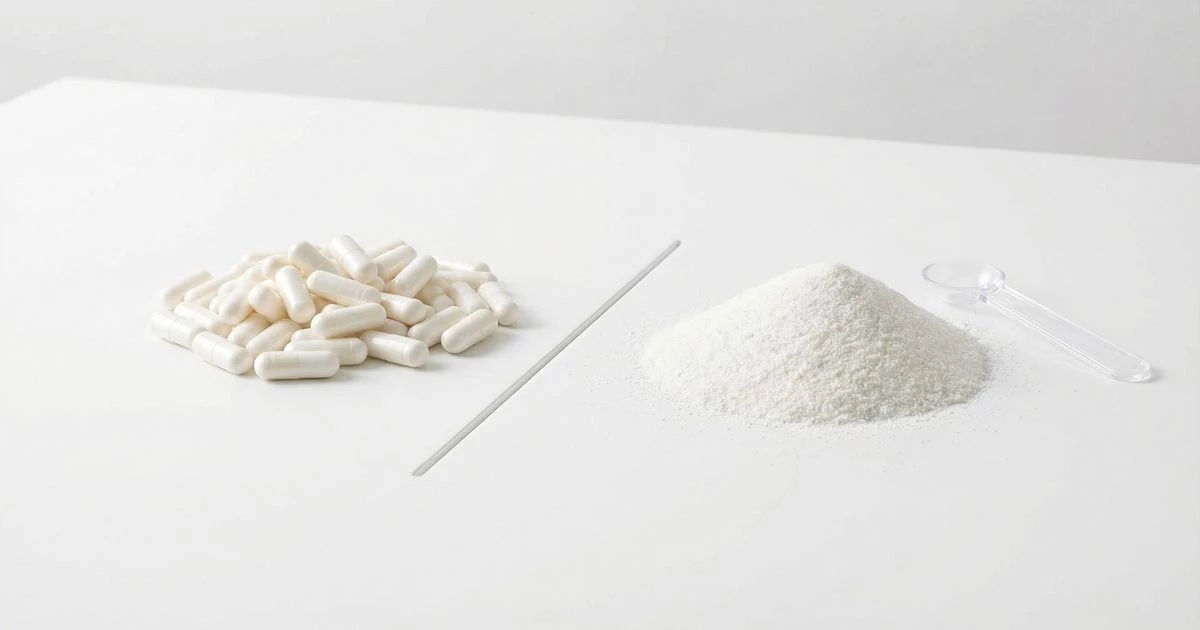
For many buyers, 500 mg sits in the middle ground between cautious dosing and high-dose marketing. That makes it a useful benchmark for comparing practicality, price, and what current evidence can actually support.
For those exploring Nicotinamide Mononucleotide (NMN) supplements, the question of optimal dosage often arises. Specifically, whether a 500 mg NMN supplement is sufficient, or if lower (250 mg) or higher (1000 mg) doses offer distinct advantages or disadvantages. The answer isn’t a simple yes or no, as effectiveness can depend on individual factors, desired outcomes, and the current state of research. This article will compare these common NMN dosages, examining their rationale, potential implications, and what current understanding suggests.
Understanding NMN and Its Role
NMN is a precursor to Nicotinamide Adenine Dinucleotide (NAD+), a coenzyme found in every cell of the body. NAD+ plays a crucial role in various biological processes, including energy metabolism, DNA repair, and gene expression. As we age, NAD+ levels naturally decline, which researchers believe contributes to many age-related health issues. Supplementing with NMN aims to boost NAD+ levels, potentially supporting cellular health and mitigating some effects of aging. The concept of a “sufficient” dose for an NMN supplement, therefore, revolves around how effectively a given amount can elevate NAD+ levels and translate into observable biological benefits without adverse effects.
The 250 mg NMN Supplement: A Starting Point
A 250 mg NMN supplement is often considered a lower-end or starting dose in the context of human supplementation. This dosage has been explored in some early human trials and is commonly found in commercially available products.
Practical Implications
For individuals new to NMN, a 250 mg dose can serve as an introductory amount. It allows for an assessment of individual tolerance and response before potentially increasing the dosage. Some people may find this dose adequate for their needs, particularly if they are younger or have fewer age-related concerns.
Trade-offs and Edge Cases
The primary trade-off with a 250 mg dose is that its impact on NAD+ levels might be less pronounced or slower compared to higher doses. While some studies have shown modest increases in NAD+ with this amount, the magnitude of the increase and its physiological effects might be subtle. For instance, an older individual with significantly depleted NAD+ levels might experience only minimal changes at this dosage. Consider a scenario where someone in their late 30s or early 40s begins taking NMN. A 250 mg dose might be sufficient to maintain existing NAD+ levels or provide a slight boost, contributing to general well-being. However, for a person in their 60s or 70s seeking more significant cellular support, 250 mg might not be enough to reach optimal NAD+ concentrations.
The 500 mg NMN Supplement: The Mid-Range Standard
The 500 mg NMN supplement has emerged as a popular “mid-range” dose, frequently cited in research and widely available in products like Nutricost NMN (Nicotinamide Mononucleotide) 500mg or NMN Pro™ 500. This dosage represents a common choice for many users seeking a balance between efficacy and cost.
Practical Implications
Many human clinical trials investigating NMN’s effects have utilized doses around 500 mg per day. This suggests a scientific basis for this amount in observing physiological changes. For example, some studies have reported improvements in metabolic markers, physical endurance, or insulin sensitivity at this dosage. The 500 mg NMN dose aims to provide a more noticeable elevation in NAD+ levels compared to 250 mg, potentially leading to more pronounced cellular and systemic benefits.
Trade-offs and Edge Cases
While 500 mg NMN is generally well-tolerated, it does come with a higher cost per serving than 250 mg. For some, this might be a consideration. From an efficacy standpoint, while 500 mg is often effective in raising NAD+ levels, individual responses can still vary. Genetic factors, lifestyle, and baseline NAD+ levels can all influence how well a person responds to this dose. For instance, a sedentary individual with poor diet might see less benefit from a 500 mg NMN supplement compared to an active person with a healthy lifestyle, even if both are the same age. The NMN is working within a broader physiological context. Some individuals might experience mild digestive upset at this dose, though this is rare and usually resolves with lower doses or by taking it with food.
The 1000 mg NMN Supplement: Higher End Dosing
A 1000 mg NMN supplement is considered a higher dose, often chosen by individuals seeking a more robust impact or by those who have not seen desired results at lower dosages. Research is still evolving on the long-term effects of such high doses.
Practical Implications
Some studies, particularly those involving older populations or specific health conditions, have explored NMN doses ranging from 750 mg to 1000 mg or even higher. These studies have often reported significant increases in NAD+ levels and, in some cases, more pronounced improvements in certain biomarkers or physical functions. The rationale behind a 1000 mg dose is to achieve a substantial and sustained elevation of NAD+ to potentially maximize benefits, especially when NAD+ depletion is significant.
Trade-offs and Edge Cases
The most significant trade-offs with a 1000 mg NMN dose are cost and the limited long-term safety data at this specific level for widespread use. While short-term studies have generally found 1000 mg to be safe and well-tolerated, the cumulative effects over many years are still being investigated. Another consideration is the potential for diminishing returns; at some point, increasing the dose of NMN may not lead to proportionally greater increases in NAD+ or additional benefits. Consider an individual participating in a clinical trial for a specific age-related condition. A researcher might prescribe a 1000 mg NMN dosage to ensure a maximal therapeutic effect within the trial’s duration. However, for a healthy individual simply aiming for general wellness, starting at 1000 mg without prior experience or specific guidance might be excessive or unnecessary. It’s also worth noting that some NMN supplements, such as Pure NMN Supplement 99%+ High Purity Nicotinamide, focus on purity, which might influence the perceived effectiveness of a given dose.
The Science Behind NMN: A Stable, Reliable NAD+ Activator
Regardless of the dose, the fundamental mechanism of NMN as a NAD+ activator remains consistent. NMN is absorbed and then converted into NAD+ through a series of enzymatic reactions within cells. The goal of any NMN supplement is to provide a stable and bioavailable form of NMN that can efficiently cross cellular membranes and contribute to the NAD+ pool. The stability and purity of the NMN itself are crucial. Products like those using Uthever® NMN, often found in NMN Pro™ 500, highlight the importance of high-quality raw materials. A 500 mg NMN supplement with high purity and stability might be more effective than a 1000 mg supplement with lower purity or poor stability, as the actual amount of active NMN delivered to the cells could be similar or even higher in the former. Research continues to unravel the nuances of NMN metabolism, including optimal delivery methods (oral, sublingual), timing of dosage, and individual genetic variations that affect NAD+ synthesis and utilization. This evolving understanding will further refine dosage recommendations over time.
Comparing NMN Dosages: 250 mg, 500 mg, and 1000 mg
To provide a clearer picture, let’s compare these three common NMN dosages across several key aspects.
| Feature | 250 mg NMN Supplement | 500 mg NMN Supplement | 1000 mg NMN Supplement |
|---|---|---|---|
| Typical Use Case | Starting dose, general wellness for younger adults | Standard maintenance, moderate age-related support | Aggressive support, significant age-related concerns |
| NAD+ Elevation | Modest, potentially slower | Noticeable, often sustained | Substantial, potentially rapid |
| Cost | Lower per serving | Moderate per serving | Higher per serving |
| Research Support | Some early human trials | Significant number of human trials | Growing number of human trials, often in specific contexts |
| Tolerance/Safety | Generally excellent, very low risk of side effects | Generally excellent, mild side effects rare | Generally good in short-term studies, long-term data evolving |
| Target Demographic | Younger adults (30s-40s), sensitive individuals | Middle-aged adults (40s-60s), general health maintenance | Older adults (60+), specific health goals |
| Flexibility | Easy to double if needed, good for titration | Good balance, often a stable dose | Can be split into smaller doses if desired |
| This table illustrates that “enough” is relative. For someone in their 30s looking for a gentle boost, 250 mg might be perfectly adequate. For someone in their 50s or 60s aiming for more robust cellular support, 500 mg NMN might be a more appropriate target. And for those with specific, pronounced age-related concerns or under medical supervision, 1000 mg NMN could be considered. |
The 6 Best NMN Supplements of 2026: Expert Approved
When considering an NMN supplement, the dosage is just one factor. The quality, purity, and formulation are equally important. Reputable brands often have their NMN tested by third-party laboratories to verify purity and ensure the absence of contaminants. Some common features of highly-regarded NMN products include:
- Purity: Typically 98% or 99%+ Nicotinamide Mononucleotide, as seen in products like Pure NMN Supplement 99%+.
- Formulation: Capsules are common, but sublingual powders or tablets are also available, which some believe offer better absorption.
- Stabilization: Some manufacturers use specific encapsulation techniques or offer NMN in stabilized forms to prevent degradation.
- Transparency: Reputable companies provide certificates of analysis (COAs) for their products, confirming the NMN content and purity. When evaluating a 500 mg NMN supplement, checking for these quality indicators is crucial to ensure you’re getting what you pay for and that the stated dosage is accurate. The market for NMN is evolving rapidly, and new formulations and delivery methods are constantly being developed.
NMN (Nicotinamide Mononucleotide): Benefits, Side Effects, and Considerations
Regardless of the dosage, understanding the general benefits and potential side effects of NMN is important.
Potential Benefits
The proposed benefits of NMN supplementation are largely linked to its ability to increase NAD+ levels. These include:
- Improved Energy Metabolism: NAD+ is critical for converting food into cellular energy.
- Enhanced DNA Repair: NAD+ is a co-factor for sirtuins, a family of proteins involved in DNA repair and cellular longevity.
- Cardiovascular Health: Some research suggests NMN may support healthy blood vessel function.
- Brain Health: NAD+ is important for neuronal function and cognitive processes.
- Muscle Function: Studies indicate NMN may improve muscle endurance and strength in some populations.
- Insulin Sensitivity: NMN has been linked to improvements in glucose metabolism in certain studies. It’s important to remember that much of this research is still in its early stages, particularly in humans, and more extensive, long-term studies are needed to confirm these benefits definitively.
Potential Side Effects
NMN is generally considered safe and well-tolerated in human studies at dosages up to 1000 mg per day, and sometimes higher, for durations of several months. Reported side effects are rare and usually mild, including:
- Mild digestive upset (nausea, diarrhea)
- Headache
- Flushing (less common than with Nicotinic Acid, another form of Vitamin B3) These side effects are often transient and can sometimes be mitigated by lowering the dose or taking NMN with food. If you experience persistent or severe side effects, discontinuing use and consulting a healthcare professional is advisable.
Considerations Before Supplementing
Before starting any NMN supplement, especially at higher doses like 500 mg NMN or 1000 mg NMN, consider the following:
- Consult a Healthcare Professional: This is especially important if you have pre-existing health conditions, are taking other medications, or are pregnant or breastfeeding.
- Purity and Third-Party Testing: Always opt for NMN supplements that provide evidence of high purity and independent third-party testing.
- Starting Dose: Many experts suggest starting with a lower dose (e.g., 250 mg) and gradually increasing it to 500 mg NMN, or higher, if desired and well-tolerated.
- Expected Outcomes: Be realistic about the potential benefits. NMN is not a miracle cure but a supplement that may support cellular health.
- Cost: NMN can be expensive. Evaluate the cost-benefit ratio for your individual situation.
- Long-Term Data: Acknowledge that long-term human studies on NMN are still ongoing, and our understanding of its effects will continue to evolve.
FAQ
Is 500mg of NMN too much?
For most healthy adults, 500 mg of NMN is generally not considered too much. It is a commonly used dosage in human clinical trials and by individuals seeking to raise their NAD+ levels. Studies have shown it to be well-tolerated with a low incidence of mild side effects. However, individual tolerance varies, and some may prefer to start with a lower dose.
What does NMN 500mg do?
A 500 mg NMN supplement aims to increase levels of Nicotinamide Adenine Dinucleotide (NAD+) within the body’s cells. By boosting NAD+, it is thought to support various cellular functions, including energy metabolism, DNA repair, and gene expression, which are crucial for maintaining cellular health as we age. Potential outcomes observed in studies at this dose include improvements in metabolic markers, physical endurance, and overall cellular vitality, though more research is ongoing.
Can NMN increase AMH?
The relationship between NMN and Anti-Müllerian Hormone (AMH) is an area of ongoing research, particularly concerning female fertility. Some preliminary research, primarily in animal models, suggests that NMN might have a positive impact on ovarian reserve and egg quality, which could indirectly affect AMH levels. However, direct evidence from human clinical trials specifically showing that NMN increases AMH levels is limited, and more robust research is needed to confirm this potential effect.
Conclusion
Is 500 mg of NMN enough? For many individuals exploring NMN supplementation, a 500 mg NMN supplement represents a well-researched and widely adopted mid-range dose. It strikes a balance between potential efficacy and general tolerability, making it a common choice for those seeking to support their cellular health and NAD+ levels. While 250 mg can serve as a gentle starting point, and 1000 mg may offer a more pronounced impact for specific needs, the 500 mg dosage often provides a practical and effective option for a broad range of users. the “right” dose is individual, depending on personal health goals, age, and how one’s body responds, ideally in consultation with a healthcare professional.
If you want the broader background first, see our science-based guide to NAD supplements, NMN, and related precursor forms.
References
This article has been editorially standardized to follow the same evidence-note pattern used across the NMN Labo knowledge base. For closely related background and adjacent context, start with:
- NAD Supplements: Uses, Benefits, Risks, and How to Choose
- How Long Does It Take for NAD Supplements to Work?
Further Reading
Explore more articles related to this topic: